Solar Panels for Business: UK Guide
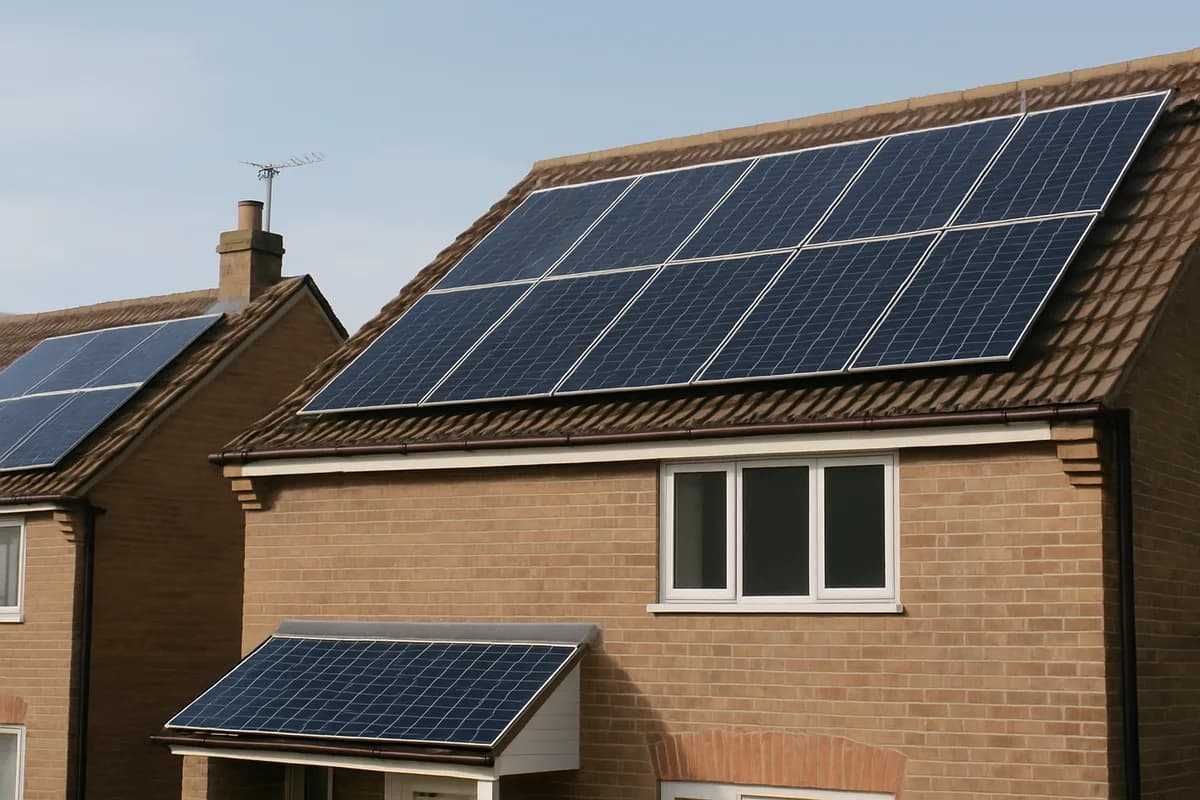
What would this actually cost at your home?
Installed prices vary widely by roof, access and region. Get an installed price for your property from MCS-certified installers.
Get an Installed PriceFree, no obligation. Takes about 2 minutes.
Is solar worth it for UK businesses?
UK business solar delivers 4–7 year payback after tax benefits. A 50kW system costs £40,000–£60,000 (ex VAT, recoverable for VAT-registered businesses). With 100% first-year capital allowances (full expensing), the effective cost drops by 25%. Annual savings: £8,000–£12,000. Businesses have higher daytime consumption (matching solar peak), lower cost per kWp (economies of scale), and superior tax treatment — making solar one of the best business investments available.
Business Solar Costs and ROI
UK business solar pricing (2026, ex VAT):
| System Size | Typical Business | Cost (ex VAT) | After Tax Relief | Annual Savings | Payback |
|---|---|---|---|---|---|
| 10kW | Small office | £10,000–£14,000 | £7,500–£10,500 | £2,000–£3,000 | 3–5 yrs |
| 30kW | Medium office | £24,000–£36,000 | £18,000–£27,000 | £5,000–£8,000 | 3–5 yrs |
| 50kW | Warehouse/shop | £40,000–£60,000 | £30,000–£45,000 | £8,000–£12,000 | 4–5 yrs |
| 100kW | Factory/supermarket | £70,000–£100,000 | £52,500–£75,000 | £16,000–£24,000 | 3–5 yrs |
*Tax relief = 25% corporation tax saving from full expensing. VAT-registered businesses also recover 20% VAT.*
Why business solar has faster payback than residential: 1. Lower cost per kWp (£700–£1,200 vs £1,300–£1,800 residential) 2. Higher daytime self-consumption (businesses operate during peak solar) 3. 100% first-year tax deduction (not available to individuals) 4. VAT recovery (not available to individuals — residential is 0% anyway) 5. Higher electricity costs for business (sometimes 30p+ per kWh)
Source: MCS commercial installer pricing; HMRC full expensing.
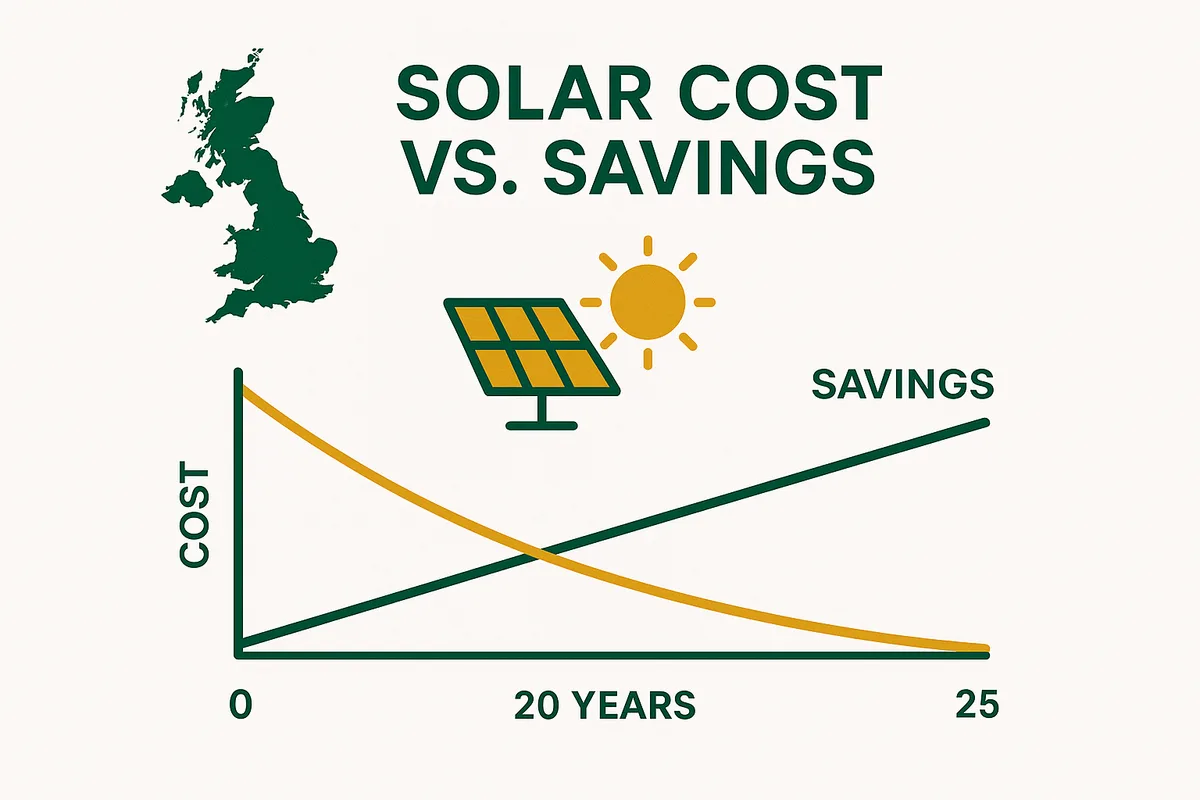
Tax Benefits: Full Expensing
100% First-Year Capital Allowance (Full Expensing):
UK businesses can deduct the ENTIRE cost of solar panels from taxable profit in year 1.
Example: 50kW system at £50,000 (ex VAT): - Corporation tax rate: 25% - Tax deduction: 25% × £50,000 = £12,500 saved immediately - Effective cost: £50,000 – £12,500 = £37,500
Combined with VAT recovery: - Gross cost: £50,000 + £10,000 VAT = £60,000 - VAT recovered: –£10,000 - Tax relief: –£12,500 - Effective cost: £37,500 (37.5% less than headline price)
This applies to: - Limited companies (corporation tax payers) - Sole traders and partnerships (income tax payers — same principle via capital allowances) - All business premises (offices, shops, warehouses, factories, farms)
It does NOT apply to: - Residential landlords installing on rental properties (landlords claim through different capital allowance rules) - Personal installations on your own home
Source: HMRC full expensing guidance; Finance Act provisions.
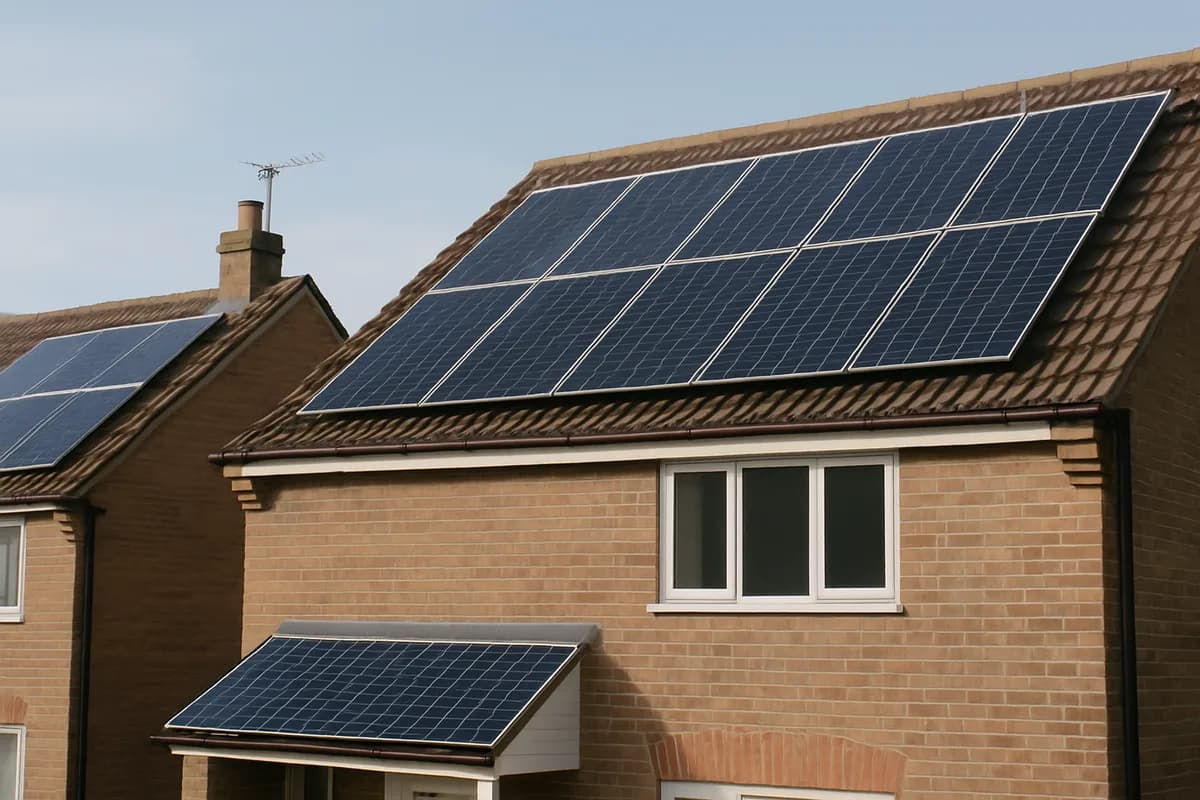
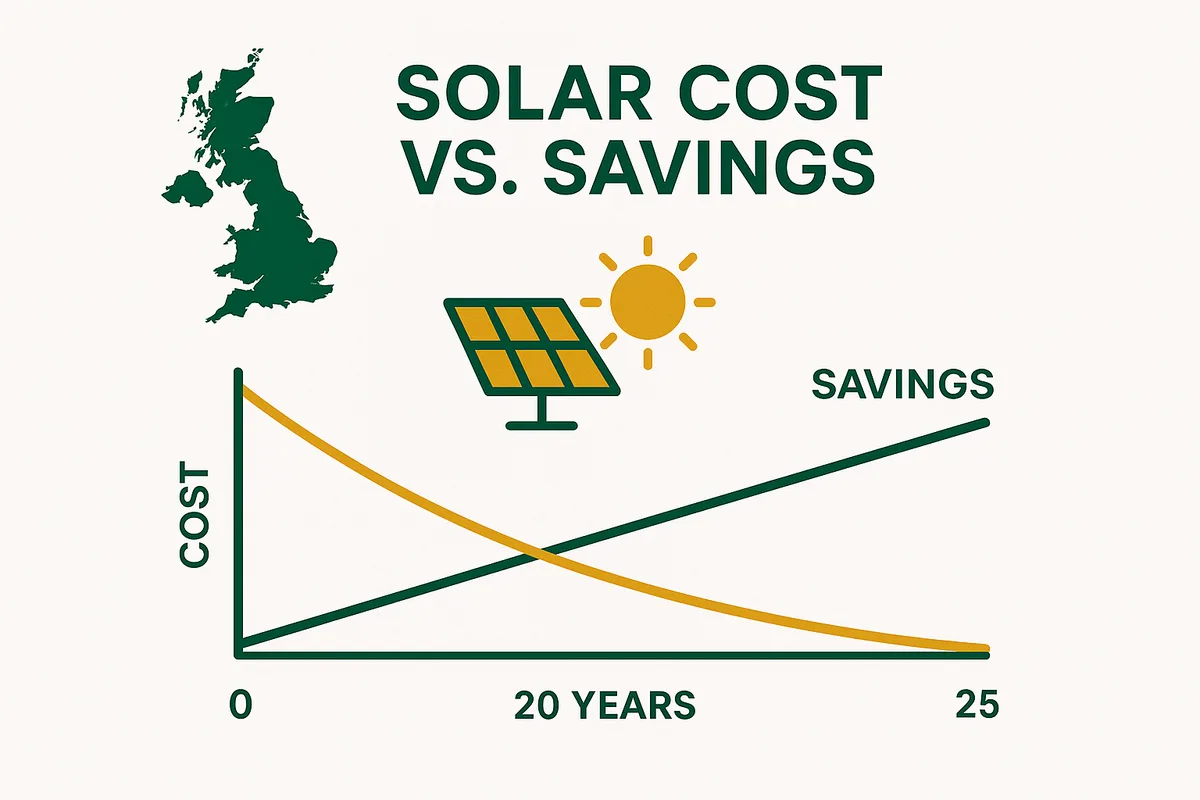
What would this actually cost at your home?
Installed prices vary widely by roof, access and region. Get an installed price for your property from MCS-certified installers.
Get an Installed Price
Daytime Consumption Advantage
Businesses have a natural advantage over residential solar: consumption aligns with generation.
Residential pattern: - Peak consumption: 5pm–10pm (cooking, heating, entertainment) - Peak solar: 10am–3pm - Mismatch: 50% self-consumption without battery
Business pattern: - Peak consumption: 8am–6pm (lighting, HVAC, equipment, IT) - Peak solar: 10am–3pm - Alignment: 60–80% self-consumption without battery
This higher self-consumption means businesses extract more value per kWh generated — each kWh offsets a 25–35p grid import (business rates are often higher than residential).
Result: Business solar ROI is fundamentally stronger than residential because the timing naturally aligns.
Source: Business energy consumption patterns; non-domestic electricity rates.
ESG and Sustainability Benefits
Beyond financial returns, business solar delivers:
- Carbon reduction: Measurable, reportable CO2 savings for ESG reporting
- SECR compliance: Streamlined Energy and Carbon Reporting requires large companies to report energy use and emissions. Solar reduces both.
- Supply chain requirements: Major retailers (Tesco, Sainsbury's, Amazon) increasingly require suppliers to demonstrate carbon reduction. Solar is a visible, verifiable measure.
- Customer perception: 73% of UK consumers prefer to buy from environmentally responsible businesses (Deloitte survey).
- Staff recruitment: Environmental credentials help attract younger talent who prioritise sustainability.
- B Corp and ISO 14001: Solar installation demonstrates environmental commitment for certification purposes.
Solar is one of the most visible, measurable, and cost-effective ESG actions a business can take — it earns money while reducing carbon.
Source: Deloitte consumer survey; SECR requirements; B Corp standards.
Frequently Asked Questions
Related guides
Related: Home Heating Systems
Solar panels are most powerful when combined with an efficient heating system. Heat pumps use solar-generated electricity to heat your home at 300-400% efficiency — making them the ideal partner for solar.
Heat pumps use electricity at 300-400% efficiency, making them ideal partners for solar.
From our sister site Home Heat Pump Guide
You might also like
What would this actually cost at your home?
Installed prices vary widely by roof, access and region. Get an installed price for your property from MCS-certified installers.
Get an Installed PriceFree, no obligation. Takes about 2 minutes.