Do Solar Panels Work in Winter?
Ready to see what solar could save you?
Get free, no-obligation quotes from MCS-certified installers in your area.
Get Free QuotesFree, no obligation. Takes 2 minutes.
Do solar panels work in winter in the UK?
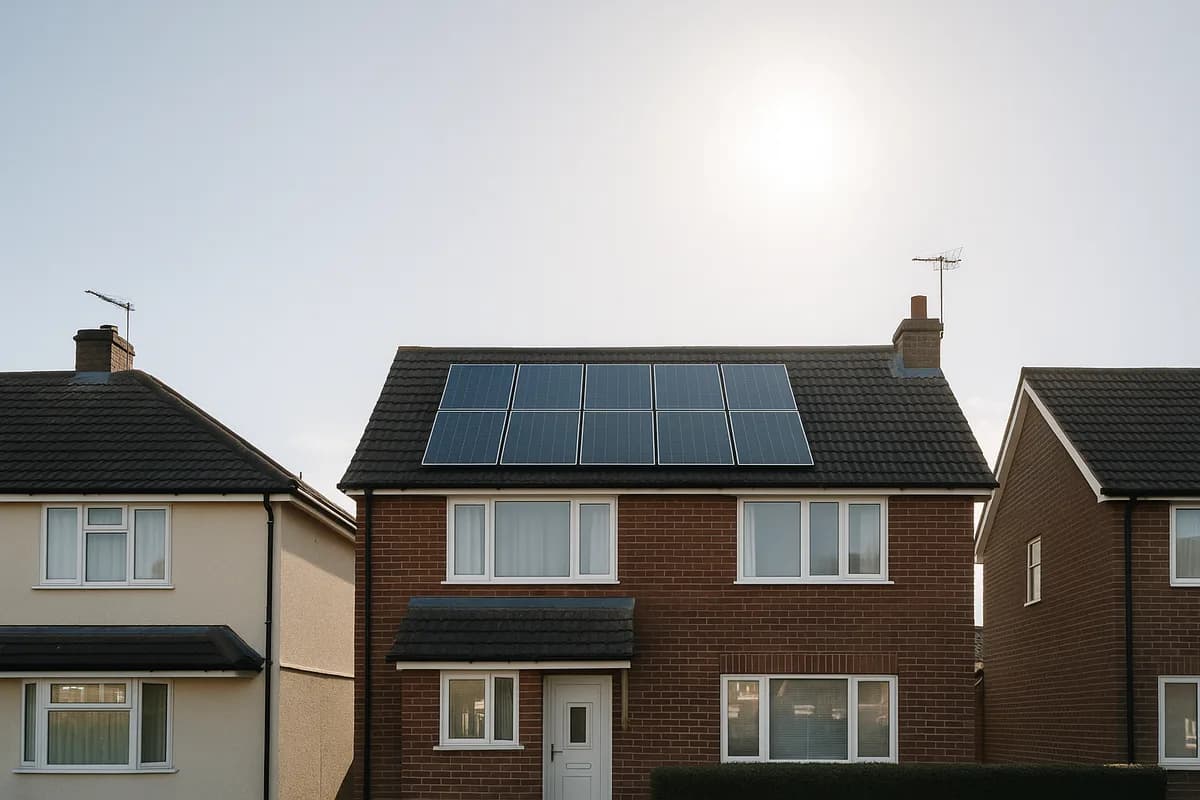
Yes, solar panels work in winter. UK panels typically produce 10–25% of their summer output during December and January, but they still generate meaningful electricity. A 4kW system produces around 100–150 kWh per month in winter — enough to offset a significant portion of your electricity bill.
How Much Do Solar Panels Produce in Winter?
Solar panels need daylight, not heat. Even on overcast winter days, diffused light reaches the panels and generates electricity. In fact, solar panels are slightly more efficient in cold temperatures — they lose efficiency as they get hotter in summer.
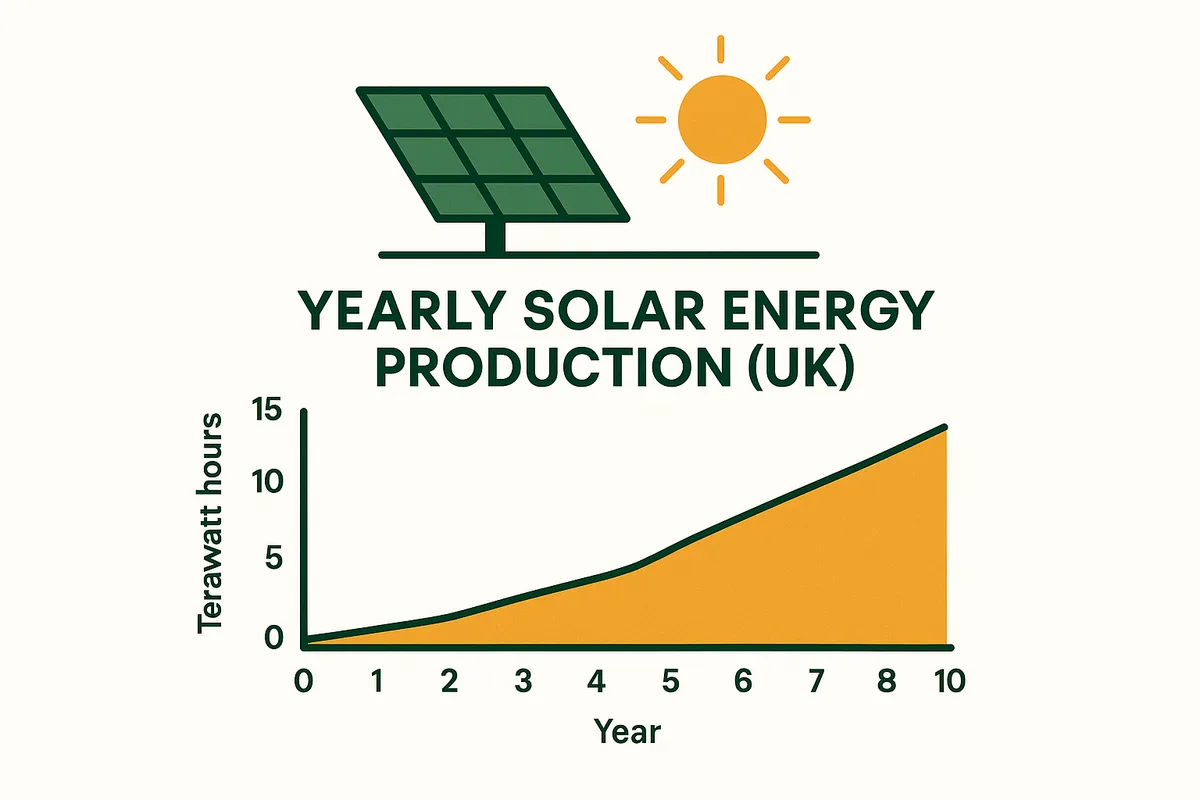
A typical 4kW system in the south of England produces approximately: - June–July: 500–550 kWh/month - December–January: 80–120 kWh/month - March–April: 300–380 kWh/month - Annual total: 3,800–4,200 kWh
Winter months account for roughly 10–15% of your annual solar generation. The remaining 85–90% comes from the longer, sunnier days between March and October.
Why Solar Panels Still Work on Cloudy Days
Solar panels respond to light intensity, not direct sunshine. On a cloudy UK winter day, panels typically produce 10–30% of their rated capacity. Modern monocrystalline panels are particularly good at capturing diffused light.
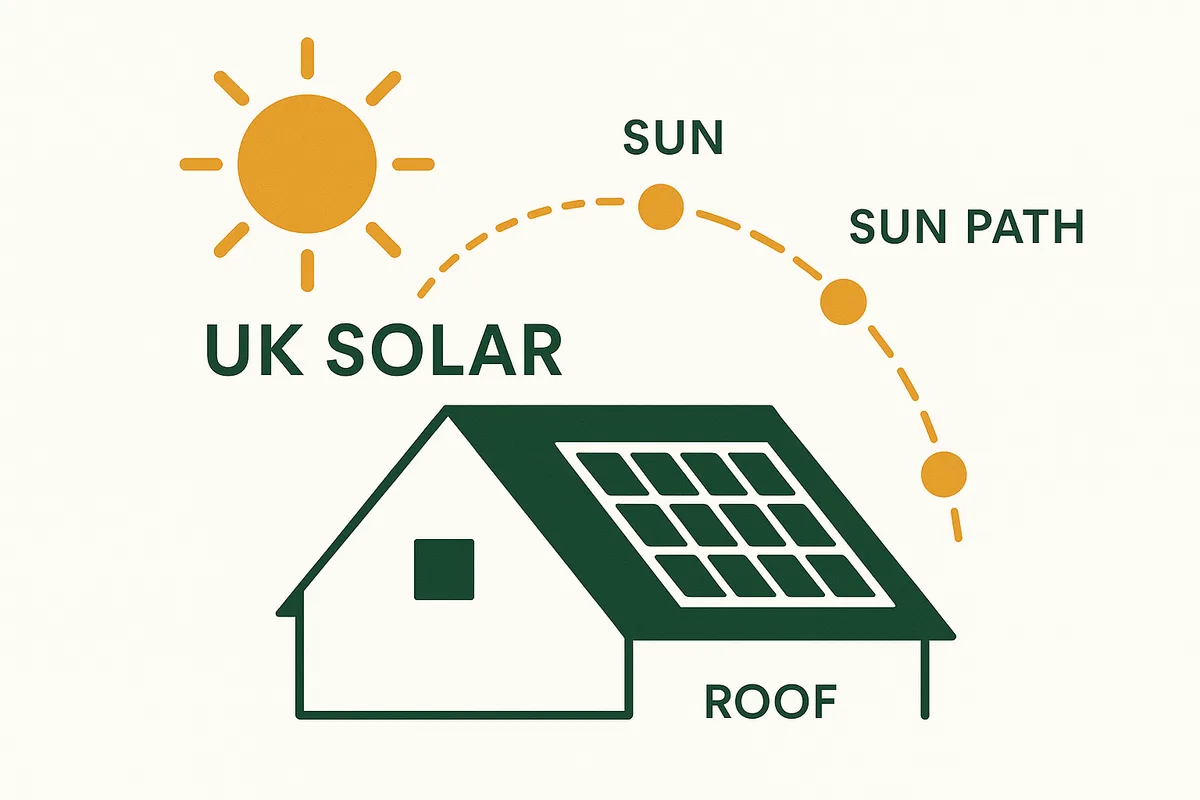
The key factor is daylight hours, not cloud cover. In December, the UK gets around 7–8 hours of daylight compared to 16–17 hours in June. This shorter window is the main reason winter output drops — not the clouds themselves.
Source: PVGIS (Photovoltaic Geographical Information System), European Commission.
Does Snow Affect Solar Panels?
Ready to see what solar could save you?
Get free, no-obligation quotes from MCS-certified installers in your area.
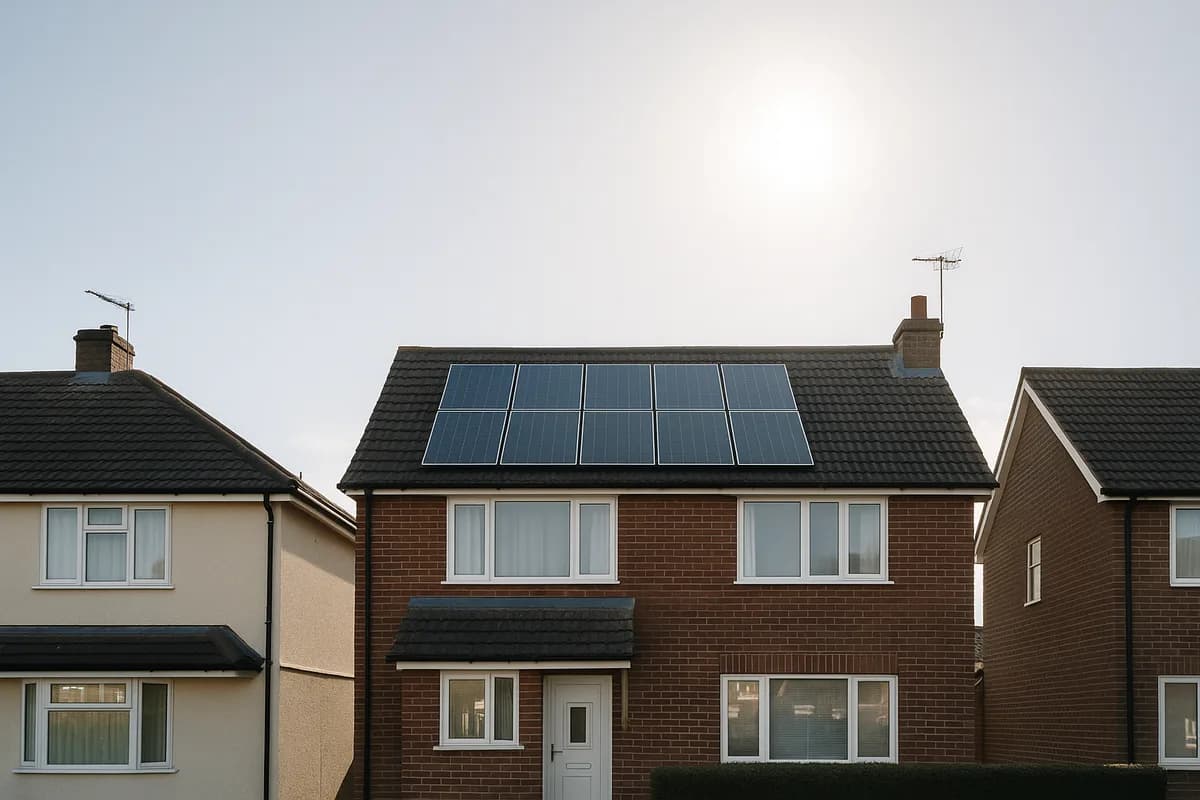
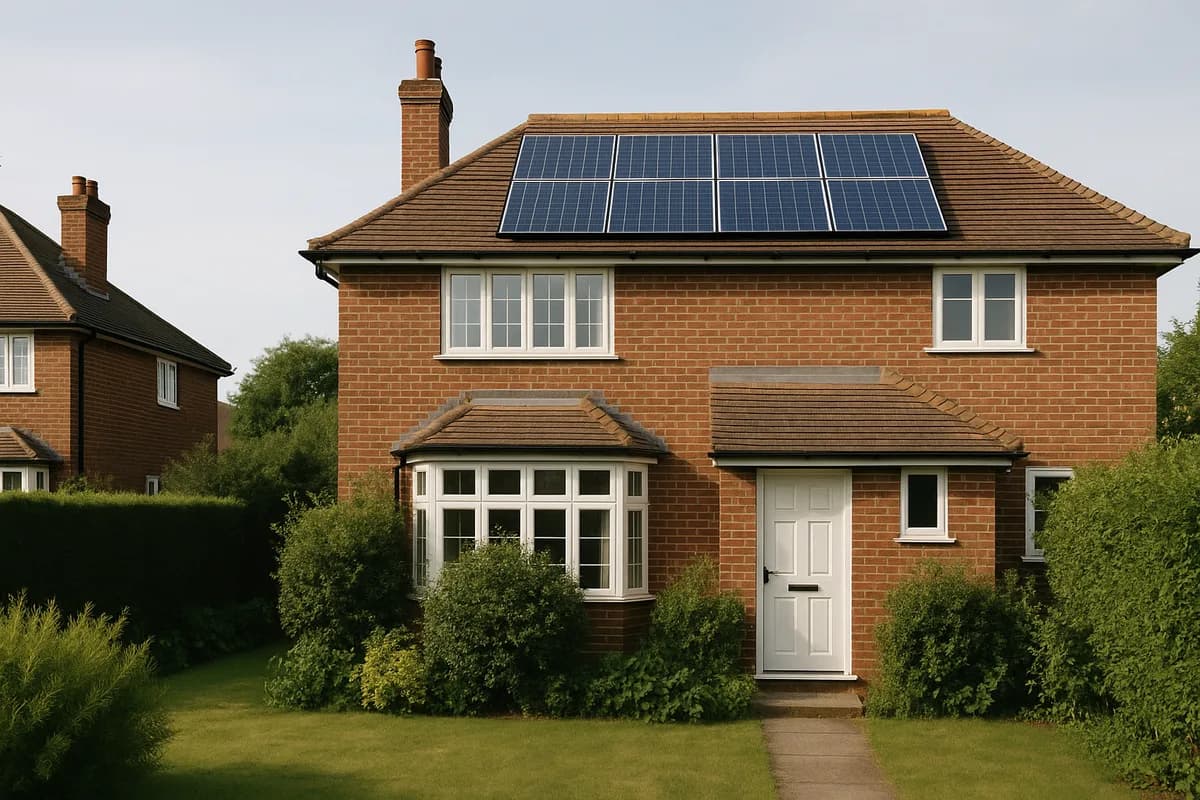
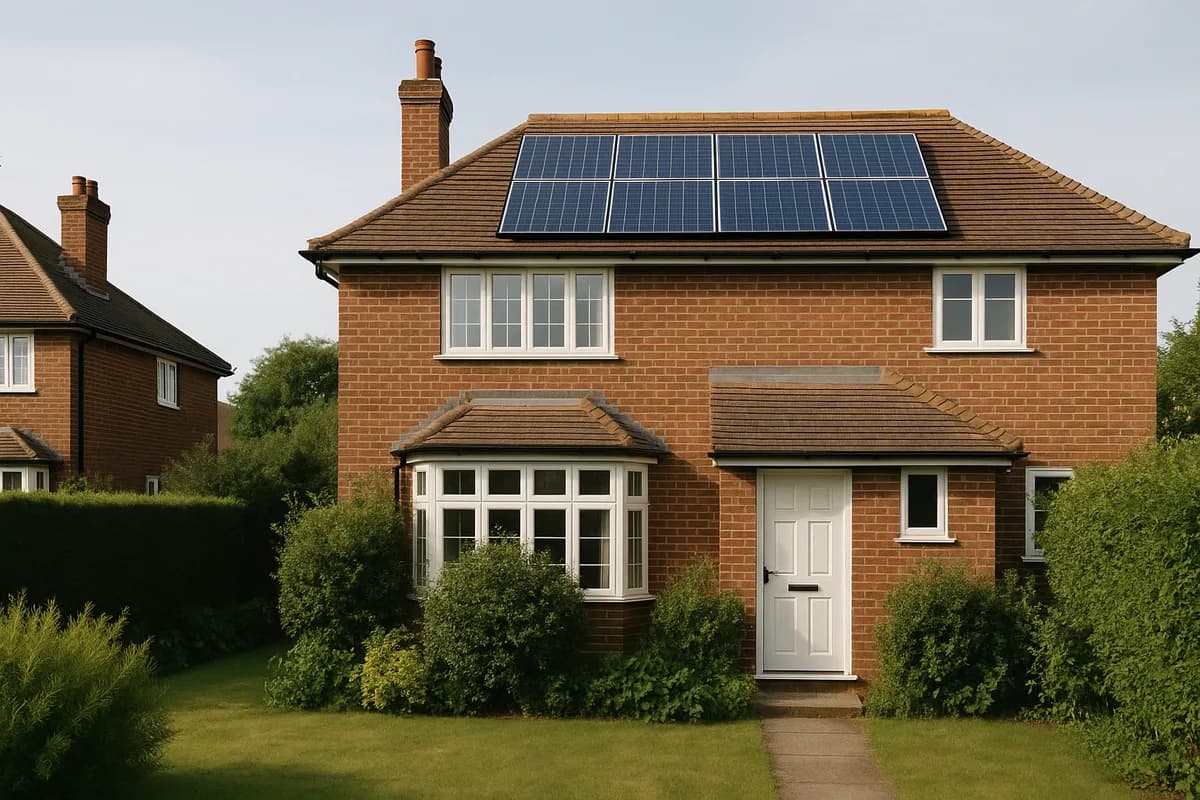
Get Free QuotesSnow rarely causes problems for UK solar panels. Most panels are installed at a 30–40 degree angle, which means snow slides off naturally. Even a thin layer of snow can reduce output, but the dark surface of the panels absorbs heat and accelerates melting.
Heavy snowfall is uncommon in most of the UK, and when it does occur, it typically melts within a day or two. The loss of generation from occasional snow is negligible over a full year — well under 1% of annual output.
How to Maximise Winter Solar Output
Tips for getting the most from your panels in winter:
- Keep panels clear of debris and bird droppings — clean panels capture more light
- Use a solar battery to store daytime generation for evening use when bills are highest
- Switch to a time-of-use tariff like Octopus Go to maximise the value of stored solar energy
- Run high-energy appliances (washing machine, dishwasher) during daylight hours to maximise self-consumption
- Monitor your system with an app to spot any performance issues early
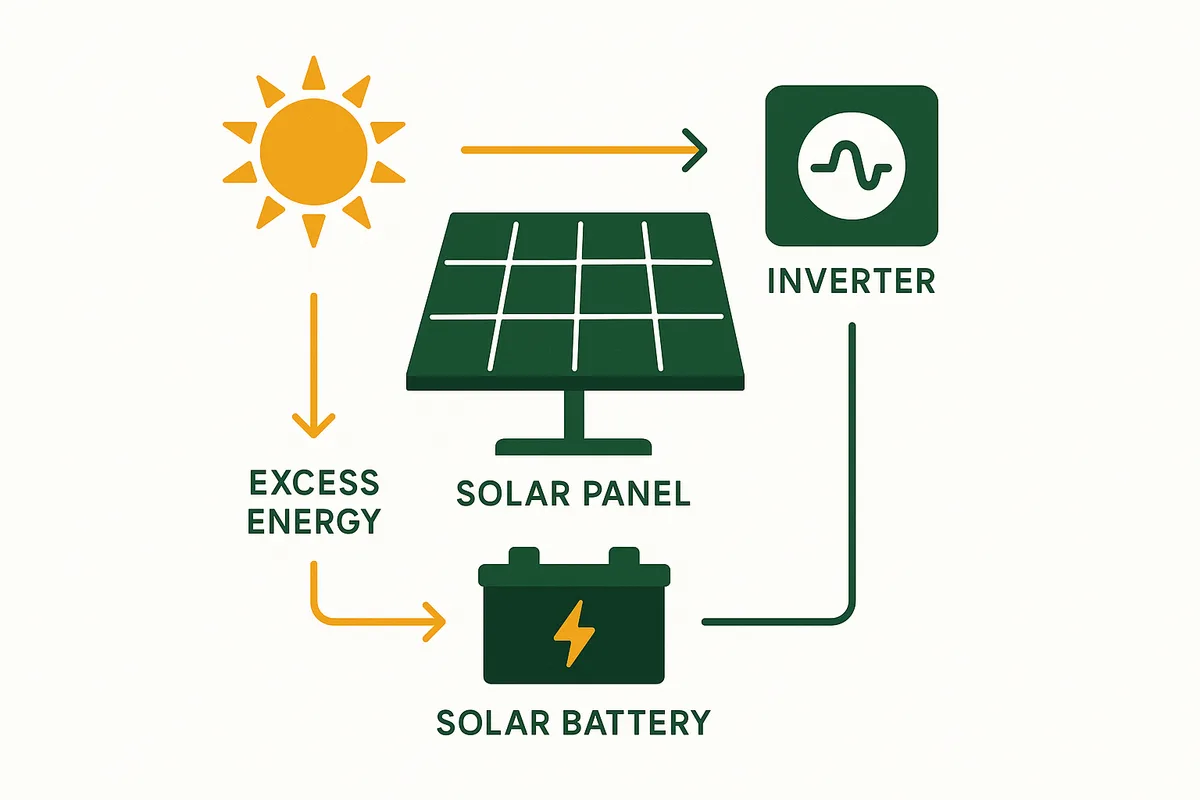
Are Solar Panels Still Worth It Given Winter Output?
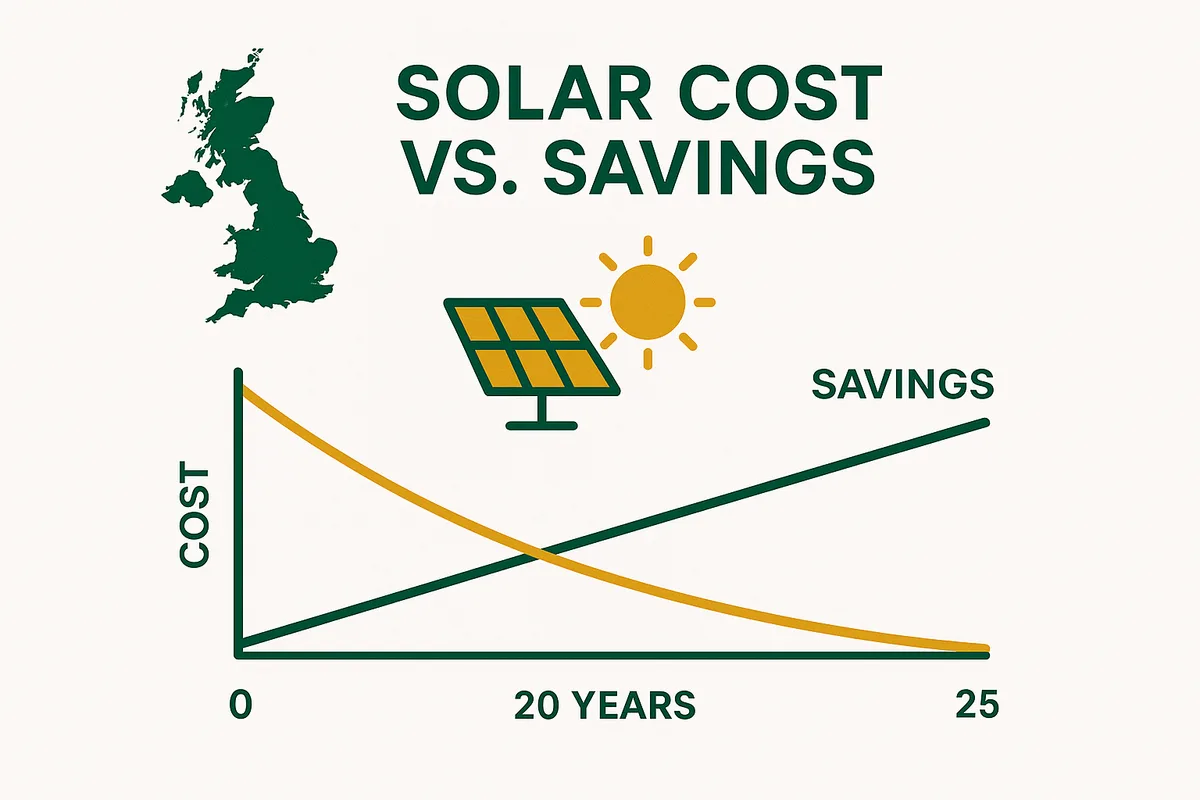
Absolutely. The payback calculation for solar panels accounts for year-round production, including winter. A well-sized system in the UK typically pays for itself in 8–12 years, factoring in reduced winter output.
The key insight is that solar panels earn most of their value between March and October. Winter output is a bonus, not the foundation of the business case. With current electricity prices at around 26.11p/kWh (Ofgem price cap, July-September 2026), even modest winter generation saves real money.
Source: Ofgem Quarterly Energy Price Cap, Q1 2026.
Frequently Asked Questions
Related guides
Related: Home Heating Systems
Solar panels are most powerful when combined with an efficient heating system. Heat pumps use solar-generated electricity to heat your home at 300-400% efficiency — making them the ideal partner for solar.
Heat pumps use electricity at 300-400% efficiency, making them ideal partners for solar.
From our sister site Home Heat Pump Guide
You might also like

Ready to see what solar could save you?
Get free, no-obligation quotes from MCS-certified installers in your area.
Get Free QuotesFree, no obligation. Takes 2 minutes.