Do Solar Panels Work on Cloudy Days?
Ready to see what solar could save you?
Get free, no-obligation quotes from MCS-certified installers in your area.
Get Free QuotesFree, no obligation. Takes 2 minutes.
Do solar panels work when it's cloudy?
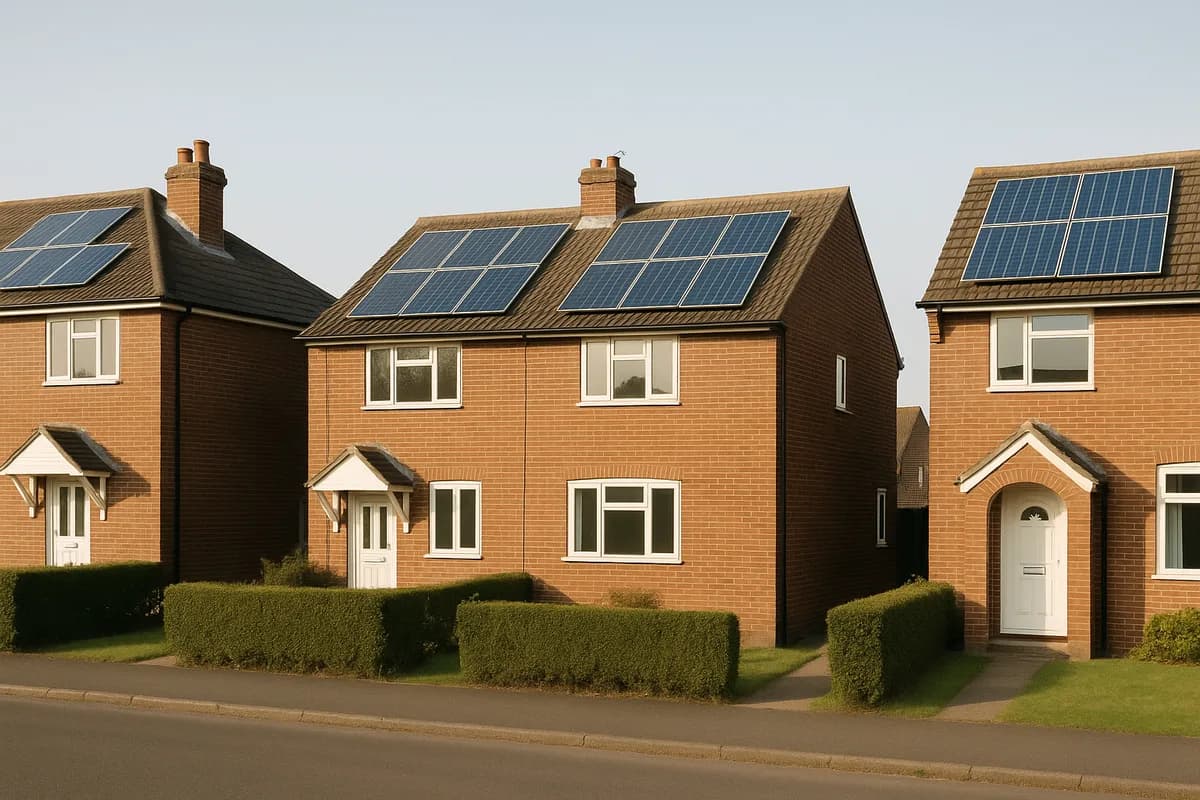
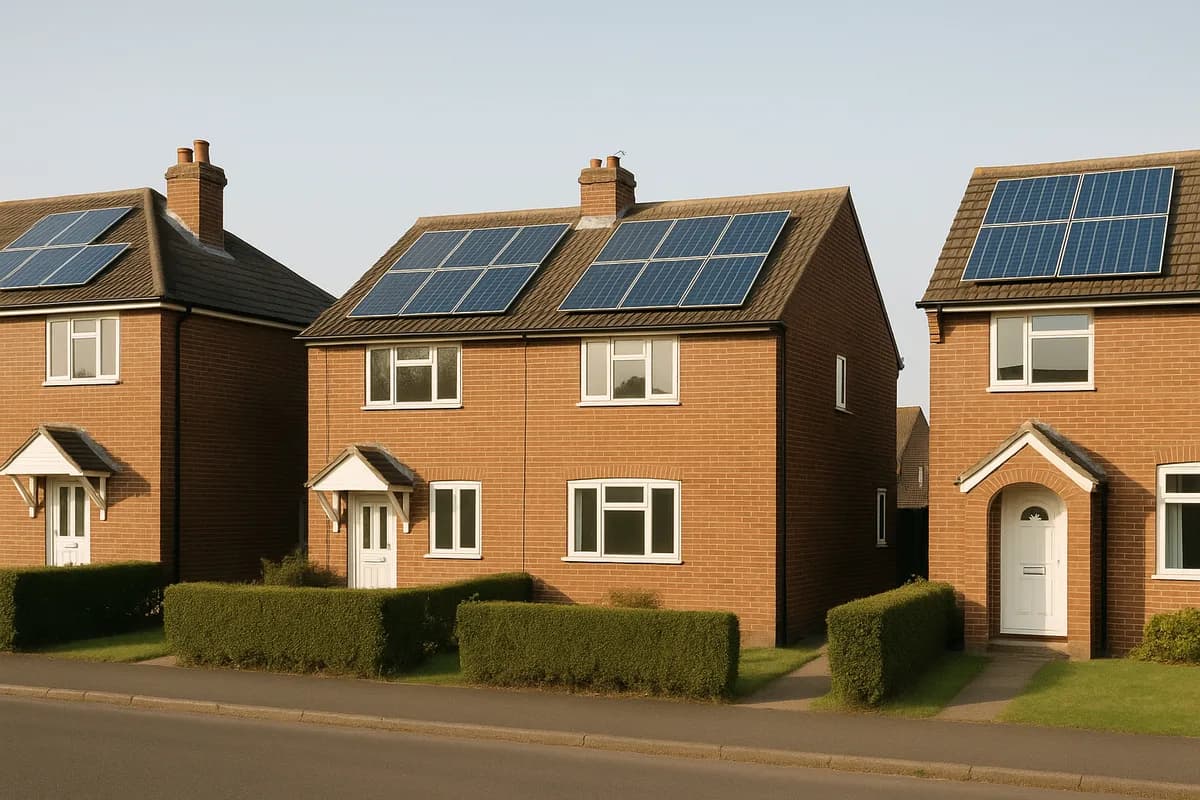
Yes, solar panels work on cloudy days. In overcast conditions, UK solar panels typically produce 10–30% of their rated output. They respond to light intensity, not direct sunshine — so even heavy cloud cover allows some electricity generation.
How Much Do Solar Panels Produce on Cloudy Days?
Solar panels convert light into electricity — and clouds don't block all light. Even on a heavily overcast day in the UK, there is still significant ambient light reaching your panels.
Typical output by weather condition: - Bright sunshine: 90–100% of rated capacity - Light cloud: 50–70% of rated capacity - Overcast: 10–30% of rated capacity - Heavy rain/storm: 5–15% of rated capacity
The UK gets around 1,400–1,700 hours of sunshine per year depending on location. But panels generate electricity during all daylight hours, not just sunny ones. This is why annual output predictions for UK solar systems already account for our famously cloudy weather.
Source: Met Office UK sunshine hours data; PVGIS European Commission.
Why the UK Is Still Good for Solar Despite Clouds
Germany generates more solar electricity than the UK — and Germany has similar weather. The UK actually receives enough solar radiation to make panels a sound investment nationwide.
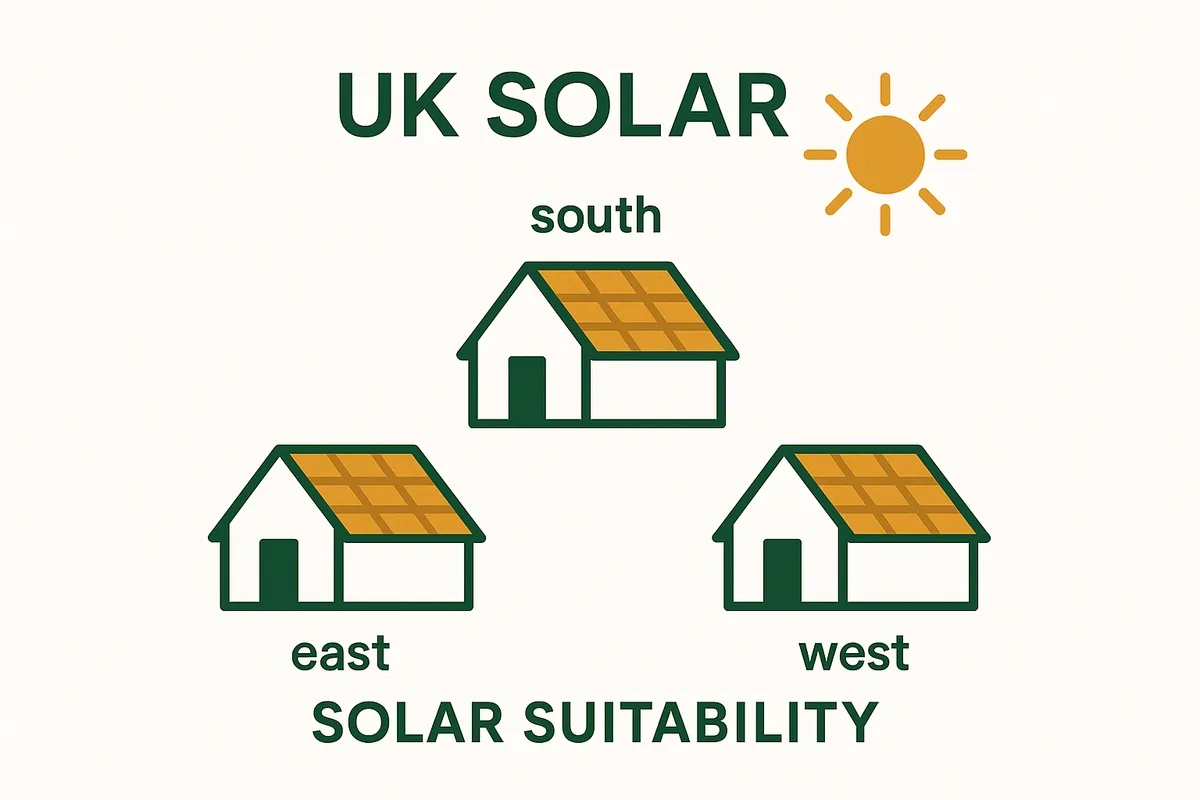
A 4kW system in London generates approximately 3,800–4,200 kWh per year. In Manchester (cloudier), the same system produces around 3,400–3,800 kWh. The difference is roughly 10–15%, not the dramatic gap many people assume.
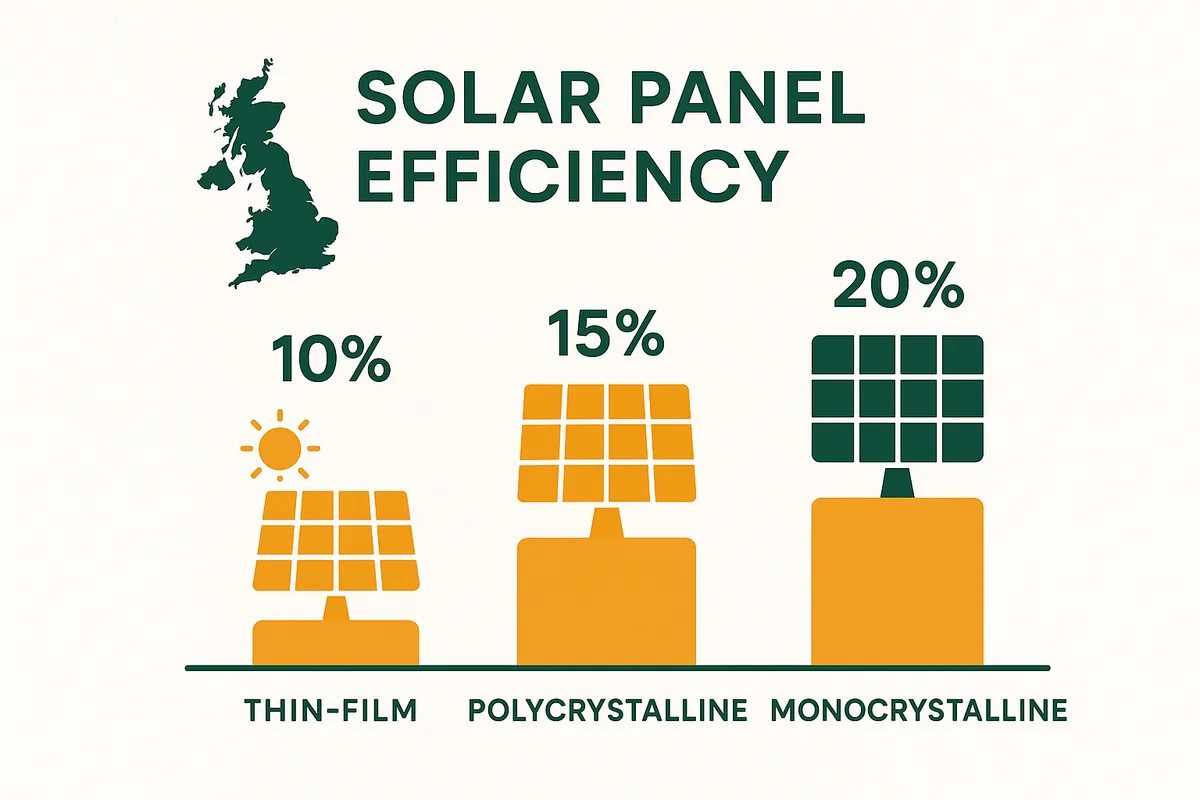
Modern monocrystalline panels are specifically designed to perform well in diffused light conditions, making them ideal for the UK climate.
Do Panels Need Direct Sunlight to Work?
Ready to see what solar could save you?
Get free, no-obligation quotes from MCS-certified installers in your area.
Get Free QuotesNo. Solar panels need light, not direct sun rays. They work on two types of radiation:
- Direct radiation — sunlight hitting panels in a straight line (strongest on clear days)
- Diffuse radiation — scattered light from all directions (dominant on cloudy days)
In the UK, diffuse radiation accounts for roughly 50–60% of total annual solar radiation. This means even if you rarely see blue skies, your panels are still working.
Interestingly, panels can occasionally produce more than expected on partly cloudy days due to the 'edge of cloud' effect — when sunlight bounces off cloud edges and briefly intensifies the light hitting your panels.
How to Get the Most From Solar on Cloudy Days
Practical tips to maximise solar value in UK weather:
- Choose monocrystalline panels — they perform better in low-light conditions than polycrystalline
- Add a solar battery to store whatever you generate during the day for evening use
- Run high-energy appliances during daylight hours to use solar directly
- Keep panels clean — dirt and debris reduce output more than clouds do
- Consider micro-inverters instead of a string inverter — they optimise each panel independently, so one shaded panel doesn't drag down the rest
The Bottom Line: Clouds Don't Kill Solar
The UK's cloudy climate is already factored into every reputable solar savings estimate. When an installer says your 4kW system will produce 3,800 kWh per year, that prediction includes all the cloudy days.
Solar panels are a 25-year investment. Over that period, the UK weather averages out reliably. One cloudy summer is offset by a sunny one. What matters is the long-term average — and that average works strongly in favour of UK solar.
Source: Energy Saving Trust; PVGIS (European Commission).
Frequently Asked Questions
Related guides
You might also like

Ready to see what solar could save you?
Get free, no-obligation quotes from MCS-certified installers in your area.
Get Free QuotesFree, no obligation. Takes 2 minutes.