Solar Panels Pros and Cons: The Honest UK Assessment

Ready to see what solar could save you?
Get free, no-obligation quotes from MCS-certified installers in your area.
Get Free QuotesFree, no obligation. Takes 2 minutes.
What are the pros and cons of solar panels in the UK?
Solar panels are worth it for most UK homeowners. The pros — £800–£1,100 annual savings, 8–12 year payback, 0% VAT, 25+ year lifespan, and a resale premium UK research associates with solar — outweigh the cons — £5,000–£8,000 upfront cost, weather-dependent output, and roof requirements. The financial case is strong and has improved significantly with rising electricity prices.
The Pros of Solar Panels
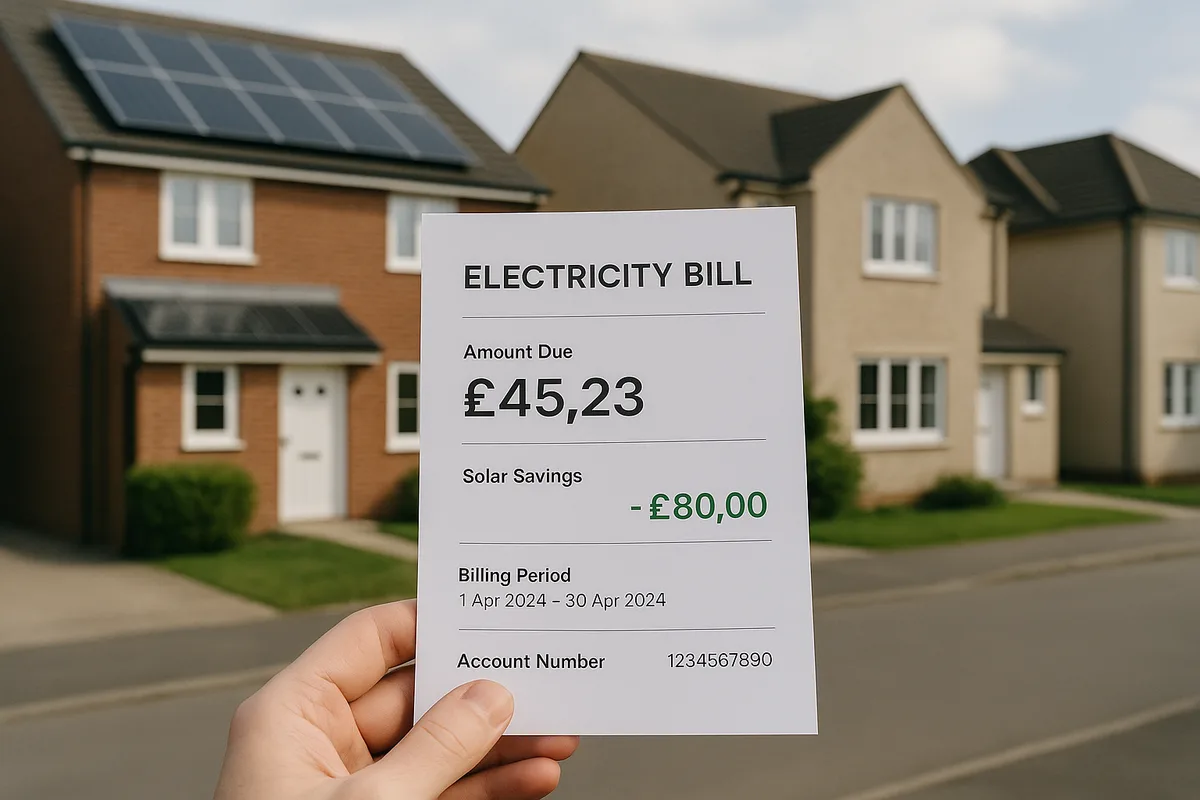
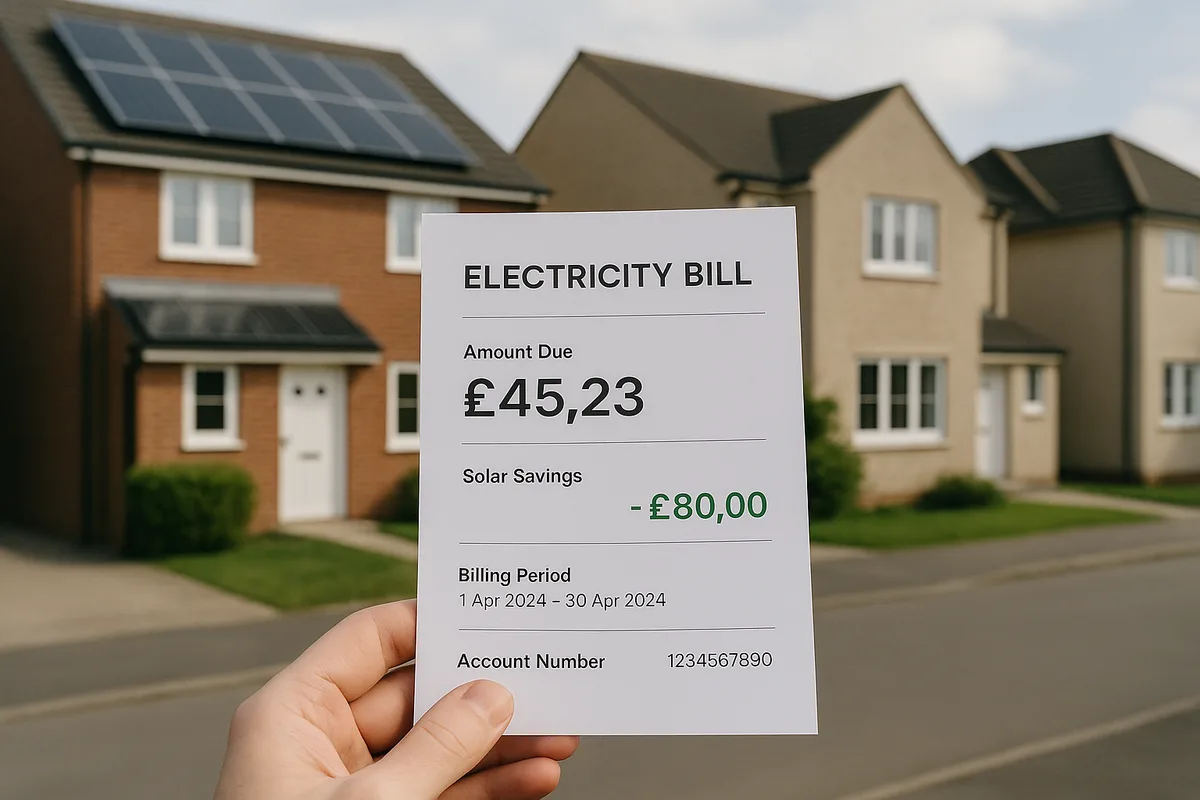
- Save £800–£1,100 per year on electricity bills — a 4kW system generates 3,800–4,200 kWh annually, covering most or all of an average home's usage. At 26.11p/kWh (Ofgem price cap July-September 2026), that is real money saved every month.
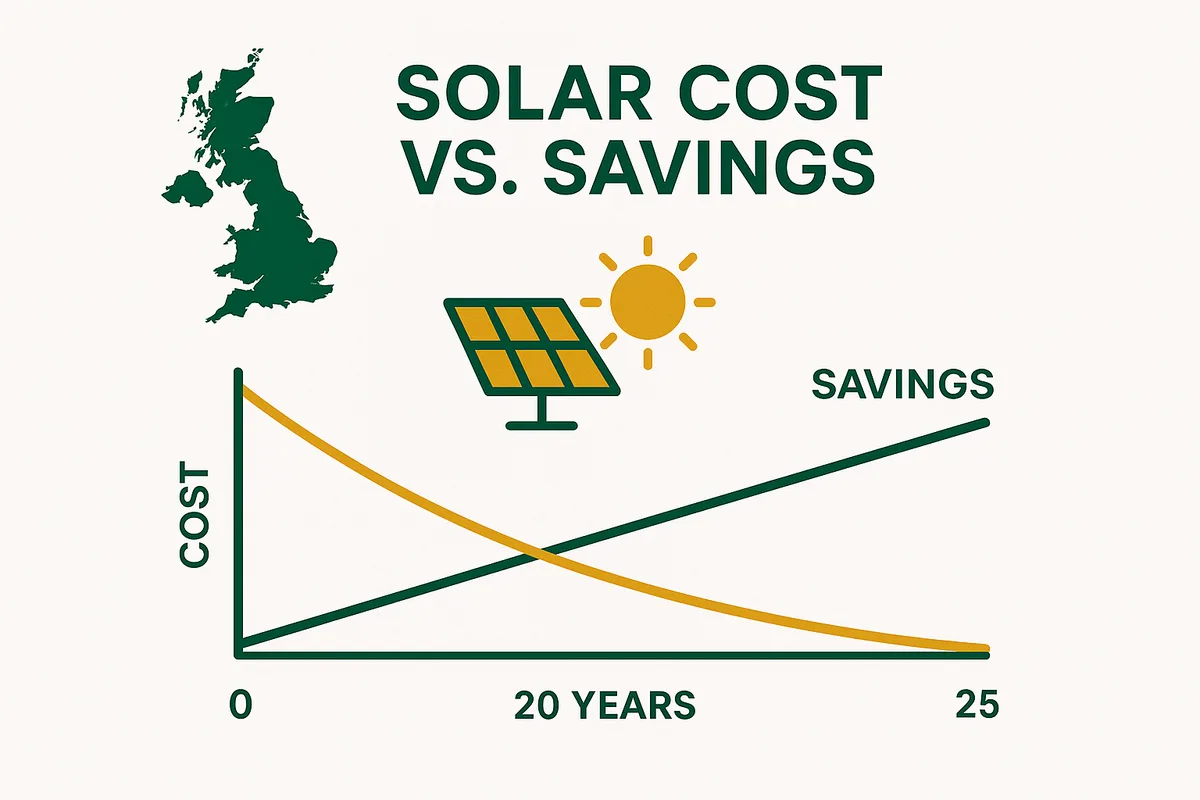
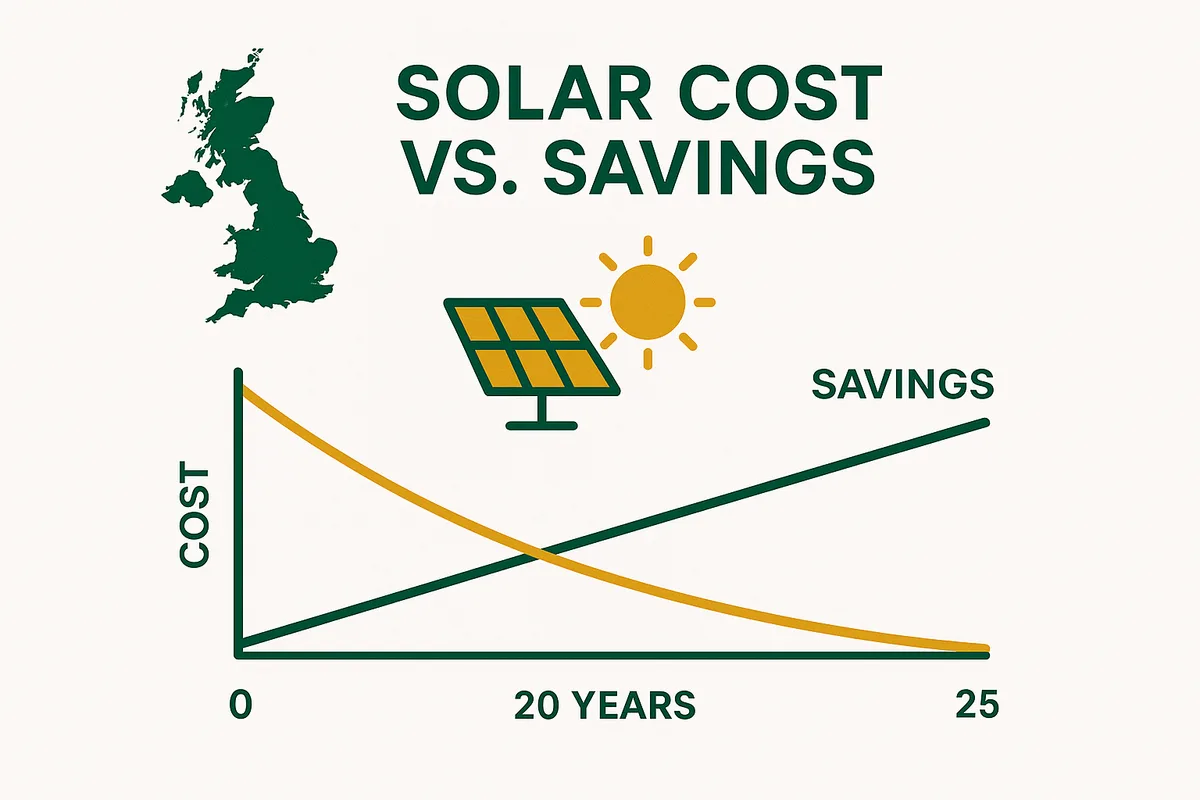
- 8–12 year payback — after this point, your electricity is essentially free for the remaining 15+ years of the panel lifespan. Total lifetime savings: £15,000–£25,000+.
- 0% VAT on installation — residential solar panel installations in the UK currently attract 0% VAT (until at least March 2027), reducing the upfront cost by £1,000–£1,600 compared to the standard 20% rate.
- 25–30+ year lifespan — modern panels degrade by only 0.3–0.5% per year. After 25 years, they still produce 80–85% of original output. Most carry 25-year performance warranties.
- Earn money from surplus — the Smart Export Guarantee (SEG) pays you 4–15p/kWh for electricity you export to the grid. Typical annual SEG income: £100–£300.
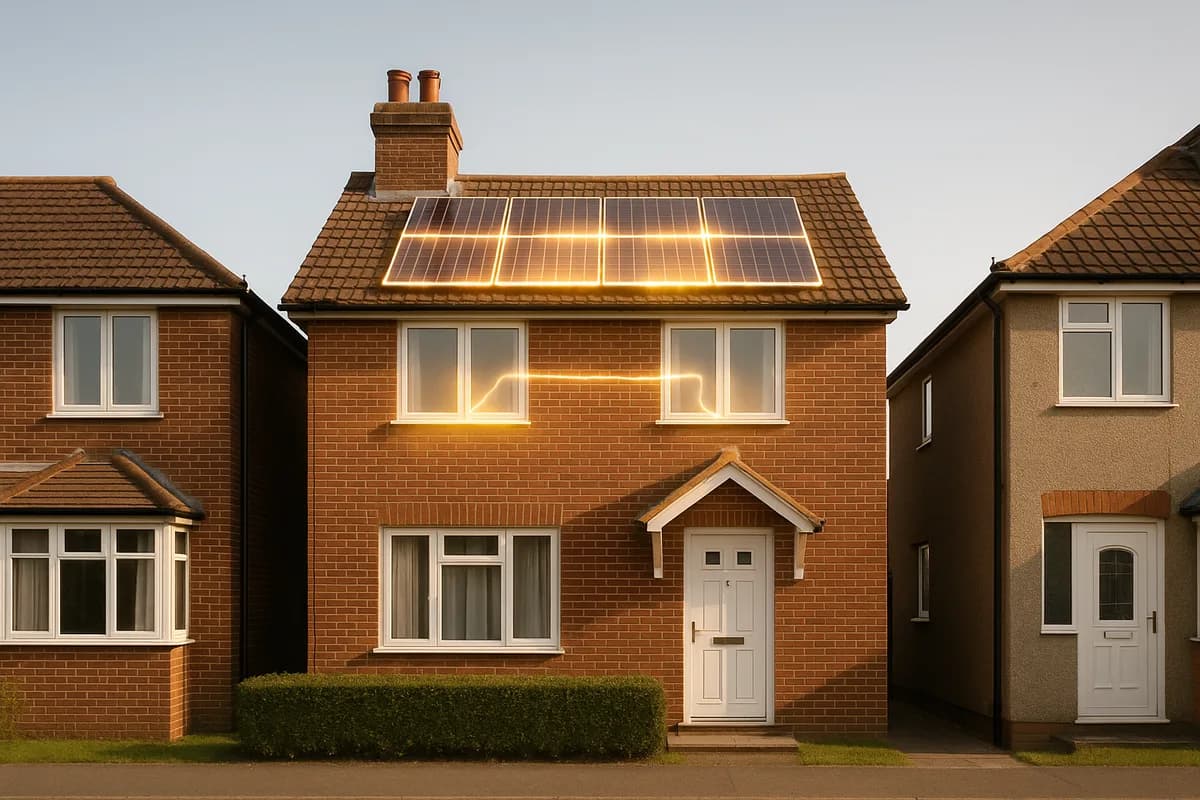
- May help your home's value — UK research finds a sale-price premium of 3.5% to 7.1% depending on method (Asproudis et al., 2024) — a market-wide average, not a guaranteed uplift on any individual home. Solar also improves your EPC rating.
- Reduce your carbon footprint — a 4kW system saves approximately 1.5–2 tonnes of CO2 per year — equivalent to planting 50+ trees annually.
- Protection against energy price rises — once installed, your solar electricity is free regardless of future price increases. If electricity prices rise, your savings increase too.
- Low maintenance — no moving parts, minimal upkeep. Occasional cleaning and one inverter replacement in 25 years.
- Works in UK weather — panels produce electricity from daylight, not direct sun. The UK has enough solar radiation for a strong return on investment.
The Cons of Solar Panels

Ready to see what solar could save you?
Get free, no-obligation quotes from MCS-certified installers in your area.
Get Free Quotes- Upfront cost of £5,000–£8,000 — a significant investment, even with 0% VAT. Finance options exist (0% interest from some installers, or personal loans) but you are still committing thousands of pounds.
- Weather-dependent output — panels produce less in winter (10–25% of summer output) and on heavily overcast days. You cannot rely on solar for 100% of your electricity year-round without substantial battery storage.
- Not all roofs are suitable — north-facing roofs produce only 55–60% of south-facing output, which weakens the financial case. Heavy shading from trees or buildings also reduces performance. Roofs in poor structural condition may need repairs first.
- You still need the grid — solar does not make you energy independent unless you invest in a large battery system (£3,000–£7,000 additional). Most homes still draw grid electricity in winter evenings.
- Inverter replacement cost — the inverter needs replacing after 10–15 years at a cost of £800–£1,500. This is a known, budgetable expense but still an additional cost.
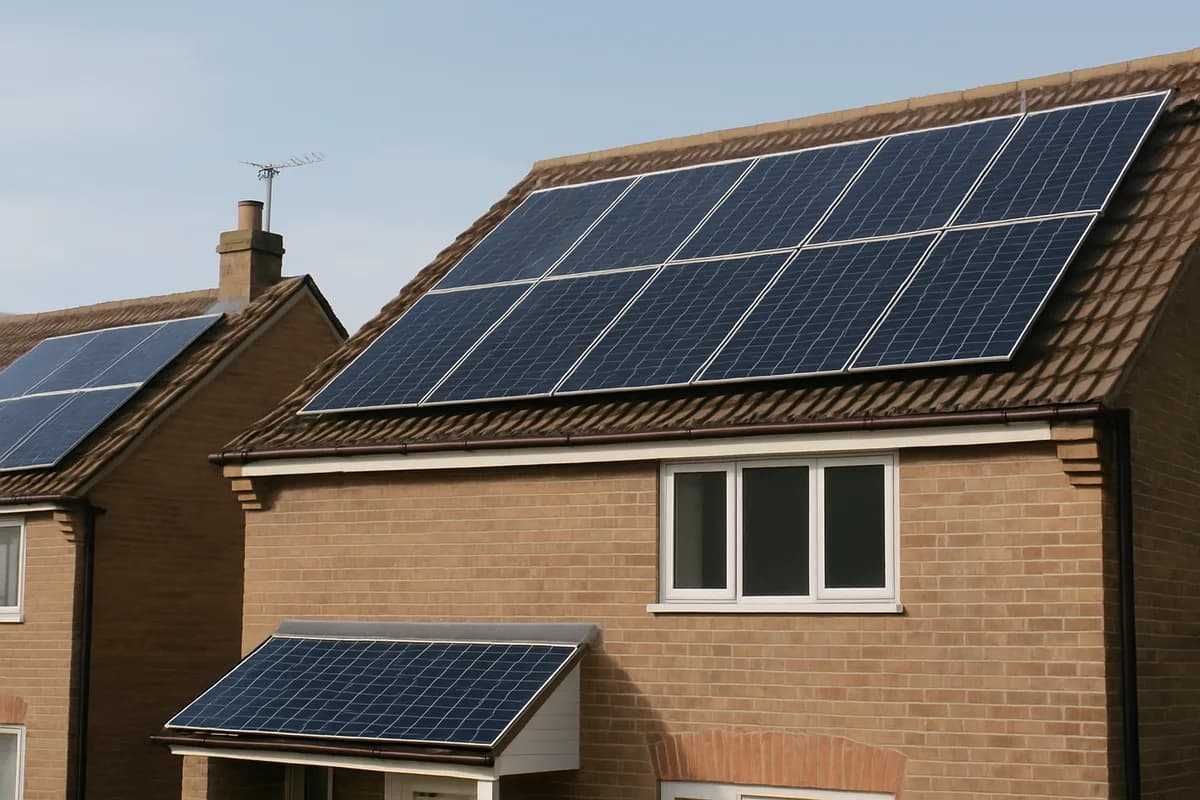
- Aesthetic impact — some homeowners find panels visually unappealing. All-black panels are less noticeable, and panels on rear-facing roofs are invisible from the street.
- Moving house complexity — you cannot take panels with you when you sell. However, they add value to the property so you benefit at sale.
- Performance degrades over time — output drops by 0.3–0.5% per year. After 25 years, panels produce 80–85% of original output — still useful, but not 100%.
- Battery storage adds cost — to use solar overnight, you need a battery (£3,000–£7,000). Without one, surplus daytime generation is exported at low SEG rates rather than stored for your own use.
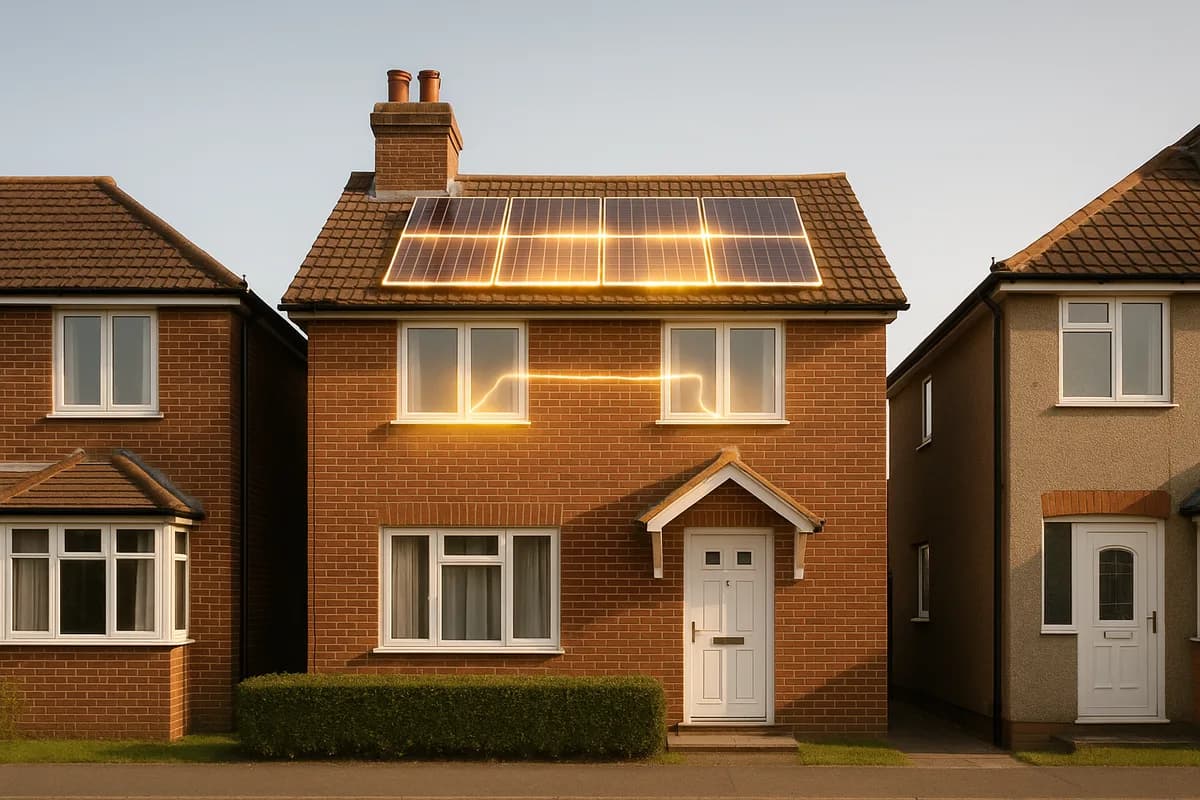
The Bottom Line: Are the Pros Worth the Cons?
For most UK homeowners with a suitable roof, yes — decisively.
The financial maths: - Investment: £5,000–£8,000 - Annual return: £800–£1,100 (savings + SEG income) - Payback: 8–12 years - Lifetime savings: £15,000–£25,000+ over 25 years - Return on investment: 200–400%
There is no savings account, ISA, or low-risk investment that delivers a 200–400% return over 25 years. Solar panels are one of the best financial investments a UK homeowner can make — provided your roof is suitable.
The cons are real but manageable. The upfront cost is the biggest barrier, but finance options and 0% VAT make it accessible. Weather dependency is a non-issue once you understand that all savings projections already account for UK weather.
If you are on the fence: run the numbers with our calculator. The maths will make the decision for you.
Source: Ofgem price cap, July-September 2026; Energy Saving Trust; PVGIS.
Frequently Asked Questions
Related guides
Related: Home Heating Systems
Solar panels are most powerful when combined with an efficient heating system. Heat pumps use solar-generated electricity to heat your home at 300-400% efficiency — making them the ideal partner for solar.
Heat pumps use electricity at 300-400% efficiency, making them ideal partners for solar.
From our sister site Home Heat Pump Guide
You might also like
Ready to see what solar could save you?
Get free, no-obligation quotes from MCS-certified installers in your area.
Get Free QuotesFree, no obligation. Takes 2 minutes.