How Long Do Solar Panels Last?
Need someone to look at your system?
Faults, cleaning and bird proofing are all installer jobs. Get quotes from MCS-certified installers covering your area.
Get a Quote for This WorkFree, no obligation.
How long do solar panels last in the UK?
Solar panels last 25–30 years or more. Most manufacturers guarantee at least 80% of original output after 25 years. In practice, many panels continue producing useful electricity well beyond 30 years. The inverter typically needs replacing once during the panel lifespan, after 10–15 years.
Solar Panel Lifespan: What the Data Shows
Modern solar panels are remarkably durable. They have no moving parts, require minimal maintenance, and are designed to withstand decades of UK weather including rain, wind, hail, and frost.
Typical degradation rates: - Year 1: 2–3% initial degradation (normal settling) - Years 2–25: 0.3–0.5% per year - After 25 years: panels still producing 80–85% of original output - After 30 years: 75–80% of original output
A 4kW system that produces 4,000 kWh in year one will still produce approximately 3,200–3,400 kWh in year 25. That is still enough to significantly reduce your electricity bills.
Source: National Renewable Energy Laboratory (NREL) degradation study of 2,000+ PV systems.
What Warranties Do Solar Panels Come With?
Solar panels come with two types of warranty:
Product warranty (10–25 years): Covers manufacturing defects, material failure, and workmanship. Premium brands like SunPower, LG, and REC offer 25-year product warranties. Most standard panels offer 10–12 years.
Performance warranty (25–30 years): Guarantees the panel will produce a minimum percentage of its rated output. The industry standard is 80% output at 25 years. Premium panels guarantee 85–92% at 25 years.
Inverter warranty: String inverters typically come with 5–10 year warranties (extendable to 15–20 years). Micro-inverters often carry 25-year warranties.
Always check both warranty types before buying. A cheap panel with a 10-year product warranty may cost you more in the long run if it fails early.
What Affects Solar Panel Lifespan?
Need someone to look at your system?
Faults, cleaning and bird proofing are all installer jobs. Get quotes from MCS-certified installers covering your area.
Get a Quote for This WorkKey factors that influence how long your panels last:
- Panel quality — premium monocrystalline panels degrade slower than cheap polycrystalline
- Installation quality — proper mounting, waterproofing, and wiring prevent early failure
- Weather exposure — UK weather is actually gentle on panels; extreme heat (common in desert climates) causes more degradation than rain and cold
- Maintenance — occasional cleaning and annual visual checks extend effective lifespan
- Inverter quality — the inverter is the most likely component to fail; budget for one replacement around year 12-15
- Bird and pest damage — pigeon nesting under panels can cause wiring damage; bird proofing prevents this
When Will You Need to Replace Components?
Solar panels: Rarely need replacing within 25-30 years. Only replace if physically damaged or output drops significantly below warranty levels.
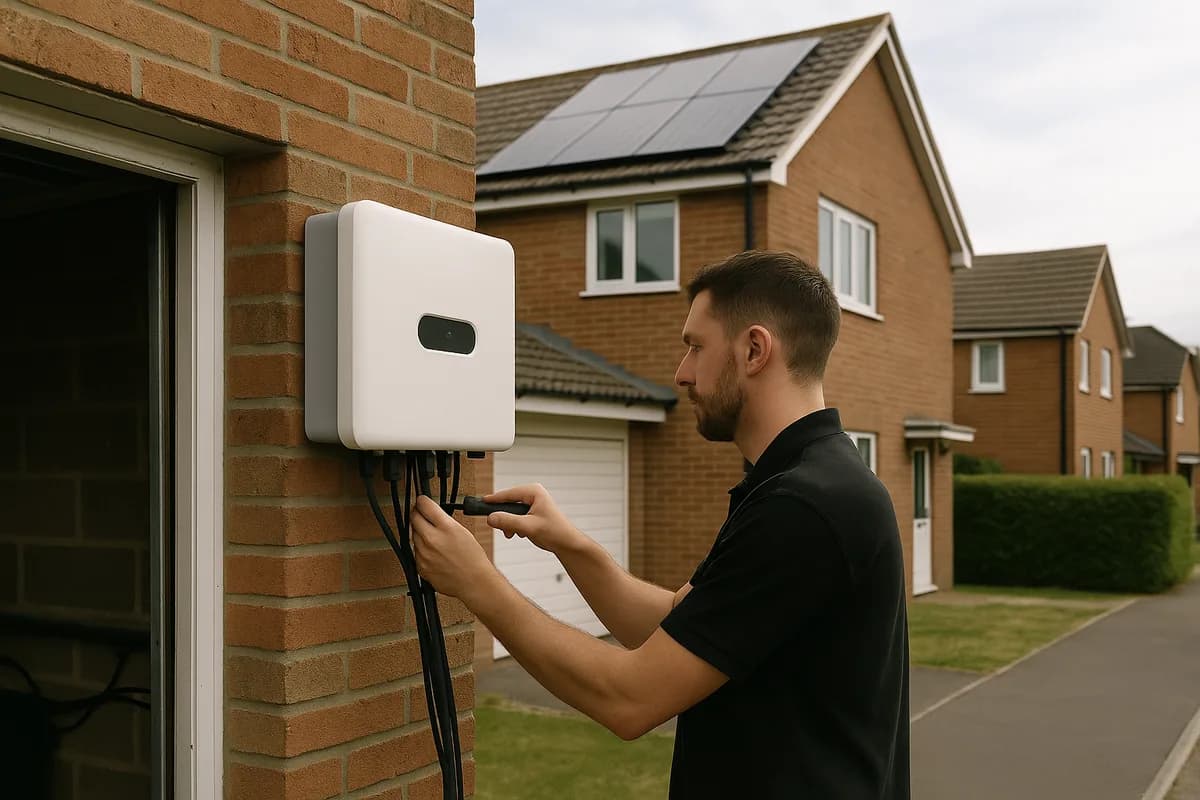
Inverter: Expect to replace once after 10–15 years. A replacement string inverter costs £800–£1,500. Micro-inverters last longer (20–25 years) but cost more upfront.
Mounting hardware: Aluminium frames and stainless steel fixings last 25+ years with no maintenance. Roof seal integrity should be checked during any roof maintenance.
Wiring and connectors: Should last the full panel lifespan if properly installed. MC4 connectors are rated for 25+ years.
Battery (if installed): Lithium-ion batteries typically last 10–15 years. Budget for one replacement over the panel lifetime.
Source: MCS installer guidance; manufacturer warranty documentation.
Are Solar Panels a Good Long-Term Investment?
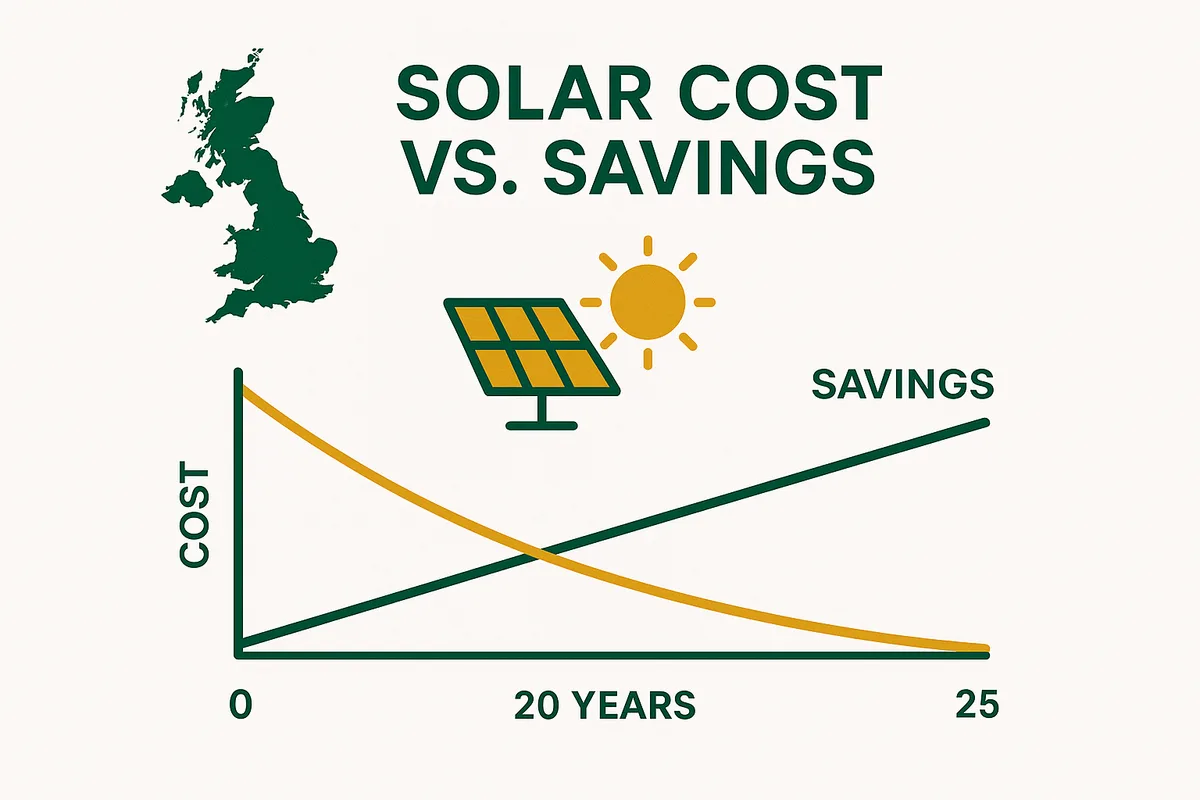
With a 25–30 year lifespan and an 8–12 year payback period, solar panels deliver 15–20+ years of essentially free electricity after they have paid for themselves. Even accounting for one inverter replacement (£800–£1,500), the lifetime return on investment is substantial.
At current electricity rates of 26.11p/kWh (Ofgem price cap, July-September 2026), a 4kW system saves approximately £900–£1,100 per year. Over 25 years, that is £22,500–£27,500 in savings against an initial investment of £5,500–£8,000.
Source: Ofgem Quarterly Energy Price Cap, Q1 2026.
Frequently Asked Questions
Related guides
You might also like
Need someone to look at your system?
Faults, cleaning and bird proofing are all installer jobs. Get quotes from MCS-certified installers covering your area.
Get a Quote for This WorkFree, no obligation.