Solar Panels UK 2027: What to Expect
What would this actually cost at your home?
Installed prices vary widely by roof, access and region. Get an installed price for your property from MCS-certified installers.
Get an Installed PriceFree, no obligation. Takes about 2 minutes.
Should I wait until 2027 for solar panels?
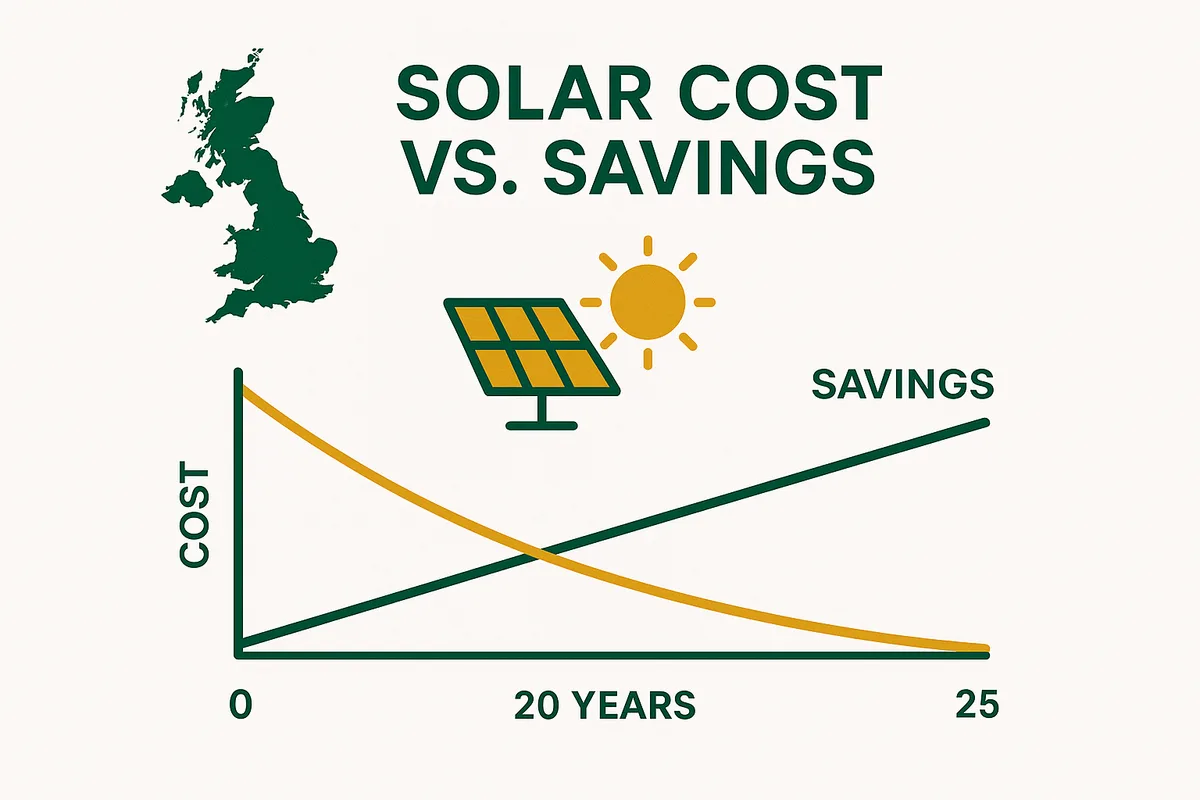
In 2027, UK solar panel prices are expected to remain stable (£5,000–£8,000 for 4kW at current levels). Panel efficiency will improve marginally (21–24% mainstream). Battery prices will continue falling (~10% per year). The key uncertainty is whether 0% VAT continues after March 2027 — if it reverts to 5% or 20%, installation costs will rise by £250–£1,600. There is no compelling reason to wait for 2027 — install now while 0% VAT is guaranteed.
Price Predictions for 2027
Panel prices: - 2026: £200–£350 per panel (400W) - 2027 forecast: £190–£340 per panel (0–5% drop) - Reason: Manufacturing is near cost floor. Incremental efficiency gains, not price drops.
System prices: - 2026: £5,500–£8,000 for 4kW - 2027 forecast (if 0% VAT continues): £5,300–£7,800 (marginal drop) - 2027 forecast (if VAT reverts to 5%): £5,800–£8,400 (net increase) - 2027 forecast (if VAT reverts to 20%): £6,600–£9,600 (significant increase)
Battery prices: - 2026: £4,000–£6,000 for 10kWh - 2027 forecast: £3,500–£5,500 for 10kWh (10–15% drop) - Battery prices continue to fall faster than panel prices
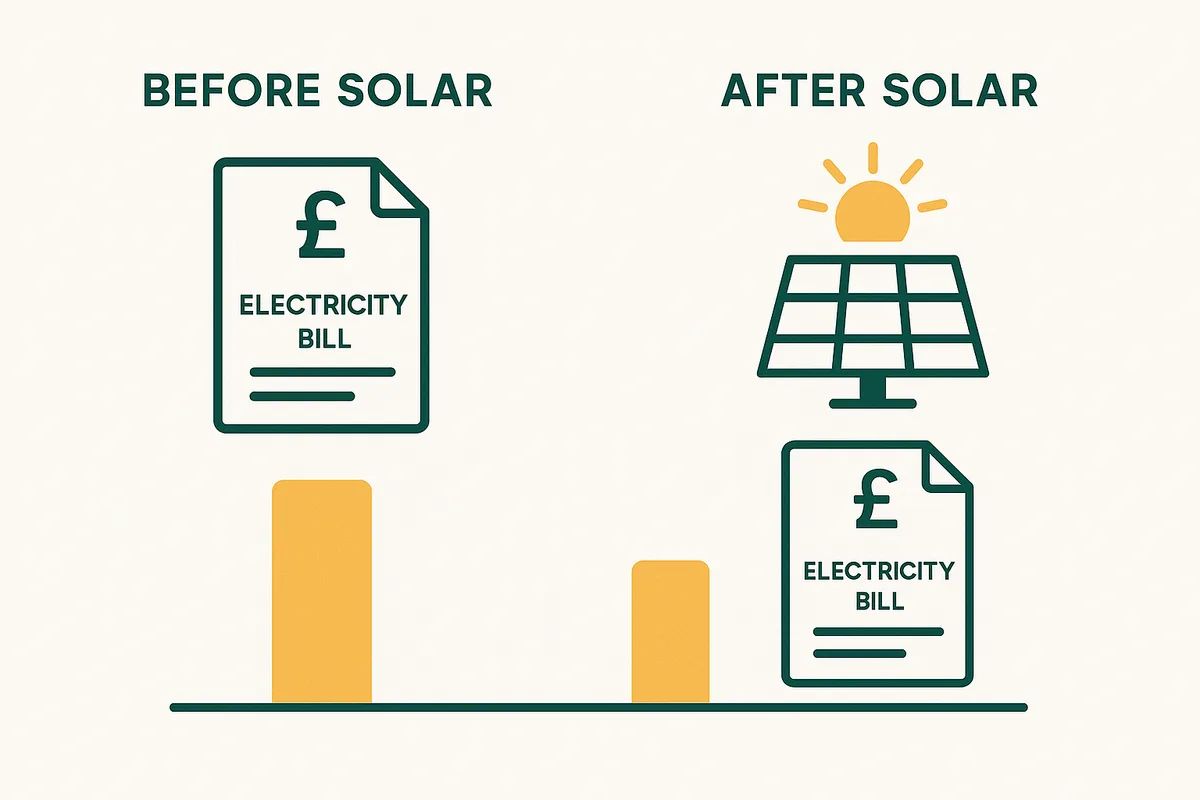
The waiting calculation: - Potential saving from 2027 price drop (panels): £200–£400 - Lost savings from 12 months of waiting: £580–£900 - Net cost of waiting: £180–£500 WORSE off
Waiting for cheaper panels has been a losing strategy every year for the past decade. 2027 will be no different.
Source: BloombergNEF price forecasts; IRENA renewable cost projections; Ofgem rate trends.
Technology Trends for 2027
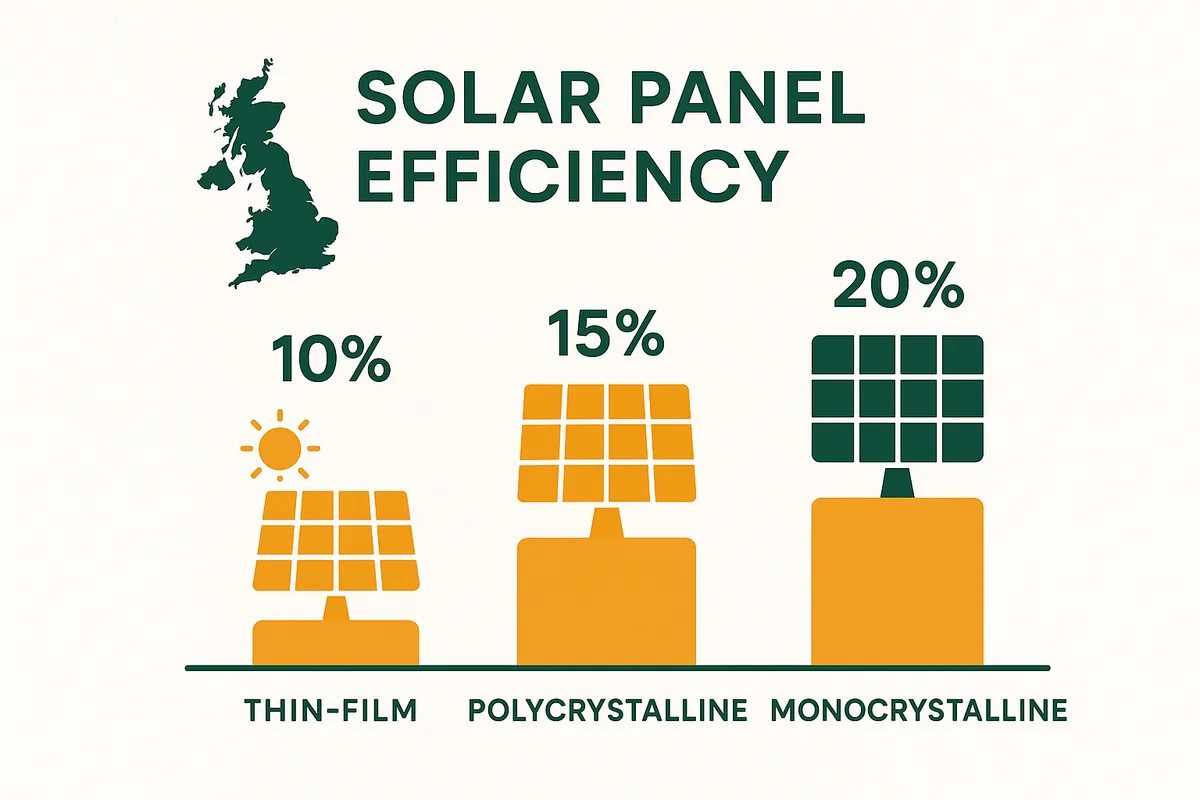
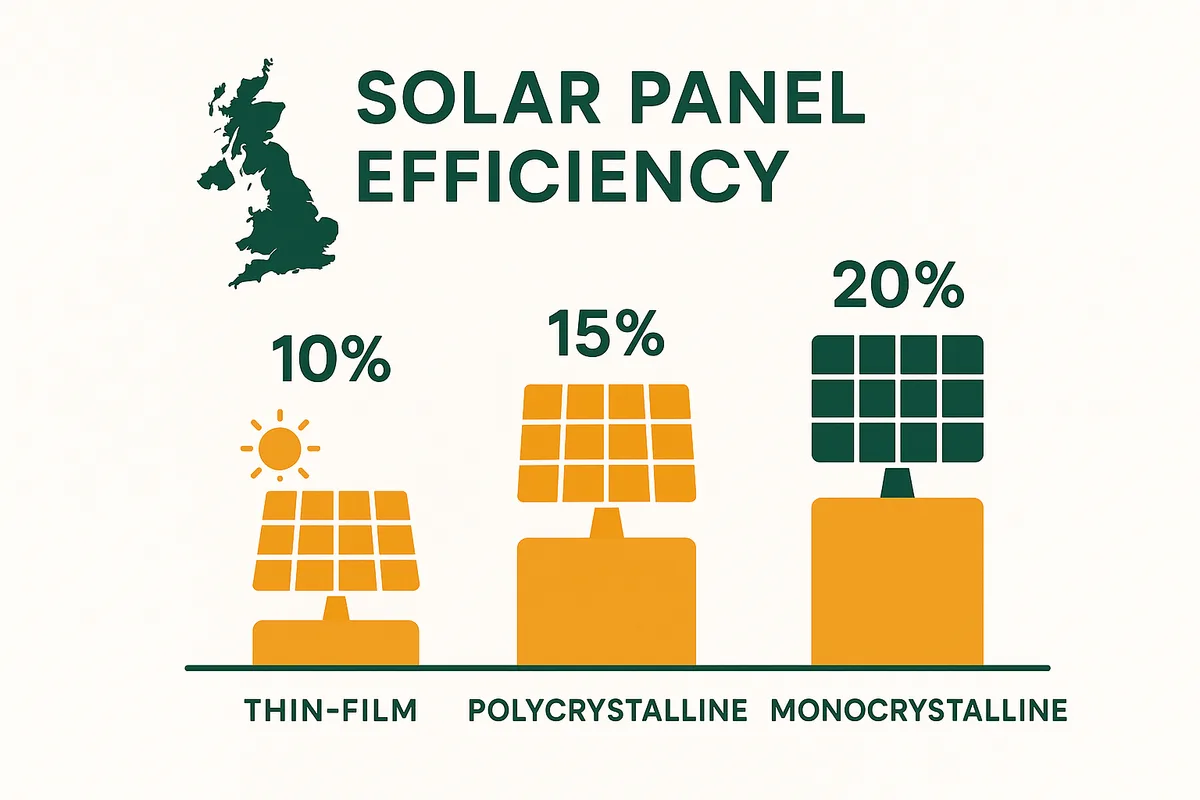
Panels: - TOPCon technology will become mainstream (currently premium). Efficiency: 22–24%. - HJT (heterojunction) panels will be more widely available. Efficiency: 23–25%. Lower degradation. - Standard PERC panels will remain excellent value at 20–22% efficiency. - Perovskite/tandem cells: Still in development. Not expected to reach mainstream UK residential market before 2028–2030.
Batteries: - Sodium-ion batteries may enter the UK market as a cheaper alternative to lithium. Lower energy density but 30–40% cheaper. - Larger capacities: 15–20kWh home batteries will become standard offerings. - Second-life EV batteries: Repurposed EV batteries for home storage — a growing niche.
Smart systems: - AI-powered energy management will become standard in inverter platforms — automatically optimising import/export/battery based on weather forecasts and tariff rates. - Vehicle-to-home (V2H): Using your EV battery to power your home during peak rates. Requires bi-directional charger. Growing availability. - Virtual Power Plants (VPPs): Aggregating home batteries to provide grid services — homeowners earn extra income by allowing their battery to be remotely managed during peak demand.
Source: Solar cell efficiency roadmap; battery technology forecasts; smart grid development plans.
The VAT Question: Will 0% Continue?
What would this actually cost at your home?
Installed prices vary widely by roof, access and region. Get an installed price for your property from MCS-certified installers.
Get an Installed PriceThe 0% VAT rate on residential solar is confirmed until 31 March 2027. After this date, three scenarios:
Scenario 1: 0% continues (most likely) - The government has strong incentives to maintain the rate (net zero targets, energy security, voter popularity) - Solar Energy UK and MCS are lobbying hard for permanent 0% - Impact: no price change for consumers
Scenario 2: Reverts to 5% (possible) - The pre-2022 rate returns - Impact: 4kW system price increases by ~£275–£400 - Still a good investment — payback extends by ~6 months
Scenario 3: Reverts to 20% (unlikely but possible) - The standard VAT rate applies - Impact: 4kW system price increases by ~£1,100–£1,600 - Solar still delivers positive ROI but payback extends by 1.5–2 years
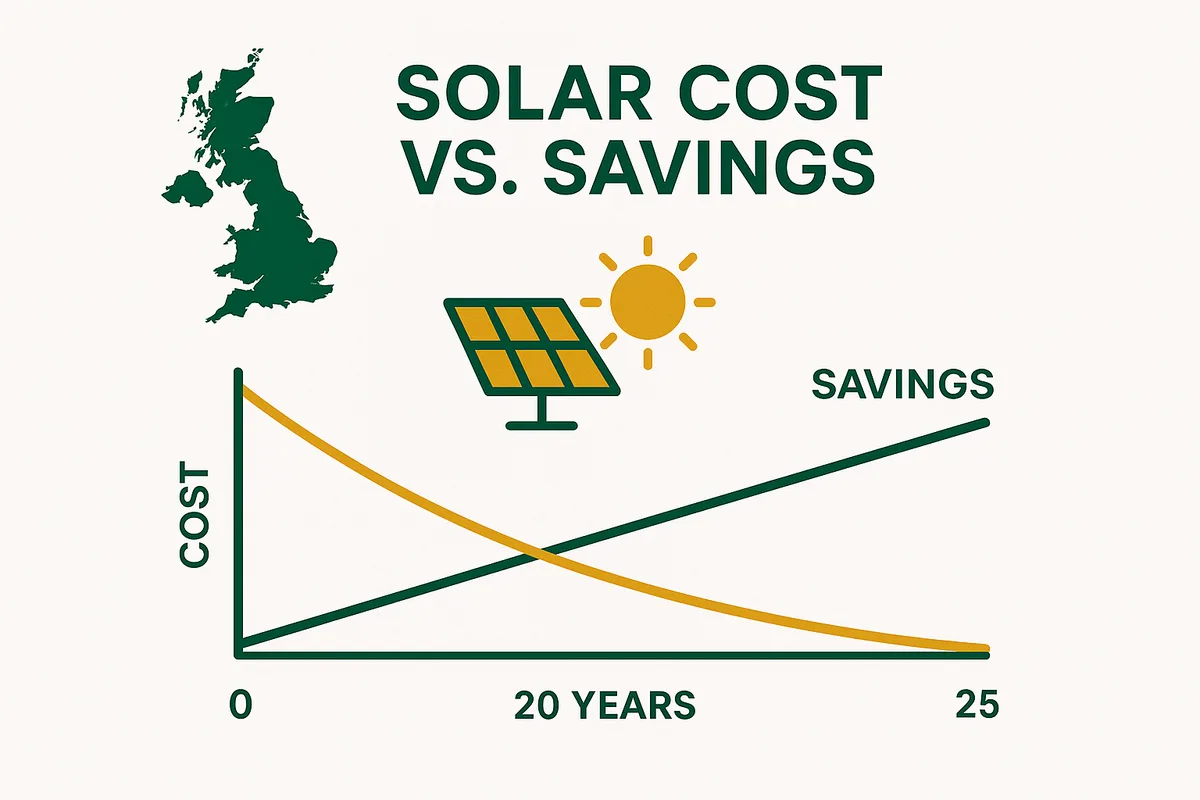
The smart move: Install before March 2027 while 0% is guaranteed. If the rate stays at 0%, you have not lost anything. If it reverts to 5% or 20%, you have saved £275–£1,600.
Source: Finance Act 2022 Schedule 9A; Solar Energy UK advocacy.
Electricity Price Forecast
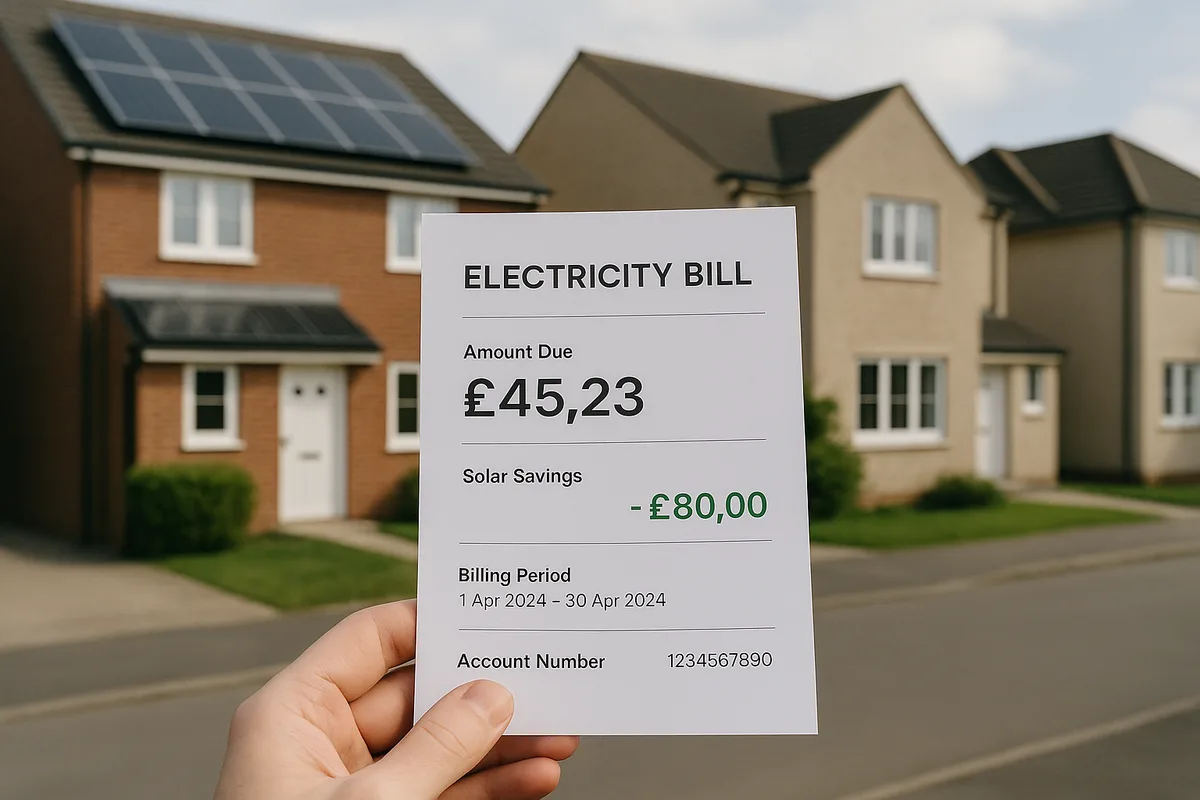
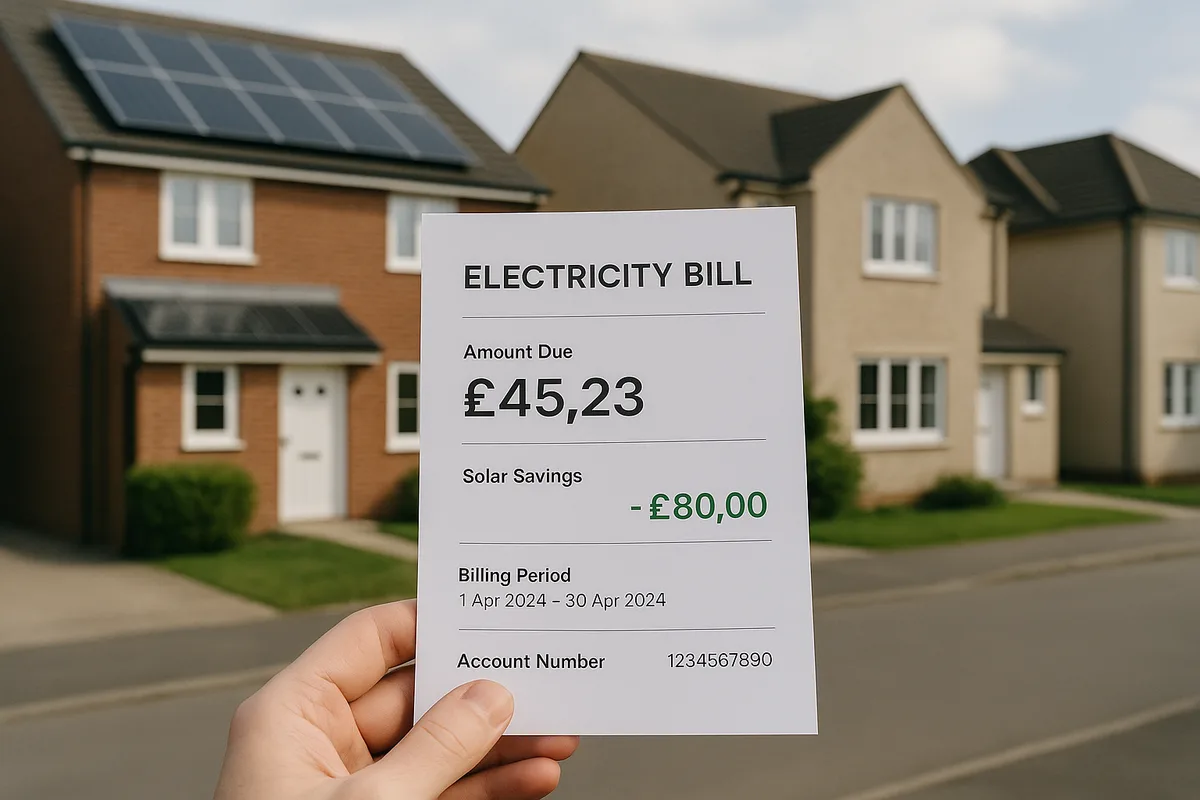
Current rate (Q1 2026): 26.11p/kWh (Ofgem price cap)
2027 forecast range: - Best case: 20–22p/kWh (if wholesale energy prices fall further) - Central case: 22–26p/kWh (similar to current levels) - Worst case: 28–35p/kWh (if geopolitical disruption or gas supply issues)
Impact on solar ROI: - Lower electricity prices = slightly slower solar payback (still under 14 years at 20p) - Higher electricity prices = faster solar payback (under 8 years at 30p) - Either way, solar remains one of the best financial decisions for UK homeowners
Historical context: UK electricity prices have risen an average of 5–7% per year over the past 20 years. The long-term trend is upward. Solar is your hedge against future price increases.
Source: Ofgem; Cornwall Insight energy price forecasts; UK Government energy modelling.
Should You Wait for 2027?
No. Here is the summary:
| Factor | Install Now | Wait for 2027 |
|---|---|---|
| 0% VAT | Guaranteed | Uncertain |
| Panel price | £5,500–£8,000 | £5,300–£9,600 (depends on VAT) |
| 12 months savings | £580–£900 earned | £0 (missed) |
| Technology | 20–22% efficiency | 21–24% (marginal gain) |
| Battery price | £4,000–£6,000 | £3,500–£5,500 (10% cheaper) |
| Net financial position | Better | Worse |
The only rational reason to wait: - You are saving up and cannot afford to install OR finance in 2026 - You are moving house within 12 months - Your roof needs major repairs before panels can be installed
For everyone else: install now.
Source: All analysis based on current market data and conservative forecasting.
Frequently Asked Questions
Related guides
Related: Home Heating Systems
Solar panels are most powerful when combined with an efficient heating system. Heat pumps use solar-generated electricity to heat your home at 300-400% efficiency — making them the ideal partner for solar.
A heat pump converts 1kWh of electricity into 3-4kWh of heat.
Heat pump installation typically takes 2-3 days and is best planned alongside solar.
From our sister site Home Heat Pump Guide
You might also like
What would this actually cost at your home?
Installed prices vary widely by roof, access and region. Get an installed price for your property from MCS-certified installers.
Get an Installed PriceFree, no obligation. Takes about 2 minutes.