Best Time to Buy Solar Panels in the UK
Ready to see what solar could save you?
Get free, no-obligation quotes from MCS-certified installers in your area.
Get Free QuotesFree, no obligation. Takes 2 minutes.
When is the best time to install solar panels?
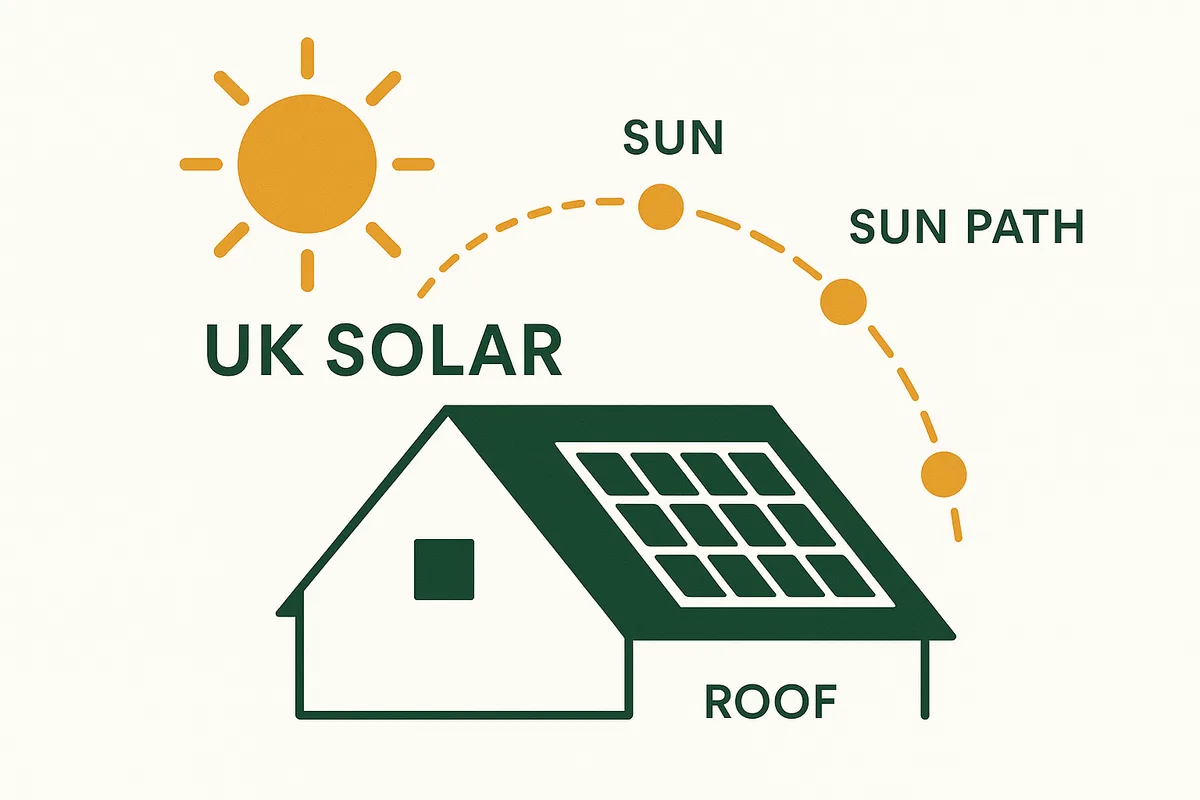
The best time to buy solar panels in the UK is late winter or early spring (January–March). Installing before April means you capture the full summer generation peak (May–August), when panels produce 60–70% of their annual output. However, every month you delay costs you roughly £50–£90 in lost savings. The best time to install is always 'as soon as possible' — waiting for a 'better' time costs more than it saves.
Why Late Winter/Early Spring Is Ideal
Practical advantages of January–March installation:
1. Capture the full summer peak: Installing in February means your first full generation month is March — you capture the entire high-output period (April–September). Installing in July means you miss the best half of the year.
2. Shorter installer wait times: The solar industry is quietest in winter. Wait times for surveys and installation drop from 4–6 weeks (summer) to 2–3 weeks (winter).
3. Potential winter discounts: Some installers offer lower prices in their quiet season to keep teams busy. Savings of 3–8% are not uncommon in January–February.
4. Scaffolding availability: Scaffolding companies are less busy in winter, so scheduling is easier.
5. Panels still generate in winter: Even a January installation starts producing immediately — less than summer, but every kWh counts.
Source: UK solar installer seasonal pricing data.
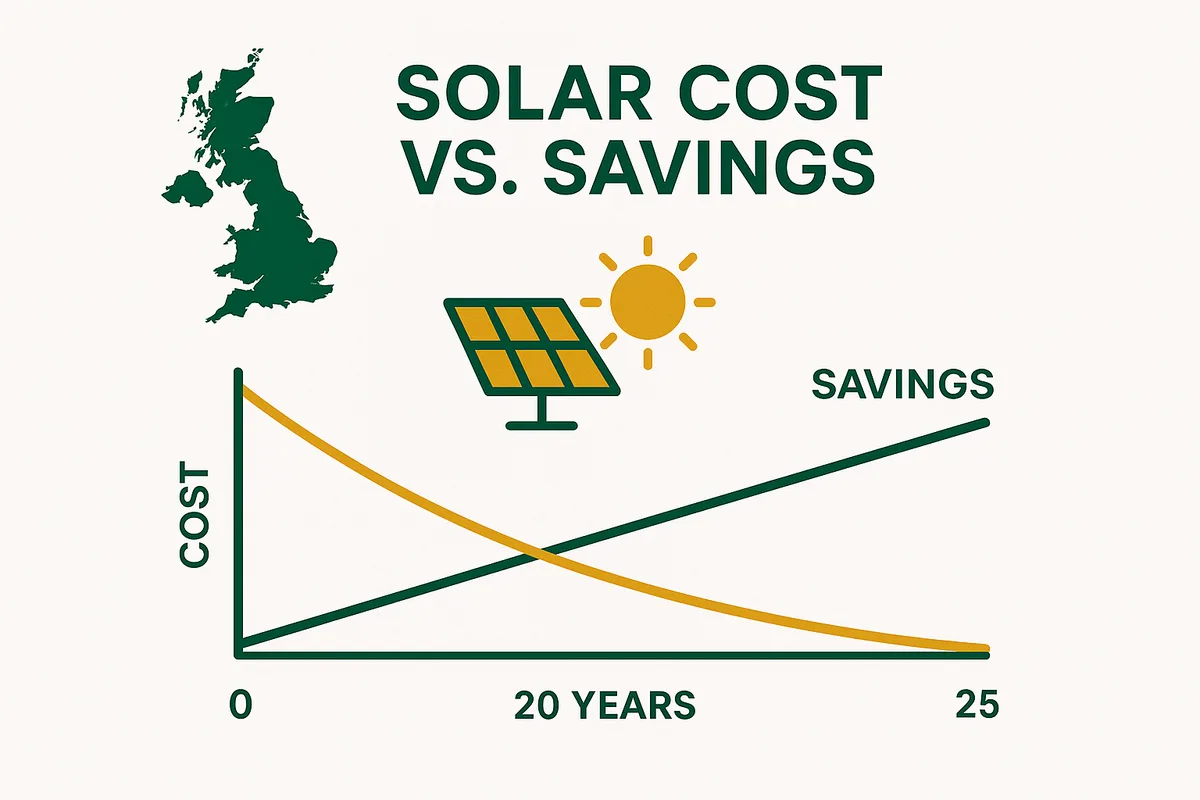
The Cost of Waiting: Every Month You Delay
Many homeowners wait for 'the right time' to install solar. Here is what waiting actually costs:
Lost savings per month of delay (4kW system): - January: £20 lost - February: £25 lost - March: £50 lost - April: £70 lost - May: £85 lost - June: £90 lost (peak month — worst time to delay) - July: £85 lost - August: £75 lost - September: £55 lost - October: £35 lost - November: £25 lost - December: £20 lost
Annual total: ~£635 lost per year of delay
Waiting 6 months (January to July) costs approximately £340 in lost generation. Waiting a full year costs £635. These are savings you will never recover.
The bottom line: Unless solar panel prices are actively falling faster than your lost savings (they are not — prices have stabilised since 2023), there is no financial benefit to waiting.
Source: Monthly generation estimates from PVGIS; Ofgem price cap July-September 2026 pricing.
Ready to see what solar could save you?
Get free, no-obligation quotes from MCS-certified installers in your area.
Get Free Quotes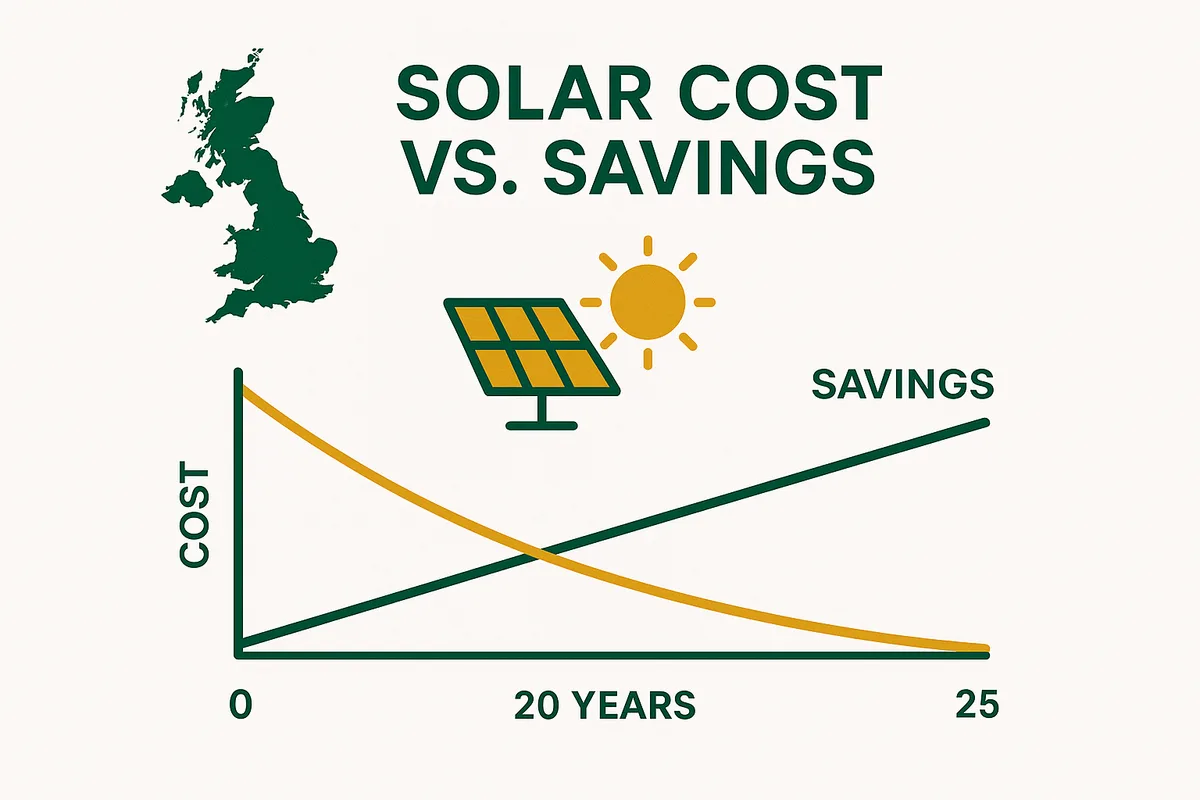
Should You Wait for Prices to Drop Further?
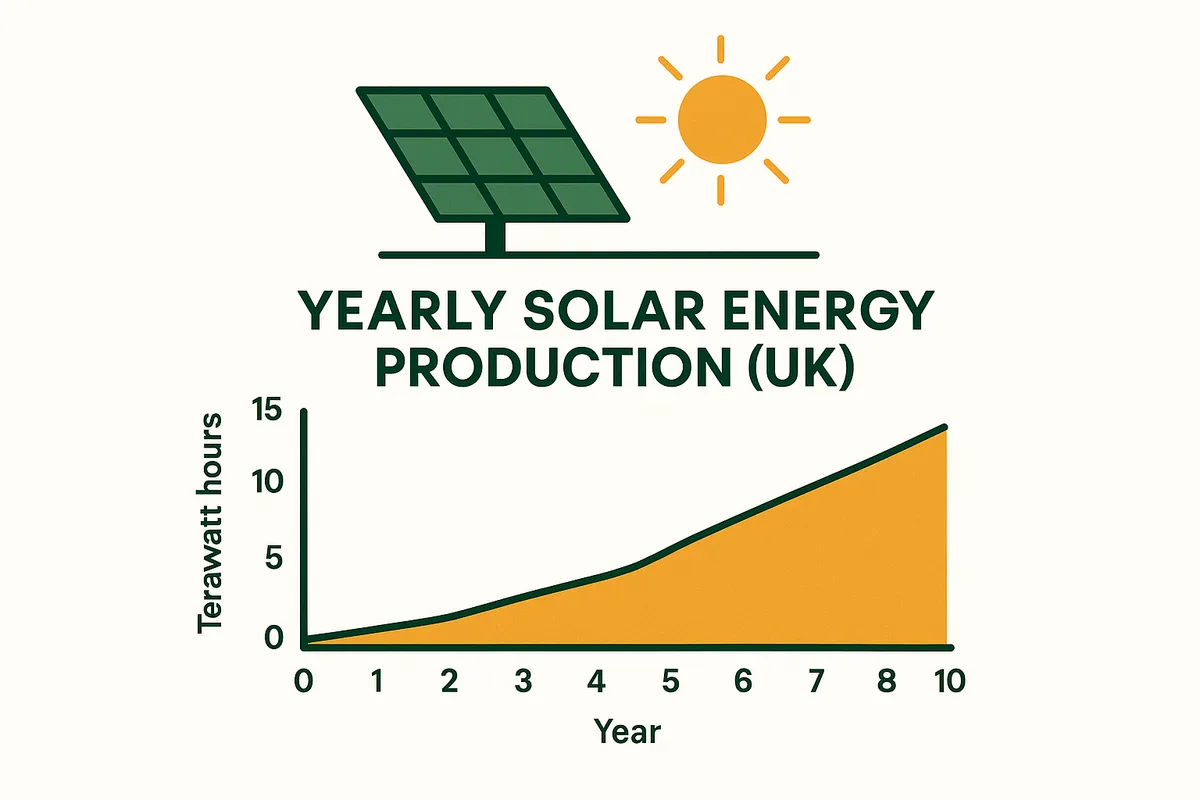
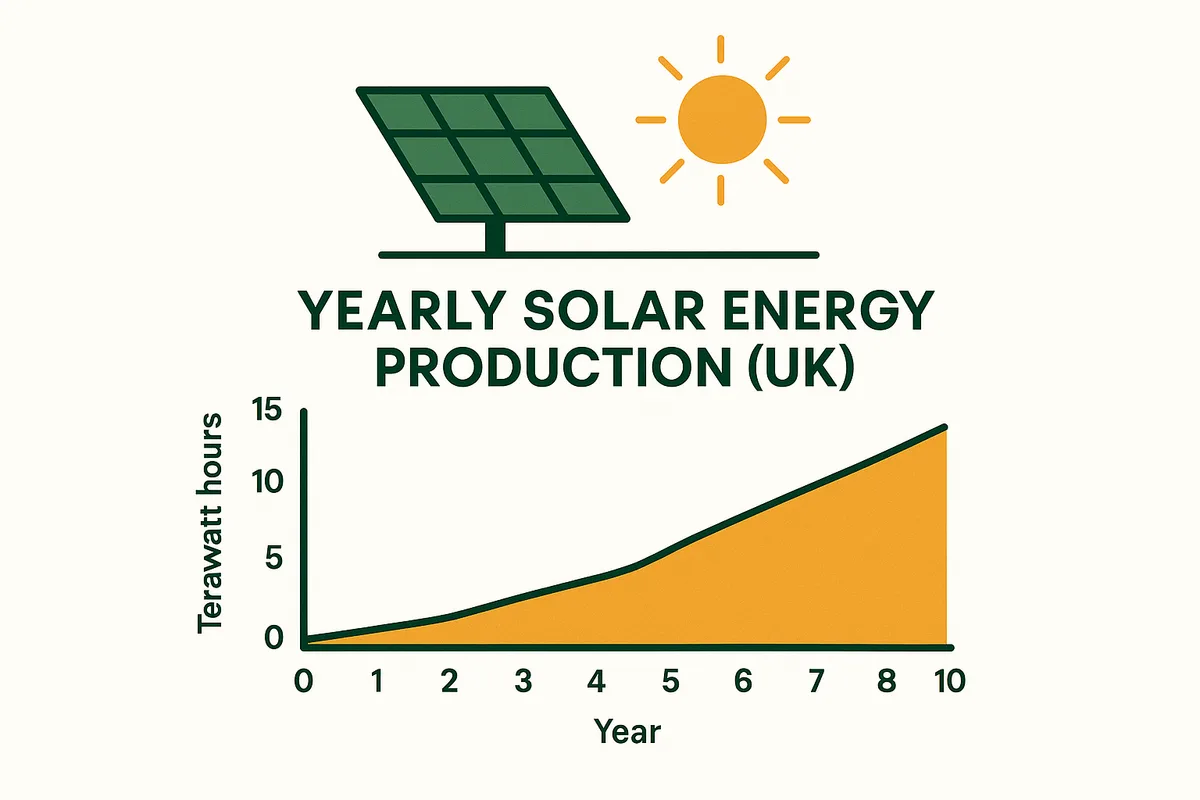
Solar panel prices dropped 90% between 2010 and 2023. Many homeowners wonder if they should wait for further drops.
The current situation (2026): - Panel prices have stabilised — the dramatic drops are over - Manufacturing costs are near the floor for silicon-based technology - Any further drops will be gradual (1–3% per year at most) - Meanwhile, electricity prices remain high (26.11p/kWh)
The maths: - If you wait 2 years and panels drop 5%: you save £300–£400 on installation - But you lose 2 years of savings: £1,270 lost - Net result of waiting: £870–£970 WORSE off
Waiting for cheaper panels is almost always a losing strategy when electricity prices are high. The savings you miss while waiting exceed any realistic price drop.
Exception: If a genuinely new technology (perovskite panels, for example) is imminent, it might justify a short wait. But no such technology is expected to reach mainstream UK residential market before 2028–2030.
Source: BloombergNEF solar price forecasts; IRENA renewable cost data.
Seasonal Installation Tips
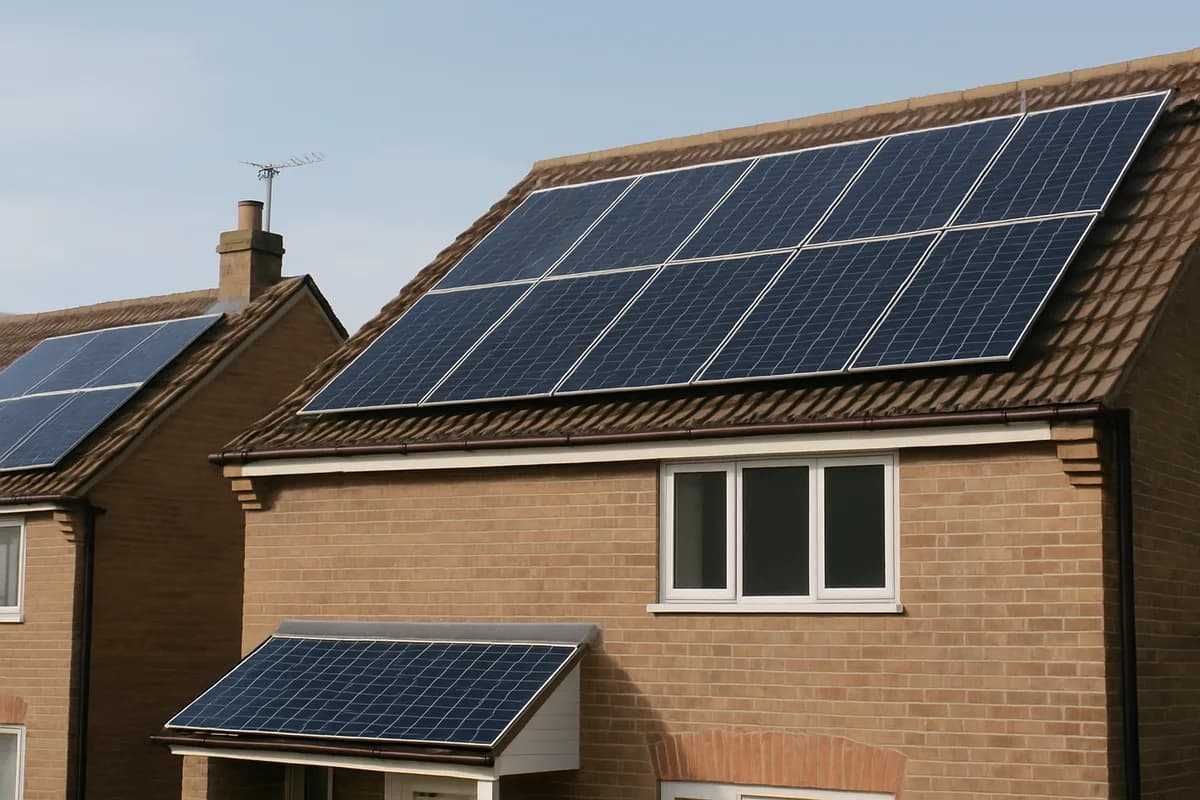
- Spring (March–May): Best balance — installers are available, summer is coming, weather is improving. Ideal installation window.
- Summer (June–August): Busiest period for installers — longer wait times, potentially higher prices. But your system starts generating at peak output immediately.
- Autumn (September–November): Good availability, reasonable prices. You miss the current year's summer but are ready for next spring.
- Winter (December–February): Cheapest quotes, shortest wait times. Output starts low but you are positioned for the full spring/summer peak.
Frequently Asked Questions
Related guides
Related: Home Heating Systems
Solar panels are most powerful when combined with an efficient heating system. Heat pumps use solar-generated electricity to heat your home at 300-400% efficiency — making them the ideal partner for solar.
Heat pumps use electricity at 300-400% efficiency, making them ideal partners for solar.
From our sister site Home Heat Pump Guide
You might also like

Ready to see what solar could save you?
Get free, no-obligation quotes from MCS-certified installers in your area.
Get Free QuotesFree, no obligation. Takes 2 minutes.