Solar Panels & the Energy Crisis: UK Perspective
Ready to see what solar could save you?
Get free, no-obligation quotes from MCS-certified installers in your area.
Get Free QuotesFree, no obligation. Takes 2 minutes.
How did the energy crisis affect solar panels?
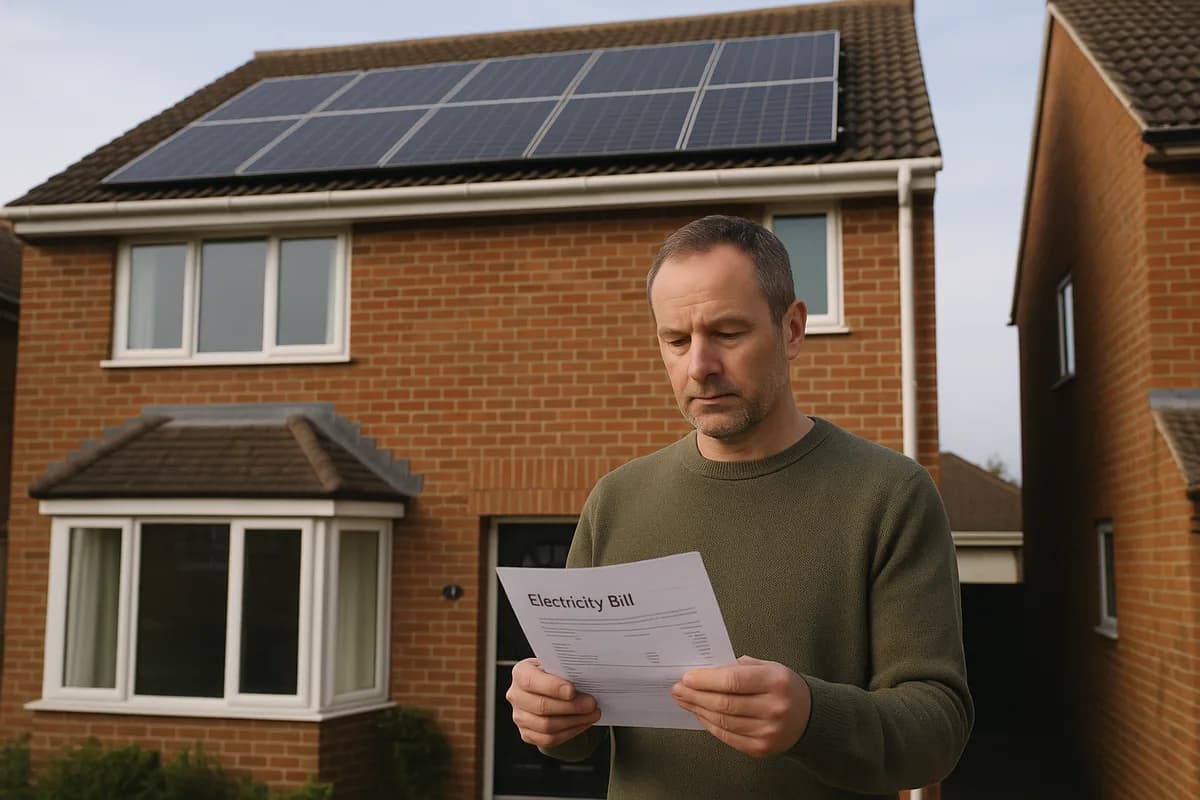
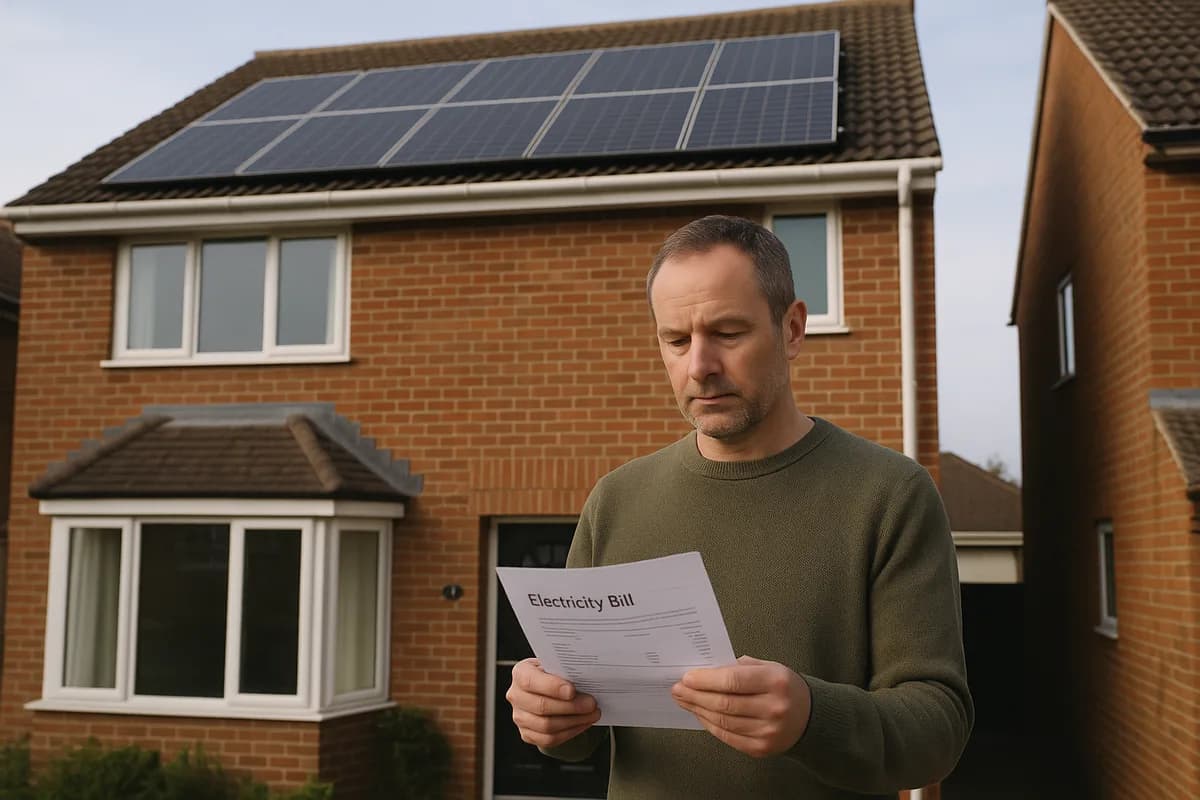
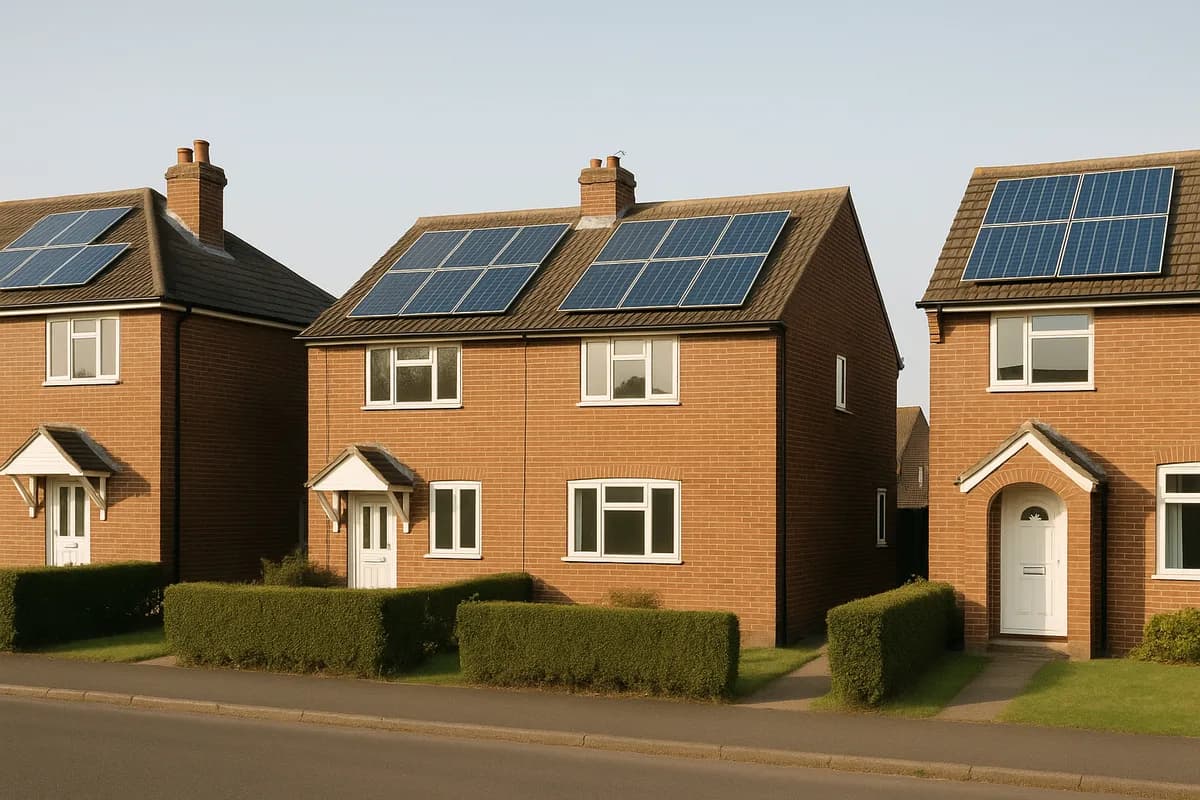
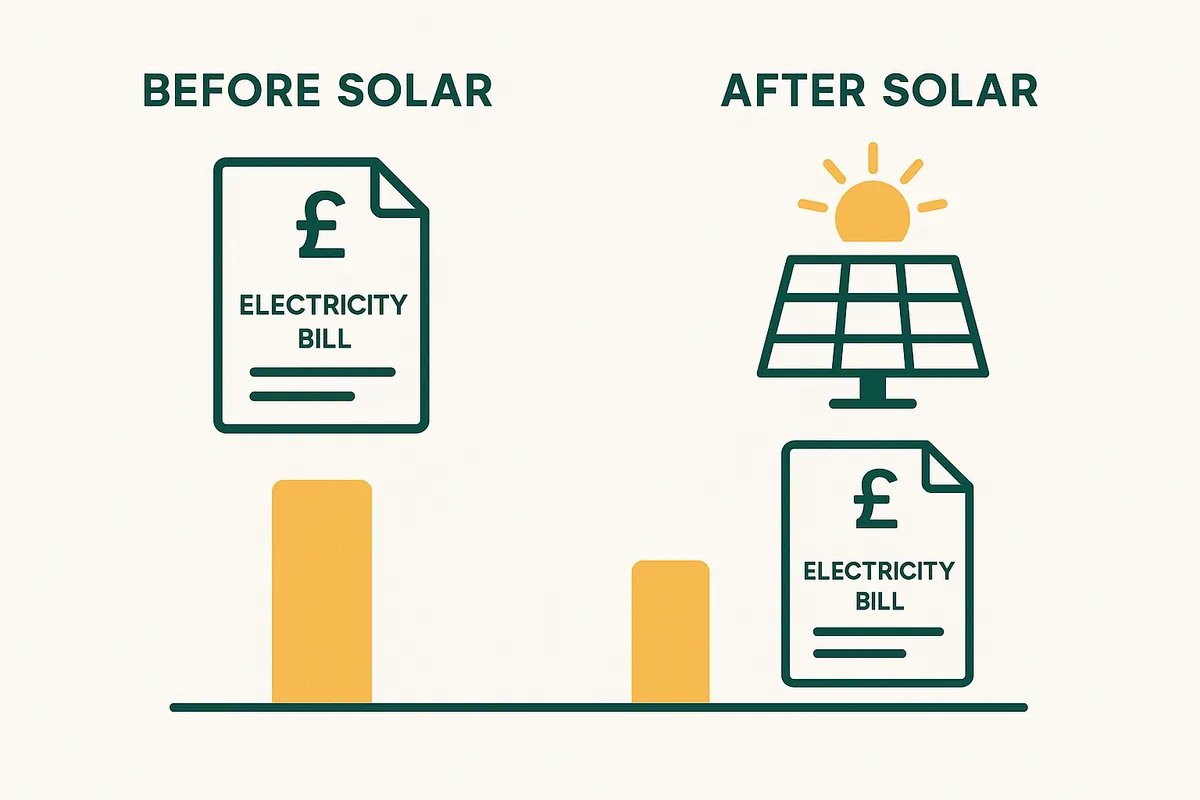
The UK energy crisis (2021–2023) dramatically improved the financial case for solar panels. Electricity prices rose from ~14p/kWh (2020) to ~34p/kWh (peak 2023), before settling at ~26.11p/kWh (2026 Ofgem cap). Higher electricity prices mean: every kWh of solar saves more money, payback periods shortened from 12–15 years to 8–12 years, and demand for solar installations surged 300%+. The crisis proved that energy independence through solar is not just environmental — it is financial protection.
The Price Shock: What Happened
UK electricity price trajectory:
| Period | Price Cap (p/kWh) | Solar Payback (4kW) |
|---|---|---|
| 2020 (pre-crisis) | 14p | 15–18 years |
| 2021 (crisis begins) | 18p | 12–15 years |
| Q1 2022 | 21p | 11–13 years |
| Q4 2022 (peak) | 34p | 7–9 years |
| Q1 2023 | 34p | 7–9 years |
| Q4 2023 | 27p | 9–11 years |
| 2024 | 25p | 9–12 years |
| 2025 | 24p | 10–12 years |
| Q1 2026 | 26.11p | 10–12 years |
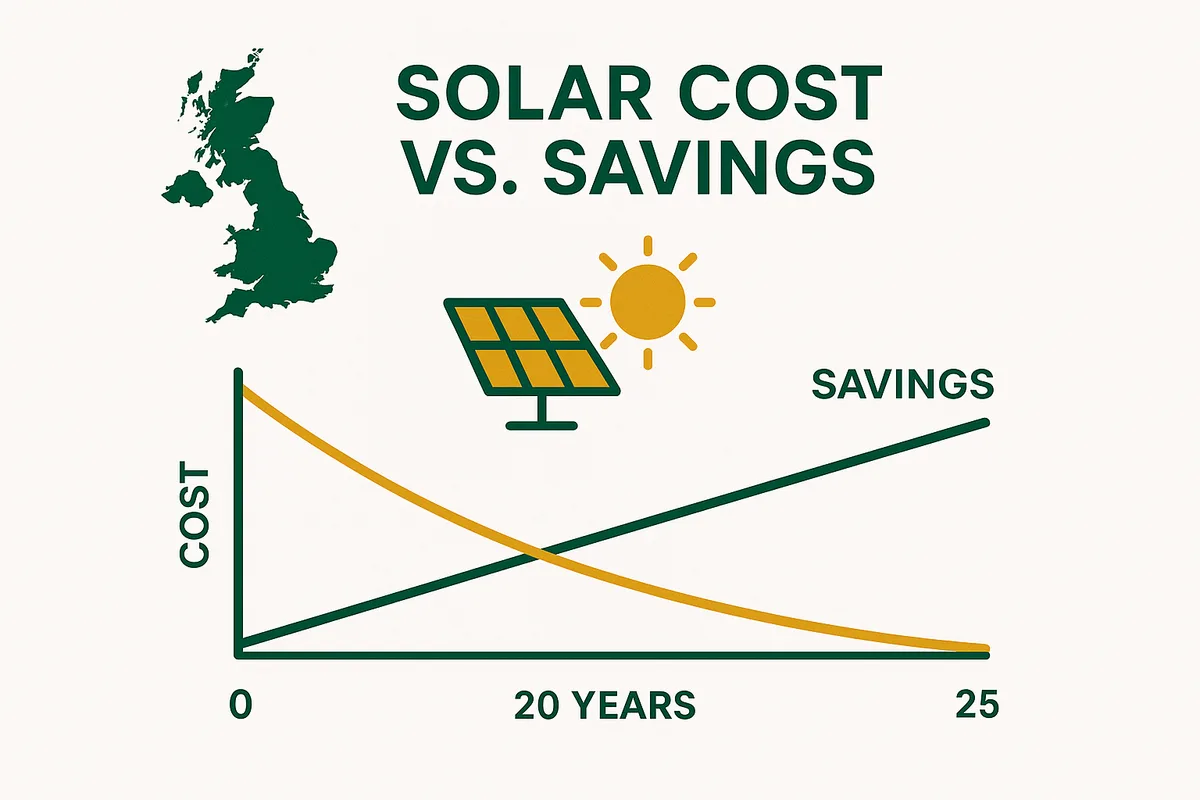
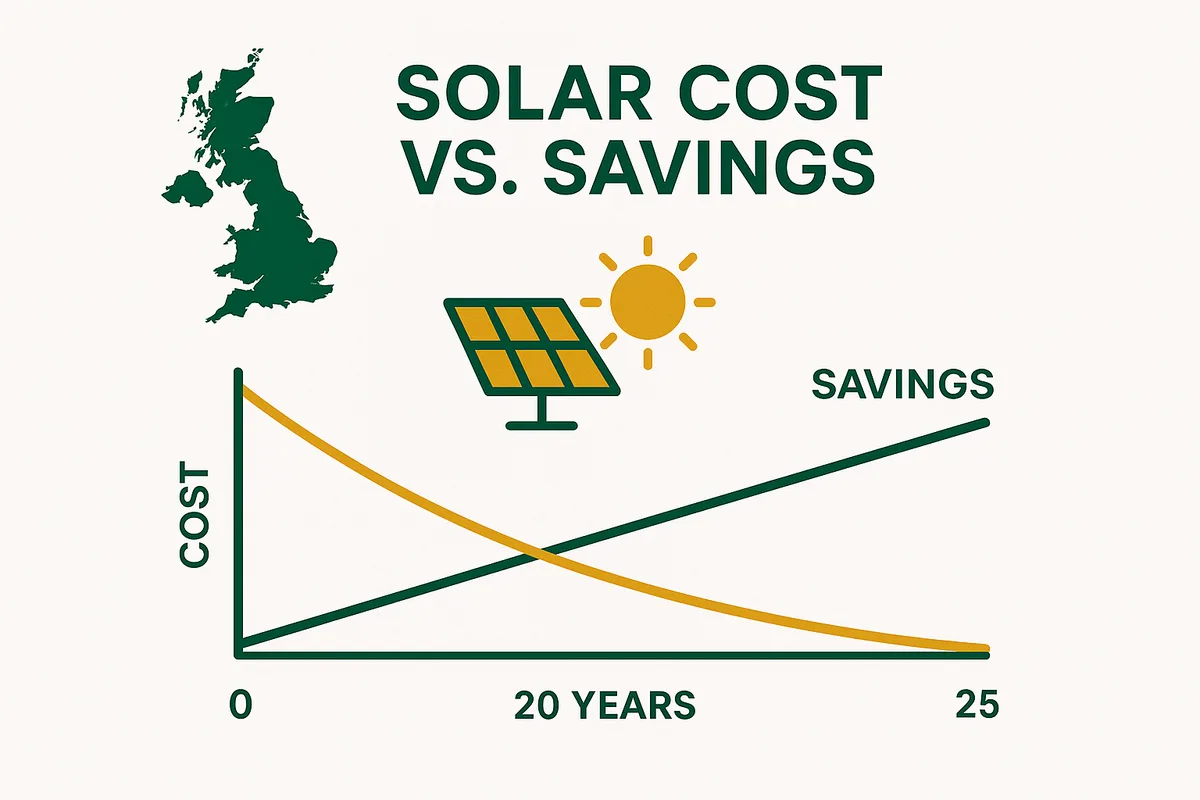
The energy crisis halved solar payback periods. At 14p/kWh (2020), a 4kW system took 15–18 years to pay back. At 26.11p/kWh (2026), the same system pays back in 10–12 years. At the peak (34p), payback was just 7–9 years.
Even though prices have fallen from the 34p peak, they remain 75% above pre-crisis levels. The financial case for solar remains dramatically stronger than pre-crisis.
Source: Ofgem historical price cap data.
What the Crisis Changed for Solar
- Demand surged — solar installations increased 300%+ between 2021 and 2023. MCS-certified installers went from quiet to fully booked.
- Payback shortened — from 15–18 years (2020) to 8–12 years (2026). Solar went from 'marginally worthwhile' to 'obviously worthwhile'.
- Government response — 0% VAT introduced (April 2022), reducing installation costs by £1,000–£1,600. Smart Export Guarantee kept export payments flowing.
- Battery interest grew — homeowners wanted maximum self-consumption to avoid importing expensive grid electricity. Battery sales surged.
- Public perception shifted — solar moved from 'green idealism' to 'financial common sense'. The crisis made solar mainstream.
- Installer capacity expanded — new MCS installers entered the market to meet demand. Competition improved quality and pricing.
- Energy security entered public consciousness — reducing dependence on imported gas became a personal financial goal, not just policy.
Ready to see what solar could save you?
Get free, no-obligation quotes from MCS-certified installers in your area.
Get Free Quotes
Are Prices Going Back Down?
Short answer: probably not to pre-crisis levels.
Why electricity prices remain elevated: - Gas prices (which set marginal electricity prices) remain above historical norms - UK must invest £50bn+ in grid upgrades for net zero — costs passed to consumers - Renewable energy subsidies (CfD payments) add a small cost per kWh - Network charges are rising as infrastructure ages and demand grows - Carbon pricing adds cost to fossil fuel generation
Price forecast: - 2027: 22–28p/kWh (most forecasts suggest similar to current levels) - 2030: 25–35p/kWh (network and carbon costs rising, wholesale may fall slightly) - Long-term: upward trend (5–7% per year historically, likely to continue)
What this means for solar: Even at 'lower' future prices (22p), solar payback is 11–14 years — still strongly positive. If prices remain at 25p+ (likely), payback stays at 8–12 years. If prices rise to 30p+ (possible), payback drops to 7–10 years.
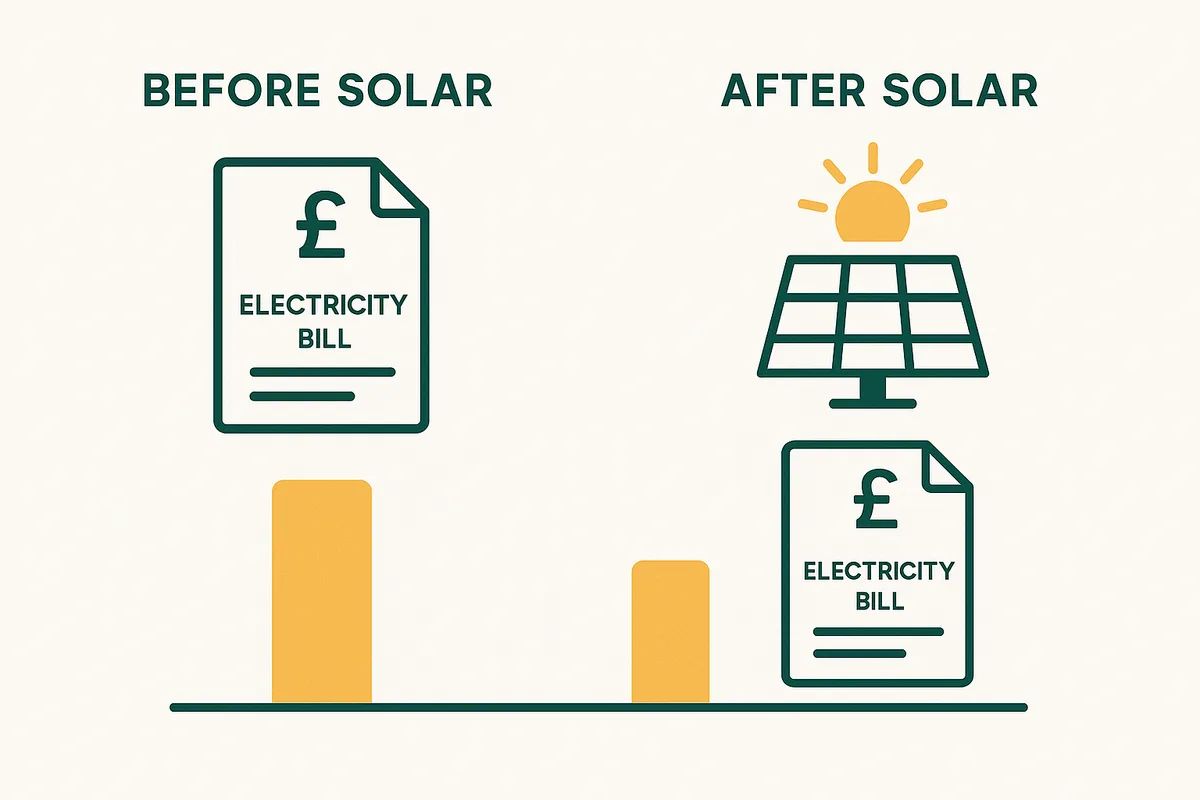
Solar is your hedge. Once installed, your solar electricity costs £0 regardless of what happens to grid prices. Every price increase makes your existing panels more valuable.
Source: Ofgem; Cornwall Insight; UK Government energy modelling.
Lessons from the Crisis
For homeowners: 1. Energy independence is not just environmental — it is financial self-defence 2. Those who installed solar BEFORE the crisis were protected from the worst price increases 3. Waiting for 'cheaper panels' cost more in missed savings than any price drop would save 4. A battery + smart tariff provides near-complete insulation from grid price volatility 5. Solar is a 25-year investment — short-term price fluctuations do not change the fundamental case
For the market: 1. Solar demand is price-elastic — when electricity costs more, more people install solar 2. The installer market can scale rapidly to meet demand 3. Government incentives (0% VAT) have a meaningful impact on adoption 4. Battery storage is becoming standard, not optional 5. The UK has ample solar resource for meaningful household generation
The takeaway: The energy crisis proved that solar is not a luxury — it is financial infrastructure. Like insulation, it reduces your exposure to energy costs permanently. The question is not IF you should install solar, but WHEN.
Source: Energy Saving Trust post-crisis analysis; solar market data.
Frequently Asked Questions
Related guides
Related: Home Heating Systems
Solar panels are most powerful when combined with an efficient heating system. Heat pumps use solar-generated electricity to heat your home at 300-400% efficiency — making them the ideal partner for solar.
Heat pump installation typically takes 2-3 days and is best planned alongside solar.
From our sister site Home Heat Pump Guide
You might also like

Ready to see what solar could save you?
Get free, no-obligation quotes from MCS-certified installers in your area.
Get Free QuotesFree, no obligation. Takes 2 minutes.