Future-Proofing Your Home with Solar
Ready to see what solar could save you?
Get free, no-obligation quotes from MCS-certified installers in your area.
Get Free QuotesFree, no obligation. Takes 2 minutes.
How do solar panels future-proof your home?
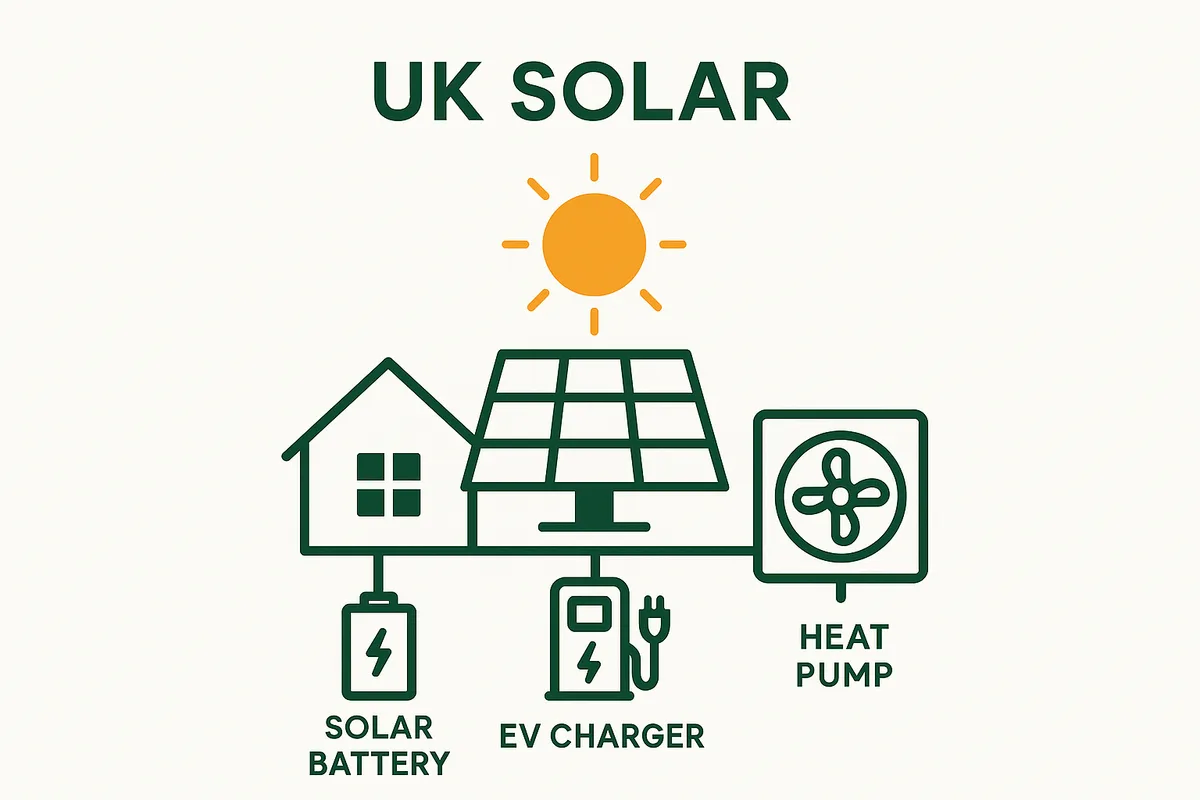
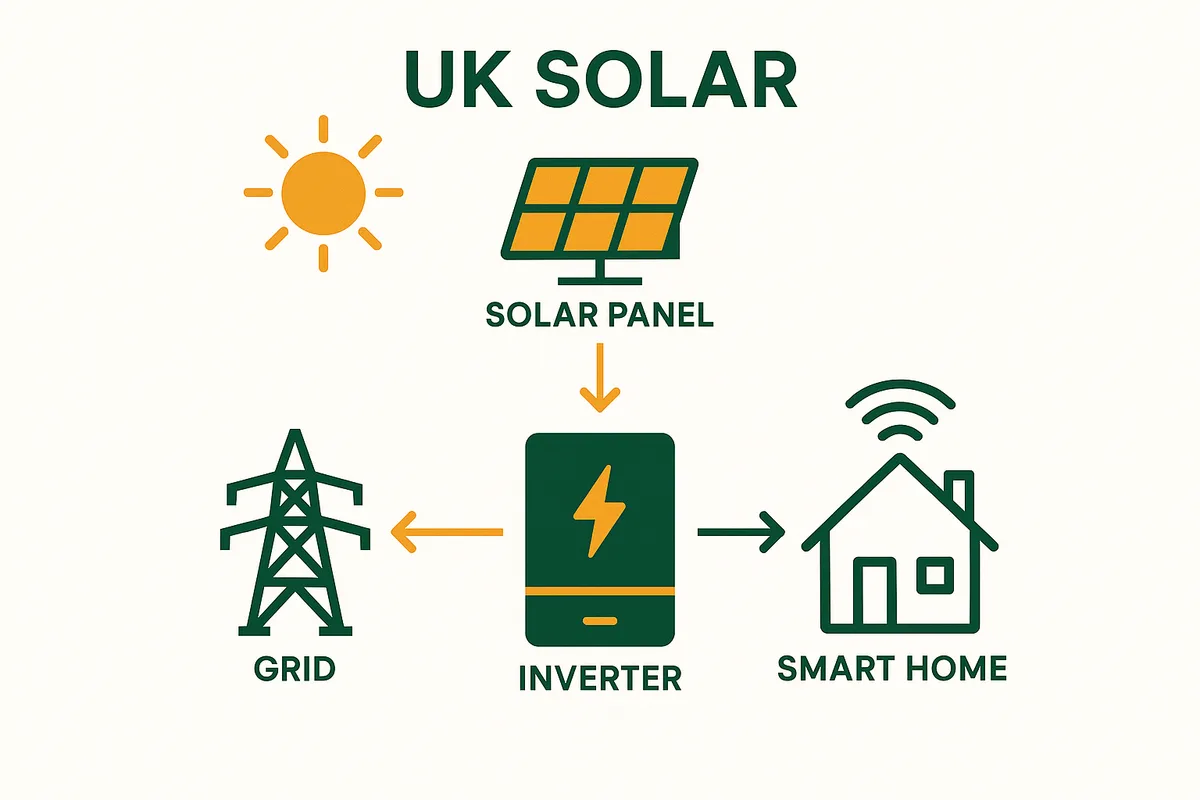
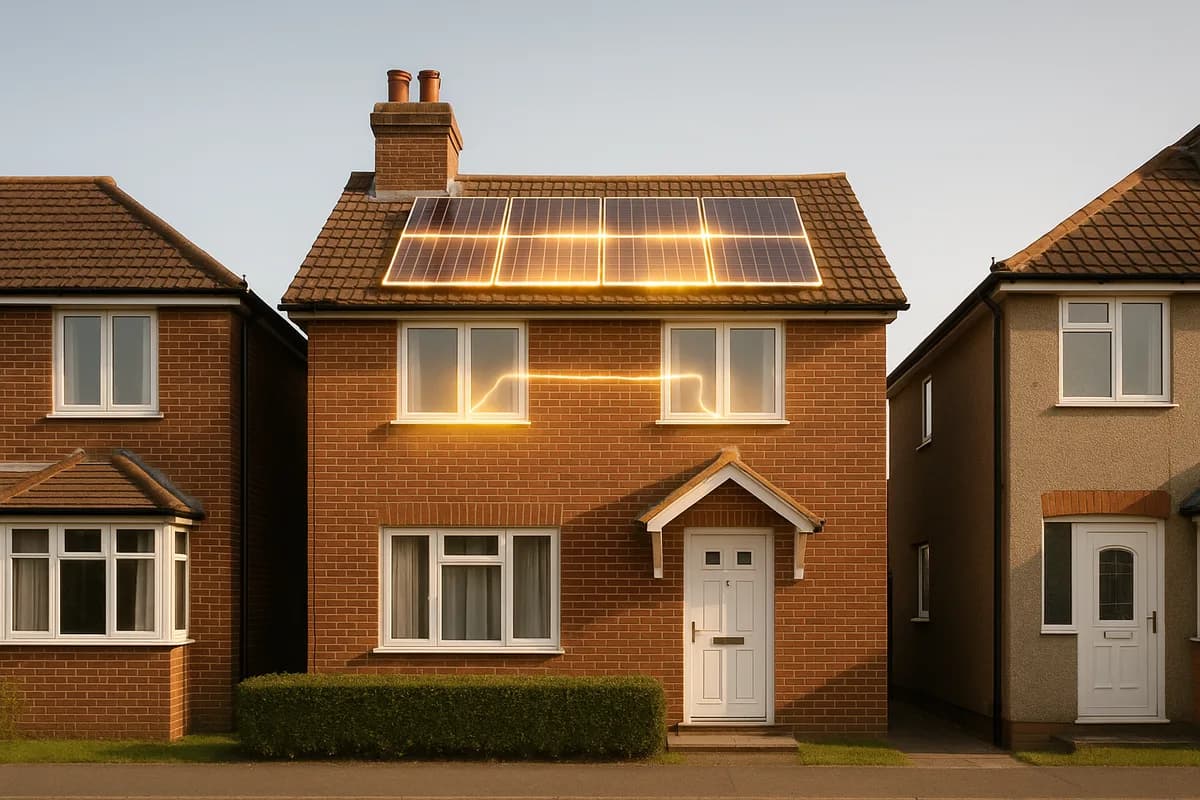
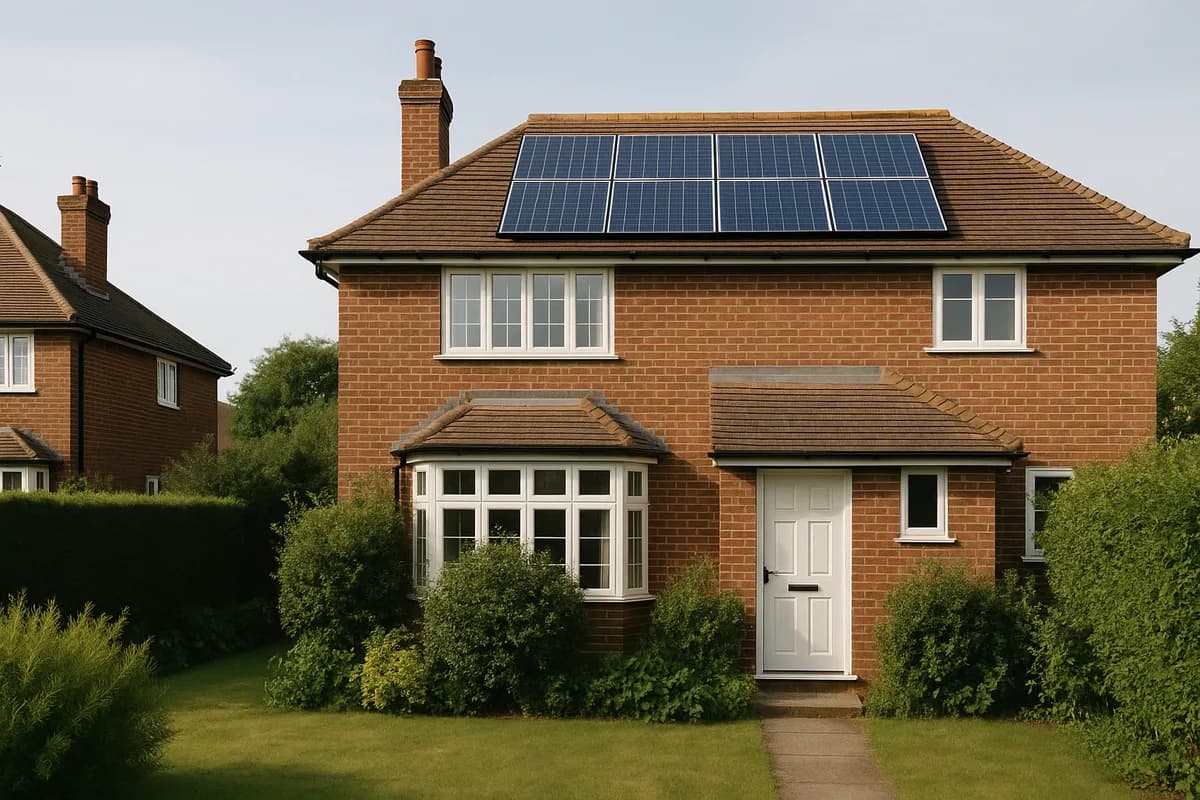
Solar panels future-proof your home in four ways: (1) protection against rising electricity prices — your solar electricity is free regardless of grid price increases, (2) readiness for EV charging — solar reduces or eliminates fuel costs, (3) heat pump compatibility — solar powers the shift from gas to electric heating, and (4) smart grid participation — battery storage earns income through virtual power plants and tariff arbitrage. The key is installing the right foundation now.
Future-Proof 1: Rising Energy Prices
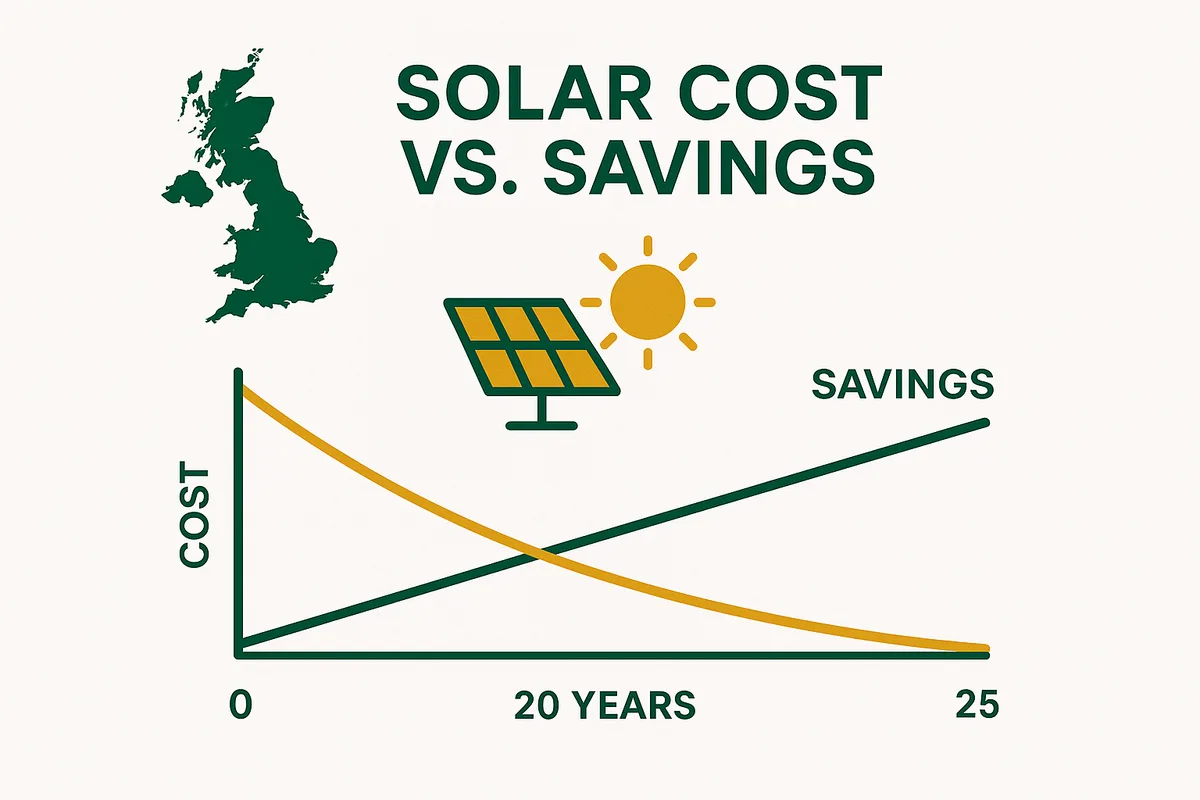
UK electricity prices have risen an average of 5–7% per year over the past 20 years. The current rate (26.11p/kWh, Q1 2026) may seem high — but history suggests it will continue rising.
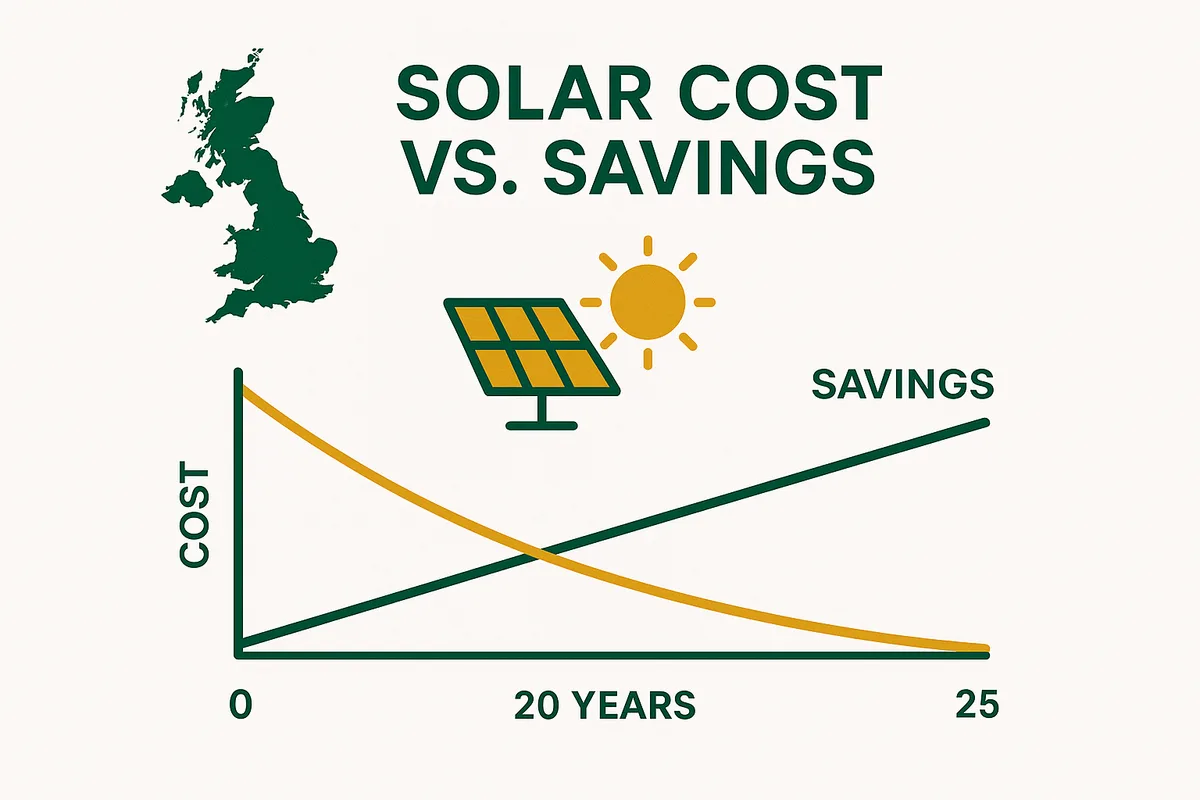
Your solar hedge: - Solar electricity costs you £0 per kWh once installed - If electricity rises to 30p/kWh: your savings increase by 22% - If electricity rises to 40p/kWh: your savings increase by 63% - Every price increase makes your existing solar system MORE valuable
25-year scenario analysis: - At current flat 26.11p/kWh: £14,500 savings from a 4kW system - At 3% annual increase: £19,800 savings (+36%) - At 5% annual increase: £24,100 savings (+66%)
Solar is your personal insurance policy against energy price inflation.
Source: Ofgem historical price data; UK Government energy price modelling.
Future-Proof 2: Electric Vehicle Readiness
The UK will ban new petrol/diesel car sales by 2035. EV adoption is accelerating — many households will have an EV within the next 5–10 years.
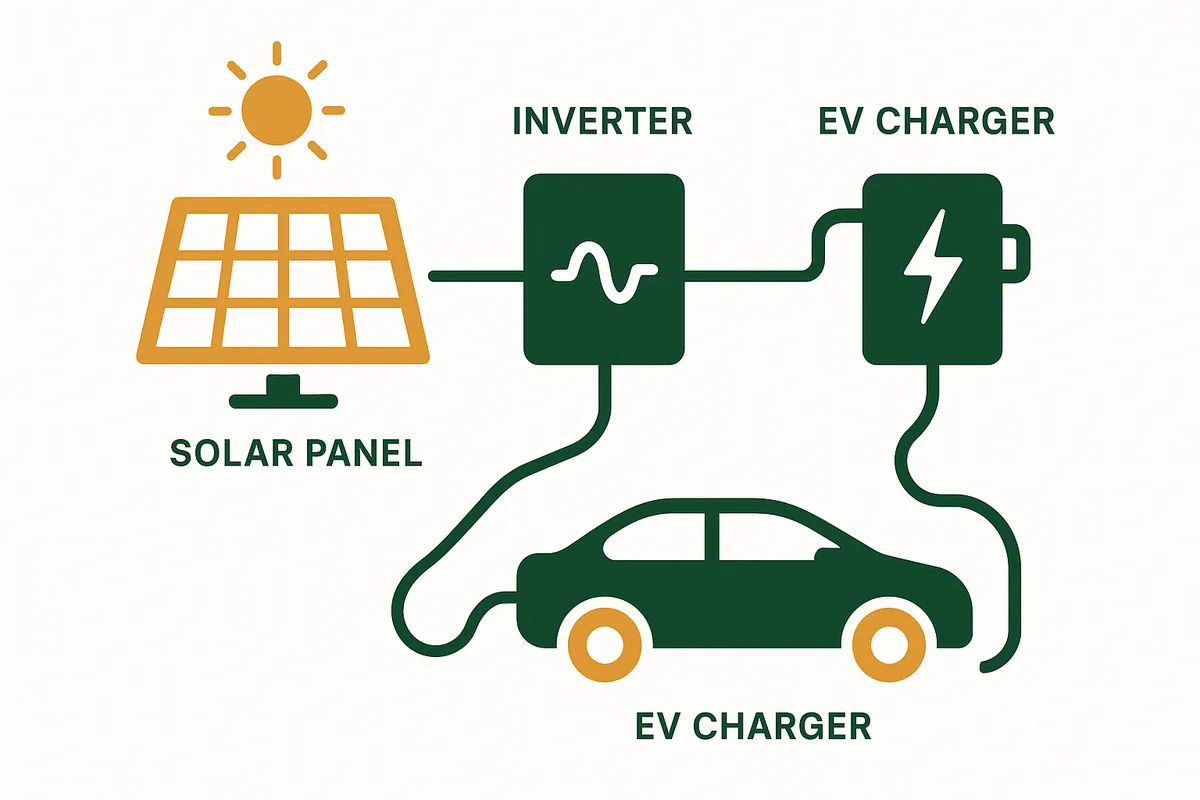
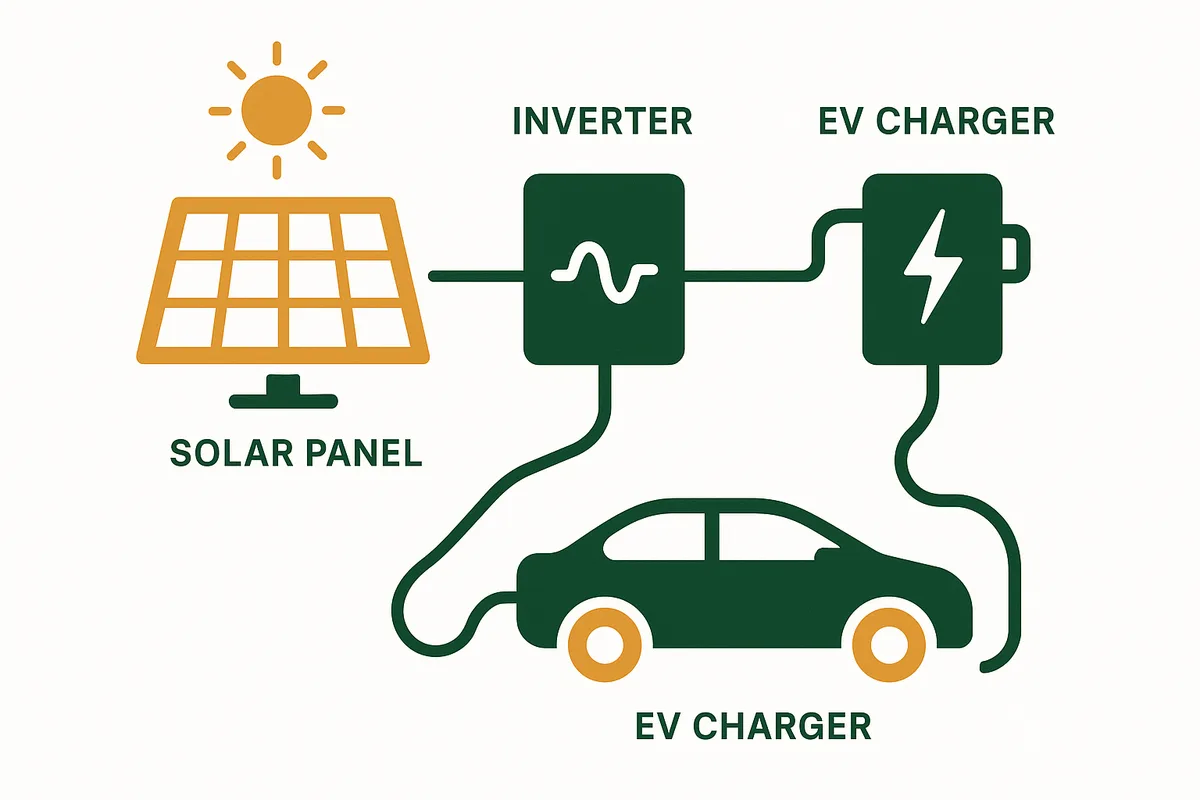
How solar prepares you: - An EV adds ~2,200 kWh/year of electricity demand - Without solar: this costs £540/year at grid rates - With solar: much of this is free from surplus generation - With solar + smart charger (Zappi): surplus automatically charges your car
Future-proofing action today: - Install a hybrid inverter (battery-ready) — even if you do not have a battery yet - Install more panels than you currently need — the extra capacity covers future EV charging - Run a cable to the garage/driveway during installation (easier when scaffolding is up)
Source: UK Government ZEV mandate; DfT EV adoption forecasts.
Future-Proof 3: Heat Pump Transition
Ready to see what solar could save you?
Get free, no-obligation quotes from MCS-certified installers in your area.
Get Free QuotesThe UK is phasing out gas boilers. New gas boiler installations may be banned by 2035. Heat pumps will become the standard heating system.
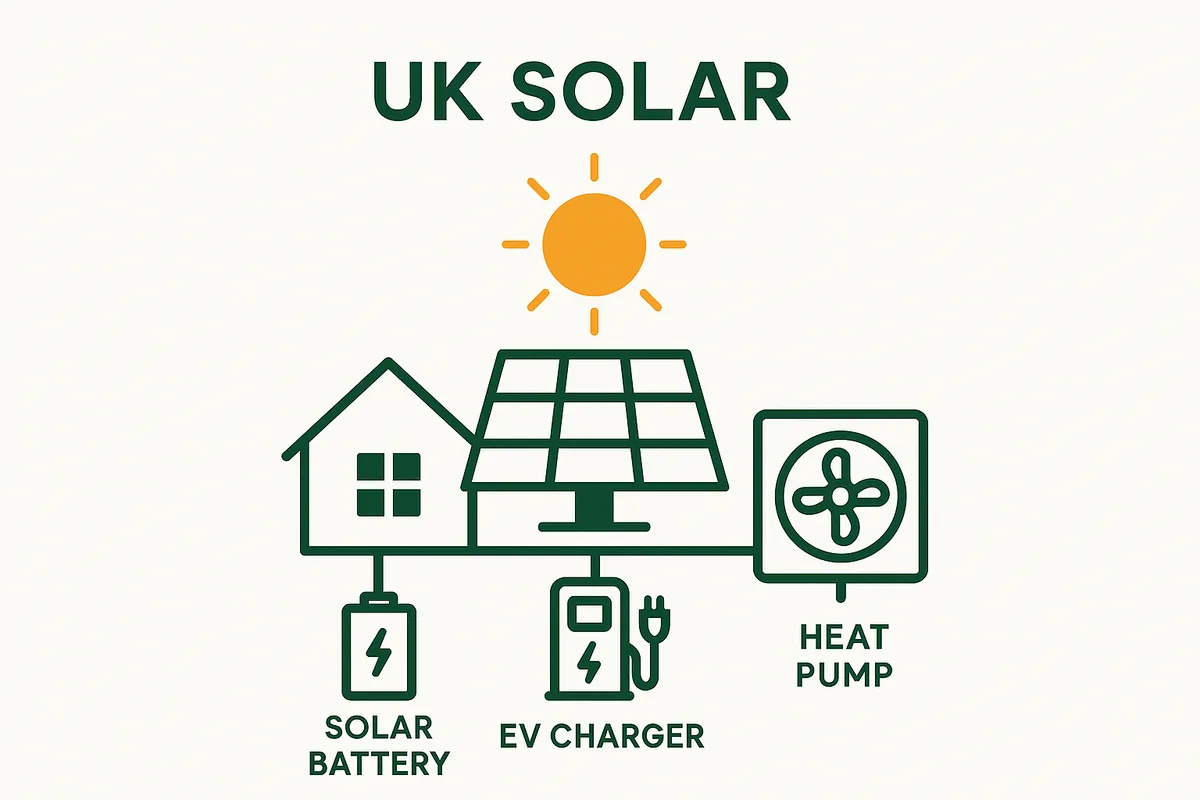
How solar prepares you: - Heat pumps run on electricity — solar provides this for free - A heat pump adds 3,000–4,000 kWh/year of electricity demand - Solar panels + heat pump reduces heating costs by 60–80% vs gas - The BUS grant (£7,500) makes heat pump installation affordable
Future-proofing action today: - Install 5–8kW of solar (more than your current needs) to cover future heat pump demand - Install a hybrid inverter that integrates with both battery and heat pump - Ensure your consumer unit has spare capacity for a future heat pump circuit
Source: UK Government Heat and Buildings Strategy; CCC Net Zero pathway.
Future-Proof 4: Smart Grid Participation
The UK electricity grid is becoming 'smarter' — and homeowners with solar + battery can participate and earn income:
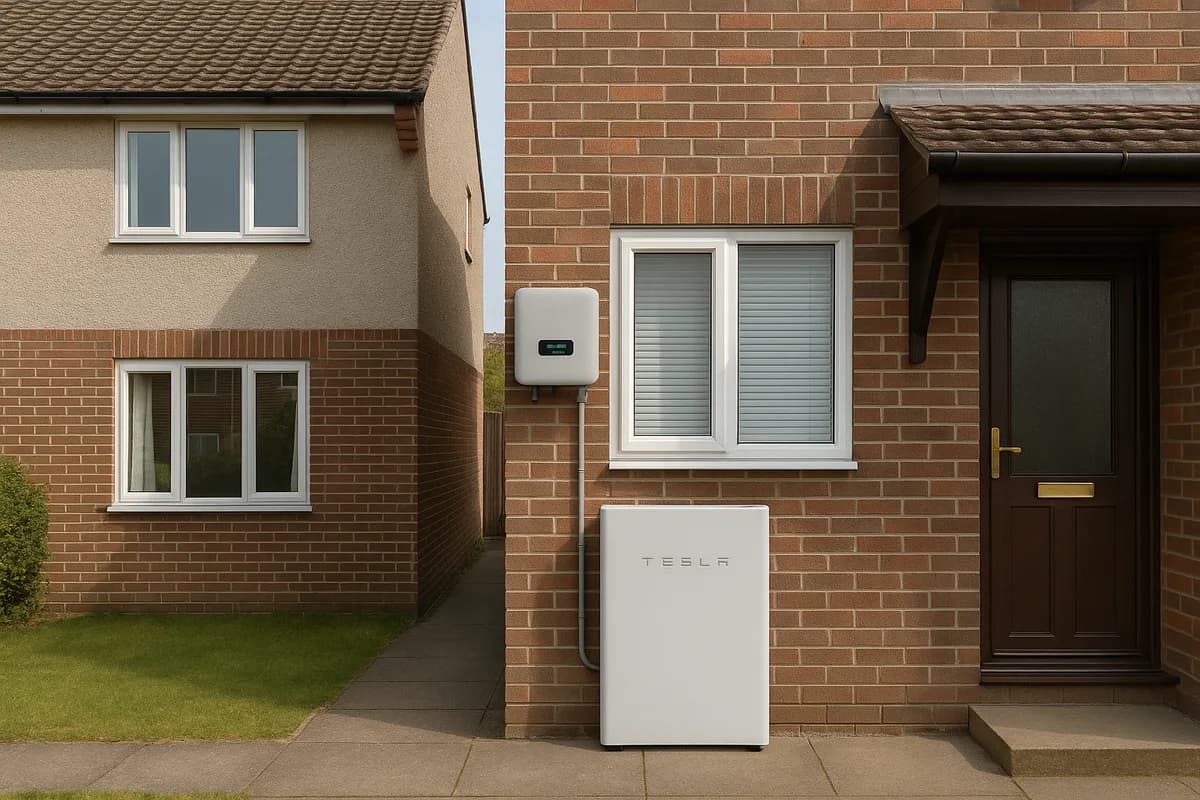
Virtual Power Plants (VPPs): - Energy companies aggregate thousands of home batteries - During peak demand, batteries discharge to the grid (you earn a payment) - During low demand, batteries charge cheaply - Current programmes: Tesla Powerwall VPP, Octopus Virtual Power Plant, GridBeyond - Typical earnings: £50–£200/year for participating
Time-of-use tariffs: - Already available (Octopus Flux/Go/Agile) - Will become more sophisticated as smart meters roll out - Solar + battery owners benefit most from variable pricing - Future tariffs may pay even more for peak export
Vehicle-to-Grid (V2G): - Your EV battery powers your home or exports to the grid during peak - Requires a bi-directional charger (emerging technology, growing availability) - Your EV becomes a mobile power station - Potential earnings: £100–£400/year
Future-proofing action today: - Install a battery with VPP capability (GivEnergy, Tesla) - Choose an inverter with smart tariff integration - Get a smart meter (required for all advanced tariffs)
Source: National Grid ESO future energy scenarios; VPP programme details.
The Future-Proofing Checklist
Install today with tomorrow in mind:
- Install MORE panels than you currently need — the extra capacity covers future EVs and heat pumps. Each extra panel costs £200–£350 now but saves you a second installation later.
- Choose a hybrid inverter — even if you do not have a battery yet. Hybrid inverters accept a battery addition later without rewiring. The £200–£400 extra is far cheaper than retrofitting.
- Get a smart meter — required for SEG, time-of-use tariffs, and all future smart grid services. Free from your energy supplier.
- Run conduit for future cables — while scaffolding is up, ask the installer to run empty conduit for: future battery cable, future EV charger cable, or future heat pump connection.
- Ensure consumer unit has spare ways — your consumer unit needs spare circuit breakers for: battery, EV charger, and heat pump. If your consumer unit is full, upgrade it during solar installation.
- Choose a battery with VPP capability — GivEnergy and Tesla both support virtual power plant participation. This earns additional income beyond self-consumption.
- Insulate before or alongside solar — better insulation reduces your total energy demand, making solar cover a larger percentage of your needs.
Frequently Asked Questions
Related guides
Related: Home Heating Systems
Solar panels are most powerful when combined with an efficient heating system. Heat pumps use solar-generated electricity to heat your home at 300-400% efficiency — making them the ideal partner for solar.
Learn more about how air source heat pumps work alongside solar panels.
From our sister site Home Heat Pump Guide
You might also like
Ready to see what solar could save you?
Get free, no-obligation quotes from MCS-certified installers in your area.
Get Free QuotesFree, no obligation. Takes 2 minutes.