Can Solar Panels Charge an Electric Car?
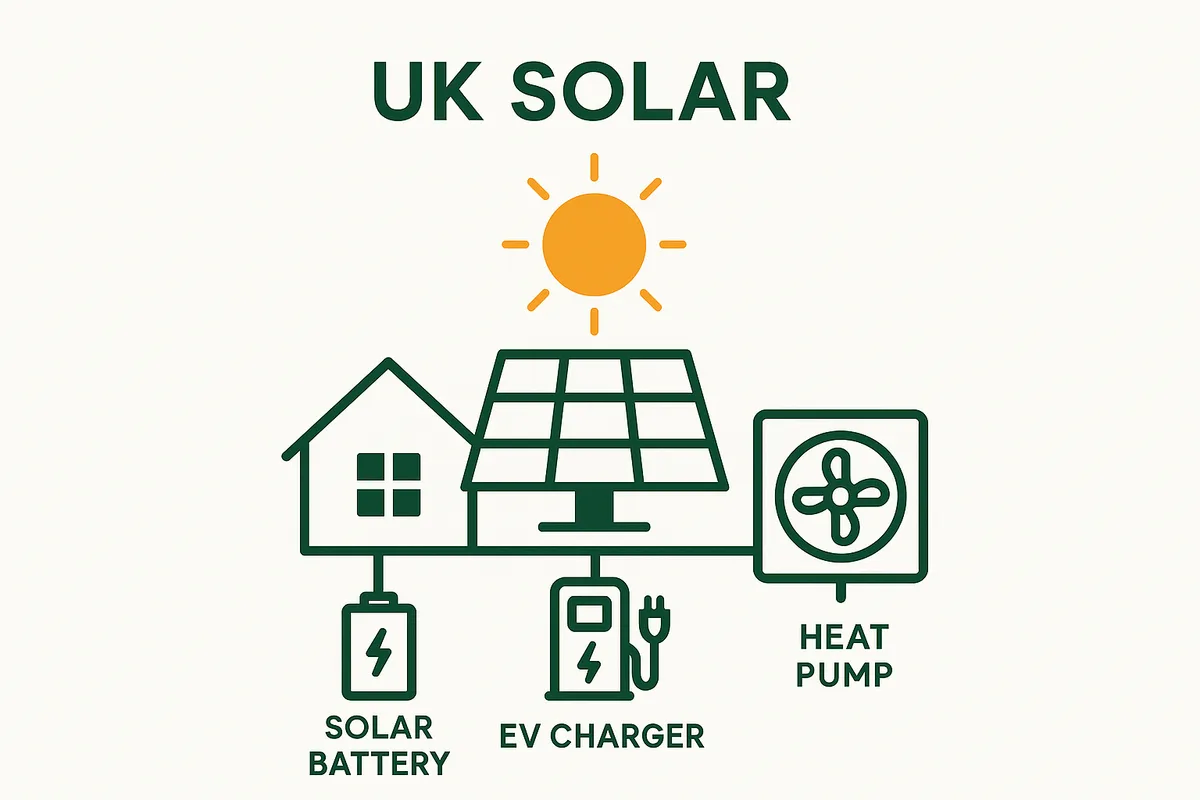
Sizing solar around an EV or heat pump?
Both change your consumption profile substantially, which changes the system you need. Get a size and price built around your actual load.
Size a System for My HomeFree calculator. See your result before giving any details.
Can you charge an electric car with solar panels?
Yes, solar panels can charge an electric car. A 4kW solar system generating at full capacity adds approximately 12–15 miles of EV range per hour of sunshine. Over a full sunny day, that is 60–90 miles of range — enough for most daily UK commutes. A smart solar charger like the Zappi automatically diverts surplus solar to your EV for free, zero-carbon driving.
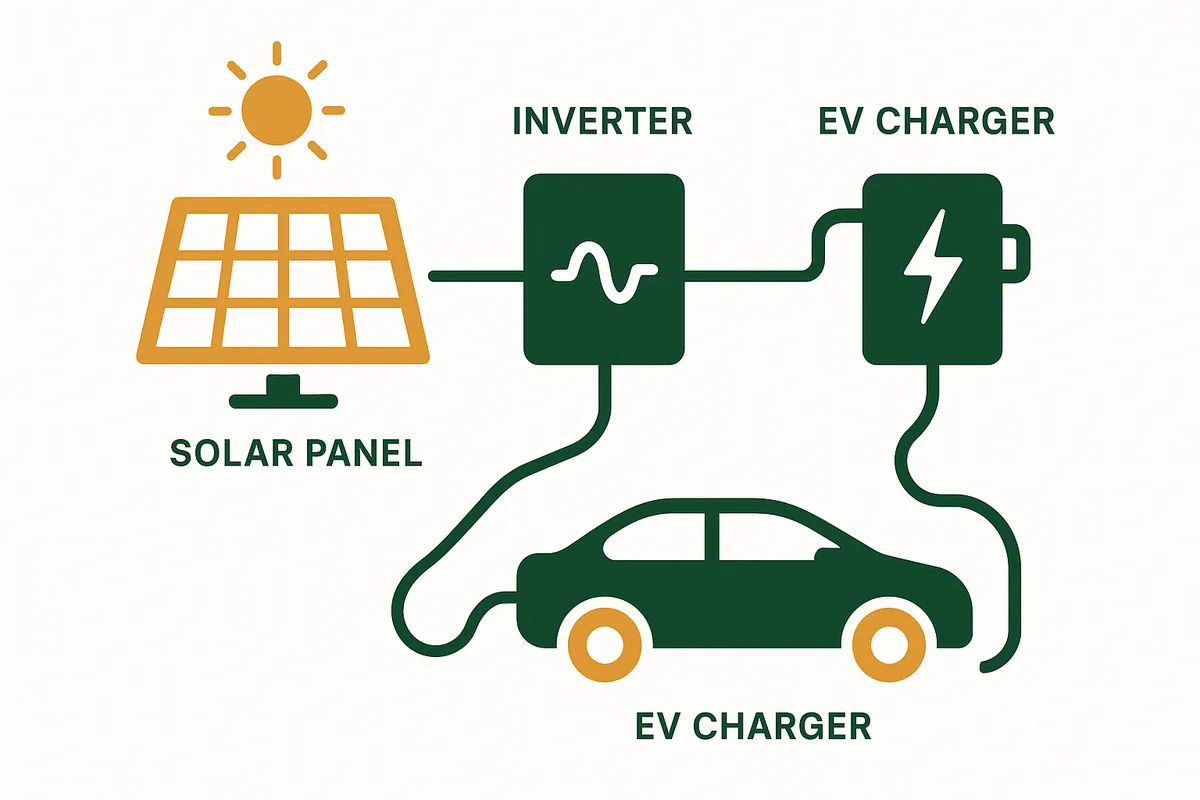
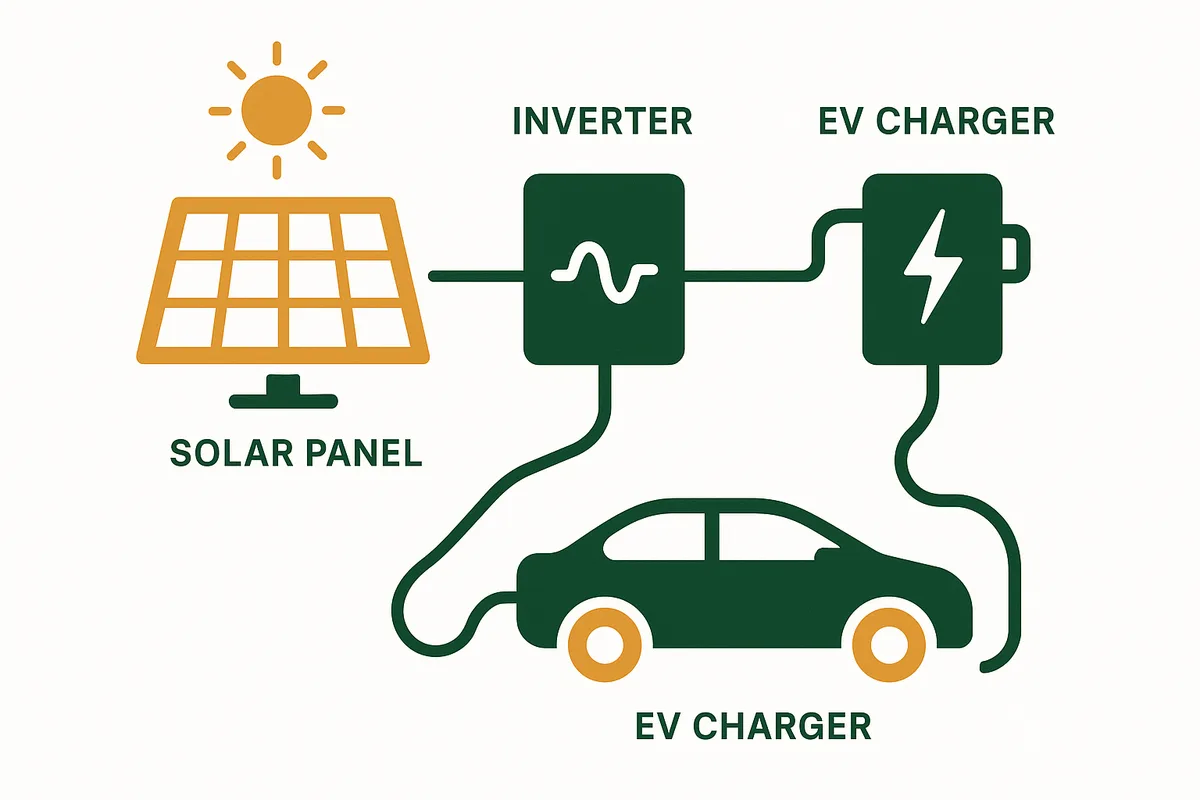
How Solar EV Charging Works
The process is straightforward:
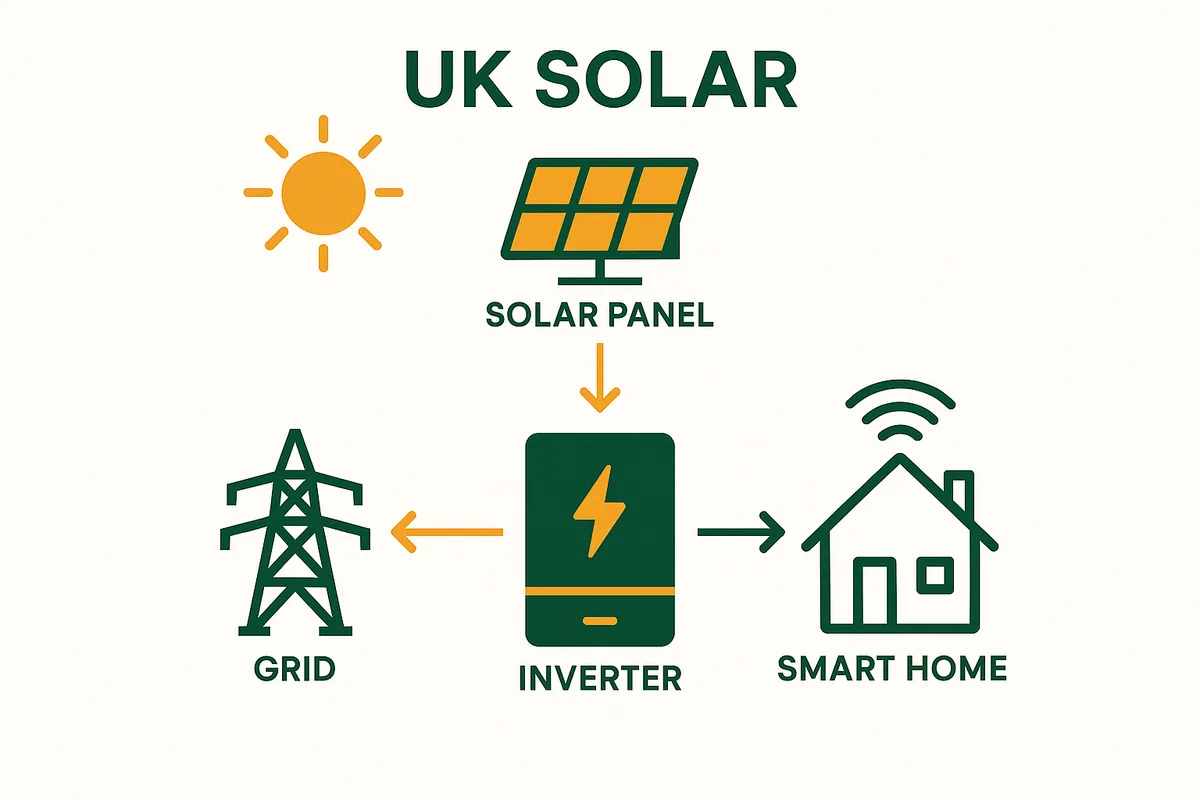
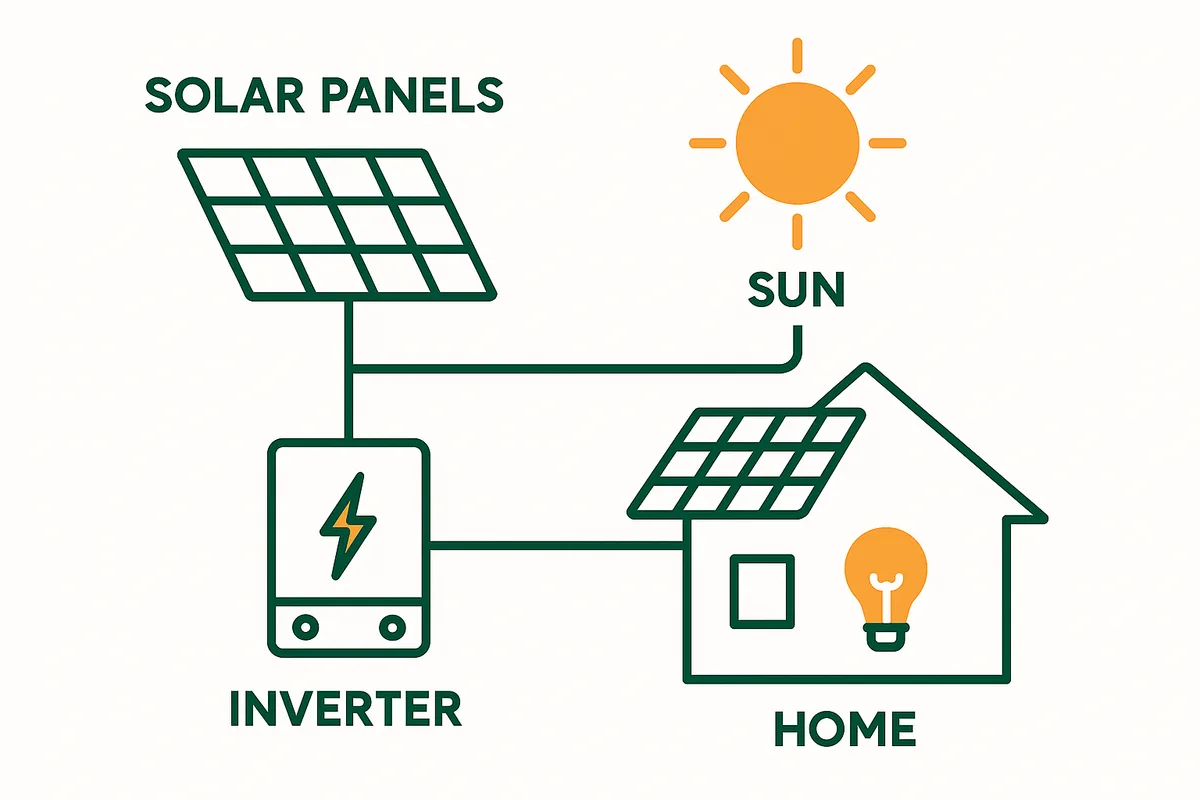
1. Solar panels generate electricity during daylight hours 2. Your home uses what it needs first (appliances, lights, heating) 3. Surplus solar flows to your EV charger instead of exporting to the grid 4. Your EV charges for free from surplus solar electricity 5. When solar runs out (evening/clouds), charging pauses or switches to grid
The maths: - A 4kW system at peak output charges at approximately 3.5–4kW - Most EVs gain 3.5–4 miles per kWh - So each hour of peak solar adds approximately 12–15 miles of range - 5 hours of good sunshine = 60–75 miles of free range
The average UK driver covers 20 miles per day. A 4kW solar system on a sunny day can cover 3–4 days of average driving from a single day's surplus.
Source: DfT average mileage data; EV manufacturer efficiency figures.
Smart Solar EV Chargers
A standard EV charger draws a fixed amount of power (typically 7kW). Since a 4kW solar system rarely produces 7kW continuously, a standard charger mostly draws from the grid.
A smart solar EV charger solves this by adjusting its charging rate to match available solar surplus:
Zappi (by Myenergi): £800–£1,100 installed - Eco mode: charges only from surplus solar - Eco+ mode: charges from solar + a configurable grid top-up - Fast mode: charges at full speed from any source - Pairs with Eddi (hot water diverter) for complete solar management
Ohme: £500–£700 installed - Smart scheduling via app - Integrates with Octopus Energy tariffs for cheapest overnight charging - Solar-aware via API (less direct than Zappi)
Hypervolt: £600–£900 installed - Solar-aware charging with app control - Load balancing to prevent tripping your supply
Recommendation: The Zappi is the best solar-integrated EV charger for UK homes. Its Eco mode automatically uses surplus solar without any app setup required.
Source: Manufacturer specifications; OZEV approved charger list.
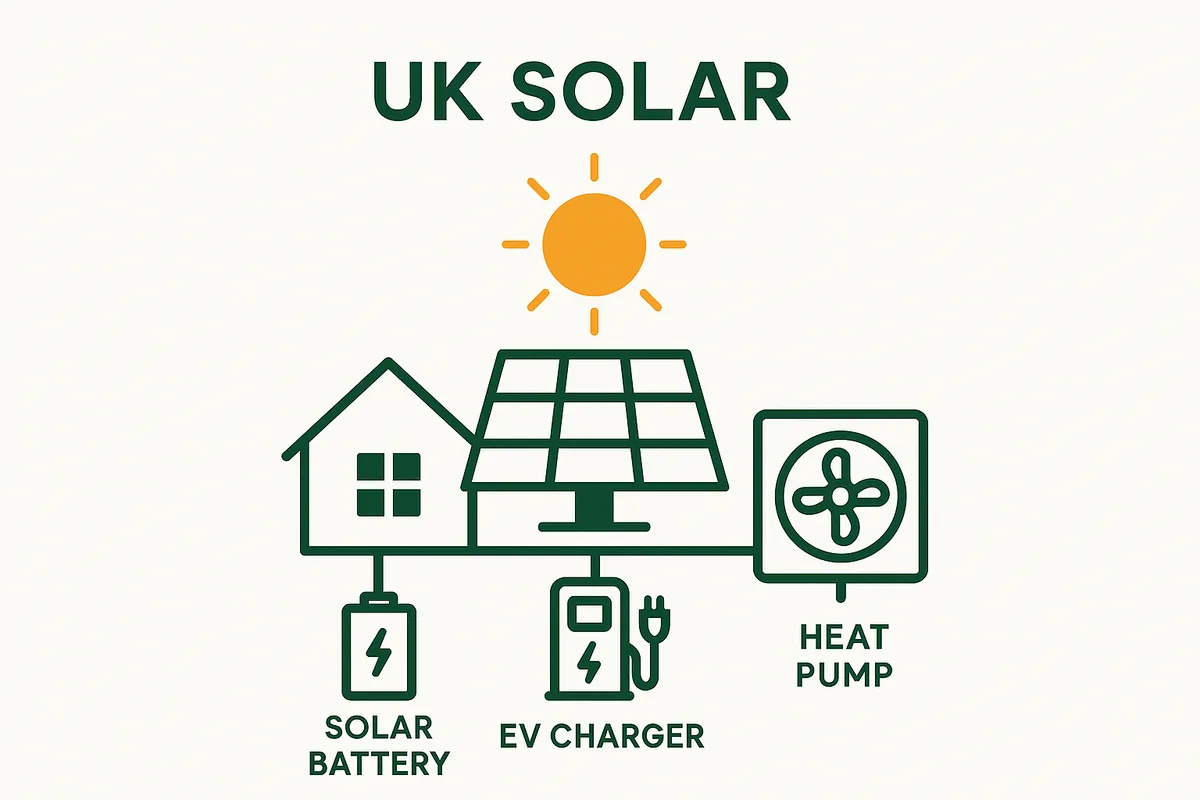
Sizing solar around an EV or heat pump?
Both change your consumption profile substantially, which changes the system you need. Get a size and price built around your actual load.
Size a System for My Home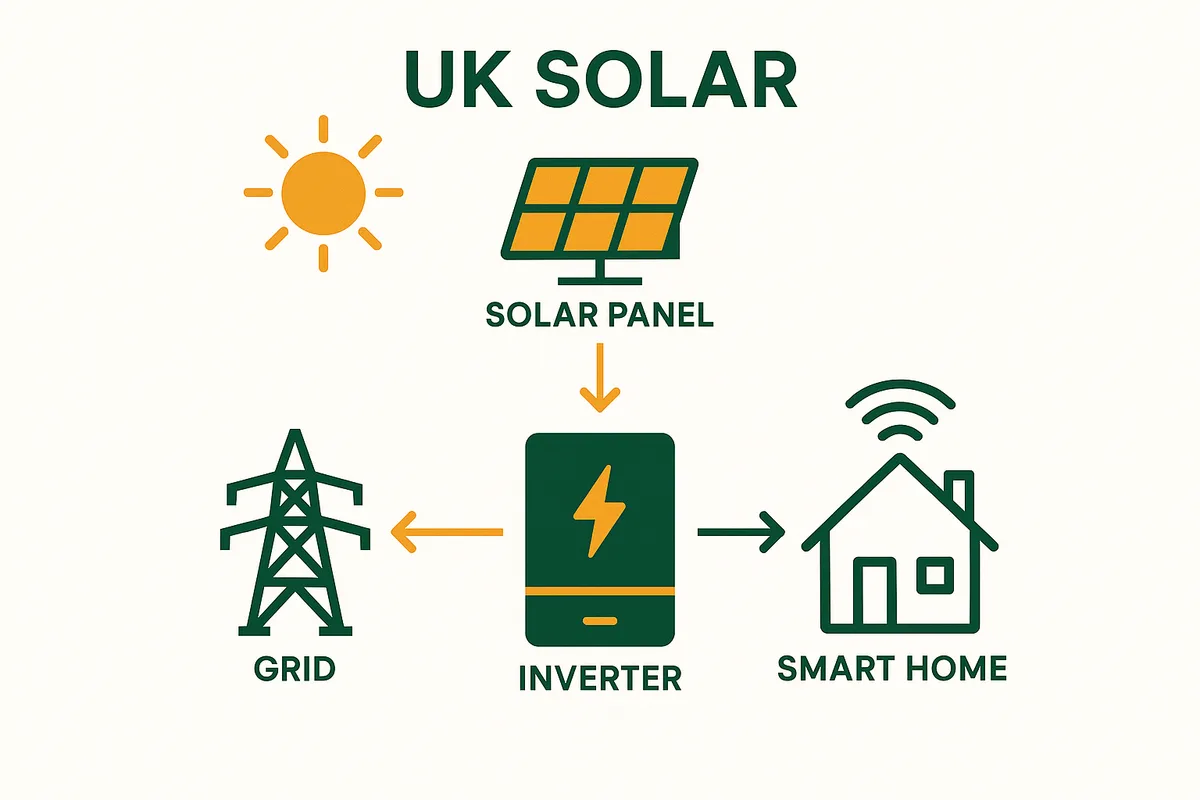
The Cost Savings: Solar Charging vs Grid Charging
Annual EV electricity cost comparison (7,400 miles/year):
| Charging Method | Cost per kWh | Annual Cost | Annual Saving vs Grid |
|---|---|---|---|
| Standard grid rate | 26.11p | £559 | — |
| Octopus Go overnight | 7.5p | £171 | £388 |
| 100% solar | 0p | £0 | £559 |
| Solar + overnight hybrid | ~3p effective | £68 | £491 |
The most practical approach is the hybrid: charge from surplus solar during the day (free) and use Octopus Go overnight rate (7.5p) for any additional charging needed. This costs roughly £68/year — saving £491 compared to standard grid charging.
Note: 100% solar charging is only possible if your car is parked at home during sunny daylight hours. For commuters, the hybrid approach is more realistic.
Source: Ofgem price cap July-September 2026; Octopus Energy tariff rates.
How Big a Solar System Do You Need for an EV?
To charge an EV entirely from solar, you need additional panels beyond your home's electricity needs:
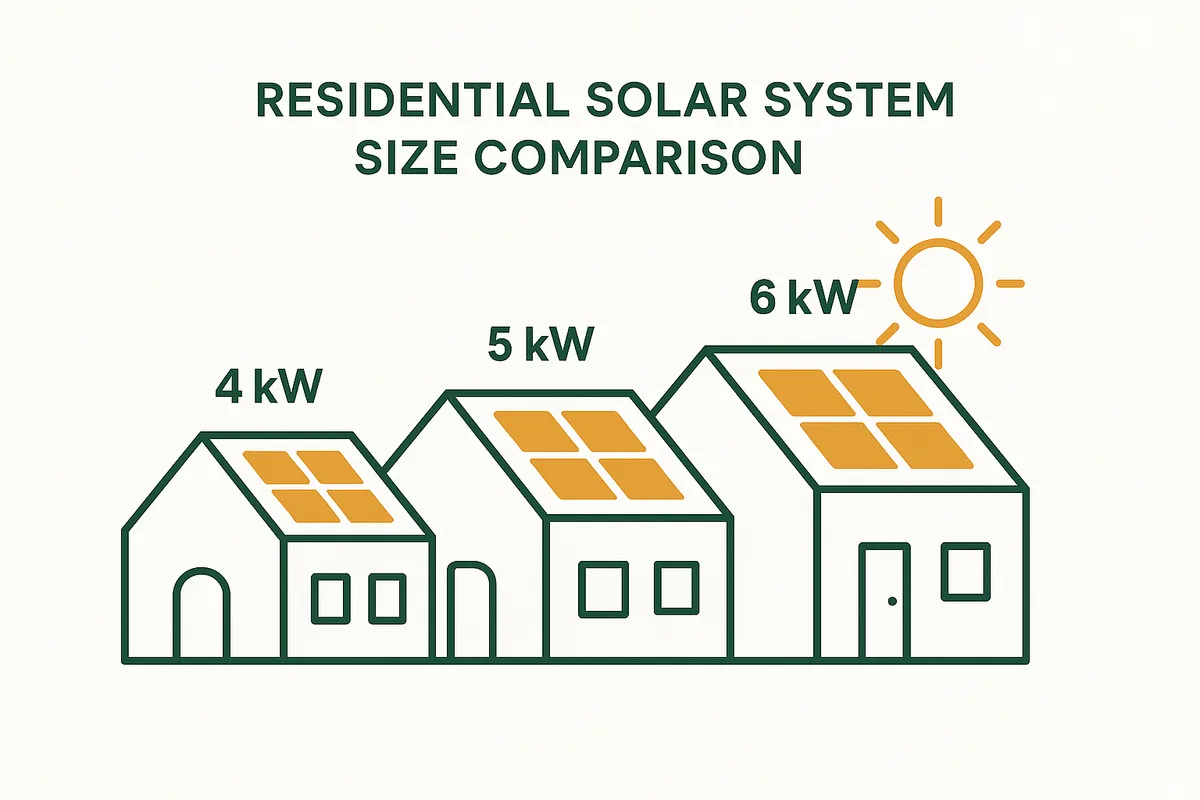
Home electricity only: 4kW system (10 panels) Home + EV charging: 6–8kW system (15–20 panels)
However, you do not need to charge entirely from solar to save money. Even a standard 4kW system with a Zappi provides meaningful free charging on sunny days:
- A 4kW system generates surplus of approximately 1,500–2,500 kWh/year (after home use)
- This provides approximately 5,000–8,500 miles of free EV driving per year
- The remaining miles charge overnight at cheap tariff rates
Recommendation: Start with a 4–5kW system for your home. If you have roof space, go to 6kW+ to cover more EV charging. The extra panels pay for themselves through avoided fuel costs.
Source: PVGIS; EV efficiency data.
Frequently Asked Questions
Related guides
You might also like
Sizing solar around an EV or heat pump?
Both change your consumption profile substantially, which changes the system you need. Get a size and price built around your actual load.
Size a System for My HomeFree calculator. See your result before giving any details.