What Is a Solar Battery & How Does It Work?
Ready to see what solar could save you?
Get free, no-obligation quotes from MCS-certified installers in your area.
Get Free QuotesFree, no obligation. Takes 2 minutes.
What is a solar battery?
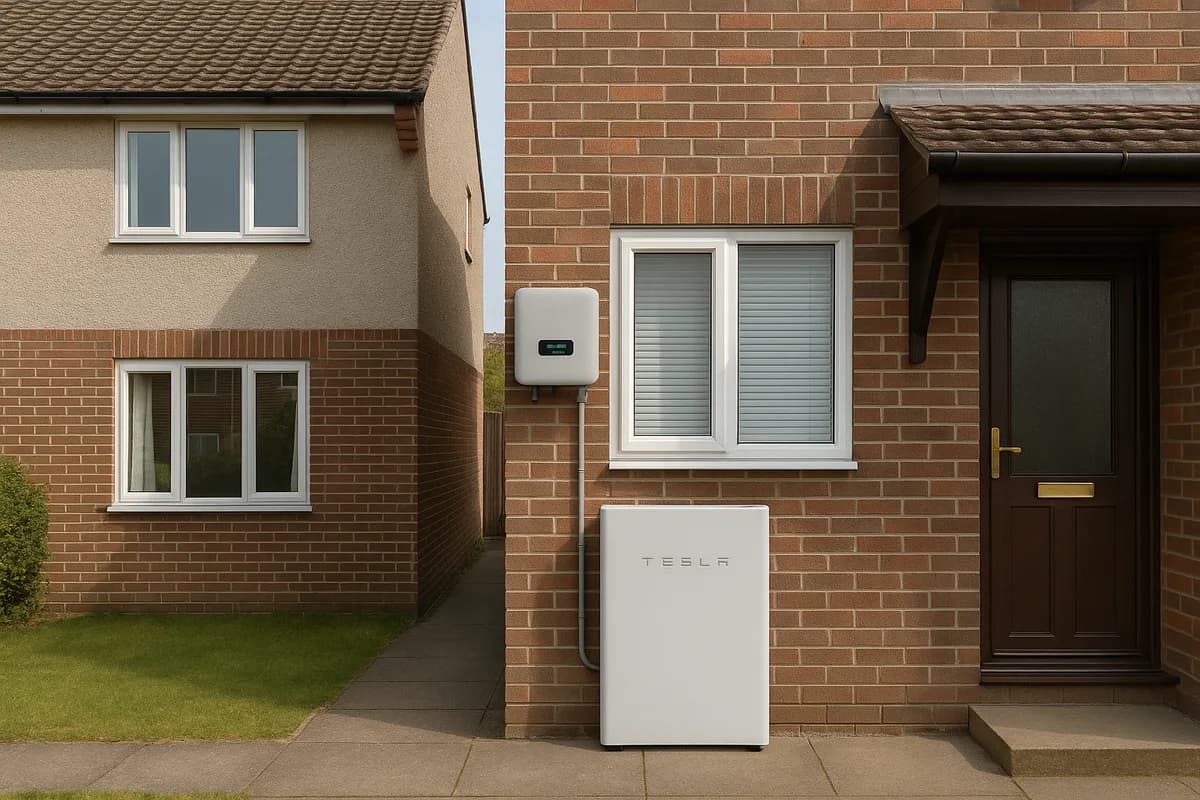
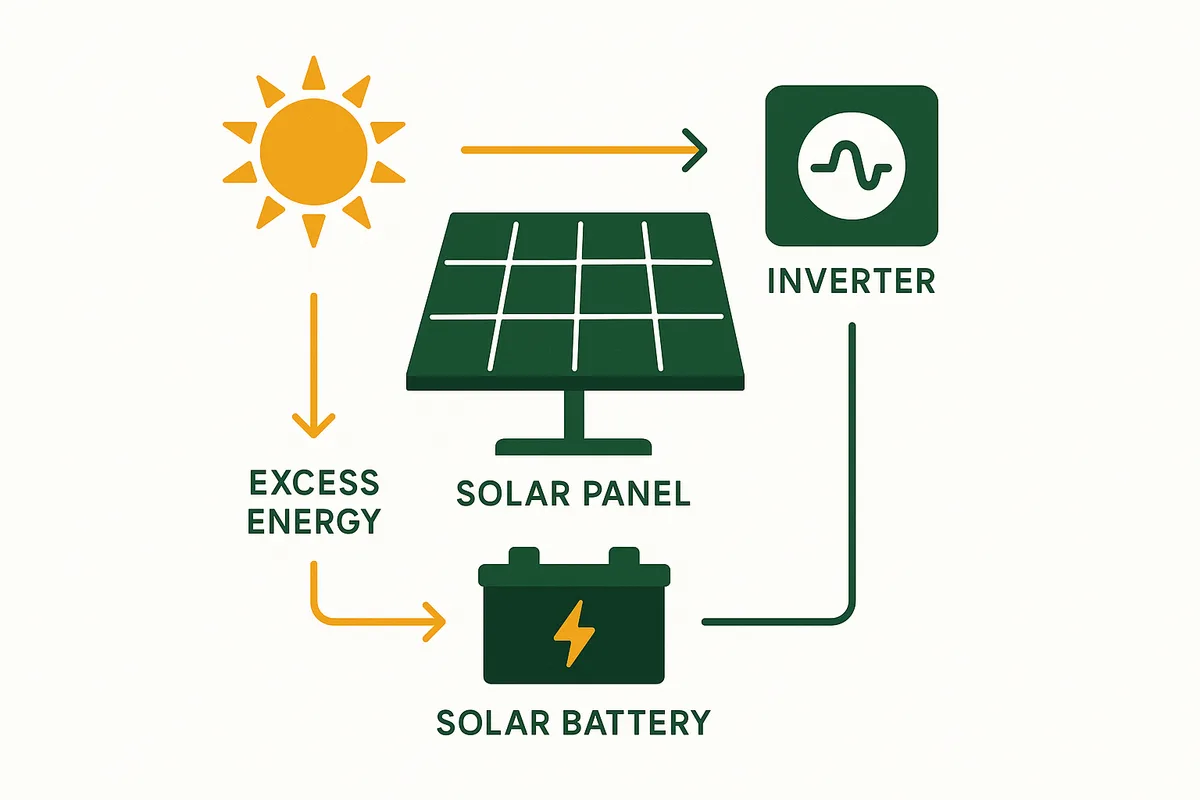
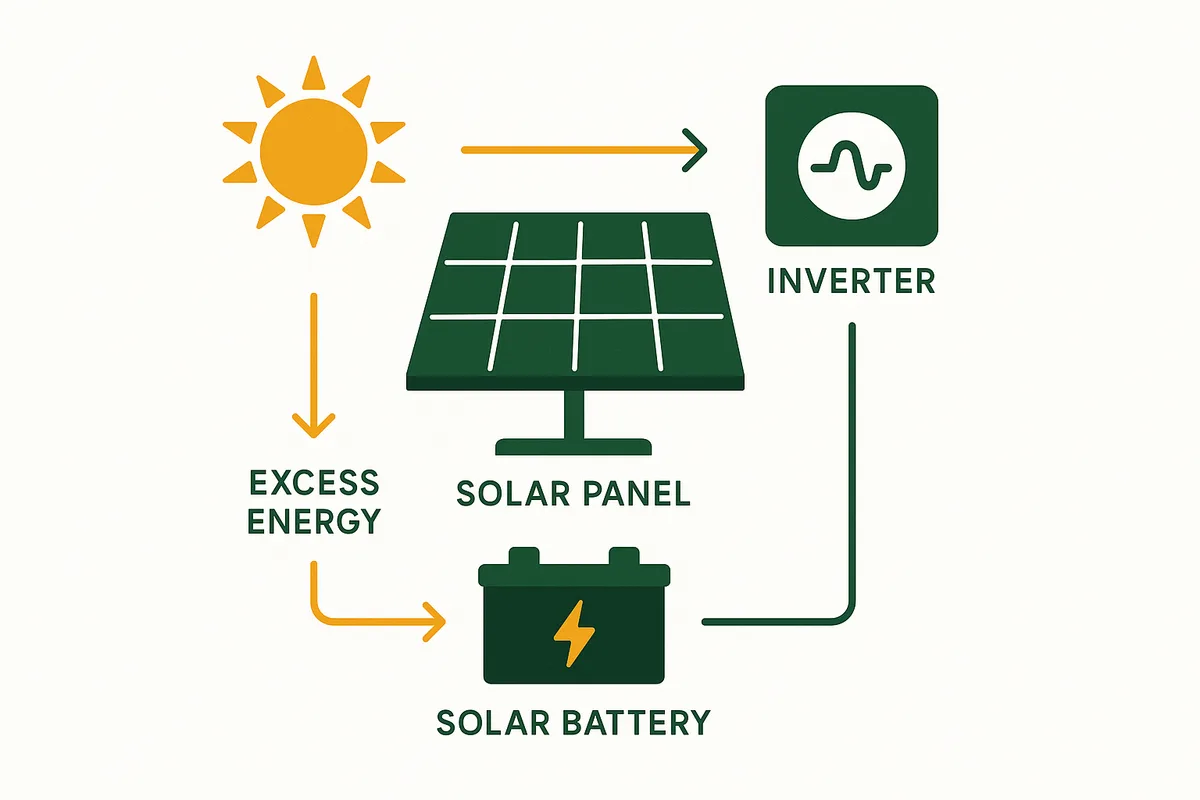
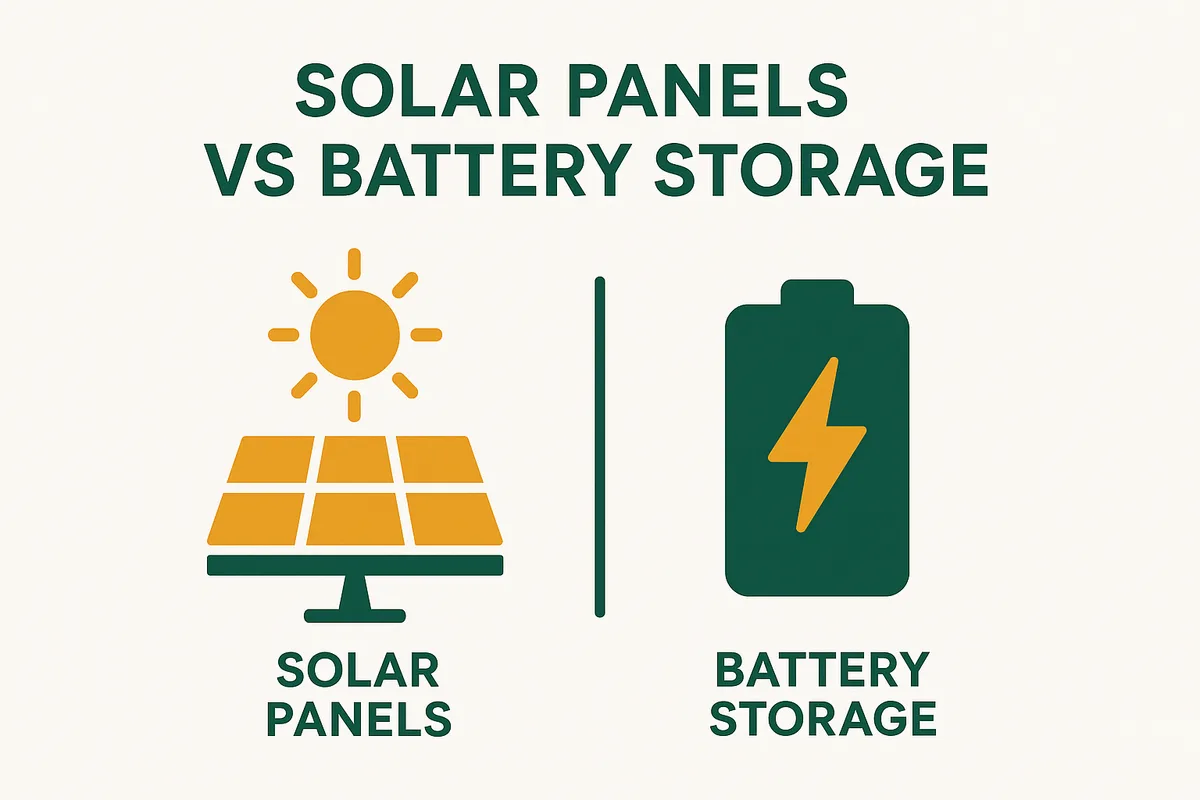
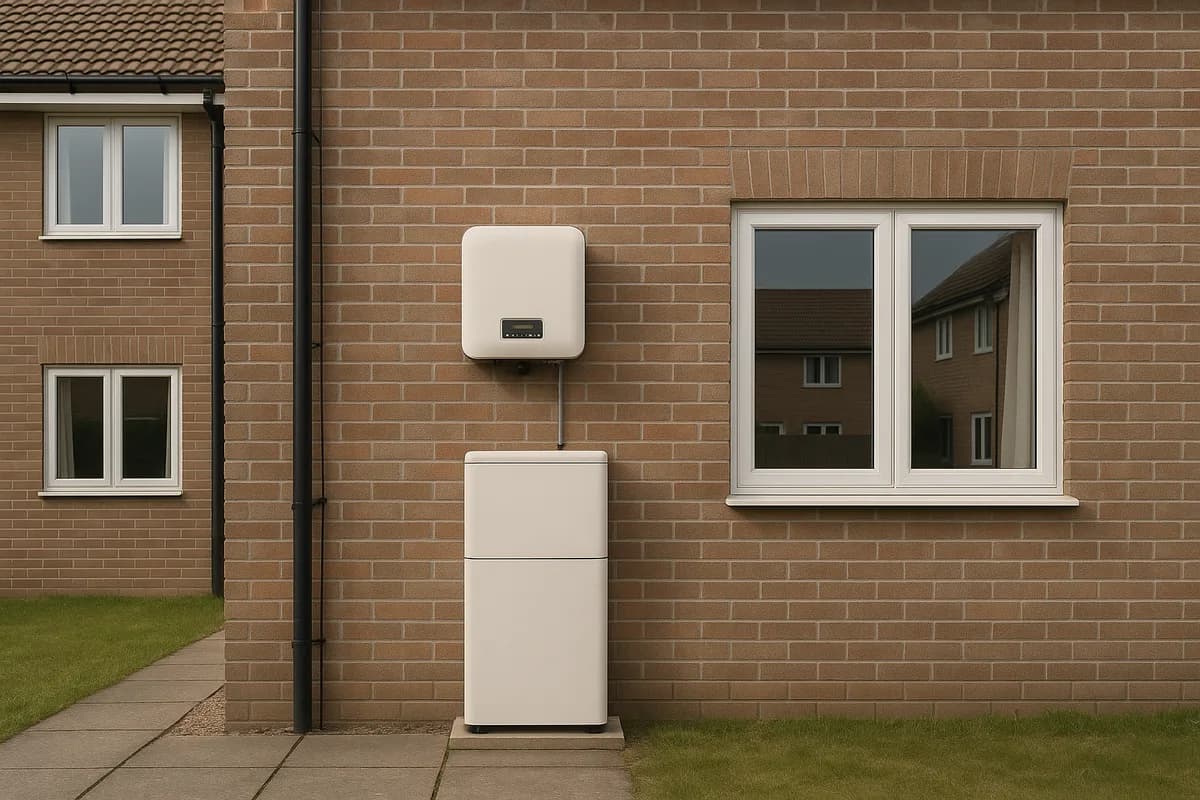
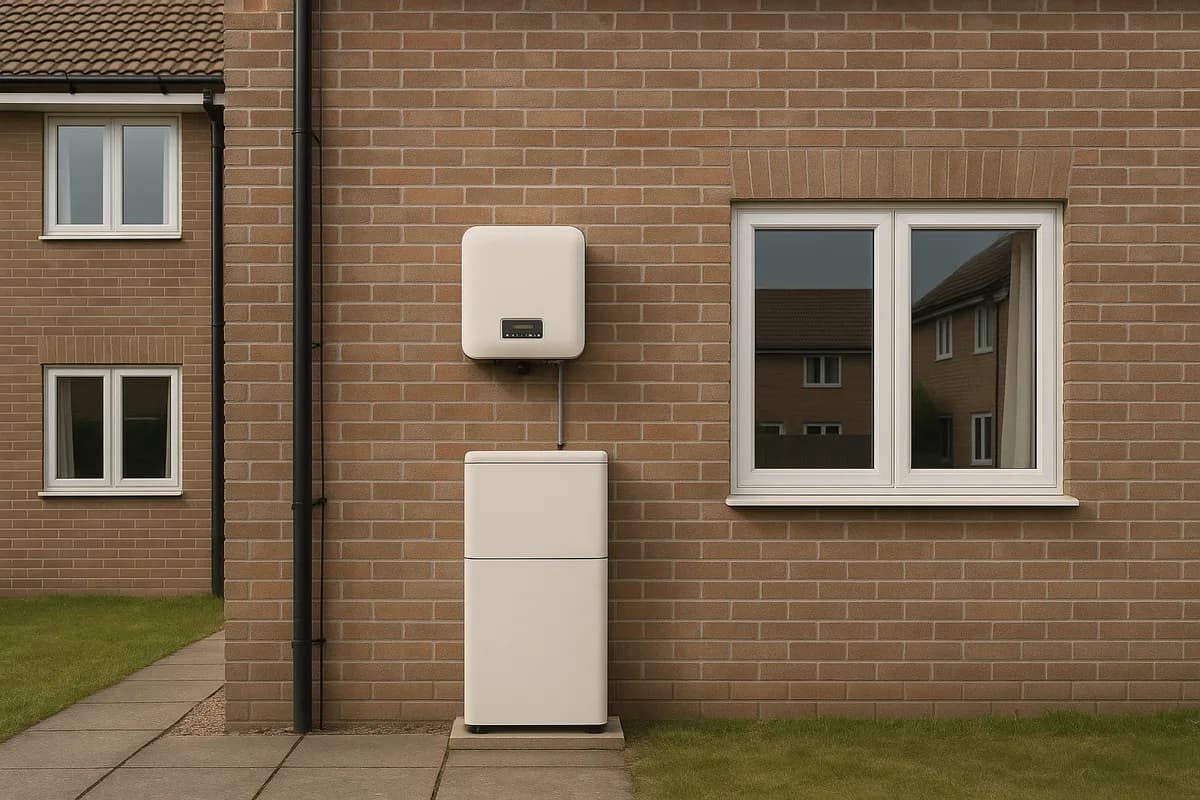
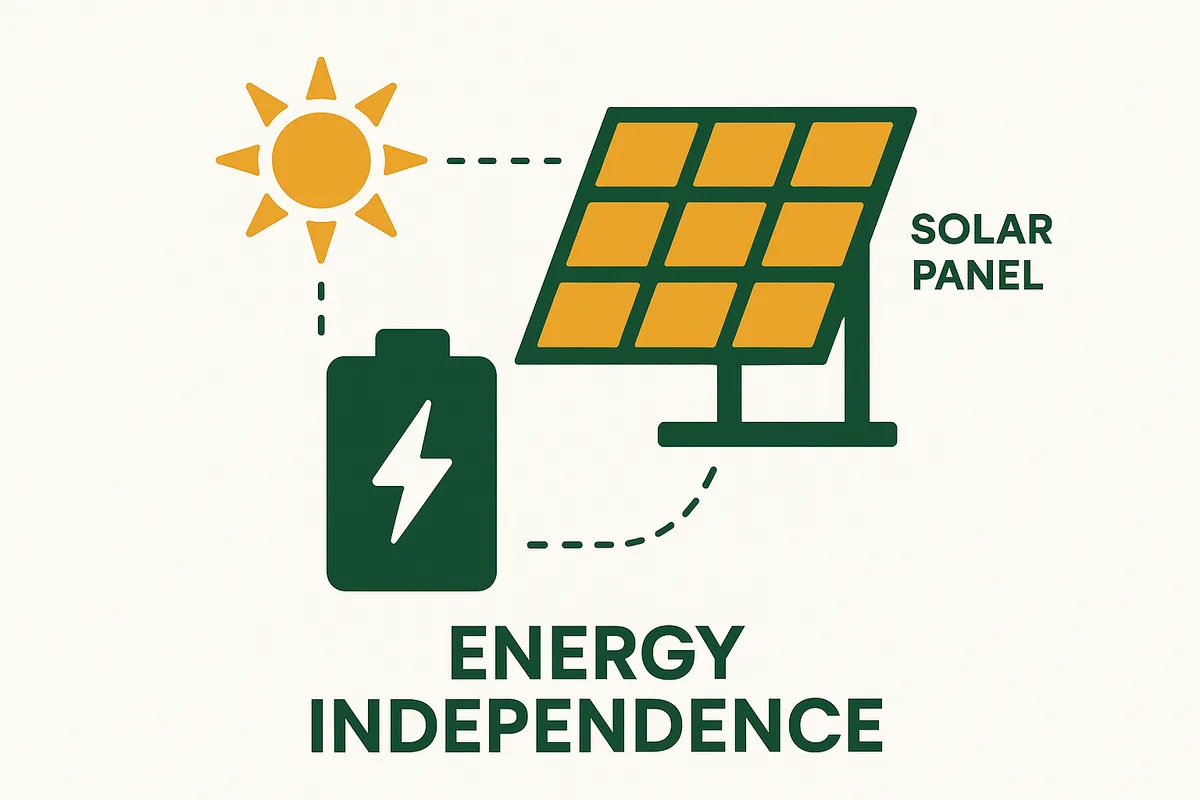
A solar battery is a rechargeable energy storage unit that captures surplus electricity generated by your solar panels during the day and stores it for use when the panels are not producing — typically in the evening, at night, or on cloudy days. Without a battery, surplus solar is exported to the grid at 4–15p/kWh. With a battery, you use it yourself and save 26.11p/kWh instead.
How Solar Batteries Work
The process is straightforward:
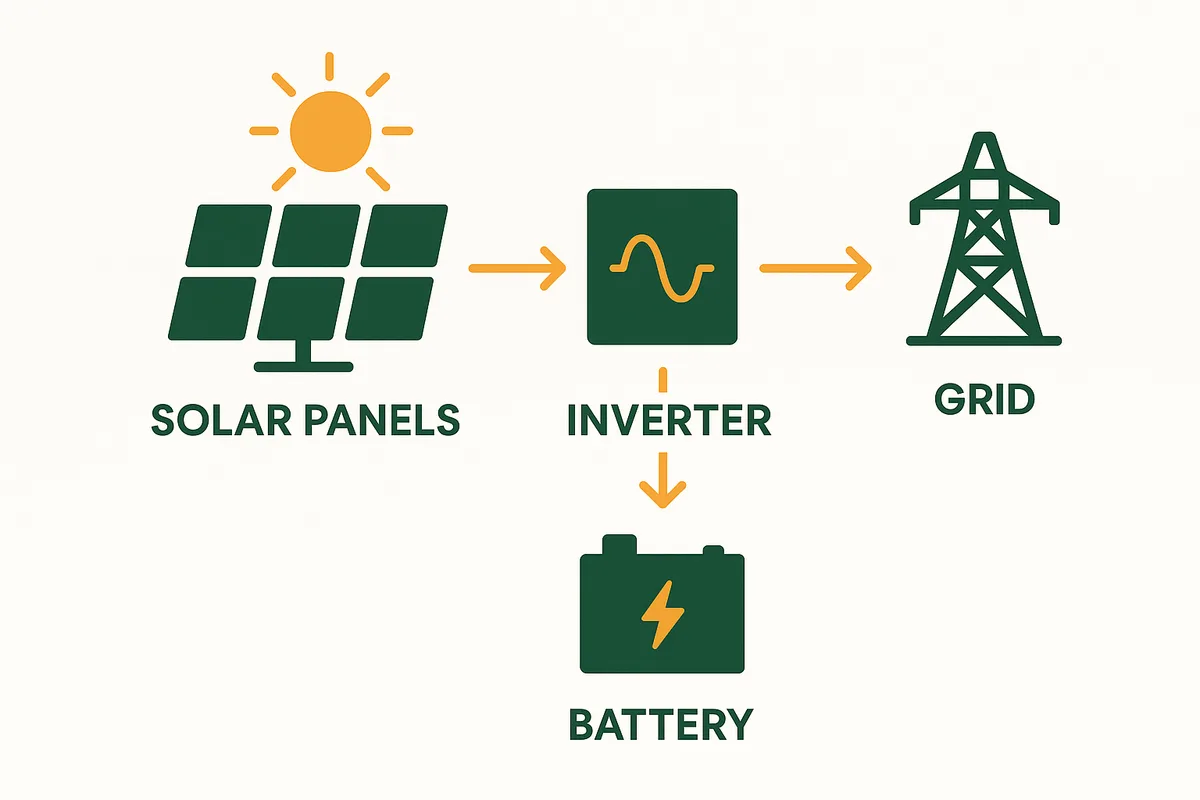
1. Morning to afternoon: Your solar panels generate electricity. Your home uses what it needs directly. 2. When generation exceeds consumption: The surplus electricity flows into the battery, charging it. 3. When the battery is full: Any remaining surplus is exported to the grid and you earn Smart Export Guarantee (SEG) payments. 4. Evening and night: Your home draws electricity from the battery instead of the grid. 5. When the battery is empty: Your home switches seamlessly to grid electricity. 6. Next morning: The cycle repeats.
The entire process is automatic — the hybrid inverter or battery management system handles all switching without any input from you.
Source: Energy Saving Trust battery storage guidance.
Types of Solar Battery
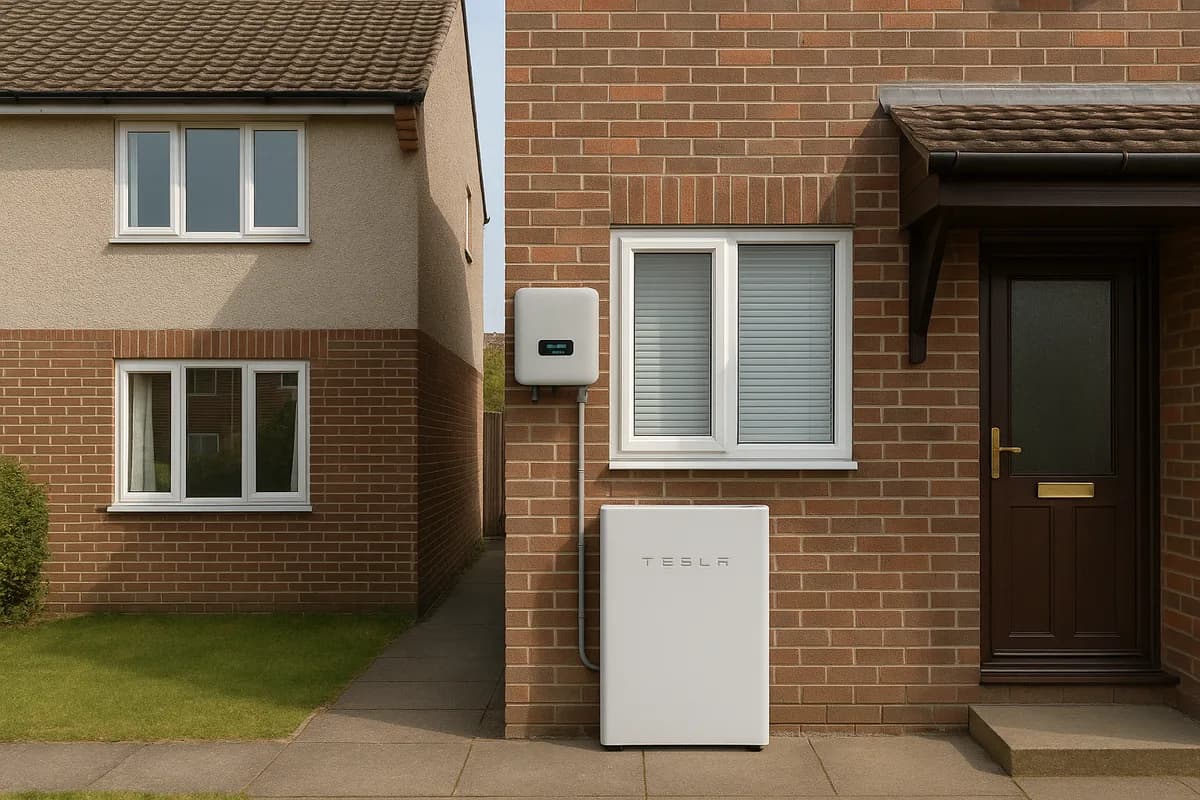
Lithium-ion (most common): - Used in 95%+ of UK residential installations - High energy density (stores more in less space) - 10–15 year lifespan, 6,000–10,000 charge cycles - Brands: Tesla Powerwall, GivEnergy, Fox ESS, BYD, Pylontech - Cost: £2,500–£7,500 depending on capacity
Lithium iron phosphate (LFP): - A subtype of lithium-ion — safer, longer lasting - 15–20 year lifespan, 8,000–12,000 cycles - Slightly lower energy density than standard lithium-ion - Brands: GivEnergy, BYD, Pylontech (most use LFP chemistry) - Becoming the UK market standard
Lead-acid (outdated): - Older technology, lower cost but much shorter lifespan (3–5 years) - Heavy, bulky, requires ventilation - Not recommended for new UK residential installations - Only used in some off-grid or budget applications
For a new UK installation in 2026, LFP lithium-ion is the recommended choice.
Source: Manufacturer specifications; MCS product listings.
How Much Does a Solar Battery Cost?
Ready to see what solar could save you?
Get free, no-obligation quotes from MCS-certified installers in your area.
Get Free QuotesBattery costs depend on capacity (measured in kWh):
- 3–5 kWh: £2,500–£3,500 — suits low-consumption homes or daytime-heavy usage
- 5–8 kWh: £3,500–£5,000 — covers most evening consumption for average homes
- 9–13 kWh: £5,000–£7,500 — covers overnight consumption for most UK homes
- 13.5 kWh (Tesla Powerwall): £5,500–£7,500 — premium product with backup capability
What size do you need? A typical UK household uses 8–10 kWh per day. Roughly half of this is consumed in the evening and overnight. A 5–10 kWh battery covers most evening usage.
The sweet spot for most UK homes is a 5–10 kWh battery costing £3,500–£6,000 installed.
Source: MCS installer pricing 2026; manufacturer RRPs.
Is a Solar Battery Worth It?
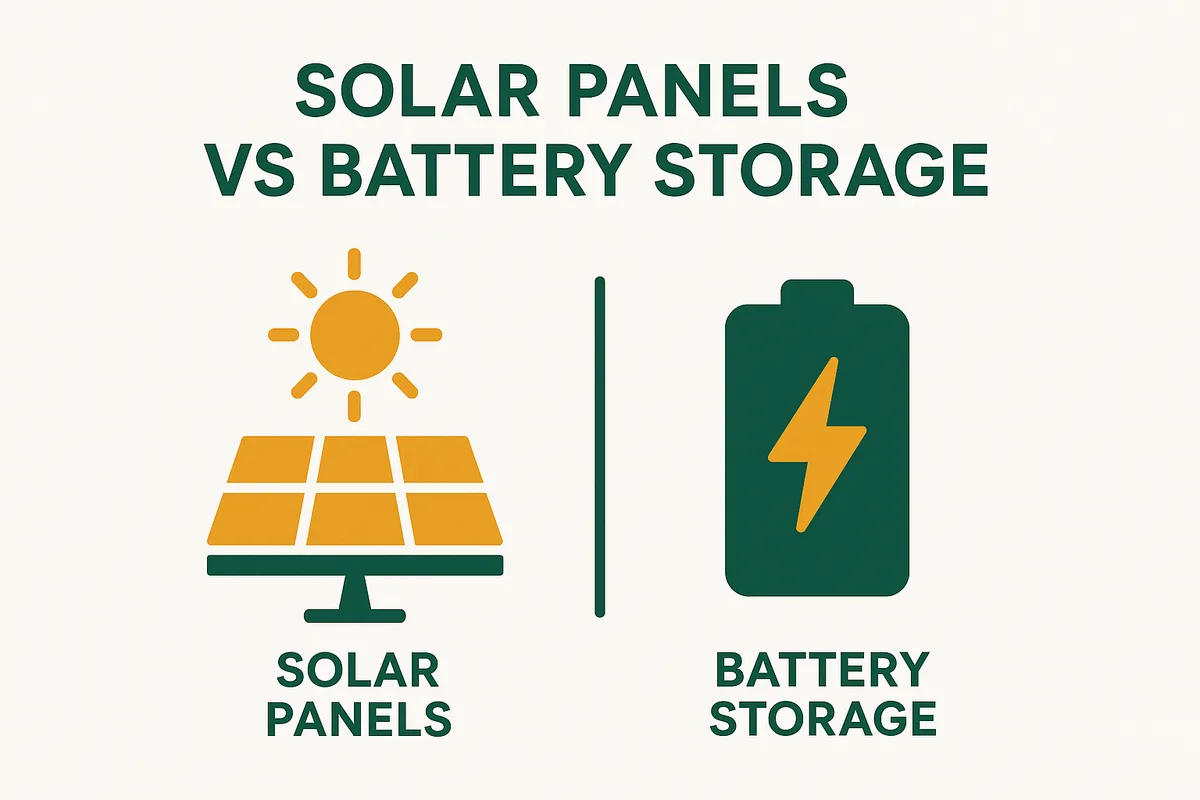
The financial case for batteries is improving but not yet as clear-cut as panels alone.
Without a battery: - Self-consumption: 30–50% - Surplus exported at 4–15p/kWh (SEG) - Annual savings: £700–£900
With a battery: - Self-consumption: 60–85% - Less exported, more used at home value (26.11p/kWh saved vs 4–15p earned) - Annual savings: £900–£1,200 - Additional savings from battery: £200–£400/year
Battery payback: £3,500–£6,000 cost ÷ £200–£400/year additional savings = 9–18 years
Batteries make more financial sense when: - You are on a time-of-use tariff (charge cheaply overnight at 7.5p/kWh, use during peak at 26.11p+) - Electricity prices rise (every 1p/kWh increase improves the battery business case) - You want backup power during grid outages - You value energy independence
Batteries are not yet as financially compelling as panels alone, but the gap is closing as battery prices fall and electricity costs rise.
Source: Ofgem price cap, July-September 2026; SEG tariff data; Energy Saving Trust.
Can You Add a Battery to Existing Solar Panels?
Yes. You can add a battery to an existing solar panel system at any time. The process involves:
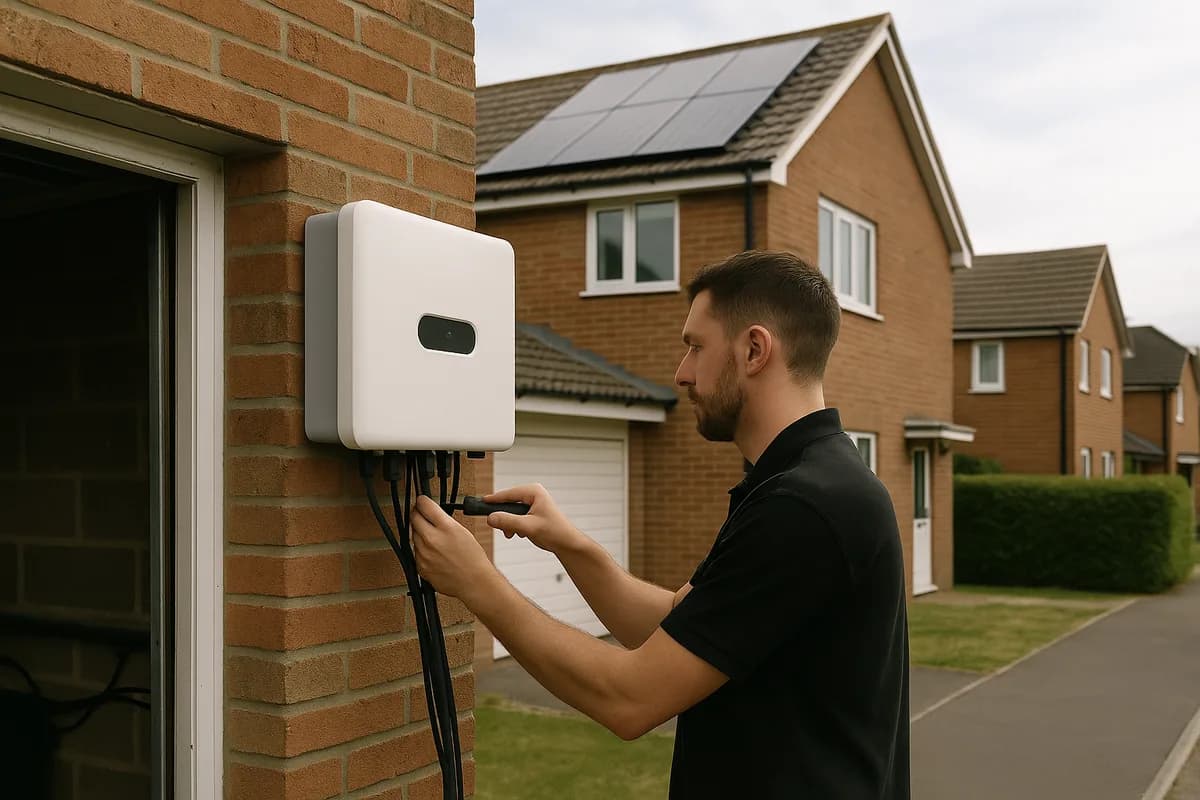
1. Survey — an installer assesses your current system (inverter type, capacity, wiring) 2. Option A — AC-coupled battery: A standalone battery with its own inverter. Connects to your existing system without modifying it. Works with any existing inverter type. Cost: £3,000–£7,000 installed. 3. Option B — Replace inverter with hybrid: Replace your existing string inverter with a hybrid inverter that manages both panels and battery. More efficient but requires inverter replacement. Cost: £4,000–£8,000 installed (including new inverter).
If your existing inverter is approaching end of life (10+ years old), Option B makes more sense — you replace the inverter you would have replaced anyway and add battery functionality at the same time.
Source: MCS retrofit guidance.
Frequently Asked Questions
Related guides
You might also like
Ready to see what solar could save you?
Get free, no-obligation quotes from MCS-certified installers in your area.
Get Free QuotesFree, no obligation. Takes 2 minutes.