Can Solar Panels Power a Whole House?
Ready to see what solar could save you?
Get free, no-obligation quotes from MCS-certified installers in your area.
Get Free QuotesFree, no obligation. Takes 2 minutes.
Can solar panels power an entire UK house?
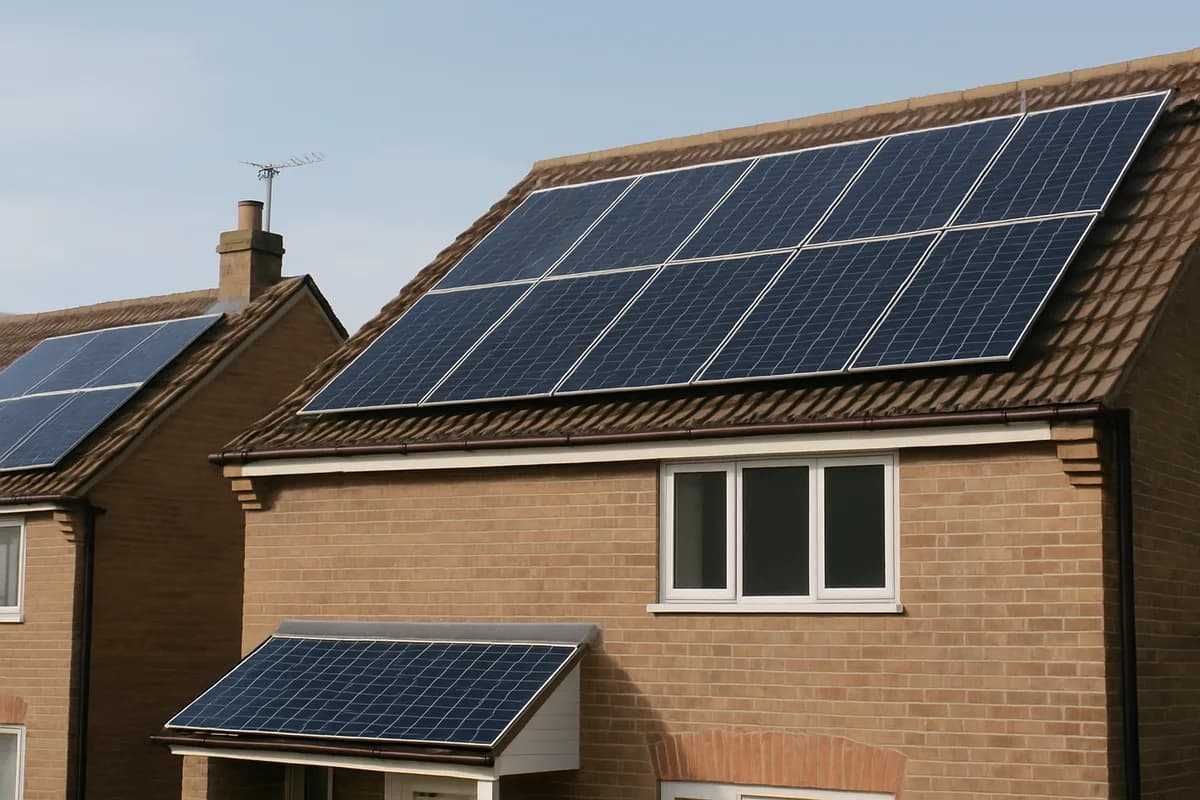
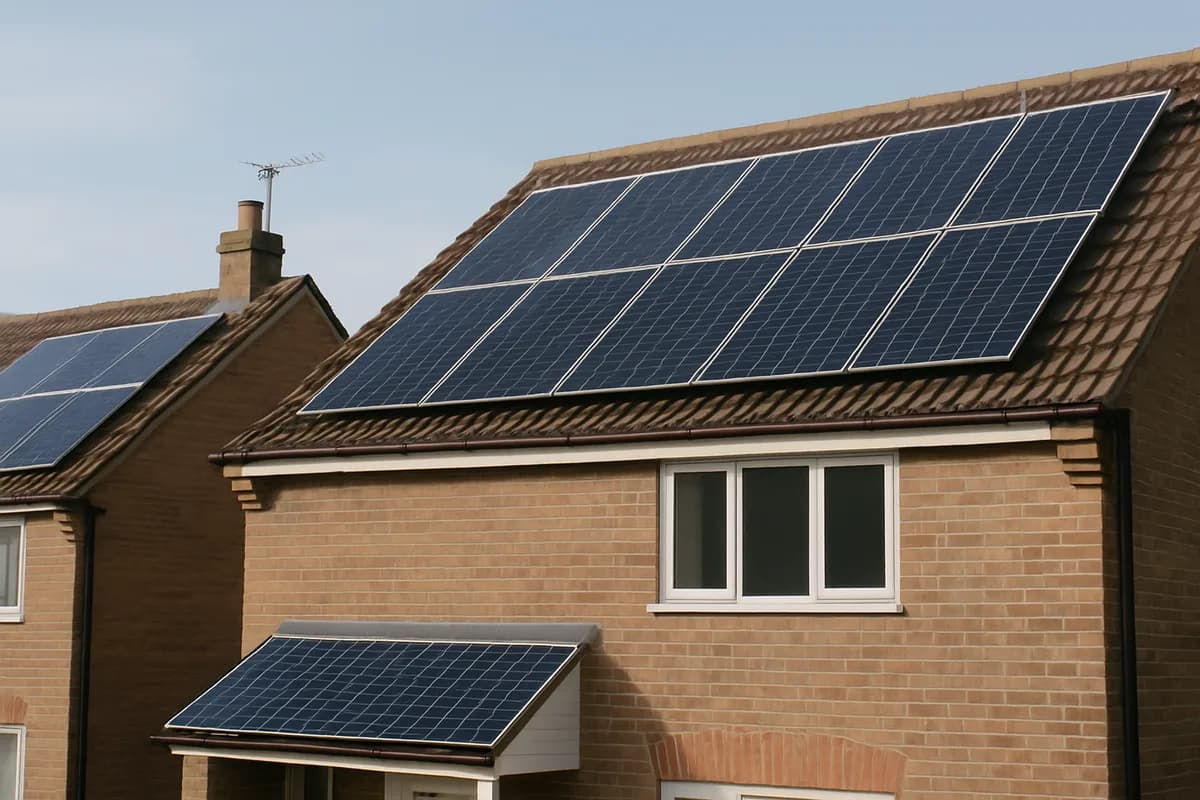
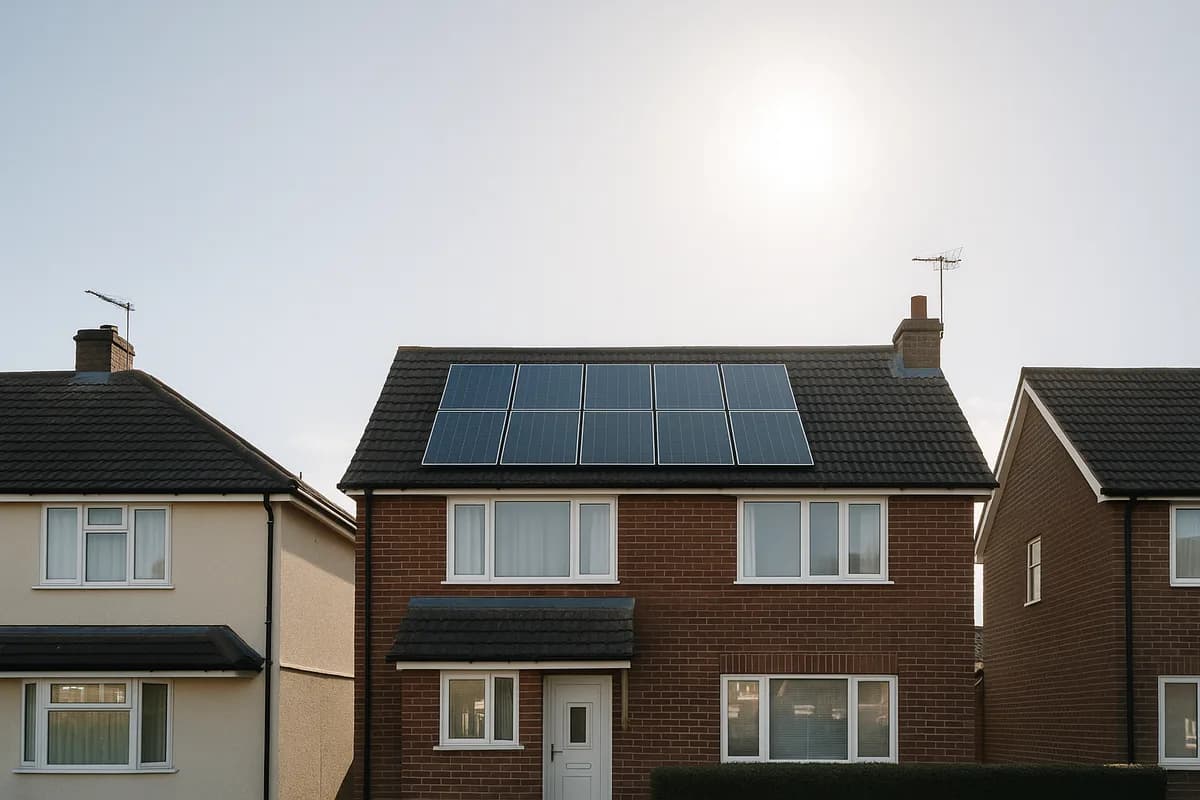
Solar panels can generate enough electricity to cover a UK home's annual usage — a 4kW system produces 3,800–4,200 kWh per year, which matches the average UK household consumption of ~3,700 kWh. However, generation and consumption do not align perfectly: panels overproduce in summer and underproduce in winter. Without a battery and grid connection, you cannot fully power a house from solar alone.
The Maths: Solar Generation vs Home Consumption
The average UK household uses approximately 3,700 kWh of electricity per year (Ofgem, 2026). Here is what different solar system sizes generate annually:
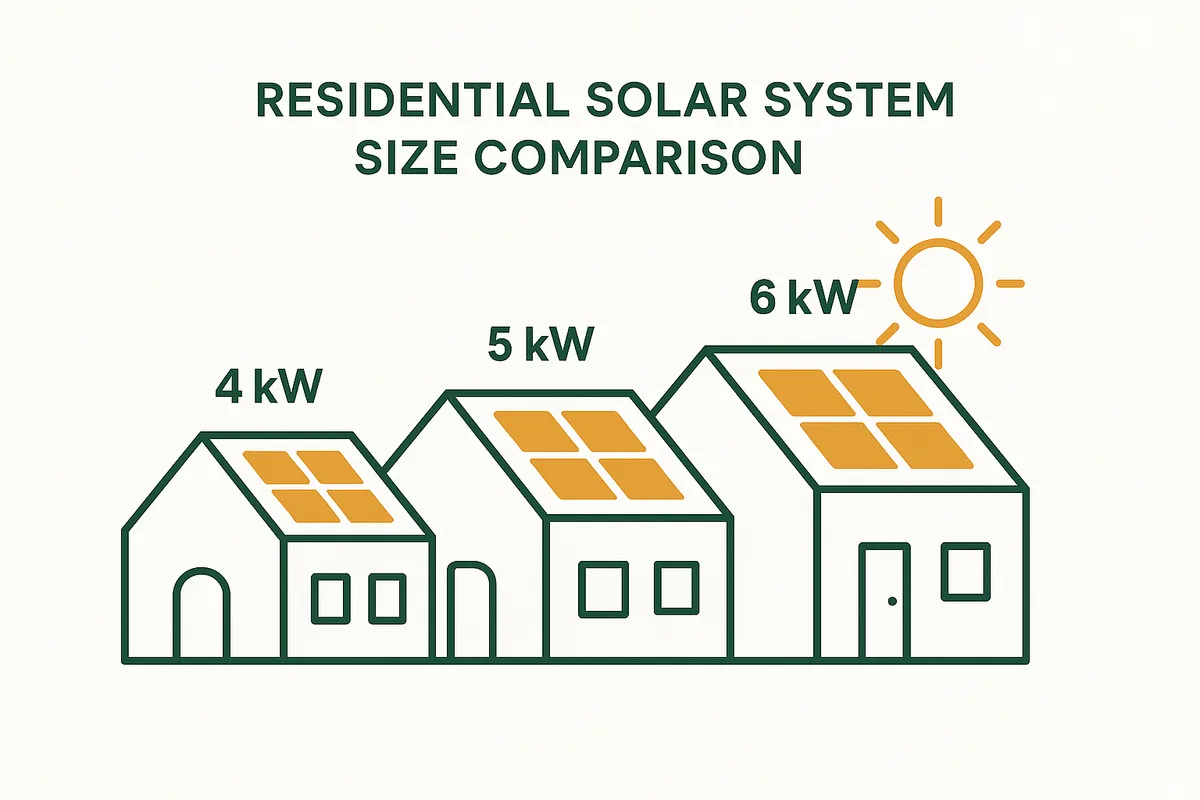
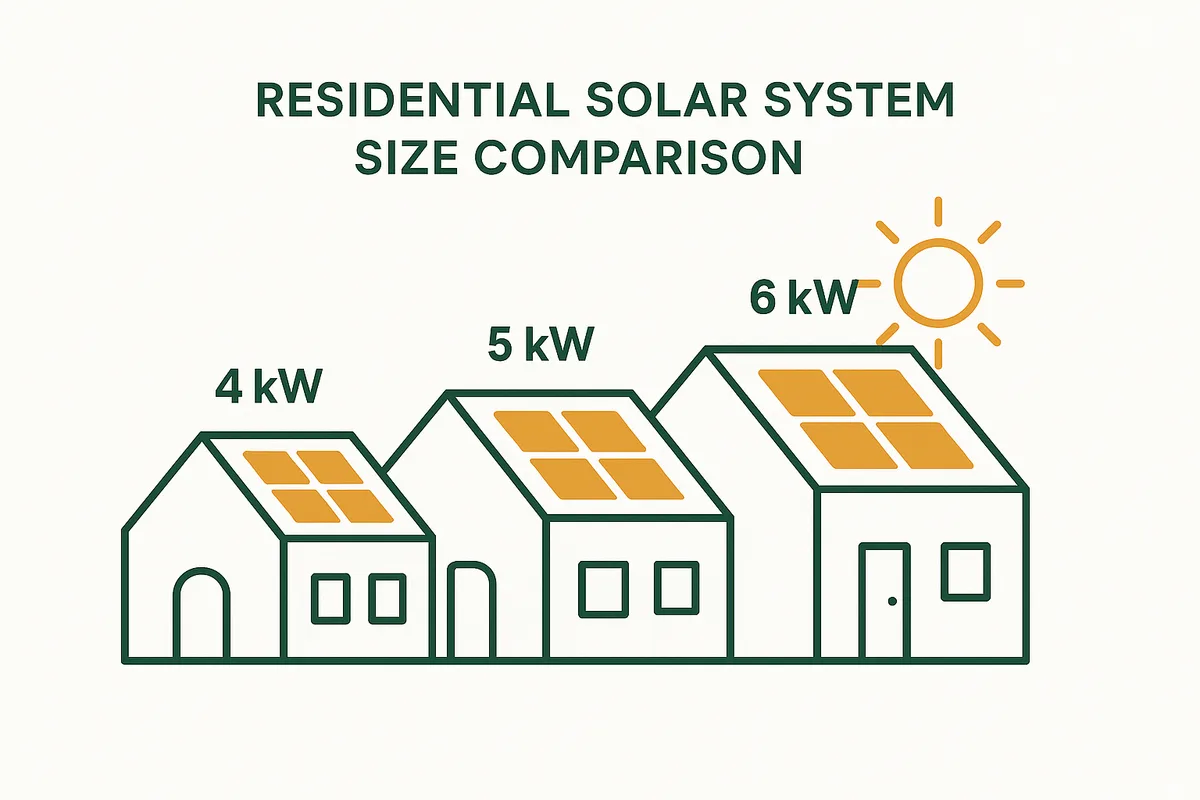
- 3kW system (8 panels): 2,800–3,200 kWh — covers 75–85% of average usage
- 4kW system (10 panels): 3,800–4,200 kWh — covers 100–115% of average usage
- 5kW system (13 panels): 4,700–5,200 kWh — covers 125–140% of average usage
- 6kW system (16 panels): 5,600–6,200 kWh — covers 150–170% of average usage
On paper, a 4kW system generates enough to cover a typical home. But there is a crucial timing mismatch.
Source: Ofgem typical domestic consumption values; PVGIS UK yield data.
The Timing Problem: Summer Surplus, Winter Deficit
Solar generation peaks when consumption is lowest (sunny summer afternoons when nobody is home) and drops when consumption is highest (dark winter evenings when lights, heating, and cooking are all running).
Summer (June): A 4kW system generates ~500 kWh. Average monthly consumption: ~250 kWh. Result: ~250 kWh surplus exported to the grid.
Winter (December): The same system generates ~100 kWh. Average monthly consumption: ~350 kWh. Result: ~250 kWh deficit drawn from the grid.
Without a way to store summer surplus for winter use (which no residential battery can do for months), you will always need the grid for part of the year.
Self-consumption rates: - Without battery: 30–50% of solar used directly, rest exported - With battery: 60–85% of solar used, less exported - Fully off-grid: technically possible but requires a very large system (8–10kW + 20–30 kWh battery) and is not cost-effective
How a Battery Changes the Equation
Ready to see what solar could save you?
Get free, no-obligation quotes from MCS-certified installers in your area.
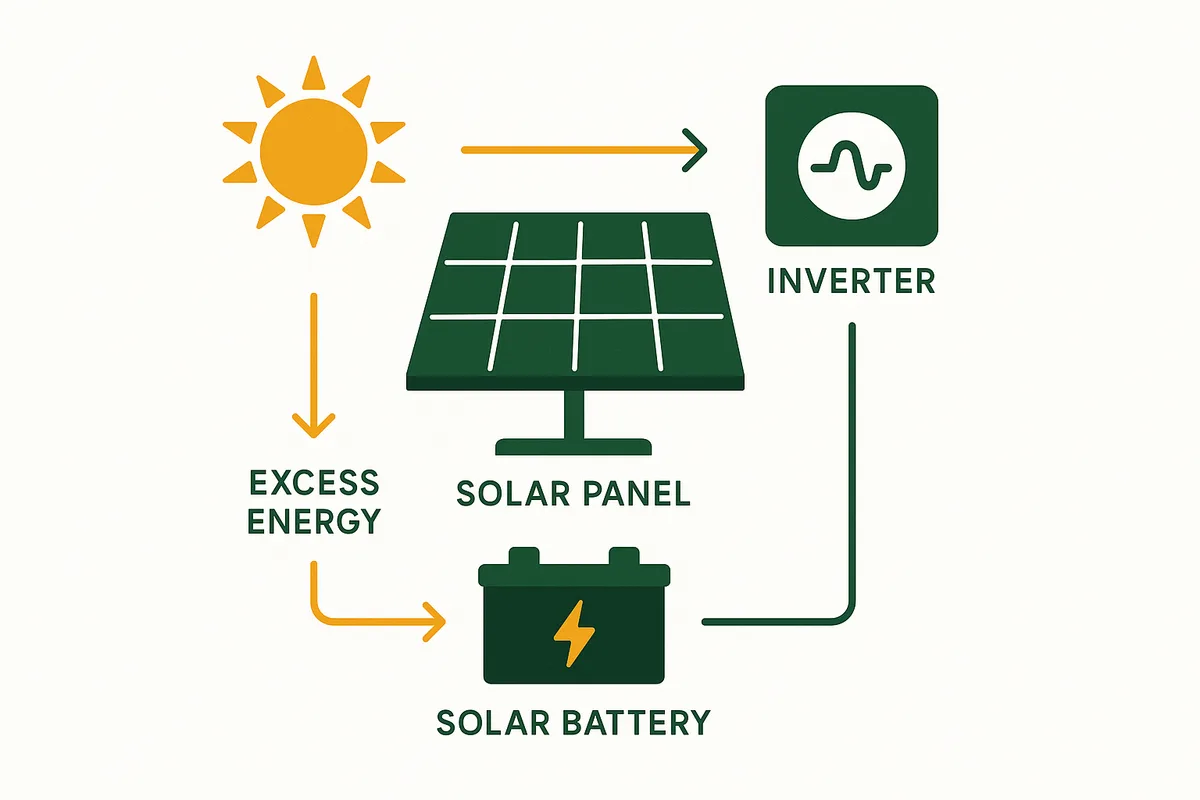
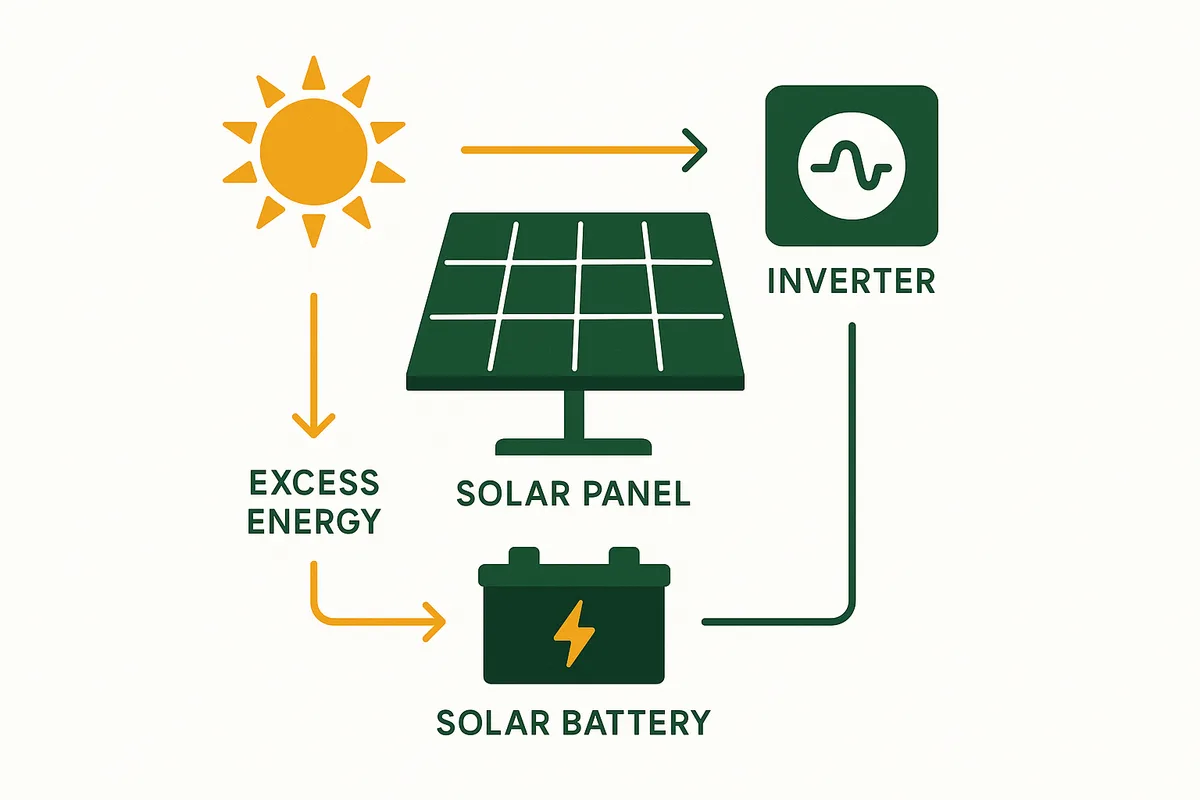
Get Free QuotesA solar battery does not solve the seasonal mismatch (summer vs winter), but it does solve the daily mismatch (daytime generation vs evening consumption).
Without a battery: - Daytime: panels power your home, surplus exported at 4–15p/kWh - Evening/night: you buy grid electricity at 26.11p/kWh - Self-consumption: 30–50%
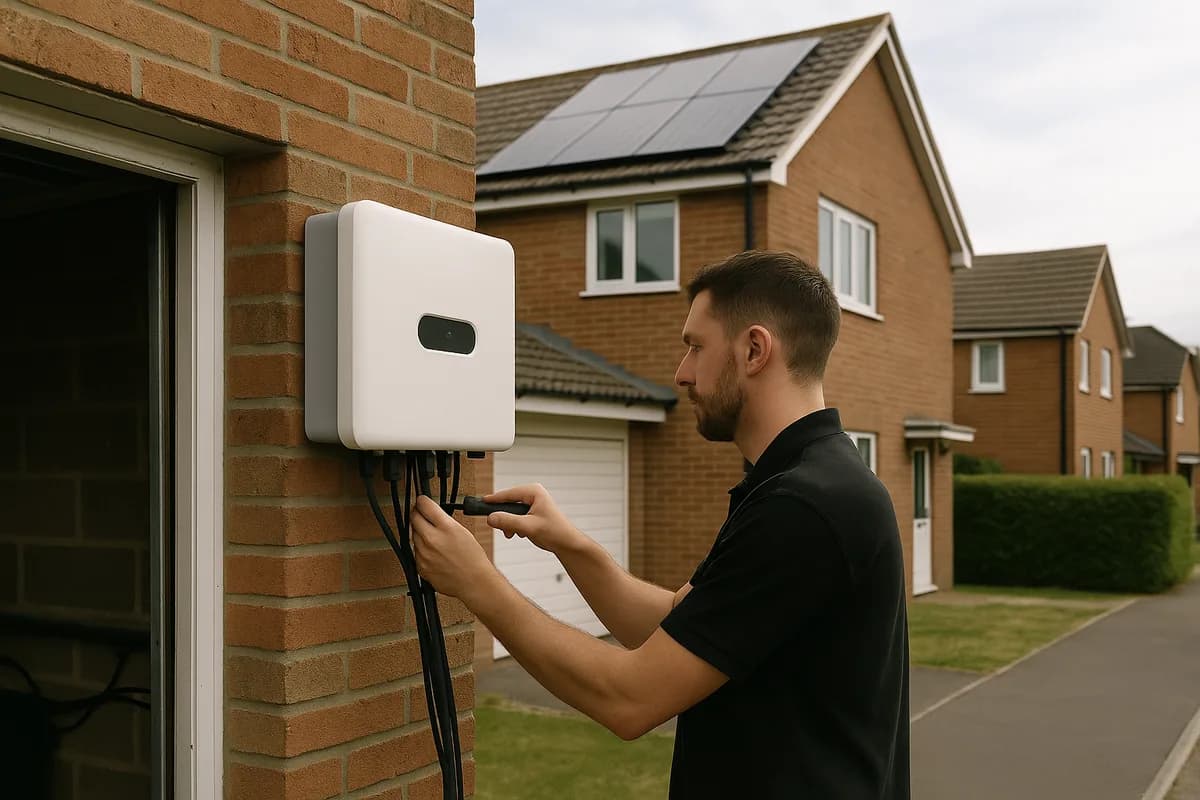
With a 10kWh battery: - Daytime: panels power your home + charge battery, surplus exported - Evening/night: battery powers your home with stored solar - Self-consumption: 60–85%
In summer with a battery: You can go several days barely touching the grid — panels + battery cover most or all consumption.
In winter with a battery: The battery covers evening usage but still drains by late night. You need grid electricity from roughly midnight to sunrise.
Source: Energy Saving Trust self-consumption data.
What Size System to Maximise Coverage
If your goal is to generate as much of your own electricity as possible:
For a typical 3-bed home (3,500–4,000 kWh/year): - Install 4–5kW of panels (10–13 panels) - Add a 10kWh battery - Expected self-consumption: 70–80% - Annual grid reduction: £700–£900 saved
For a large 4–5 bed home (5,000–6,000 kWh/year): - Install 5–6kW of panels (13–16 panels) - Add a 13kWh battery - Expected self-consumption: 65–75% - Annual grid reduction: £900–£1,200 saved
For maximum independence: - Install the largest system your roof allows - Add the largest battery you can afford - Use a time-of-use tariff (Octopus Go/Flux) to charge the battery cheaply overnight in winter - Accept that 100% off-grid is not cost-effective — 80–90% coverage is the sweet spot
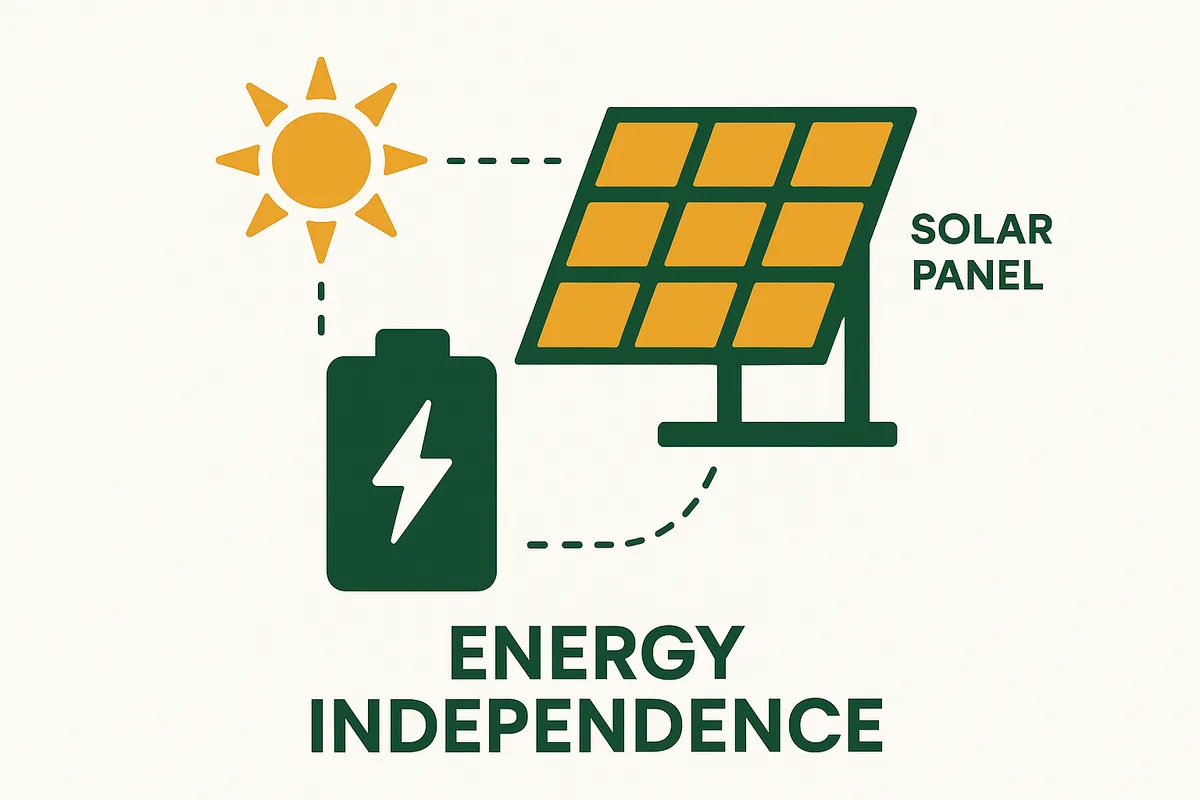
The Honest Answer
Can solar panels power a whole house? Annually, yes. A 4kW system generates as much electricity as the average home uses in a year. But you cannot use all of it directly because of timing mismatches.
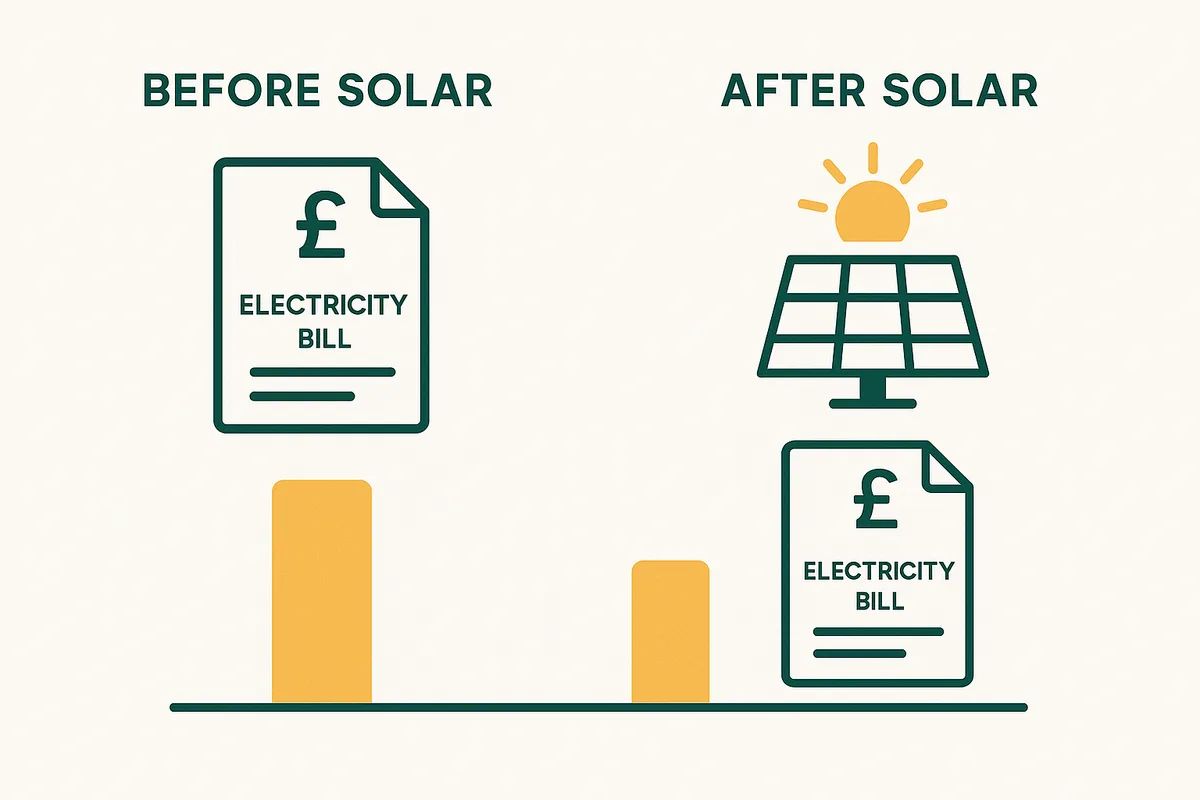
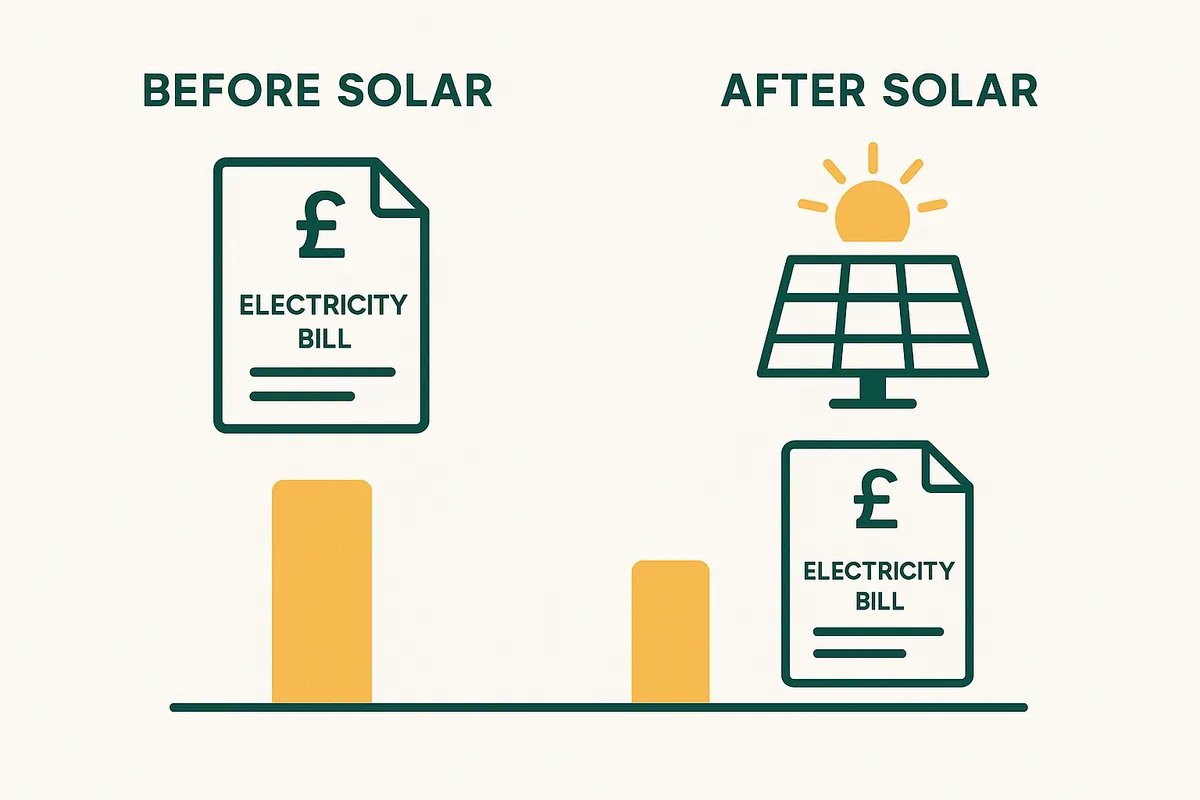
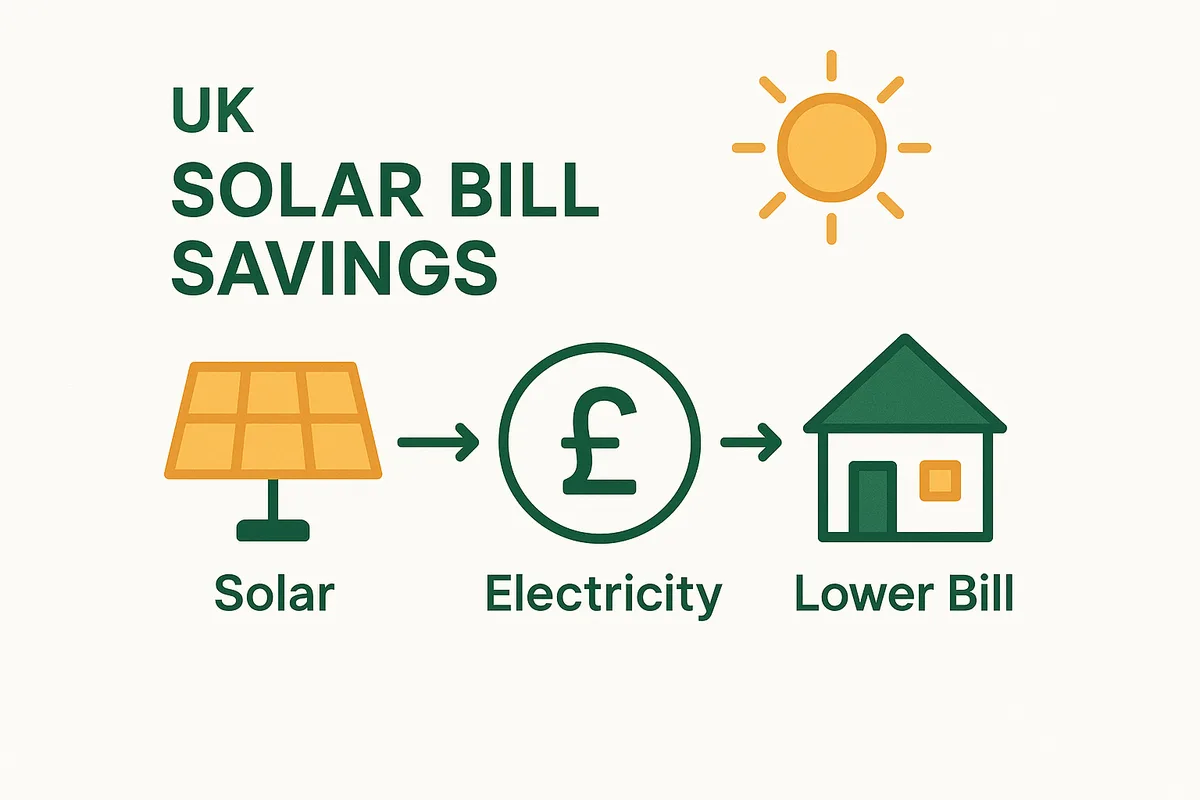
Practically, solar covers 70–85% of your electricity with a battery, or 30–50% without. The remaining gap is filled by the grid at a fraction of your previous cost.
The goal is not to go off-grid — it is to dramatically reduce your electricity bill while earning SEG income for exported surplus. That is where the real financial value lies.
Frequently Asked Questions
Related guides
You might also like
Ready to see what solar could save you?
Get free, no-obligation quotes from MCS-certified installers in your area.
Get Free QuotesFree, no obligation. Takes 2 minutes.