Solar Panels & Your Mortgage: What to Know
Ready to see what solar could save you?
Get free, no-obligation quotes from MCS-certified installers in your area.
Get Free QuotesFree, no obligation. Takes 2 minutes.
Do solar panels affect your mortgage?
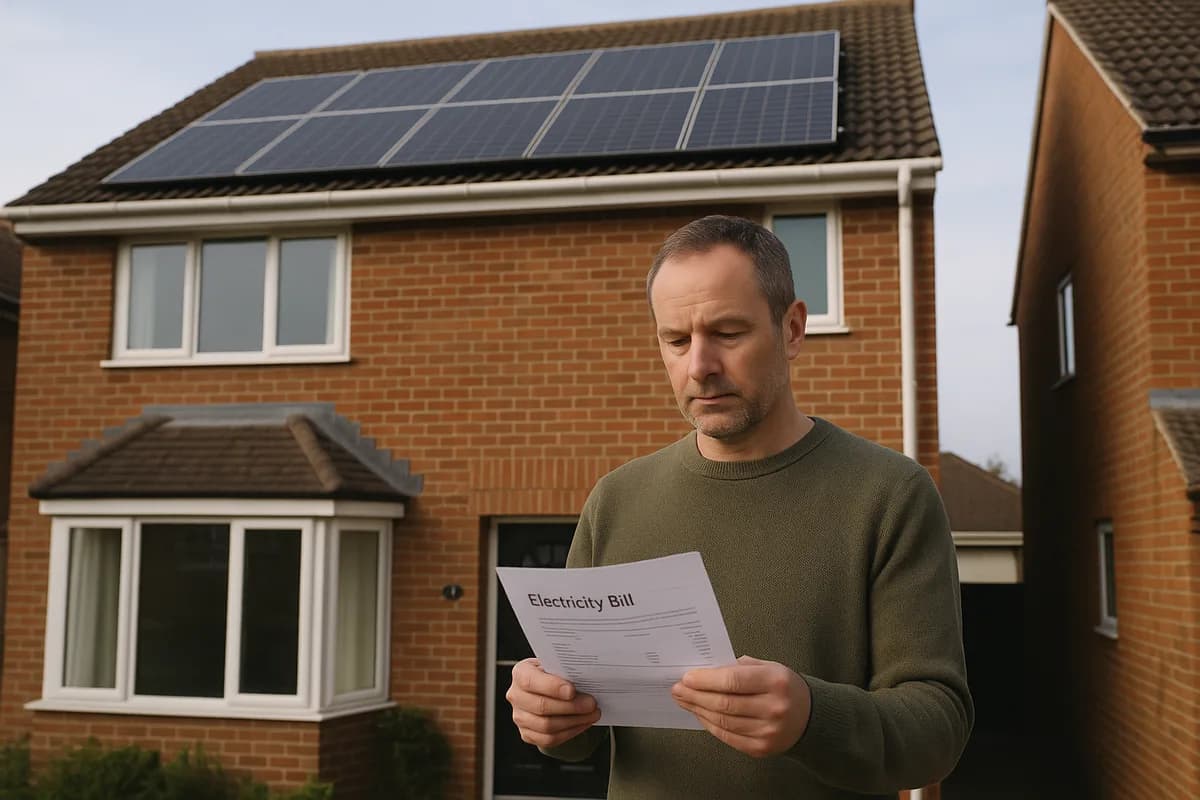
Owned solar panels do not affect your mortgage. They are treated as a home improvement, like a new kitchen. Leased solar panels (rent-a-roof schemes) can complicate mortgage applications because some lenders are cautious about roof leases. If you own your panels outright, there are no mortgage implications — and they may even help by increasing your property value and improving your EPC rating.
Owned Solar Panels: No Mortgage Issues
If you buy solar panels outright (or on finance where you own them at the end), there are zero mortgage implications:
- Getting a new mortgage: Owned solar panels are not a concern for any UK mortgage lender. They are a building improvement that adds value.
- Remortgaging: Same — no issues. Your solar panels may actually improve your application by increasing your property's value and EPC rating.
- Selling with a mortgage: Panels transfer with the property. Your mortgage lender does not need to approve the sale of panels separately.
What your lender may ask: - Confirmation that the panels are owned (not leased) - That the installation has MCS certification - That no third-party has a charge or interest over the panels
All of these are satisfied by providing your MCS certificate and purchase invoice.
Source: UK Finance (mortgage lenders' trade body) guidance; Council of Mortgage Lenders.
Leased Solar Panels: Potential Mortgage Issues
If your solar panels are leased (through a rent-a-roof scheme, Power Purchase Agreement, or similar), some mortgage lenders have concerns:
Why lenders are cautious: - The lease is a third-party interest on the property (someone else owns equipment on your roof) - The lease transfers to any new buyer — it is a long-term obligation (typically 20–25 years) - If the lease company goes bankrupt, there may be legal complexity about who owns the panels - Some lease terms restrict roof access, which could affect maintenance or re-roofing
Which lenders accept leased solar: Most major lenders (HSBC, Nationwide, Barclays, NatWest, Santander) will lend on properties with leased panels — but they typically require: - A copy of the lease agreement - Confirmation that the lease is assignable to a new owner - Legal review of the lease terms
Which lenders may reject leased solar: Some smaller or specialist lenders may decline. If you are buying a property with leased panels and your first-choice lender declines, try a major high-street lender.
The best solution: If you are considering solar, always buy outright. If you already have leased panels and plan to sell, consider buying out the lease before marketing the property.
Source: UK Finance; individual lender criteria published via brokers.
Ready to see what solar could save you?
Get free, no-obligation quotes from MCS-certified installers in your area.
Get Free Quotes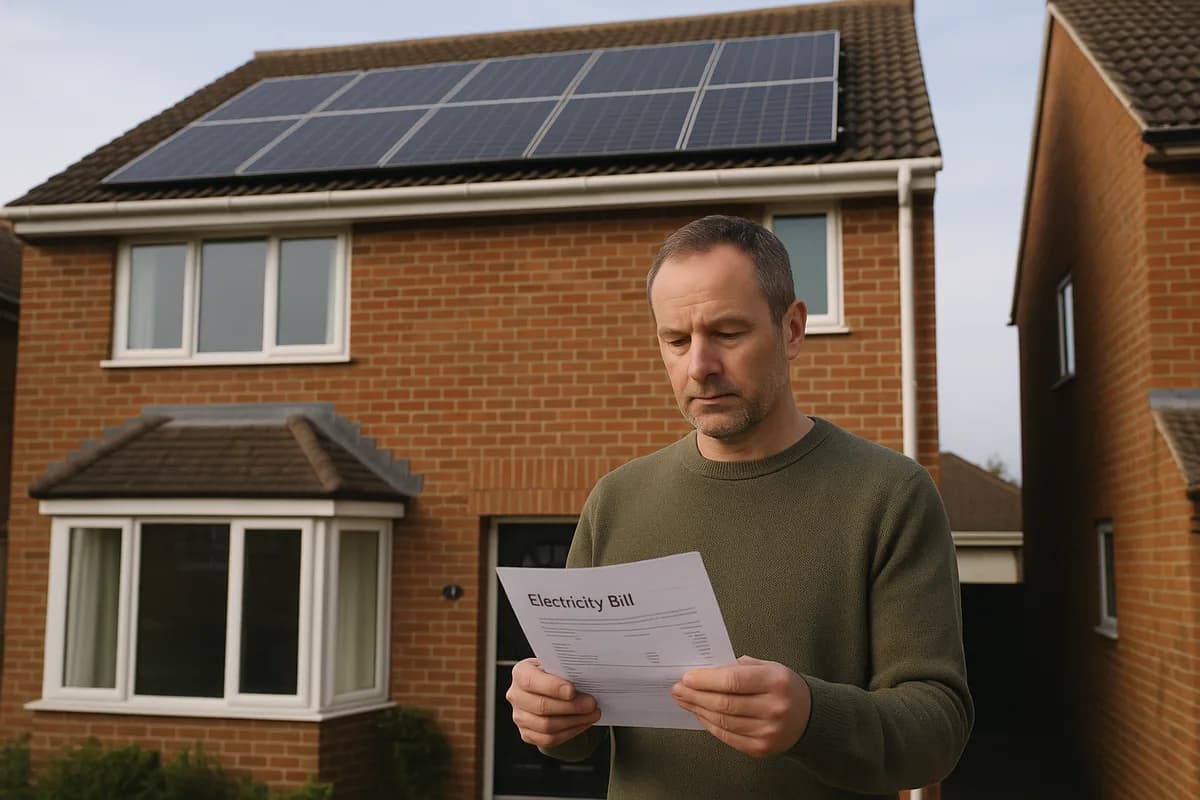
Solar Panels on Finance: Mortgage Impact
If you buy solar panels on finance (personal loan, 0% installer finance, or green home loan):
- The finance is a personal debt, not a charge on the property
- It appears on your credit file like any other loan
- It may slightly reduce your borrowing capacity (because of existing debt-to-income ratio)
- Once the finance is paid off, you own the panels outright — no ongoing obligation
Key difference from leasing: With finance, you OWN the panels from day one (the finance company has a personal claim against you, not against the property). With a lease, someone else owns the panels on your property.
For mortgage purposes, finance-purchased solar is far simpler than leased solar.
Source: FCA consumer credit guidance; mortgage broker criteria databases.
EPC Rating: How Solar Helps Your Mortgage
Solar panels can actually help with mortgage applications:
- Improved EPC rating: Solar typically improves your EPC by 1–2 bands. Lenders are increasingly interested in EPC ratings.
- Green mortgage products: Some lenders offer better rates for properties with EPC A or B. Barclays, NatWest, and Nationwide all have green mortgage products.
- Lower running costs: Some lenders factor energy costs into affordability assessments. Lower bills = more disposable income = stronger application.
Green mortgage examples (2026): - Barclays: up to 0.1% rate reduction for EPC A/B properties - NatWest: Green Reward mortgage with cashback for energy-efficient homes - Nationwide: Reduced rates for properties with EPC C or above
Solar panels indirectly improve your mortgage prospects by improving the property's credentials.
Source: Lender published green mortgage criteria; EPC rating methodology.
Frequently Asked Questions
Related guides
You might also like
Ready to see what solar could save you?
Get free, no-obligation quotes from MCS-certified installers in your area.
Get Free QuotesFree, no obligation. Takes 2 minutes.