Solar Panels When You Move House: What Happens?
Ready to see what solar could save you?
Get free, no-obligation quotes from MCS-certified installers in your area.
Get Free QuotesFree, no obligation. Takes 2 minutes.
What happens to solar panels when you move house?
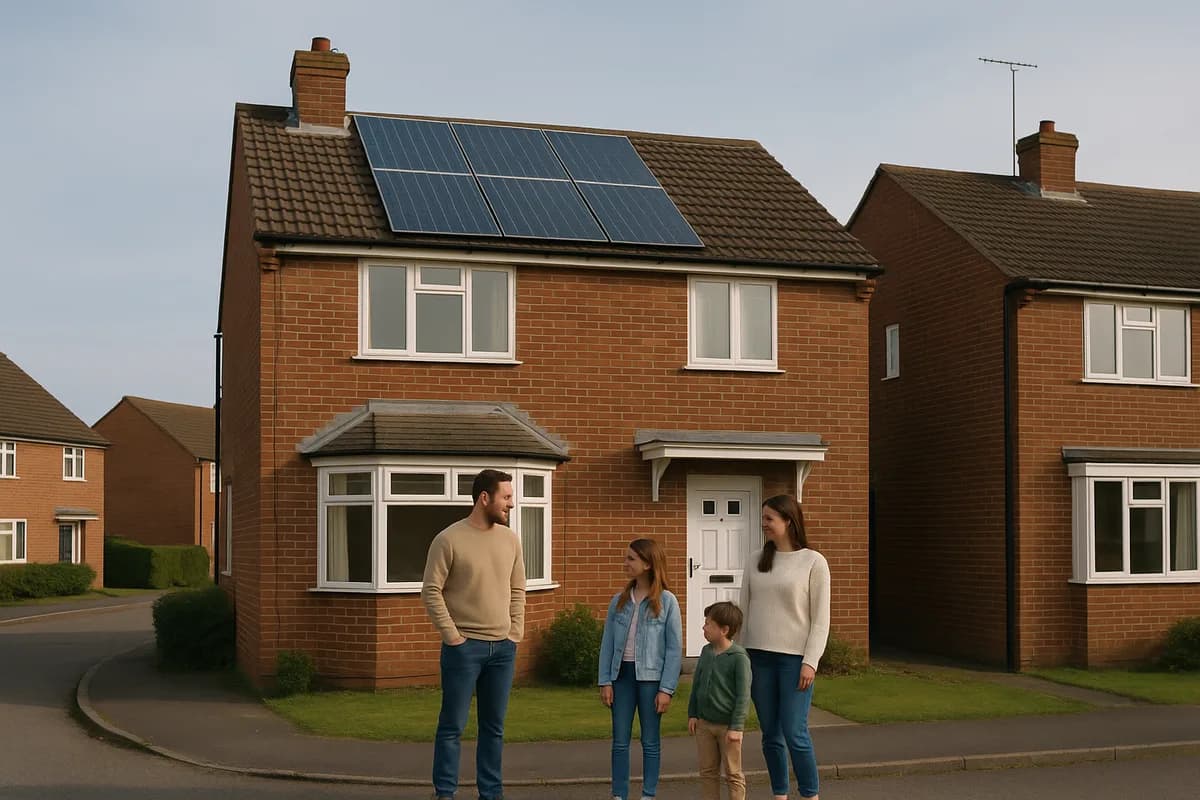
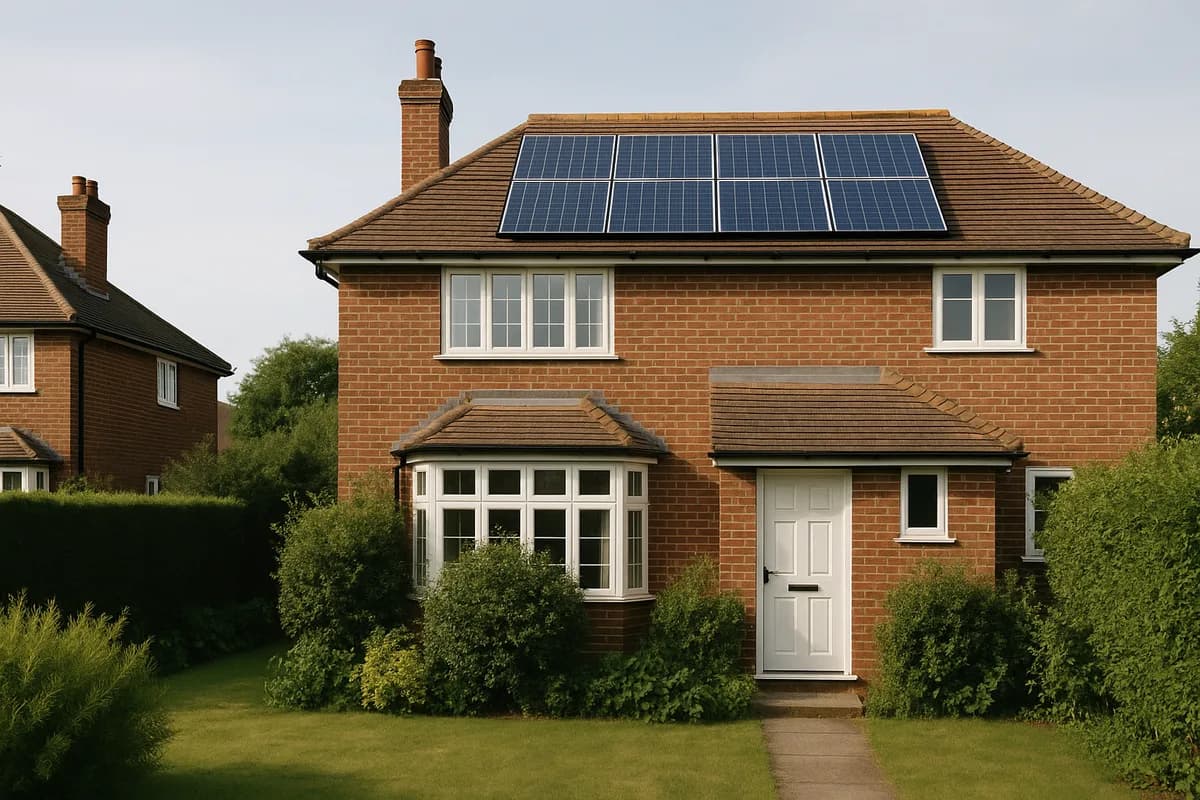
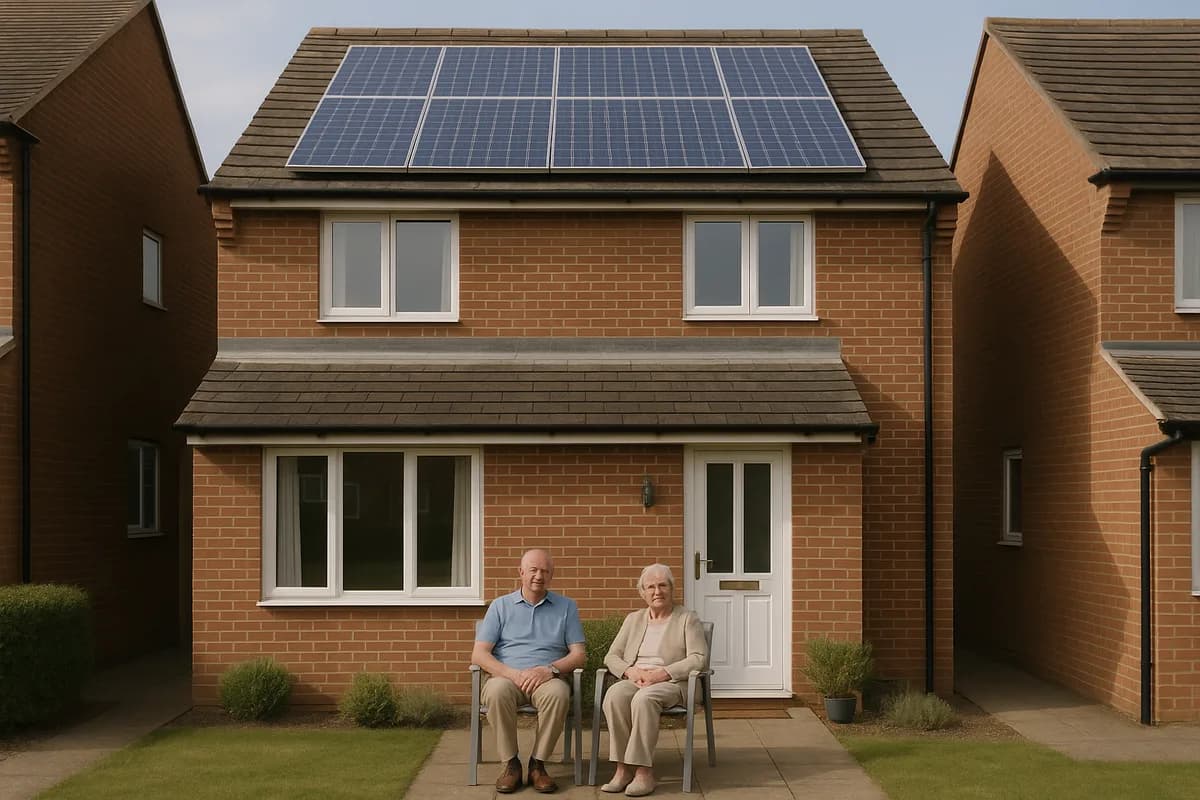
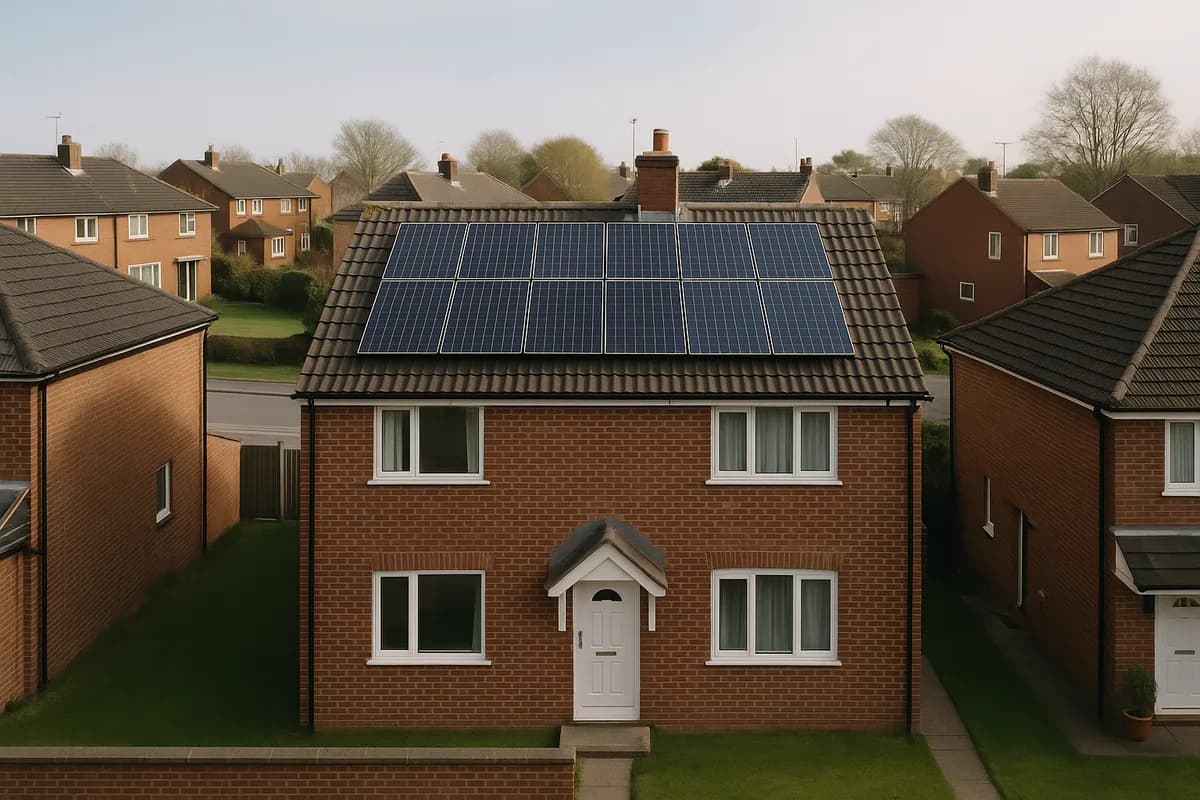
Solar panels stay with the house when you sell — they are classed as a fixture, not a fitting. You cannot take them with you. However, UK research associates them with a higher sale price, and they make a home more attractive to buyers. Your MCS certificate, warranty documentation, and performance data transfer to the new owner.
Why You Cannot Take Solar Panels With You
Solar panels are legally classified as fixtures — items permanently attached to the property. Like a fitted kitchen or central heating system, they are included in the sale unless specifically excluded in the contract.
Removing solar panels would: - Cost £1,000–£3,000 for professional removal - Require roof repairs where mounting brackets were fixed - Void the MCS certification (it is tied to the property address) - Cost another £2,000–£5,000 to reinstall at your new home - Potentially damage panels during removal
It is almost never cost-effective to remove and reinstall. The value they add to the property sale price typically exceeds what you would save by taking them.
Source: Law Society Property Information Form guidance; MCS certification rules.
How Solar Panels Affect Your Sale
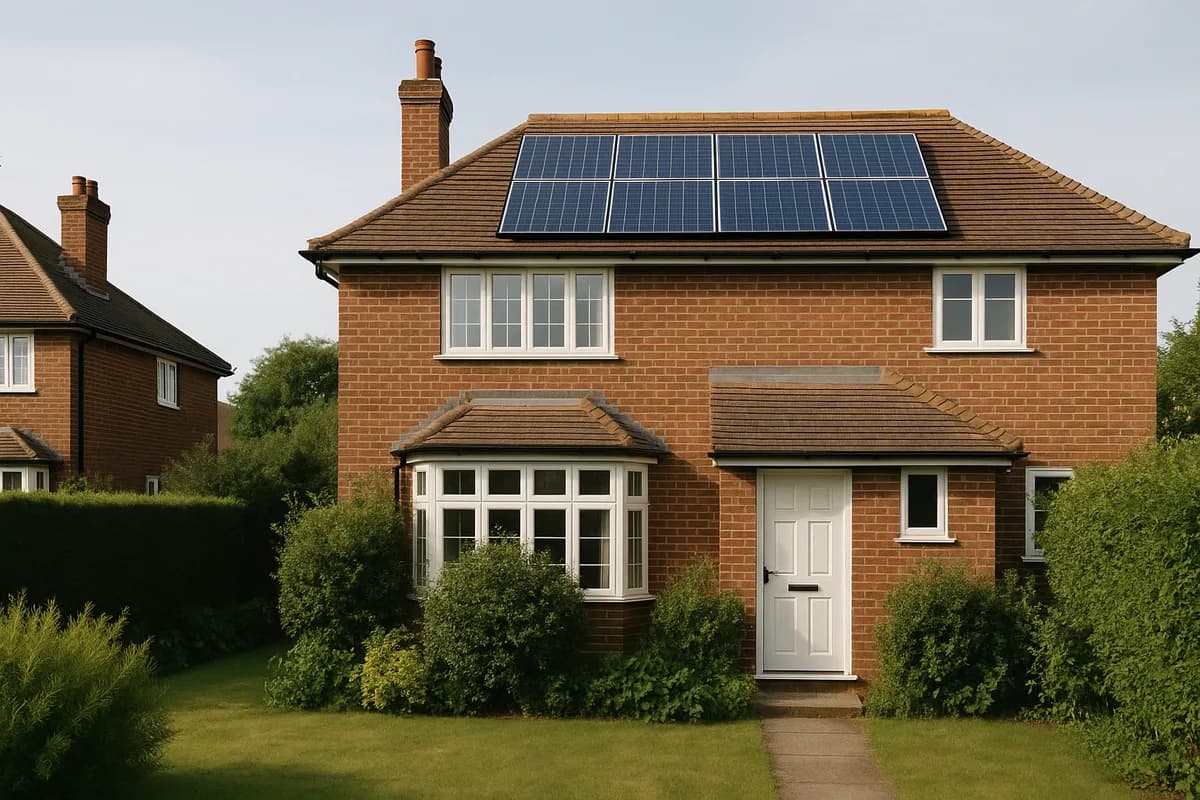
Positive effects: - Sale-price premium of 3.5–7.1% depending on method in UK research (Asproudis et al., 2024) — a market average, not a guarantee for your sale - Higher EPC rating, which many buyers and lenders look at first - Attractive to energy-conscious buyers — growing segment of the market - Lower running costs are a strong selling point
Potential concerns: - Some buyers worry about maintenance responsibility - Leased panels (rent-a-roof) can deter buyers and complicate mortgages - Older systems (10+ years) with limited remaining warranty may be less attractive - Buyers may not understand the financial benefits without clear documentation
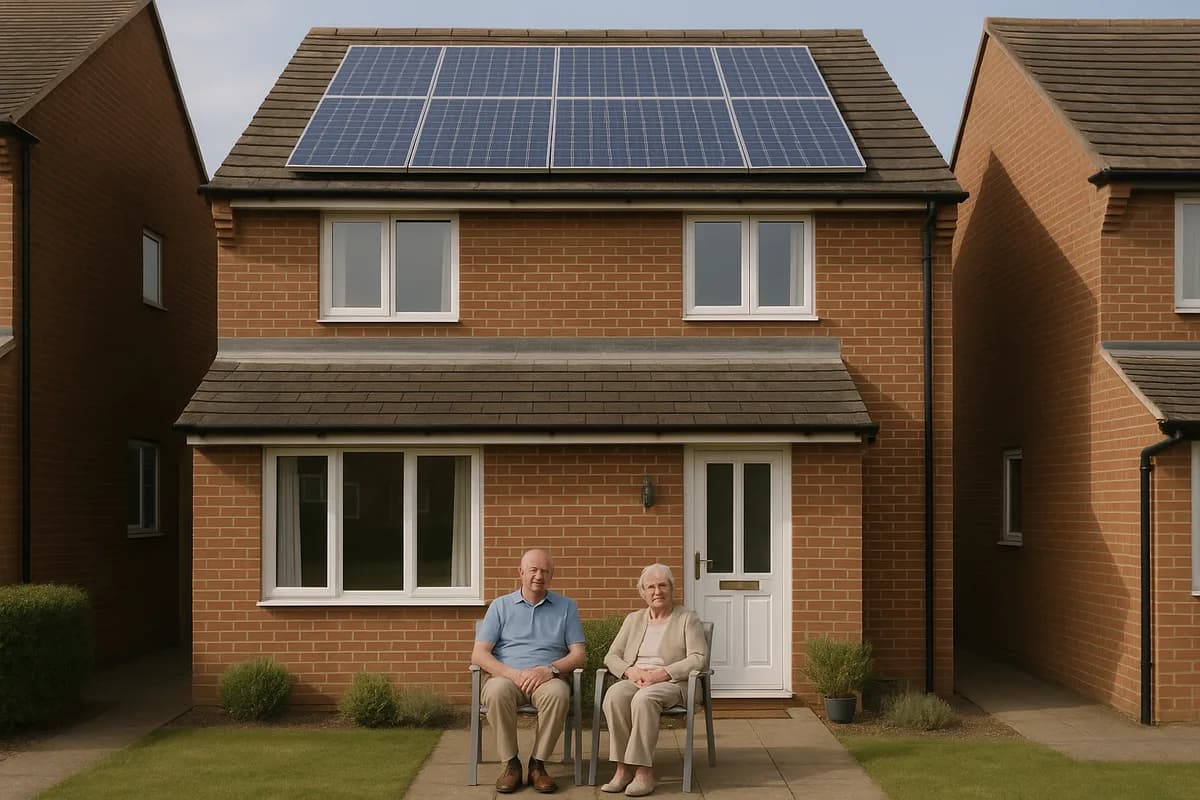
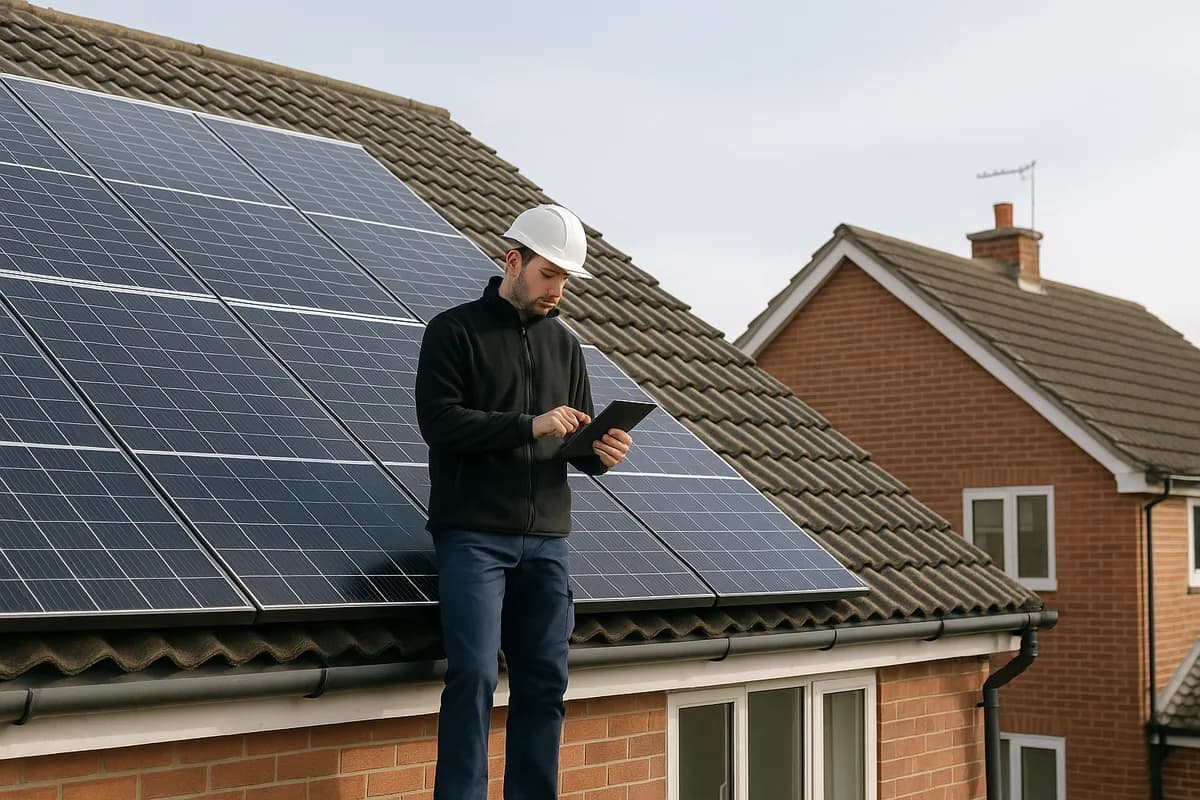
The key: documentation. Provide buyers with: - MCS certificate - All warranty documents (panels + inverter) - Performance history from your monitoring app - Annual savings figures - SEG tariff details and how to transfer - Any maintenance records
Well-documented solar adds clear value. Undocumented solar raises questions.
Source: Energy Saving Trust; Rightmove EPC analysis.
What Documents to Pass to the New Owner
Ready to see what solar could save you?
Get free, no-obligation quotes from MCS-certified installers in your area.
Get Free Quotes- MCS installation certificate — proves the system is certified and qualifies for SEG
- Panel manufacturer warranty — typically 25 years for product, 25 years for performance
- Inverter manufacturer warranty — check if it is transferable (most are)
- DNO notification confirmation — proves the grid connection was properly registered
- Performance data — screenshots or exports from your monitoring app showing annual generation
- Annual savings calculation — show the buyer what the system saves per year
- SEG registration details — the new owner can transfer the SEG contract or start a new one
- Maintenance records — any cleaning, inspections, or inverter replacements
- Building regulations certificate — if applicable (Part P electrical certification)
Leased Solar Panels: A Different Situation
If your solar panels are leased (rent-a-roof scheme or PPA), the situation is more complex:
- The lease transfers to the new owner — they inherit the contract
- Some buyers are deterred by inheriting a 20–25 year lease obligation
- Some mortgage lenders are cautious about leased panels
- You may need the lease company's consent to sell the property
- The new owner may not benefit as much financially (the lease company takes most of the savings)
If you have leased panels and plan to sell: 1. Contact the lease company to understand transfer terms 2. Consider buying out the lease before selling — some companies offer early buyout 3. Disclose the lease fully to potential buyers and their solicitors 4. Be prepared for some buyers to negotiate a lower price
Lesson for future installations: Always buy solar panels outright (or on finance where you own them). Never lease.
Source: UK Finance mortgage guidance on leased solar panels.
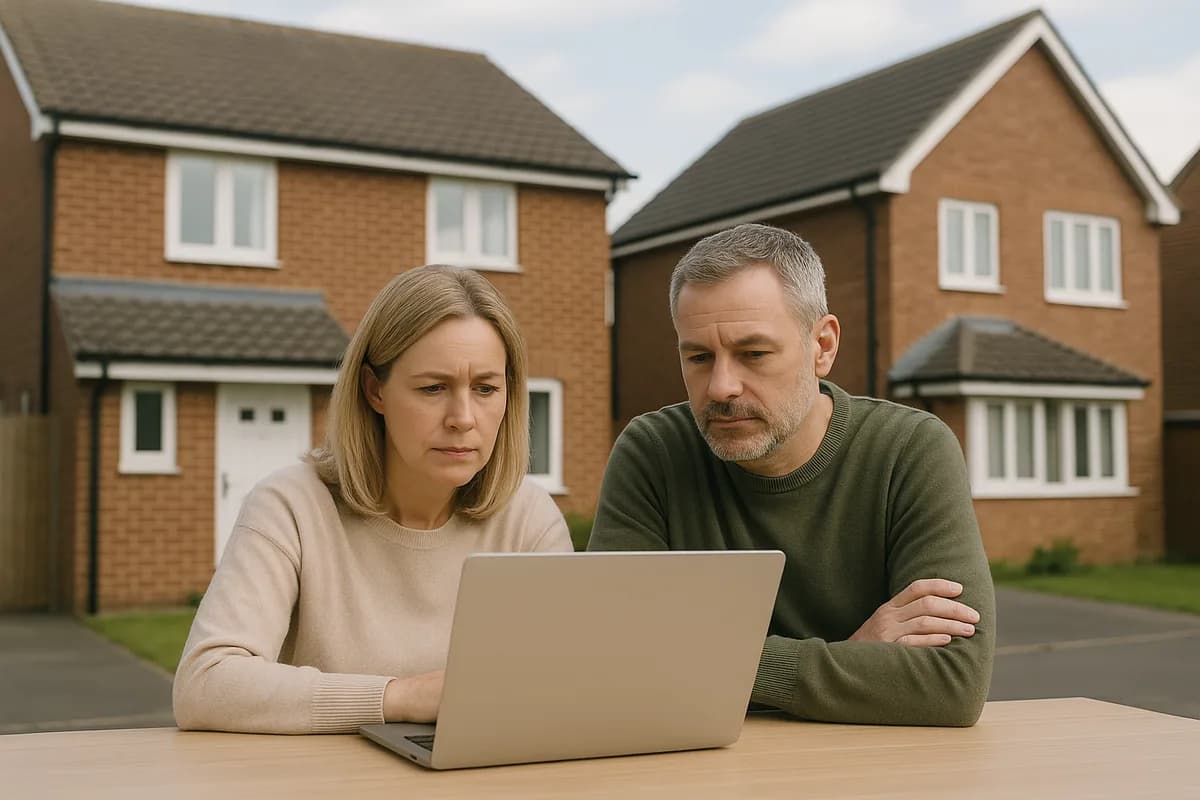
Buying a Home With Solar Panels: What to Check
If you are buying a property with existing solar panels, check:
- Are the panels owned outright or leased? Leased panels come with obligations.
- Is there an MCS certificate? Without one, the system cannot receive SEG payments.
- How old is the system? Check remaining warranty and expected lifespan.
- How old is the inverter? If it is 10+ years old, budget for a replacement (£800–£1,500).
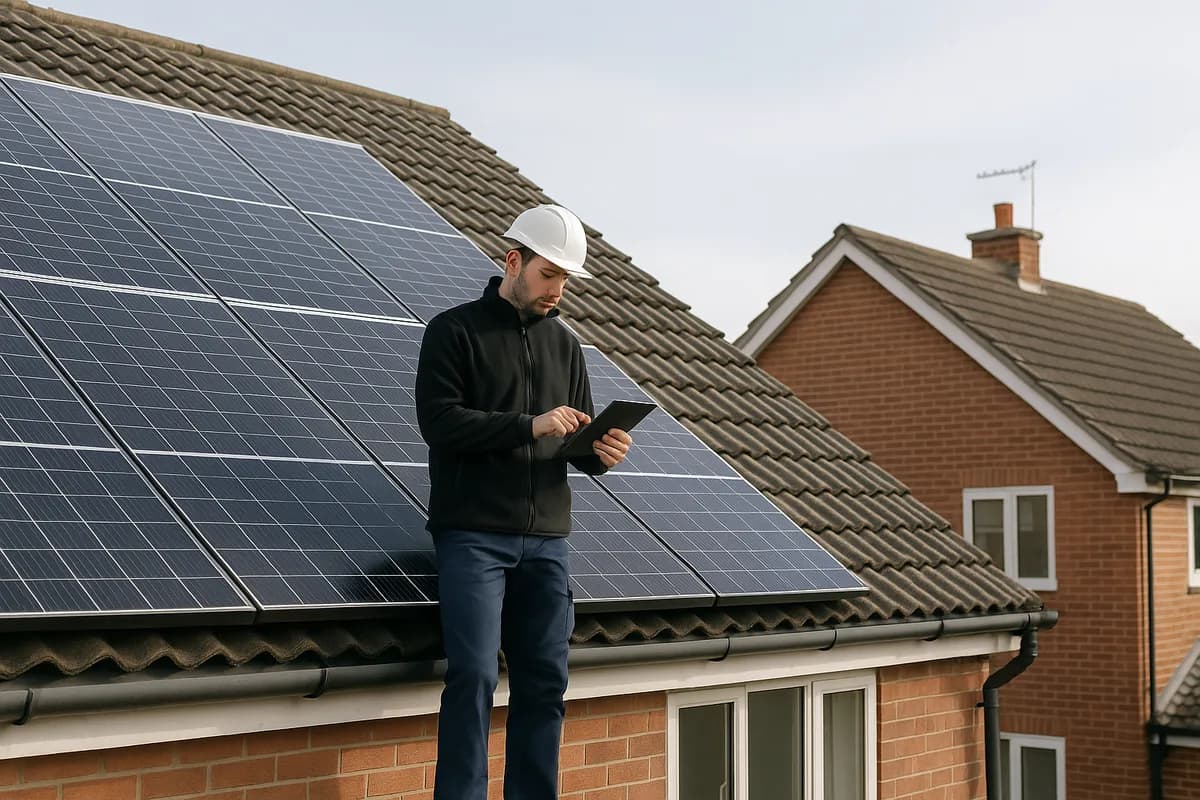
- What has the system generated? Ask for monitoring data to verify performance.
- Are there any roof issues? Check for leaks around mounting brackets.
- What EPC rating does the property have? Solar should push it to C or above.
- Is the SEG registration transferable? You will need to set up your own SEG contract.
Frequently Asked Questions
Related guides
You might also like
Ready to see what solar could save you?
Get free, no-obligation quotes from MCS-certified installers in your area.
Get Free QuotesFree, no obligation. Takes 2 minutes.