Solar Panels & Underfloor Heating: Do They Work Together?

Ready to see what solar could save you?
Get free, no-obligation quotes from MCS-certified installers in your area.
Get Free QuotesFree, no obligation. Takes 2 minutes.
Can solar panels power underfloor heating?
Solar panels can power underfloor heating, but effectiveness varies by heating type. Electric underfloor heating uses 100–200W/m² — a typical room requires 1–3kW, consuming far more electricity than solar generates in winter. Wet underfloor heating powered by a heat pump is far more efficient: the heat pump multiplies each kWh of solar electricity into 3–4kWh of heat. For solar + UFH, the best combination is: solar panels + air source heat pump + wet underfloor heating.
Electric vs Wet Underfloor Heating with Solar
Electric underfloor heating + solar: - Electric UFH uses 100–200W per m² - A 20m² room needs 2–4kW of heating power - Running 8 hours/day in winter: 16–32kWh per room per day - A 4kW solar system generates ~3kWh/day in December - Solar covers only 10–20% of electric UFH demand in winter - Summer: solar covers heating easily (but you do not need heating)
Wet underfloor heating + heat pump + solar: - Heat pump COP of 3–4 means 1kWh electricity = 3–4kWh heat - Same 20m² room needs 2–4kW of heat, but only 0.5–1.3kW of electricity - Running 8 hours/day in winter: 4–10kWh of electricity per room - A 4kW solar system generates ~3kWh in December - Solar covers 30–75% of heat pump electricity for UFH in winter - With a battery + overnight cheap tariff: near-complete coverage
The verdict: Electric UFH is too electricity-hungry for solar alone. Wet UFH with a heat pump is the efficient combination.
Source: UFH manufacturer power consumption data; heat pump COP data.
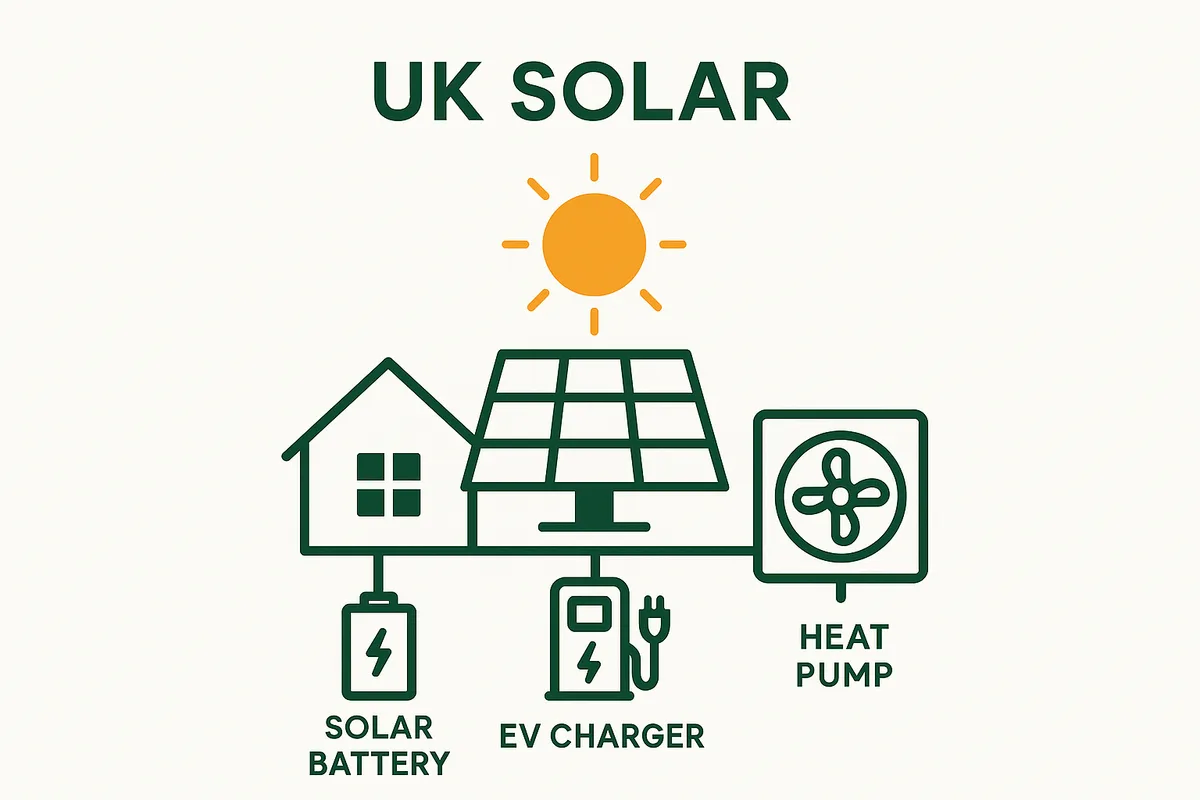
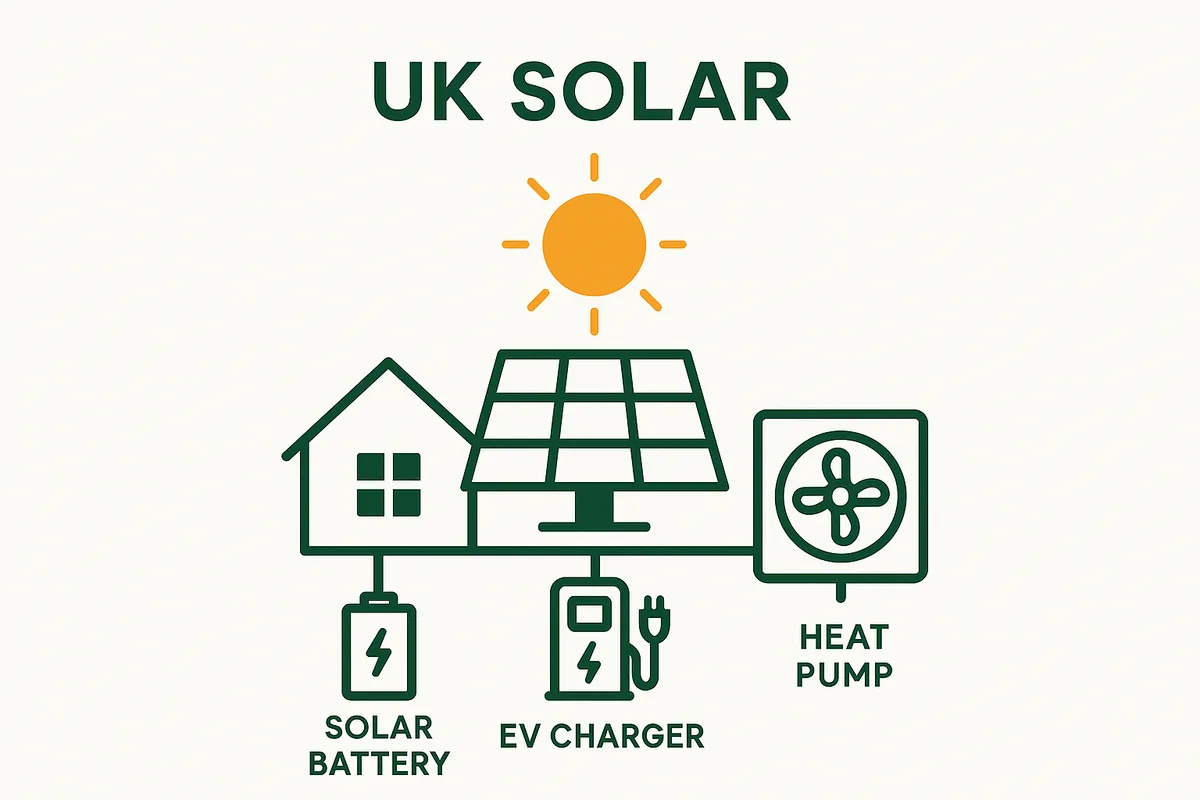
The Best Setup: Solar + Heat Pump + Wet UFH
The optimal combination for solar-powered underfloor heating:
1. Solar panels (5–8kW) — generate electricity year-round 2. Air source heat pump — converts 1kWh electricity into 3–4kWh heat 3. Wet underfloor heating — distributes heat evenly at low temperature (ideal for heat pumps) 4. Hot water cylinder — stores heat for later use 5. Battery (optional) — stores solar for evening heating 6. Smart tariff (Octopus Go) — cheap overnight electricity supplements solar in winter
Why this combination works: - Heat pumps are most efficient at low flow temperatures (30–40°C) - UFH operates at exactly these temperatures (vs radiators which need 55–70°C) - Solar provides free electricity during the day when the heat pump preheats the house - The thermal mass of the floor stores heat — acting like a heat battery - In spring/autumn, solar can cover nearly all heating electricity
Annual heating costs with this setup: - Gas boiler + radiators: £1,400–£1,800/year - Heat pump + UFH (grid only): £600–£900/year - Heat pump + UFH + solar: £300–£600/year - Heat pump + UFH + solar + battery + smart tariff: £150–£400/year
Source: Energy Saving Trust; heat pump performance data.

Ready to see what solar could save you?
Get free, no-obligation quotes from MCS-certified installers in your area.
Get Free Quotes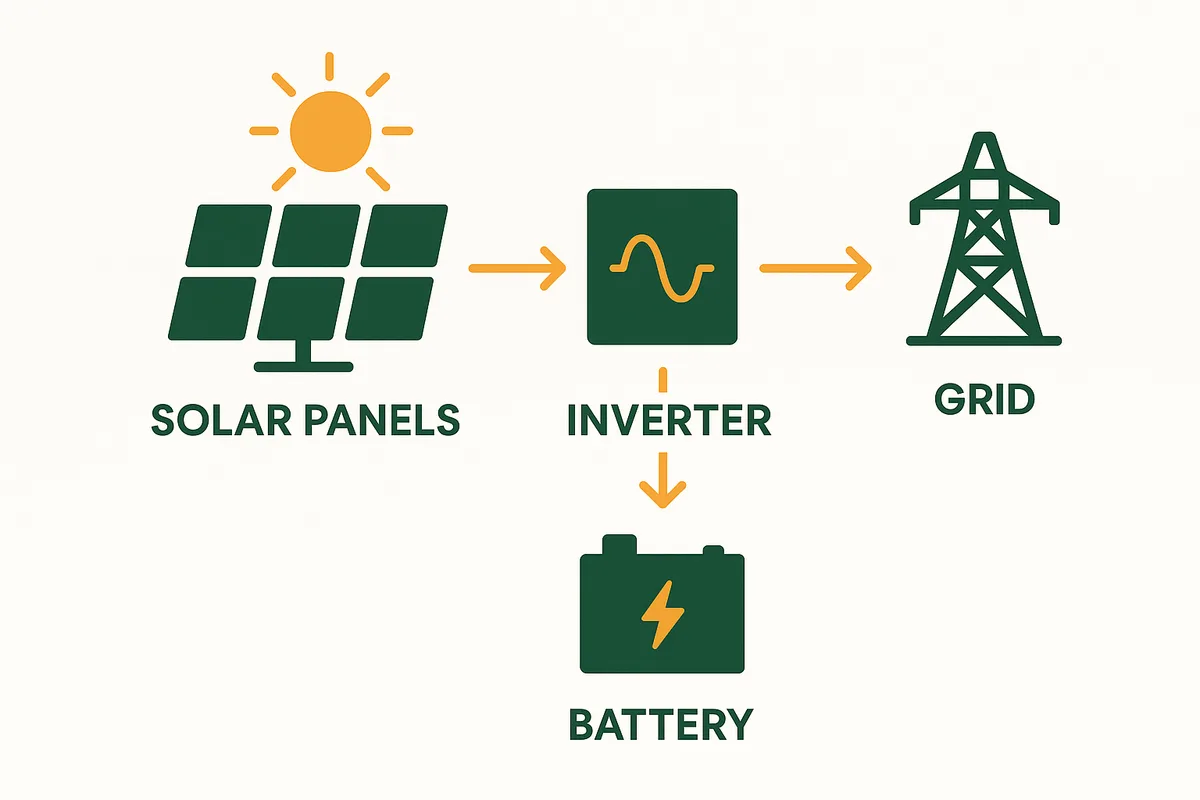
Using Solar to Pre-Heat Your Floor
Underfloor heating's thermal mass (the concrete or screed in the floor) can store heat for hours:
Strategy: - 10am–3pm: Solar is generating strongly. Heat pump runs, warming the floor to 2–3°C above target temperature. - 3pm–10pm: Solar drops off. The heated floor slowly releases stored warmth. No heating needed. - Result: The floor acts as a free heat battery — storing solar energy as warmth.
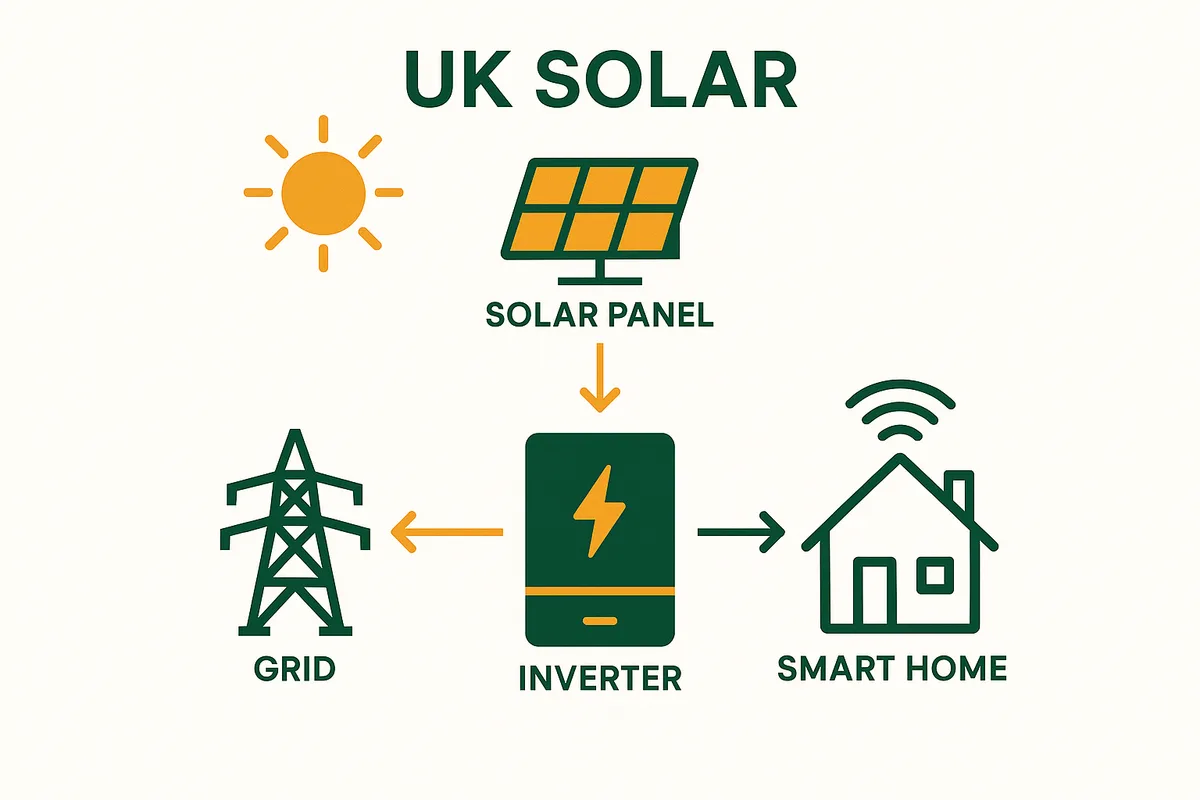
This works because UFH responds slowly (takes 2–3 hours to heat up, 4–6 hours to cool down). By pre-heating during solar peak hours, you reduce or eliminate evening grid electricity for heating.
Smart thermostats (Nest, Hive, Tado) can automate this — scheduling heating during solar generation hours and letting thermal mass carry through the evening.
Source: UFH thermal mass research; smart thermostat guidance.
Costs: Adding Solar to an Existing UFH System
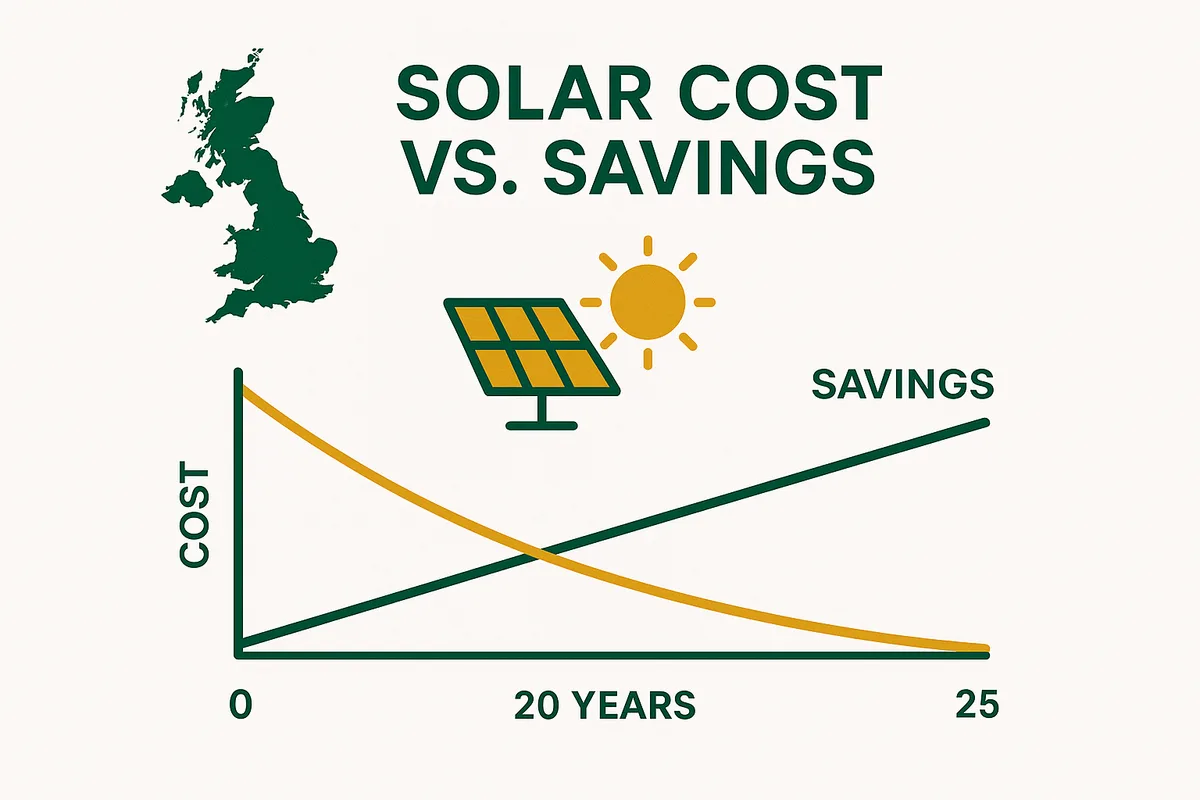
If you already have wet UFH + heat pump: Adding solar panels is straightforward — the panels reduce the electricity cost of running the heat pump. - 5kW solar: £6,500–£9,500 - Annual heating electricity saved: £200–£400 - Plus home electricity saved: £500–£700 - Total annual savings: £700–£1,100 - Payback: 7–10 years
If you already have electric UFH: Solar helps but cannot cover winter heating. Options: - Accept partial coverage (10–20% in winter, 100% in summer) - Switch to wet UFH + heat pump (major renovation) - Use solar diverter to pre-heat a buffer tank for UFH (if your system supports it)
If you are building new / major renovation: Install all three together: solar + heat pump + wet UFH. This is the most cost-effective approach — shared installation costs and optimal system design.
Source: Renovation cost estimates; system integration guidance.
Frequently Asked Questions
Related guides
Related: Home Heating Systems
Solar panels are most powerful when combined with an efficient heating system. Heat pumps use solar-generated electricity to heat your home at 300-400% efficiency — making them the ideal partner for solar.
Learn more about how air source heat pumps work alongside solar panels.
Heat pumps work best with underfloor heating or oversized radiators at low flow temperatures.
From our sister site Home Heat Pump Guide
You might also like
Ready to see what solar could save you?
Get free, no-obligation quotes from MCS-certified installers in your area.
Get Free QuotesFree, no obligation. Takes 2 minutes.