How to Maximise Your Solar Panel Savings
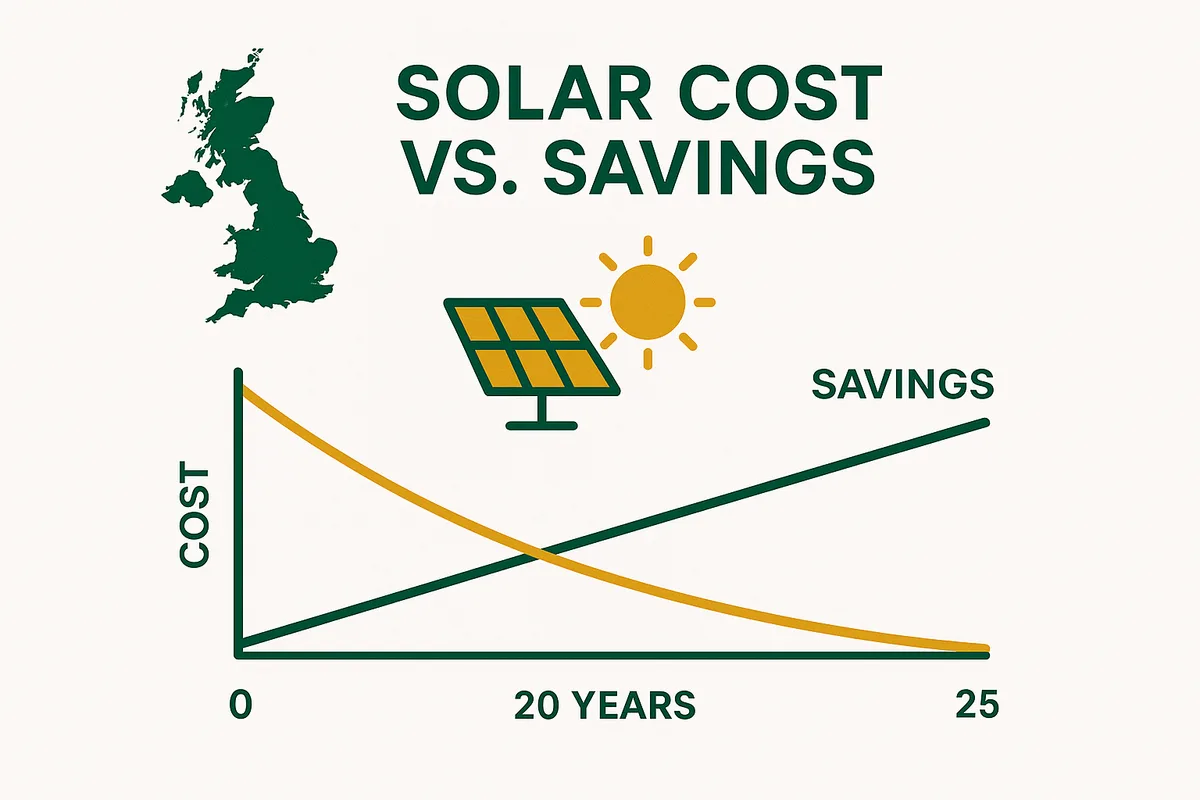
What would this actually cost at your home?
Installed prices vary widely by roof, access and region. Get an installed price for your property from MCS-certified installers.
Get an Installed PriceFree, no obligation. Takes about 2 minutes.
How can I get more savings from my solar panels?
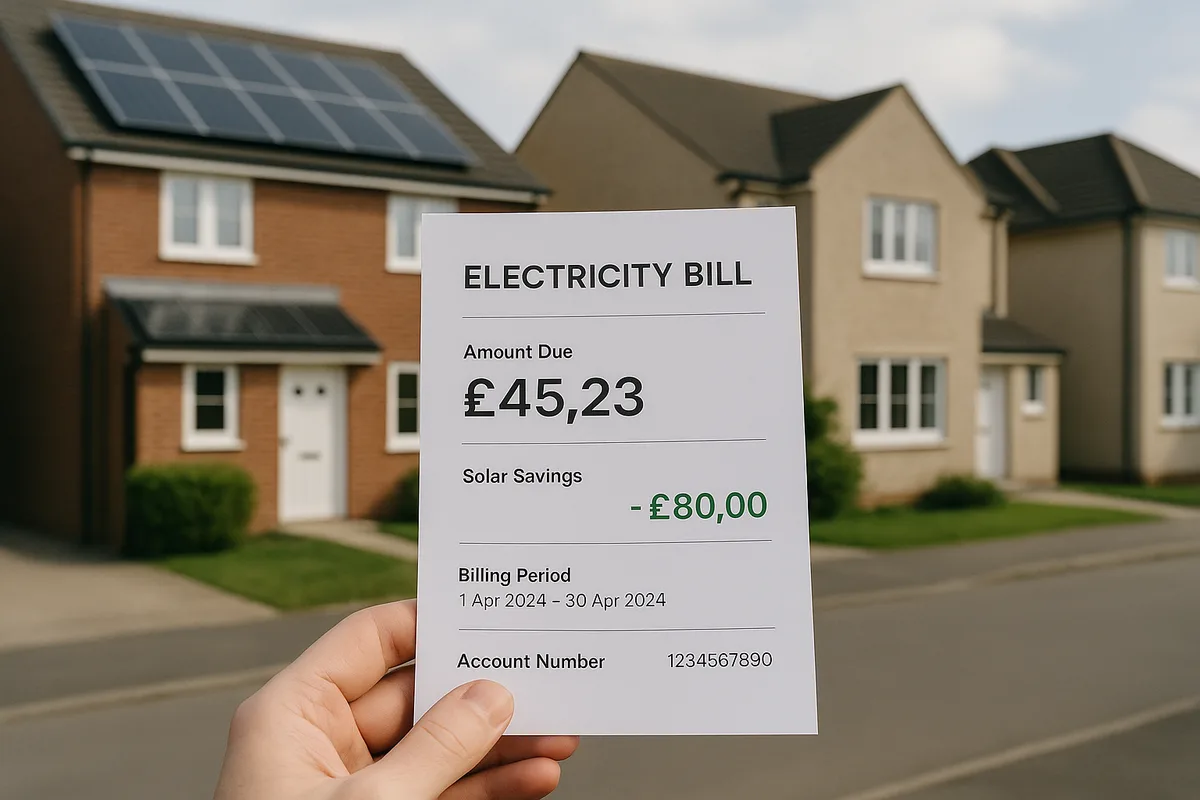
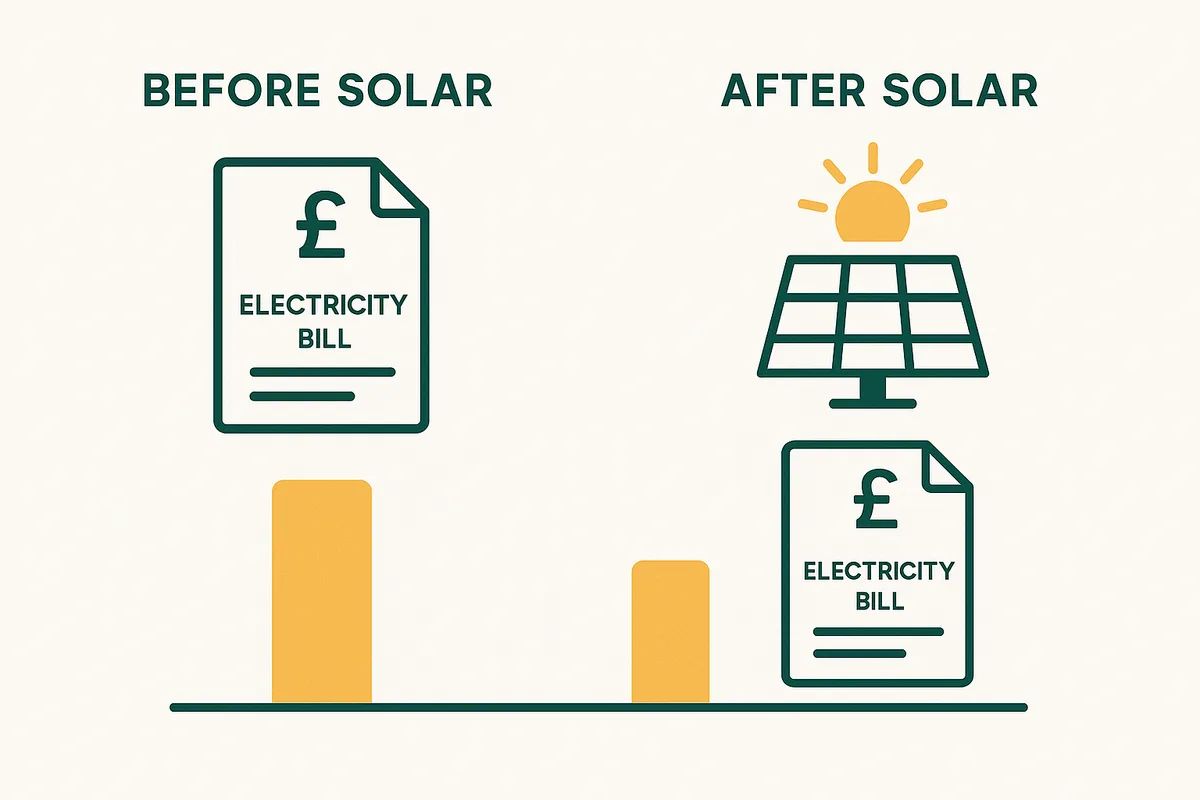
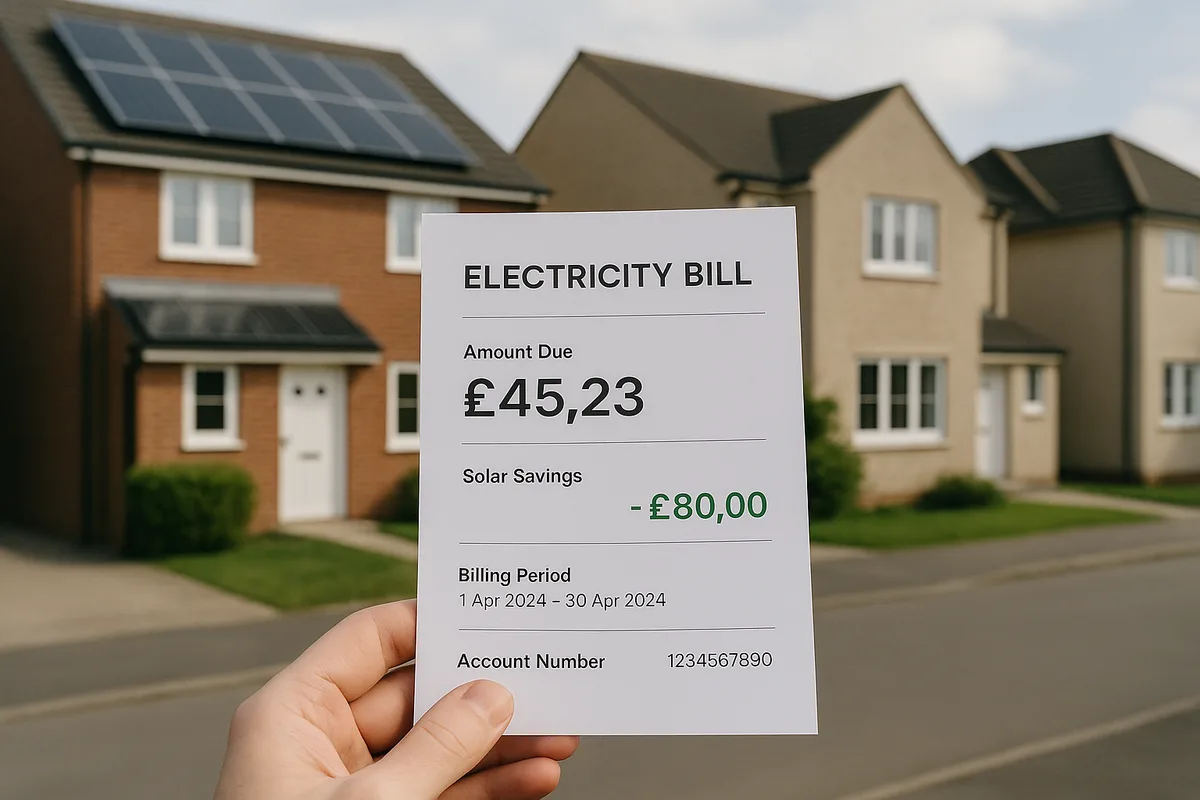
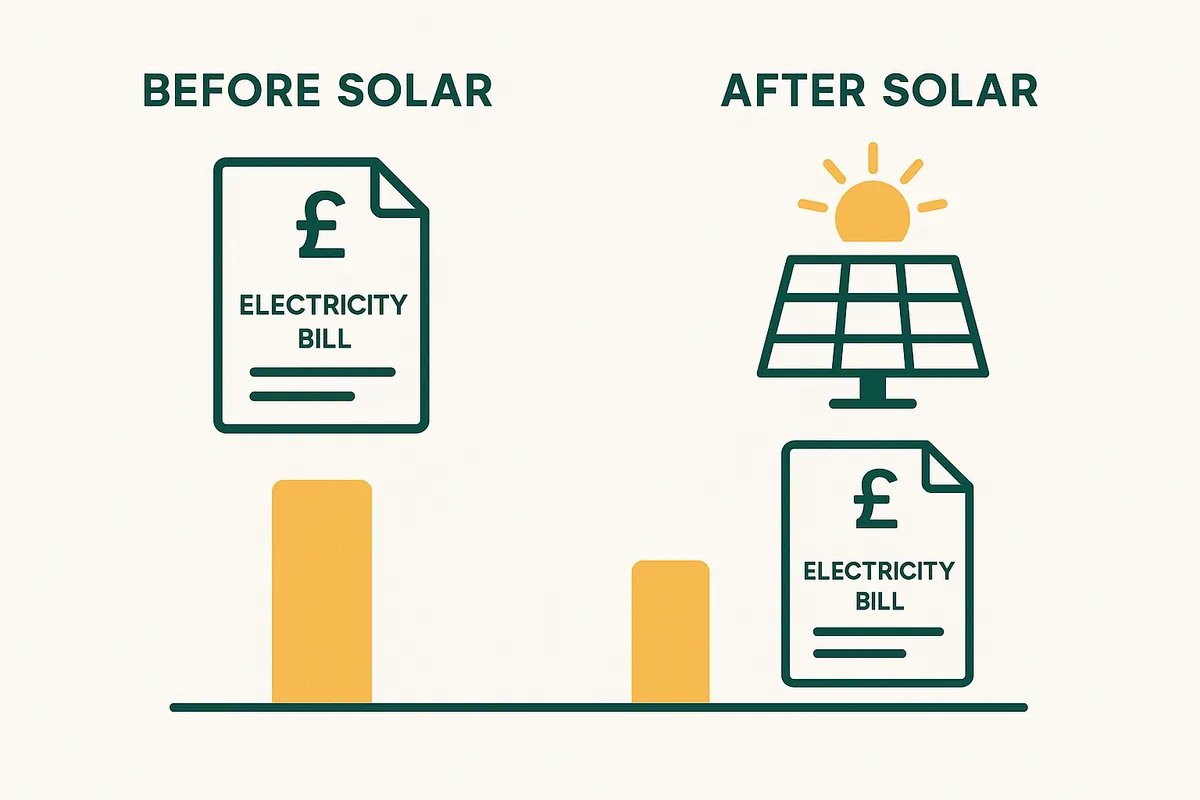
The biggest way to maximise solar savings is to increase self-consumption — using solar electricity directly instead of exporting it. Every kWh you use saves 26.11p; every kWh you export earns only 4–15p. Simple changes (running appliances during the day, adding a battery, choosing a smart tariff) can increase your annual savings by £200–£500 without changing your panels.
The 10 Best Ways to Maximise Solar Savings
1. Shift Heavy Appliances to Daylight Hours
Run your washing machine, dishwasher, and tumble dryer between 10am and 3pm when solar generation peaks. Most modern appliances have delay timers — set them to run during the day even when you are at work.
Impact: Increases self-consumption by 10–20%. Saves an additional £50–£100/year.
This is the single easiest and cheapest improvement — no equipment needed.
2. Add a Solar Battery
A battery stores surplus daytime solar for evening use. Without a battery, 50% of solar is typically exported at 4–15p/kWh. With a battery, 80% is self-consumed at 26.11p/kWh value.
Impact: Increases self-consumption from 50% to 80%. Saves an additional £200–£400/year. Cost: £3,000–£7,000. Battery payback: 8–18 years depending on tariff optimisation.
3. Switch to a Time-of-Use Tariff
Time-of-use tariffs like Octopus Go (7.5p/kWh overnight) let you charge a battery cheaply and use stored energy during expensive peak hours.
With battery + Octopus Flux: - Charge battery from solar during day - Export from battery during 16:00–19:00 at 15–24p/kWh - Recharge from grid overnight at 7.5p/kWh
Impact: Adds £100–£300/year in tariff arbitrage savings on top of solar self-consumption.
Source: Octopus Energy tariff rates.
4. Choose the Best SEG Tariff
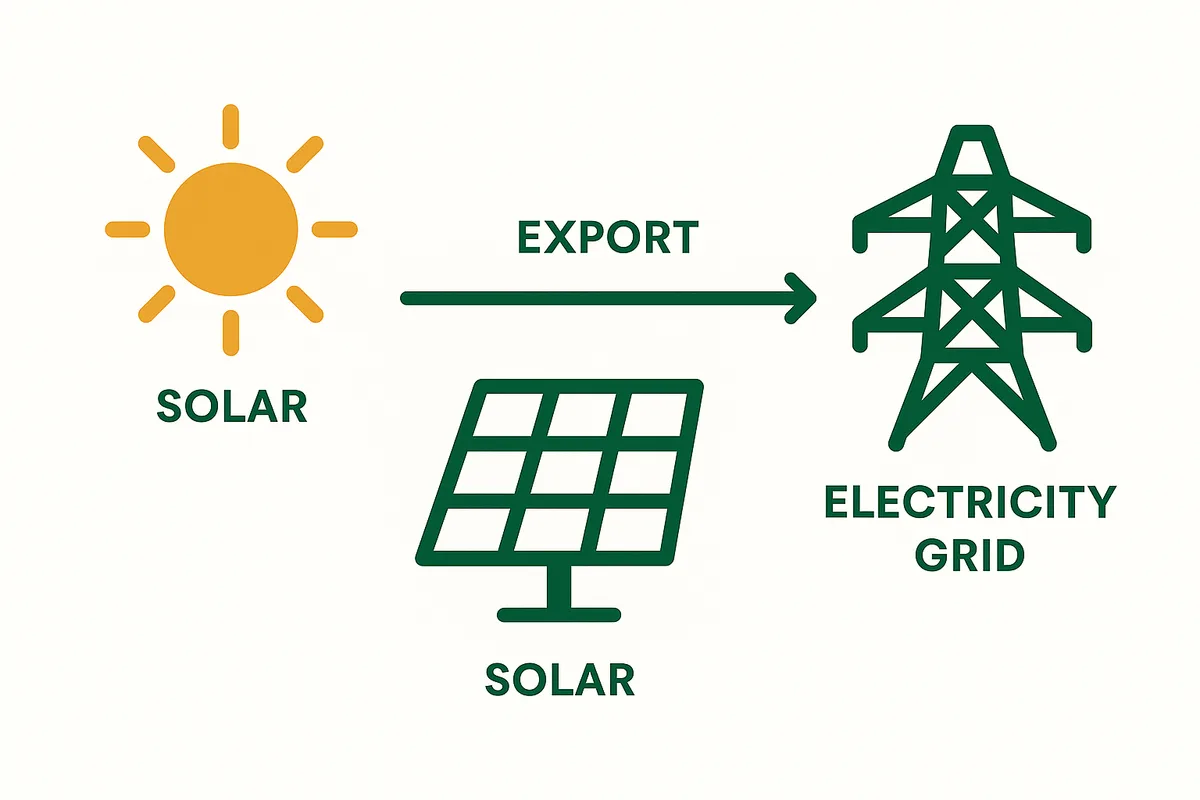
Don't accept the first SEG tariff you find. Rates range from 4p to 15p/kWh — a 3x difference.
Best fixed: British Gas ~5.6p, E.ON ~5.5p Best variable: Octopus Flux 8–24p (time-dependent), Octopus Agile Outgoing (varies by half-hour)
Impact: Switching from 4p to 12p/kWh SEG on 2,000 kWh of exports = £160/year more.
You can have a different SEG supplier from your electricity supplier — always shop around.
5. Install a Solar Diverter for Hot Water
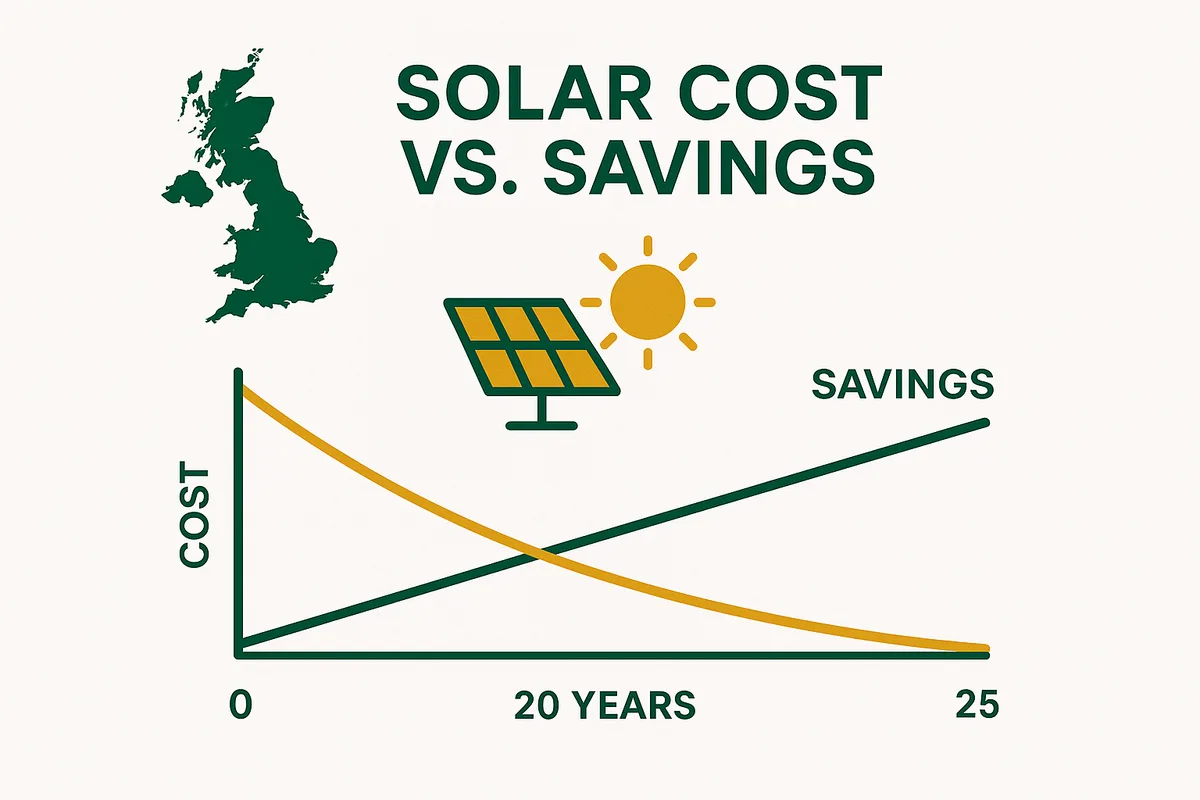
What would this actually cost at your home?
Installed prices vary widely by roof, access and region. Get an installed price for your property from MCS-certified installers.
Get an Installed PriceA solar immersion diverter (e.g., iBoost+, Eddi by Myenergi) automatically routes surplus solar to your hot water cylinder instead of exporting it.
How it works: When your panels produce more than your home needs, the diverter sends the surplus to the immersion heater in your hot water cylinder. Free hot water from solar.
Impact: Saves £100–£200/year on hot water heating (replaces gas or grid-rate electricity). Cost: £200–£500 installed. Payback: 1–3 years.
This is one of the fastest-payback solar upgrades available.
6. Charge Your EV from Solar
A smart solar EV charger (Zappi) diverts surplus solar to your car. Free miles from sunshine.
Impact: Saves £400–£550/year on fuel/charging costs (vs standard grid-rate charging). Cost: £800–£1,100 for a Zappi charger installed. Payback: 1.5–3 years.
7. Keep Panels Clean
Dirty panels lose 2–5% of output. An annual clean (or whenever bird droppings are visible) maintains maximum generation.
Impact: Recovers £12–£50/year in lost output. Cost: £80–£150 for professional cleaning, or free if DIY from ground level.
8. Monitor Your System
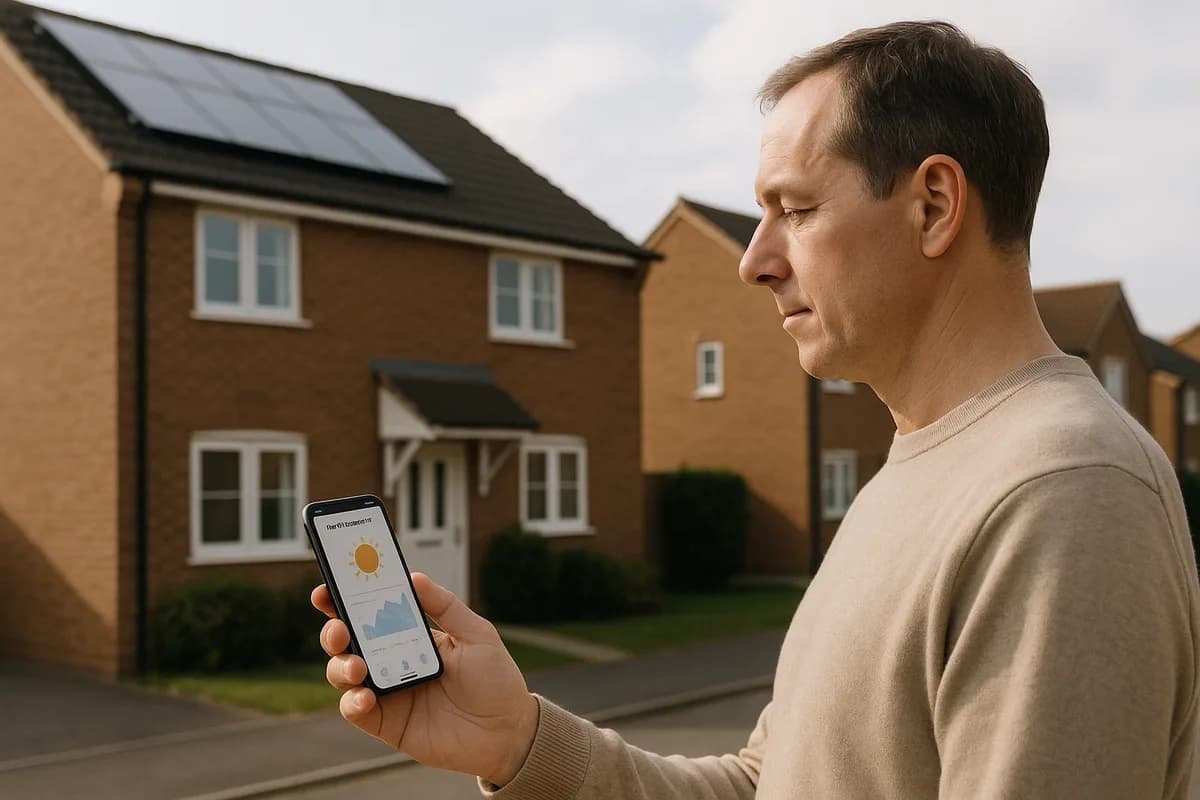
Use your inverter's monitoring app to check output regularly. A fault that goes unnoticed for 3 months costs roughly £150–£200 in lost generation.
Impact: Catches faults early, preventing months of lost savings. Cost: Free (monitoring is included with your inverter).
9. Insulate Your Home
Better insulation reduces your heating electricity consumption, which means more solar goes toward powering other things (or exporting for income) rather than compensating for heat loss.
Impact: Reduces total electricity consumption by 10–20%, increasing the proportion covered by solar. Cost: Loft insulation top-up: £300–£600. Cavity wall: £500–£1,500.
10. Consider Adding More Panels
If you have unused roof space, adding 2–4 more panels is one of the most cost-effective upgrades. The marginal cost per additional panel is lower than the original installation (no new inverter, no scaffolding, less labour).
Impact: Each additional 400W panel generates ~400 kWh/year = £50–£100/year in savings. Cost: £200–£350 per panel installed. Payback: 2–5 years per panel.
Frequently Asked Questions
Related guides
Related: Home Heating Systems
Solar panels are most powerful when combined with an efficient heating system. Heat pumps use solar-generated electricity to heat your home at 300-400% efficiency — making them the ideal partner for solar.
Heat pumps use electricity at 300-400% efficiency, making them ideal partners for solar.
From our sister site Home Heat Pump Guide
You might also like
What would this actually cost at your home?
Installed prices vary widely by roof, access and region. Get an installed price for your property from MCS-certified installers.
Get an Installed PriceFree, no obligation. Takes about 2 minutes.