Solar Panels & Your Electricity Bill: What Changes
Ready to see what solar could save you?
Get free, no-obligation quotes from MCS-certified installers in your area.
Get Free QuotesFree, no obligation. Takes 2 minutes.
How do solar panels affect your electricity bill?
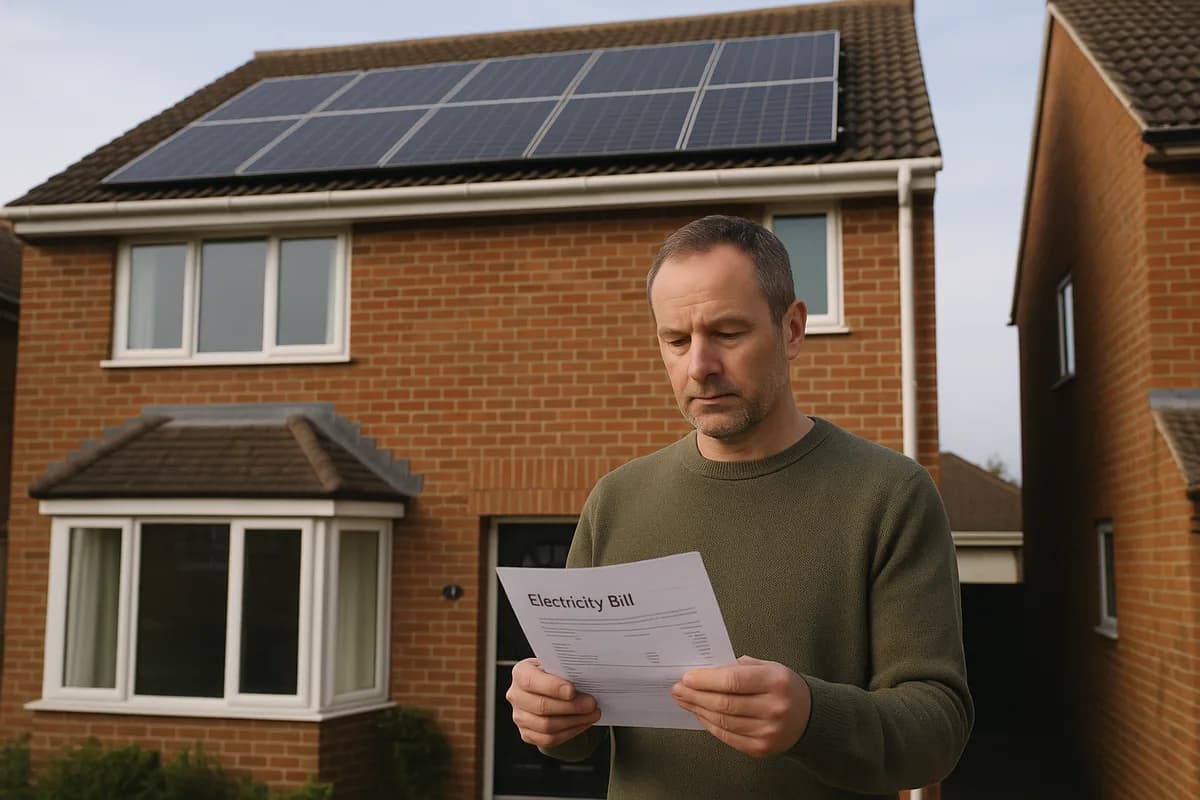
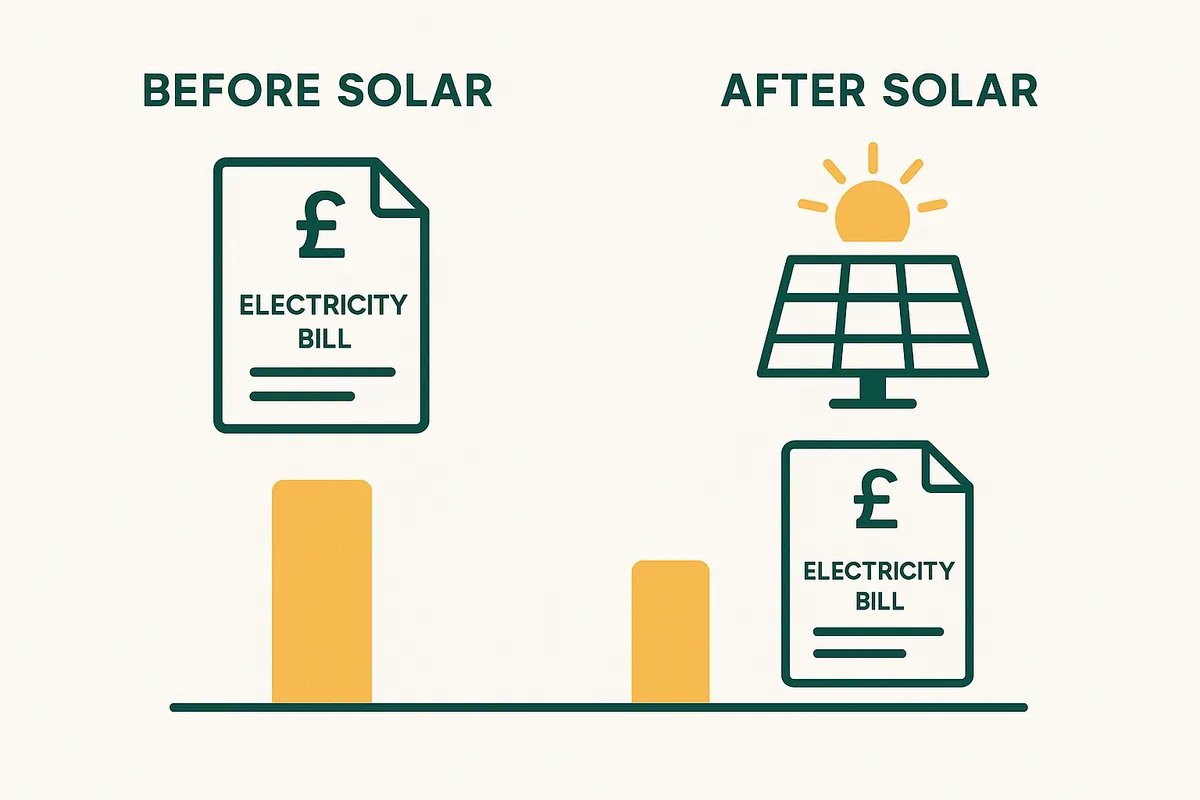
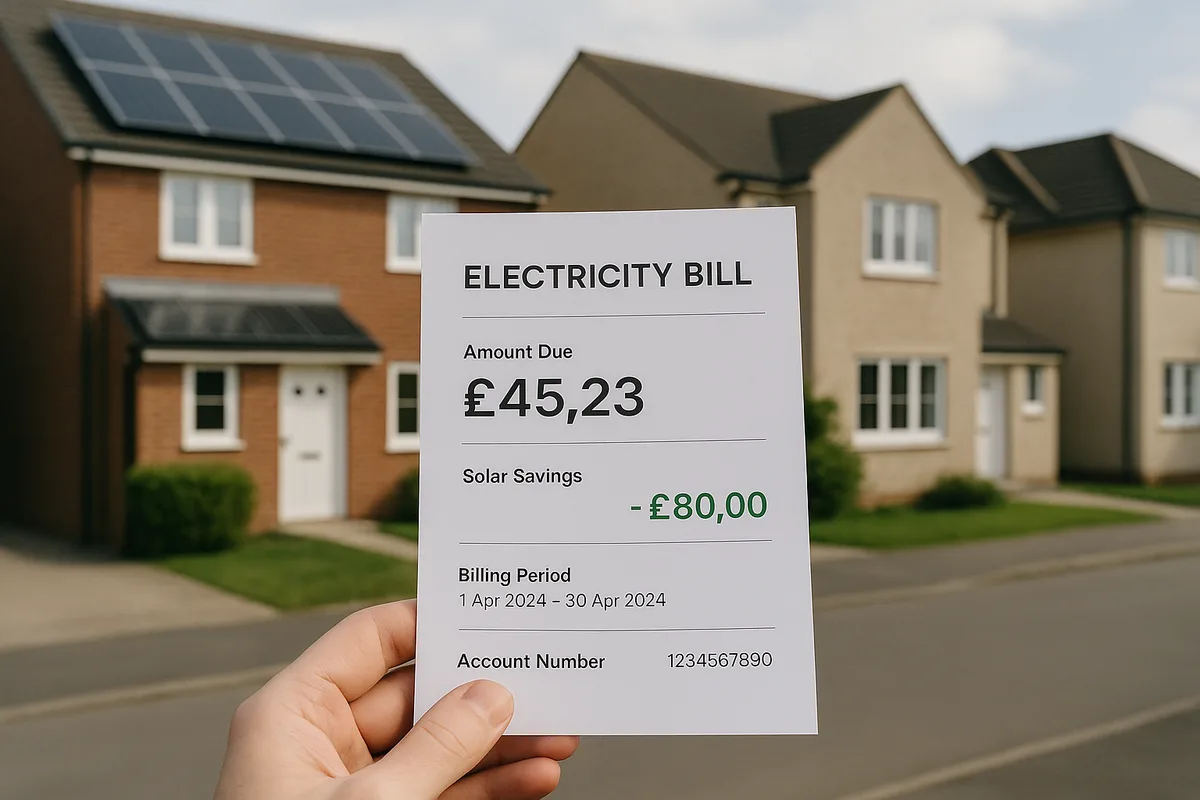
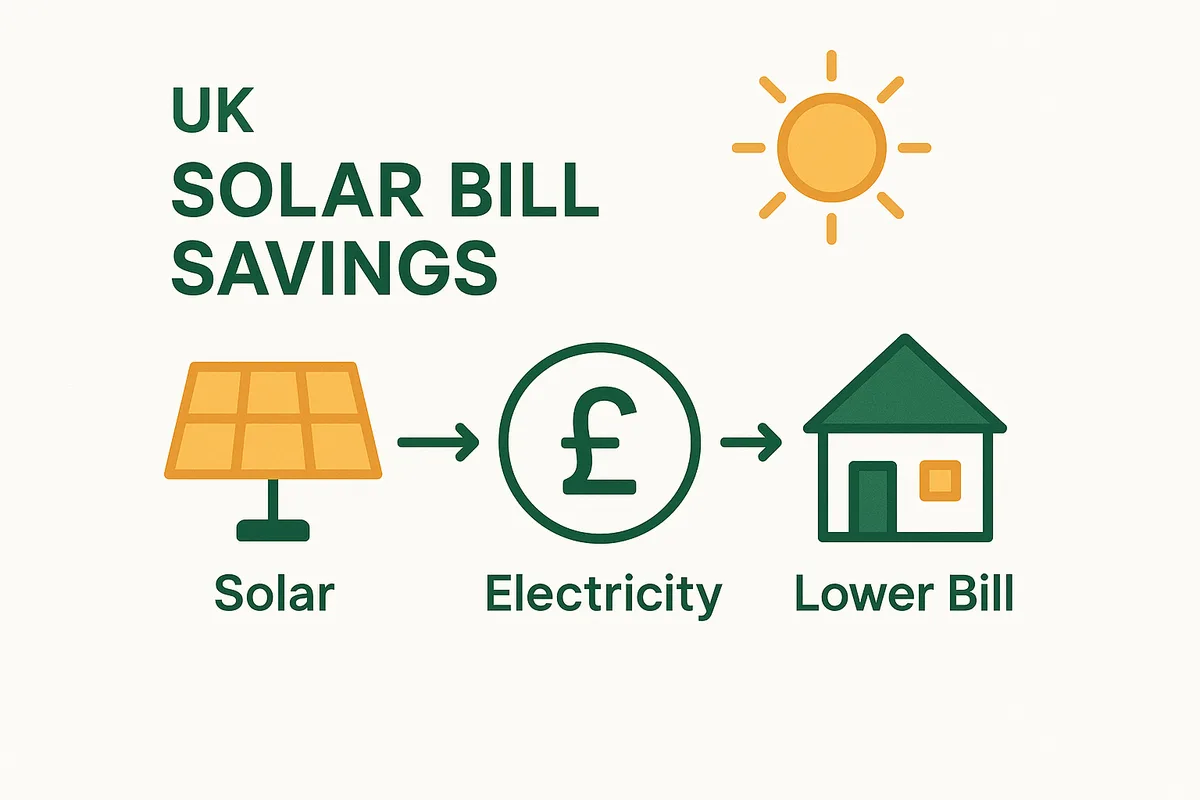
Solar panels reduce your electricity bill by replacing grid electricity with free solar electricity. A 4kW system typically cuts bills by 50–60% without a battery, or 70–85% with one. You still receive an electricity bill (for the grid electricity you use at night and in winter), but it is dramatically lower. You also earn SEG income for surplus electricity exported to the grid.
How Billing Works With Solar Panels
When you install solar panels, your electricity billing changes in two ways:
1. Your import bill drops: During daylight hours, your home uses free solar electricity instead of buying from the grid. Your smart meter records fewer imported units, so your bill falls. How much depends on how much solar you use directly (self-consumption rate).
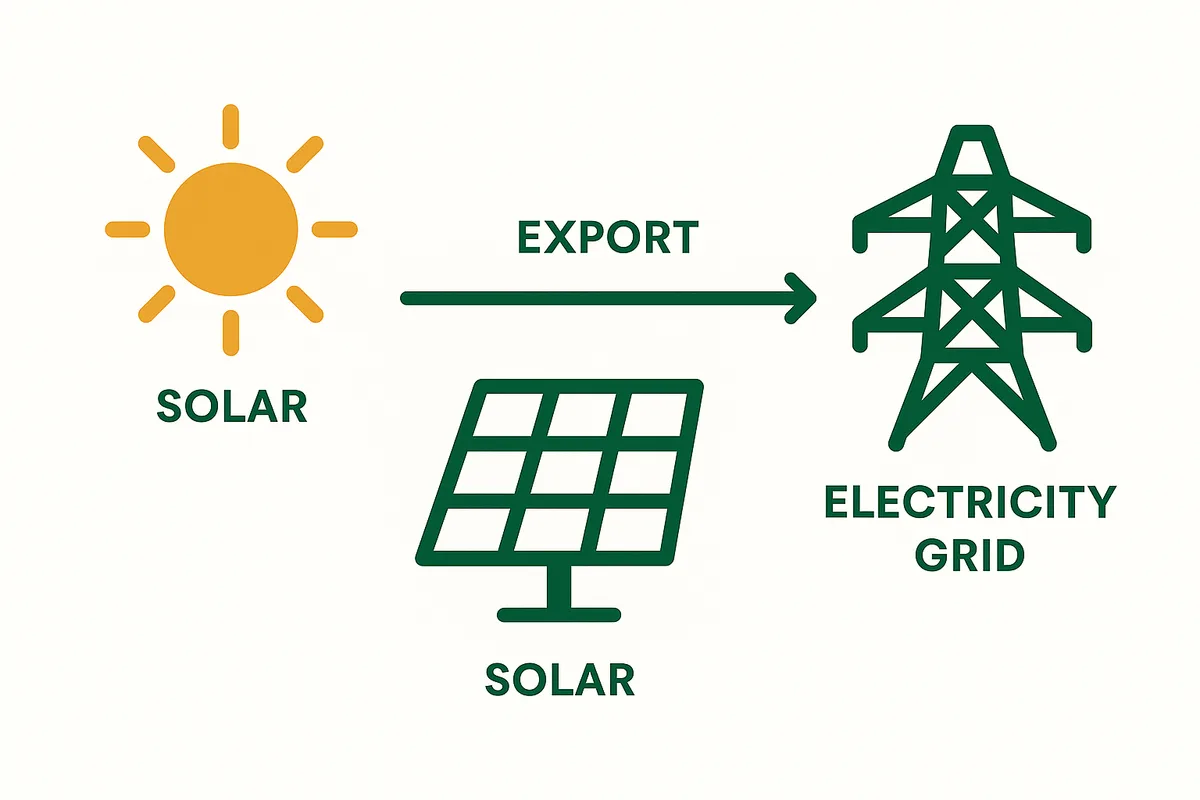
2. You earn export income: When your panels generate more than you use, the surplus flows to the grid. Under the Smart Export Guarantee (SEG), your energy supplier pays you for every kWh exported. This appears as a credit or separate payment.
Your electricity bill does NOT disappear entirely. You still buy grid electricity: - At night (panels produce nothing) - In winter evenings (low generation + high consumption) - During heavy usage periods (cooking, electric heating, EV charging) that exceed panel output
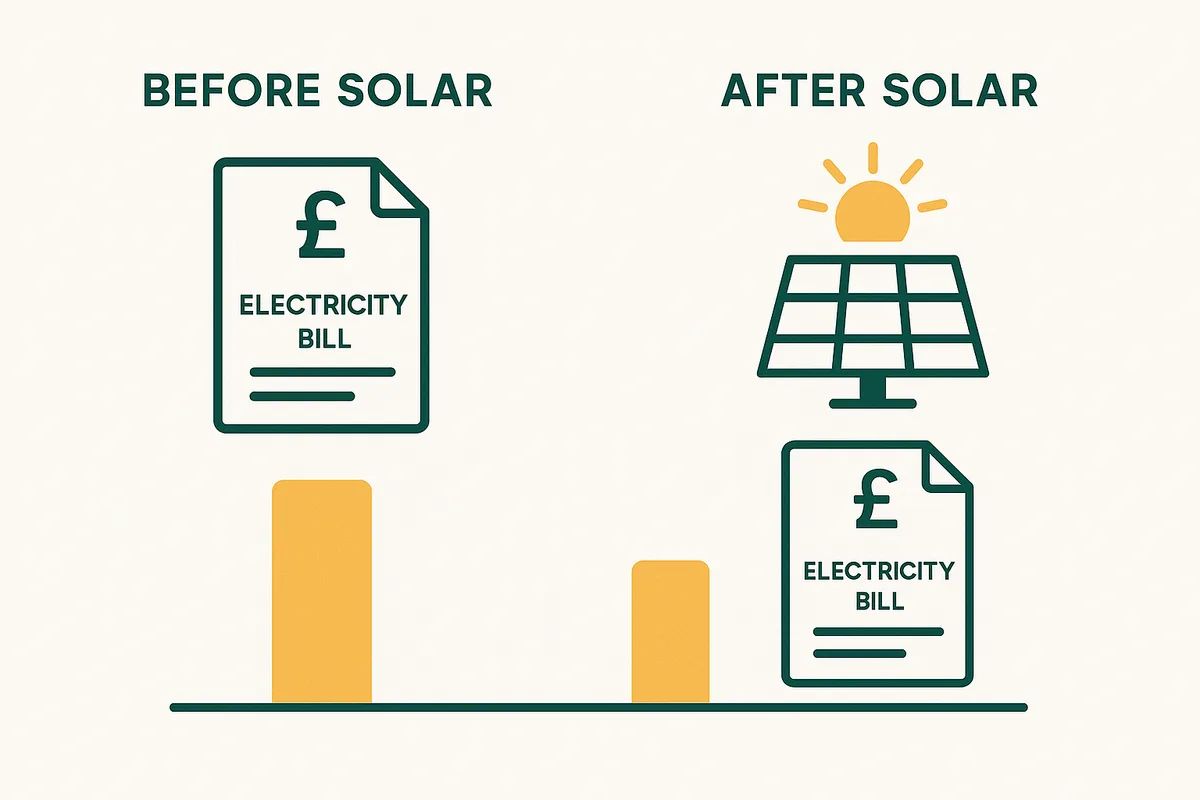
Typical bill reduction: - Before solar (average UK household): £900–£1,100/year - After solar (no battery, 50% self-consumption): £400–£550/year - After solar (with battery, 80% self-consumption): £150–£300/year
Source: Ofgem price cap, July-September 2026 (26.11p/kWh); Energy Saving Trust.
Real Bill Example: Before and After Solar
Before solar (3-bed semi, 2 adults): - Annual electricity use: 3,800 kWh - Cost at 26.11p/kWh: £931/year (£78/month) - Standing charge: £365/year (£30/month) - Total annual bill: £1,296 (£108/month)
After solar — 4kW system, no battery: - Solar generated: 4,000 kWh - Self-consumed (50%): 2,000 kWh (free) - Exported (50%): 2,000 kWh (earning SEG at 4.5p = £90) - Grid import needed: 3,800 - 2,000 = 1,800 kWh - Grid import cost: 1,800 × 26.11p = £470 - Standing charge: £365 (unchanged) - SEG income: -£90 - Net annual bill: £716 (£60/month) - Saving: £580/year (£48/month)
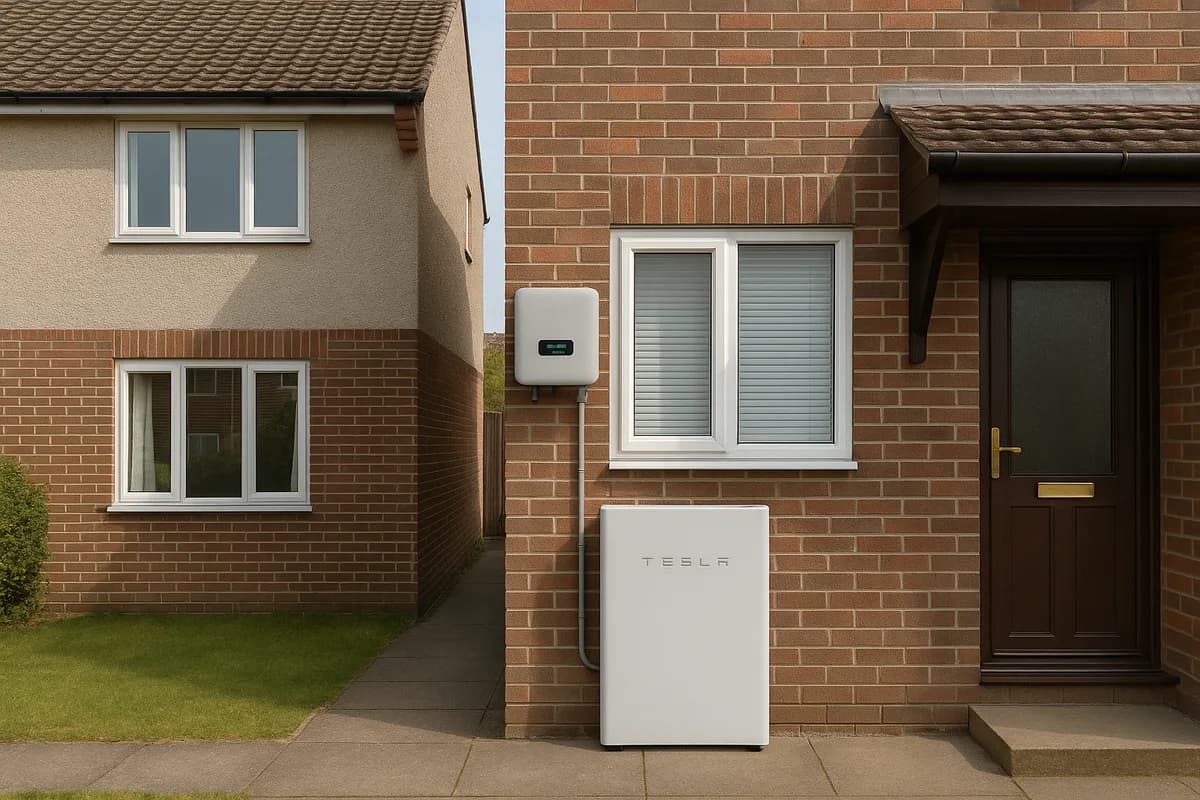
After solar — 4kW system + 10kWh battery: - Self-consumed (80%): 3,200 kWh (free) - Exported (20%): 800 kWh (earning £36) - Grid import needed: 3,800 - 3,200 = 600 kWh - Grid import cost: 600 × 26.11p = £157 - Standing charge: £365 - SEG income: -£36 - Net annual bill: £476 (£40/month) - Saving: £820/year (£68/month)
*Note: You still pay the standing charge regardless of solar. This is typically £1/day (£365/year) and is unavoidable while grid-connected.*
Source: Based on Ofgem price cap, July-September 2026 and typical domestic consumption.
Smart Meters and Solar: What Your Meter Shows
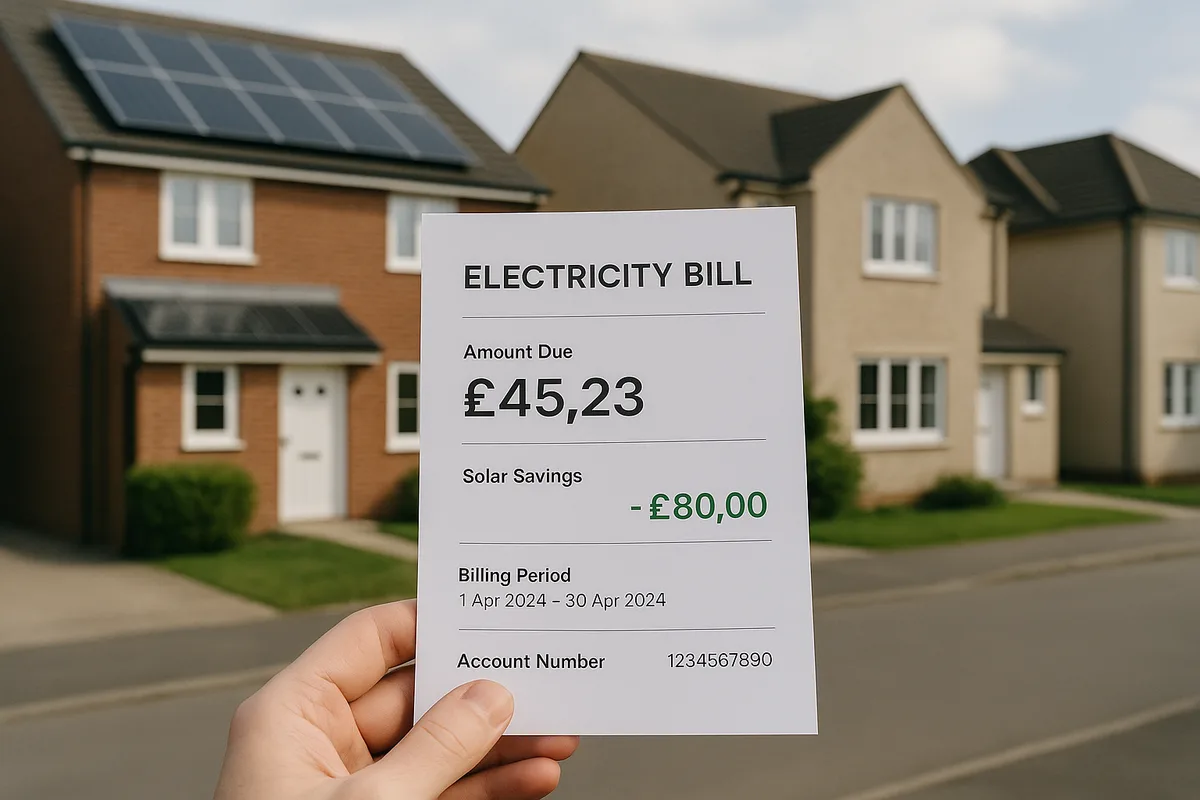
With a smart meter (required for SEG), your meter tracks two separate flows:
Import: Electricity you buy from the grid (charged at your standard tariff rate) Export: Electricity your panels send to the grid (paid at your SEG rate)
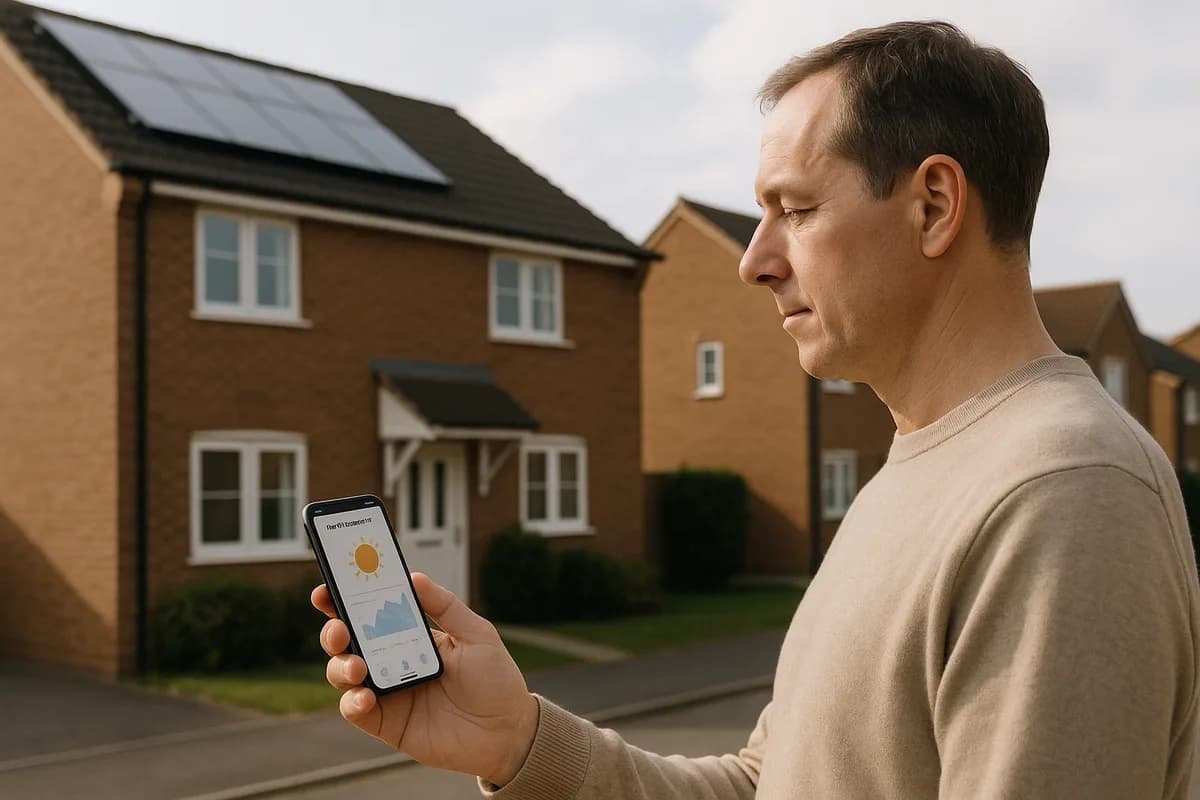
Your in-home display (IHD) shows real-time usage and generation. During the day, you may see your import reading drop to zero or near-zero when solar is covering your needs.
What your smart meter does NOT show: - How much solar you use directly (self-consumption) — this is not metered separately - Total solar generation — you need an inverter monitoring app for this - Whether your battery is charging or discharging
To get the full picture, use your inverter's monitoring app (GivEnergy, SolarEdge, Enphase etc.) alongside your smart meter data.
Source: Ofgem smart meter guidelines.
Ready to see what solar could save you?
Get free, no-obligation quotes from MCS-certified installers in your area.
Get Free Quotes
Do You Still Pay a Standing Charge?
Yes. The standing charge (approximately £1/day or £365/year) is a fixed daily fee for being connected to the grid. It applies regardless of how much electricity you use or generate.
The only way to avoid the standing charge is to disconnect from the grid entirely (go off-grid), which is impractical and not cost-effective for most UK homes.
Some suppliers offer zero-standing-charge tariffs, but these typically have a higher unit rate that may cancel out the benefit — especially for solar homes that import relatively little.
Source: Ofgem standing charge guidance.
How to Read Your Bill After Solar
Key things to check on your electricity bill after installing solar:
- Import units (kWh) should be significantly lower than before solar — check against the same period last year
- Standing charge should be unchanged
- SEG payments may appear as a credit on the same bill, or on a separate statement from your SEG provider
- If your import seems high, check your monitoring app — there may be a system issue or your usage patterns may have changed
- Compare month-to-month — summer bills should be dramatically lower; winter bills will still show meaningful grid imports
- Check you are on the best tariff — solar homes benefit from time-of-use tariffs that charge less overnight
What If Your Bill Hasn't Dropped?
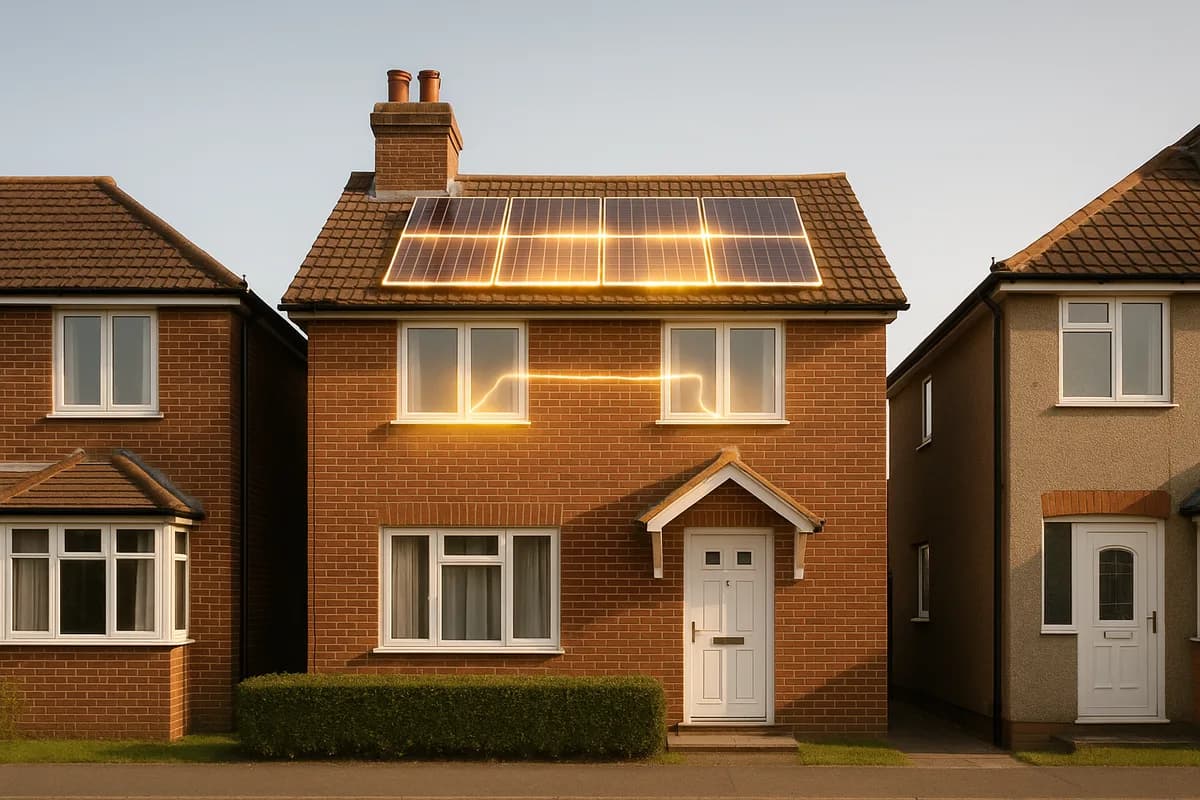
If your electricity bill has not dropped after installing solar, investigate these possible causes:
1. Your usage has increased — did you buy an EV, add electric heating, or work from home? Higher consumption offsets solar savings. 2. System fault — check your inverter for error lights. Check your monitoring app for output data. Zero output on a sunny day indicates a problem. 3. Wrong tariff — some tariffs have high unit rates that undermine savings. Switch to a competitive tariff. 4. Low self-consumption — if nobody is home during the day, most solar is exported at low SEG rates (4p) instead of used directly (saving 26.11p). A battery or smart appliance scheduling helps. 5. Estimated readings — if your supplier estimated your usage rather than reading the smart meter, the bill may not reflect actual (lower) imports.
Contact your installer if your monitoring shows normal generation but your bills remain high — there may be a metering or billing error.
Frequently Asked Questions
Related guides
Related: Home Heating Systems
Solar panels are most powerful when combined with an efficient heating system. Heat pumps use solar-generated electricity to heat your home at 300-400% efficiency — making them the ideal partner for solar.
Heat pumps use electricity at 300-400% efficiency, making them ideal partners for solar.
From our sister site Home Heat Pump Guide
You might also like
Ready to see what solar could save you?
Get free, no-obligation quotes from MCS-certified installers in your area.
Get Free QuotesFree, no obligation. Takes 2 minutes.