What Is the Smart Export Guarantee (SEG)?
Want to know what system suits this tariff?
Export tariffs pay very differently depending on your system size and whether you have a battery. See what setup would actually earn you the most at your home.
Size a System for This TariffFree. Uses your postcode and usage — no phone number needed.
What is the Smart Export Guarantee?
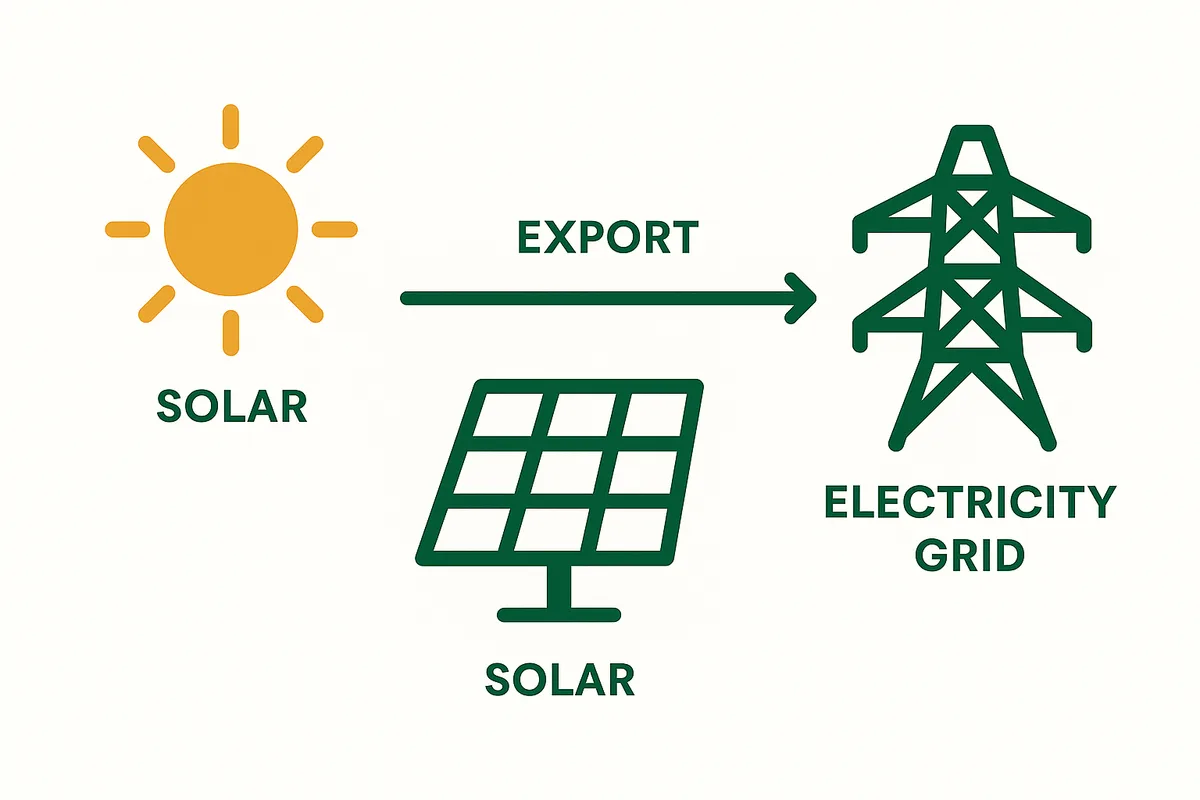
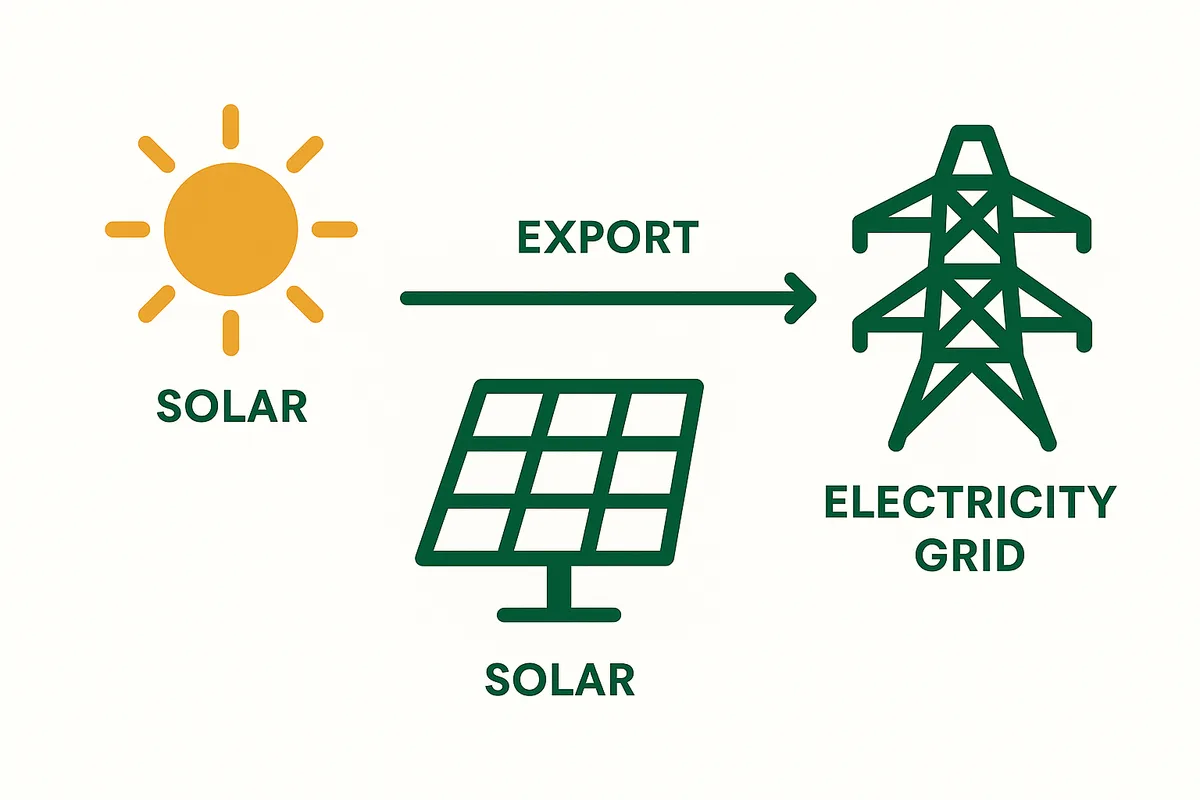
The Smart Export Guarantee (SEG) is a UK government-backed scheme that requires energy suppliers to pay you for surplus solar electricity you export to the national grid. When your panels generate more electricity than you use, the excess goes to the grid and you receive a payment per kWh — currently ranging from 4p to 15p/kWh depending on your supplier and tariff.
How the SEG Works
The process is straightforward:
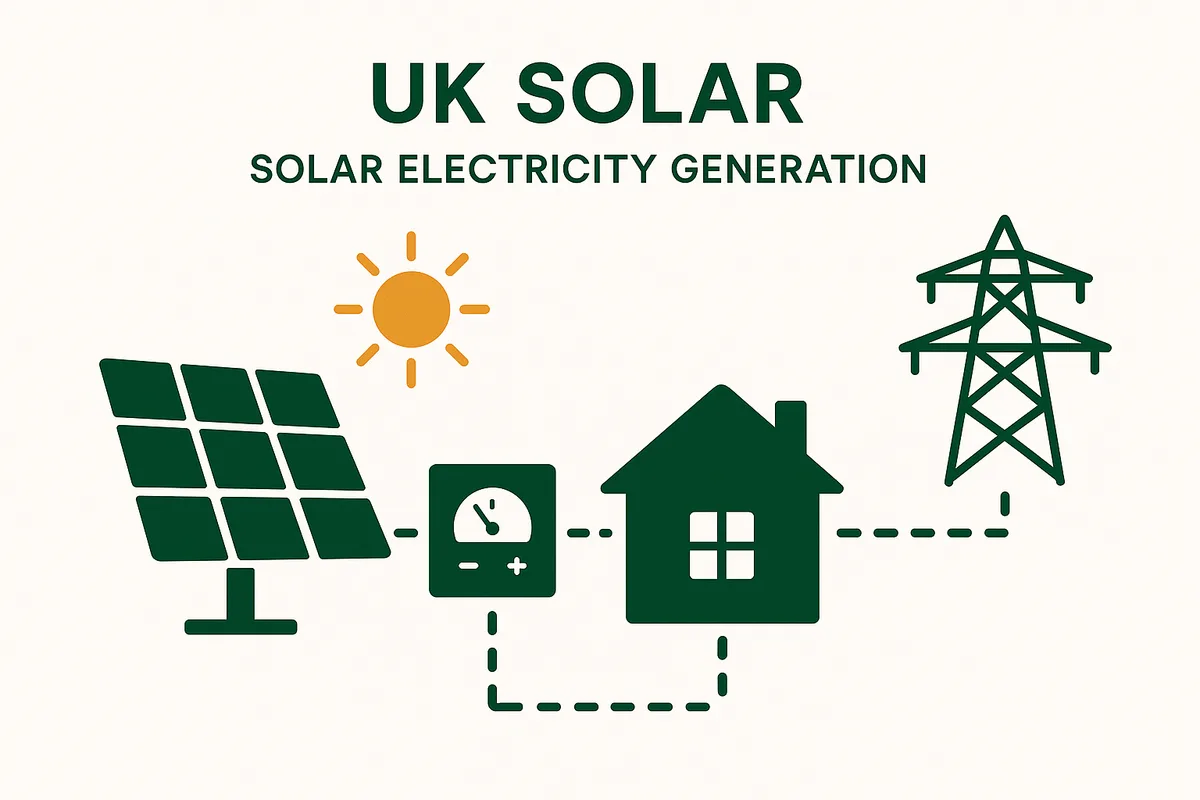
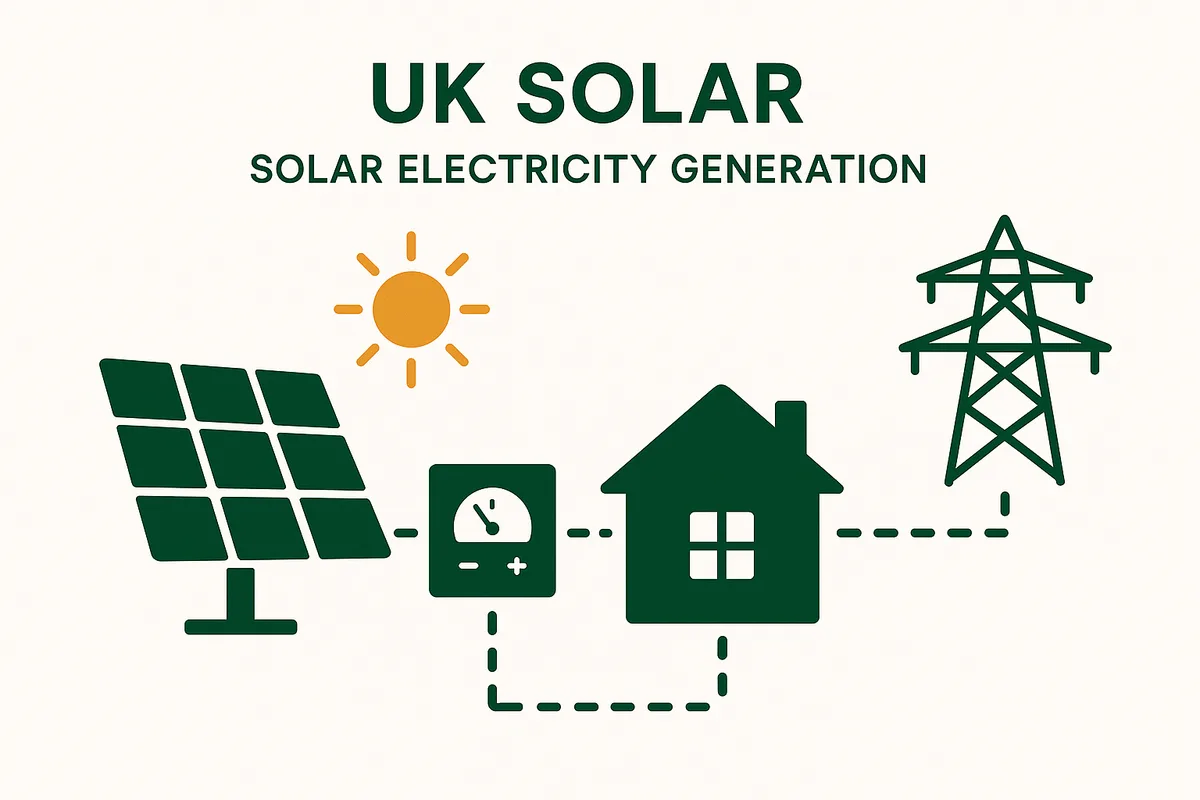
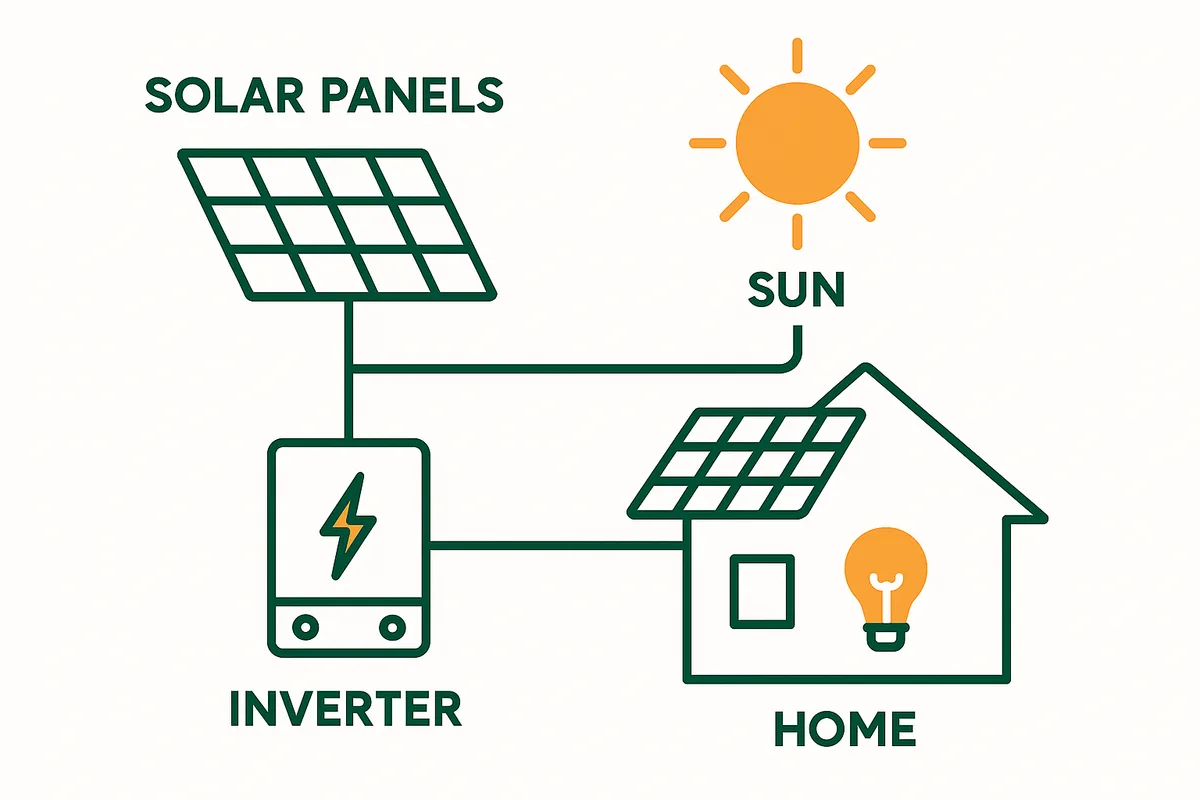
1. Your panels generate electricity — during daylight hours, solar panels produce DC electricity 2. Your home uses what it needs — the inverter prioritises powering your home 3. Surplus exports to the grid — any electricity your home doesn't use flows out through your meter to the national grid 4. Your smart meter records exports — a smart meter (required for SEG) tracks exactly how many kWh you export 5. Your supplier pays you — you receive a payment per exported kWh, either as a credit on your bill or a direct payment
Typical UK households with a 4kW solar system export 1,500–2,800 kWh per year (depending on self-consumption rate and whether they have a battery).
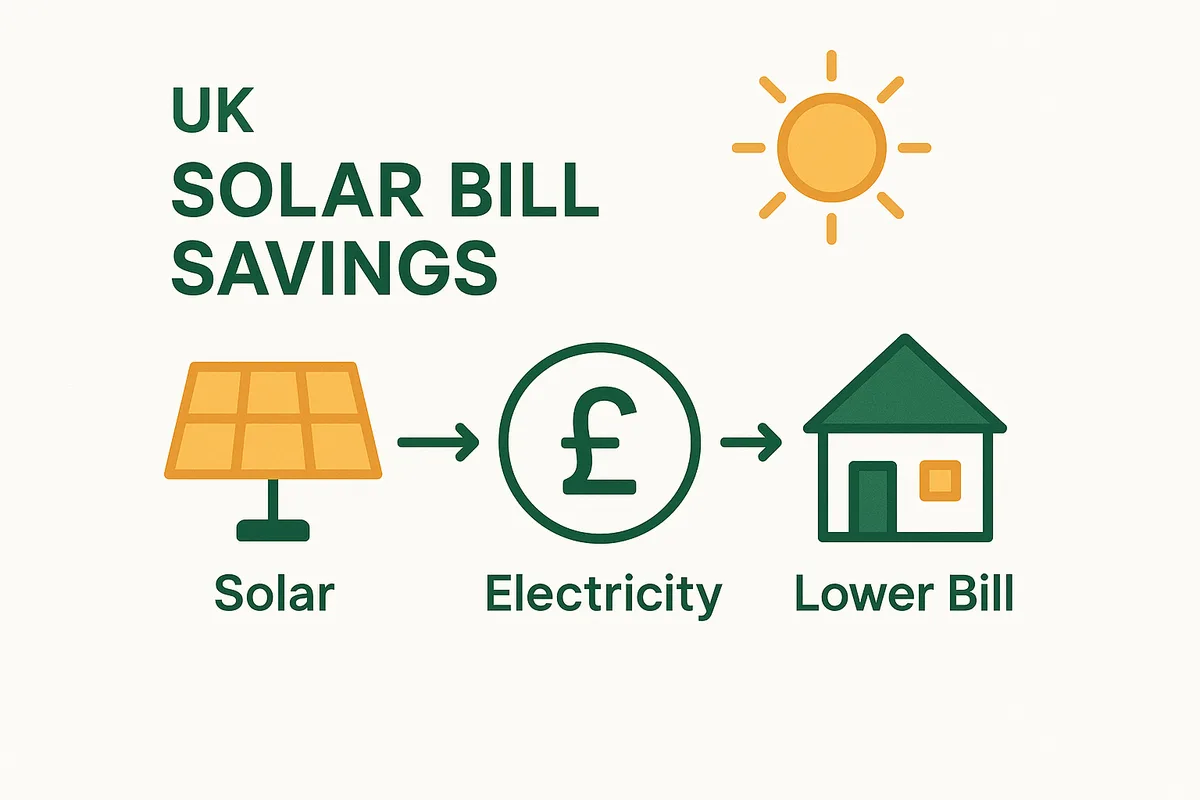
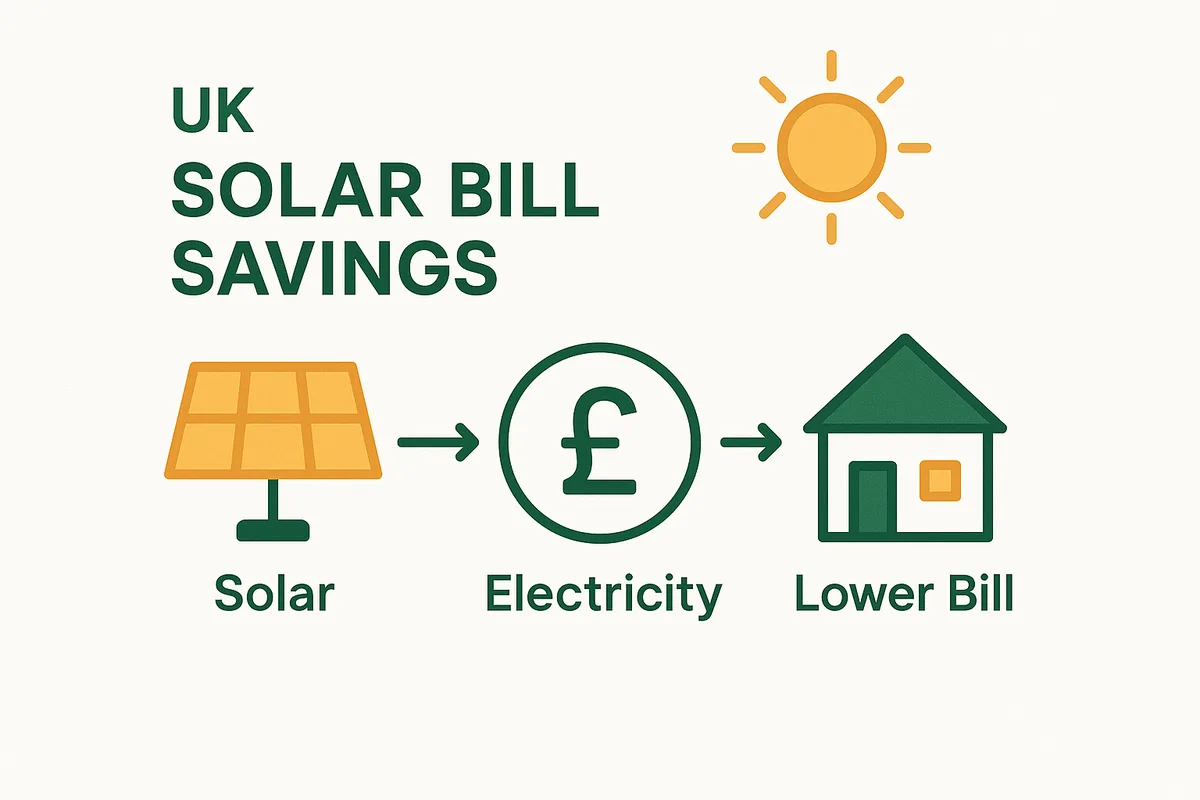
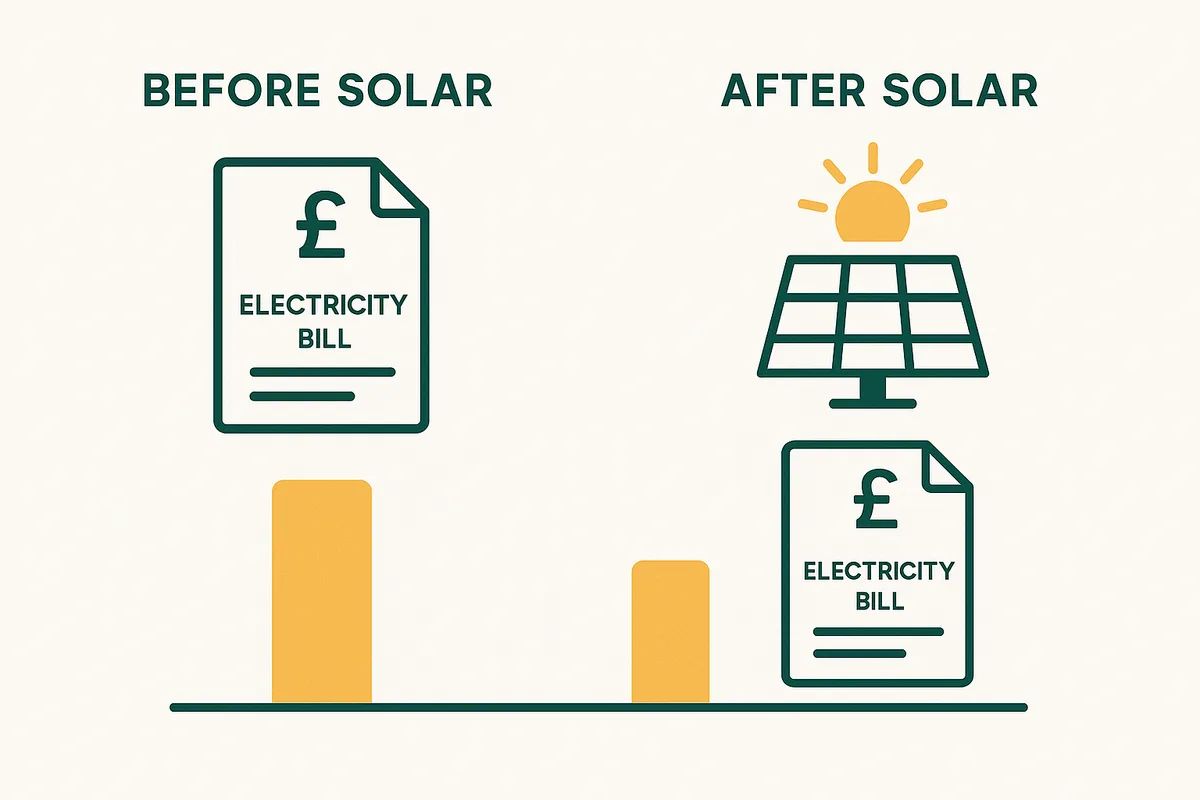
Annual SEG income examples: - 2,000 kWh exported at 4.1p/kWh (lowest rate): £82/year - 2,000 kWh exported at 12p/kWh (good fixed rate): £240/year - 2,000 kWh exported at 15p/kWh (best variable rate): £300/year
Source: Ofgem SEG guidance; supplier published tariff rates March 2026.
Best SEG Rates in 2026
SEG rates vary significantly between suppliers. All licensed suppliers with 150,000+ customers must offer a SEG tariff, but the rate they pay is their choice.
Fixed SEG tariffs (predictable income): - Octopus Energy (Fixed Export): 4.1p/kWh - British Gas (Export): 5.6p/kWh - EDF (Export): 5.0p/kWh - E.ON Next (Solar Export): 5.5p/kWh
Variable/agile SEG tariffs (higher potential, varies by time of day): - Octopus Flux (Export): 8–24p/kWh depending on time period — highest rates during 16:00–19:00 peak - Octopus Agile Outgoing: varies by half-hour — can reach 15–30p in peak demand periods
The best strategy: For most homeowners without a battery: choose a fixed SEG tariff for predictable income (5–6p/kWh).
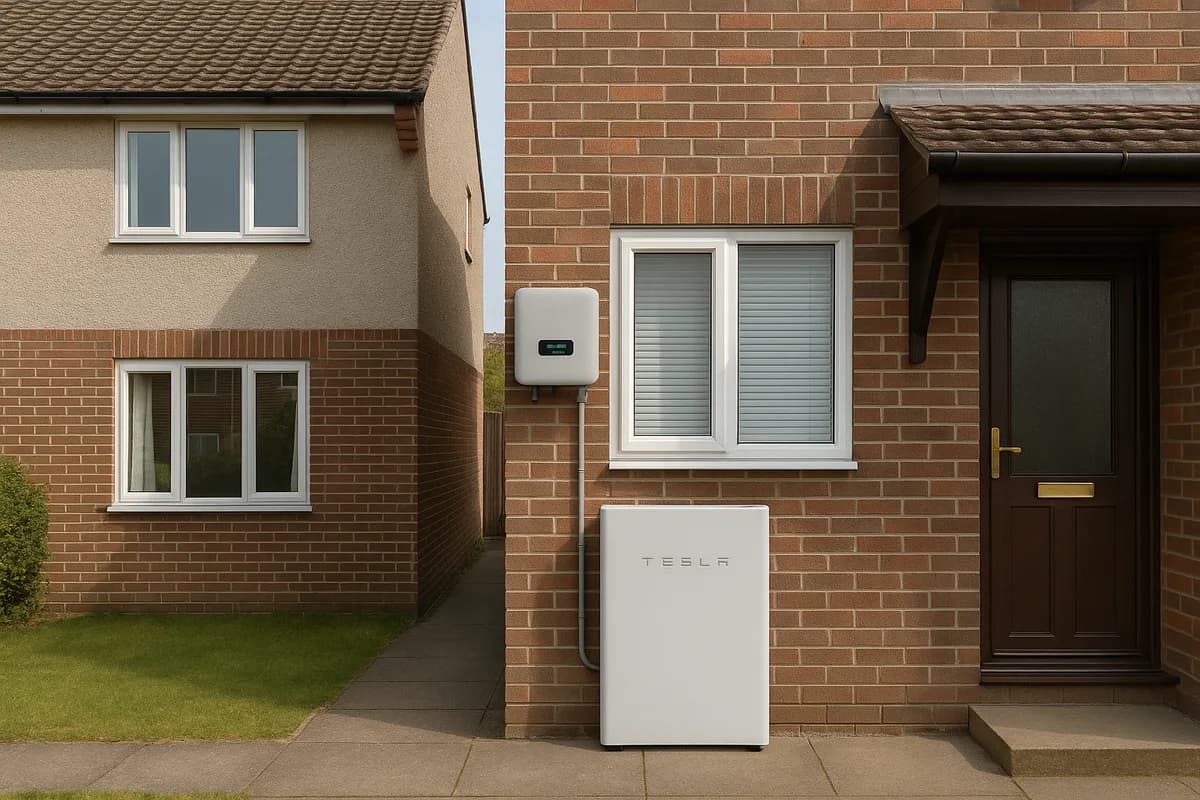
For homeowners with a battery: choose Octopus Flux — charge the battery from solar during the day, then export from the battery during 16:00–19:00 when Flux rates are highest (15–24p/kWh). This can double or triple your export income.
Source: Supplier websites and published tariff schedules, March 2026. Rates change — always check current rates before signing up.
Who Qualifies for the SEG?
Want to know what system suits this tariff?
Export tariffs pay very differently depending on your system size and whether you have a battery. See what setup would actually earn you the most at your home.
Size a System for This TariffTo receive SEG payments you must meet all of these requirements:
- Your solar panels must be installed by an MCS-certified installer — DIY installations do not qualify
- Your system must be MCS-certified (your installer provides the MCS certificate)
- Your system must be 5MW or less (all residential systems qualify)
- You must have a smart meter installed — the SEG requires half-hourly export data
- You must register with a SEG licensee (energy supplier) — you can choose any participating supplier, not just your electricity supplier
- Your installation must have a valid DNO notification (G98/G99) — your MCS installer handles this
Important: You do NOT need to be a customer of the energy supplier offering the SEG tariff. You can buy your electricity from one supplier and sell your exports to another — choose whichever pays the best SEG rate.
Source: Ofgem Smart Export Guarantee participation requirements.
SEG vs Feed-in Tariff (FIT): What Is the Difference?
The Feed-in Tariff (FIT) was the predecessor to the SEG. It closed to new applicants in March 2019. Key differences:
Feed-in Tariff (closed): - Paid for all electricity generated (not just exports) - Guaranteed rates set by the government (up to 43p/kWh when it launched in 2010) - Index-linked payments for 20 years - Extremely generous — some early adopters earn £1,000–£2,000/year
Smart Export Guarantee (current): - Only pays for electricity exported to the grid (not what you use at home) - Rates set by suppliers (typically 4–15p/kWh) - Not index-linked — rates can change - Less generous but still provides meaningful income
If you installed solar before March 2019 and are on FIT, keep it — it is significantly more valuable than the SEG. If you install now, the SEG is your export income option.
Source: Ofgem FIT and SEG scheme documentation.
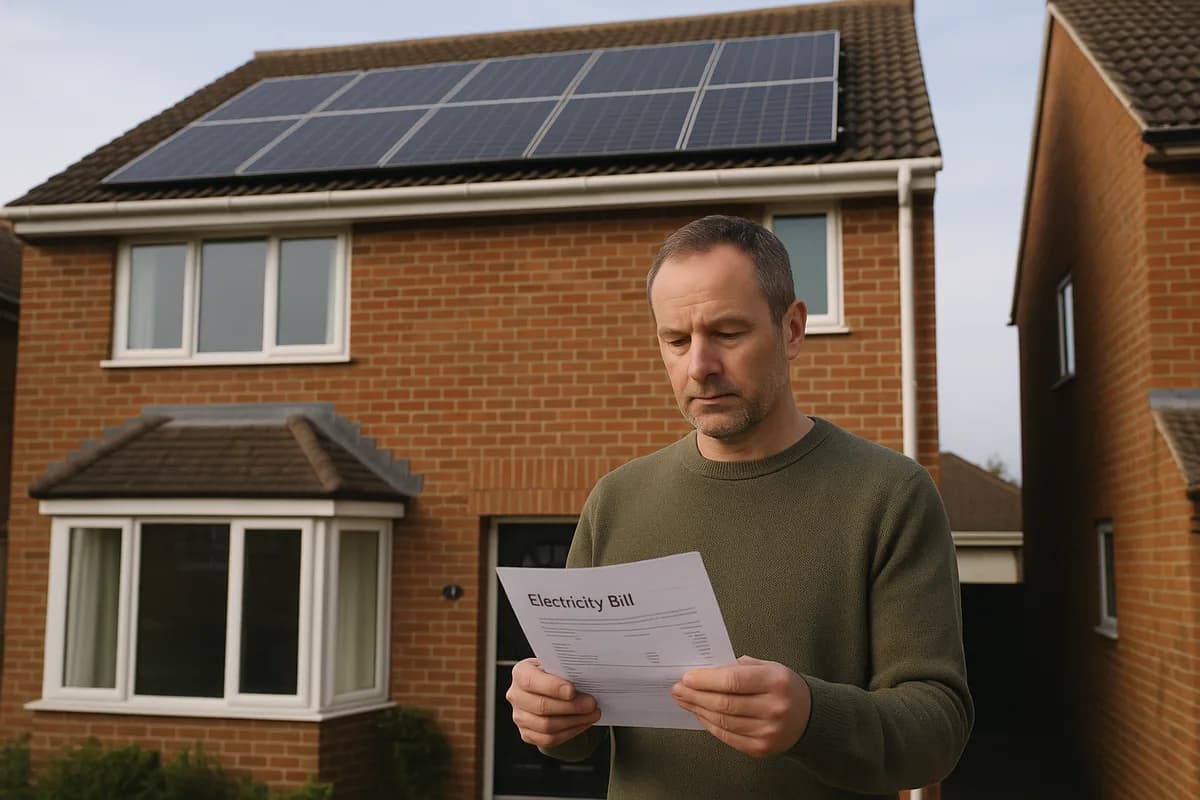
How to Sign Up for the SEG
- Complete your solar installation with an MCS-certified installer
- Receive your MCS certificate from the installer
- Ensure you have a smart meter installed (contact your energy supplier if you don't have one — they are free)
- Compare SEG rates from all participating suppliers
- Register with your chosen SEG supplier — you'll need your MCS certificate, smart meter details, and system specifications
- Start earning — SEG payments are usually credited quarterly or monthly depending on the supplier
Frequently Asked Questions
Related guides
You might also like

Want to know what system suits this tariff?
Export tariffs pay very differently depending on your system size and whether you have a battery. See what setup would actually earn you the most at your home.
Size a System for This TariffFree. Uses your postcode and usage — no phone number needed.