How Much Do Solar Panels Save Per Year?
What would this actually cost at your home?
Installed prices vary widely by roof, access and region. Get an installed price for your property from MCS-certified installers.
Get an Installed PriceFree, no obligation. Takes about 2 minutes.
How much money do solar panels save per year in the UK?
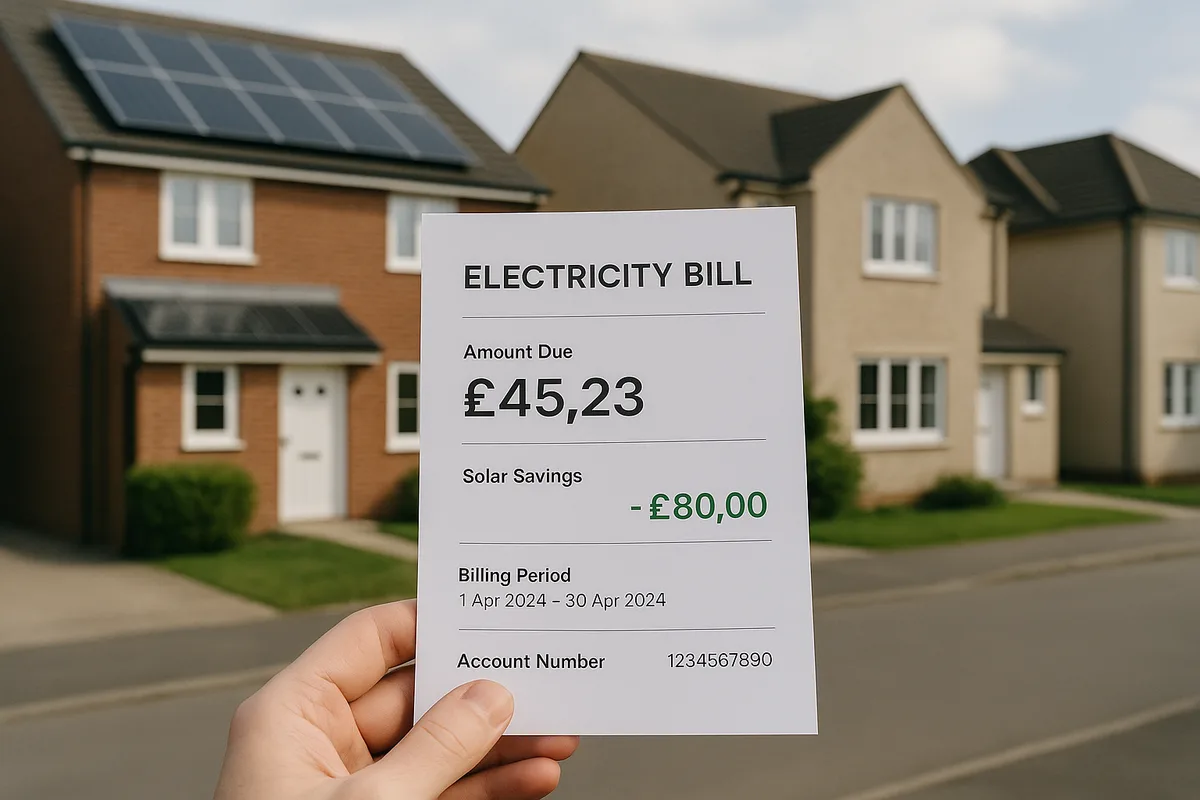
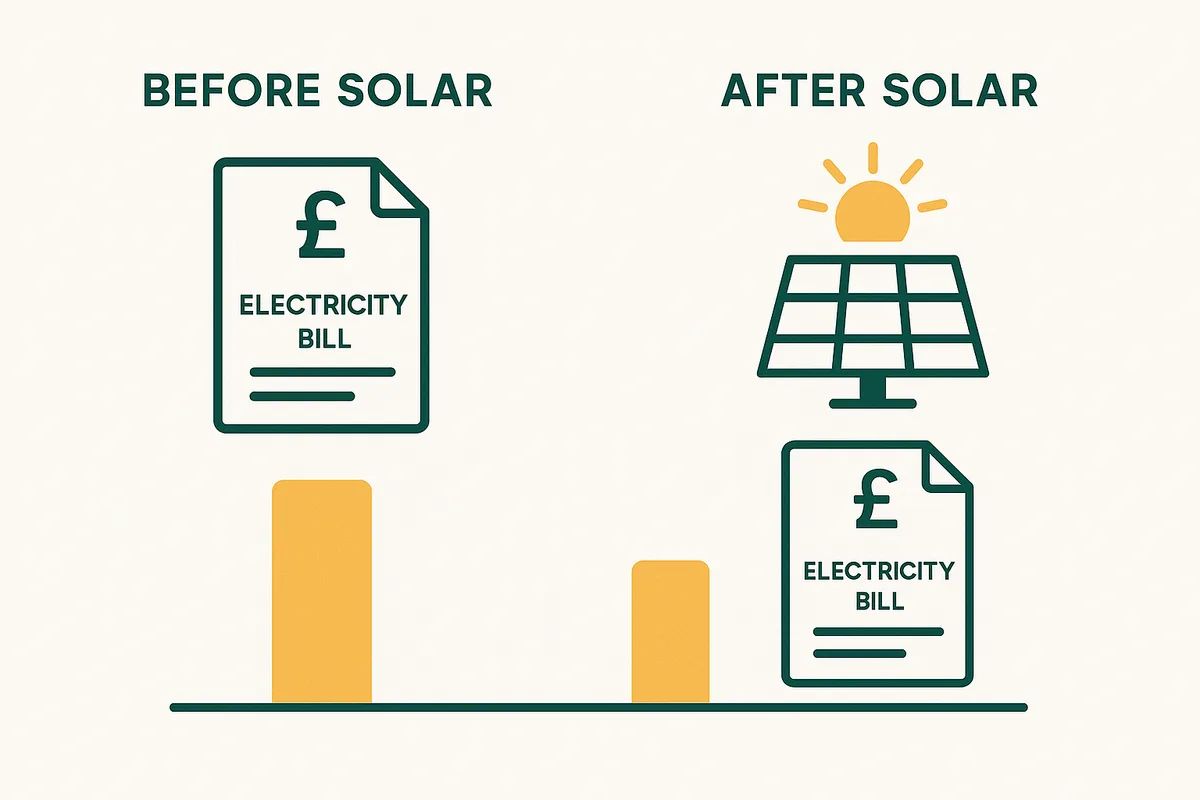
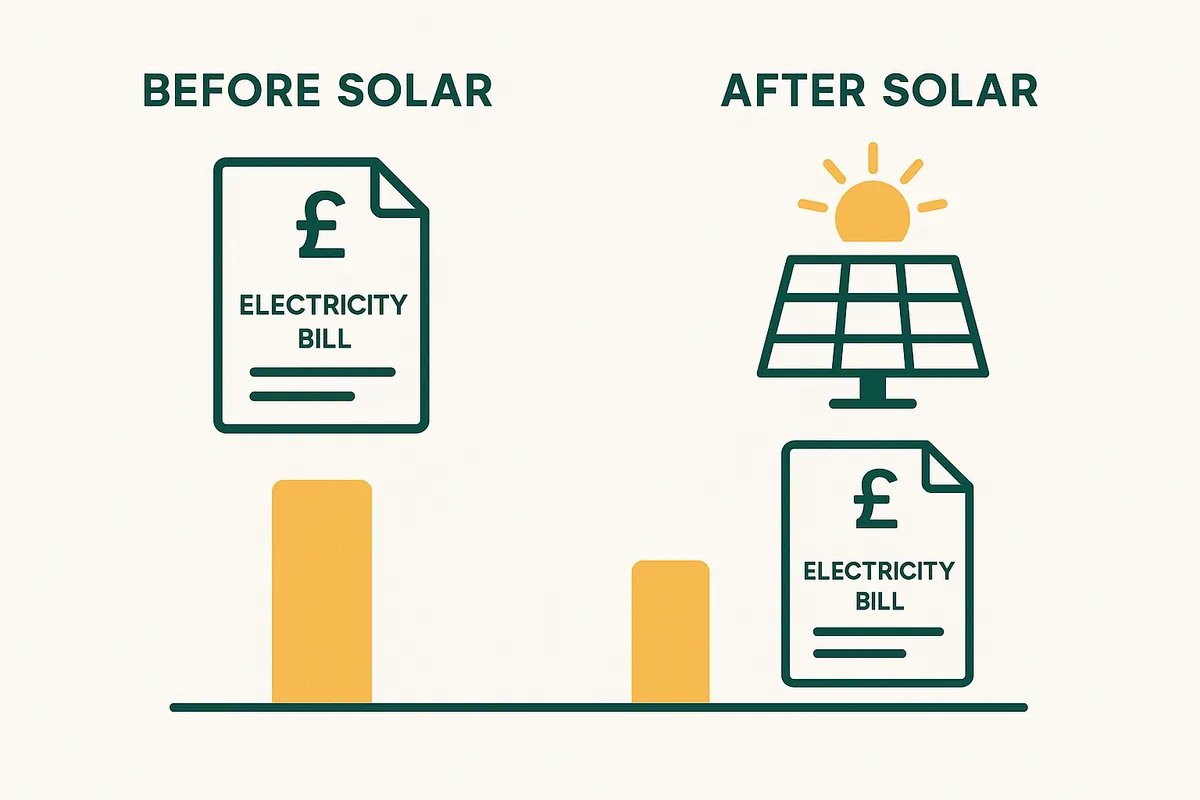
A typical 4kW solar panel system saves UK homeowners £800–£1,100 per year through a combination of reduced electricity bills and Smart Export Guarantee (SEG) income. This is based on generating 3,800–4,200 kWh annually, self-consuming 50% at 26.11p/kWh (saving ~£475–£515), and exporting the remaining 50% at 4–15p/kWh (earning ~£80–£315). Adding a battery increases self-consumption and total savings.
Savings by System Size
Annual savings depend primarily on system size and how much solar electricity you use directly (self-consumption rate).
Without a battery (50% self-consumption):
| System | Annual Gen | Self-Consumed | Bill Saving | SEG Income | Total Saved |
|---|---|---|---|---|---|
| 3kW | 3,000 kWh | 1,500 kWh | £368 | £68 | £436 |
| 4kW | 4,000 kWh | 2,000 kWh | £490 | £90 | £580 |
| 5kW | 5,000 kWh | 2,500 kWh | £613 | £113 | £726 |
| 6kW | 6,000 kWh | 3,000 kWh | £735 | £135 | £870 |
With a battery (80% self-consumption):
| System | Annual Gen | Self-Consumed | Bill Saving | SEG Income | Total Saved |
|---|---|---|---|---|---|
| 3kW | 3,000 kWh | 2,400 kWh | £588 | £27 | £615 |
| 4kW | 4,000 kWh | 3,200 kWh | £784 | £36 | £820 |
| 5kW | 5,000 kWh | 4,000 kWh | £980 | £45 | £1,025 |
| 6kW | 6,000 kWh | 4,800 kWh | £1,176 | £54 | £1,230 |
*Calculations based on: 26.11p/kWh electricity rate (Ofgem price cap July-September 2026), 4.5p/kWh SEG export rate, south-facing roof, no shading.*
Source: Ofgem price cap, July-September 2026; average SEG rates.
What Affects Your Actual Savings?
These factors determine where in the savings range you fall:
- Self-consumption rate — the more solar you use directly (instead of exporting), the more you save. 26.11p/kWh saved is worth 5–6x more than 4.5p/kWh exported.
- Electricity usage patterns — if you're home during the day (retirees, remote workers), you self-consume more and save more.
- Battery storage — a battery raises self-consumption from 50% to 80%, adding £200–£400/year in extra savings.
- Electricity price — if prices rise (as they have historically), your savings increase proportionally. Every 1p/kWh increase adds ~£20–£40/year to savings.
- SEG tariff chosen — rates range from 4p to 15p/kWh. Choosing Octopus Flux with a battery can earn 8–24p/kWh during peak export windows.
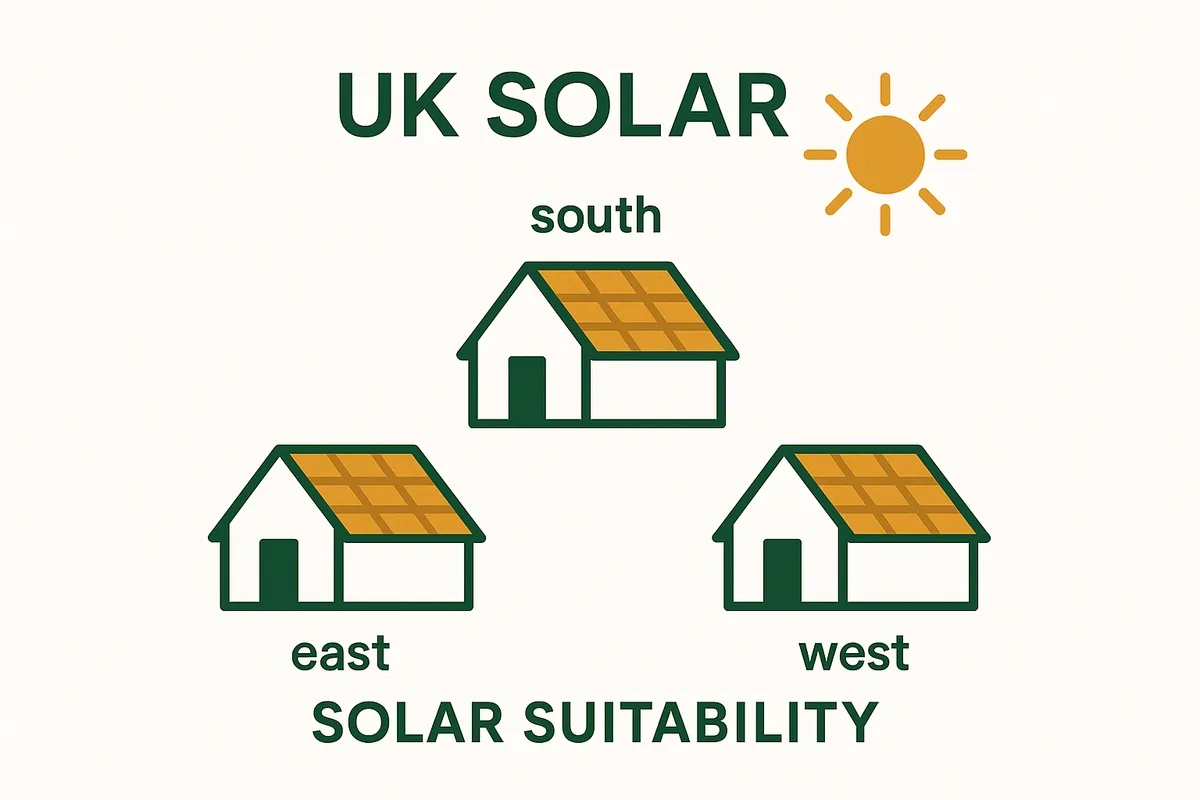
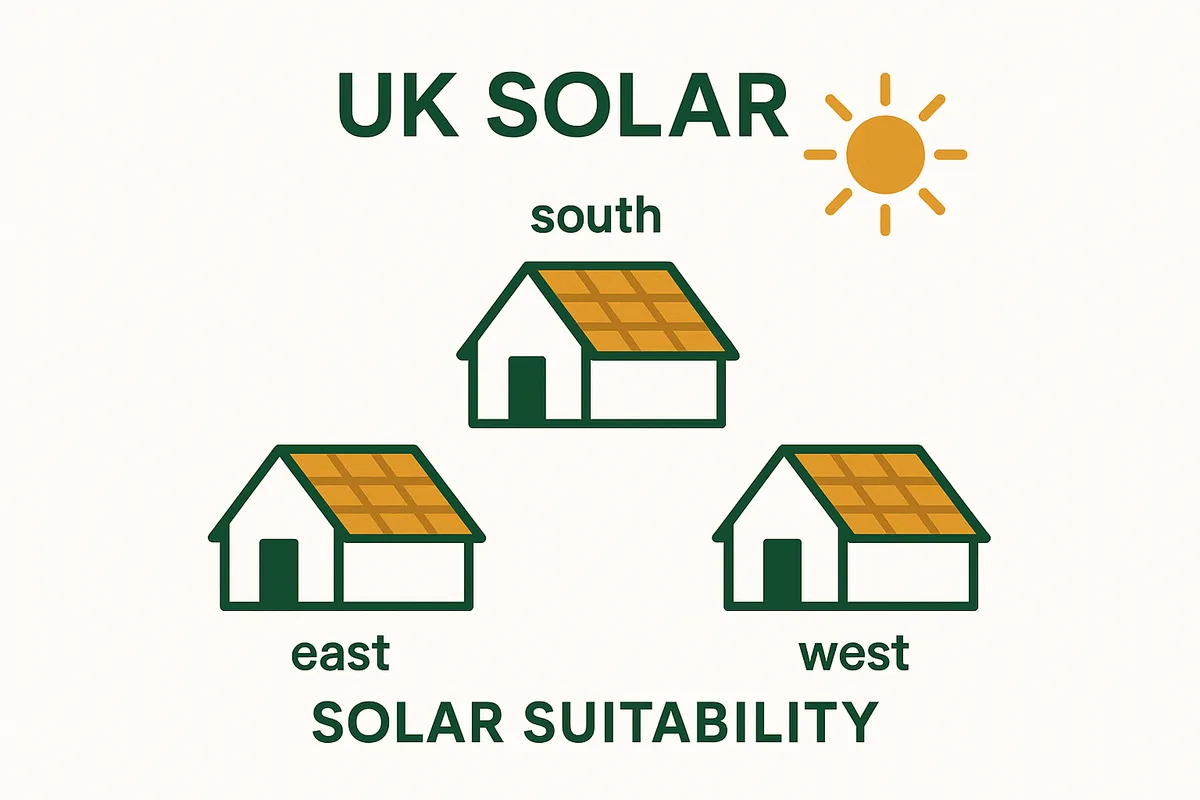
- Roof direction — south-facing produces 100% of optimal output. East/west produces 80–85%. This directly affects generation and savings.
- Location — southern England generates 10–15% more than northern Scotland due to higher solar irradiance.
- Shading — even partial shade from trees or neighbouring buildings can reduce savings by 10–30%.
- System degradation — panels lose ~0.4% per year. Year 25 savings are approximately 10% lower than year 1.
How Savings Break Down Month by Month
What would this actually cost at your home?
Installed prices vary widely by roof, access and region. Get an installed price for your property from MCS-certified installers.
Get an Installed PriceSolar savings are not evenly distributed throughout the year. Generation peaks in summer and drops in winter:
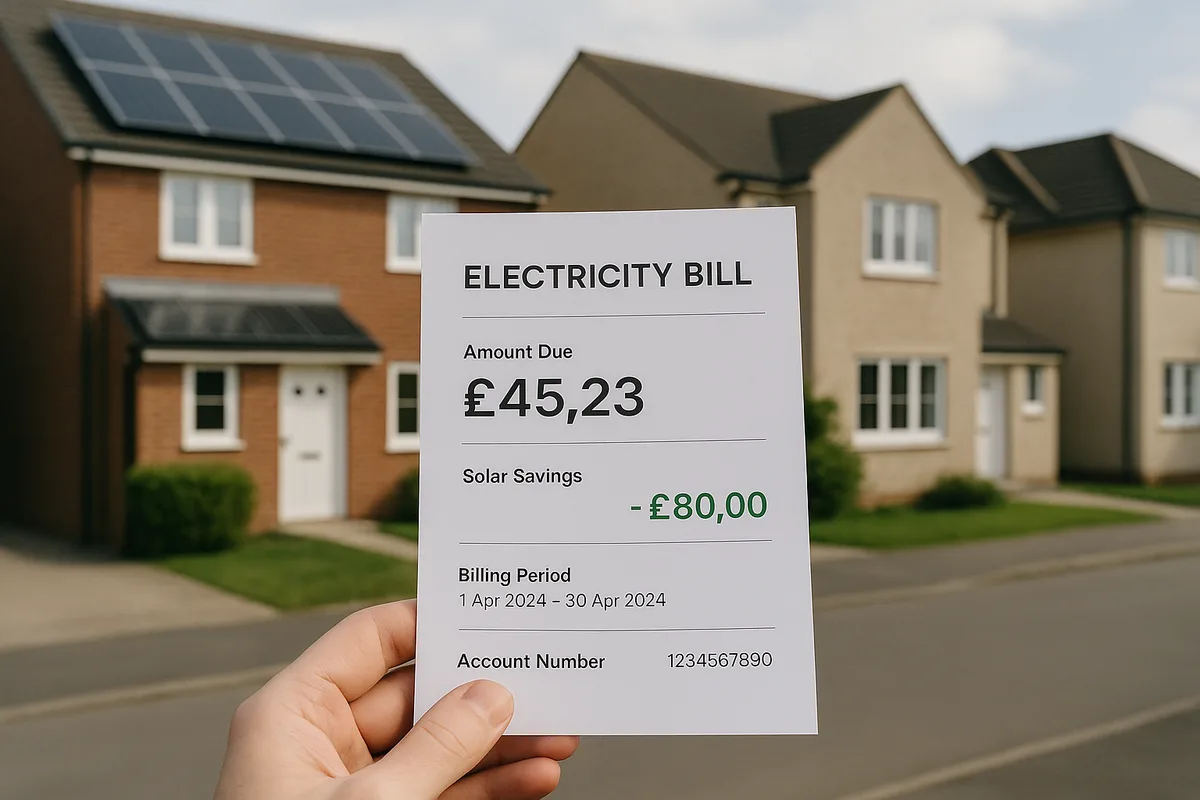
Monthly savings estimate for a 4kW system (without battery): - January: £20–£30 (low generation, high consumption) - February: £25–£35 - March: £45–£60 - April: £65–£80 - May: £75–£95 (peak savings month) - June: £80–£100 - July: £75–£95 - August: £70–£85 - September: £55–£70 - October: £35–£50 - November: £25–£35 - December: £15–£25
Roughly 70% of annual savings come between March and September. Winter months still contribute, but modestly.
With a battery, winter savings improve significantly because you capture daytime generation for evening use — potentially doubling December/January savings.
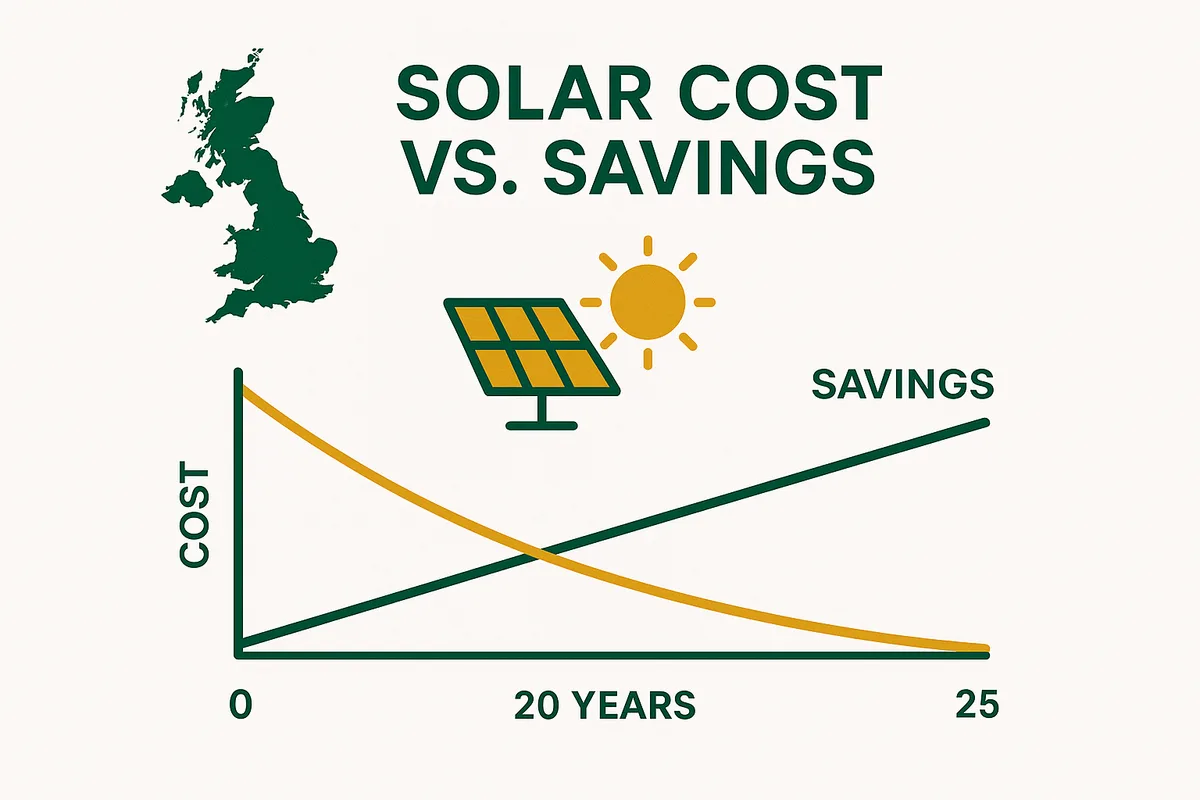
Lifetime Savings: The Full 25-Year Picture
Solar is a long-term investment. Here is the full financial picture:
4kW system without battery: - Installation cost: £5,500–£8,000 - Annual savings (year 1): £580 - Inverter replacement (year 12): £1,000 - 25-year total savings: £14,500 - Net profit after costs: £5,500–£9,000 - Return on investment: 100–165%
4kW system with 10kWh battery: - Installation cost: £9,000–£14,000 - Annual savings (year 1): £820 - Inverter replacement (year 12): £1,500 - Battery replacement (year 13): £3,000 - 25-year total savings: £20,500 - Net profit after costs: £2,000–£11,500 - Return on investment: 15–130%
Panels alone deliver the strongest financial return. Batteries improve savings but their higher cost and replacement need weaken the pure ROI. However, batteries also provide energy independence and backup power — benefits that do not appear in the financial calculation.
Source: Energy Saving Trust; Ofgem; MCS installer pricing 2026.
How to Maximise Your Savings
- Use solar directly — run high-energy appliances (dishwasher, washing machine, tumble dryer) during daylight hours when panels are generating
- Add a battery — increases self-consumption from 50% to 80%, saving an additional £200–£400/year
- Choose the best SEG tariff — Octopus Flux with a battery can earn 3–5x more than a basic fixed SEG rate
- Use a time-of-use tariff — charge battery cheaply overnight (7.5p/kWh on Octopus Go), use stored energy during expensive peak hours
- Install an EV charger — solar-charged EV driving saves an additional £400–£550/year versus grid-rate charging
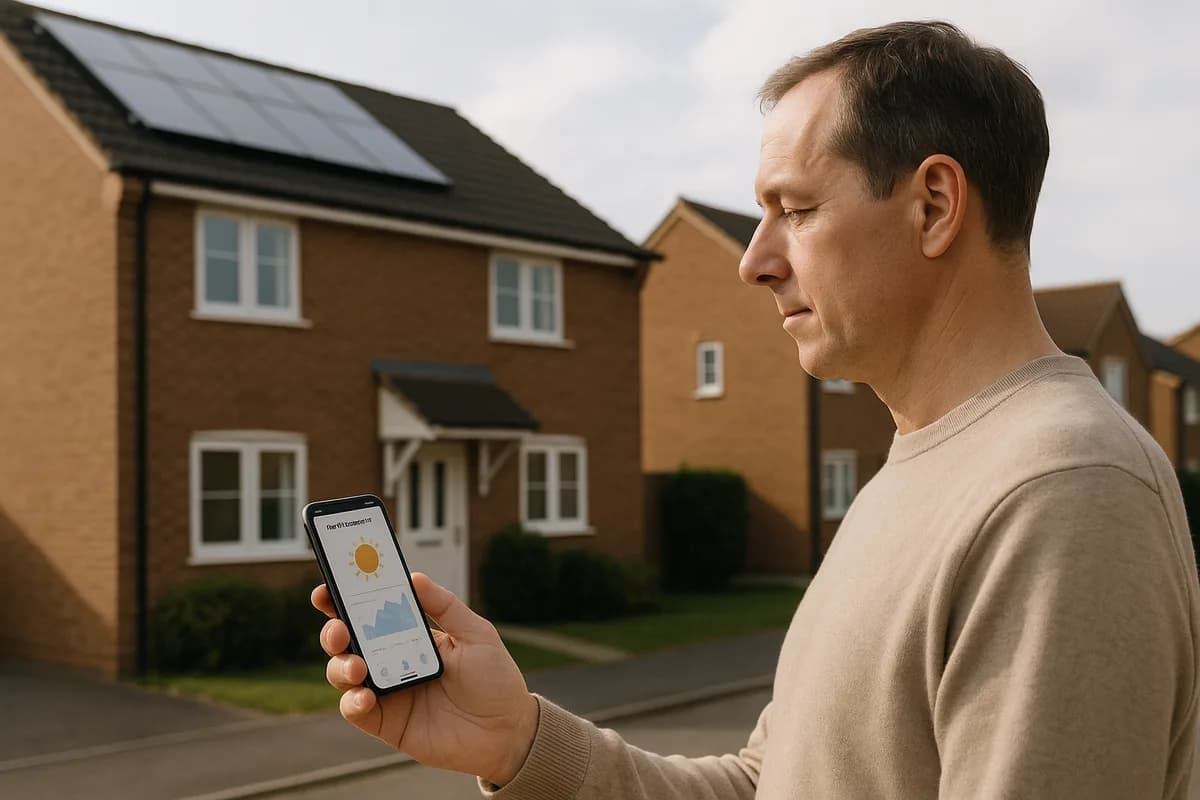
- Monitor your system — a monitoring app shows exactly when you generate and consume, helping you shift usage to sunny hours
- Keep panels clean — dirty panels lose 2–5% of output, which is £12–£30/year in lost savings
Frequently Asked Questions
Related guides
Related: Home Heating Systems
Solar panels are most powerful when combined with an efficient heating system. Heat pumps use solar-generated electricity to heat your home at 300-400% efficiency — making them the ideal partner for solar.
Heat pumps use electricity at 300-400% efficiency, making them ideal partners for solar.
From our sister site Home Heat Pump Guide
You might also like

What would this actually cost at your home?
Installed prices vary widely by roof, access and region. Get an installed price for your property from MCS-certified installers.
Get an Installed PriceFree, no obligation. Takes about 2 minutes.