Solar Panels for a 5 Bed House
What would this actually cost at your home?
Installed prices vary widely by roof, access and region. Get an installed price for your property from MCS-certified installers.
Get an Installed PriceFree, no obligation. Takes about 2 minutes.
How many solar panels does a 5-bed house need?
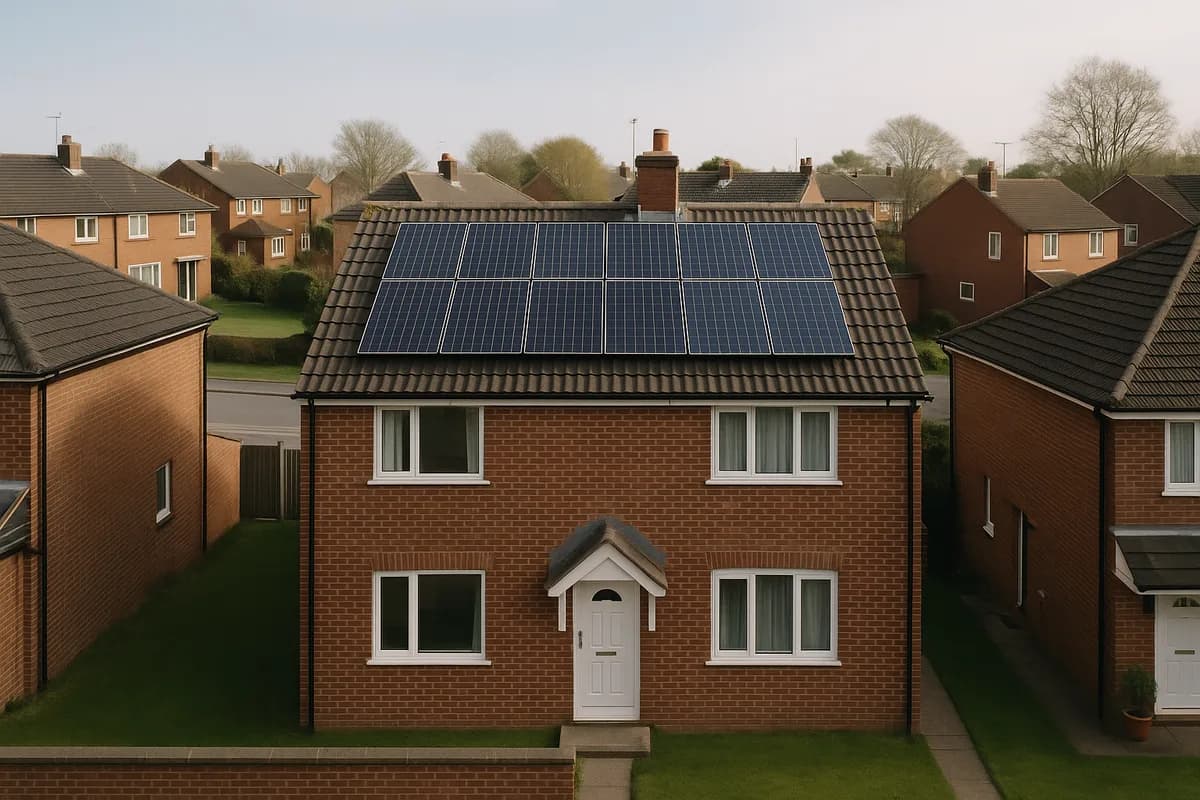
A 5-bed house typically needs a 5–6kW solar panel system (13–16 panels). This costs £6,500–£11,000 installed and saves £850–£1,150 per year. Payback period: 8–10 years. Larger 5-bed homes with high consumption (EV, heat pump, home office) should consider 6–8kW systems. A battery is strongly recommended for 5-bed homes due to high evening consumption.
System Sizing for a 5 Bed House
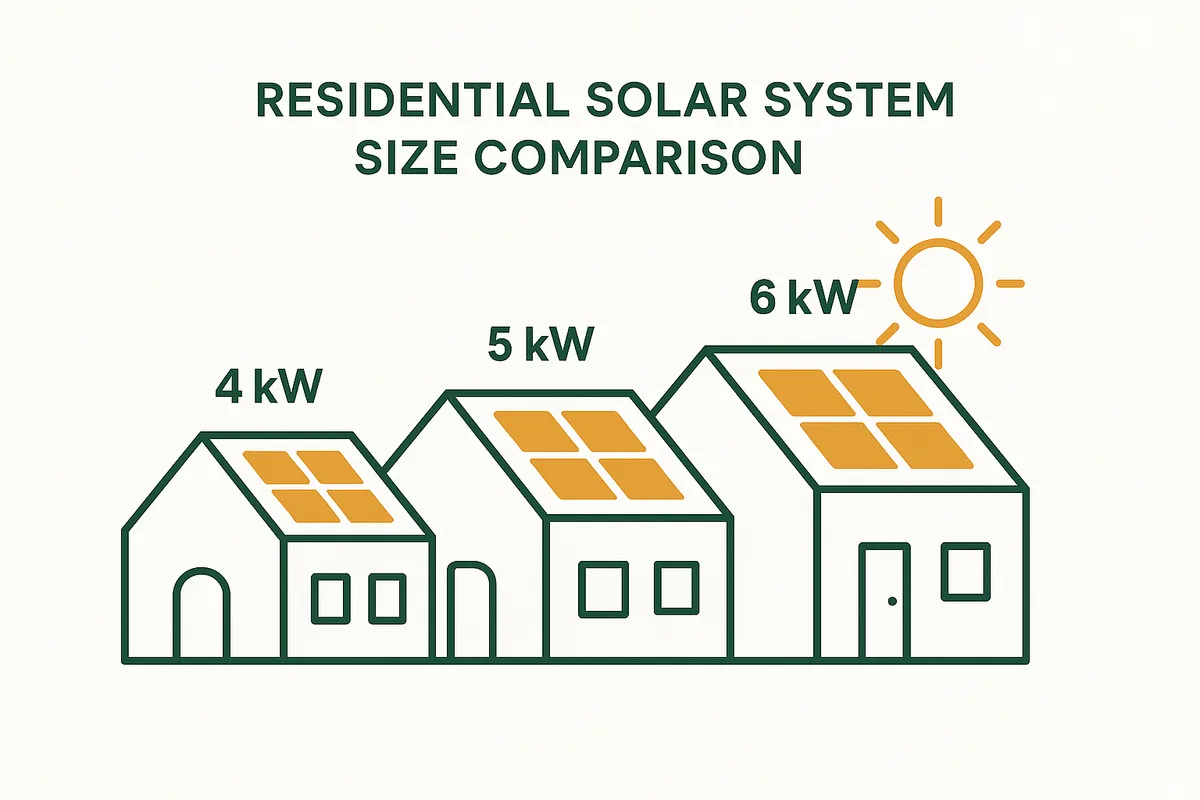
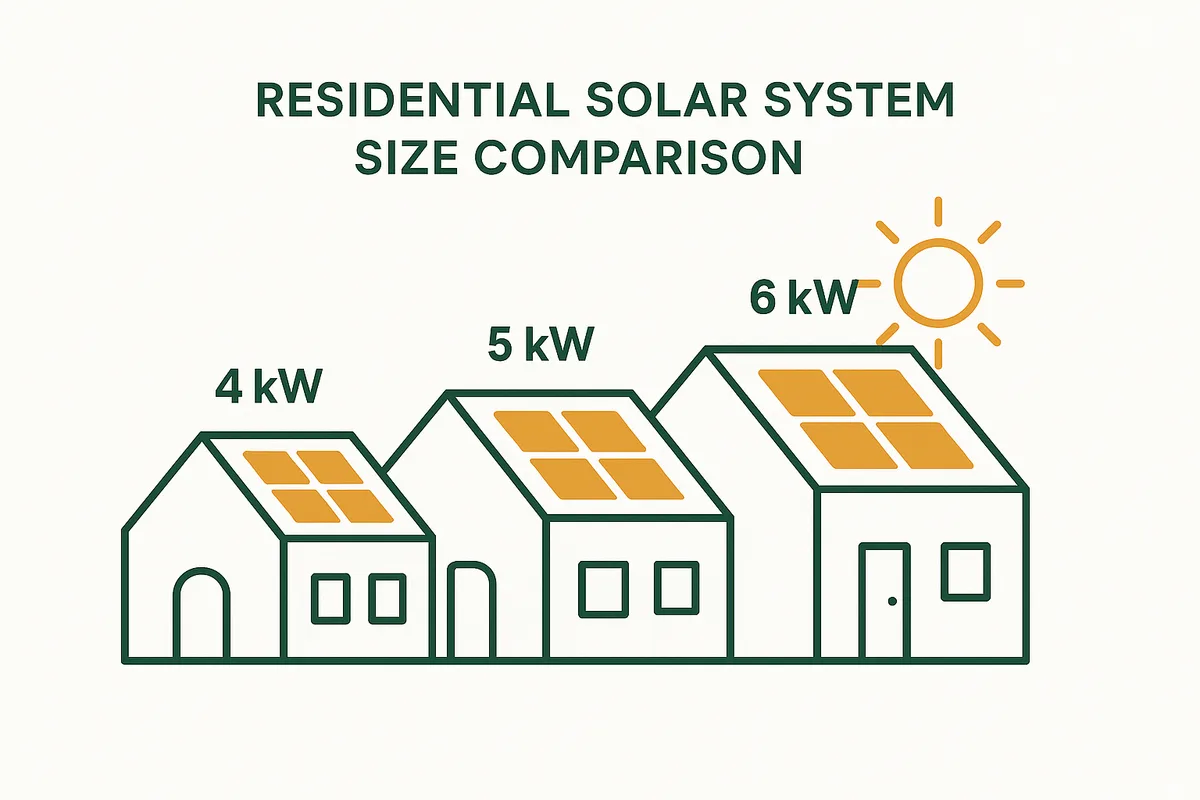
5-bed homes typically use 5,000–7,000 kWh of electricity per year — significantly more than the UK average of 3,700 kWh. This higher consumption means a larger solar system delivers proportionally better returns:
5kW system (13 panels): - Annual generation: 4,700–5,200 kWh - Covers: 67–100% of electricity usage - Cost: £6,500–£9,500 - Annual savings: £850–£950 - Payback: 8–10 years
6kW system (16 panels): - Annual generation: 5,600–6,200 kWh - Covers: 80–100%+ of electricity usage - Cost: £8,000–£11,000 - Annual savings: £950–£1,150 - Payback: 8–10 years
8kW system (20 panels): - Annual generation: 7,500–8,400 kWh - Covers: 100%+ of most 5-bed homes - Cost: £10,000–£14,000 - Annual savings: £1,100–£1,350 - Payback: 8–11 years
Recommendation: Install the largest system your roof and budget allow. 5-bed homes have the electricity consumption to use most of what a large system generates, making the ROI excellent.
Source: Ofgem large home consumption data; PVGIS; MCS pricing.
Why Larger Homes Get Better Solar Returns
Counter-intuitively, larger homes often see better solar returns than smaller ones:
Higher self-consumption: Larger households typically have someone home during the day (children, retired occupants, remote workers), which means more solar is used directly at 26.11p/kWh rather than exported at 4p/kWh.
Higher baseline bills: A 5-bed home spending £1,500–£2,000/year on electricity sees a larger absolute saving from solar than a 2-bed home spending £700.
More roof space: 5-bed detached homes typically have 30–50 m² of usable roof — enough for 18–30 panels. You can install a system that comfortably exceeds your needs.
Higher income households: The upfront cost (£8,000–£14,000) represents a smaller proportion of household income, making the investment more accessible.
Future-proofing: Large homes are more likely to add EVs, heat pumps, and home batteries — all of which increase the value of a solar system.
Source: Ofgem consumption analysis; Energy Saving Trust.
What would this actually cost at your home?
Installed prices vary widely by roof, access and region. Get an installed price for your property from MCS-certified installers.
Get an Installed Price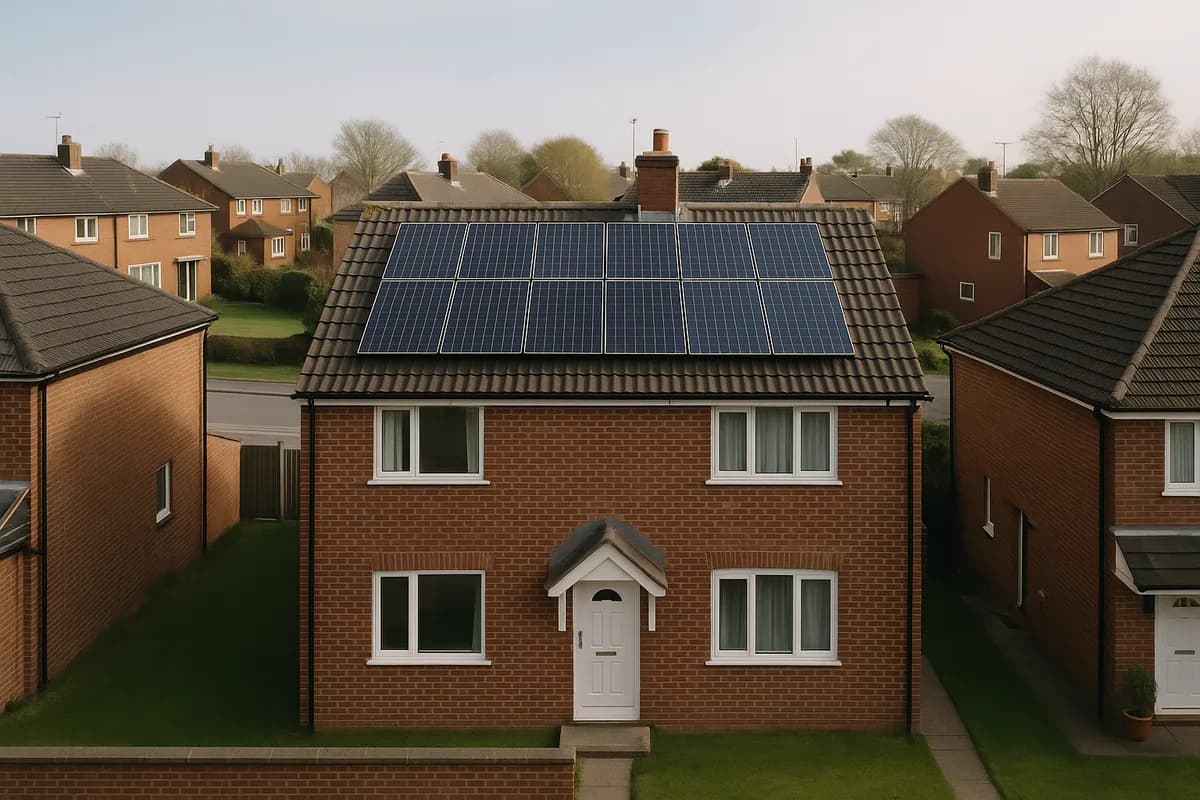
Battery Recommendation for 5 Bed Homes
A battery is particularly valuable for 5-bed homes because of high evening electricity consumption:
Without battery: Self-consumption ~45%. Much of the solar surplus exports during the day while the family is at school/work.
With 10-13kWh battery: Self-consumption rises to 75–85%. The battery covers the high-demand evening period (cooking, lighting, entertainment, devices).
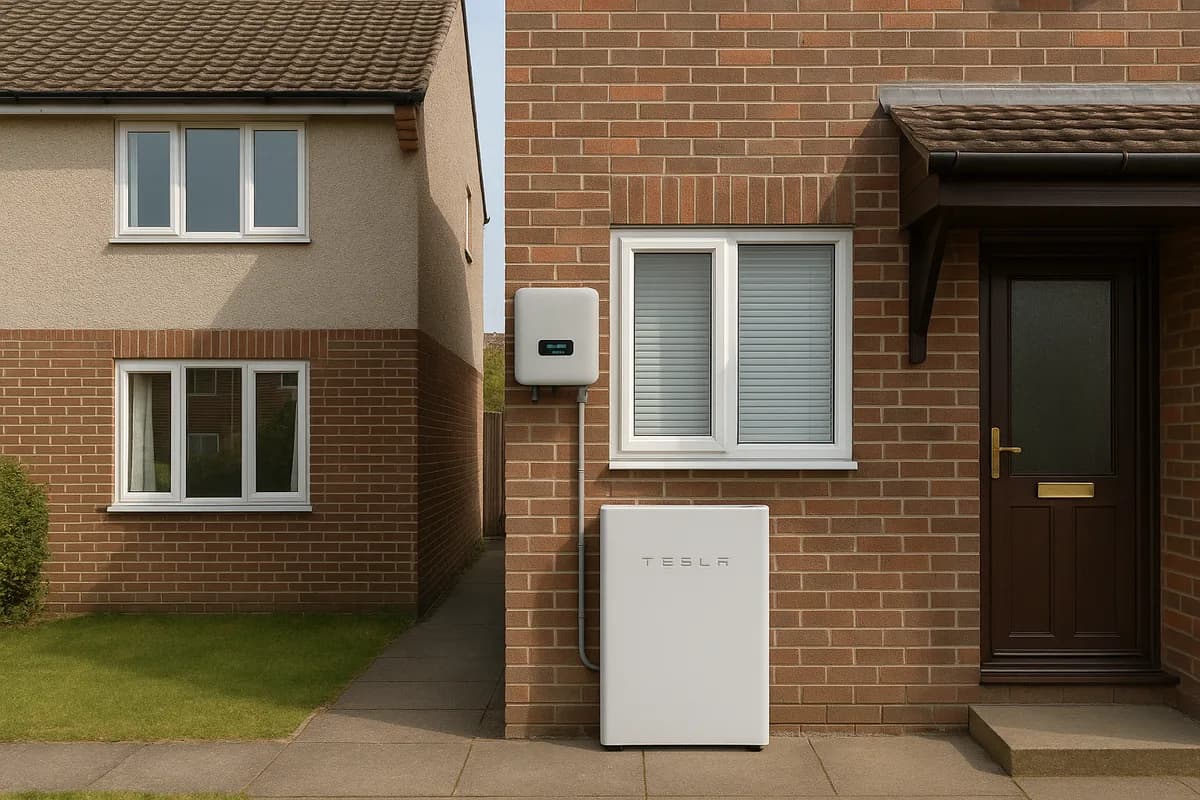
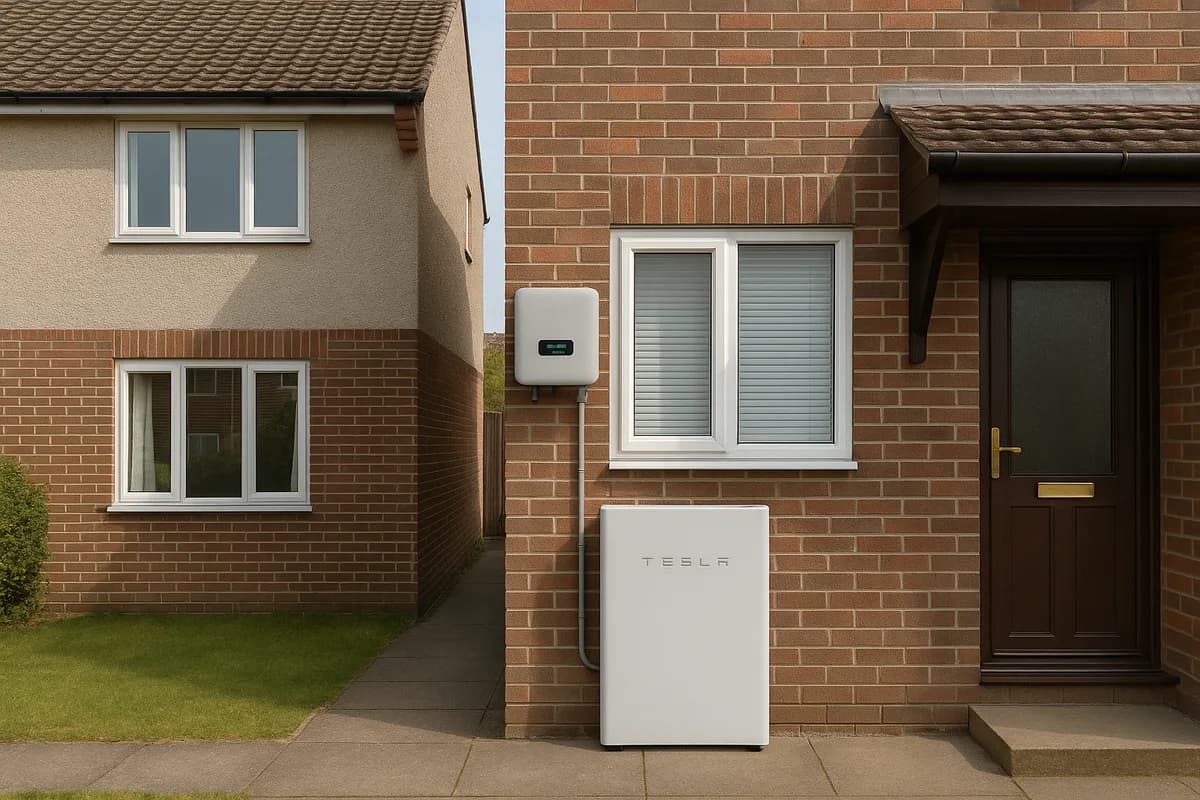
Recommended battery size: - 10 kWh for most 5-bed homes (£4,000–£6,000) - 13.5 kWh (Tesla Powerwall) for very high evening consumption (£5,500–£7,500)
Combined 6kW solar + 10kWh battery: - Total cost: £12,000–£17,000 - Annual savings: £1,200–£1,500 - Payback: 8–12 years - 25-year net savings: £15,000–£25,000
Source: Energy Saving Trust; MCS installer data.
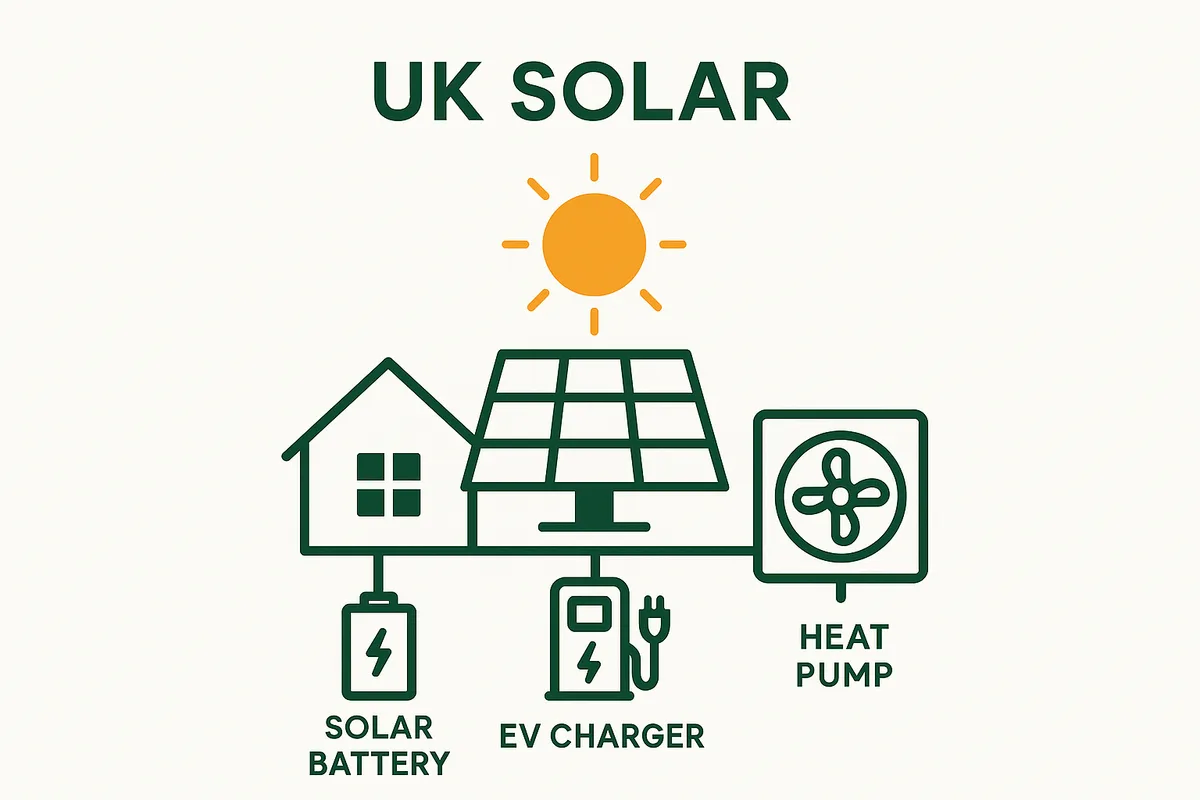
Complete Energy Solution: Solar + Battery + Heat Pump + EV
5-bed homeowners are increasingly installing the full energy package:
Solar (6–8kW): £8,000–£14,000 Battery (10-13kWh): £4,000–£7,500 Air source heat pump: £11,000 – £7,500 BUS grant = £3,500 EV charger (Zappi): £900 Total: £16,400–£25,900
Combined annual savings vs gas boiler + grid + petrol: - Electricity savings: £800–£1,100 - Heating savings: £400–£600 - EV fuel savings: £400–£550 - Total: £1,600–£2,250/year
Payback: 7–12 years. After payback, you save £1,600–£2,250 per year indefinitely.
This represents the most complete home decarbonisation package available, and it is commercially viable right now.
Source: Ofgem; DfT; Energy Saving Trust; BUS grant.
Frequently Asked Questions
Related guides
Related: Home Heating Systems
Solar panels are most powerful when combined with an efficient heating system. Heat pumps use solar-generated electricity to heat your home at 300-400% efficiency — making them the ideal partner for solar.
Learn more about how air source heat pumps work alongside solar panels.
From our sister site Home Heat Pump Guide
You might also like
What would this actually cost at your home?
Installed prices vary widely by roof, access and region. Get an installed price for your property from MCS-certified installers.
Get an Installed PriceFree, no obligation. Takes about 2 minutes.