4kW Solar Panel System: The UK's Most Popular Size
Find the right system size for your roof
Panel count depends on your electricity use, roof space and direction — not on a rule of thumb. Get a recommended size and what it should cost.
Size My SystemFree calculator. No contact details required to see your result.
What does a 4kW solar panel system produce?
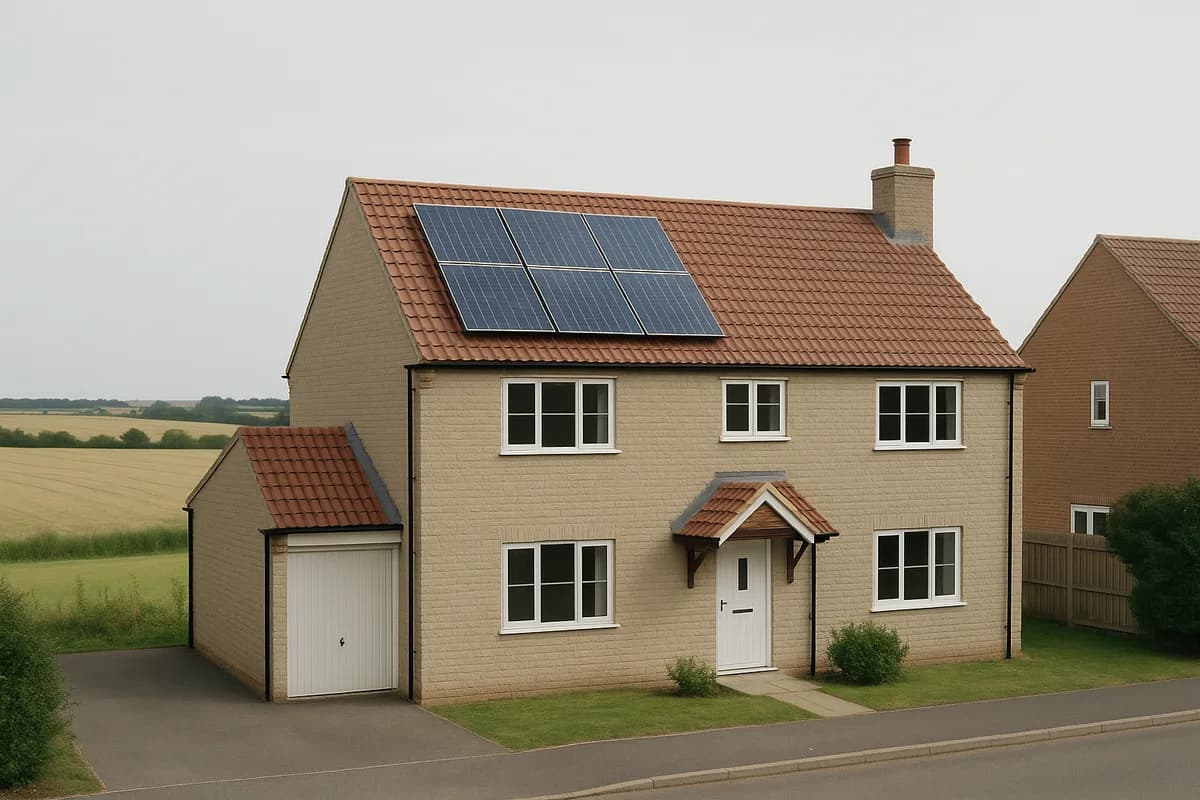
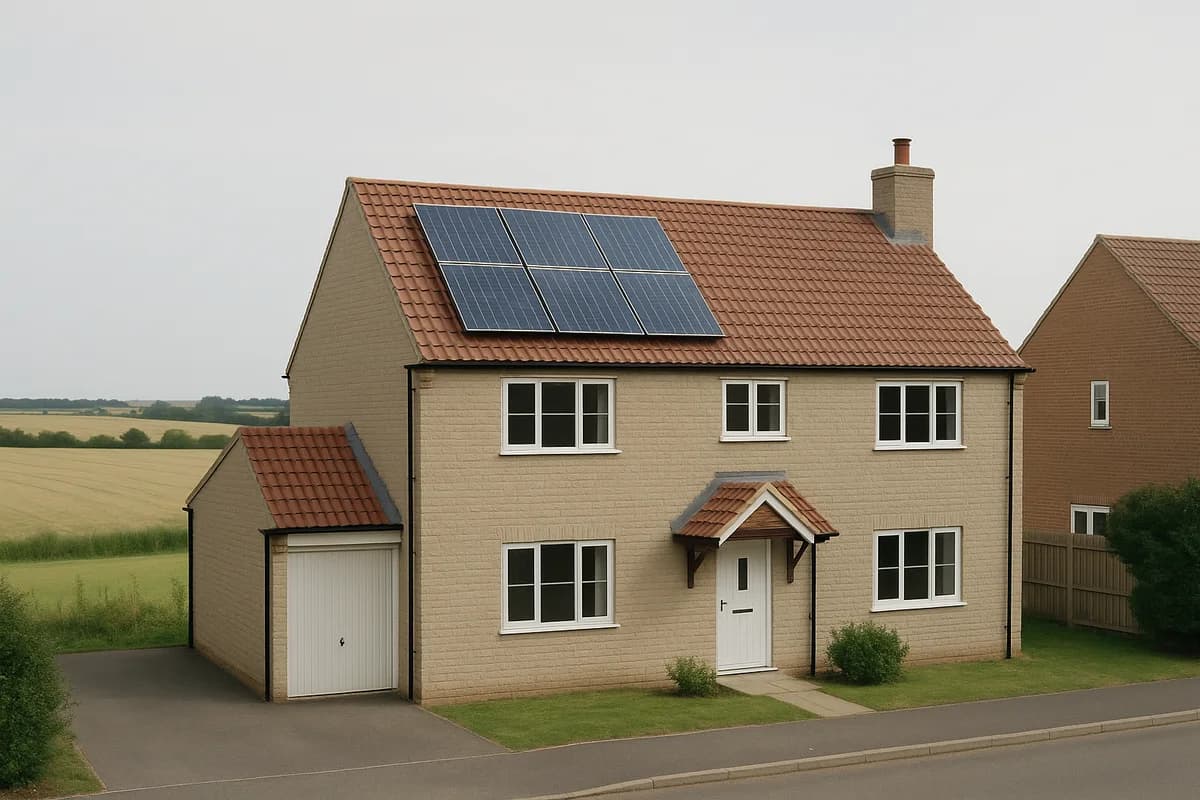
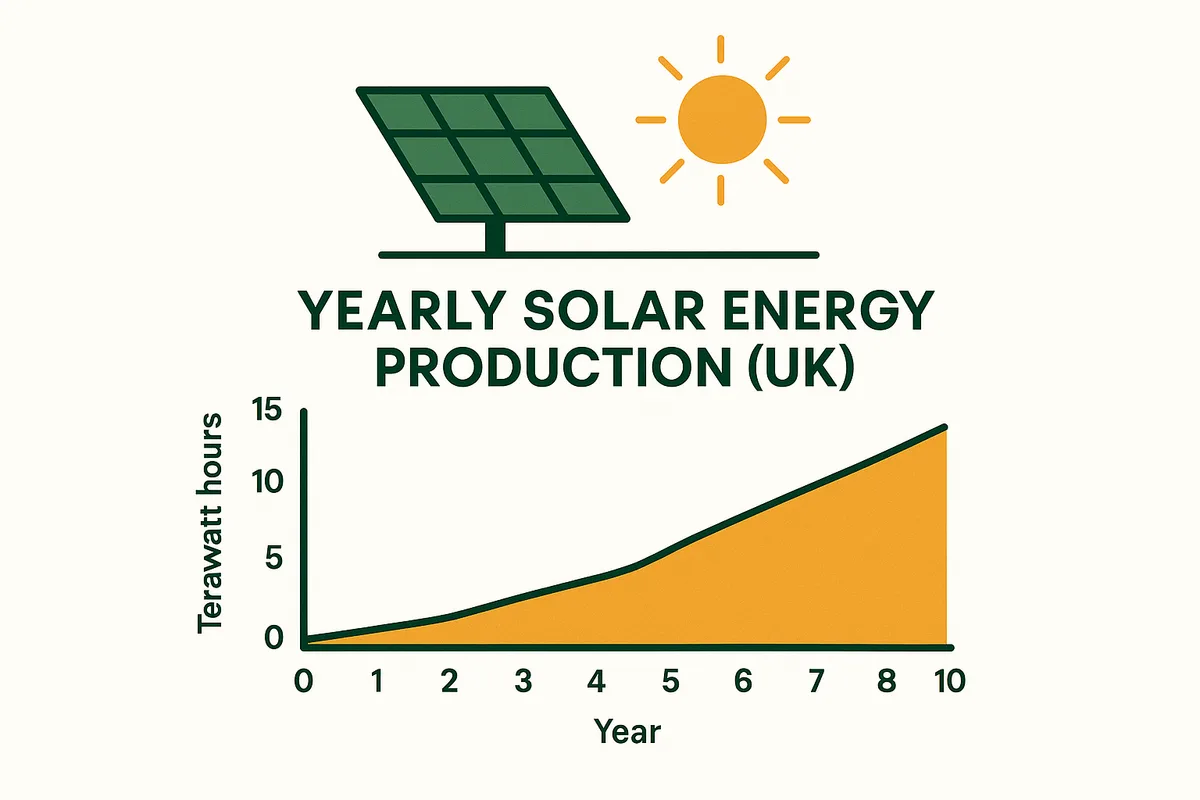
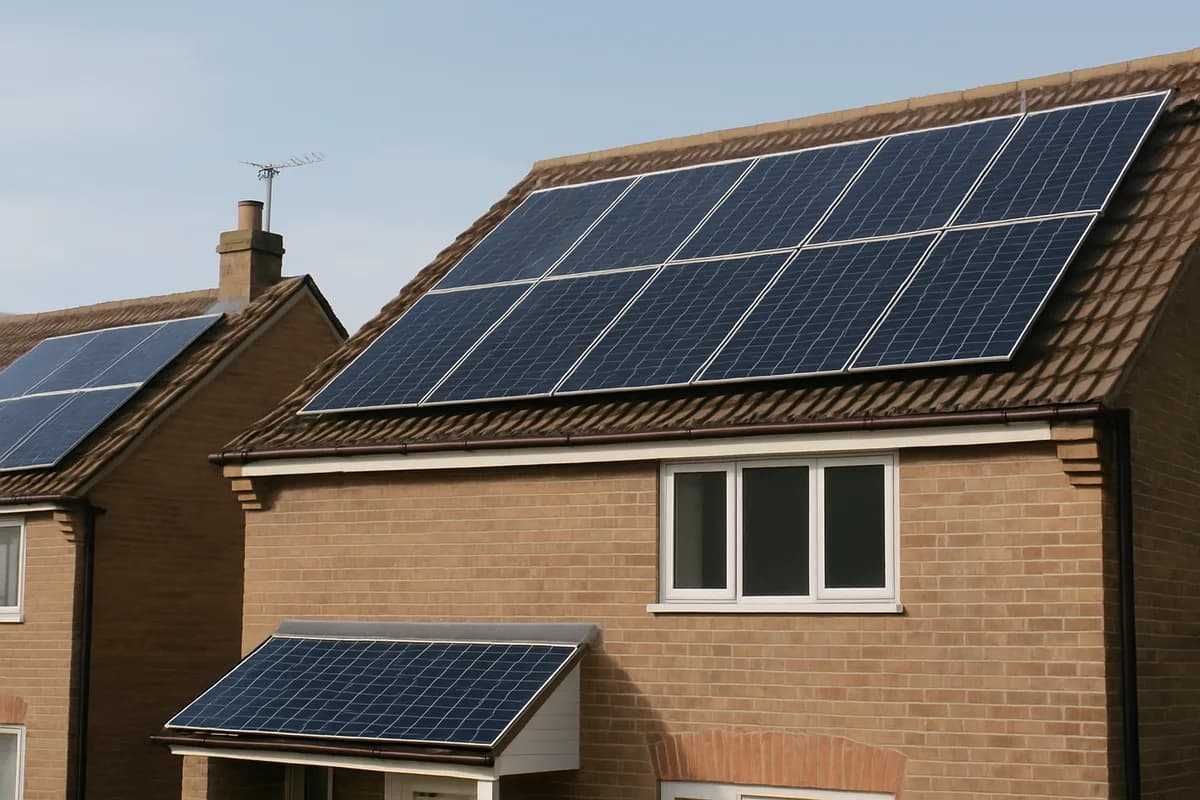
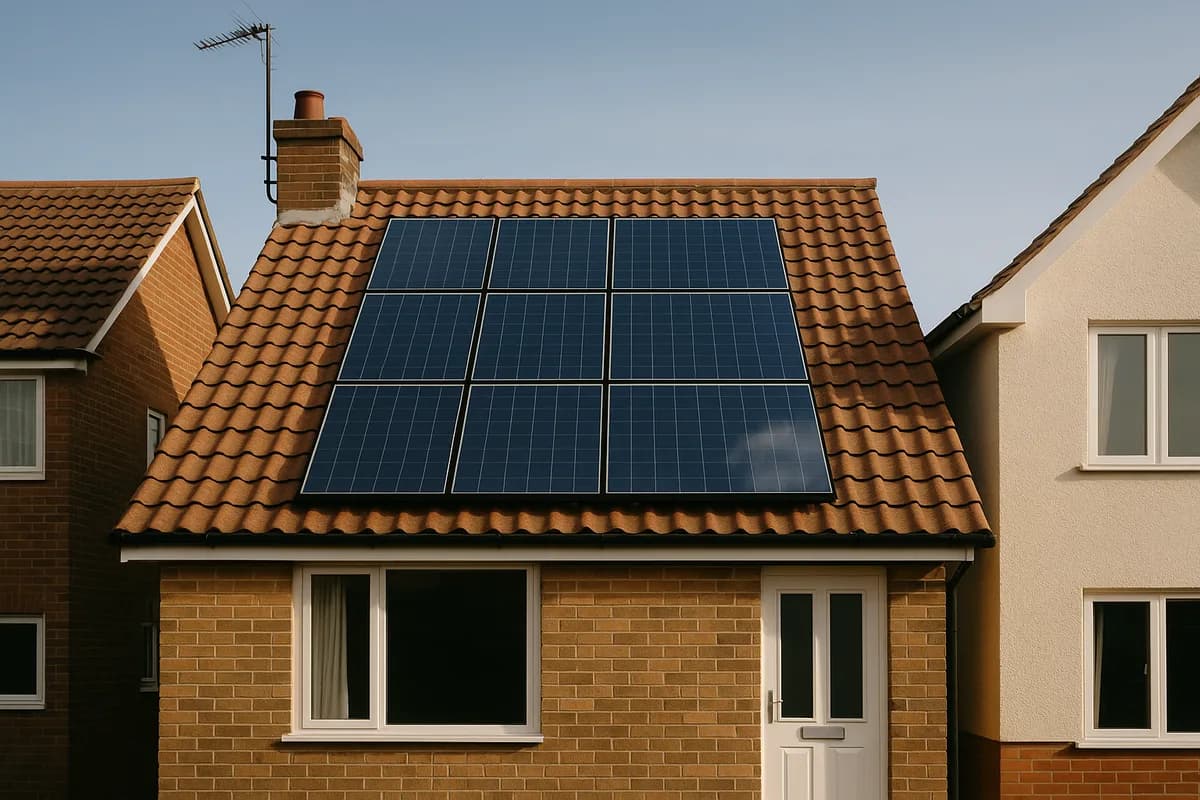
A 4kW solar panel system consists of 10 panels, costs £5,500–£8,000 installed, and generates 3,800–4,200 kWh per year. It matches the average UK household electricity consumption of ~3,700 kWh, making it the most popular residential size. Annual savings: £700–£900 without a battery, £900–£1,100 with one. Payback: 8–12 years.
4kW System Specifications
System overview: - Panels: 10 × 400W monocrystalline panels - Total capacity: 4.0 kWp - Roof space needed: ~17 m² (10 panels at 1.7 m² each) - Weight on roof: ~200 kg total (20 kg per panel) - Annual generation: 3,800–4,200 kWh (varies by location and orientation) - Inverter size: 3.6–4kW string inverter or 10 micro-inverters
Cost breakdown: - Panels (10): £2,000–£3,500 - Inverter: £500–£1,000 - Mounting system: £300–£600 - Wiring, connectors, isolators: £200–£400 - Scaffolding: £200–£500 - Labour: £1,000–£2,000 - Total installed: £5,500–£8,000 (0% VAT)
Source: MCS installer pricing 2026; manufacturer RRPs.
Monthly Generation by Season
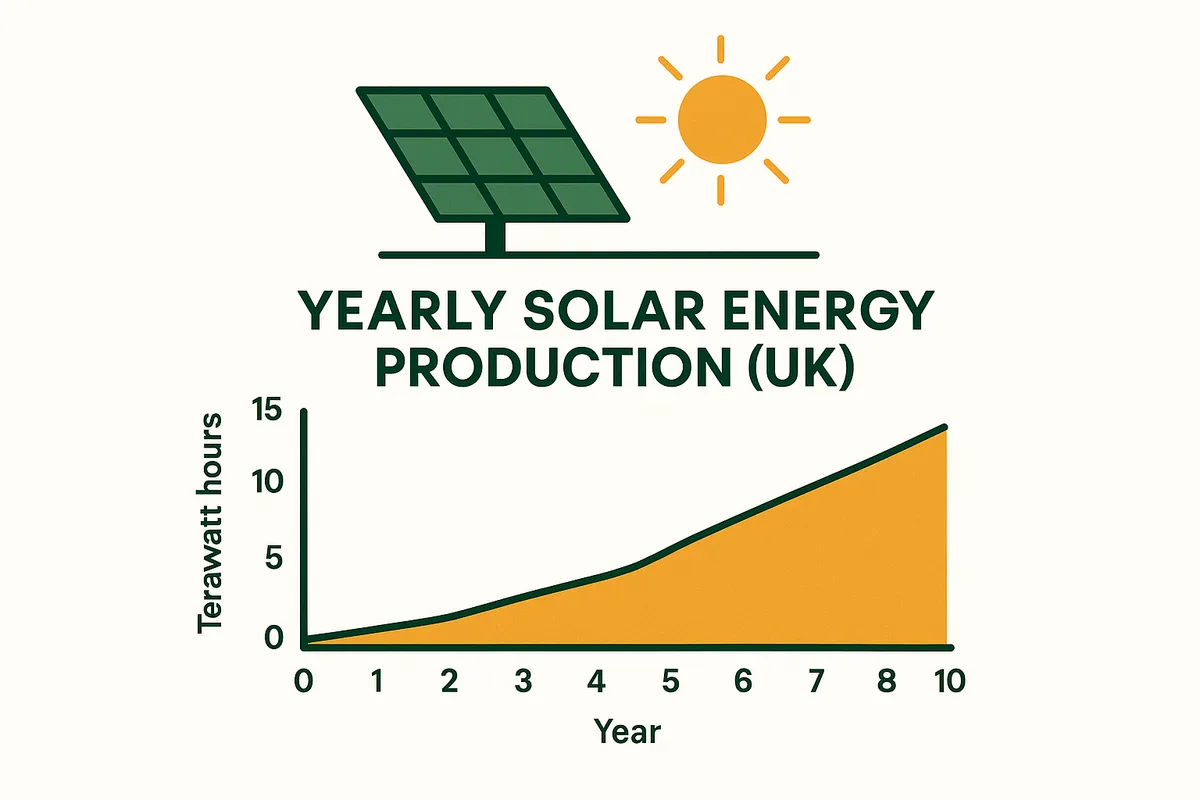
A 4kW system in the Midlands (average UK location) generates approximately:
- January: 100 kWh
- February: 150 kWh
- March: 300 kWh
- April: 420 kWh
- May: 500 kWh
- June: 520 kWh (peak)
- July: 500 kWh
- August: 450 kWh
- September: 350 kWh
- October: 220 kWh
- November: 120 kWh
- December: 80 kWh
- Annual total: ~3,710 kWh (Midlands average)
Southern England: +10–15% (4,000–4,200 kWh) Northern England/Scotland: -10–15% (3,200–3,500 kWh)
Source: PVGIS irradiance data for UK regions.
Find the right system size for your roof
Panel count depends on your electricity use, roof space and direction — not on a rule of thumb. Get a recommended size and what it should cost.
Size My SystemFinancial Returns: With and Without Battery
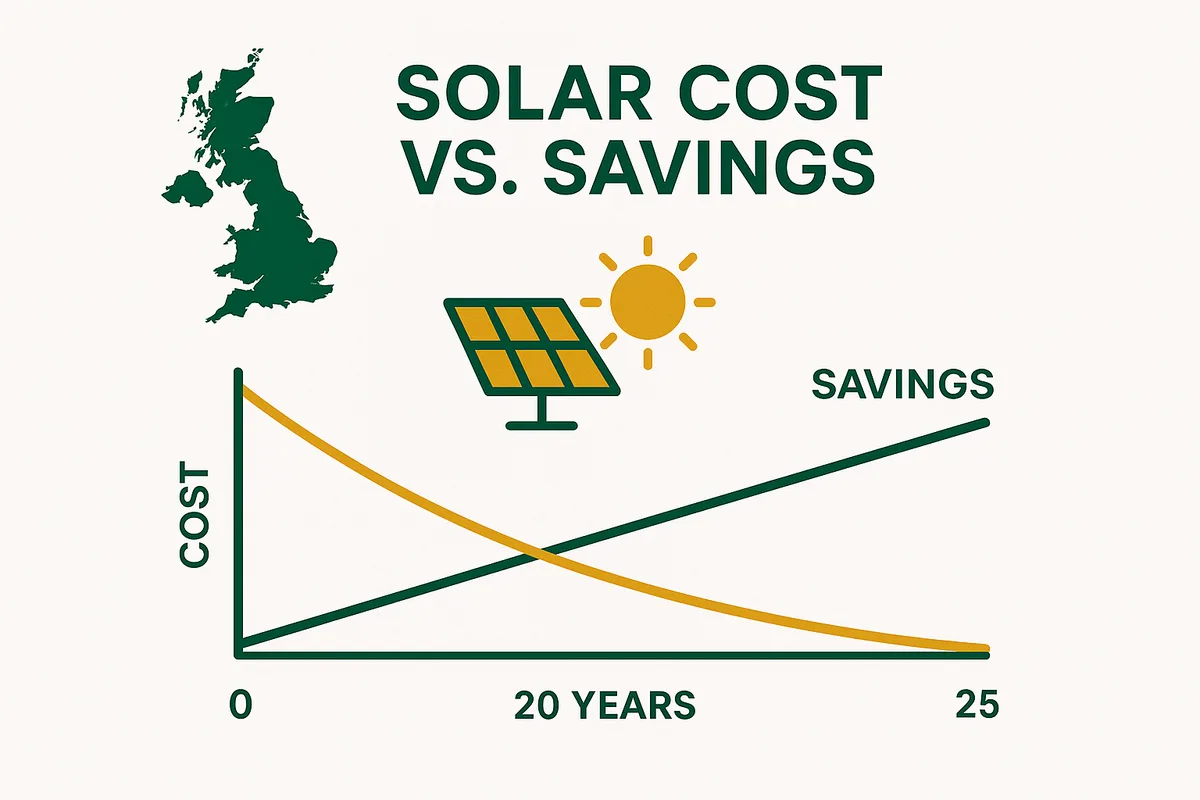
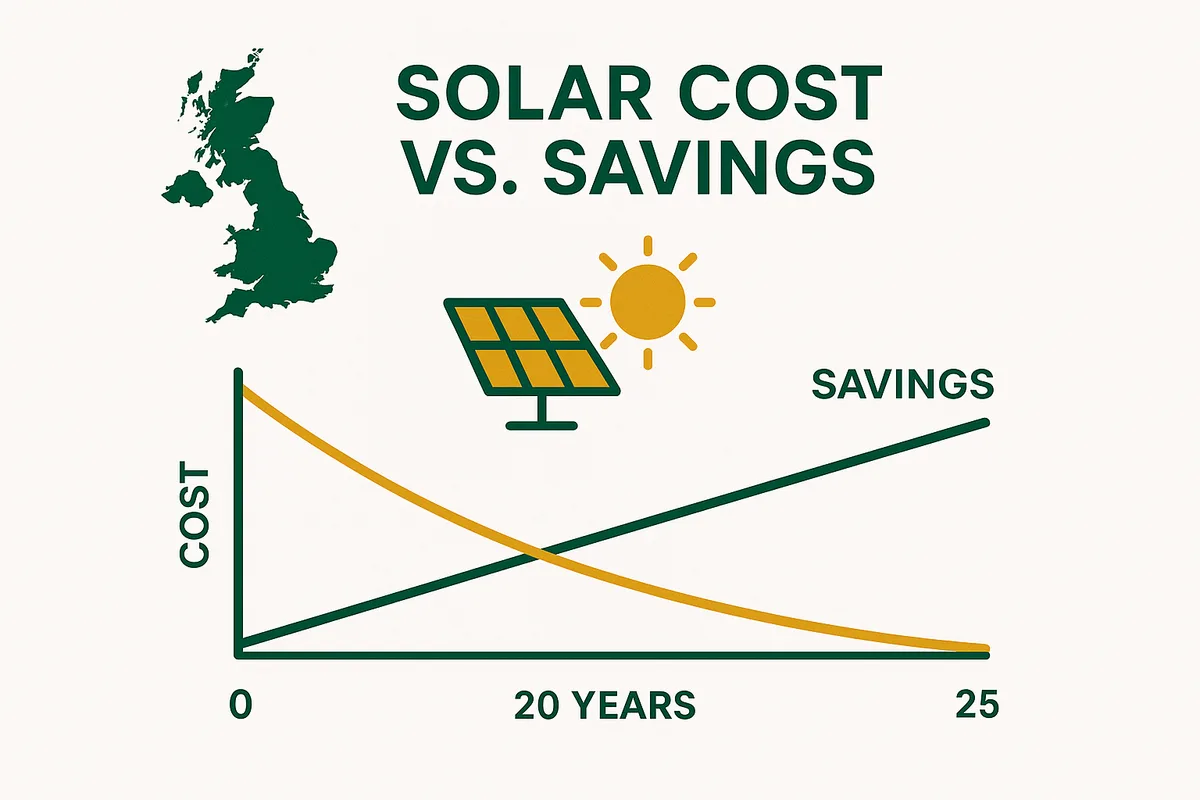
4kW system WITHOUT battery: - Self-consumption rate: 50% - Electricity saved: 2,000 kWh × 26.11p = £522/year - SEG export income: 2,000 kWh × 4.5p = £90/year - Total annual benefit: £580/year - System cost: £6,750 (average) - Payback: ~11.6 years - 25-year net saving: £7,750
4kW system WITH 10kWh battery: - Self-consumption rate: 80% - Electricity saved: 3,200 kWh × 26.11p = £836/year - SEG export income: 800 kWh × 4.5p = £36/year - Total annual benefit: £820/year - System cost: £6,750 + £5,000 (battery) = £11,750 - Battery replacement (year 12): £3,000 - Payback: ~14 years (system) / 19 years (with battery replacement) - 25-year net saving: £5,750
4kW system WITH battery + Octopus Flux: - Peak export at 15–24p during 16:00–19:00: +£100–£200/year - Overnight charge at 7.5p: additional arbitrage savings - Effective payback with smart tariff: 11–14 years
Source: Ofgem price cap July-September 2026; SEG rates; Octopus Flux tariff.
Who Is a 4kW System Right For?
- Average UK households (3,500–4,500 kWh/year consumption) — 4kW matches consumption closely
- 3-bed houses — the most common home size for 4kW installations
- Households with 10+ panels of roof space (~17 m² on one slope)
- Homeowners who want a strong financial return without over-investing
- Anyone on the standard Ofgem price cap who wants to reduce bills significantly
- Future EV owners — 4kW covers home electricity; add more panels later for EV charging
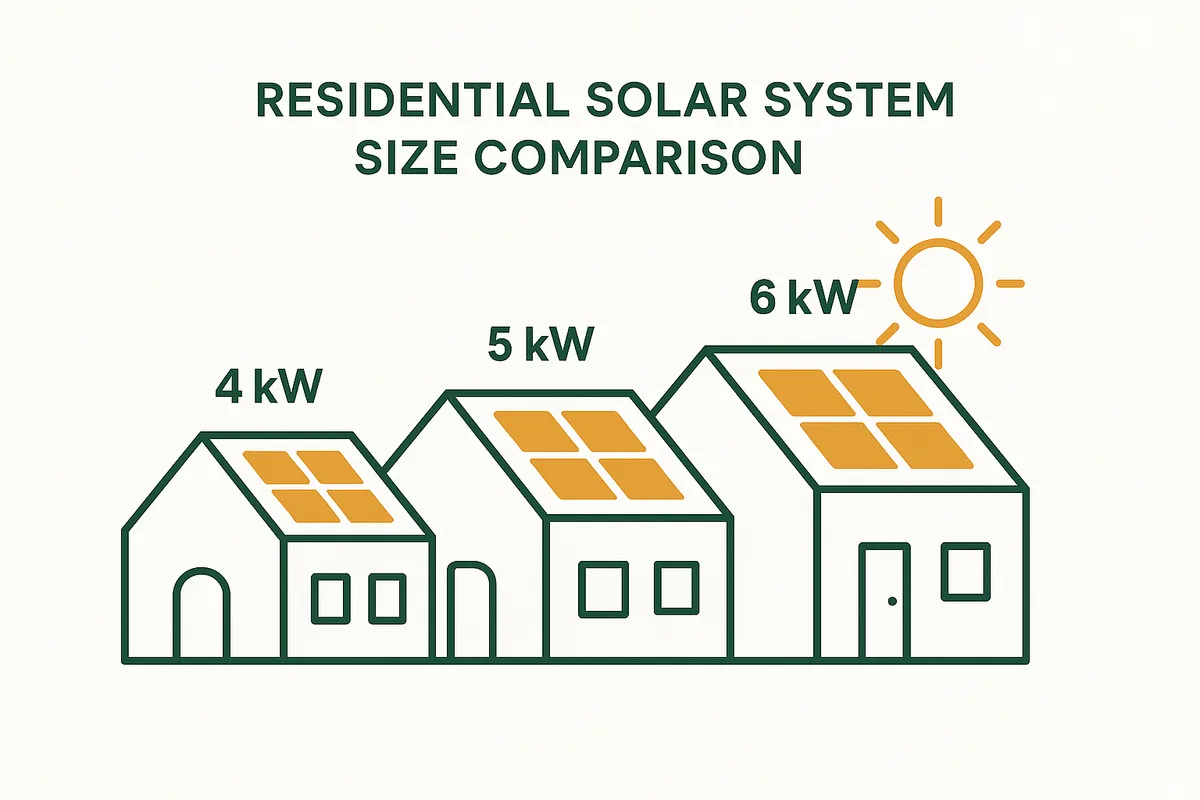
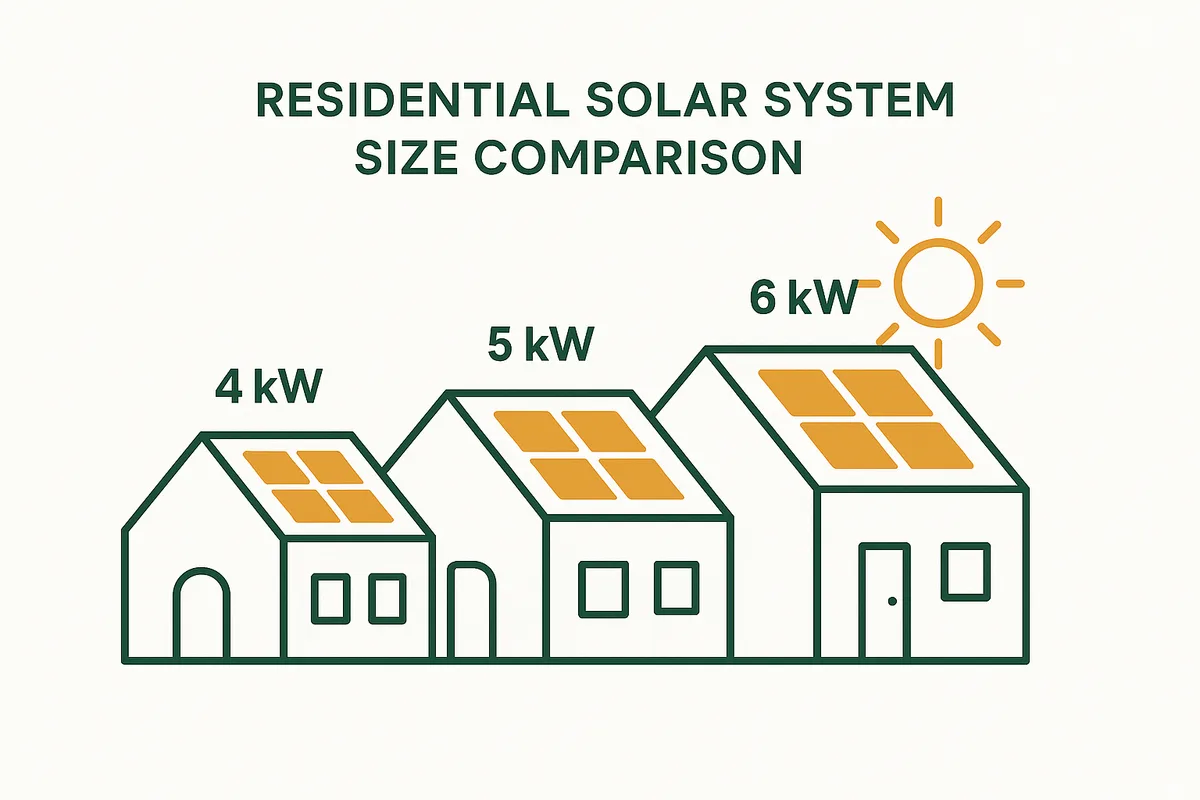
Should You Go Bigger? 4kW vs 5kW vs 6kW
If your roof can fit more panels, consider upsizing:
| Size | Panels | Cost | Annual Gen | Annual Savings | Payback |
|---|---|---|---|---|---|
| 4kW | 10 | £6,750 | 4,000 kWh | £580 | 11.6 yrs |
| 5kW | 13 | £8,000 | 5,000 kWh | £726 | 11.0 yrs |
| 6kW | 16 | £9,500 | 6,000 kWh | £870 | 10.9 yrs |
The incremental cost of going from 4kW to 5kW is approximately £1,250 for an extra £146/year in savings. That extra investment pays back in 8.5 years — faster than the base system.
Rule of thumb: If you have the roof space and budget, go 5kW or larger. More panels = more savings, and the marginal cost per additional panel drops.
Source: MCS installer pricing; PVGIS yield data.
Frequently Asked Questions
Related guides
Related: Home Heating Systems
Solar panels are most powerful when combined with an efficient heating system. Heat pumps use solar-generated electricity to heat your home at 300-400% efficiency — making them the ideal partner for solar.
Heat pumps use electricity at 300-400% efficiency, making them ideal partners for solar.
From our sister site Home Heat Pump Guide
You might also like
Find the right system size for your roof
Panel count depends on your electricity use, roof space and direction — not on a rule of thumb. Get a recommended size and what it should cost.
Size My SystemFree calculator. No contact details required to see your result.