Solar Panels for a 2 Bed House
What would this actually cost at your home?
Installed prices vary widely by roof, access and region. Get an installed price for your property from MCS-certified installers.
Get an Installed PriceFree, no obligation. Takes about 2 minutes.
How many solar panels does a 2-bed house need?
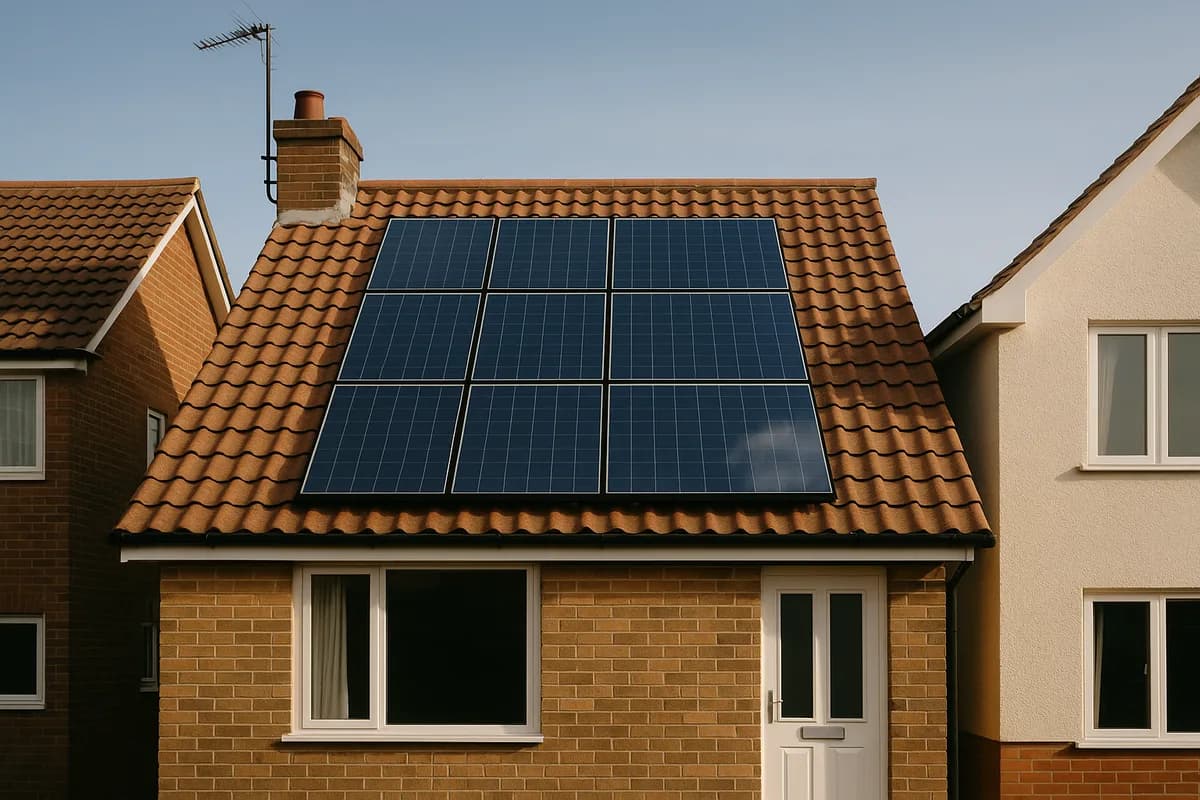
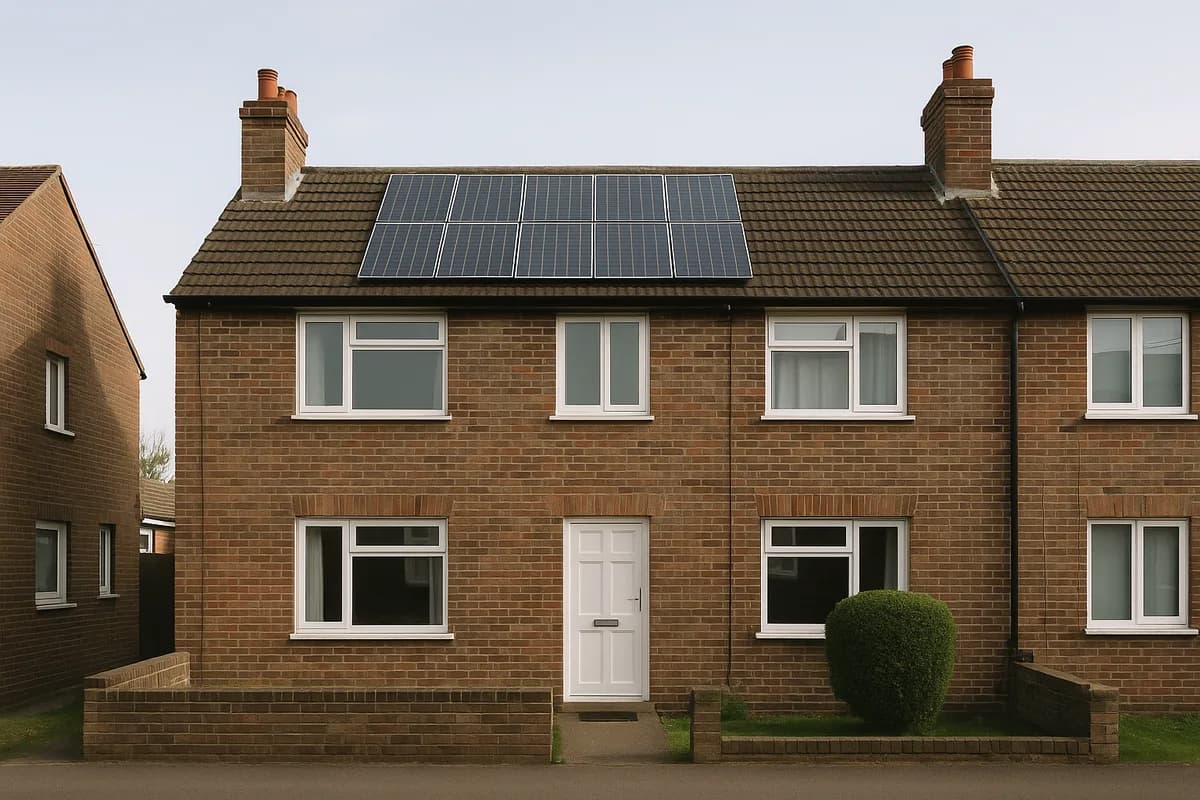
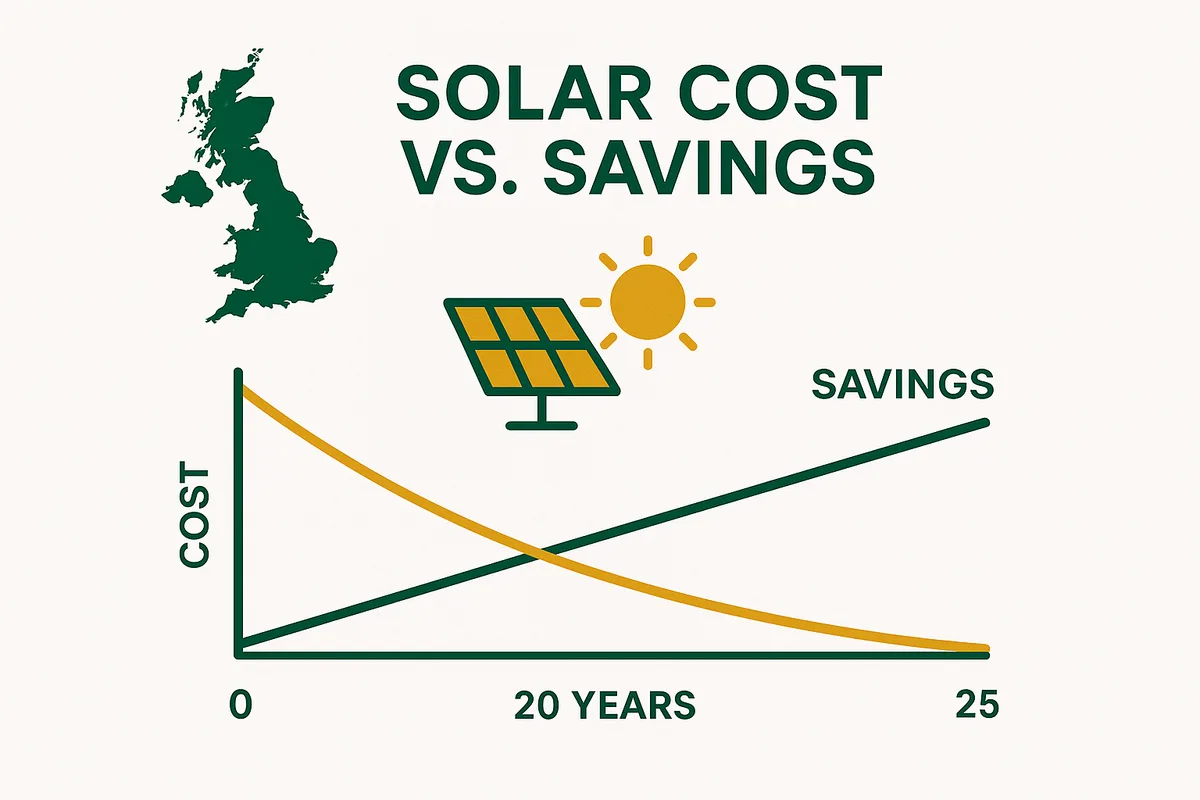
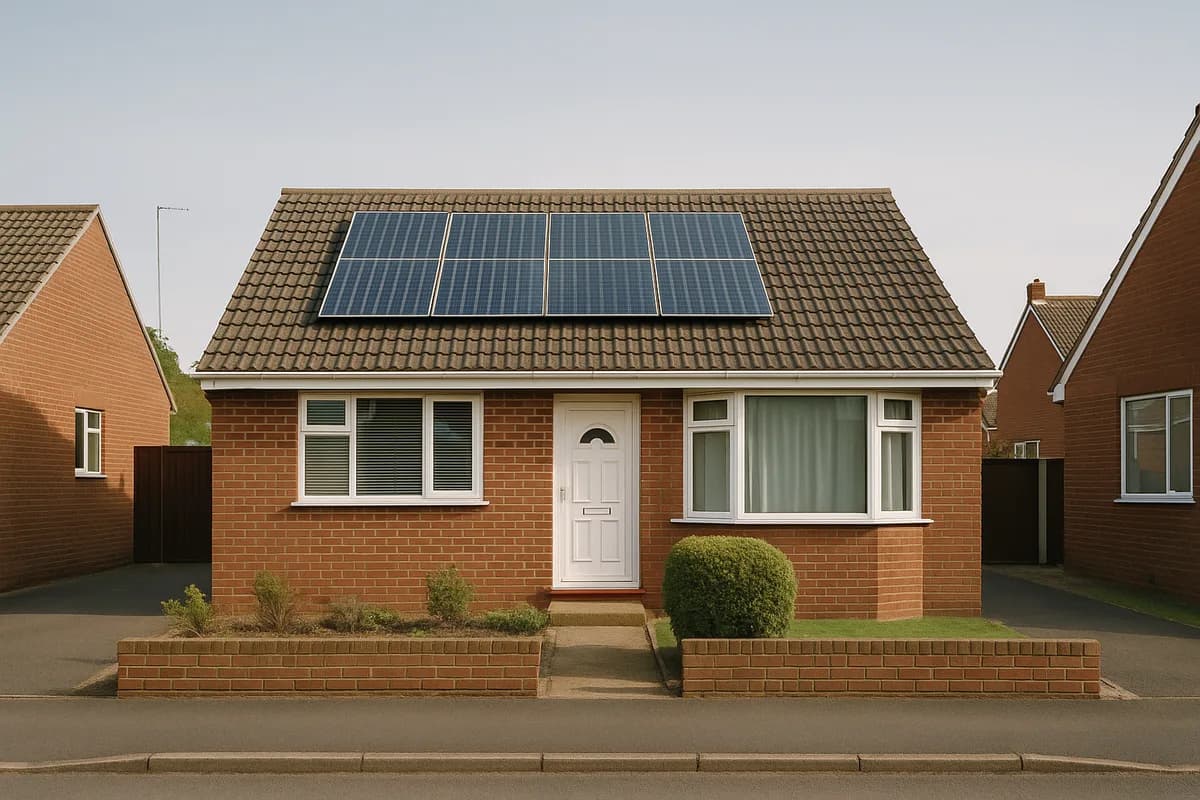
A 2-bed house typically needs a 2–3kW solar panel system (5–8 panels). This costs £3,500–£6,000 installed and saves £350–£550 per year. Payback period: 9–12 years. Even though the system is smaller than what a larger home would have, the return on investment is comparable — smaller homes use less electricity, so a smaller system covers a similar proportion of needs.
System Sizing for a 2 Bed House
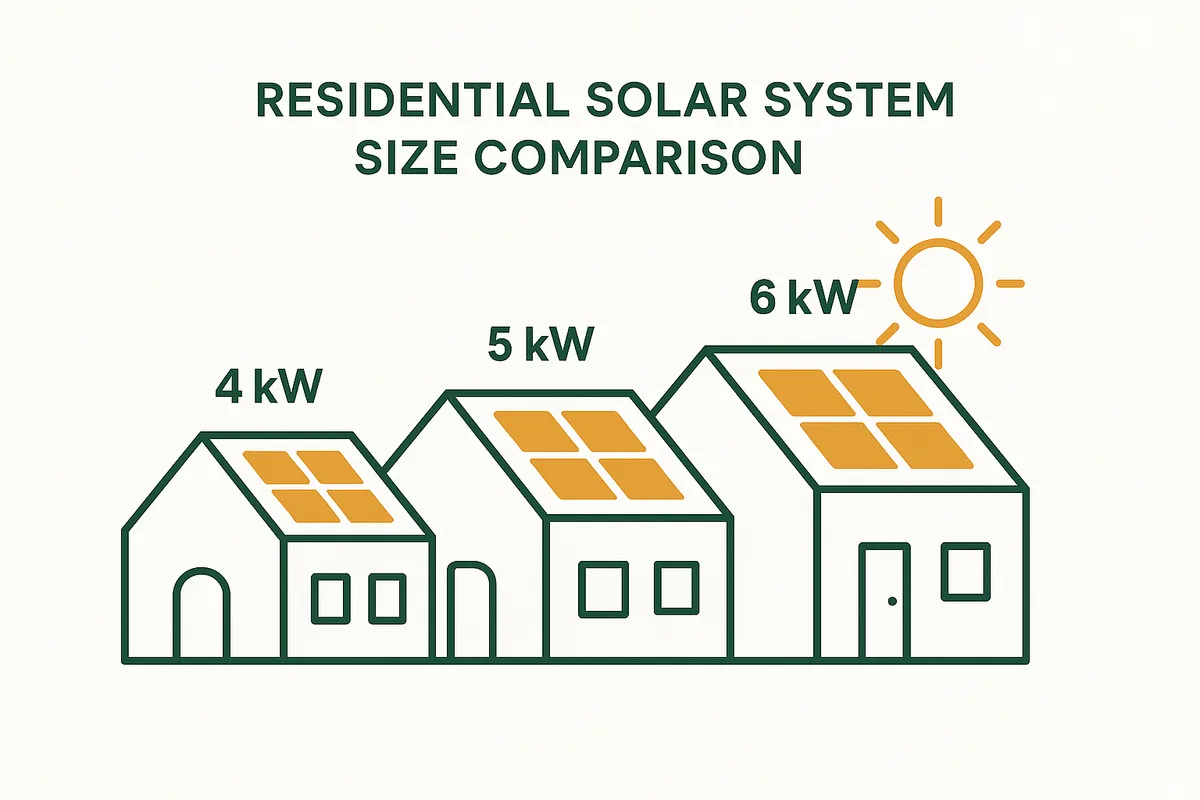
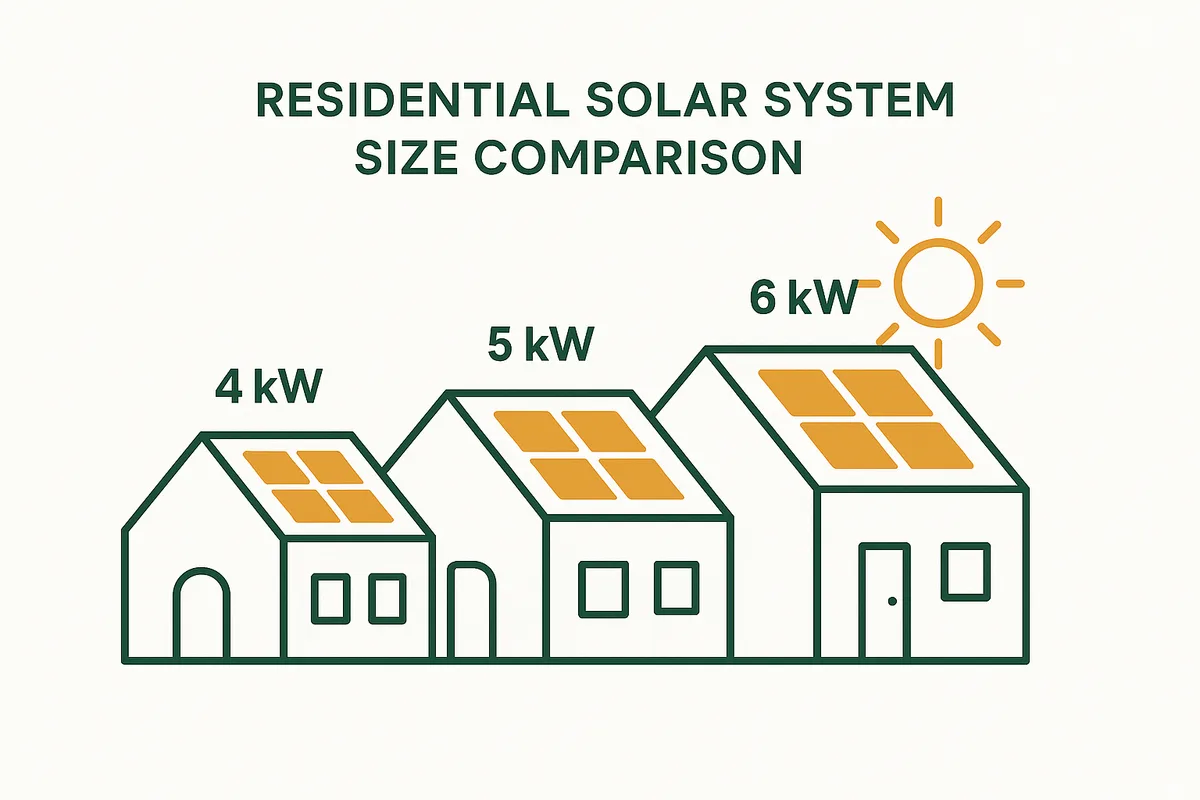
A 2-bed house typically uses 2,500–3,500 kWh of electricity per year (Ofgem medium consumption). Here is how different system sizes match up:
2kW system (5 panels): - Annual generation: 1,900–2,100 kWh - Covers: 55–85% of electricity usage - Cost: £3,000–£4,500 - Annual savings: £280–£380 - Payback: 9–12 years
2.5kW system (6-7 panels): - Annual generation: 2,400–2,600 kWh - Covers: 70–100% of electricity usage - Cost: £3,500–£5,000 - Annual savings: £350–£480 - Payback: 8–11 years
3kW system (8 panels): - Annual generation: 2,800–3,200 kWh - Covers: 80–100%+ of electricity usage - Cost: £4,500–£6,000 - Annual savings: £420–£550 - Payback: 9–12 years
Recommendation: Install the largest system your roof can fit (up to 3kW for most 2-bed homes). You generate more electricity, export the surplus for SEG income, and future-proof against rising electricity costs.
Source: Ofgem typical domestic consumption; PVGIS UK yield data.
Roof Space: Will the Panels Fit?
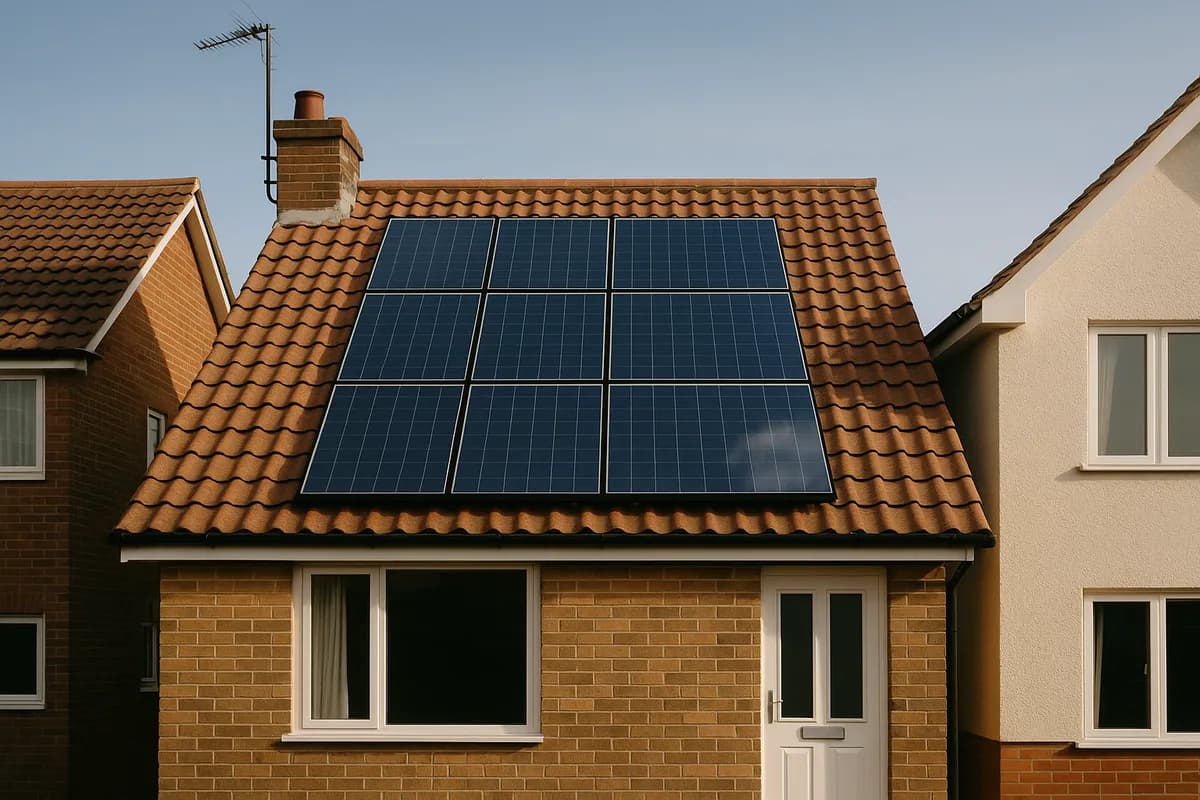
A typical 2-bed house has 10–18 m² of usable roof space on the main slope. Each modern panel is approximately 1.7 m² (1.0m × 1.7m).
- 5 panels: 8.5 m² — fits on almost any 2-bed roof
- 6 panels: 10.2 m² — fits on most 2-bed roofs
- 8 panels: 13.6 m² — fits on larger 2-bed roofs or those with a second slope
Factors that reduce usable space: - Dormer windows - Chimneys casting shadows - Skylights - Hip roof edges (panels cannot extend to the angled edge) - Vent pipes
Your installer will measure the exact usable area during the free site survey and design a layout that maximises output.
Source: Standard UK panel dimensions; MCS design standards.
What would this actually cost at your home?
Installed prices vary widely by roof, access and region. Get an installed price for your property from MCS-certified installers.
Get an Installed Price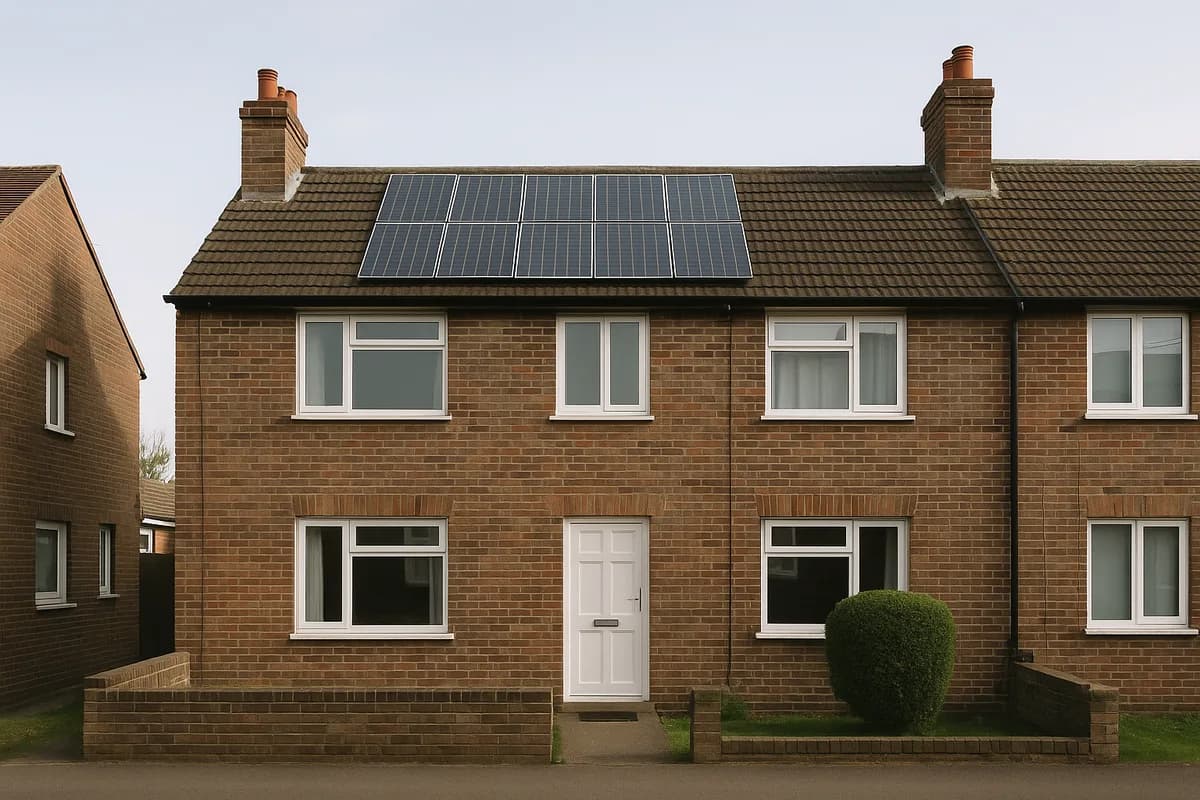
Is Solar Worth It for a Small House?
Absolutely. The financial return is similar to larger homes:
Why small systems still work: - Lower electricity consumption means a smaller system covers a higher percentage of your usage - Lower installation cost means the absolute investment is smaller - The payback period (9–12 years) is comparable to larger systems - You still get 15+ years of free electricity after payback - You still earn SEG income for surplus generation
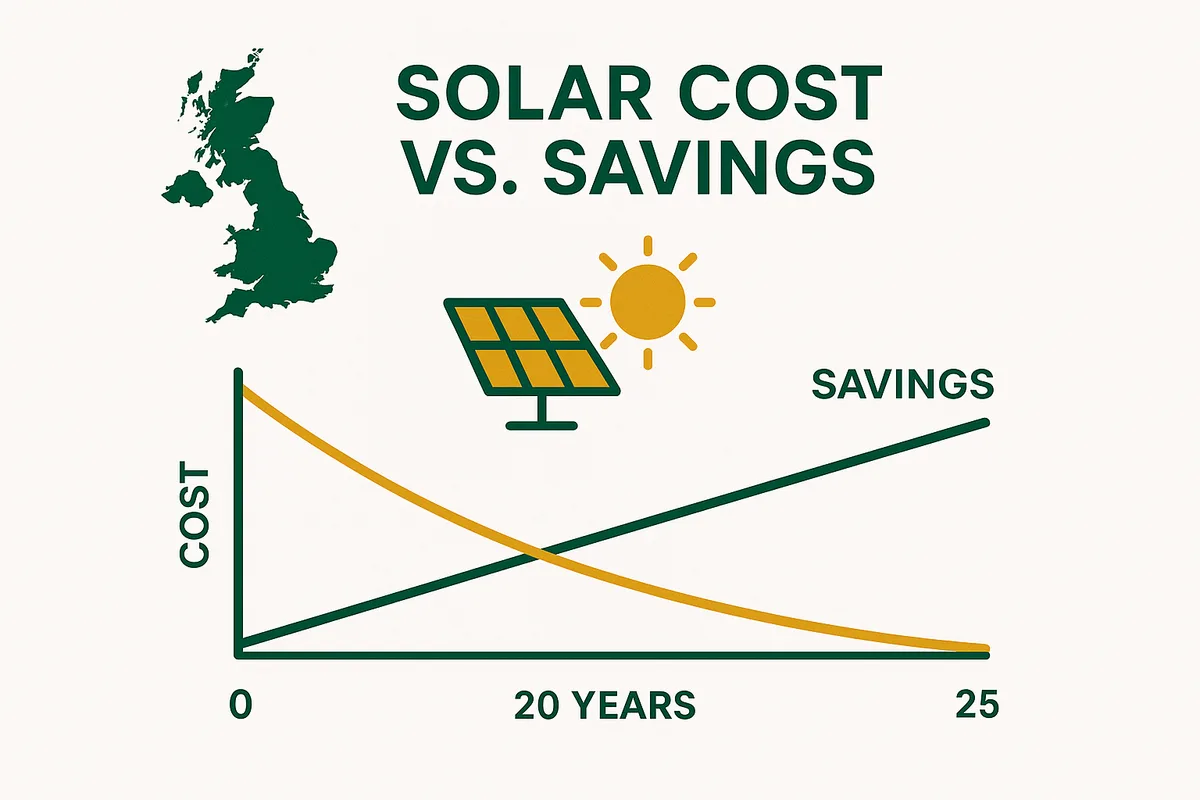
25-year financial summary for a 2.5kW system: - Installation cost: £4,000 - 25-year savings: £10,000–£12,000 - Inverter replacement (year 12): £600 - Net profit: £5,400–£7,400 - Return on investment: 135–185%
Do not be discouraged by smaller numbers compared to larger homes. The percentage return is what matters — and it is strong.
Source: Ofgem price cap, July-September 2026; Energy Saving Trust.
Battery Storage for a 2 Bed House
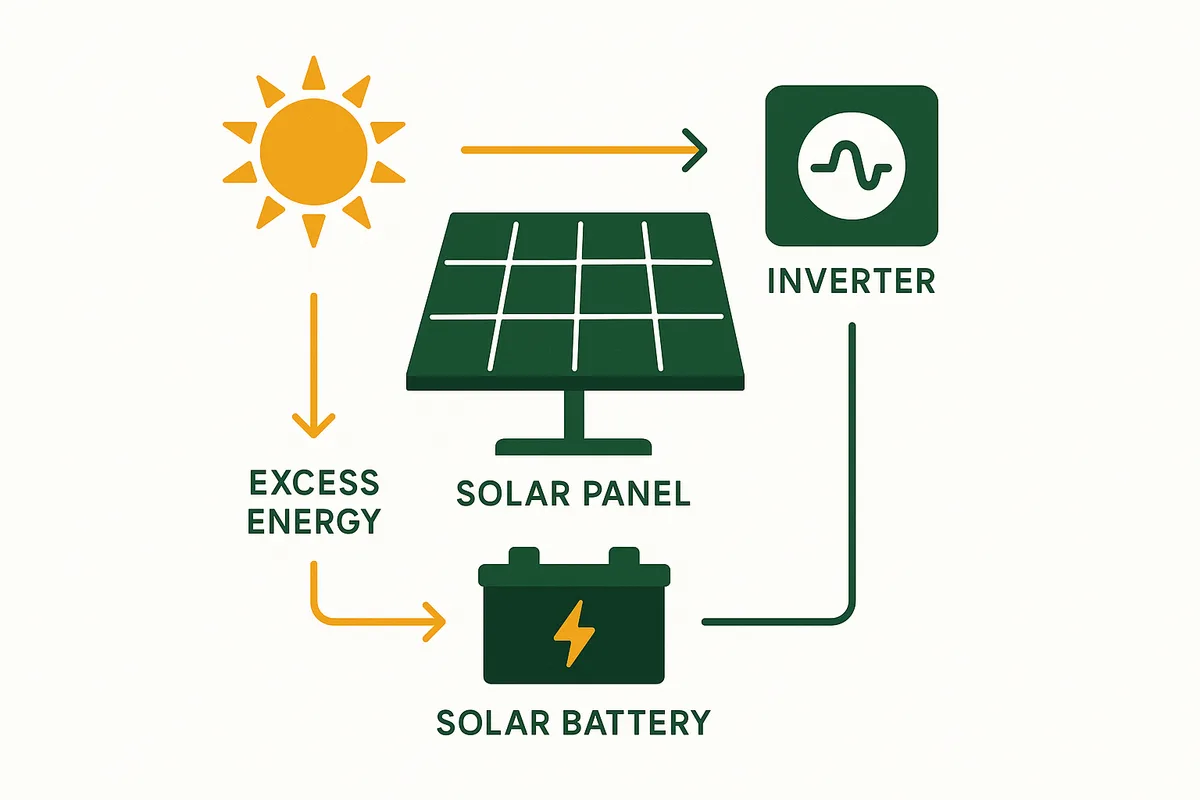
A battery can significantly increase your self-consumption, but the economics are tighter for a small system:
Without battery (50% self-consumption): Savings: £350–£480/year With 5kWh battery (75% self-consumption): Savings: £450–£580/year
The battery adds £100–£150/year in extra savings but costs £2,500–£3,500. Battery payback: 17–25 years — longer than ideal.
Recommendation for 2-bed homes: Install panels first without a battery. Add a battery later if/when battery prices fall further or if you switch to a time-of-use tariff where overnight charging adds value. The panels alone deliver a strong return.
Source: Energy Saving Trust battery analysis.
Frequently Asked Questions
Related guides
You might also like
What would this actually cost at your home?
Installed prices vary widely by roof, access and region. Get an installed price for your property from MCS-certified installers.
Get an Installed PriceFree, no obligation. Takes about 2 minutes.