Solar Panels for a Terraced House
Ready to see what solar could save you?
Get free, no-obligation quotes from MCS-certified installers in your area.
Get Free QuotesFree, no obligation. Takes 2 minutes.
Can you put solar panels on a terraced house?
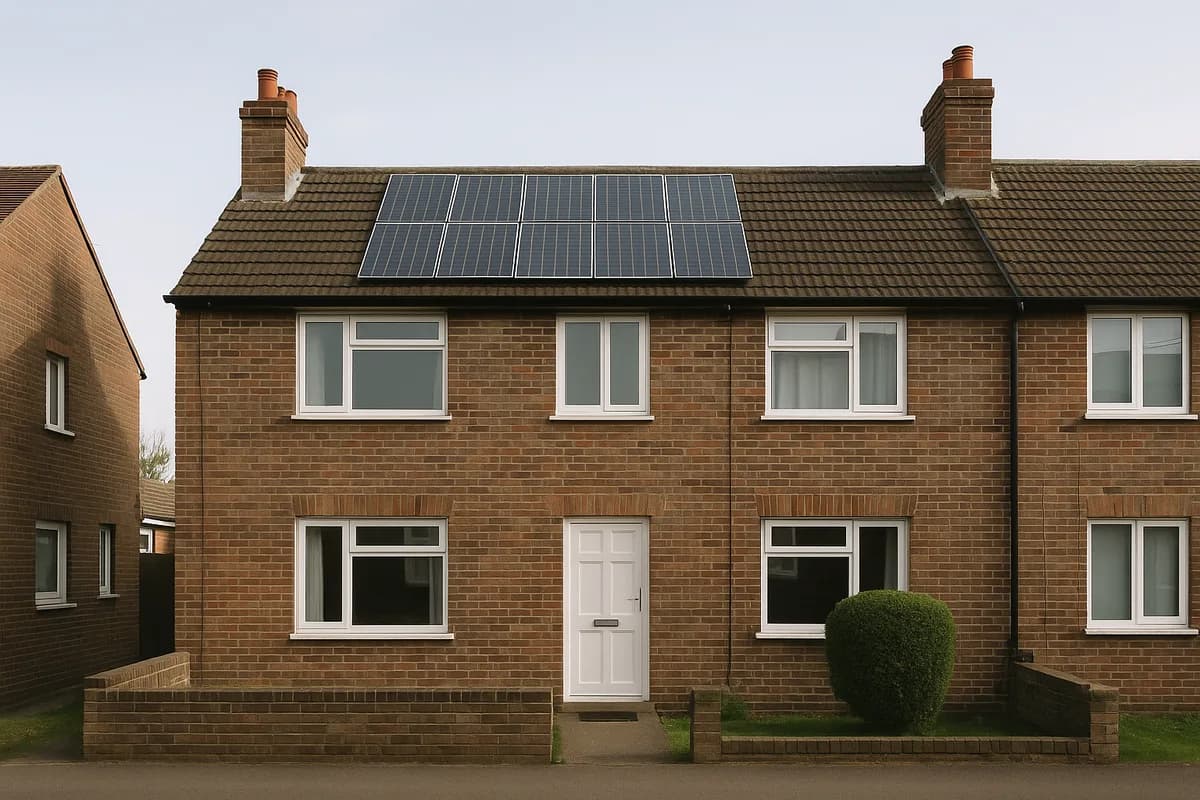
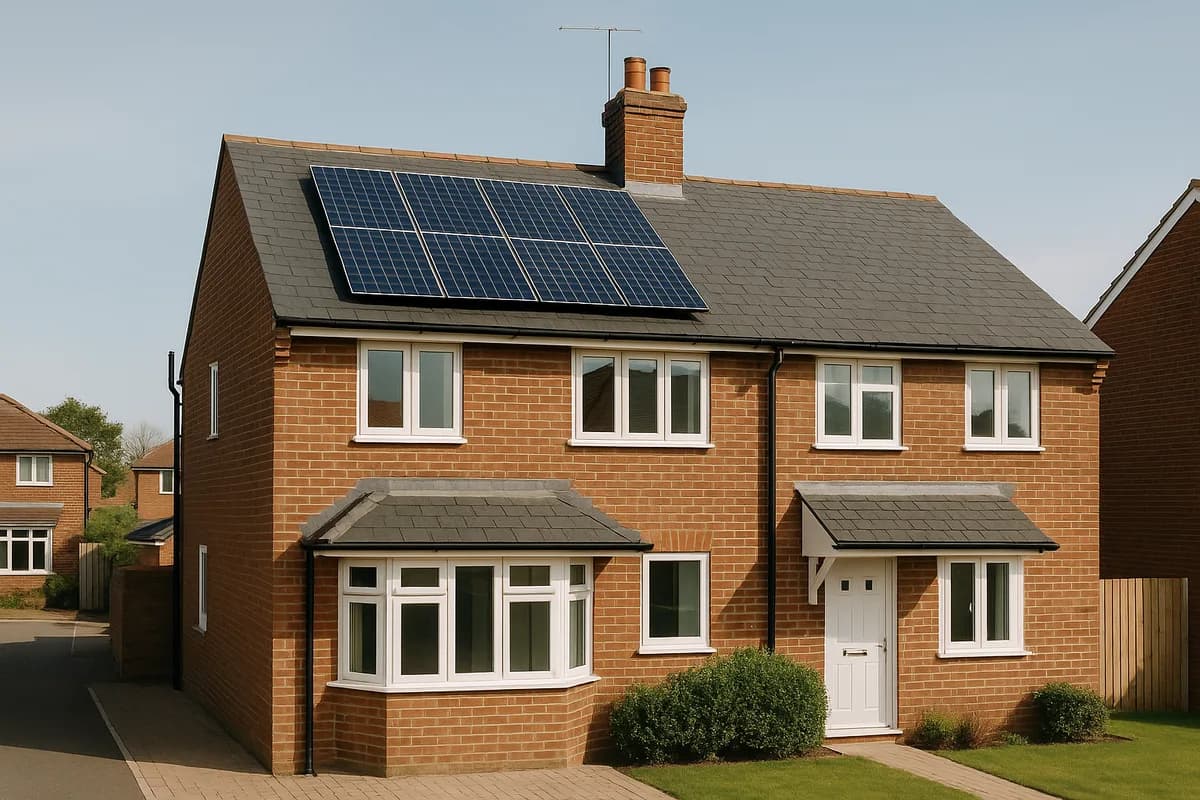
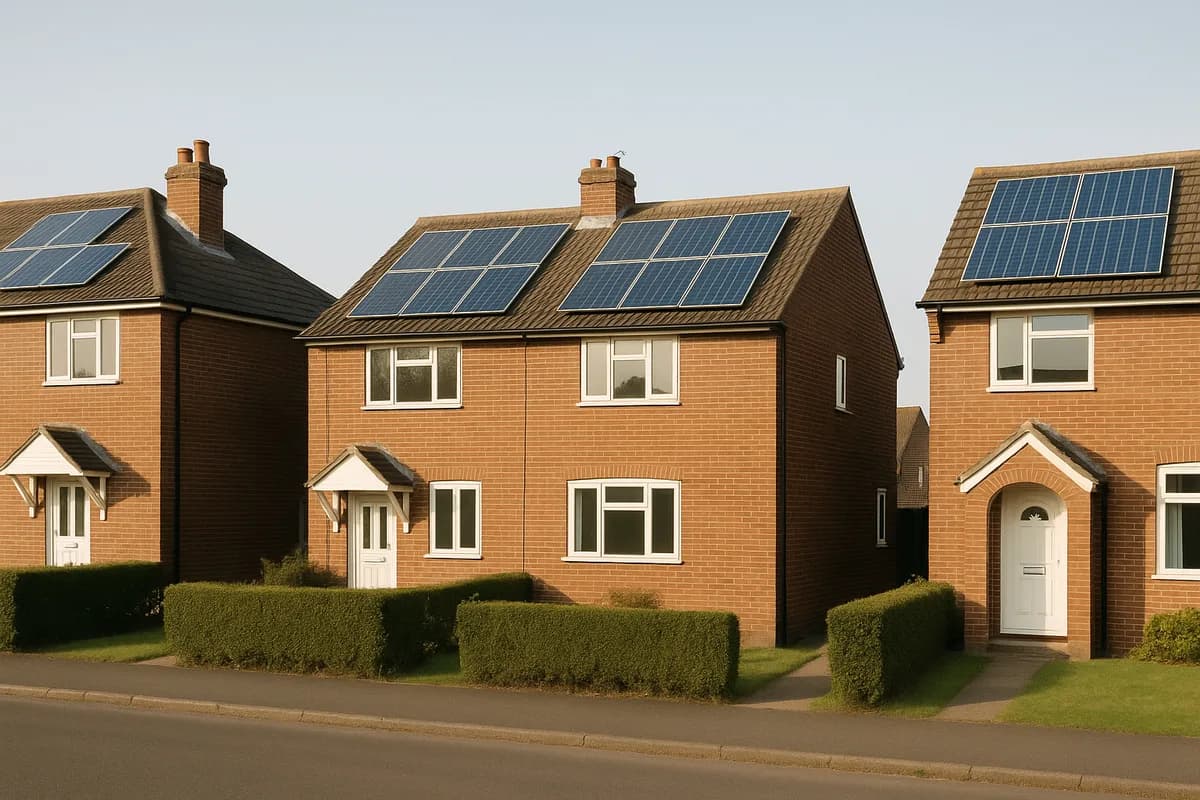
Yes, terraced houses can have solar panels. A typical UK terraced roof fits 6–10 panels (2.4–4kW), costing £3,500–£8,000 and saving £400–£750 per year. The main challenges are limited roof space, potential shading from neighbouring properties, and party wall considerations. Mid-terrace homes have less roof space than end-of-terrace, but both are viable for solar.
How Many Panels Fit on a Terraced Roof?
Terraced roof space varies significantly:
Mid-terrace (typical 2–3 bed): - Usable roof area: 12–18 m² (one slope) - Panel capacity: 6–8 panels (2.4–3.2kW) - Annual generation: 2,300–3,200 kWh - Annual savings: £400–£600 - Cost: £3,500–£6,500
End-of-terrace (typical 3 bed): - Usable roof area: 15–22 m² (one slope, potentially two) - Panel capacity: 8–10 panels (3.2–4kW) - Annual generation: 3,000–4,000 kWh - Annual savings: £550–£750 - Cost: £4,500–£8,000
Victorian terrace (tall, narrow): - Often has a steeper pitch (35–45 degrees) — good for solar - Narrower but taller roof slope — may fit 6–8 panels - May have dormer windows reducing usable space - Front and rear slopes may face different directions
Source: MCS installer sizing data.
Terraced House Challenges for Solar
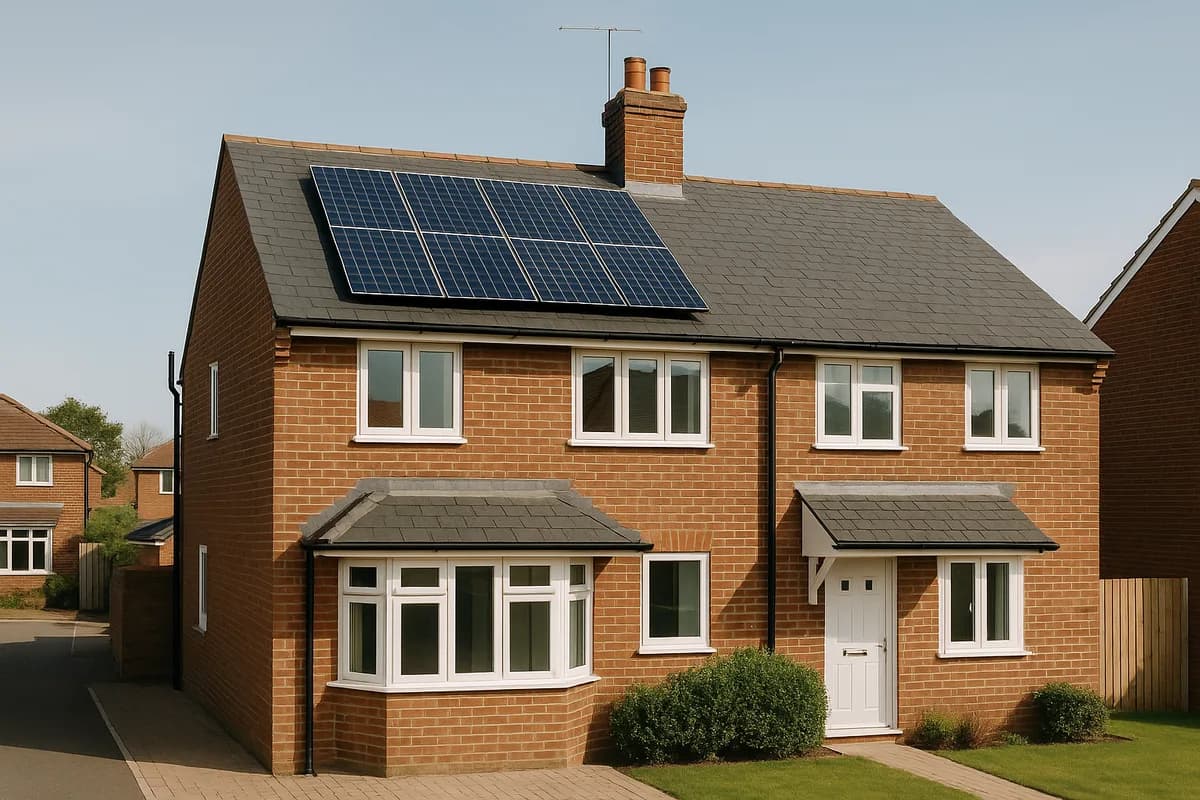
- Limited roof space — mid-terrace homes have smaller roofs than detached properties. You may only fit a 2.5–3kW system, which is still worthwhile but generates less than a 4–5kW system on a larger home.
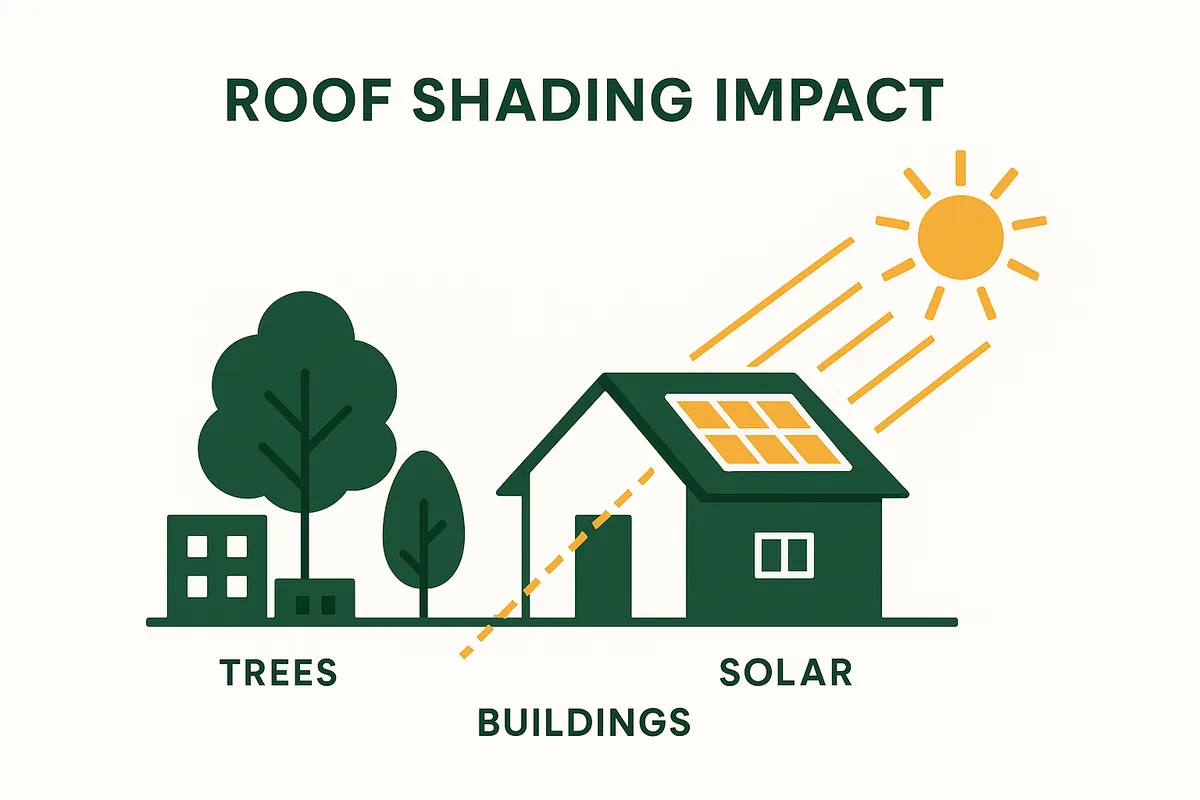
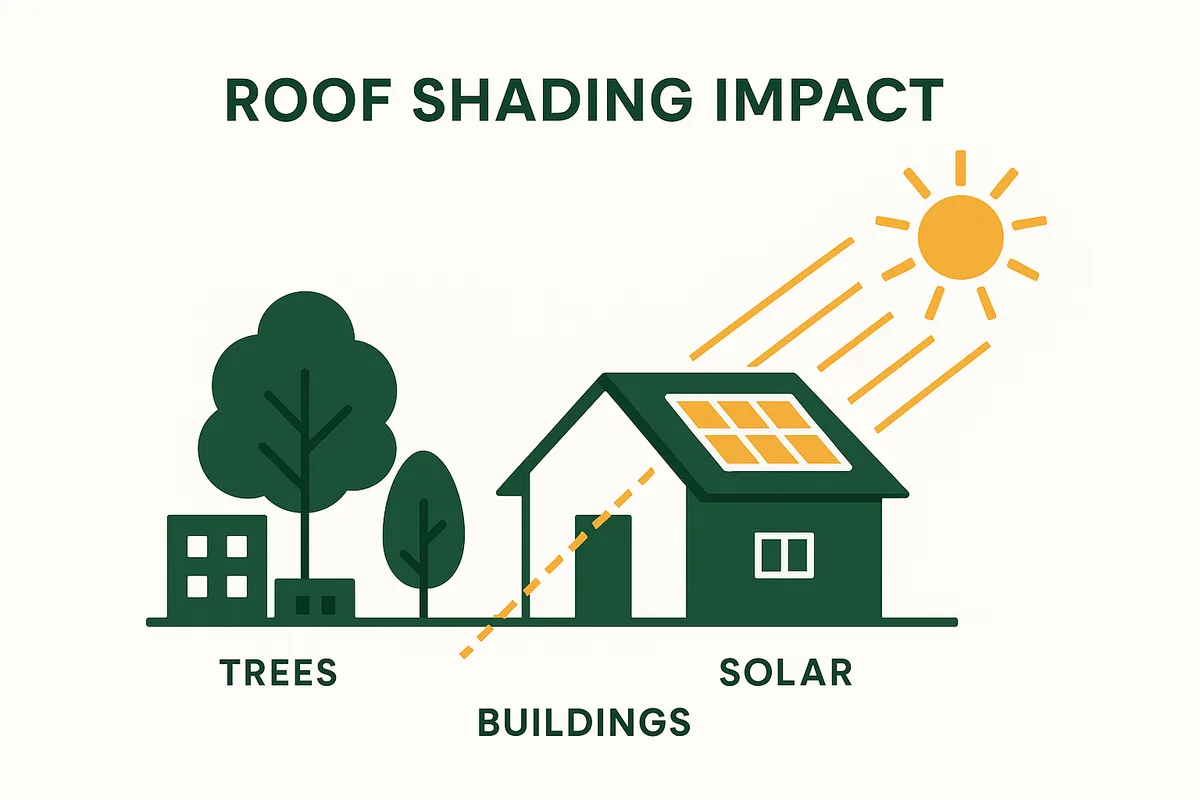
- Shading from neighbours — adjoining properties, chimneys, and taller buildings can cast shadows on your roof. Shading is the biggest performance reducer for terraced homes.
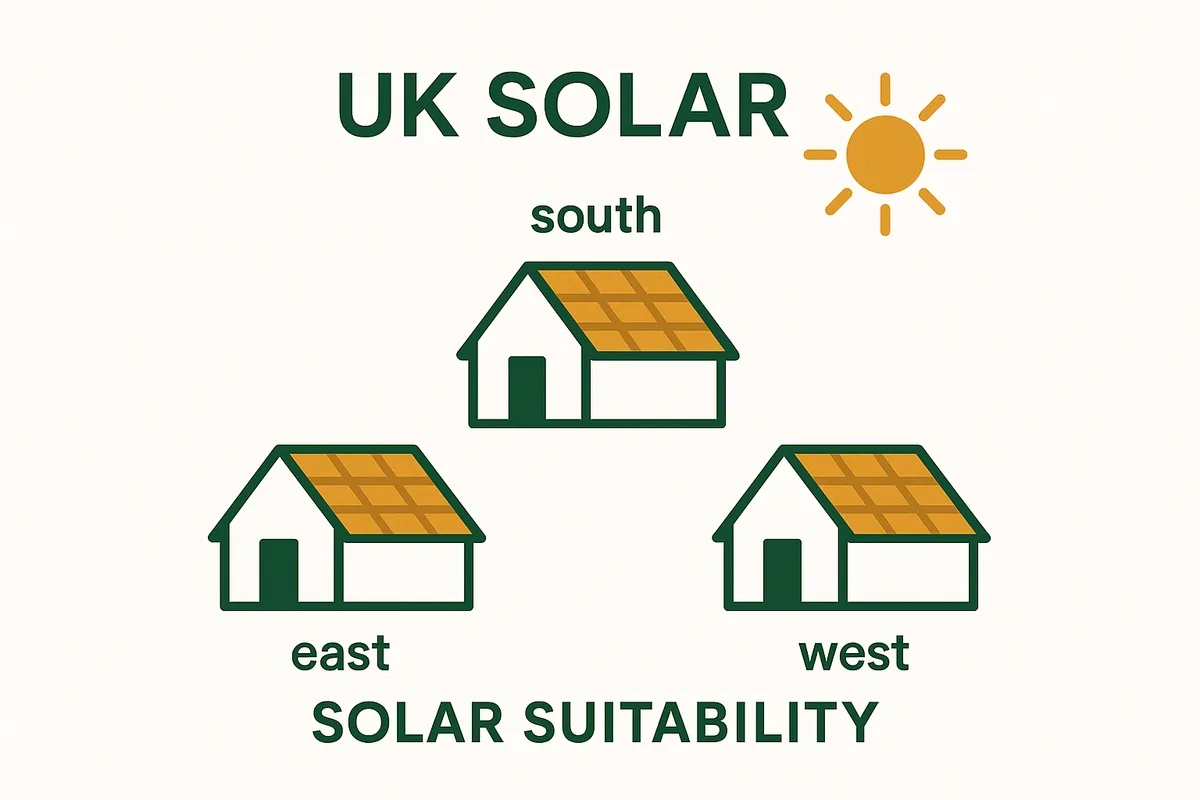
- Roof direction — if your rear roof faces north and your front roof faces south, you may need to install on the street-facing slope. This is permitted development in most areas but may need planning permission in conservation areas.
- Party wall agreement — solar panel mounting brackets are fixed to your roof rafters, not shared party walls. However, if scaffolding is needed against a neighbour's wall, you may need their agreement.
- Scaffolding access — terraced homes with no side access may need scaffolding erected from the front, which can be more complex and expensive in narrow streets.
- Aesthetic concerns — panels on the front of a terrace are more visible than on a detached property. All-black panels are less noticeable.
Is Solar Worth It on a Terraced House?
Ready to see what solar could save you?
Get free, no-obligation quotes from MCS-certified installers in your area.
Get Free QuotesYes — even smaller systems deliver good returns:
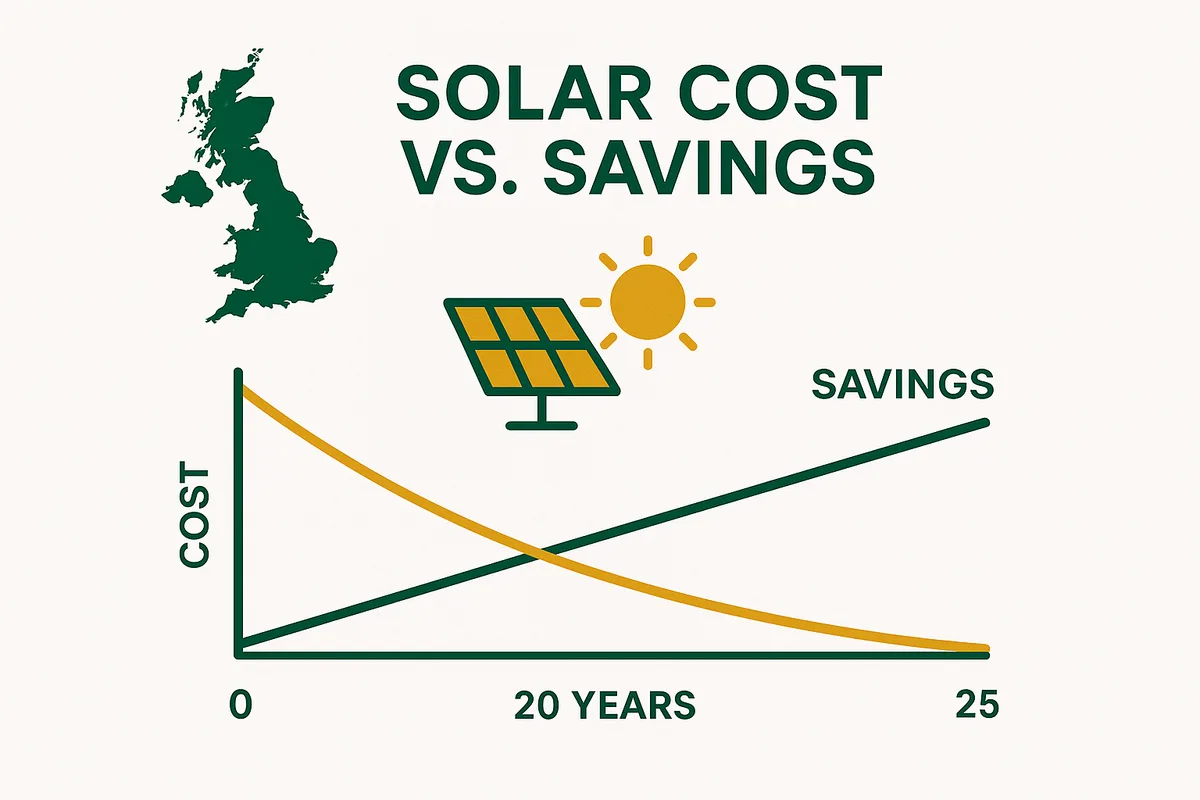
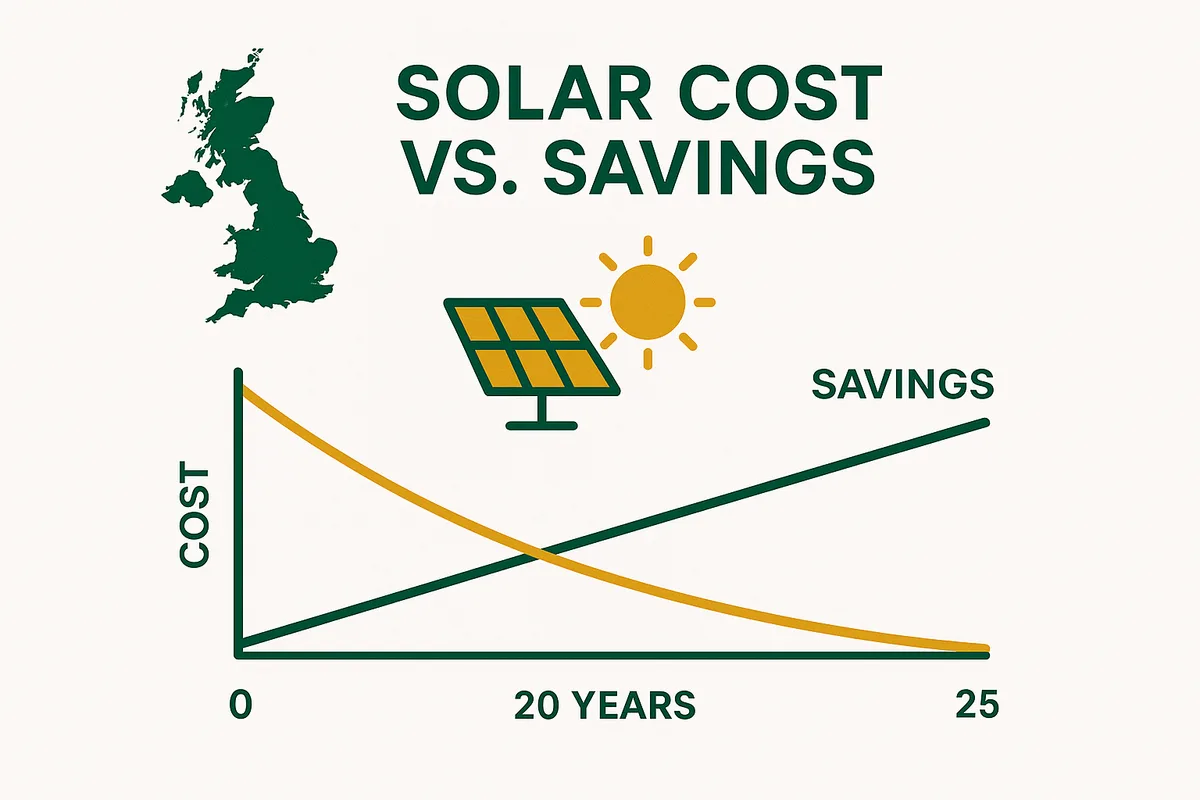
3kW system on a mid-terrace: - Cost: £4,500–£6,500 - Annual savings: £450–£550 - Payback: 9–12 years - 25-year lifetime savings: £8,000–£11,000
The smaller system means lower absolute savings, but the lower cost also means the payback period is similar to larger systems on bigger homes. The return on investment is comparable.
Terraced homes also tend to have higher electricity costs per square metre (older properties with less insulation), which means every kWh of solar generates more relative value.
Key point: A 3kW system on a terraced house is a better investment than no solar at all. Do not let the smaller system size put you off.
Source: Energy Saving Trust; Ofgem price cap, July-September 2026.
Micro-Inverters: The Best Choice for Terraced Homes
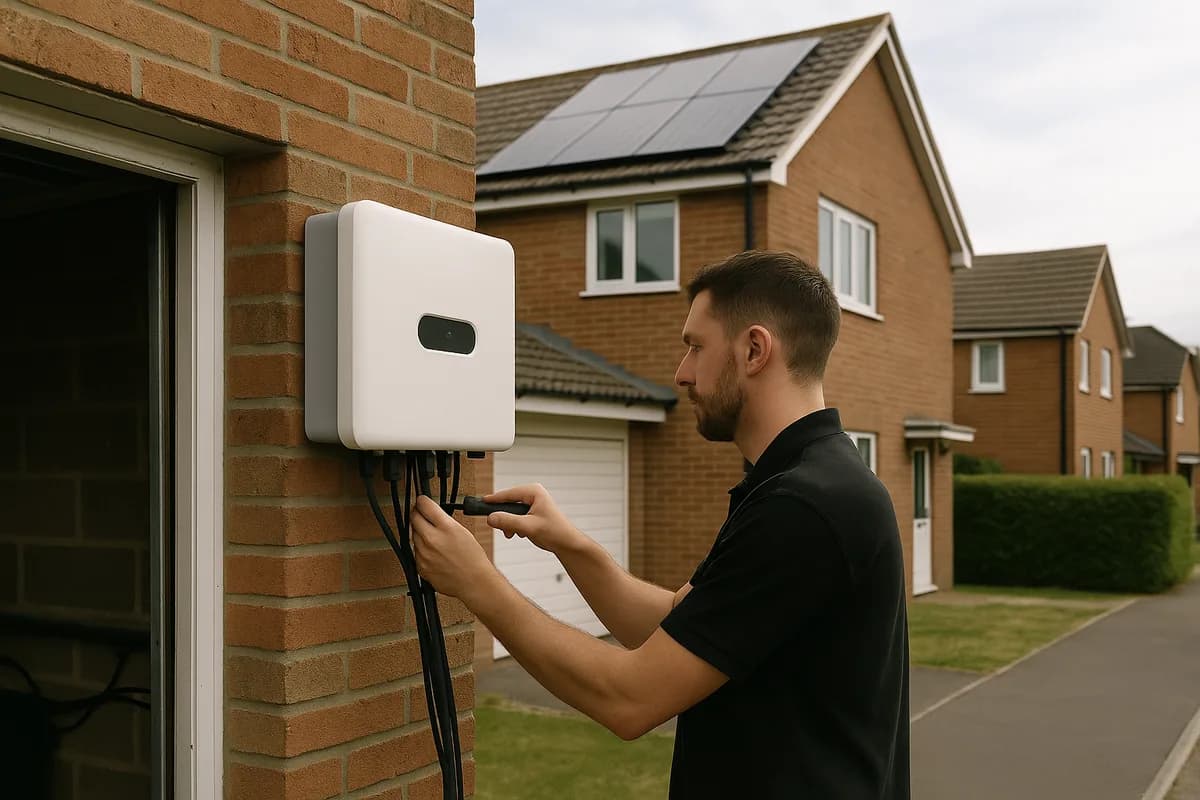
Terraced homes often have partial shading from neighbouring chimneys or taller buildings. This makes micro-inverters particularly valuable:
With a string inverter: One shaded panel reduces the output of the entire string. If one of your 8 panels is shaded for part of the day, all 8 panels produce less.
With micro-inverters: Each panel operates independently. The 7 unshaded panels produce at full capacity while only the shaded panel is reduced.
For terraced homes with any shading, micro-inverters recover enough extra energy to justify their higher cost (approximately £50–£80 per panel extra).
Source: MCS installer technical guidance on shading mitigation.
Planning Permission for Terraced Solar
Solar panels on terraced houses are generally permitted development — no planning application needed. The same rules apply as for all houses:
- Panels must not protrude more than 200mm from the roof surface
- Panels must not extend above the highest part of the roof
- No panels on walls facing a highway
Conservation area exception: If your terrace is in a conservation area, you may need planning permission for panels on a roof slope facing a highway (visible from the road). Rear-facing panels are usually still permitted.
Flats above shops: If your property is a flat or maisonette (not a house), permitted development rights do not apply and you need planning permission.
Source: UK Planning Portal.
Frequently Asked Questions
Related guides
You might also like
Ready to see what solar could save you?
Get free, no-obligation quotes from MCS-certified installers in your area.
Get Free QuotesFree, no obligation. Takes 2 minutes.