What Direction Should Solar Panels Face in the UK?
Ready to see what solar could save you?
Get free, no-obligation quotes from MCS-certified installers in your area.
Get Free QuotesFree, no obligation. Takes 2 minutes.
What is the best direction for solar panels?
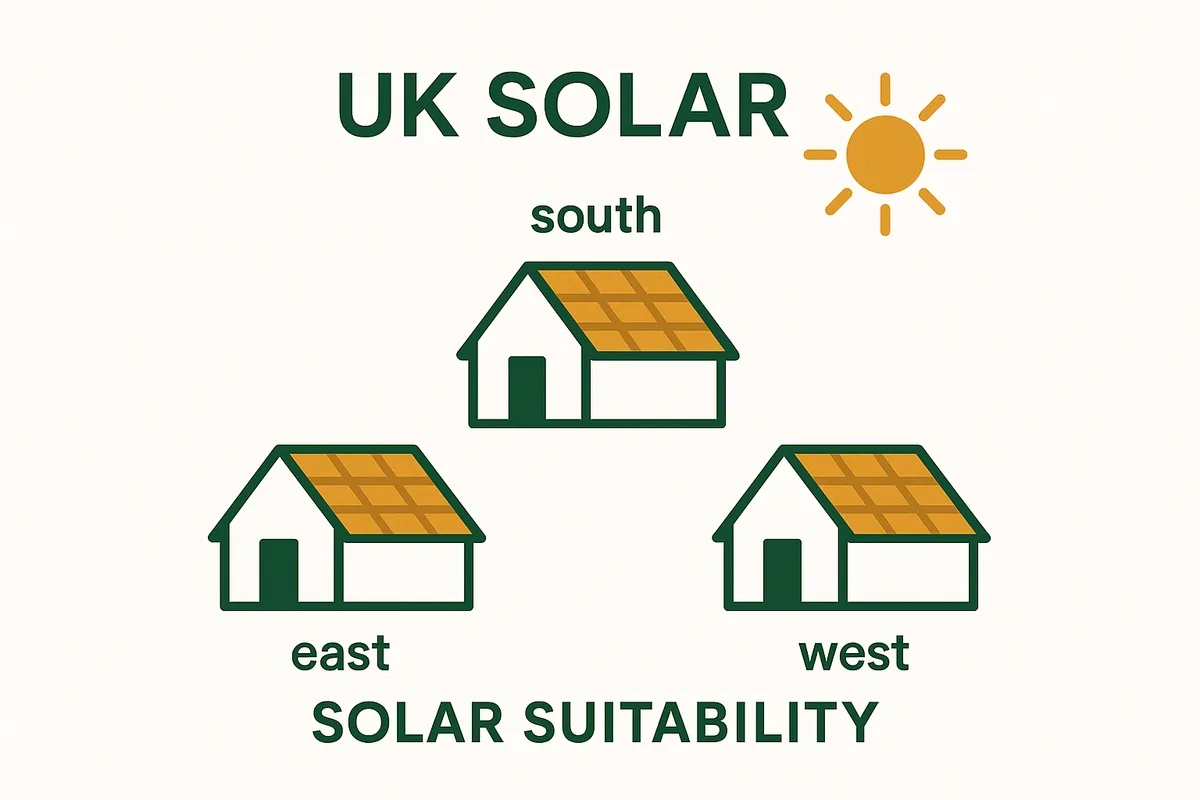
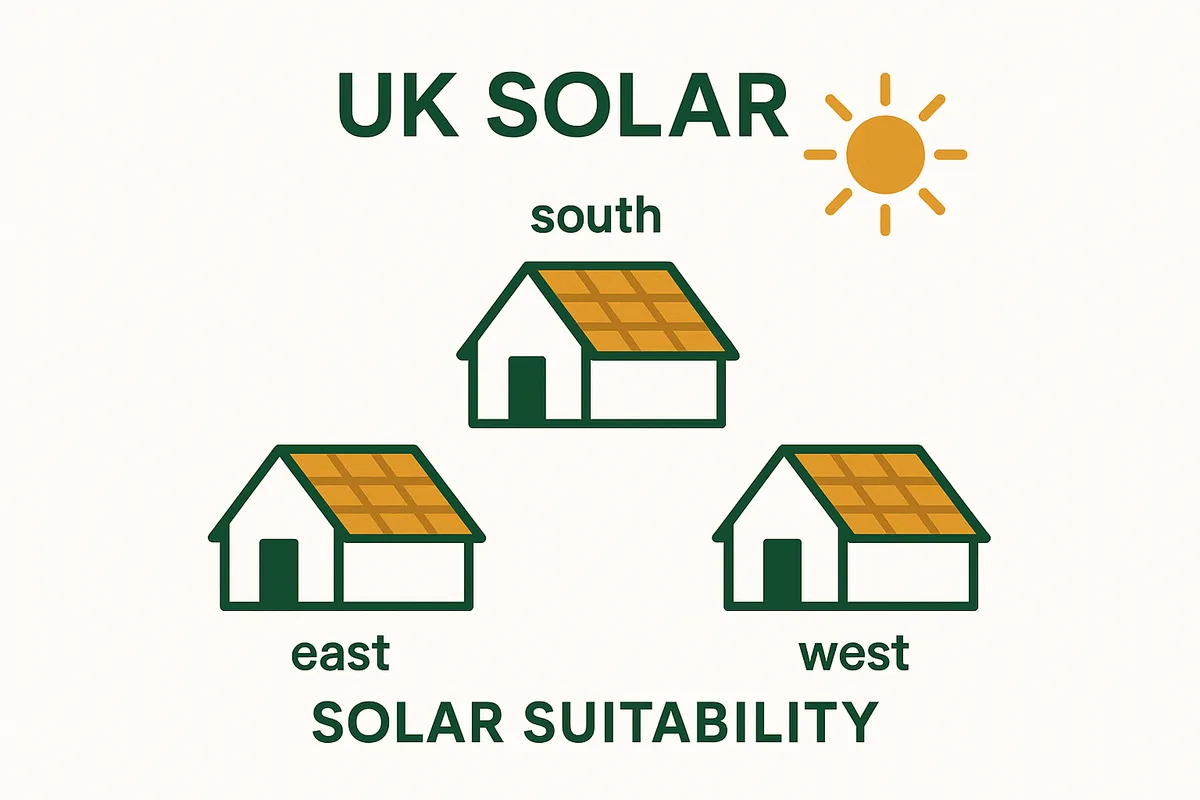
South-facing is the best direction for solar panels in the UK, producing 100% of potential output. South-east and south-west give 95%. East or west facing panels produce 80–85% — still very worthwhile. North-facing is the least productive at 55–60%, and is generally not recommended unless no other option exists.
Output by Roof Direction
The direction your roof faces (its aspect or orientation) determines how much sunlight your panels receive throughout the day. Here is how each direction performs relative to the optimal south-facing position:
- South: 100% — panels receive maximum sunlight from mid-morning to mid-afternoon
- South-East: 95% — strong morning generation, slightly less afternoon sun
- South-West: 95% — slightly less morning sun, strong afternoon generation
- East: 80–85% — good morning generation, tails off after midday
- West: 80–85% — lower morning output, peaks in afternoon
- North-East: 60–65% — limited direct sun, mostly diffused light
- North-West: 60–65% — similar to north-east
- North: 55–60% — minimal direct sun, relies heavily on diffused light
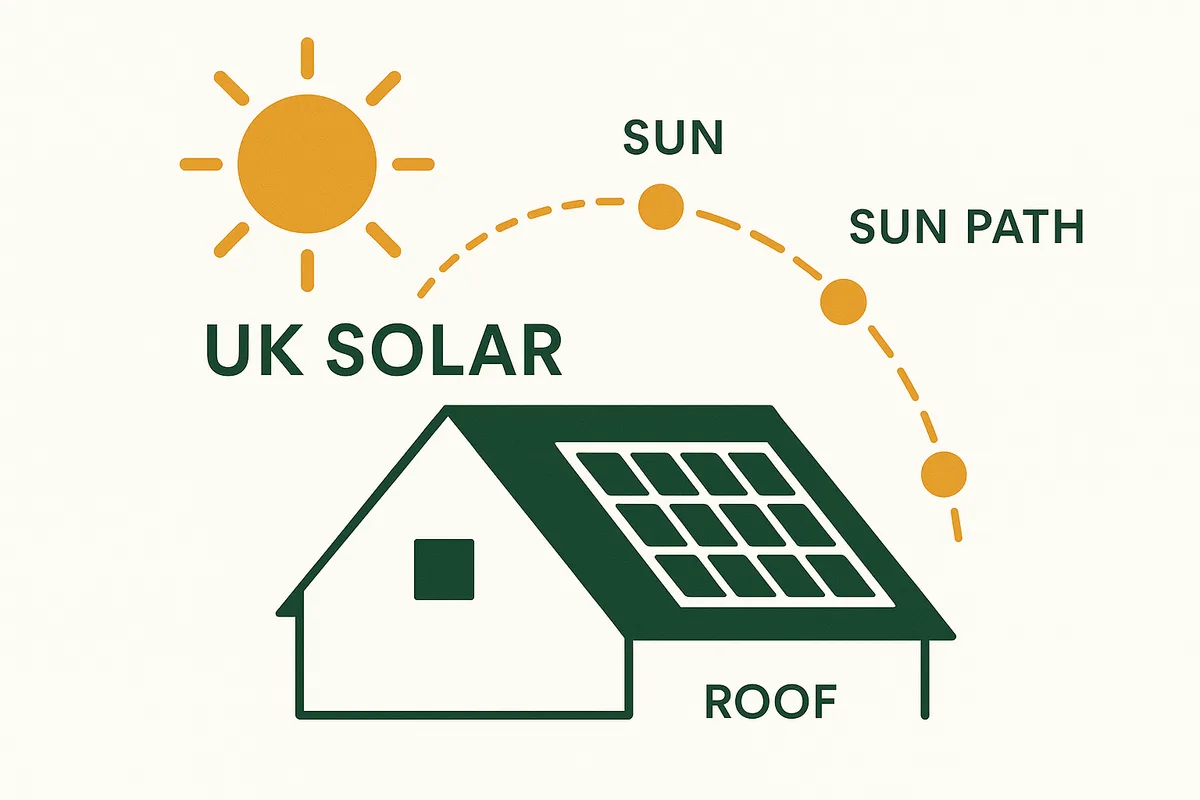
These percentages apply to the UK's latitude (50–58°N). At this latitude, the sun tracks across the southern sky, making south-facing surfaces the most productive.
Source: PVGIS European Commission; Energy Saving Trust orientation guidance.
East-West Split Systems: A Smart Alternative
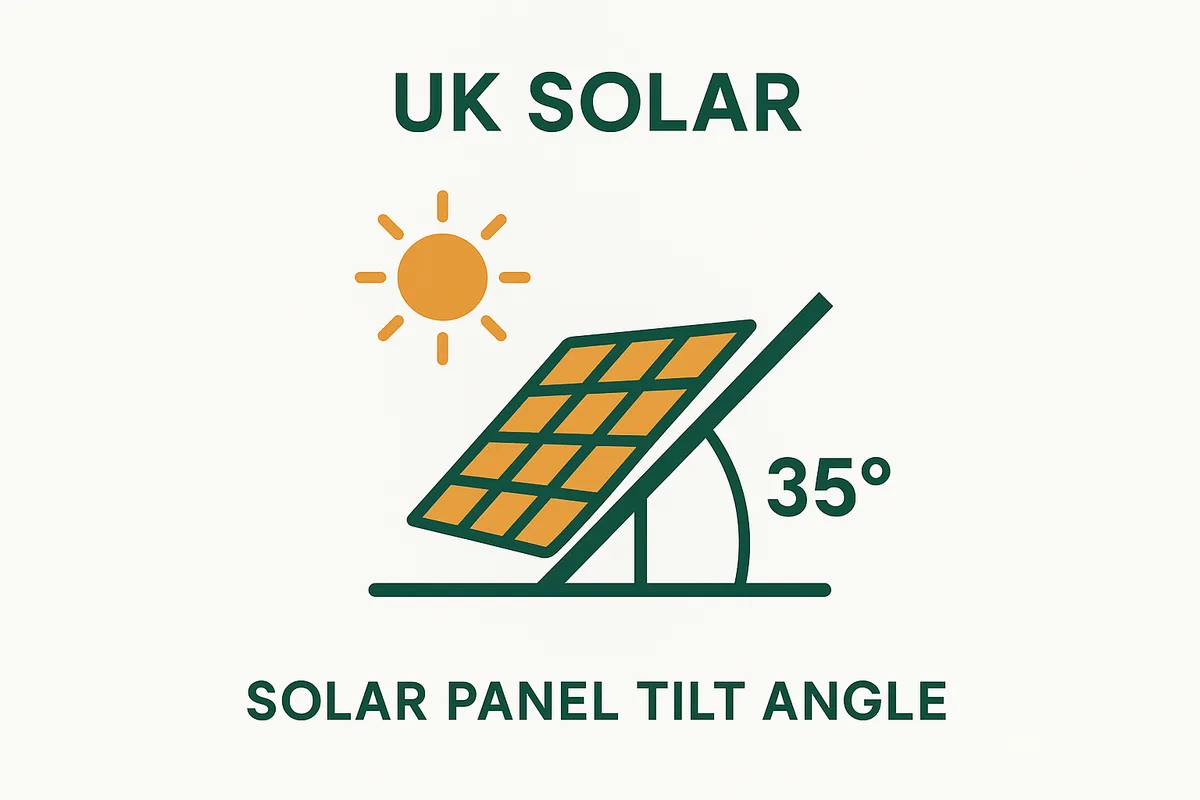
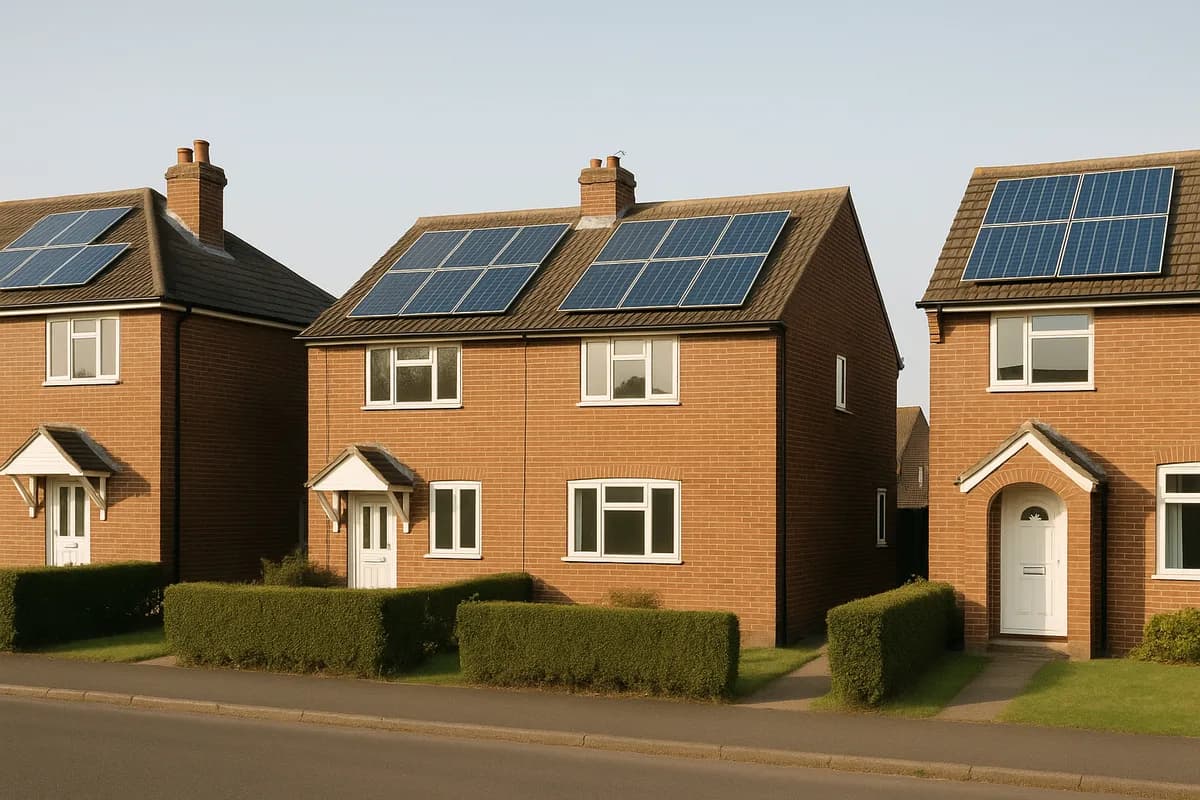
If your roof does not face south, an east-west split system can be an excellent option. This involves installing panels on both the east-facing and west-facing sides of a pitched roof.
Benefits of east-west split: - Generates electricity across more of the day (morning east panels + afternoon west panels) - Produces a flatter, more consistent output curve vs a south-facing peak - Better matches typical household consumption patterns (morning and evening usage) - Can accommodate more total panels (using both roof slopes) - Only produces 80–85% of south-facing output per panel — but you may fit more panels total
With micro-inverters, each panel operates independently, so the east panels do not drag down the west panels. This makes east-west splits particularly effective with micro-inverter technology.
Source: MCS installer design guidance.
Does Roof Pitch Matter?
Ready to see what solar could save you?
Get free, no-obligation quotes from MCS-certified installers in your area.
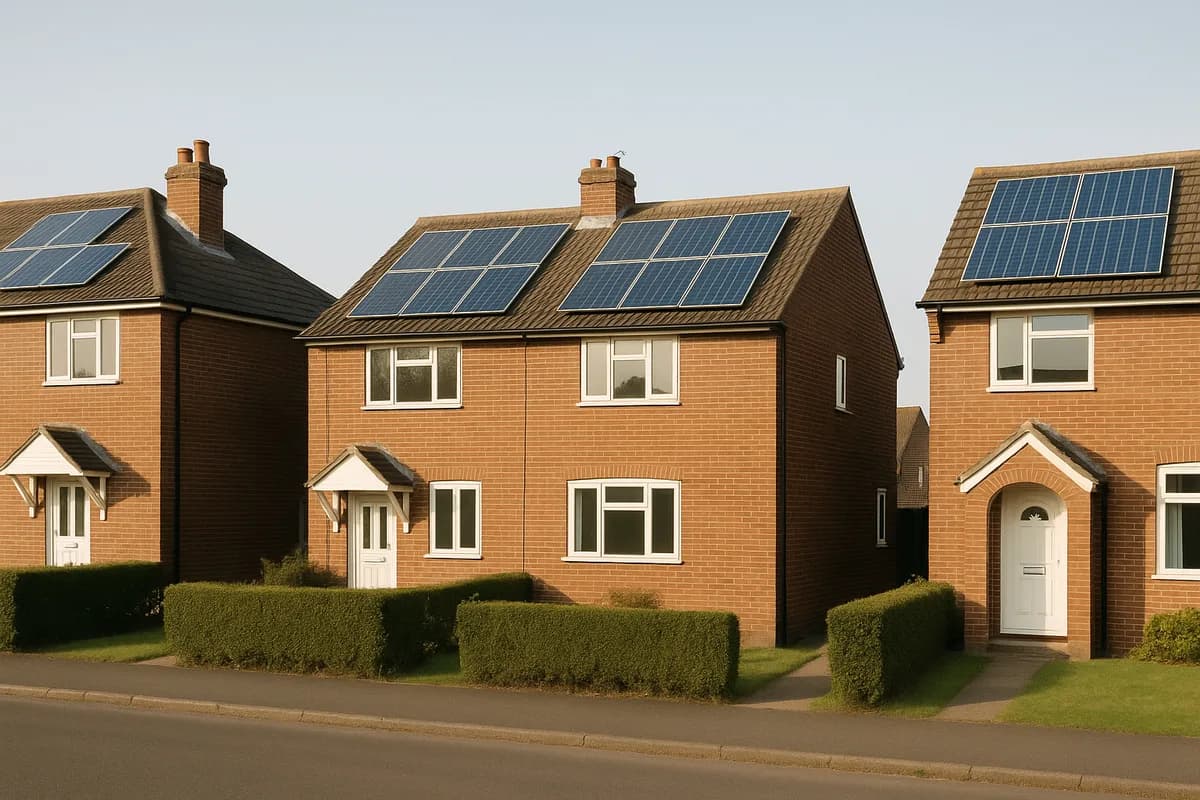
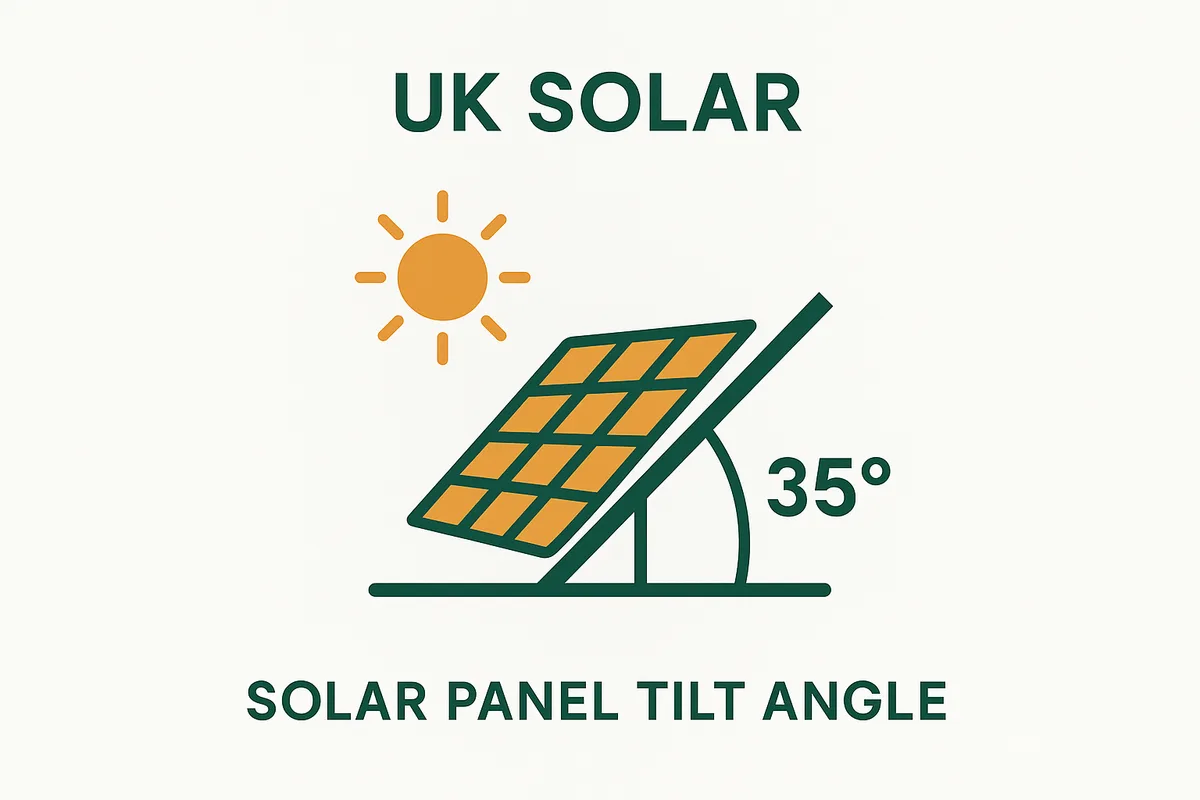
Get Free QuotesYes, but less than direction. The optimal tilt angle for UK solar panels is 30–40 degrees from horizontal — which conveniently matches most UK roof pitches.
Output by roof pitch: - 30–40 degrees: 100% (optimal) - 20–30 degrees: 95–98% (very close to optimal) - 15–20 degrees: 90–95% (slight reduction) - 0–10 degrees (flat roof): 85–90% (panels can be tilted with mounting frames) - 50–60 degrees: 90–95% (steep but still effective)
Flat roofs are not a problem — panels are mounted on angled frames at 20–30 degrees. The main consideration is ensuring the frames do not shade each other, which requires adequate spacing.
Source: PVGIS irradiance calculations for UK latitudes.
Should You Install on a North-Facing Roof?
Generally no. A north-facing roof produces only 55–60% of a south-facing roof's output. At this level, the financial case weakens significantly:
- South-facing 4kW system: generates ~4,000 kWh, saves ~£900/year, payback ~9 years
- North-facing 4kW system: generates ~2,300 kWh, saves ~£500/year, payback ~14 years
However, there are situations where north-facing panels might still make sense: - Your electricity consumption is very high (>6,000 kWh/year) - You have already installed panels on all other available roof faces - You have a battery and time-of-use tariff that maximises even small amounts of solar - The panels are heavily subsidised or free
In most cases, if only a north-facing roof is available, the money is better spent on other energy efficiency measures (insulation, heat pump, LED lighting).
Source: Energy Saving Trust; MCS installer assessment criteria.
How to Check Your Roof Direction
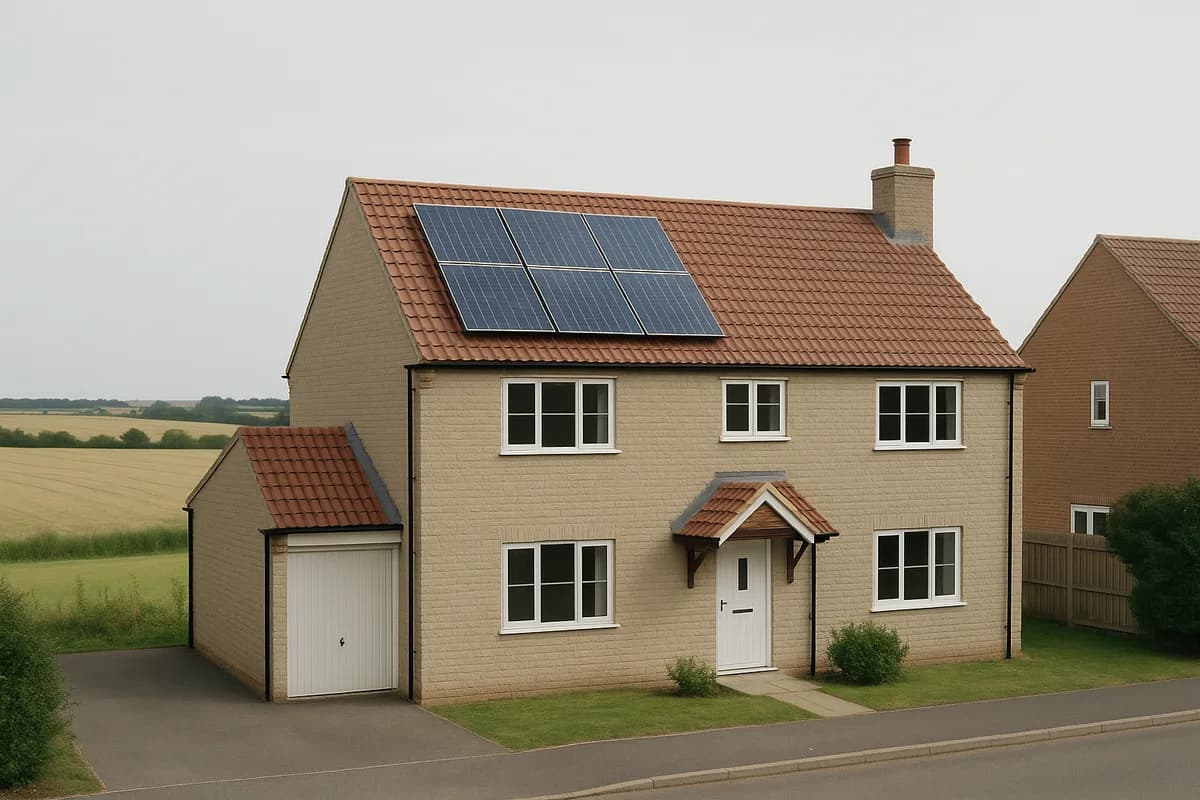
- Use Google Maps — find your home in satellite view and note which way the largest roof slopes face relative to south
- Use a compass app on your phone — stand in your garden and point toward the main roof slope
- Check your deeds or house plans — they usually indicate orientation
- Use our free suitability checker — it assesses direction, pitch, and shading
- Ask your installer — every MCS-certified installer assesses roof orientation as part of their free survey
Frequently Asked Questions
Related guides
You might also like
Ready to see what solar could save you?
Get free, no-obligation quotes from MCS-certified installers in your area.
Get Free QuotesFree, no obligation. Takes 2 minutes.