Do Solar Panels Need Direct Sunlight?
Ready to see what solar could save you?
Get free, no-obligation quotes from MCS-certified installers in your area.
Get Free QuotesFree, no obligation. Takes 2 minutes.
Do solar panels need direct sunlight to generate electricity?
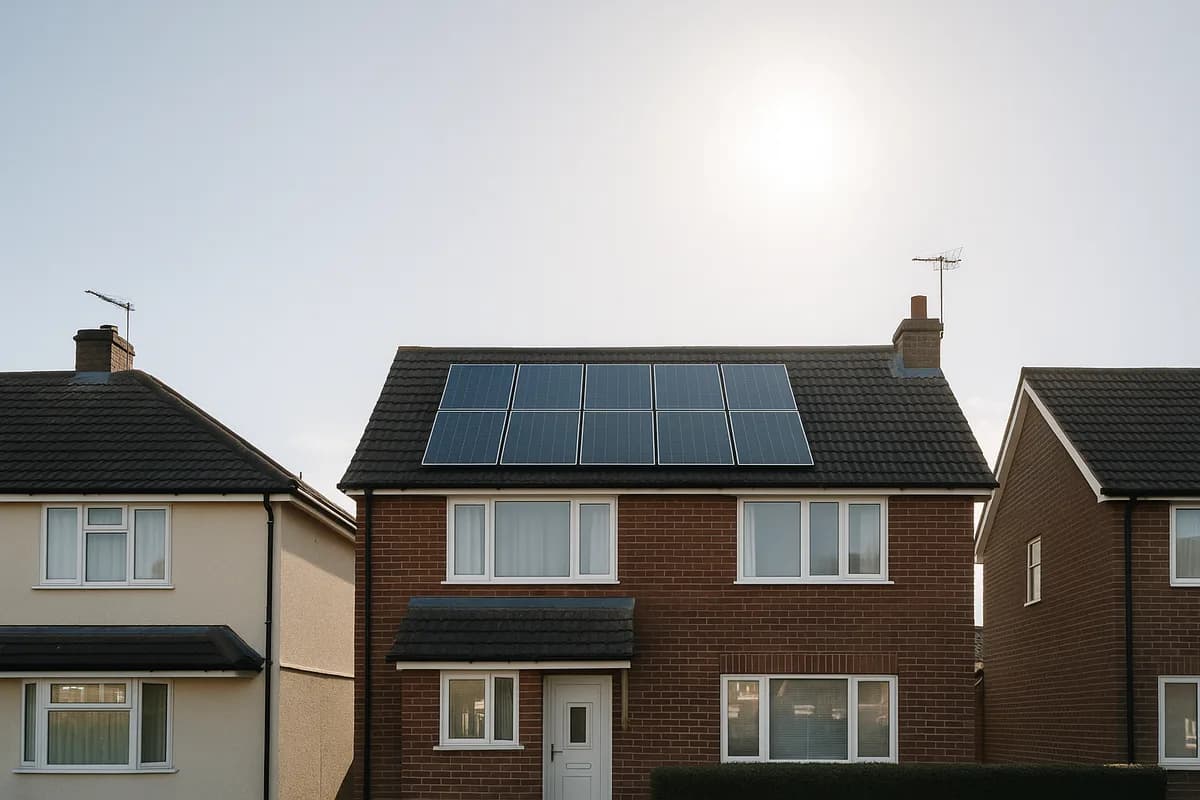
No, solar panels do not need direct sunlight. They generate electricity from daylight, including diffused light on cloudy days. In direct sun, panels produce at full capacity. In overcast conditions, they produce 10–30% of rated output. The UK gets roughly 50–60% of its annual solar radiation as diffused light — and panels capture all of it.
Direct Sunlight vs Diffused Light: What's the Difference?
Sunlight reaches your solar panels in two forms:
- Direct radiation — sunlight travelling in a straight line from the sun to the panel. This is strongest on clear, sunny days and produces the highest output.
- Diffuse radiation — sunlight scattered by clouds, moisture, and particles in the atmosphere. It arrives from all directions, not just straight from the sun.
Solar panels respond to both types. In the UK, diffuse radiation accounts for roughly 50–60% of total annual solar energy. This means even if you rarely see blue sky, your panels are converting scattered light into electricity all day long.
Source: Met Office UK solar radiation data; PVGIS European Commission.
How Much Do Panels Produce Without Direct Sun?
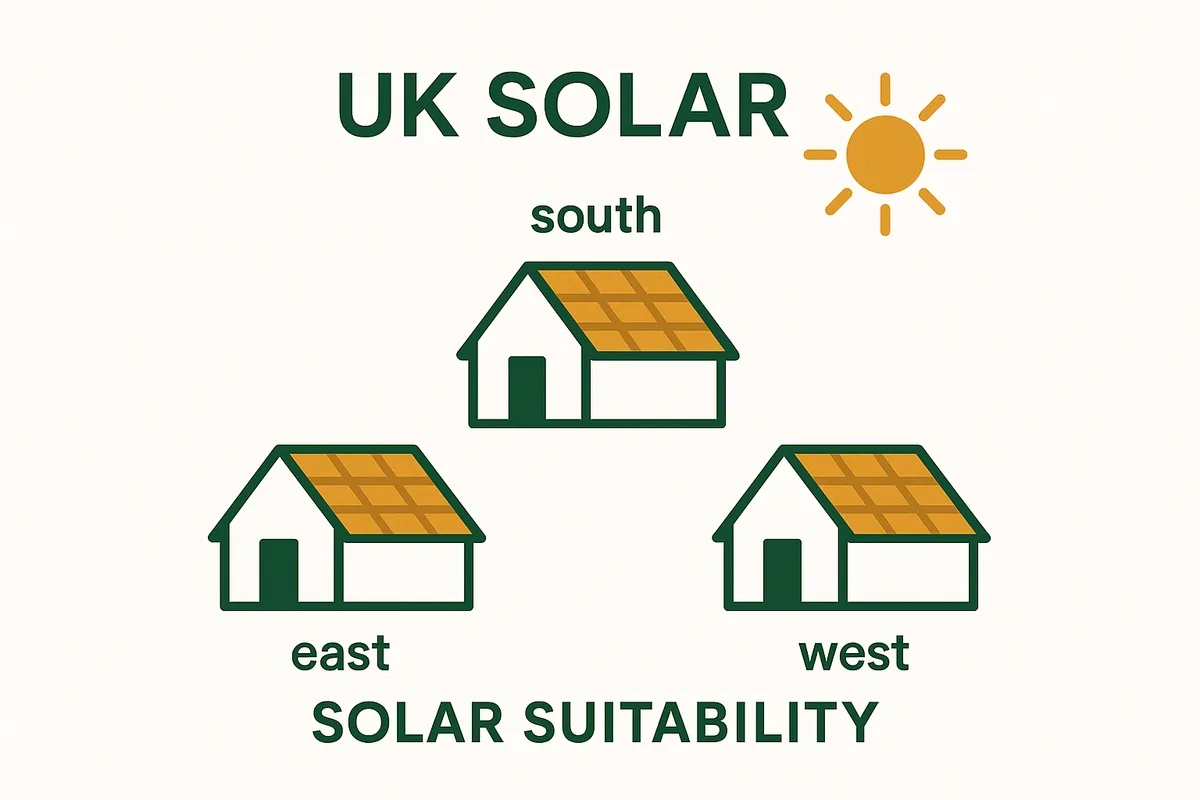
Output varies by how much light reaches the panels:
- Bright sunshine: 90–100% of rated capacity
- Hazy sun / thin cloud: 60–80% of rated capacity
- Overcast / thick cloud: 10–30% of rated capacity
- Heavy rain / dark storm: 5–15% of rated capacity
- Night: 0% (panels need light, not heat)
A typical 4kW system in the UK generates 3,800–4,200 kWh per year. This figure already includes all the cloudy days, rain, and short winter daylight hours. The annual estimate is not based on sunshine alone — it accounts for the UK's real weather mix.
Source: Energy Saving Trust; PVGIS irradiance data for UK locations.
What About Shade from Trees or Buildings?
Ready to see what solar could save you?
Get free, no-obligation quotes from MCS-certified installers in your area.
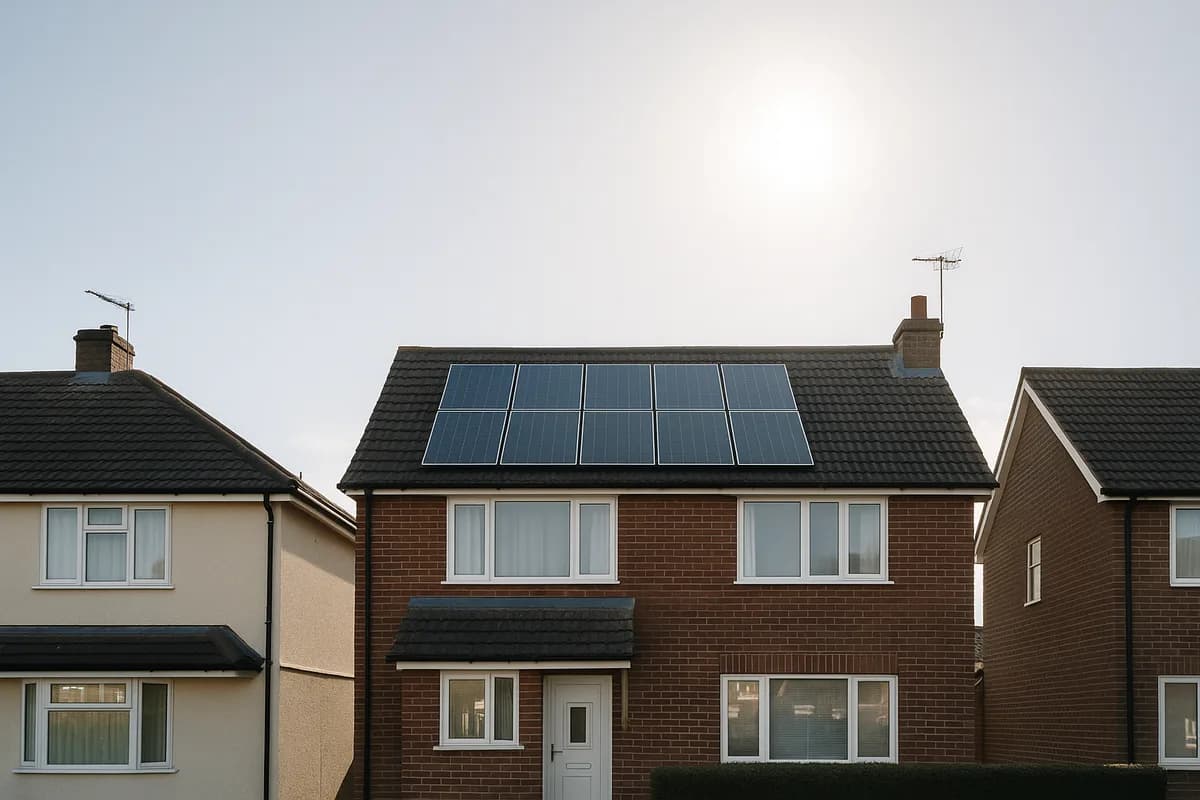
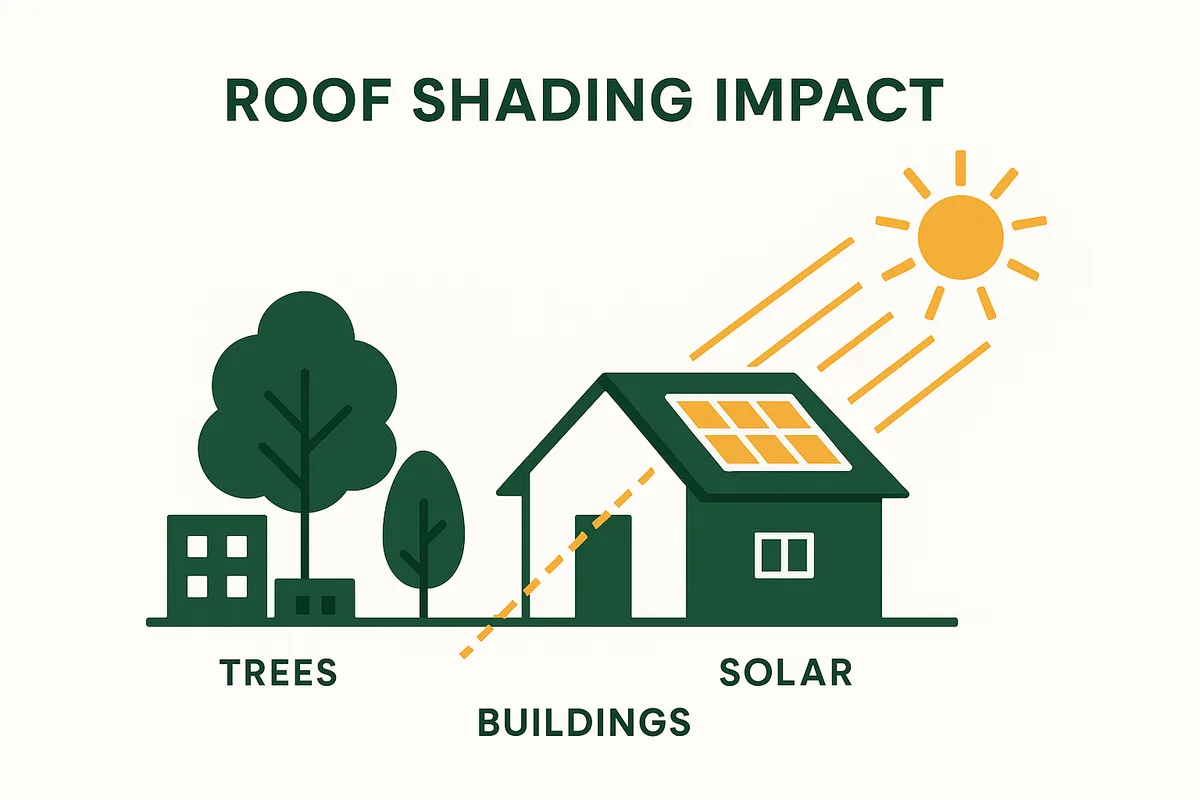
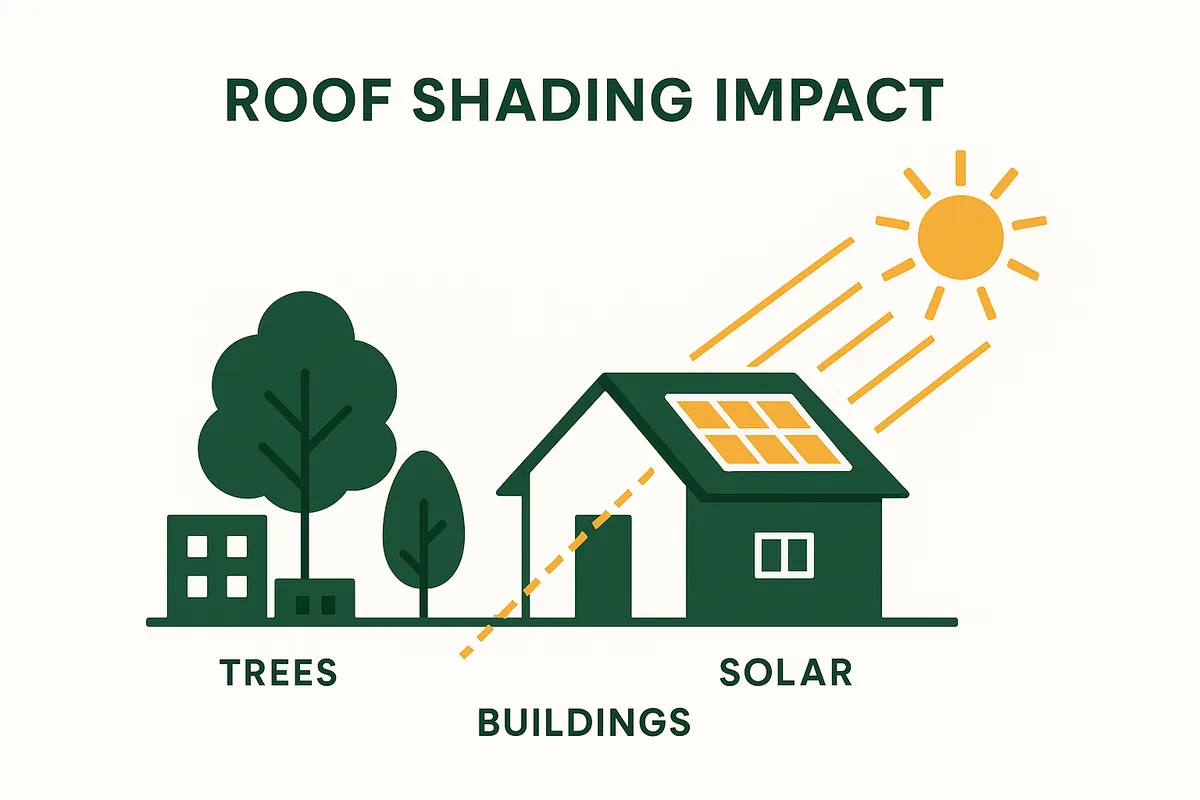
Get Free QuotesShade is different from cloud cover. Clouds reduce light across all panels evenly. Shade from a tree, chimney, or neighbouring building blocks light from specific panels while leaving others in full sun.
Shade is more damaging because: - With a string inverter, one shaded panel drags down the entire string — all panels produce less - With micro-inverters or optimisers, only the shaded panel is affected — the rest operate normally
If your roof has partial shading, consider micro-inverters or SolarEdge optimisers. These cost more upfront but prevent one shadow from reducing your entire system's output.
Source: MCS installer guidance on shading assessment.
Do Solar Panels Work Better in Hot Weather?
Counter-intuitively, no. Solar panels are actually slightly less efficient in very hot weather. Panel efficiency drops by approximately 0.3–0.5% for every 1°C above 25°C.
This means a cool, bright spring day in the UK can produce more electricity than a scorching summer day in Spain. The UK's moderate temperatures are actually an advantage — panels stay cooler and maintain higher efficiency.
The ideal conditions for solar panels are: bright light + cool air. That describes a clear March morning in the UK perfectly.
The Bottom Line
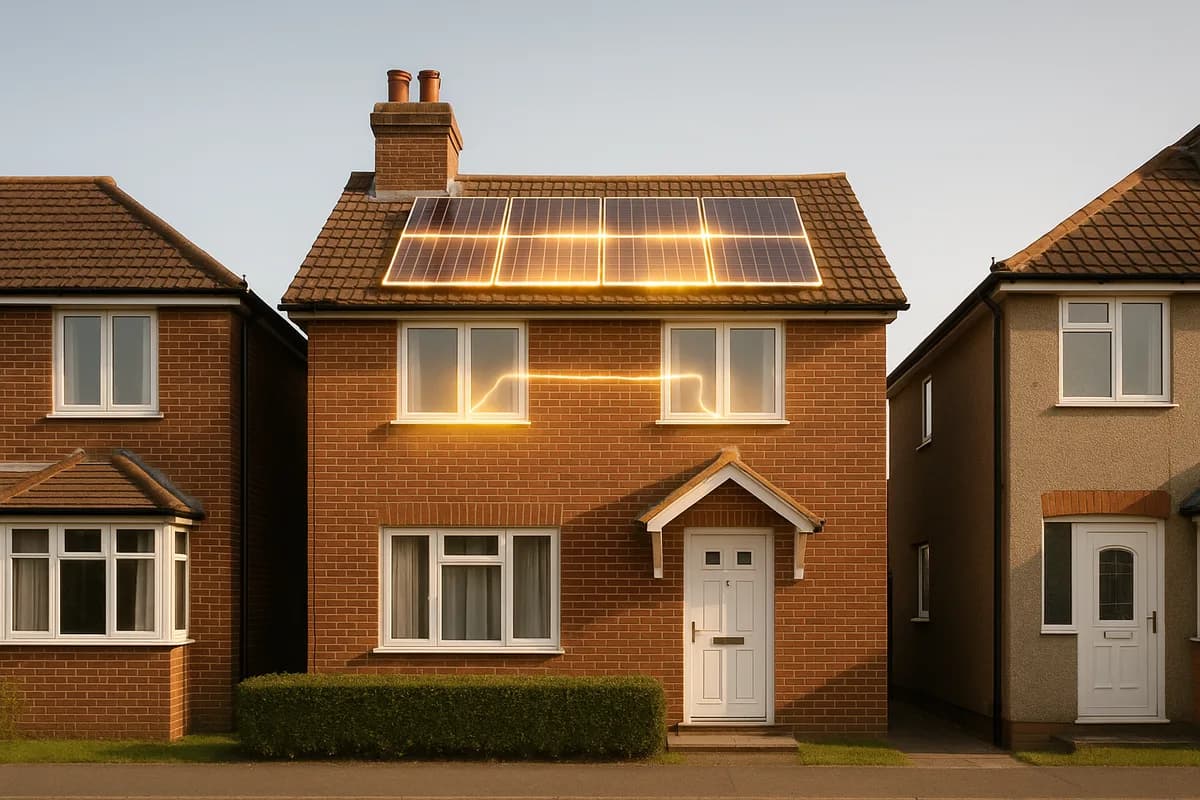
Solar panels work with light, not heat or direct sun. The UK's climate — a mix of sunny spells, hazy days, and overcast skies — provides enough light for solar to be a sound investment nationwide. Every credible solar estimate already accounts for our weather.
If you can read a book outdoors, there is enough light for your solar panels to generate electricity.
Frequently Asked Questions
Related guides
You might also like
Ready to see what solar could save you?
Get free, no-obligation quotes from MCS-certified installers in your area.
Get Free QuotesFree, no obligation. Takes 2 minutes.