Do Solar Panels Need Planning Permission?
Ready to see what solar could save you?
Get free, no-obligation quotes from MCS-certified installers in your area.
Get Free QuotesFree, no obligation. Takes 2 minutes.
Do you need planning permission for solar panels in the UK?
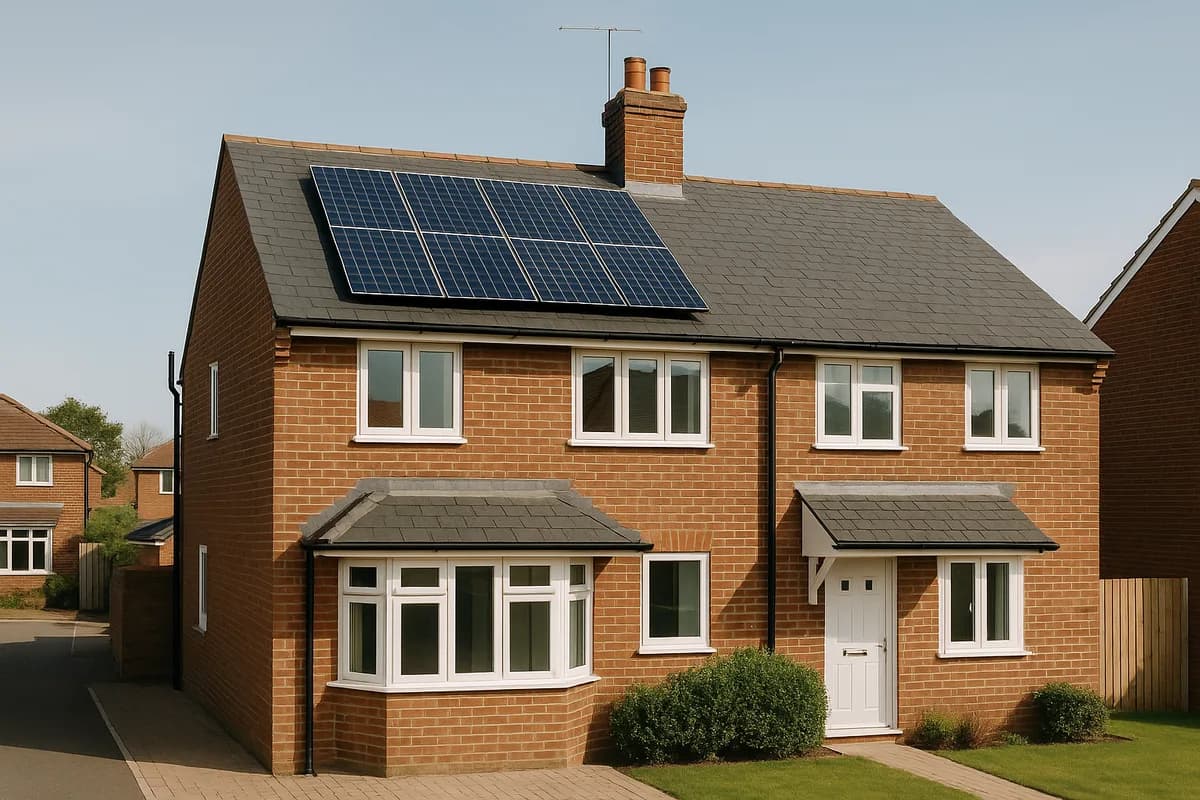
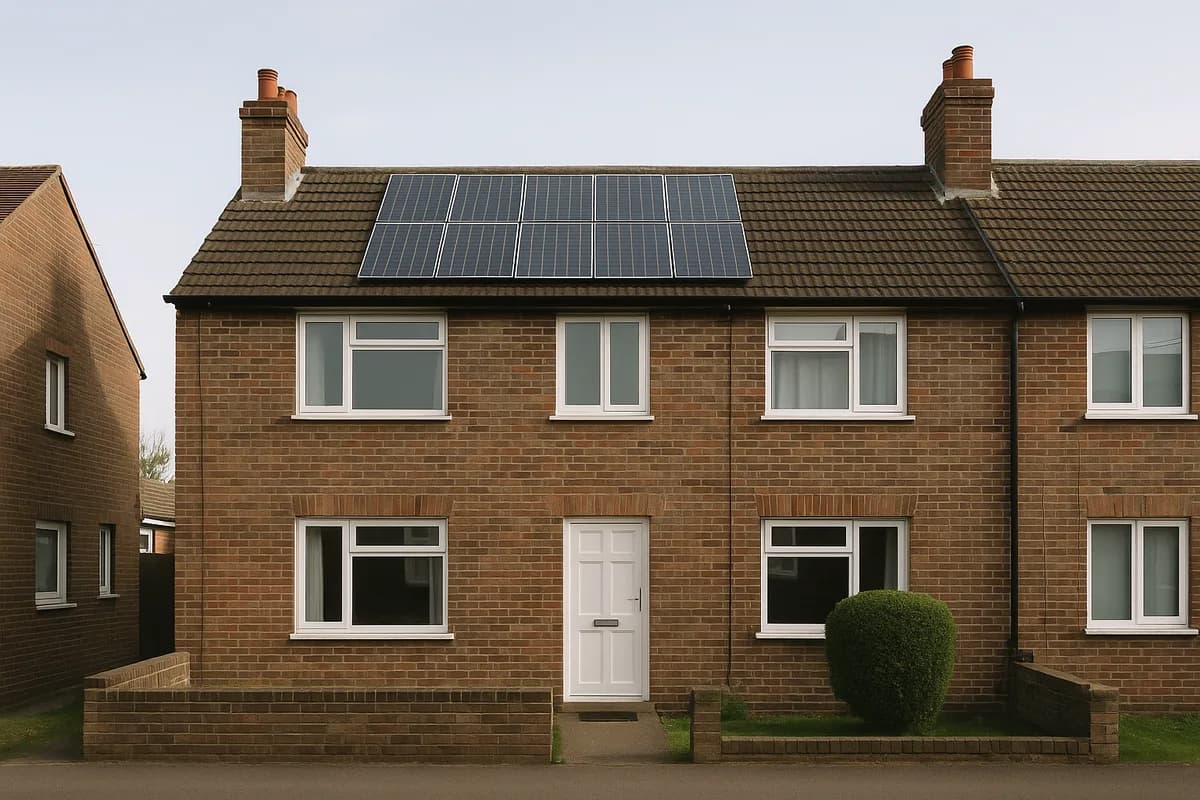
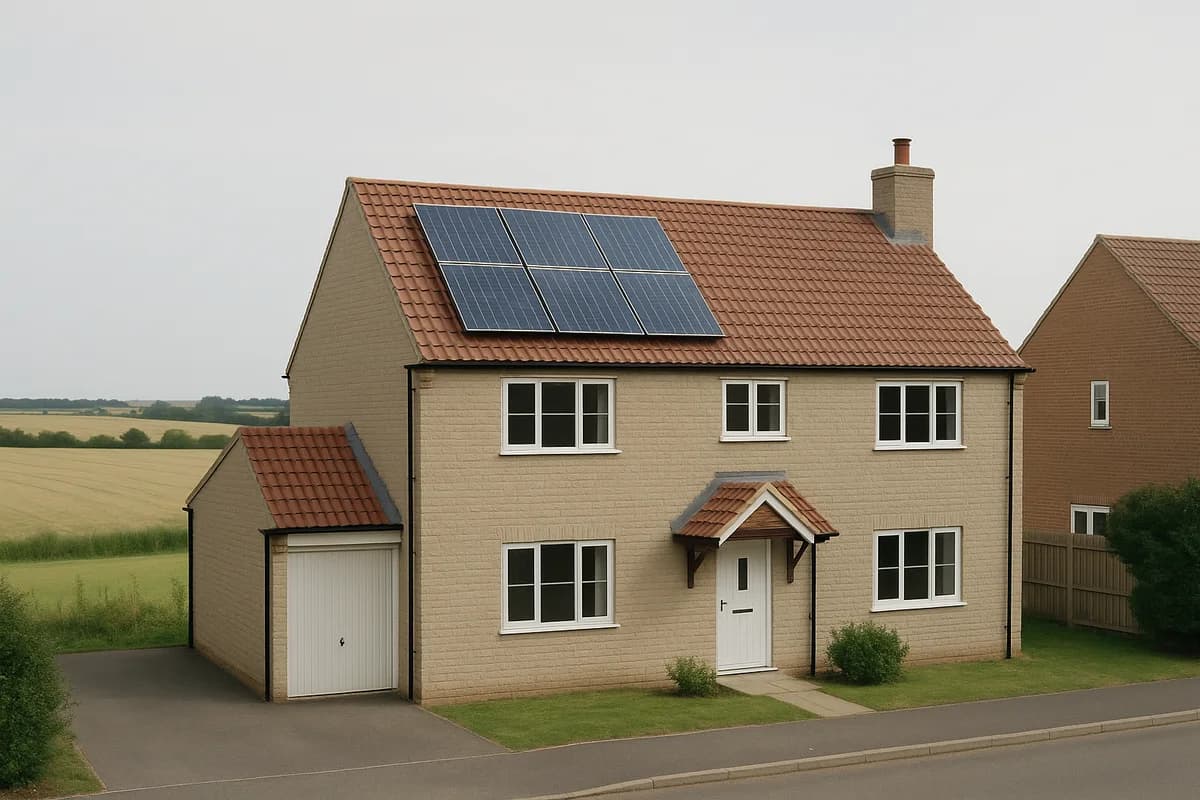
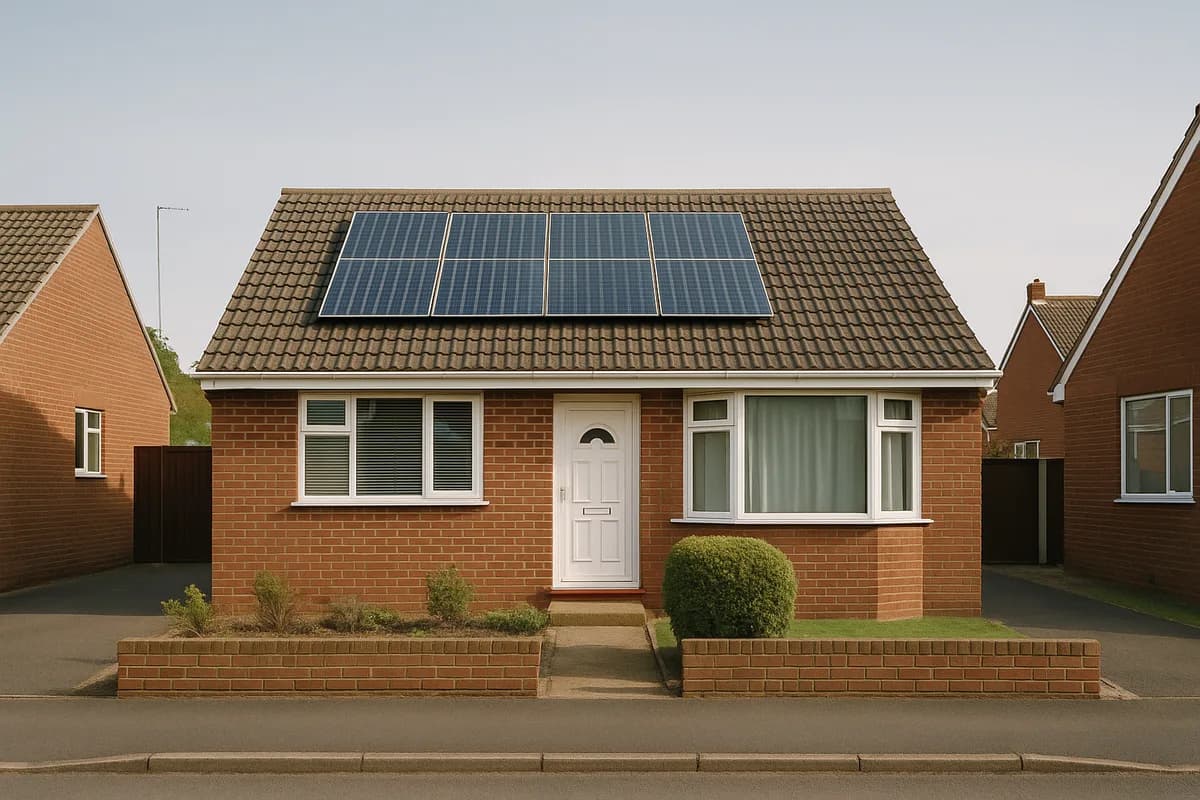
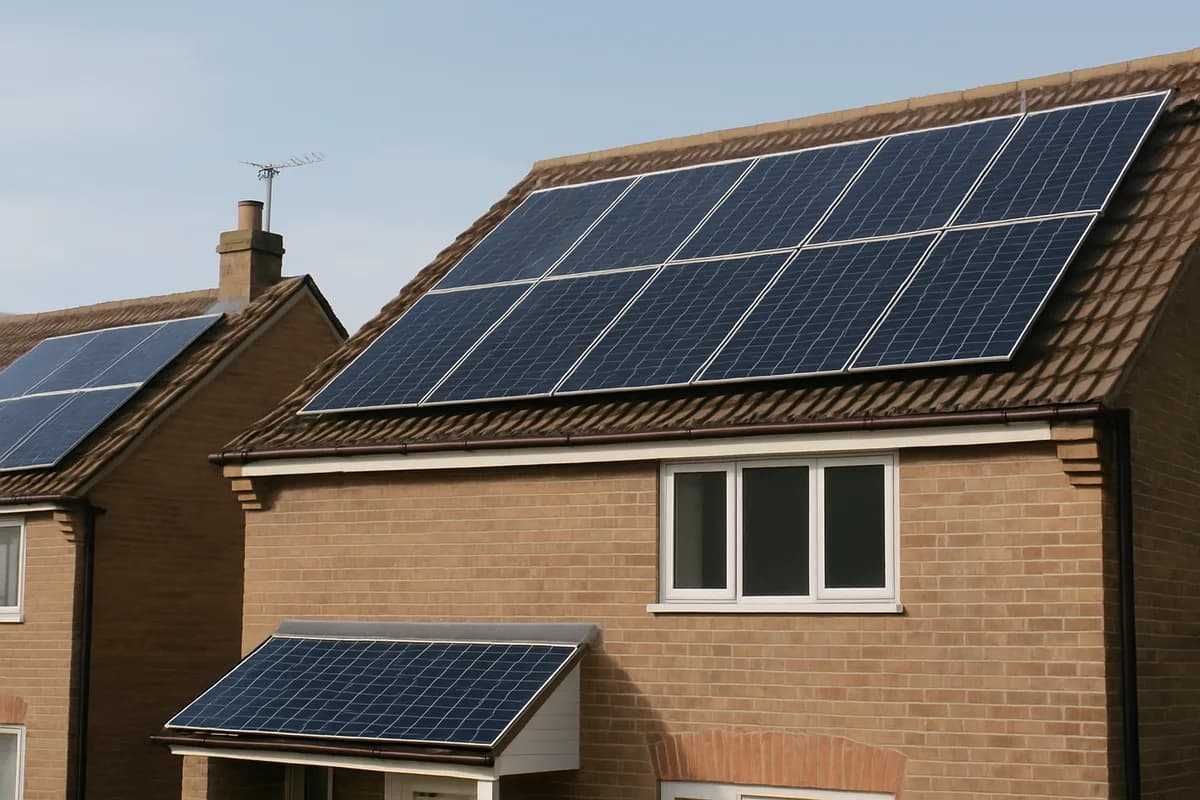
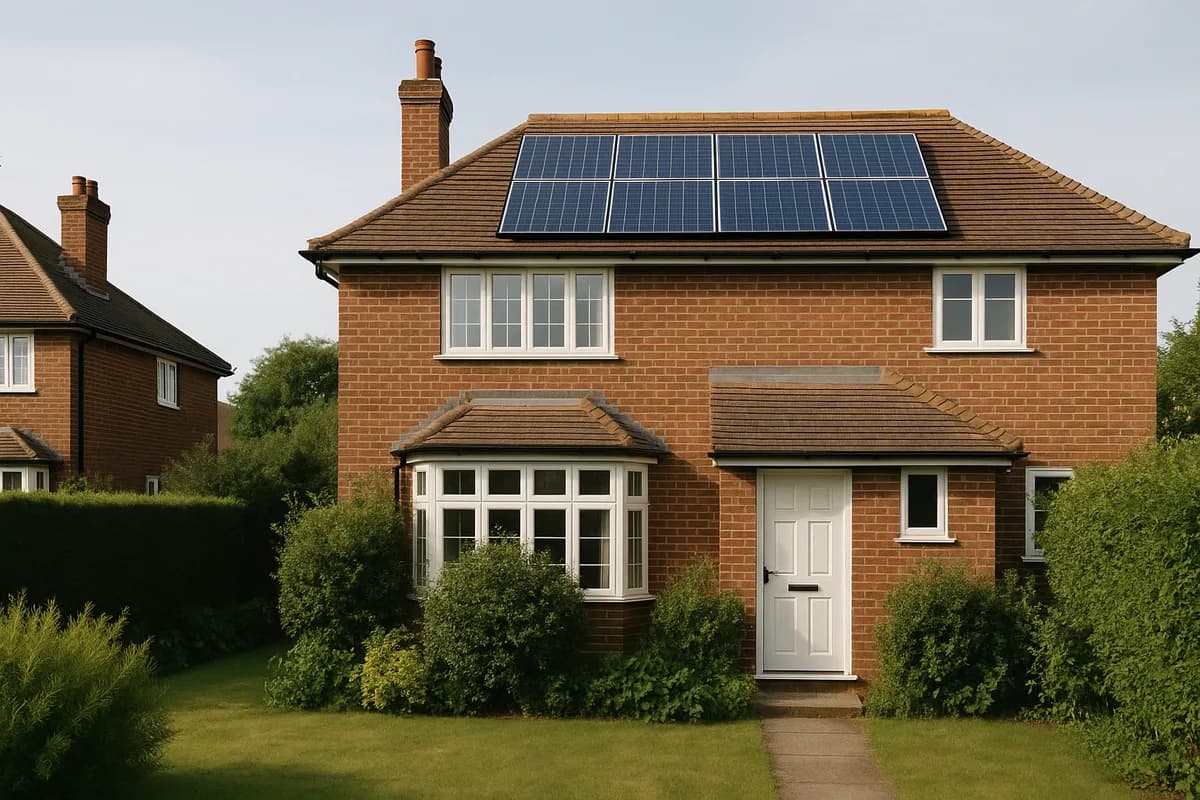
Most UK homeowners do not need planning permission for solar panels. Rooftop solar on houses is classed as permitted development, meaning you can install without applying to the council. However, you DO need planning permission if you live in a listed building, a conservation area (in some cases), a flat or maisonette, or if the panels would protrude more than 200mm from the roof surface.
When You Do NOT Need Planning Permission
Under the Town and Country Planning (General Permitted Development) Order, solar panels are permitted development on most UK houses if all of these conditions are met:
- Panels do not protrude more than 200mm beyond the plane of the roof slope
- Panels are not higher than the highest part of the roof (excluding the chimney)
- Panels are not installed on a wall facing a highway (front-facing wall panels need permission)
- The property is a house (not a flat, maisonette, or commercial building)
- The property is not a listed building
- No previous permitted development rights have been removed (check with your local planning authority)
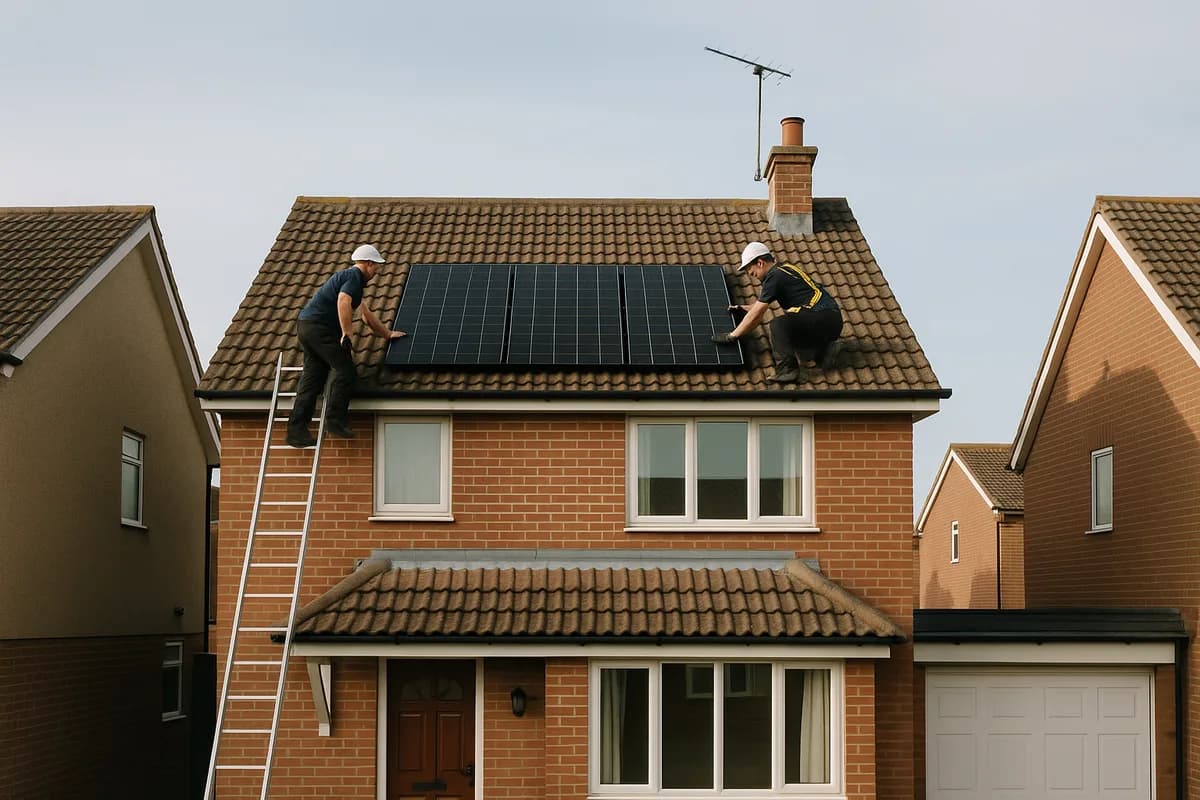
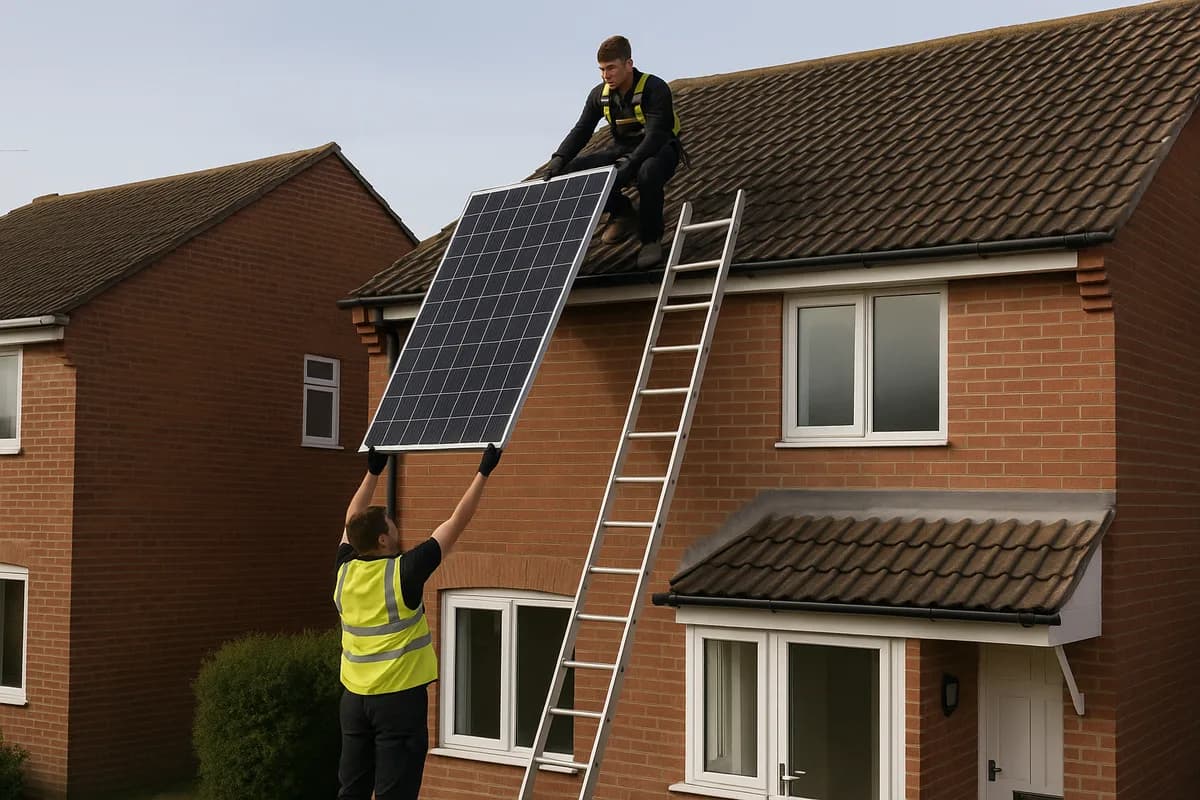
If you meet all of these conditions, you can proceed with installation without any planning application. Your MCS installer will confirm this during the initial site survey.
Source: UK Government Planning Portal; Town and Country Planning (General Permitted Development) (England) Order 2015, Schedule 2, Part 14.
When You DO Need Planning Permission
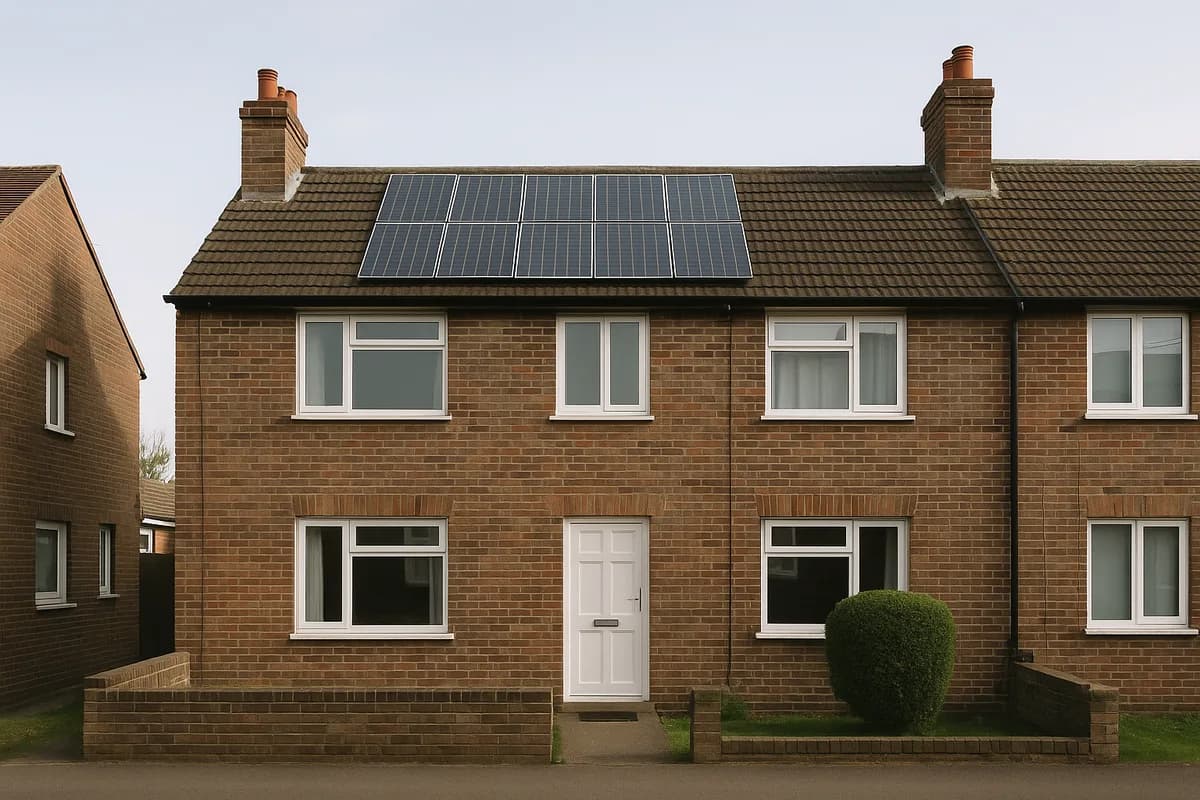
You need to apply for planning permission if:
- Listed building — any external alteration to a listed building requires listed building consent, even if it would otherwise be permitted development
- Conservation area — panels on a roof slope facing a highway in a conservation area require planning permission. Panels on a non-highway-facing slope may still be permitted
- Flat or maisonette — permitted development rights for solar only apply to houses. Flats need planning permission and freeholder consent
- Article 4 direction — some local authorities have removed permitted development rights in specific areas. Check with your local planning authority
- Ground-mounted panels — standalone panels in your garden must not exceed 4 metres in height, 9 square metres in area, and must not be within 5 metres of the property boundary. Larger systems need permission
- Panels protruding more than 200mm from the roof — thick panel/mounting combinations or raised mounting may exceed this limit
- World Heritage Sites, Areas of Outstanding Natural Beauty, or National Parks — additional restrictions may apply
Conservation Areas: The Rules in Detail
Ready to see what solar could save you?
Get free, no-obligation quotes from MCS-certified installers in your area.
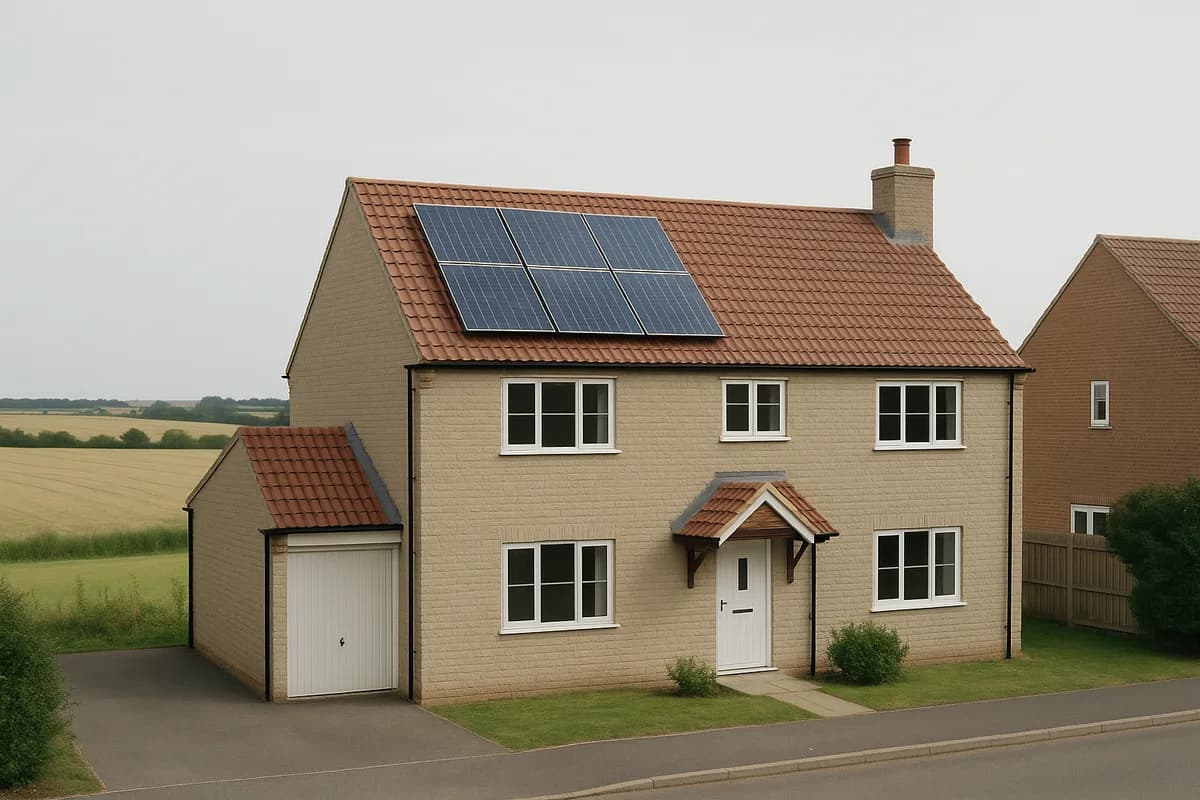
Get Free QuotesConservation area rules cause the most confusion. Here is the clear picture:
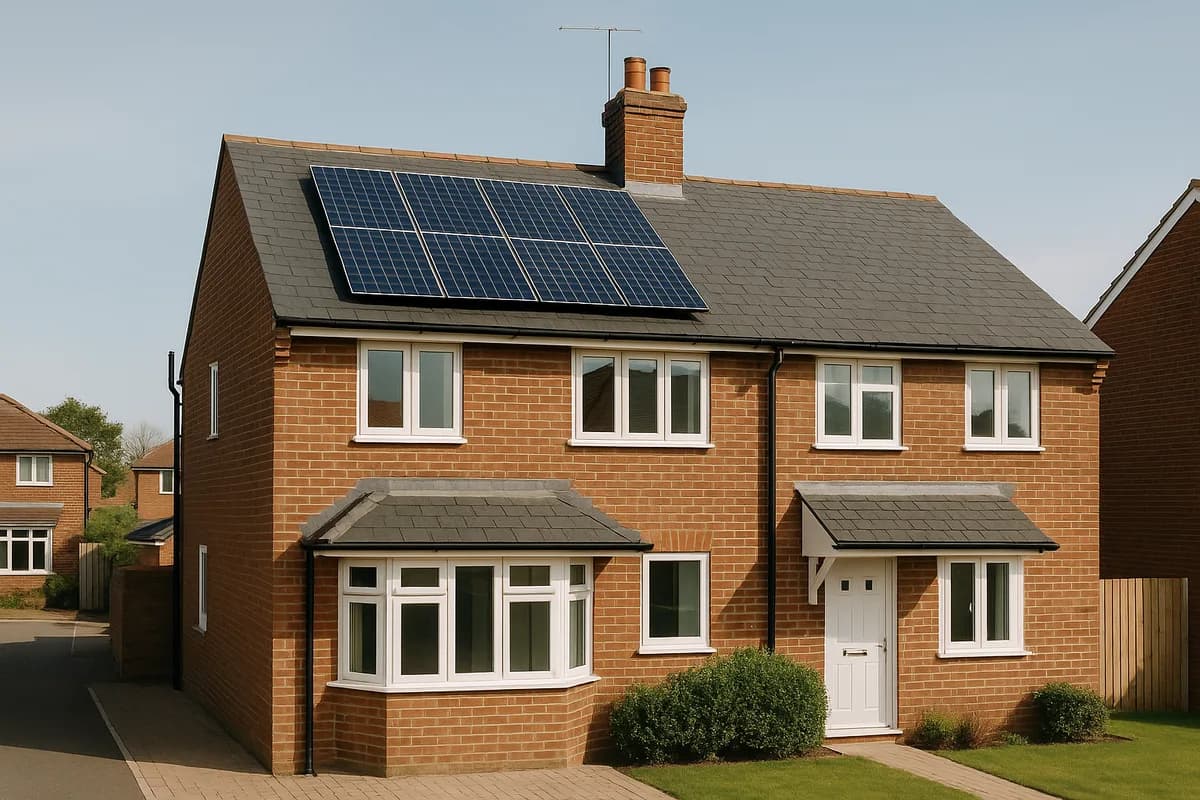
You CAN install without permission if: - Panels are on a roof slope that does NOT face a highway (e.g. rear-facing or side-facing panels) - Panels do not protrude more than 200mm from the roof - Panels are not on a wall facing a highway
You NEED permission if: - Panels would be on a roof slope that faces a highway (visible from the road) - Panels would be on a front-facing wall
In practice: Most conservation area homes can install solar on a rear-facing roof without permission. If your only suitable roof faces the road, you will need to apply — but many councils approve these applications, especially given the government's net zero commitments.
Your MCS installer should know the rules for your area. If in doubt, a pre-application enquiry to your local planning authority costs £50–£100 and gives you certainty.
Source: Historic England guidance on solar panels in conservation areas.
Scotland, Wales, and Northern Ireland: Different Rules?
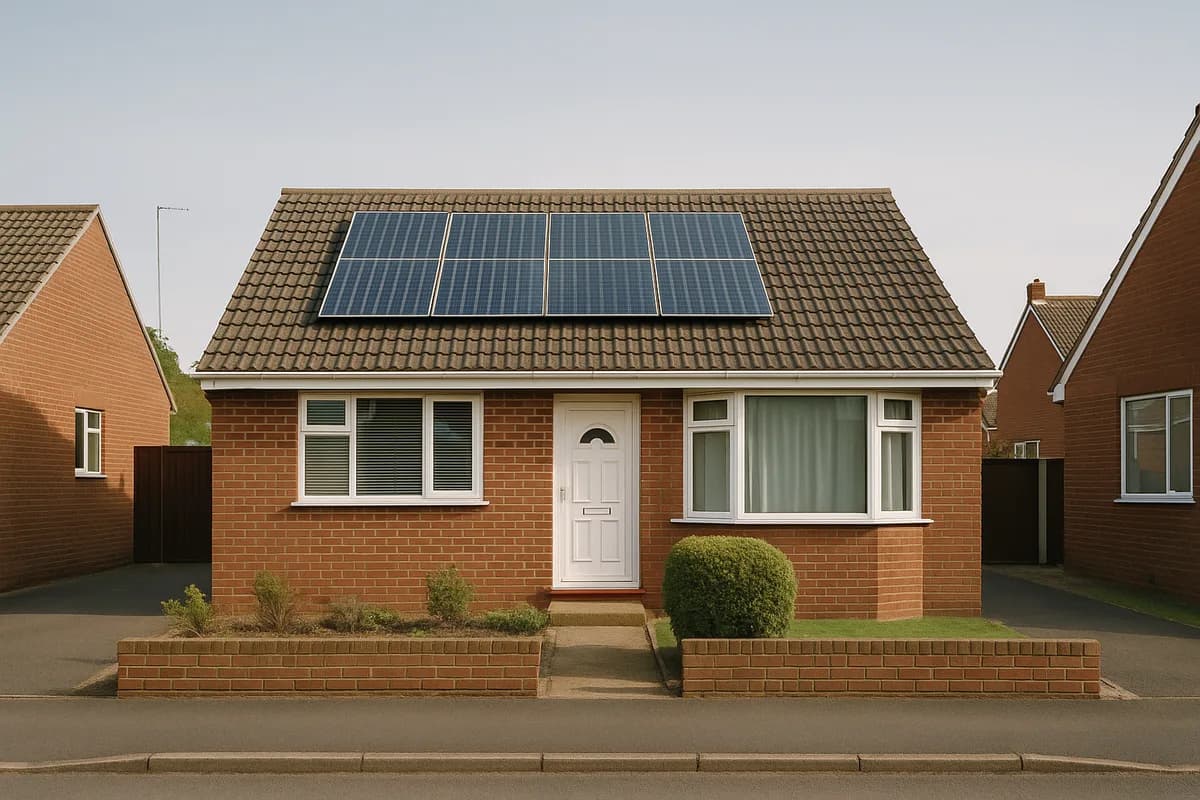
Planning rules vary slightly by nation:
Scotland: Similar permitted development rights. Panels must not protrude more than 200mm from the roof. Listed building consent still required. Conservation area rules are similar to England.
Wales: Permitted development applies to most houses. The rules are broadly aligned with England, but check with your local planning authority for any Welsh-specific conditions.
Northern Ireland: Permitted development rules for solar were introduced in 2015. Similar conditions apply — no listed building alterations, conservation area restrictions on highway-facing slopes.
In all cases, your MCS-certified installer should verify the planning position before starting work.
Source: Scottish Government; Welsh Government; NI Department for Infrastructure.
How to Check If You Need Permission
- Check the Planning Portal (planningportal.co.uk) — free interactive tool that confirms permitted development rights
- Contact your local planning authority — a quick phone call or email can confirm your position
- Ask your MCS installer — experienced installers know local rules and will flag any issues during the survey
- Submit a pre-application enquiry (£50–£100) — gives you a written response from the council confirming whether permission is needed
- Check if your property is listed — use the Historic England Listed Building Register (historicengland.org.uk)
Frequently Asked Questions
Related guides
You might also like
Ready to see what solar could save you?
Get free, no-obligation quotes from MCS-certified installers in your area.
Get Free QuotesFree, no obligation. Takes 2 minutes.