DIY Solar Panels UK: Can You Install Them Yourself?
Ready to see what solar could save you?
Get free, no-obligation quotes from MCS-certified installers in your area.
Get Free QuotesFree, no obligation. Takes 2 minutes.
Can you install solar panels yourself in the UK?
You can legally install solar panels yourself in the UK, but it is not recommended. DIY installation means you cannot hold MCS certification or an accredited equivalent, which is what SEG payments require, void manufacturer warranties, risk unsafe electrical work, and may not meet building regulations. Professional installation costs £5,000–£8,000 and includes everything — DIY saves money upfront but costs more long-term.
What You Lose with DIY Installation
Critical things you sacrifice by installing solar panels yourself:
- MCS certification - SEG payments require MCS or a scheme accredited as equivalent. SEG payments require certification through MCS or an equivalent accredited scheme, so without recognised certification you would not be able to claim them.
- Manufacturer warranty — most panel and inverter warranties require installation by a certified professional. A warranty claim on a £5,000 system could be rejected entirely.
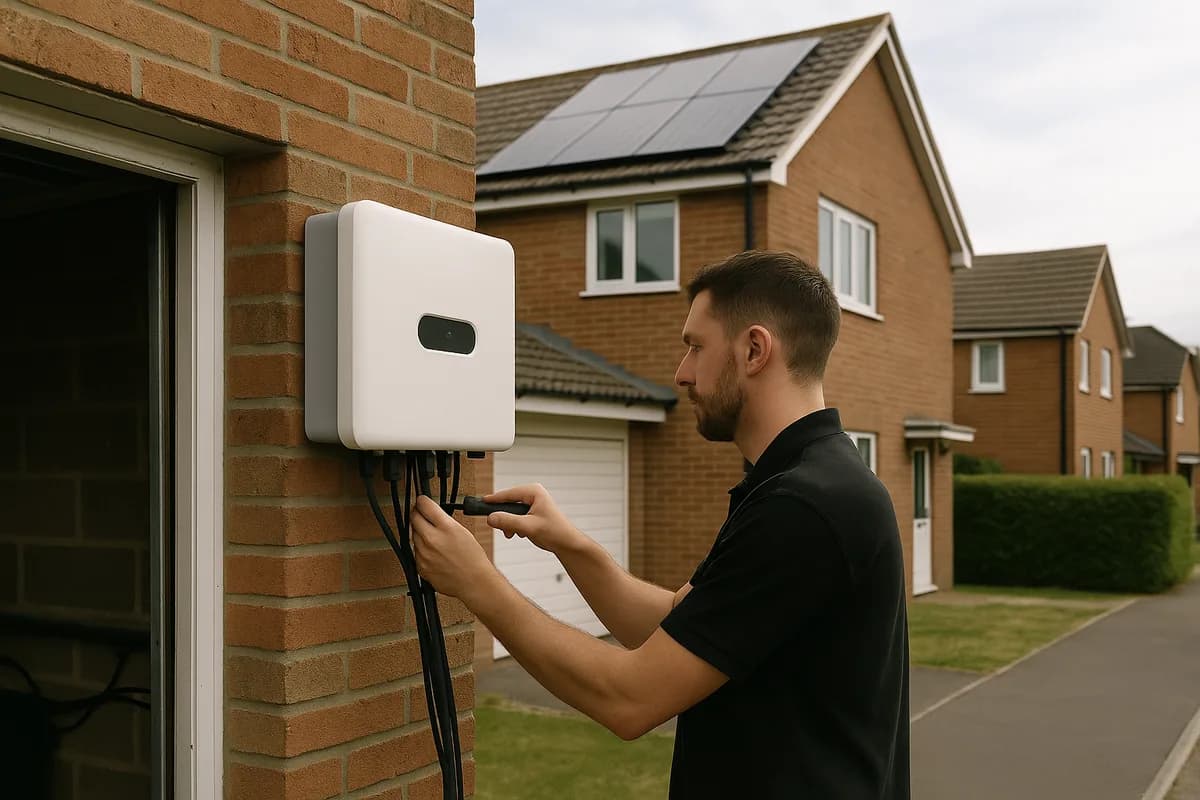
- Building regulations compliance — electrical work connecting to the grid must be certified by a Part P qualified electrician. DIY electrical work may be illegal if not properly notified.
- DNO notification — your Distribution Network Operator must be notified before connecting solar to the grid. MCS installers handle this automatically. DIY installers must navigate G98/G99 regulations themselves.
- Insurance validity — some home insurance policies exclude damage caused by non-professional electrical or roofing work. A roof leak caused by incorrect panel mounting could be an uninsured loss.
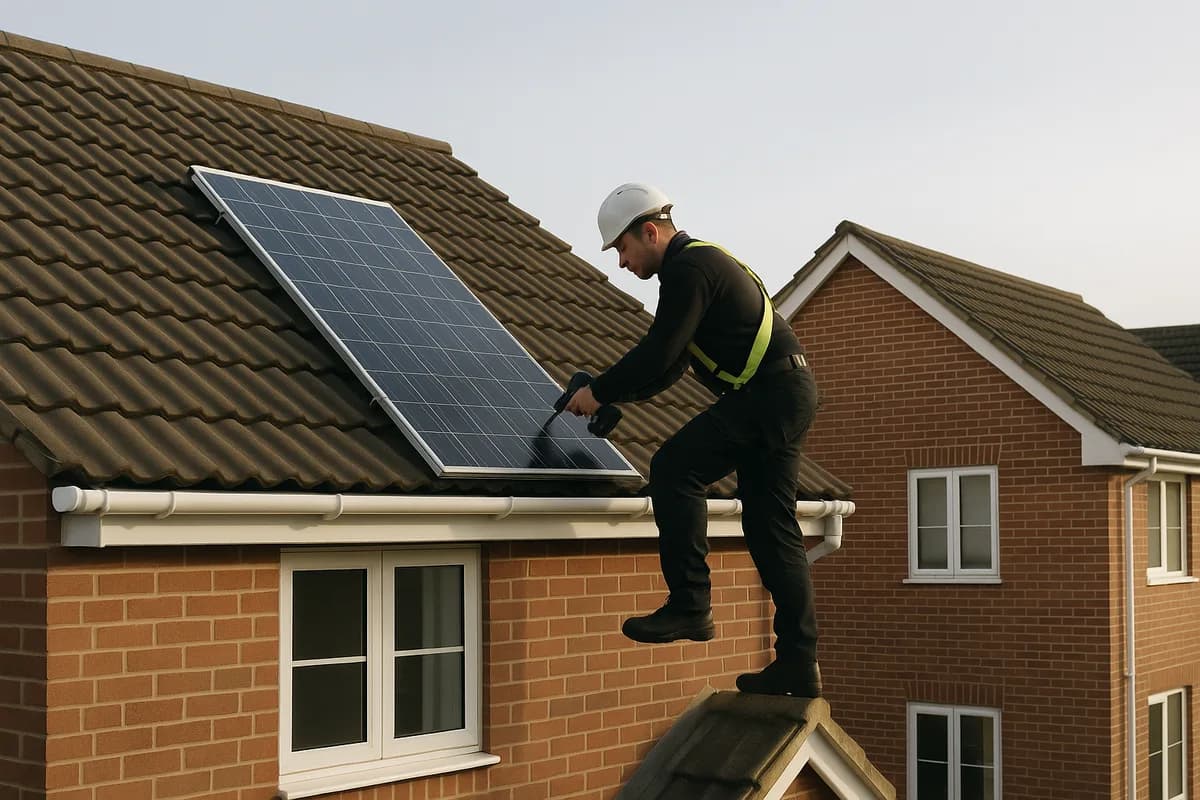
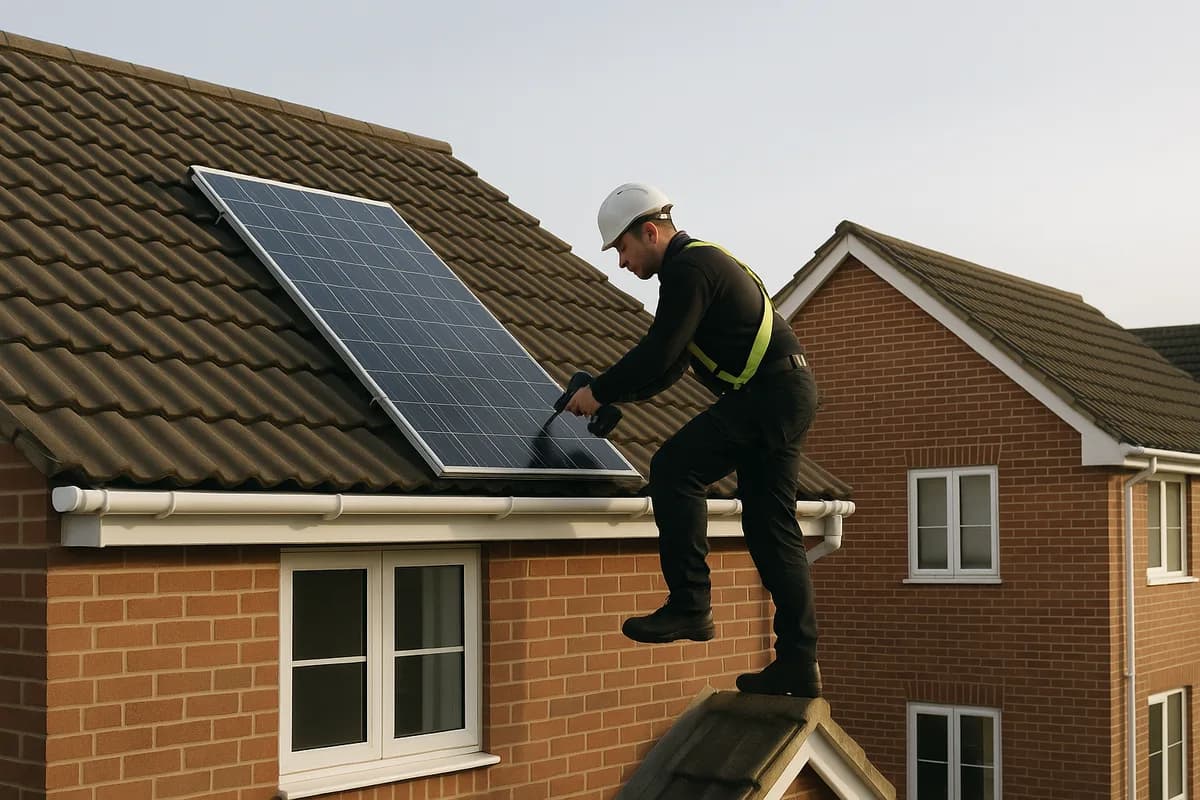
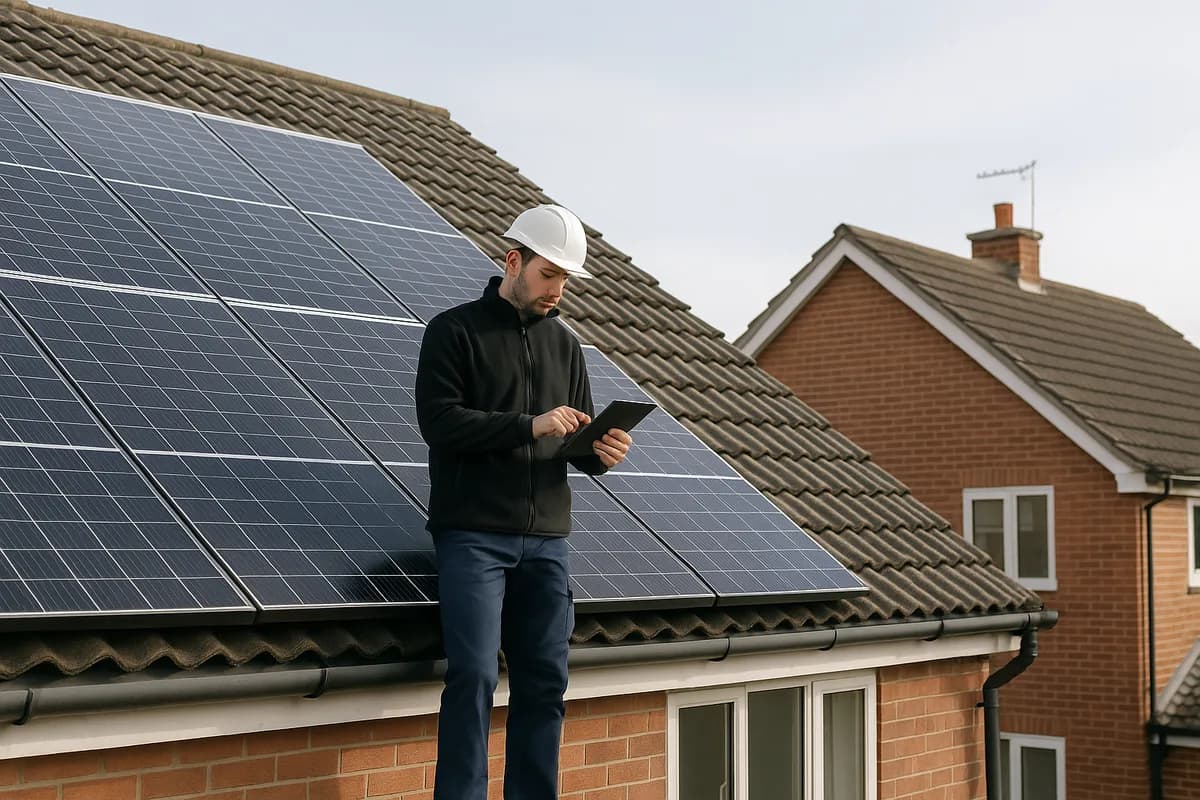
- Safety — working at height on a roof with heavy panels and high-voltage DC electricity is genuinely dangerous. Falls from ladders are one of the most common causes of serious injury in the UK.
What DIY Solar Actually Costs
DIY costs (panels and equipment only): - 10 × 400W panels: £1,500–£2,500 - String inverter: £500–£1,000 - Mounting kit and fixings: £300–£600 - DC and AC cabling: £100–£200 - MC4 connectors and isolators: £50–£100 - Electrician for Part P sign-off: £300–£500 - Total DIY: £2,750–£4,900
Professional installation (all-in): - £5,000–£8,000 for a 4kW system - Includes: panels, inverter, mounting, wiring, DNO notification, MCS certification, warranty, scaffolding
The real cost comparison: - DIY saves £2,000–£3,000 upfront - But loses £200–£500/year in SEG payments over 25 years = £5,000–£12,500 lost income - Plus risk of voided warranty on a £5,000+ system - Plus potential insurance issues
Net result: DIY costs MORE over the system lifetime.
Source: MCS installer pricing 2026; Ofgem SEG rate data.
When DIY Solar Might Make Sense
Ready to see what solar could save you?
Get free, no-obligation quotes from MCS-certified installers in your area.
Get Free QuotesThere are a few narrow scenarios where DIY solar can work:
Off-grid systems (sheds, caravans, boats): - Small systems (100W–1kW) not connected to the grid - No MCS certification needed (no grid connection = no SEG anyway) - Low voltage DC systems can be safer to work with - Portable panels for camping or motorhomes
Ground-mounted garden systems: - No roof work = lower fall risk - Can be a learning project if kept small - Still needs Part P electrician for grid connection
Expansion of an existing MCS-certified system: - Adding panels to an existing mounting system - Must still have the electrical work checked by a qualified person - May void existing warranty — check first
For a primary residential grid-tied system, professional installation is almost always the better financial decision.
The Legal Requirements You Must Follow
If you do choose to install solar panels yourself, you must comply with:
1. Building Regulations Part P — all electrical work connecting to the mains must be certified by a Part P registered electrician, or you must notify your local building control before starting work 2. Planning permission — most residential solar does not need planning permission under permitted development rights, but conservation areas and listed buildings have restrictions 3. G98/G99 notification — your DNO must be notified before any generation equipment is connected to the grid. Systems under 3.68 kW (single phase) follow the simpler G98 process. Larger systems require G99 application and approval. 4. IET Wiring Regulations (BS 7671) — all electrical installation work must comply with current wiring regulations 5. Structural assessment — you must ensure your roof can support the additional weight (approximately 20kg per panel)
Failure to comply with Part P can result in enforcement action from your local authority, and may cause problems when selling your home.
Source: UK Government Building Regulations Part P; ENA G98/G99 guidelines.
Our Recommendation
Use a professional MCS-certified installer. The upfront saving from DIY (£2,000–£3,000) is wiped out by lost SEG income (£5,000–£12,500 over 25 years), warranty risk, and safety concerns.
Get 3 quotes from MCS-certified installers, compare prices, and negotiate. The market is competitive — you may be surprised how close professional pricing is to DIY costs once you factor in everything.
Frequently Asked Questions
Related guides
Related: Home Heating Systems
Solar panels are most powerful when combined with an efficient heating system. Heat pumps use solar-generated electricity to heat your home at 300-400% efficiency — making them the ideal partner for solar.
Heat pump installation typically takes 2-3 days and is best planned alongside solar.
From our sister site Home Heat Pump Guide
You might also like
Ready to see what solar could save you?
Get free, no-obligation quotes from MCS-certified installers in your area.
Get Free QuotesFree, no obligation. Takes 2 minutes.