Solar Panel Cleaning UK: Is It Worth It?
Ready to see what solar could save you?
Get free, no-obligation quotes from MCS-certified installers in your area.
Get Free QuotesFree, no obligation. Takes 2 minutes.
Do solar panels need cleaning?
Most UK solar panels do not need regular professional cleaning. Rain does a reasonable job of keeping them clear. However, panels in areas with heavy bird activity, near trees, or on low-pitch roofs can lose 5–10% of output from accumulated dirt. Professional cleaning costs £80–£150 and is worth it if your output has dropped noticeably.
How Much Output Do Dirty Panels Lose?
Research shows that dirty solar panels lose between 2% and 10% of their potential output, depending on the type and severity of soiling.
Common types of soiling and their impact: - Dust and pollen: 2–5% loss (most common, rain usually clears it) - Bird droppings: 5–10% loss (concentrated spots create 'hot spots' that affect whole panel strings) - Lichen and moss: 5–15% loss (builds up over years, especially on north-facing or shaded edges) - Tree sap and resin: 3–8% loss (sticky, does not wash off in rain) - Industrial pollution / road grime: 3–7% loss (common in urban areas near busy roads)
A single bird dropping on a cell can reduce that panel's output by 20–30% if you have a string inverter, because string systems are limited by the weakest panel. Micro-inverters or panel optimisers reduce this problem.
Source: University of California San Diego solar soiling study; UK installer maintenance data.
When Should You Clean Your Solar Panels?
Clean your panels if any of these apply:
- You can see visible bird droppings, moss, or lichen from the ground
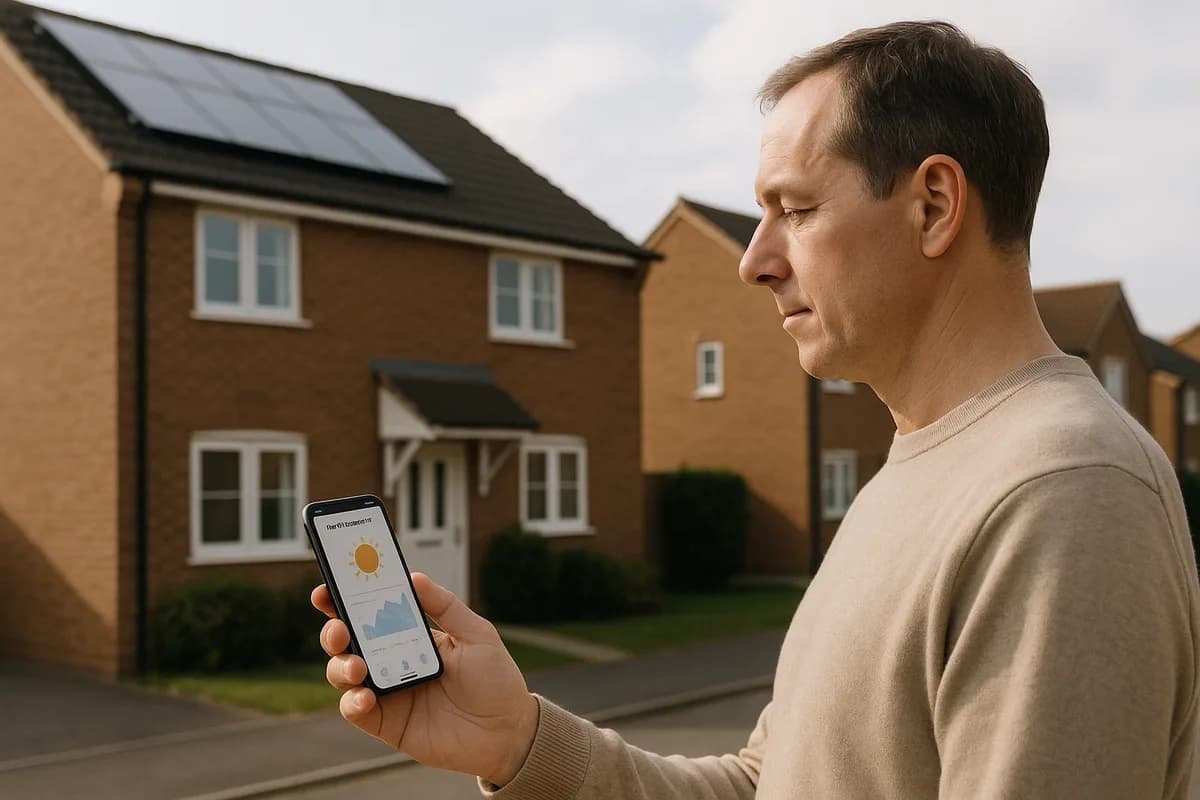
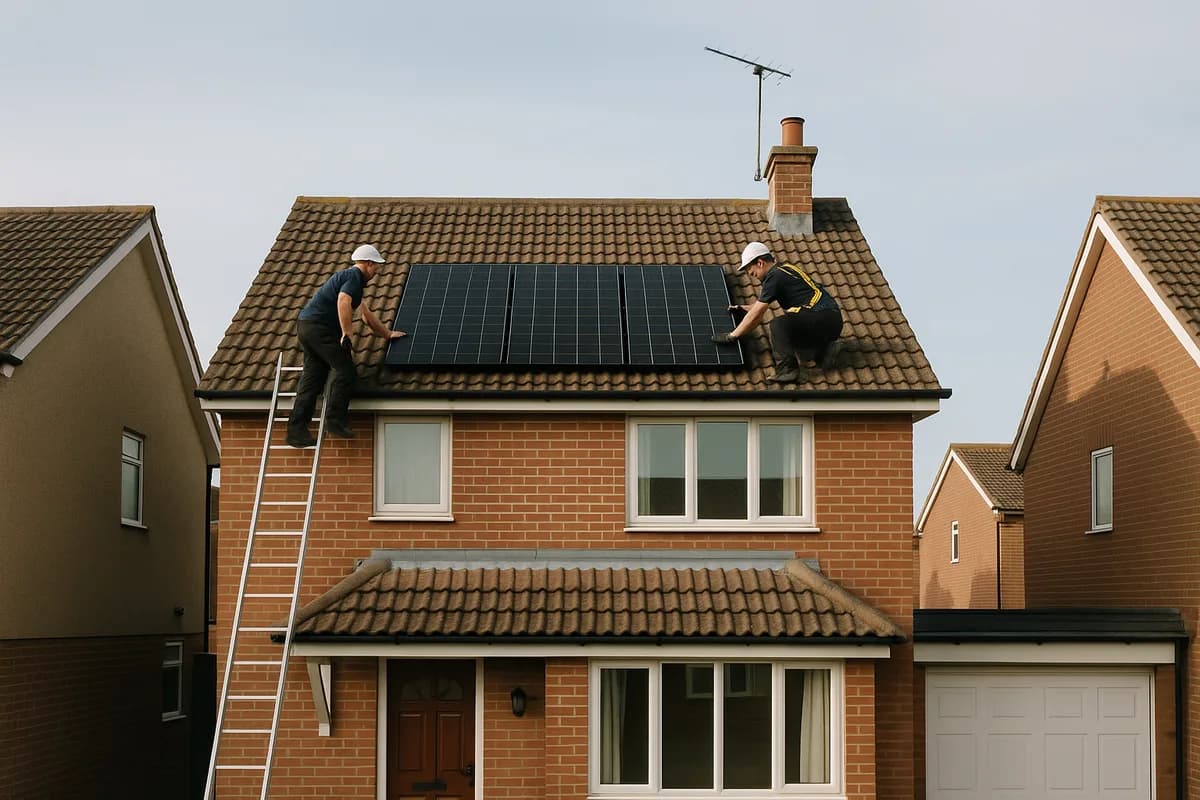
- Your monitoring app shows output has dropped significantly compared to the same period last year
- Panels are under or near trees that drop sap, pollen, or leaves
- You live near a busy road, construction site, or industrial area
- Your roof pitch is below 15 degrees (less steep = rain doesn't clean as effectively)
- Panels haven't been inspected in over 2 years
Professional Cleaning vs DIY
Ready to see what solar could save you?
Get free, no-obligation quotes from MCS-certified installers in your area.
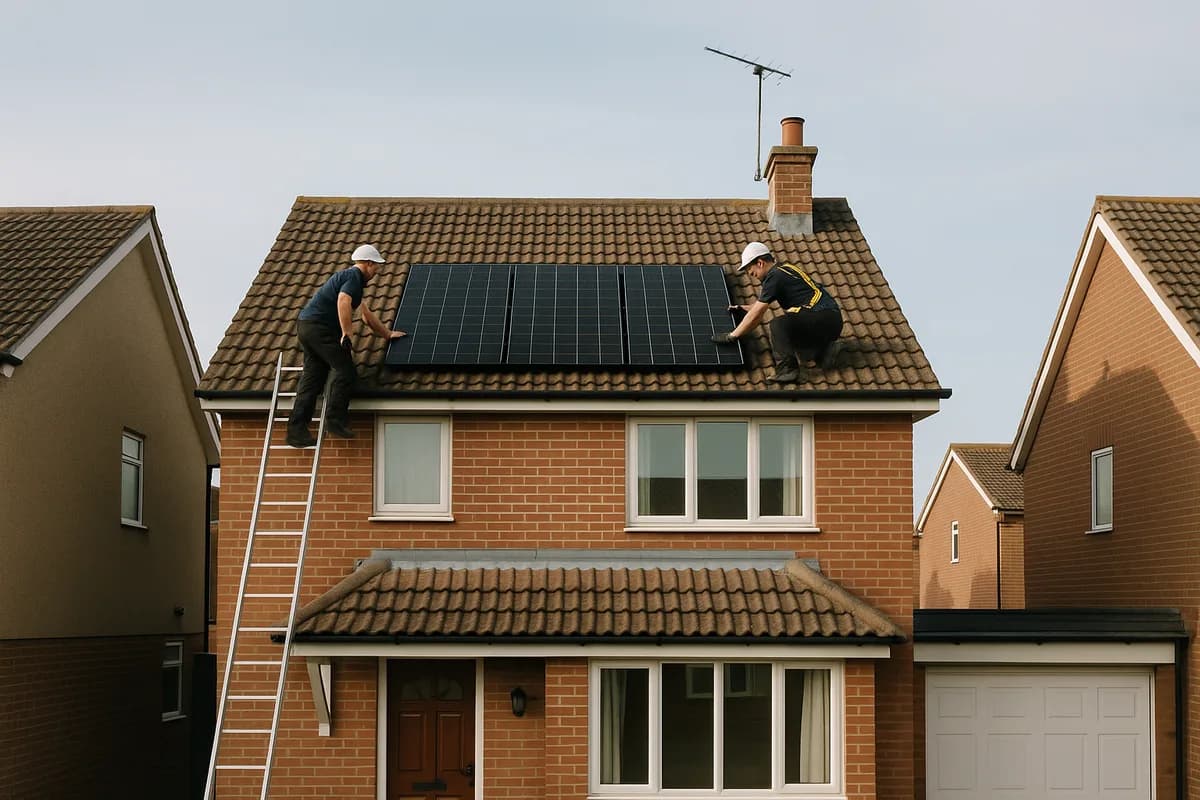
Get Free QuotesProfessional solar panel cleaning: - Cost: £80–£150 for a typical residential system (10–16 panels) - Uses deionised water and soft brushes — no chemicals - Includes visual inspection for damage, loose fittings, or wildlife issues - Safe — no risk of roof damage or personal injury - Recommended frequency: once every 1–2 years if needed
DIY cleaning (if accessible): - Use a soft brush or sponge on a long pole - Use clean water only — no detergent, chemicals, or pressure washers - Never walk on panels — you will damage them and void the warranty - Clean in the early morning or evening when panels are cool — spraying cold water on hot panels can cause thermal shock - Only clean from the ground or a secured ladder if panels are easily accessible
Important safety warning: Never climb on a roof to clean solar panels unless you are trained and equipped. Falls from height cause serious injuries. A £100 professional clean is not worth risking your safety.
Does Cleaning Actually Improve Output?
For most UK installations, cleaning recovers 2–5% of output. On a 4kW system producing 4,000 kWh per year, that's 80–200 kWh — worth approximately £20–£49 per year at current electricity rates.
If cleaning costs £100 and recovers £30–£49 of electricity per year, the payback on cleaning alone takes 2–3 years. For this reason, annual professional cleaning is not cost-effective for most UK homes.
However, if you have heavy bird soiling or tree contamination, cleaning may recover 8–10% of output — making the £100 spend pay for itself within a year.
The pragmatic approach: Check your panels visually once a year. If they look dirty, get them cleaned. If they look fine, let the rain do its job.
Source: Ofgem price cap, July-September 2026 (26.11p/kWh); UK solar maintenance industry averages.
Bird Proofing: Prevention Is Better Than Cleaning
If birds are the main cause of panel soiling, bird proofing is a better long-term investment than repeated cleaning.
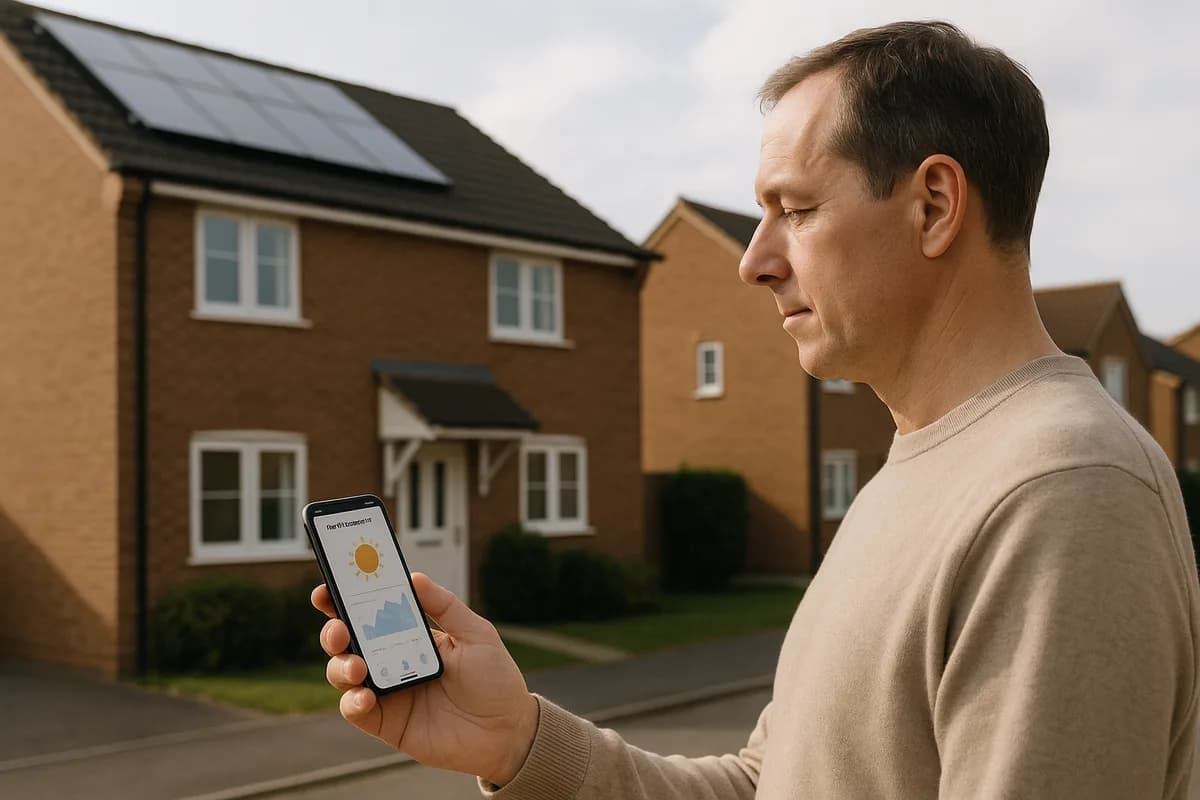
Bird proofing involves fitting mesh or clips around the panel edges to prevent pigeons and other birds from nesting underneath. Cost is typically £300–£600 for a full system and lasts 10+ years.
Bird proofing also prevents wiring damage from nesting material, which is a bigger risk than soiling. If you hear birds under your panels or see frequent droppings, bird proofing is worth doing.
Frequently Asked Questions
Related guides
You might also like
Ready to see what solar could save you?
Get free, no-obligation quotes from MCS-certified installers in your area.
Get Free QuotesFree, no obligation. Takes 2 minutes.