8kW Solar Panel System: Maximum Residential
Find the right system size for your roof
Panel count depends on your electricity use, roof space and direction — not on a rule of thumb. Get a recommended size and what it should cost.
Size My SystemFree calculator. No contact details required to see your result.
How much does an 8kW solar system cost and produce?
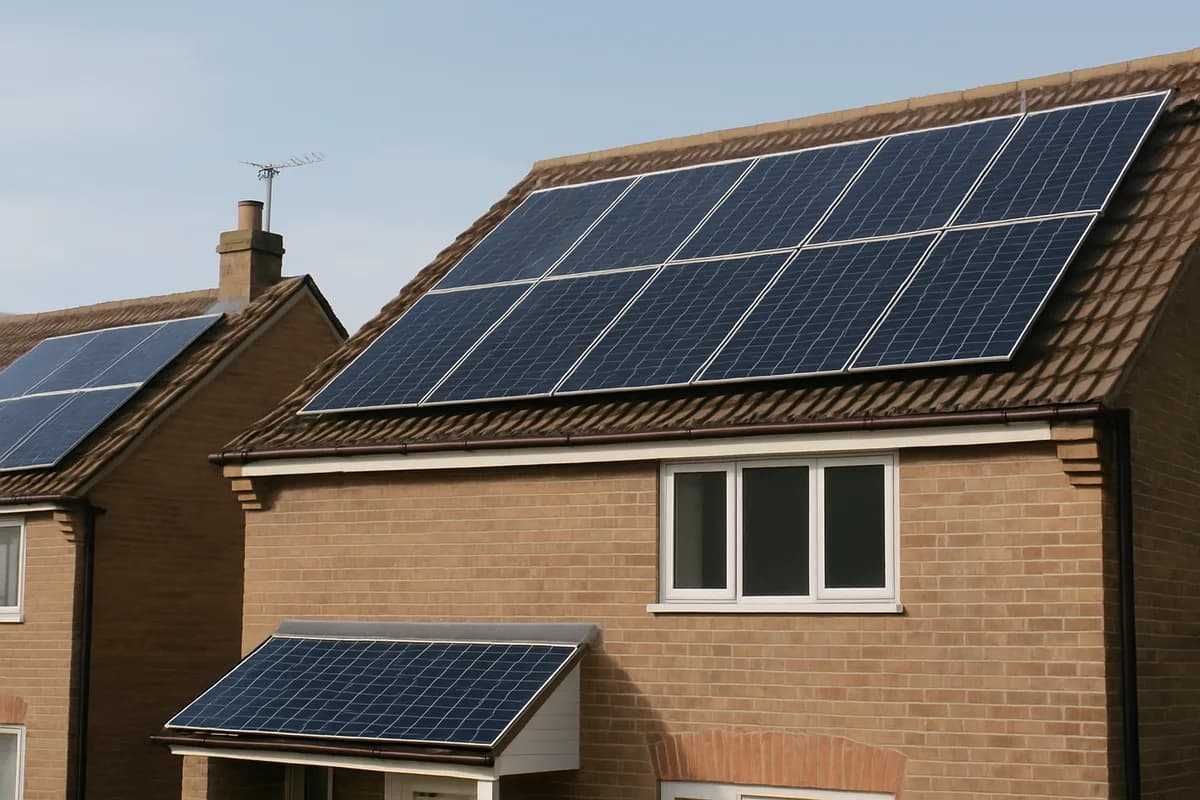
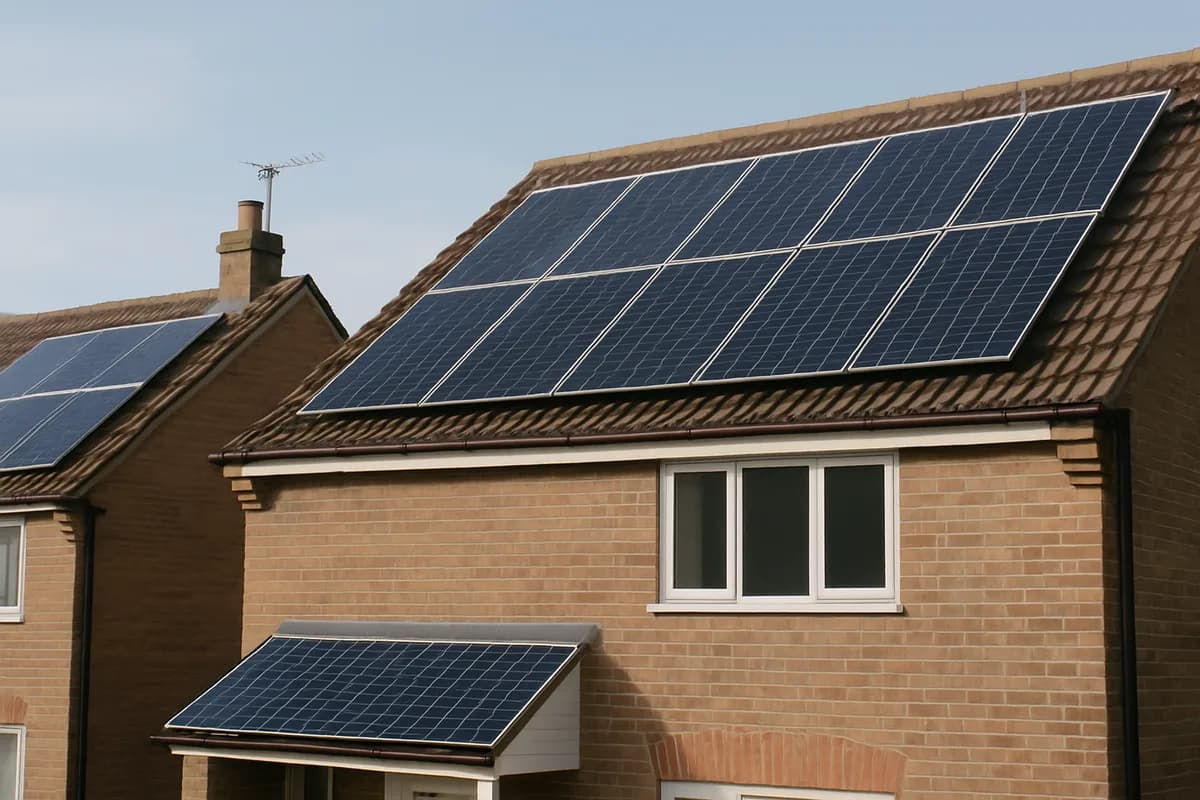
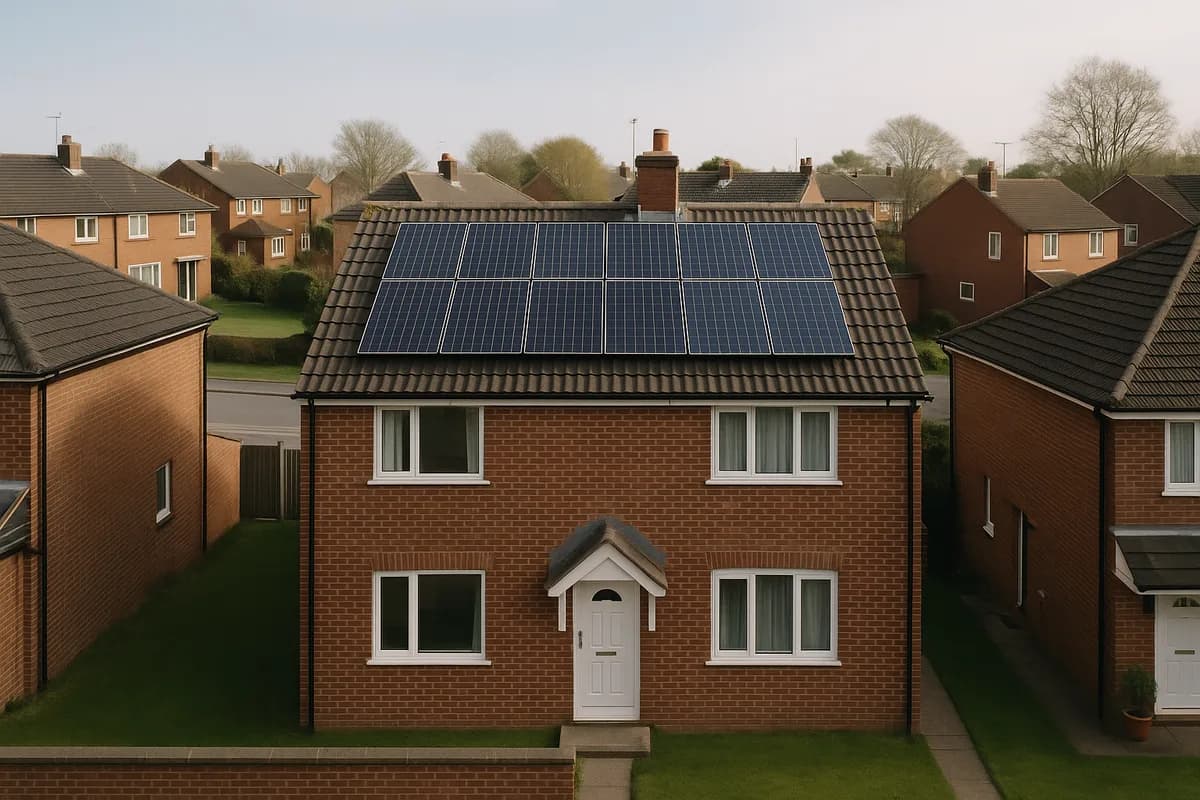
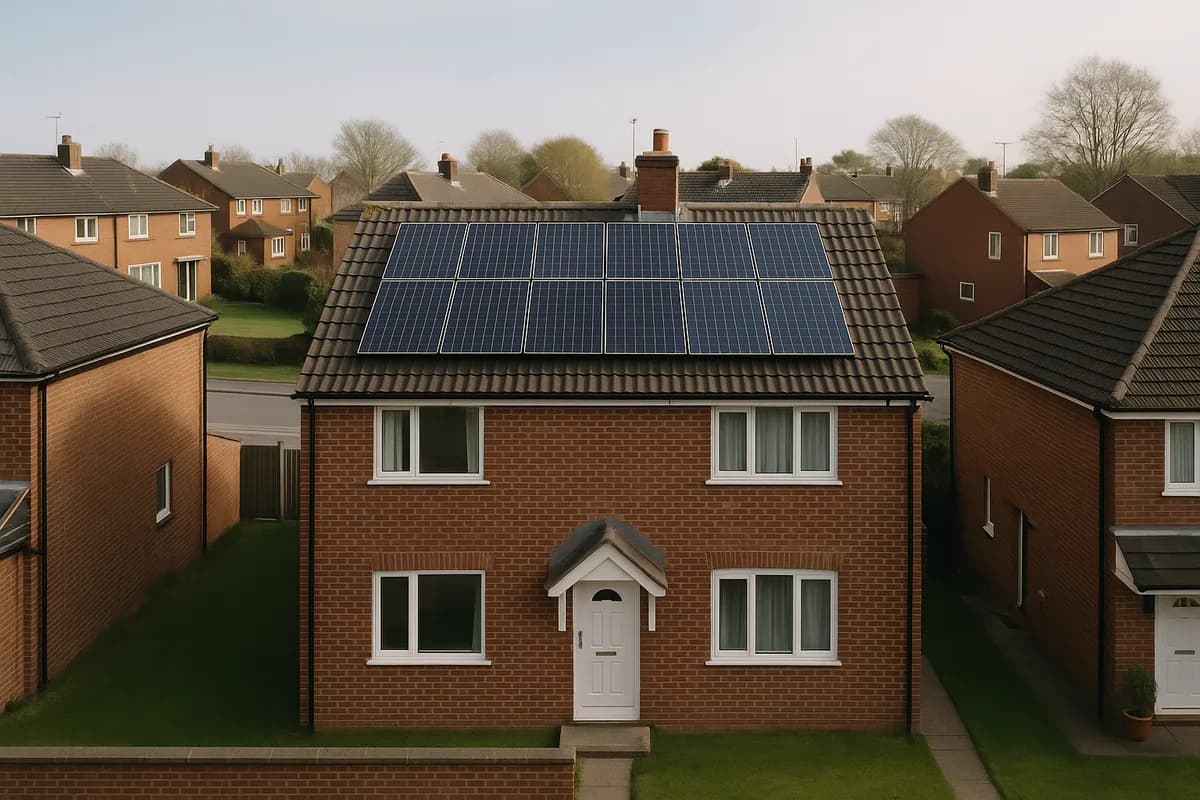
An 8kW solar panel system consists of 20 panels, costs £10,000–£14,000 installed (0% VAT), and generates 7,500–8,400 kWh per year. It is designed for large homes (5+ bed), households with EVs and heat pumps, or anyone wanting maximum self-sufficiency. Annual savings: £1,100–£1,350 without battery, £1,400–£1,800 with battery + smart tariff. Payback: 8–11 years. Requires G99 DNO notification and approximately 34m² of roof space.
8kW System Specifications
System overview: - Panels: 20 × 400W monocrystalline - Total capacity: 8.0 kWp - Roof space needed: ~34 m² (20 panels at 1.7 m² each) - Weight on roof: ~400 kg total - Annual generation: 7,500–8,400 kWh - Inverter: 7–8kW string inverter, hybrid inverter, or 20 micro-inverters
Cost breakdown: - Panels (20): £4,000–£7,000 - Inverter: £1,000–£2,000 - Mounting system: £500–£900 - Wiring and components: £300–£600 - Scaffolding: £300–£600 - Labour: £2,000–£3,000 - Total installed: £10,000–£14,000 (0% VAT)
Additional for full package: - 13kWh battery: +£5,000–£7,500 - Zappi EV charger: +£800–£1,100 - Total with battery + charger: £15,800–£22,600
Source: MCS installer pricing 2026.
Who Needs an 8kW System?
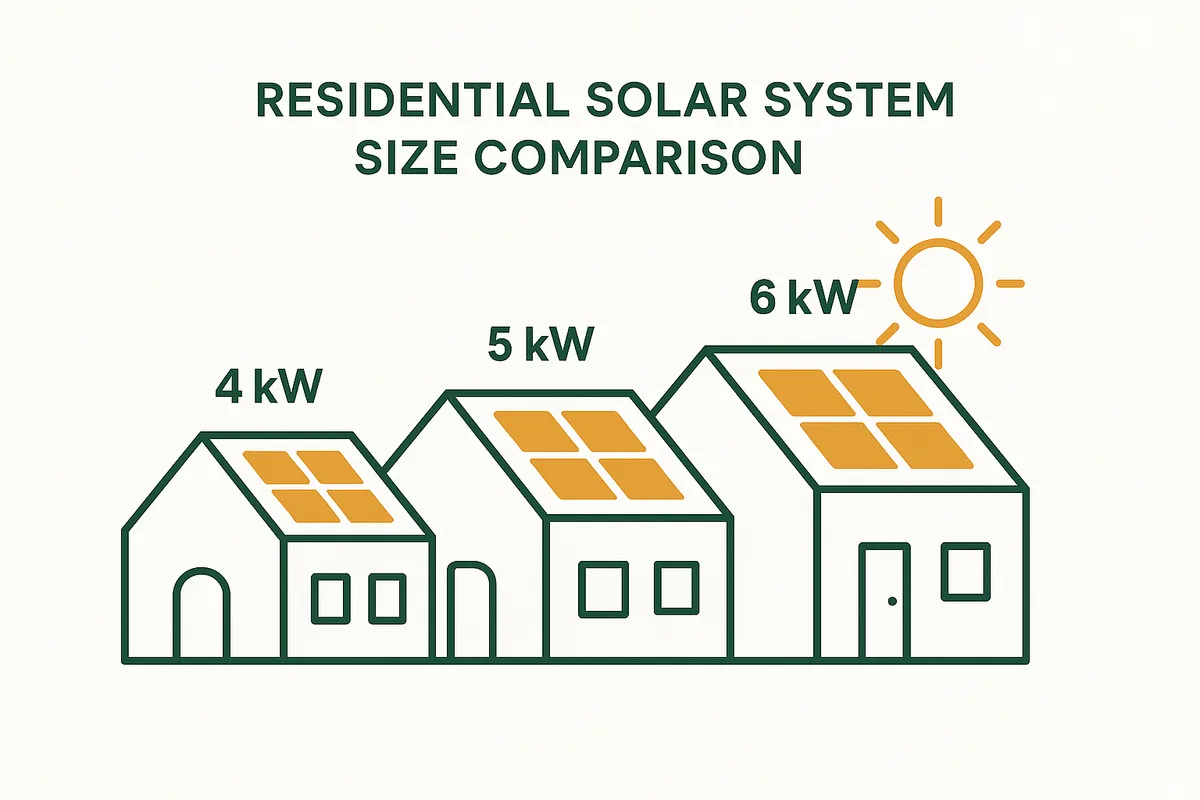
- 5+ bedroom homes with consumption over 6,000 kWh/year
- Households with an EV AND heat pump — combined electricity demand of 8,000–12,000 kWh/year
- Home-based businesses with high daytime electricity use
- Homes with electric cooking, multiple EV chargers, or pool/hot tub
- Homeowners who want to maximise energy independence (90%+ self-consumption with battery)
- Properties in Scotland or northern England where lower yield per kWp means more panels are needed
- Anyone who wants maximum SEG export income from surplus generation
Find the right system size for your roof
Panel count depends on your electricity use, roof space and direction — not on a rule of thumb. Get a recommended size and what it should cost.
Size My SystemFinancial Returns
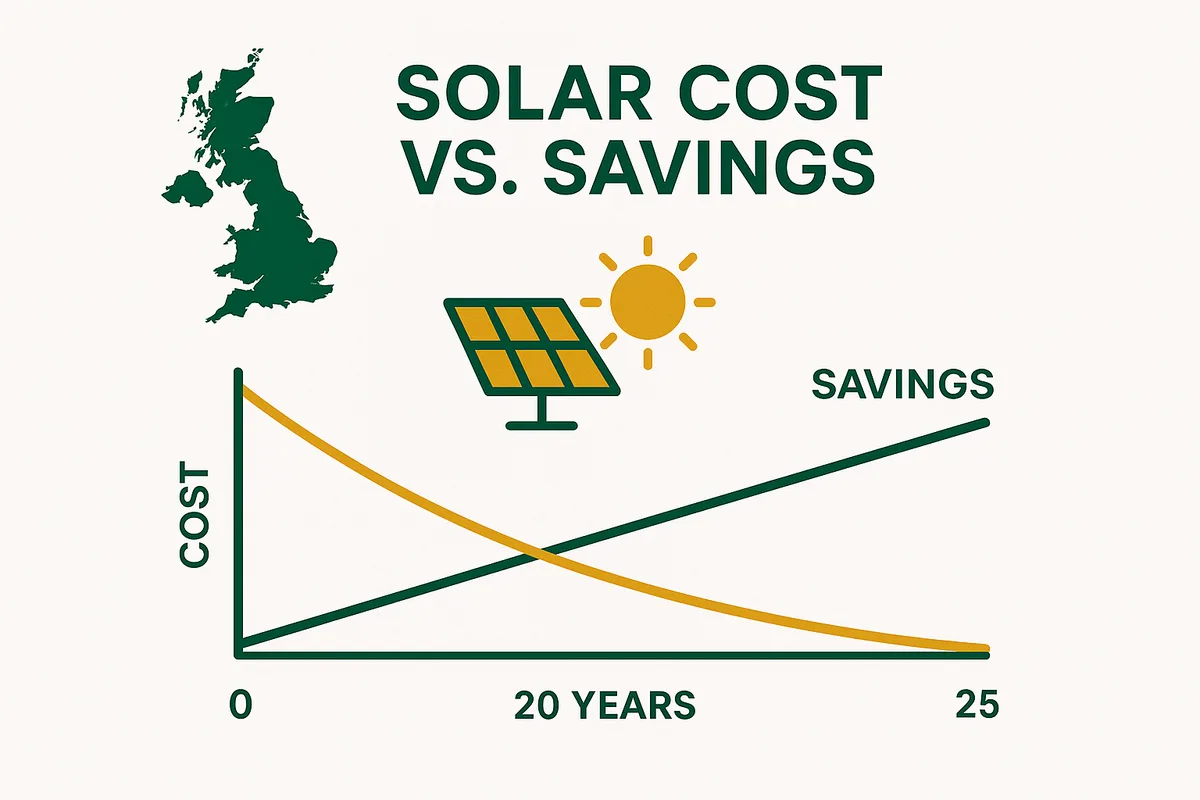
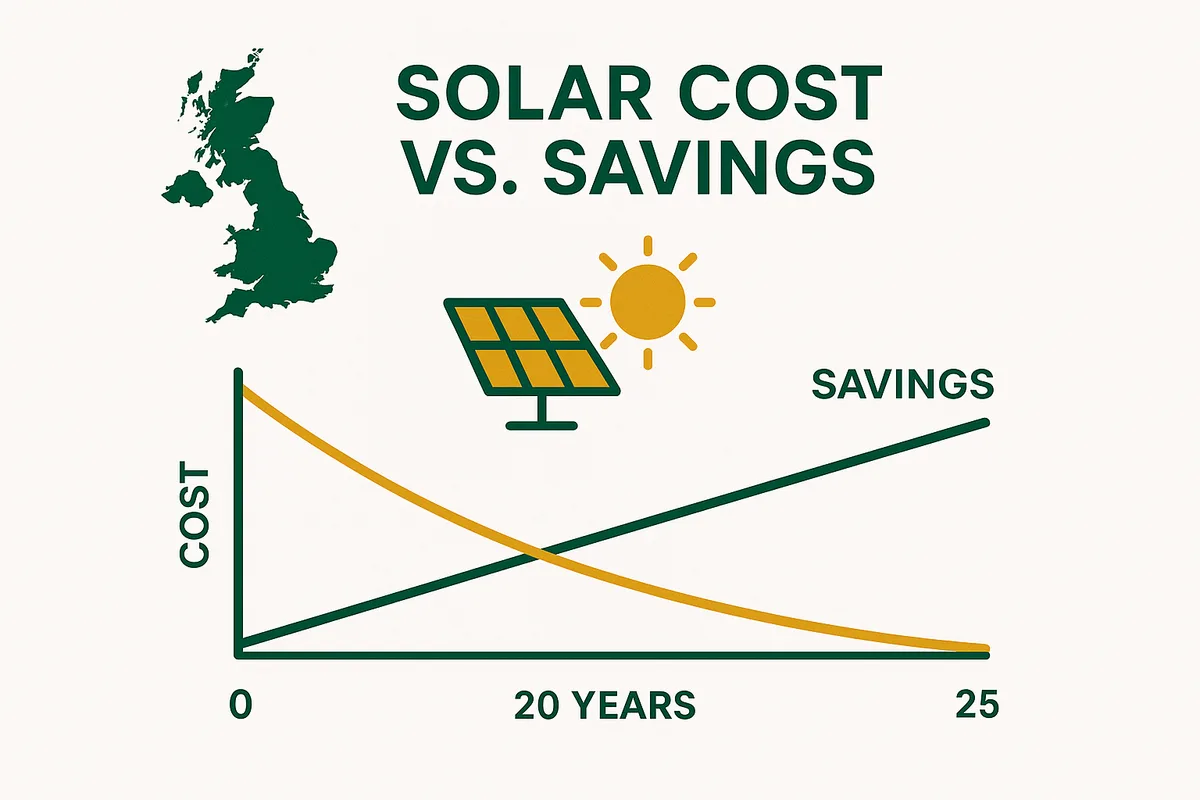
8kW without battery (45% self-consumption): - Self-consumed: 3,600 kWh × 26.11p = £940 - Exported: 4,400 kWh × 4.5p = £198 - Total annual savings: £1,080 - Cost: £12,000 average - Payback: ~11 years - 25-year net savings: £15,000
8kW with 13kWh battery (75% self-consumption): - Self-consumed: 6,000 kWh × 26.11p = £1,567 - Exported: 2,000 kWh × 4.5p = £90 - Total annual savings: £1,560 - Cost: £12,000 + £6,000 = £18,000 - Battery replacement (year 13): £4,000 - Payback: ~11.5 years - 25-year net savings: £17,000
8kW + battery + Octopus Flux: - Peak export + arbitrage: +£300–£500/year - Total annual savings: £1,860–£2,060 - Payback: 9–10 years
Source: Ofgem price cap July-September 2026; PVGIS; Octopus Flux rates.
Installation Considerations for 8kW
Roof space: 34m² minimum. Most 5+ bed detached homes have this on one slope. Alternatively, an east-west split across both slopes accommodates 20+ panels easily.
G99 DNO notification: Required for all systems over 3.68kW. Your installer submits the application — approval typically takes 2 weeks.
Three-phase supply: Some 8kW systems benefit from a three-phase connection (common in larger homes). This allows a larger inverter and avoids single-phase export limitations. Check with your installer.
Consumer unit capacity: Your consumer unit (fuse box) needs a spare way for the solar circuit. An 8kW system may also warrant upgrading the main fuse to 100A if it is currently 60A or 80A.
Installation time: 2–3 days (vs 1–2 days for a standard 4kW system). The extra panels, larger inverter, and potentially more complex wiring add time.
Source: MCS installation standards; DNO connection requirements.
Frequently Asked Questions
Related guides
Related: Home Heating Systems
Solar panels are most powerful when combined with an efficient heating system. Heat pumps use solar-generated electricity to heat your home at 300-400% efficiency — making them the ideal partner for solar.
Learn more about how air source heat pumps work alongside solar panels.
Heat pumps use electricity at 300-400% efficiency, making them ideal partners for solar.
From our sister site Home Heat Pump Guide
You might also like
Find the right system size for your roof
Panel count depends on your electricity use, roof space and direction — not on a rule of thumb. Get a recommended size and what it should cost.
Size My SystemFree calculator. No contact details required to see your result.