6kW Solar Panel System: The Large Home Choice
Find the right system size for your roof
Panel count depends on your electricity use, roof space and direction — not on a rule of thumb. Get a recommended size and what it should cost.
Size My SystemFree calculator. No contact details required to see your result.
How much does a 6kW solar panel system cost and produce?
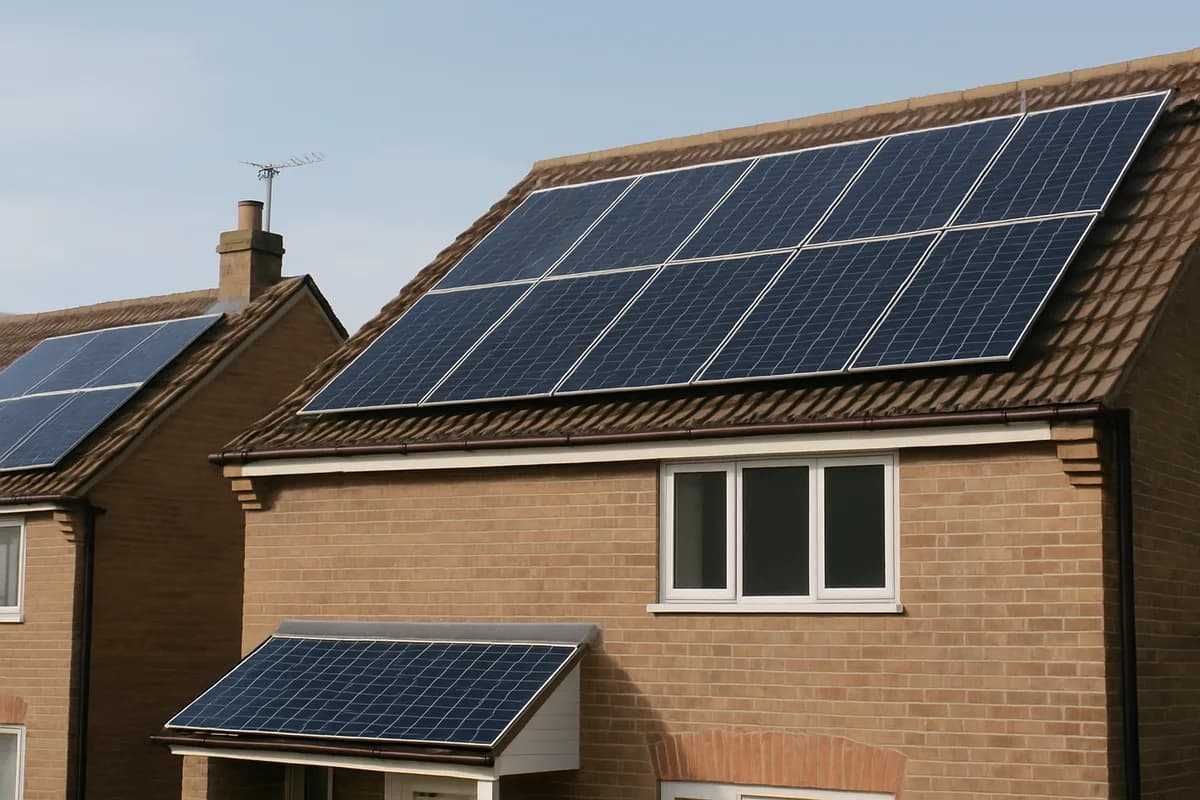
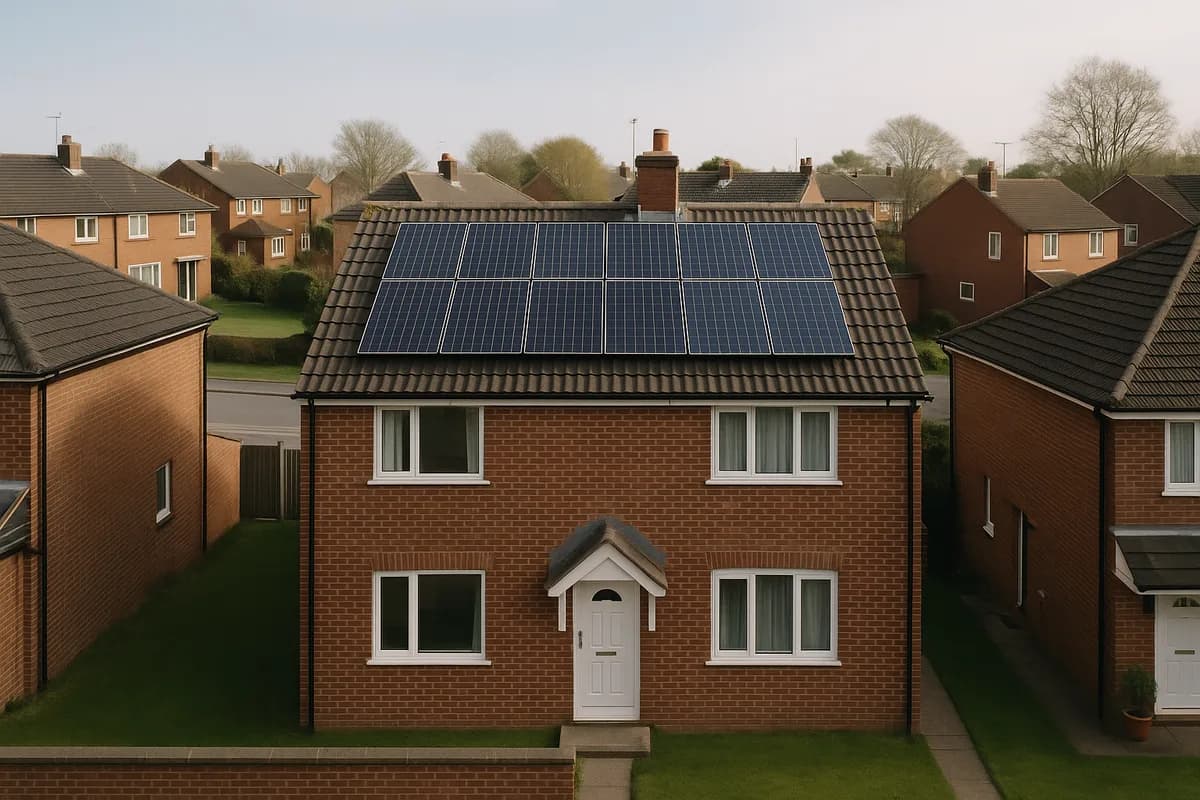
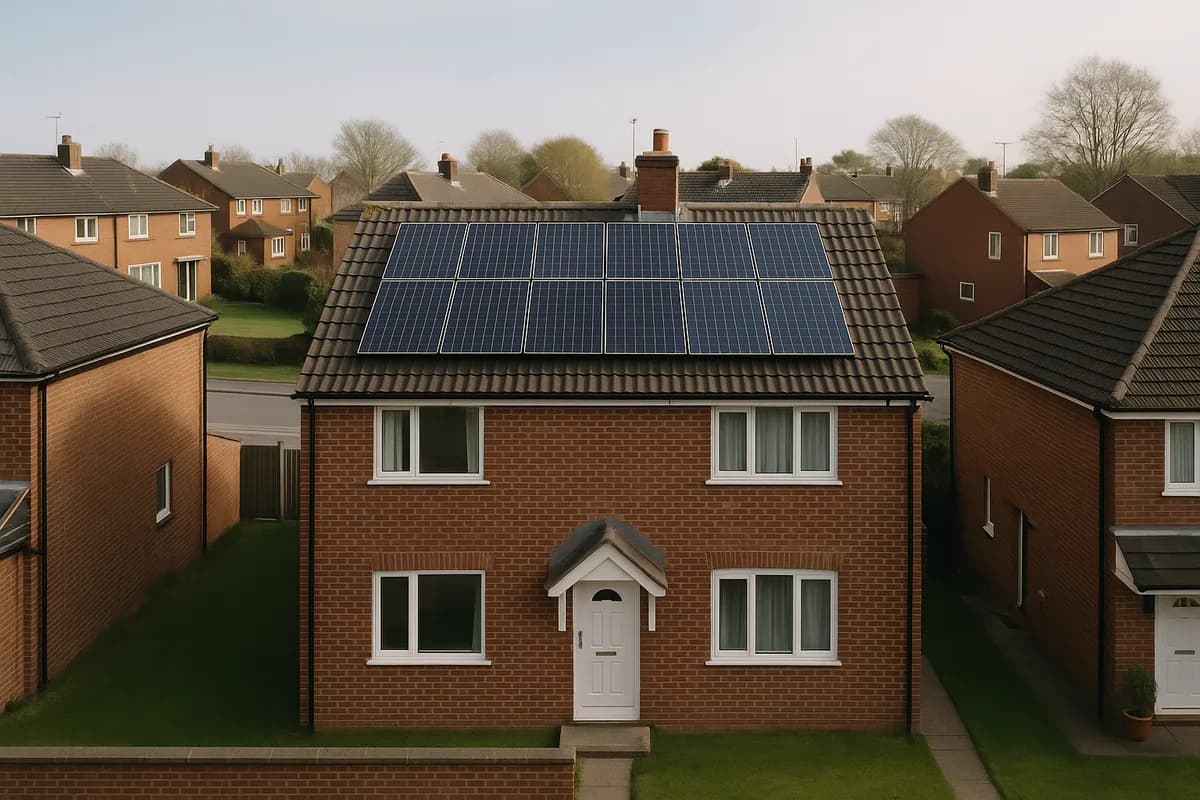
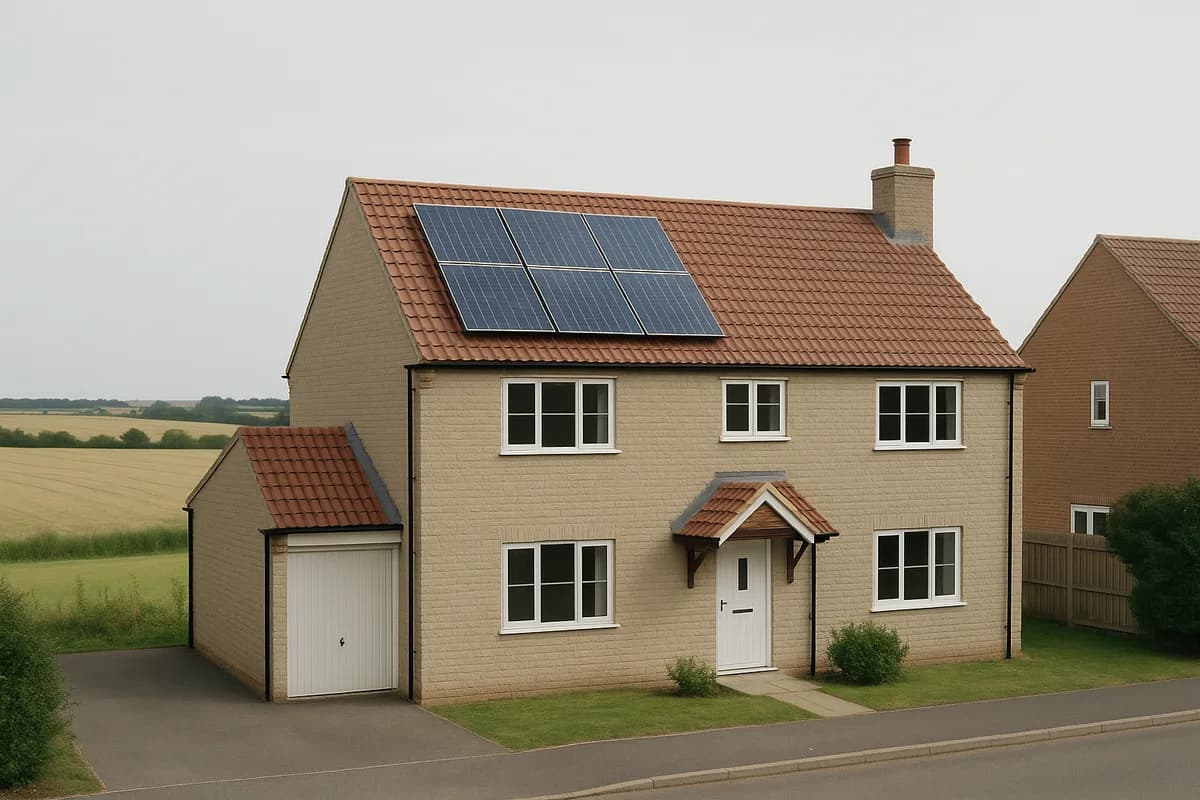
A 6kW solar panel system consists of 16 panels, costs £8,000–£11,000 installed (0% VAT), and generates 5,600–6,200 kWh per year. It significantly exceeds the average UK household consumption of ~3,700 kWh, making it ideal for large families, homes with EVs, heat pump users, and anyone wanting maximum self-sufficiency. Annual savings: £950–£1,150 without battery, £1,200–£1,500 with battery. Payback: 8–10 years.
6kW System Specifications
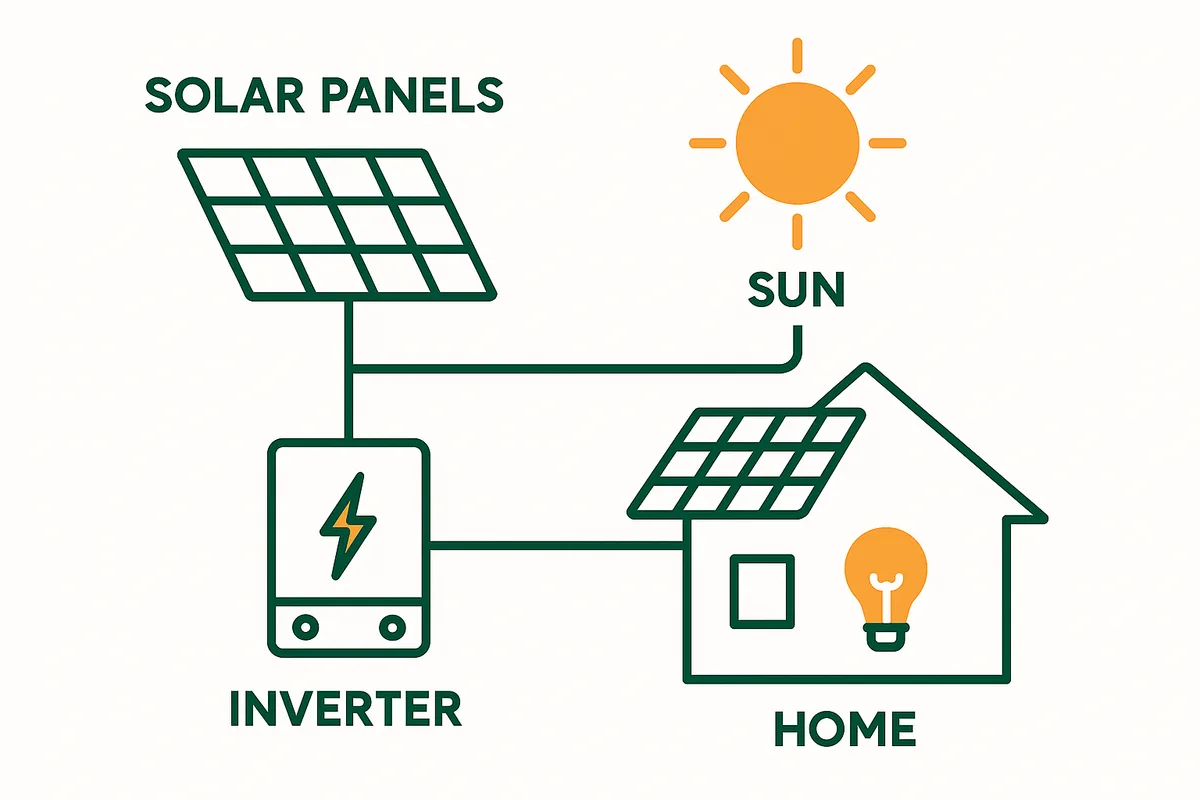
System overview: - Panels: 16 × 375–400W monocrystalline - Total capacity: 6.0–6.4 kWp - Roof space needed: ~27 m² (16 panels at 1.7 m² each) - Weight on roof: ~320 kg total - Annual generation: 5,600–6,200 kWh - Inverter: 5–6kW string inverter, hybrid inverter, or 16 micro-inverters
Cost breakdown: - Panels (16): £3,200–£5,600 - Inverter: £700–£1,400 - Mounting system: £400–£750 - Wiring and components: £250–£500 - Scaffolding: £250–£600 - Labour: £1,500–£2,500 - Total installed: £8,000–£11,000 (0% VAT)
DNO notification: 6kW exceeds the 3.68kW G98 threshold, so G99 notification is required (your installer handles this). Approval is usually automatic within 2 weeks.
Source: MCS installer pricing 2026; ENA G99 requirements.
Who Needs a 6kW System?
- Large families (4+ occupants) with 5,000+ kWh/year consumption
- EV owners — a 6kW system generates enough surplus to charge an EV + power the home
- Heat pump households — the heat pump adds 3,000–4,000 kWh/year of electricity demand
- Home workers with multiple devices and all-day electricity use
- Homes with electric cooking (induction hob, electric oven)
- Properties with swimming pools, hot tubs, or other high-energy features
- Homeowners who want to maximise SEG export income from surplus generation
- Anyone who wants maximum self-sufficiency and minimum grid dependence
Financial Returns
Find the right system size for your roof
Panel count depends on your electricity use, roof space and direction — not on a rule of thumb. Get a recommended size and what it should cost.
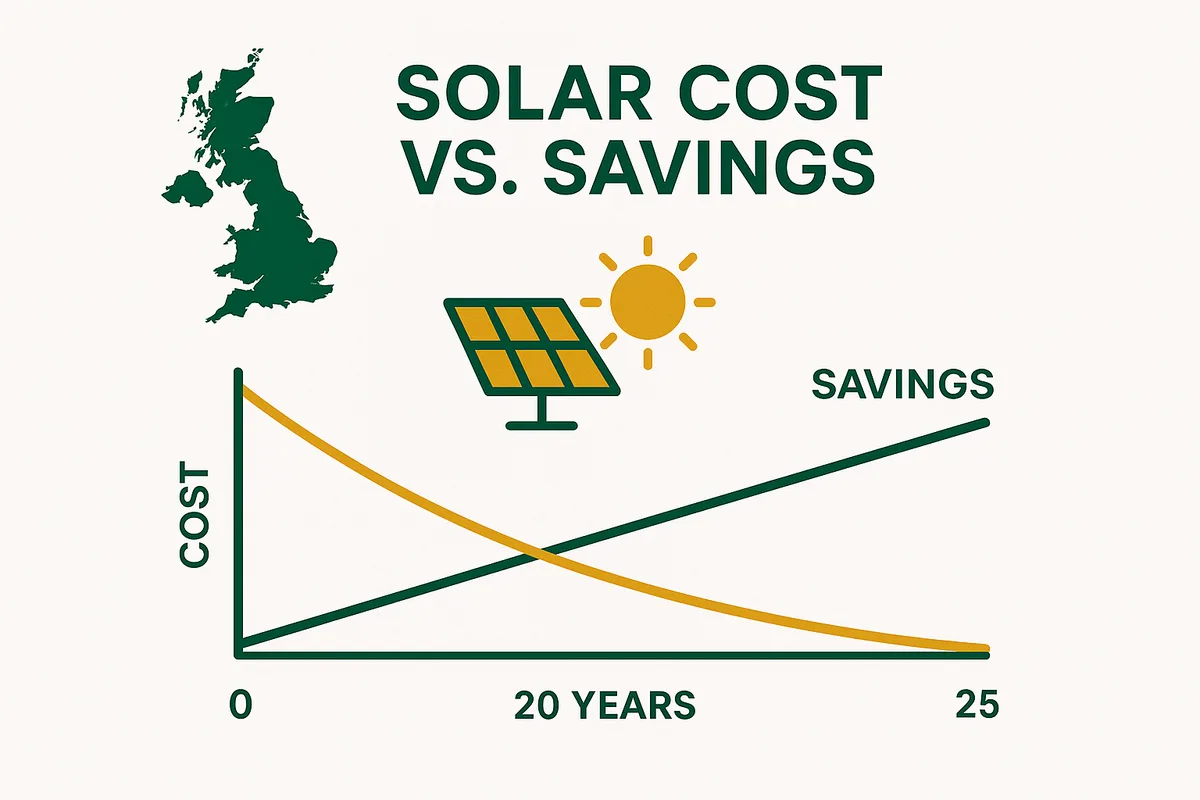
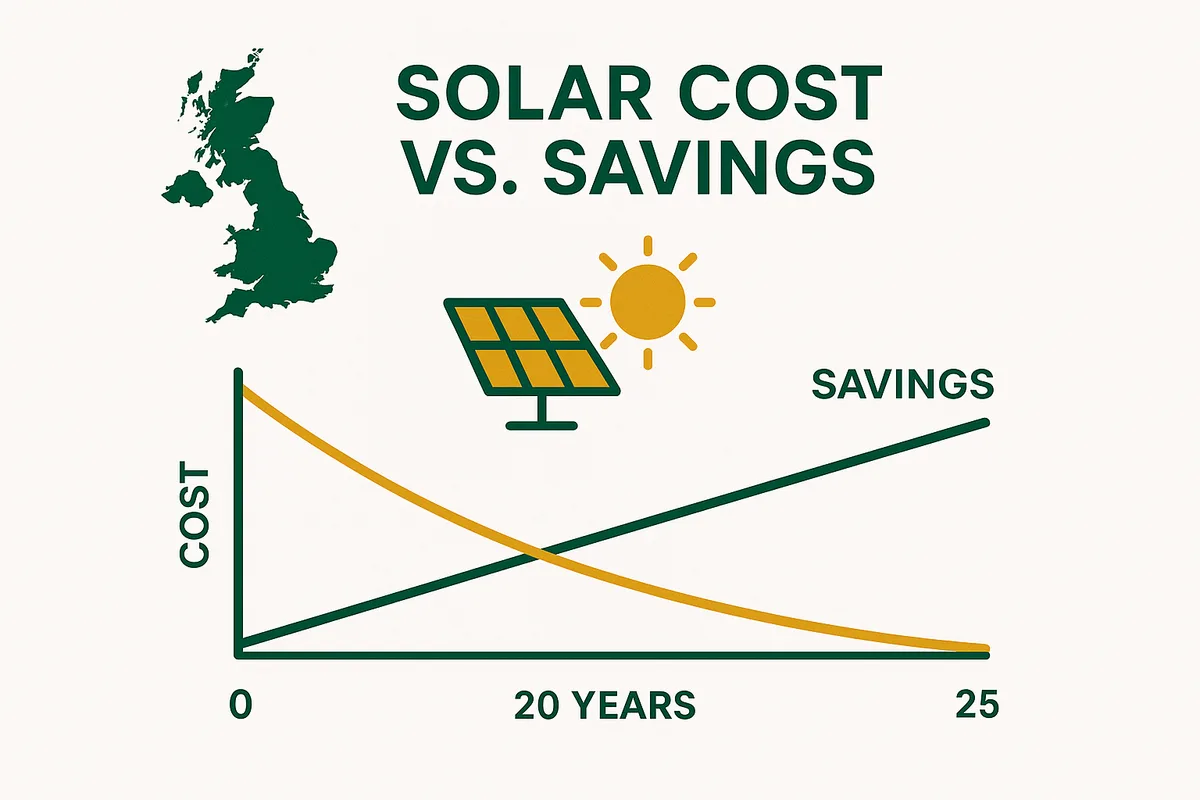
Size My System6kW without battery (50% self-consumption): - Self-consumed: 3,000 kWh × 26.11p = £783 - Exported: 3,000 kWh × 4.5p = £135 - Total annual savings: £870 - Cost: £9,500 average - Payback: ~10.9 years - 25-year net savings: £12,250
6kW with 13kWh battery (80% self-consumption): - Self-consumed: 4,800 kWh × 26.11p = £1,253 - Exported: 1,200 kWh × 4.5p = £54 - Total annual savings: £1,230 - Cost: £9,500 + £6,000 (battery) = £15,500 - Battery replacement (year 13): £4,000 - Payback: ~12.6 years - 25-year net savings: £8,750
6kW + battery + Octopus Flux: - Peak export at 15–24p during 16:00–19:00: +£200–£300/year - Overnight cheap charging at 7.5p: additional arbitrage - Effective total: £1,430–£1,530/year - Effective payback: 10–11 years
Source: Ofgem price cap July-September 2026; Octopus Flux tariff.
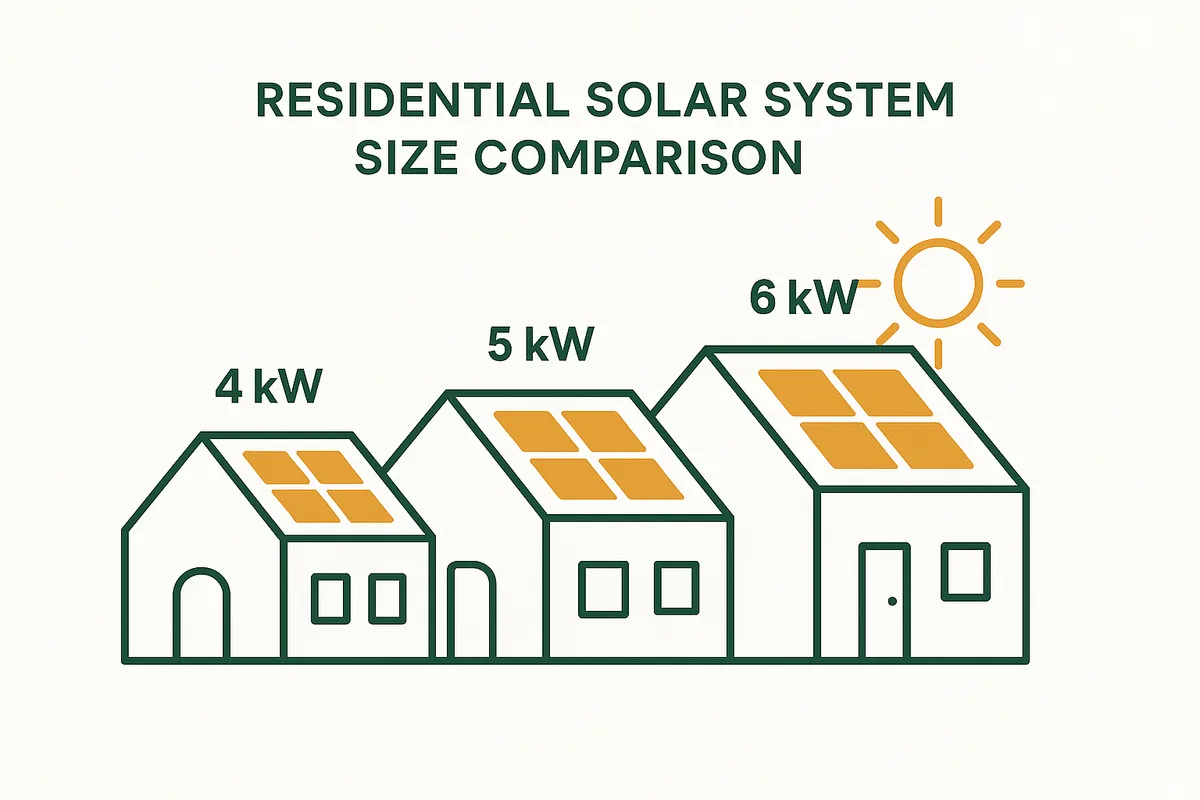
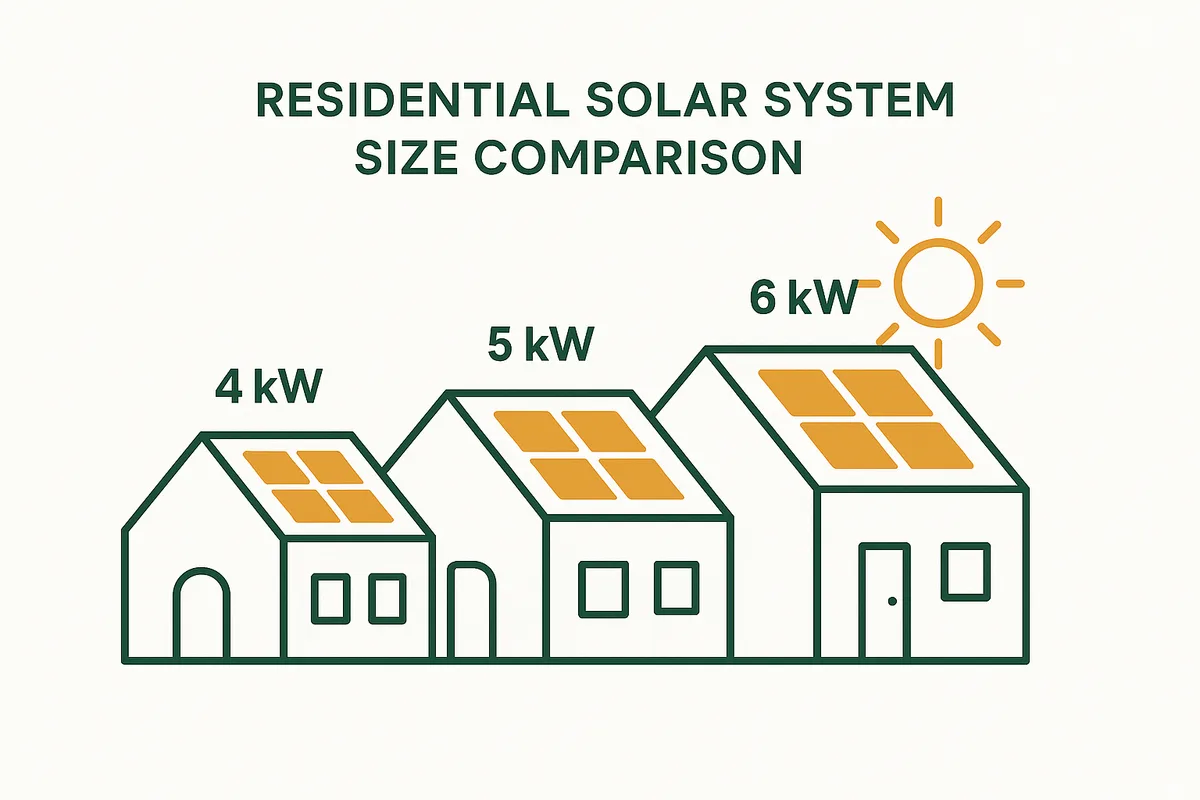
6kW vs 5kW vs 4kW: Comparison
| Metric | 4kW | 5kW | 6kW |
|---|---|---|---|
| Panels | 10 | 13 | 16 |
| Roof space | 17m² | 22m² | 27m² |
| Cost | £6,750 | £8,000 | £9,500 |
| Annual output | 4,000 kWh | 5,000 kWh | 6,000 kWh |
| Annual savings | £580 | £726 | £870 |
| Payback | 11.6 yrs | 11.0 yrs | 10.9 yrs |
| 25yr net | £7,750 | £10,150 | £12,250 |
Incremental cost from 5kW to 6kW: £1,500 for 3 extra panels Extra annual savings: £144 Payback on extra panels: 10.4 years
The marginal investment is worthwhile if you have the roof space. However, the 5kW to 6kW jump is slightly less compelling than 4kW to 5kW because self-consumption percentage drops as system size grows (you export more surplus).
Source: PVGIS; Ofgem; MCS pricing.
Battery Pairing: Essential for 6kW
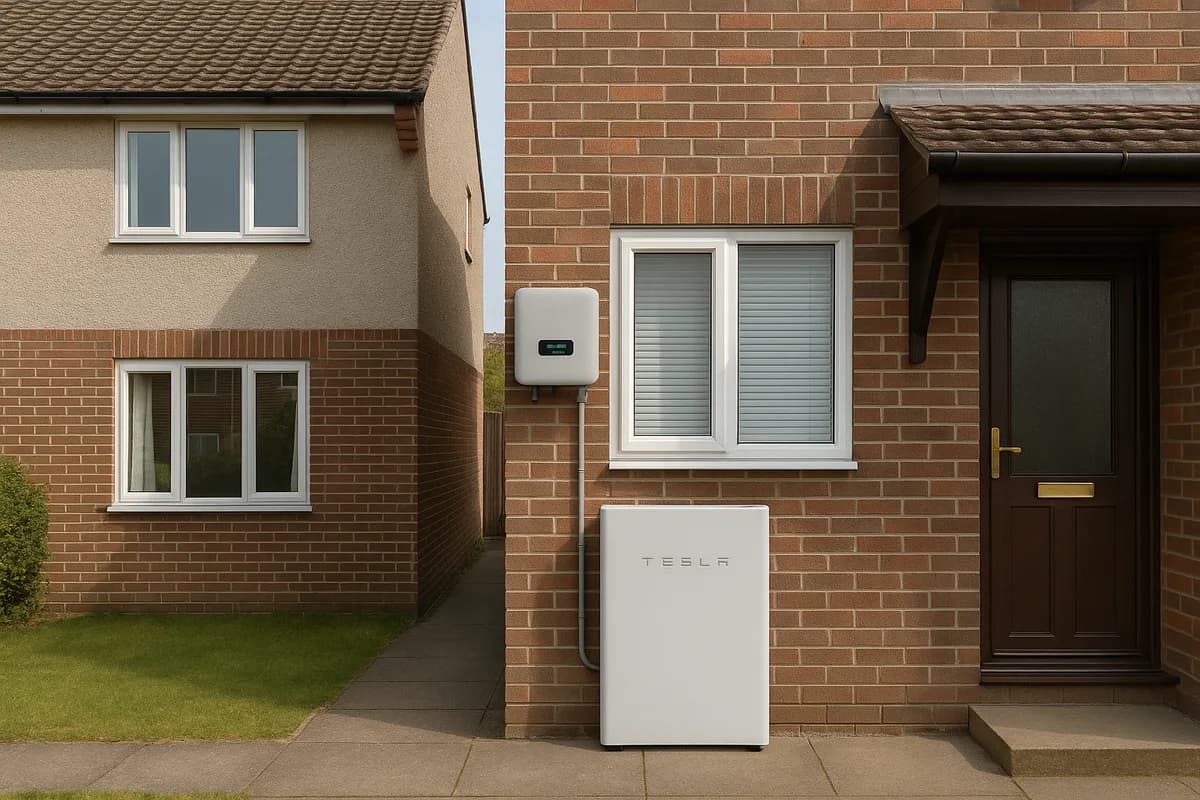
A 6kW system generates more surplus than most households can use directly. Without a battery, a large proportion is exported at low SEG rates (4.5p/kWh). A battery captures this surplus for evening use at 26.11p/kWh value.
Recommended battery sizes for 6kW: - 10kWh: Good for most households. Covers evening + overnight for average consumption. - 13.5kWh (Tesla Powerwall): Better for high-consumption homes. Covers extended evening use. - Two batteries (20kWh): For maximum self-consumption. Only worthwhile if consumption is very high.
The battery ROI improves with larger solar systems because there is more surplus to capture. A battery paired with a 6kW system saves more per year than the same battery with a 4kW system.
Source: Energy Saving Trust; battery sizing guidance.
Frequently Asked Questions
Related guides
Related: Home Heating Systems
Solar panels are most powerful when combined with an efficient heating system. Heat pumps use solar-generated electricity to heat your home at 300-400% efficiency — making them the ideal partner for solar.
Learn more about how air source heat pumps work alongside solar panels.
Heat pumps use electricity at 300-400% efficiency, making them ideal partners for solar.
From our sister site Home Heat Pump Guide
You might also like
Find the right system size for your roof
Panel count depends on your electricity use, roof space and direction — not on a rule of thumb. Get a recommended size and what it should cost.
Size My SystemFree calculator. No contact details required to see your result.