5kW Solar Panel System: Cost, Output & Savings
Find the right system size for your roof
Panel count depends on your electricity use, roof space and direction — not on a rule of thumb. Get a recommended size and what it should cost.
Size My SystemFree calculator. No contact details required to see your result.
How much does a 5kW solar system cost and produce?
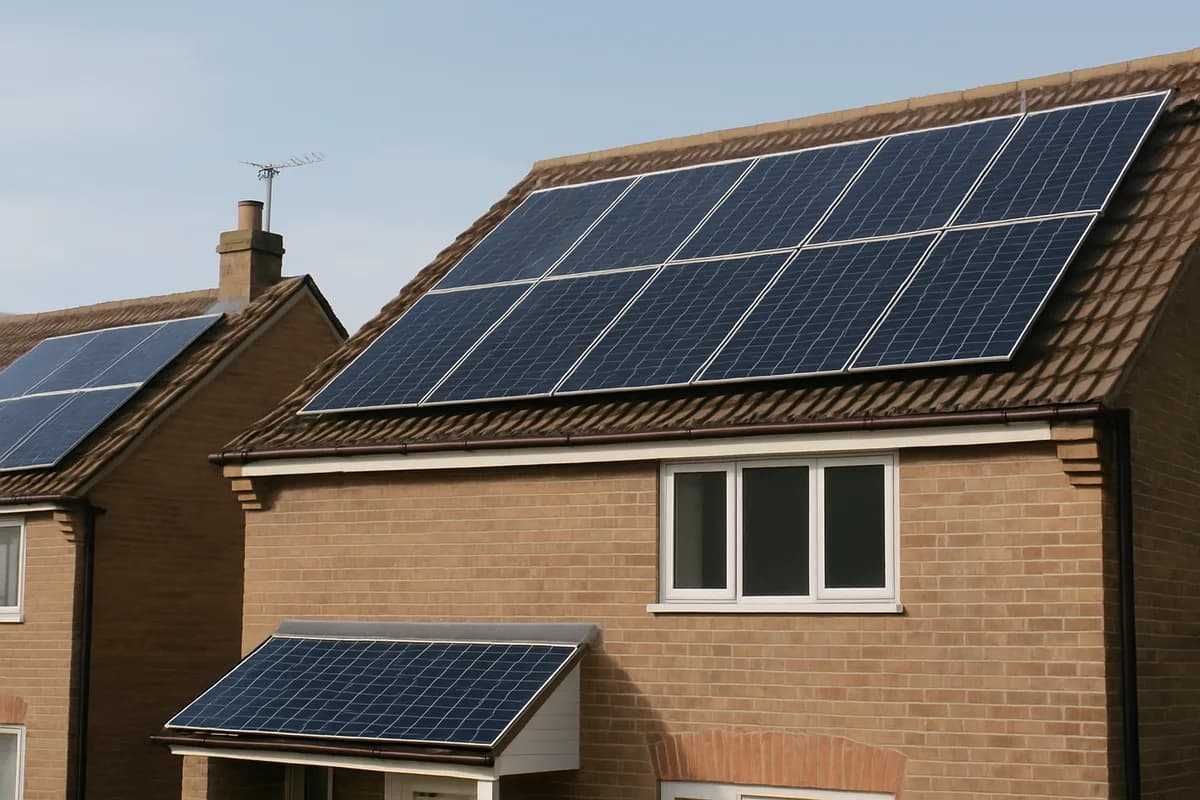
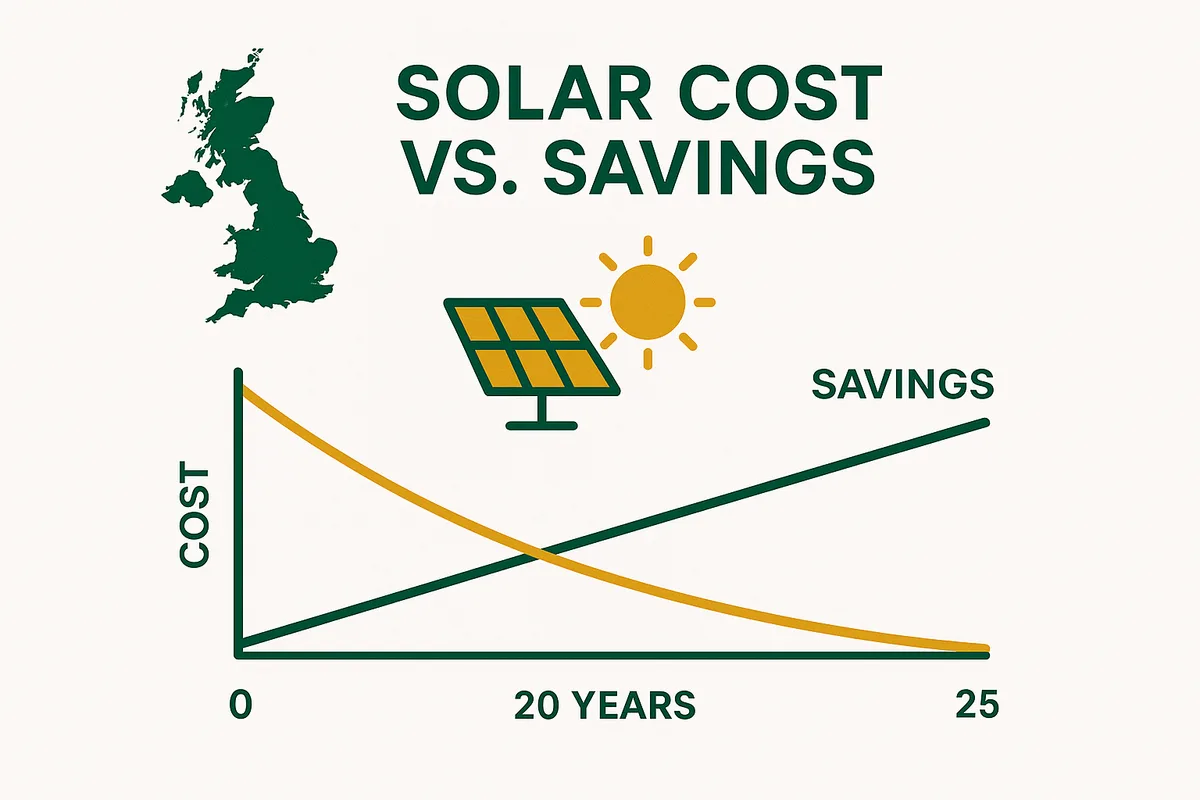
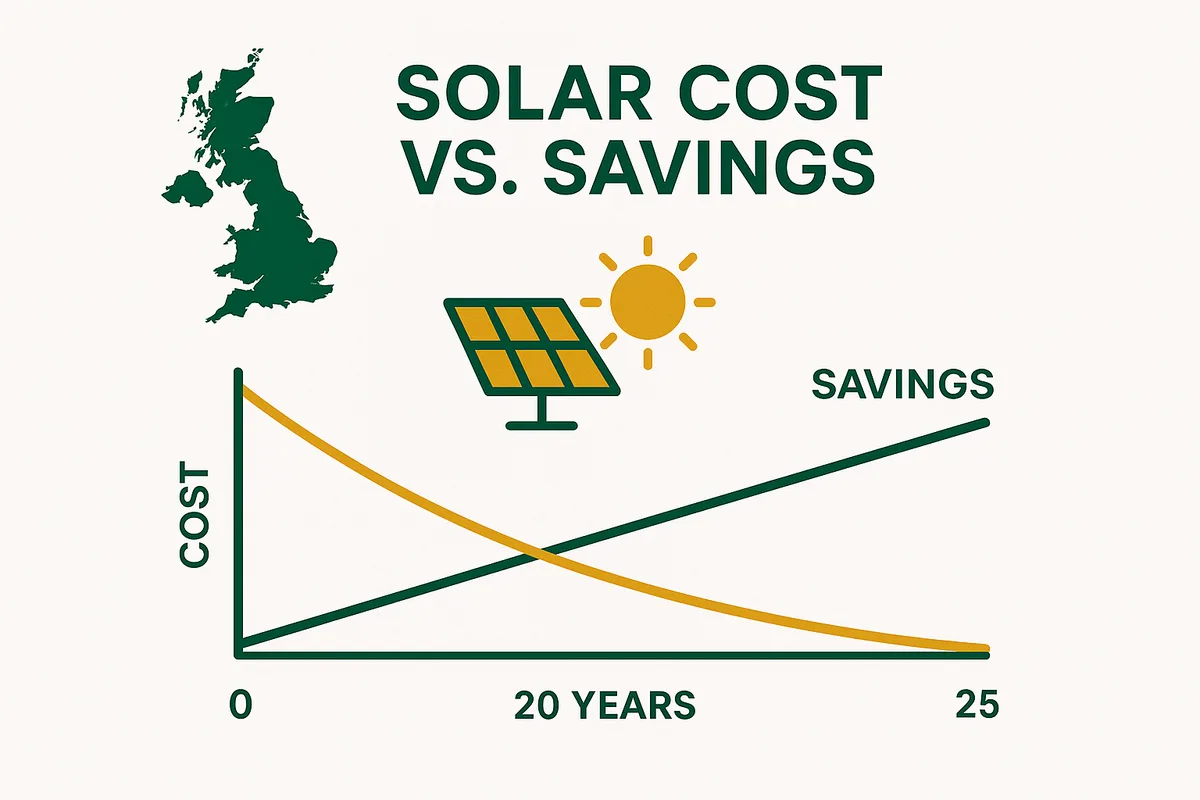
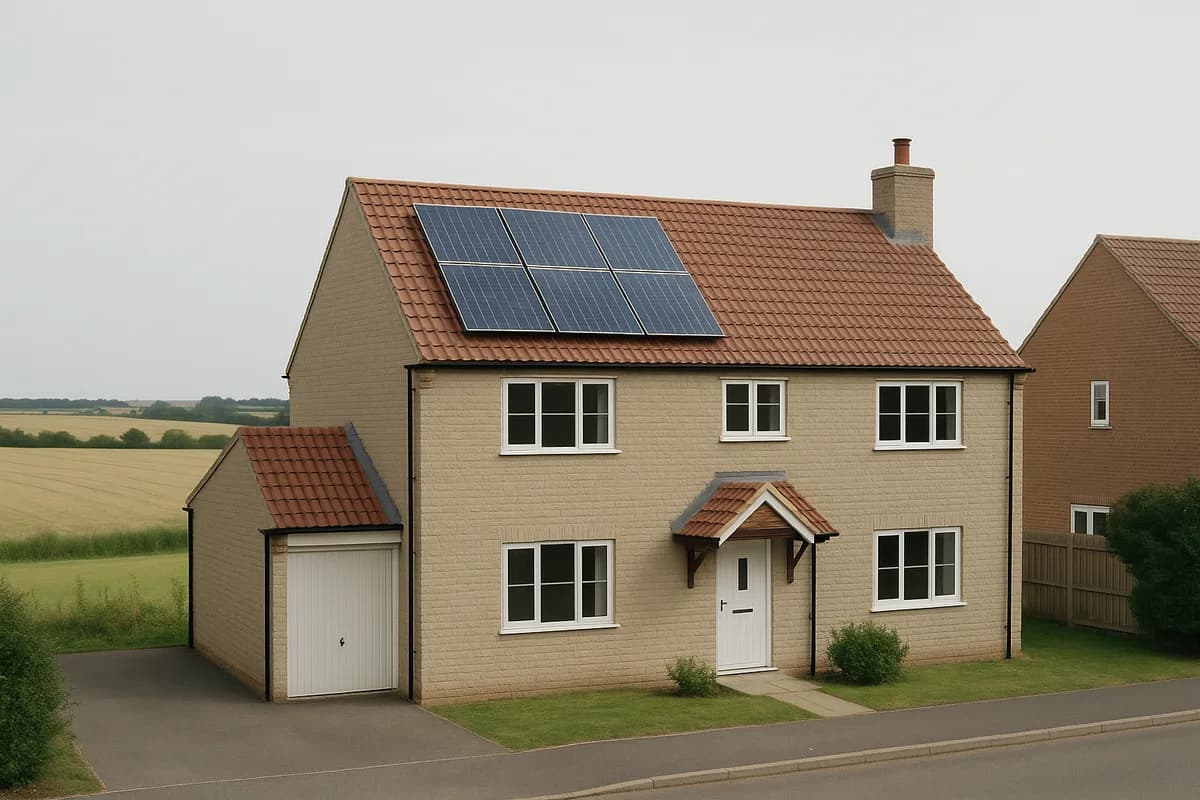
A 5kW solar panel system consists of 13 panels, costs £6,500–£9,500 installed (0% VAT), and generates 4,700–5,200 kWh per year. It exceeds the average UK household consumption of ~3,700 kWh, making it ideal for larger families, home workers, or anyone planning to add an EV charger. Annual savings: £850–£950 without battery, £1,025–£1,200 with battery. Payback: 8–11 years.
5kW System Specifications
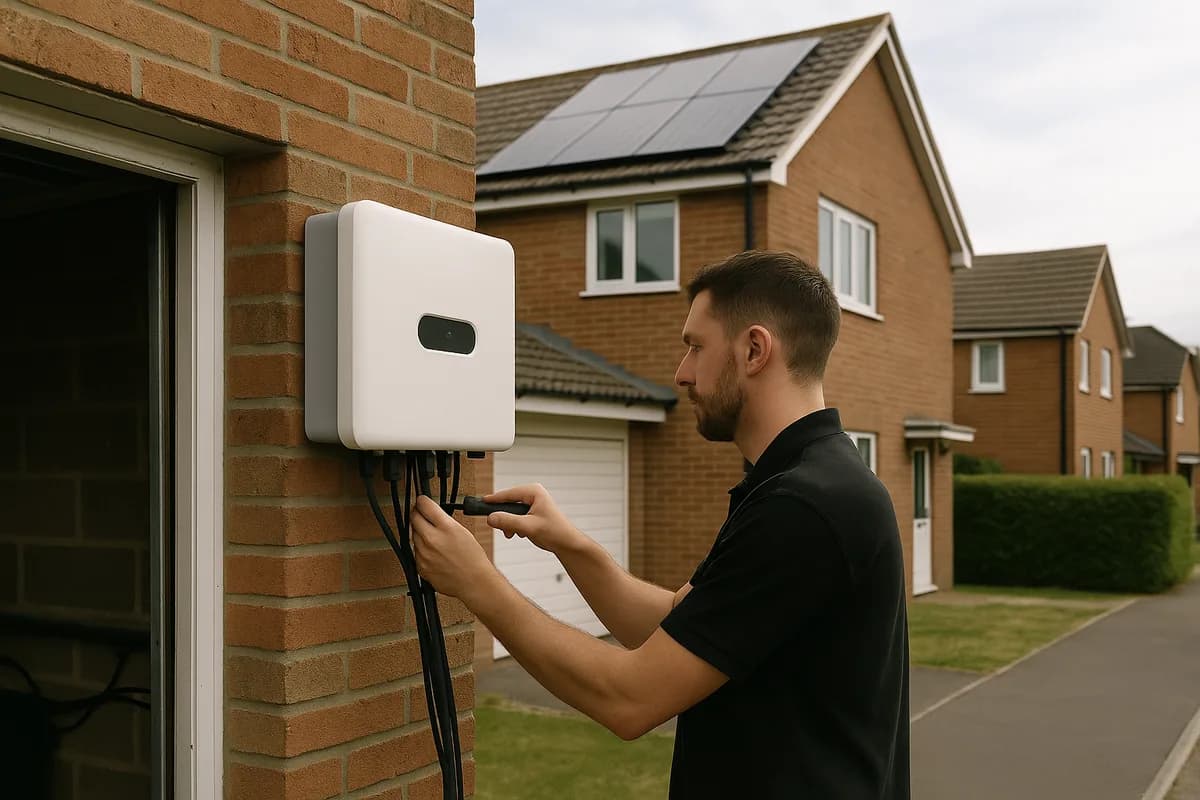
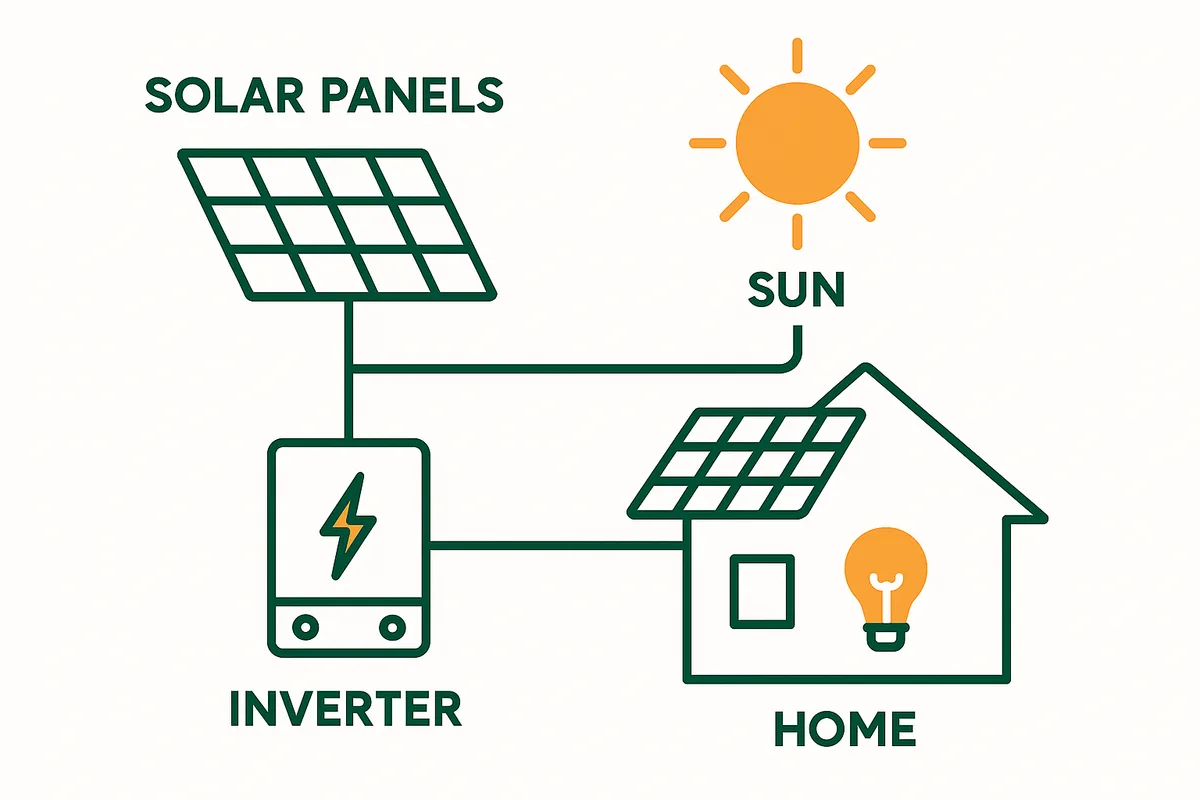
System overview: - Panels: 13 × 385–400W monocrystalline - Total capacity: 5.0–5.2 kWp - Roof space needed: ~22 m² (13 panels at 1.7 m² each) - Weight on roof: ~260 kg total - Annual generation: 4,700–5,200 kWh - Inverter: 5kW string inverter, hybrid inverter, or 13 micro-inverters
Cost breakdown: - Panels (13): £2,600–£4,500 - Inverter: £600–£1,200 - Mounting system: £350–£650 - Wiring and components: £200–£450 - Scaffolding: £200–£500 - Labour: £1,200–£2,200 - Total installed: £6,500–£9,500 (0% VAT)
DNO notification: Systems over 3.68kW (single phase) require G99 notification to the Distribution Network Operator, which takes 4–8 weeks. Your installer handles this. Under 3.68kW, the simpler G98 process applies.
Source: MCS installer pricing 2026; ENA G98/G99 requirements.
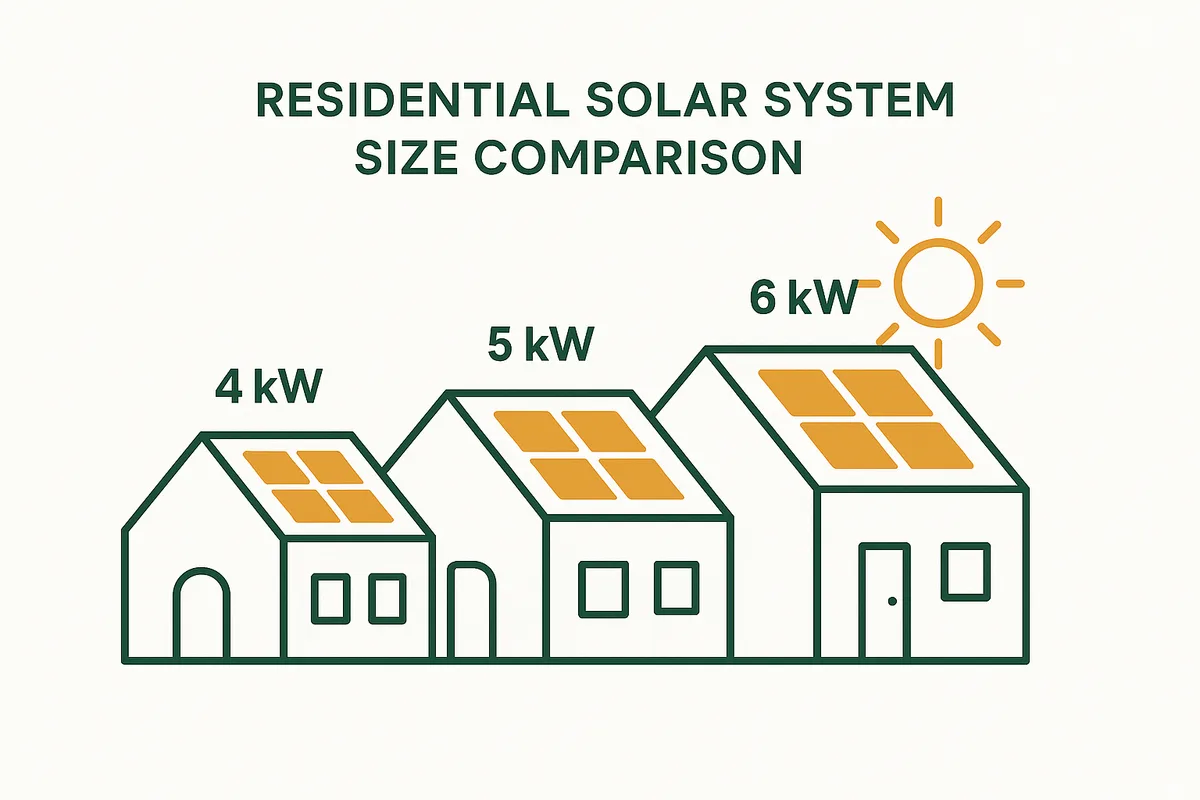
5kW vs 4kW: Is the Upgrade Worth It?
Direct comparison:
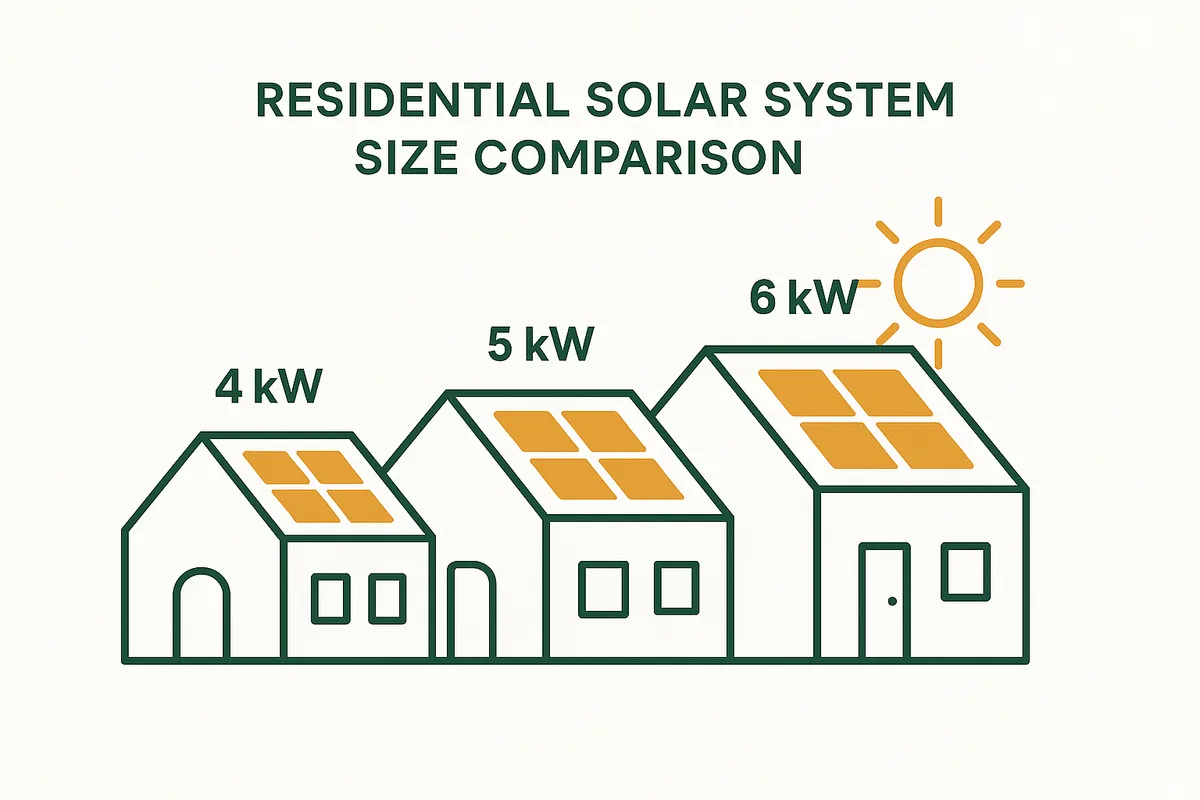
| Metric | 4kW (10 panels) | 5kW (13 panels) | Difference |
|---|---|---|---|
| Cost | £6,750 | £8,000 | +£1,250 |
| Annual output | 4,000 kWh | 5,000 kWh | +1,000 kWh |
| Annual savings | £580 | £726 | +£146 |
| Payback | 11.6 yrs | 11.0 yrs | 0.6 yrs faster |
| 25yr net | £7,750 | £10,150 | +£2,400 more |
The extra £1,250 for 3 more panels delivers: - 1,000 kWh more per year - £146 more in annual savings - Payback on the extra panels: 8.6 years - 25-year extra profit: £2,400
Verdict: If your roof fits 13 panels, the 5kW system is better value than 4kW. The marginal cost per extra panel is lower, and the ROI on the additional investment is excellent.
Source: PVGIS; Ofgem price cap July-September 2026.
Find the right system size for your roof
Panel count depends on your electricity use, roof space and direction — not on a rule of thumb. Get a recommended size and what it should cost.
Size My SystemWho Is a 5kW System Right For?
- Households using 4,000–5,500 kWh/year (above UK average)
- 3-4 bed homes with 13+ panels of roof space (~22 m²)
- Home workers with above-average daytime electricity consumption
- Families with multiple devices, electric cooking, and tumble dryers
- Anyone planning to add an EV charger within the next 5 years
- Homeowners who want to export meaningful surplus for SEG income
- Anyone considering a heat pump — 5kW provides a head start on the increased electricity demand
Battery Pairing for 5kW
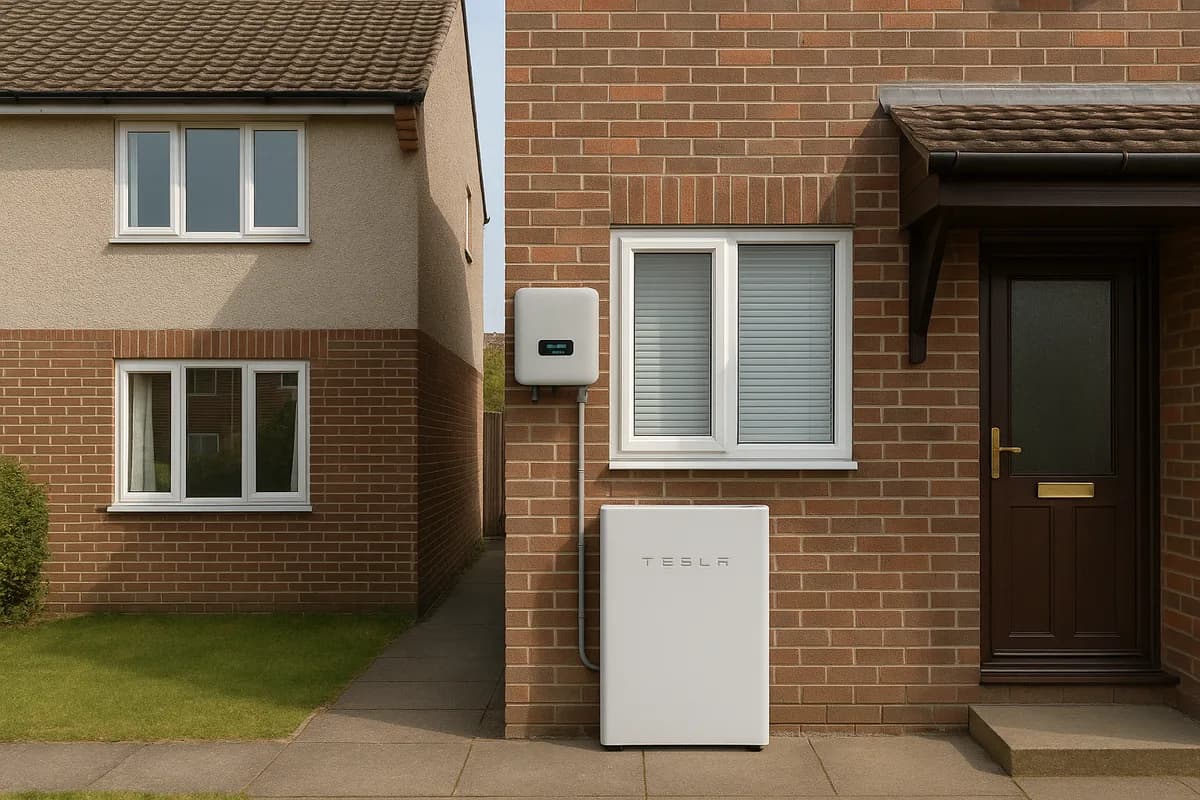
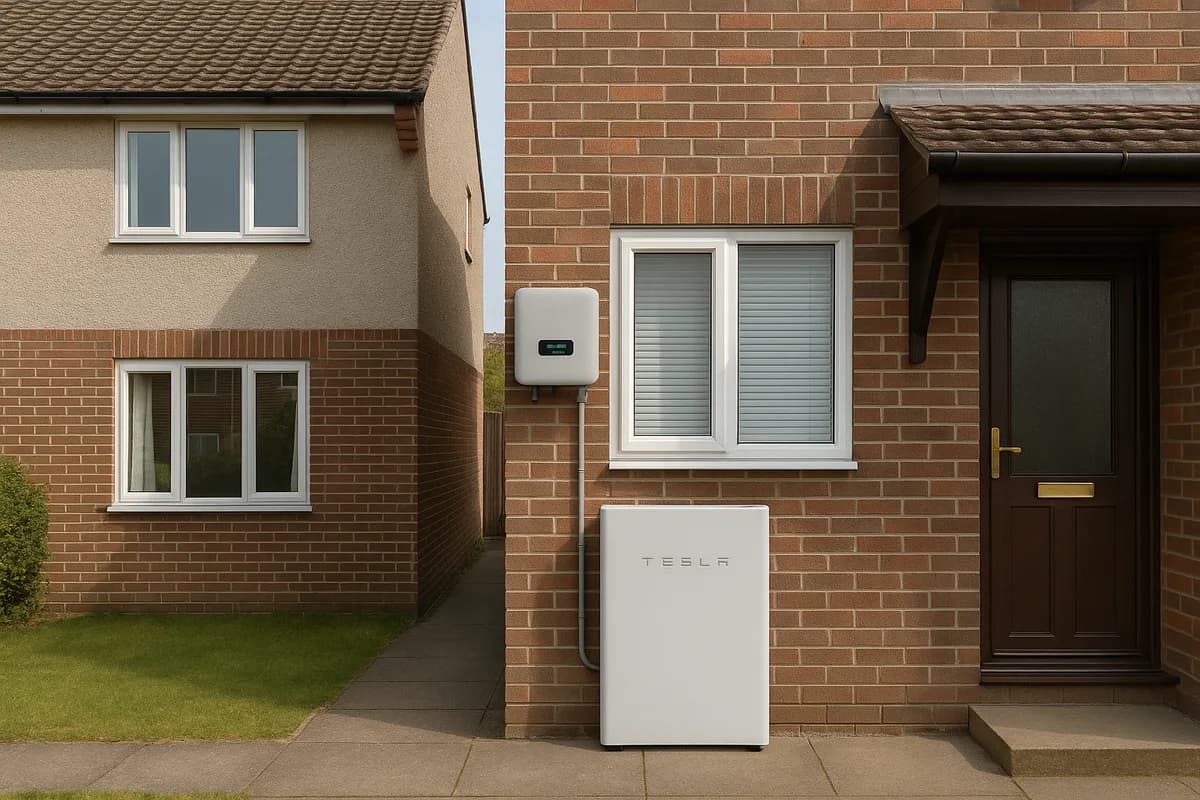
A 5kW system generates more surplus than a 4kW, making a battery more valuable:
5kW without battery (50% self-consumption): - Self-consumed: 2,500 kWh × 26.11p = £653 - Exported: 2,500 kWh × 4.5p = £113 - Total: £726/year
5kW with 10kWh battery (80% self-consumption): - Self-consumed: 4,000 kWh × 26.11p = £1,044 - Exported: 1,000 kWh × 4.5p = £45 - Total: £1,025/year - Battery adds: £299/year - Battery cost: £4,500 - Battery payback: 15 years standalone (but improves with smart tariff)
5kW + battery + Octopus Flux: - Peak export income (16:00–19:00): +£150–£250/year - Overnight cheap charging: additional arbitrage savings - Effective total: £1,175–£1,275/year - Battery payback with smart tariff: 9–12 years
Source: Ofgem; Octopus Flux tariff.
G99 DNO Notification: What You Need to Know
Systems over 3.68kW (single phase) require G99 notification rather than the simpler G98 process:
G98 (under 3.68kW): Simple notification — installer submits a form, connection is automatic. No waiting period.
G99 (3.68kW–50kW): Application process — installer submits to your DNO, who has 11 working days to respond. Most applications are approved automatically, but the DNO may require a study if the local network is congested.
What this means for a 5kW system: - Your installer submits the G99 application 4–8 weeks before installation - In most areas, approval is automatic within 2 weeks - Rarely, the DNO may request a connection study (takes 45 days, free of charge) - Very rarely, the DNO may require a network upgrade before connection (costs vary — your installer should warn you if this is likely)
In practice: G99 causes a slight delay but is rarely a problem. Your installer handles all paperwork.
Source: ENA Engineering Recommendation G99; DNO application guidance.
Frequently Asked Questions
Related guides
Related: Home Heating Systems
Solar panels are most powerful when combined with an efficient heating system. Heat pumps use solar-generated electricity to heat your home at 300-400% efficiency — making them the ideal partner for solar.
Heat pumps use electricity at 300-400% efficiency, making them ideal partners for solar.
From our sister site Home Heat Pump Guide
You might also like
Find the right system size for your roof
Panel count depends on your electricity use, roof space and direction — not on a rule of thumb. Get a recommended size and what it should cost.
Size My SystemFree calculator. No contact details required to see your result.