Solar Panels for Landlords: The Investment Case
Ready to see what solar could save you?
Get free, no-obligation quotes from MCS-certified installers in your area.
Get Free QuotesFree, no obligation. Takes 2 minutes.
Should landlords install solar panels?
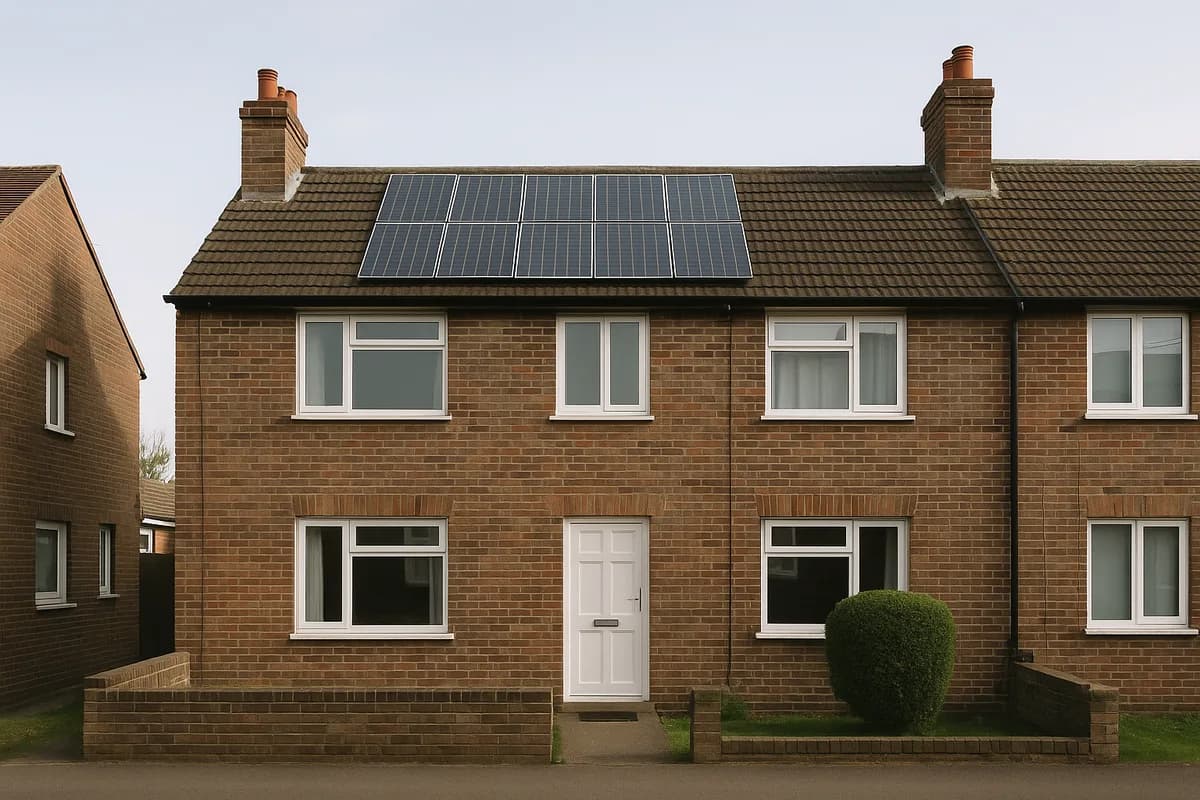
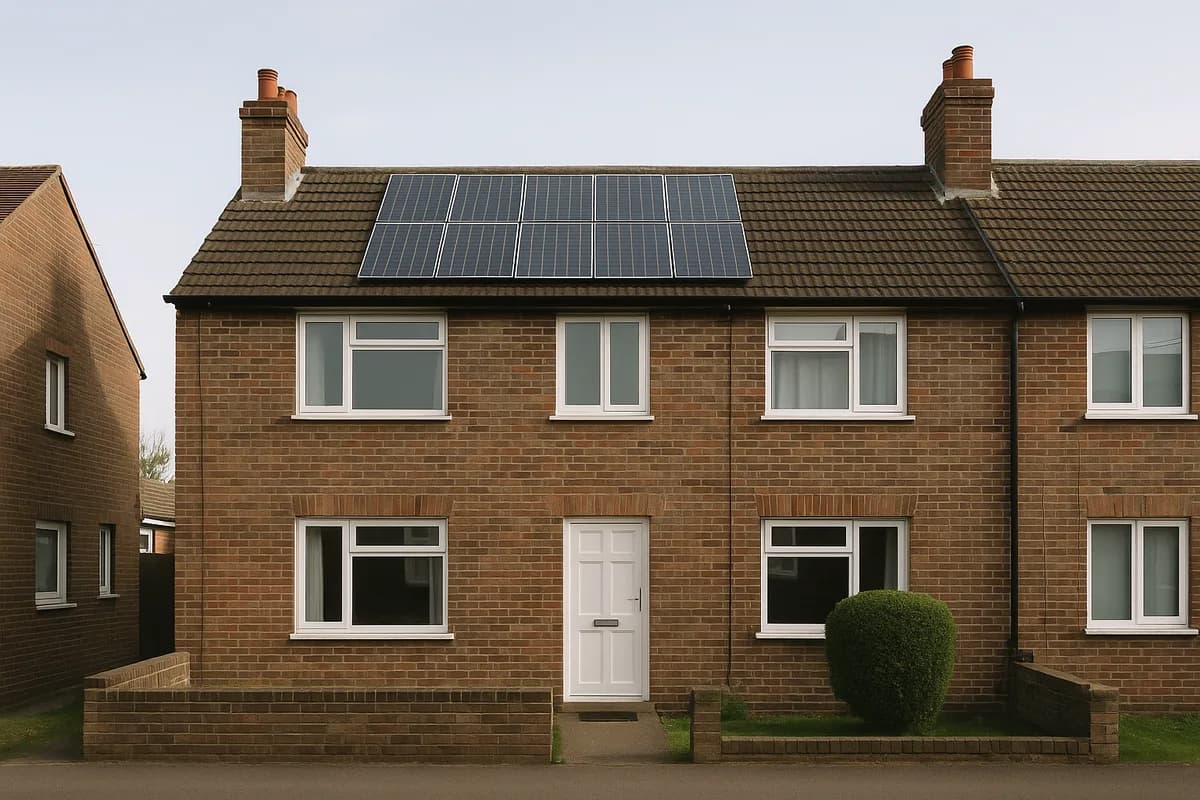
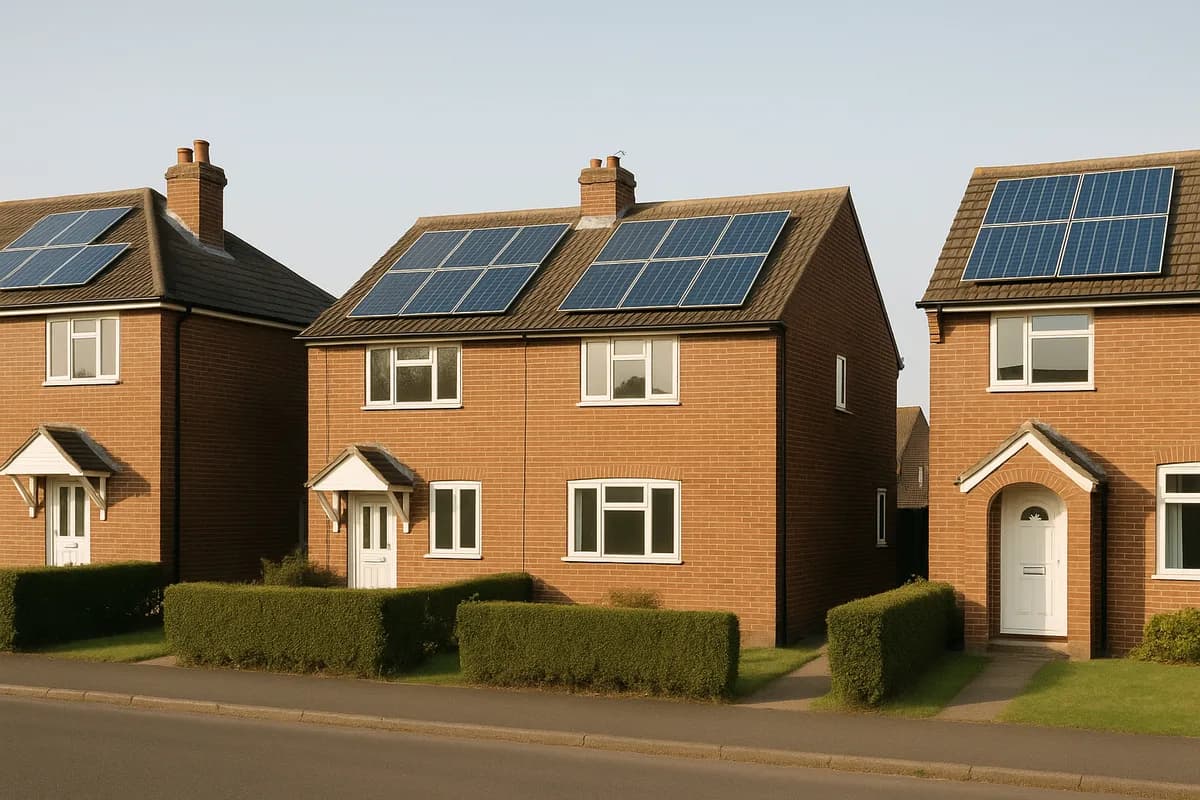
Solar panels are a strong investment for landlords. They improve EPC ratings (helping meet the minimum E requirement, with C expected by 2030), are associated with higher sale prices in UK research, attract tenants with lower bills, and generate SEG income. The landlord pays for installation (£5,000–£8,000) while the tenant benefits from reduced electricity bills. ROI comes through EPC compliance, easier letting, and the sale-price premium UK research associates with solar.
The Financial Case for Landlord Solar
Landlord solar economics work differently from owner-occupier solar:
Owner-occupier: Saves money directly on their own electricity bills. Clear, simple ROI.
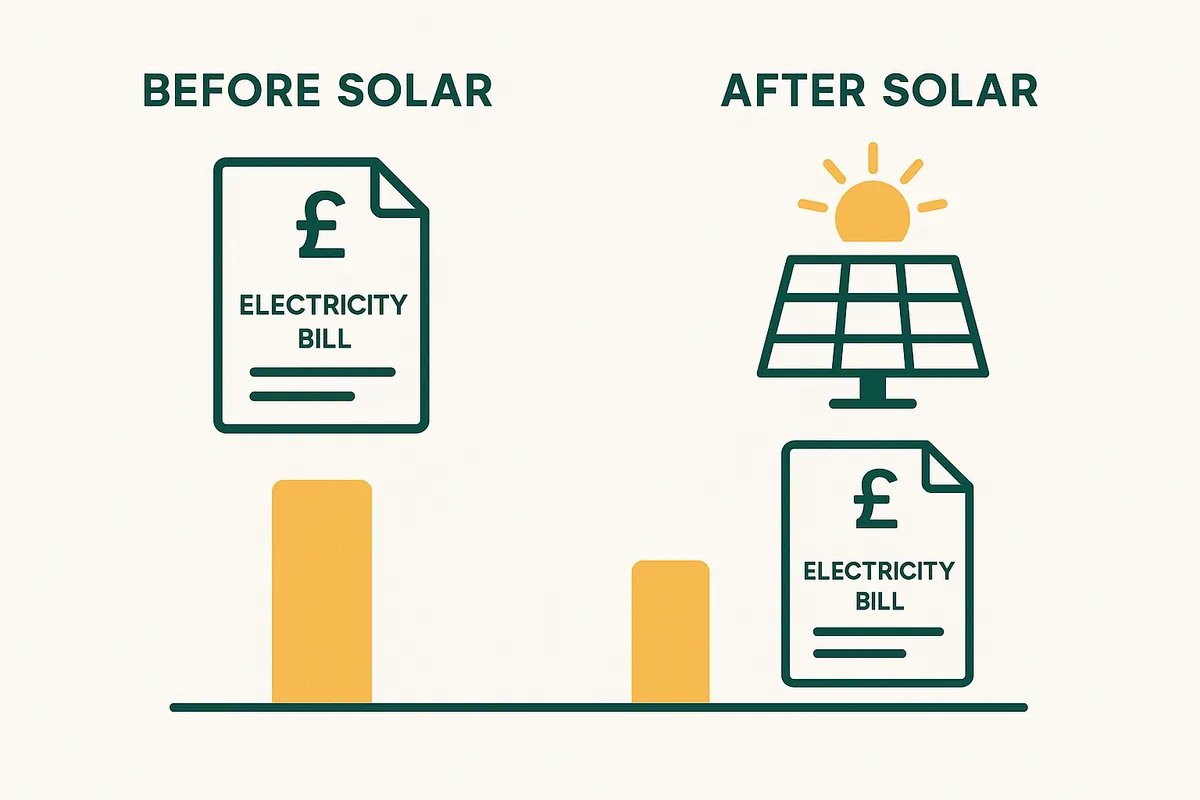
Landlord: Does not directly save on electricity (tenant pays the bills). But benefits through:
1. EPC improvement: Solar typically improves EPC by 1–2 bands. With minimum EPC C expected by 2030 for new tenancies, solar helps future-proof compliance.
2. Property value: UK research finds a sale-price premium of 3.5% to 7.1% depending on method (Asproudis et al., 2024) — a market-wide average, not a guaranteed uplift on any individual home.
3. Higher rent potential: Properties with lower running costs can command 3–5% higher rent. On a £1,000/month property, that is £30–£50/month or £360–£600/year.
4. Tenant retention: Tenants with lower bills are more likely to stay, reducing void periods and re-letting costs.
5. SEG income (if applicable): If the landlord registers for SEG and the electricity account is in the landlord's name, the landlord can receive export payments. However, this is complex — see below.
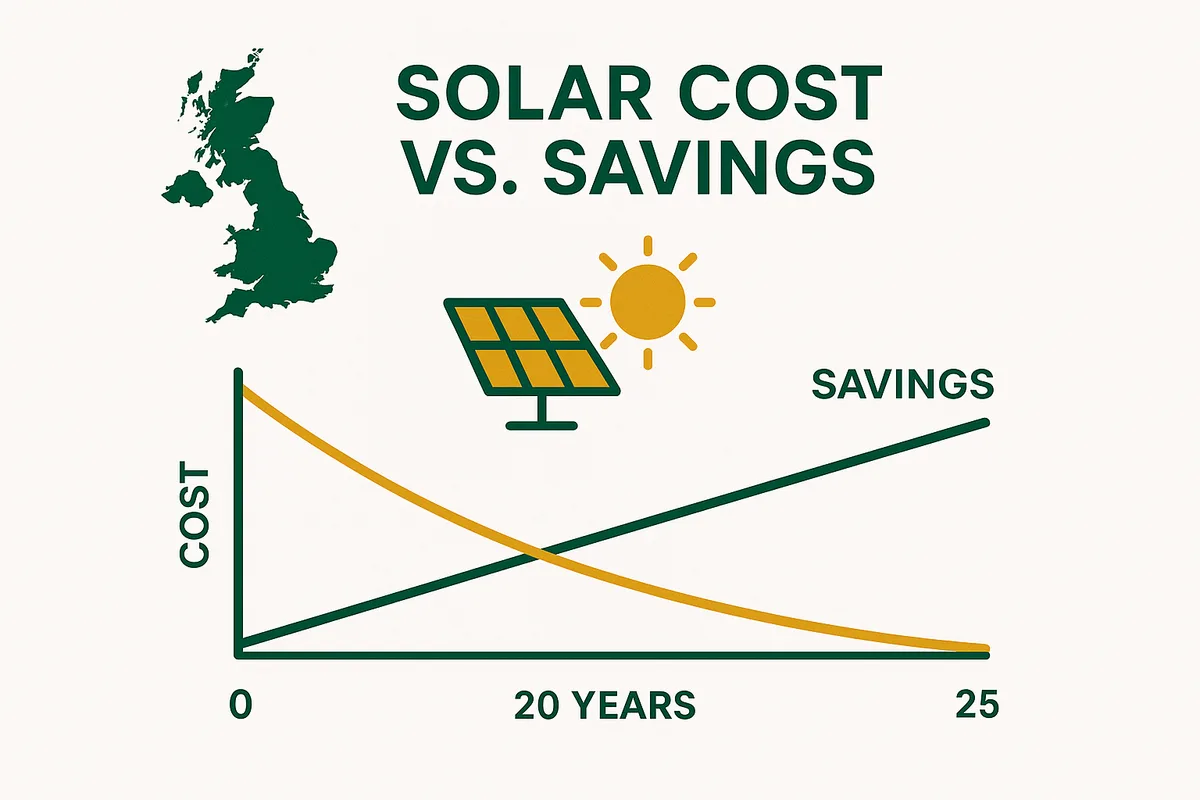
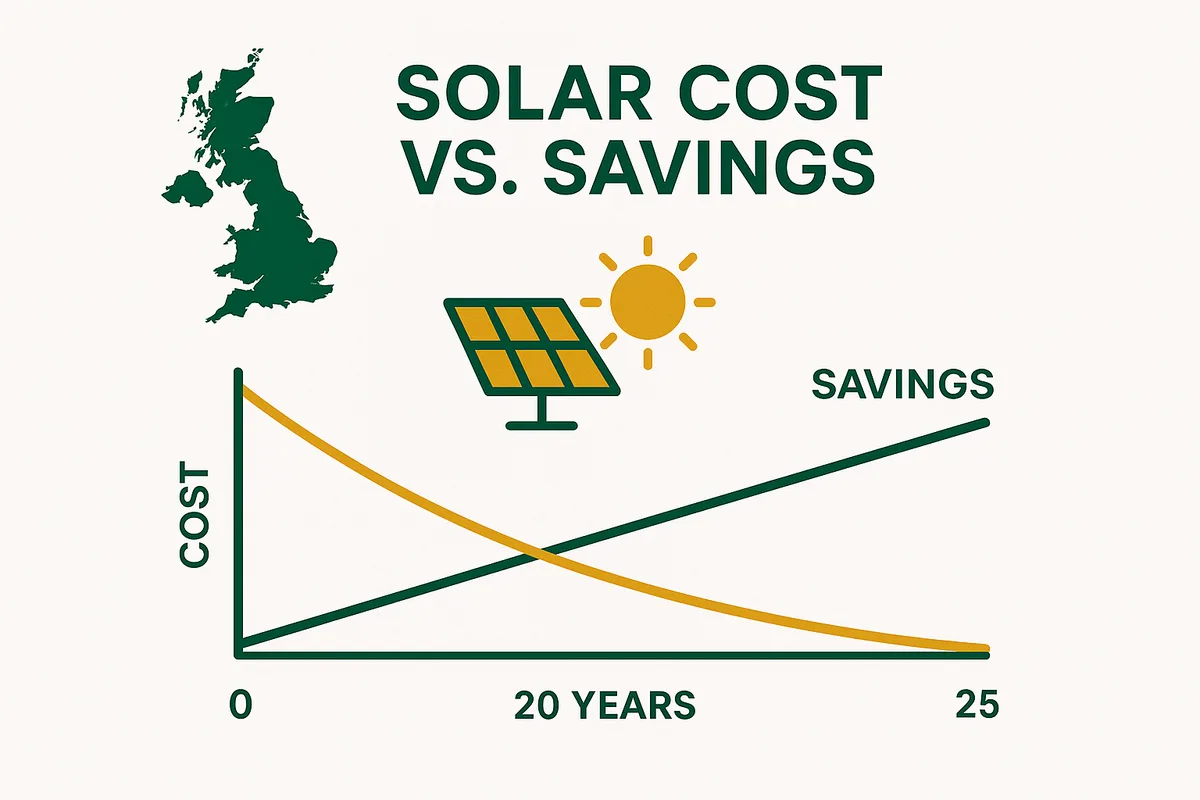
Investment summary: - Cost: £5,500–£8,000 - Sale-price premium in UK research: 3.5–7.1% depending on method, market average, not guaranteed - Annual rent premium: we have no verified UK figure and do not publish one - Payback: calculate it from the bill savings and SEG income you can evidence, not from an assumed resale premium
Source: Asproudis, Gedikli, Talavera & Yilmaz (2024), Energy Economics 137, 107768.
EPC Requirements: Why Solar Matters for Landlords
Current rules (2026): - Rental properties must have a minimum EPC rating of E - Landlords face fines of up to £5,000 for non-compliance - EPC must be provided to tenants before a tenancy starts
Expected future rules: - Minimum EPC C for new tenancies: expected by 2028–2030 - Minimum EPC C for all tenancies: expected by 2030–2033 - Fines for non-compliance expected to increase significantly
How solar helps: - Solar panels typically improve an EPC by 1–2 bands - A property rated D can often reach C with solar alone - A property rated E may need solar + insulation to reach C - Solar is one of the most cost-effective EPC improvements available
Important: Do not wait until the rules change. Installing now means: - You avoid a rush (and higher prices) when the deadline approaches - You benefit from improved rent and property value immediately - You demonstrate proactive compliance to tenants and agents
Source: MHCLG Minimum Energy Efficiency Standards (MEES); EPC methodology SAP 10.
Ready to see what solar could save you?
Get free, no-obligation quotes from MCS-certified installers in your area.
Get Free Quotes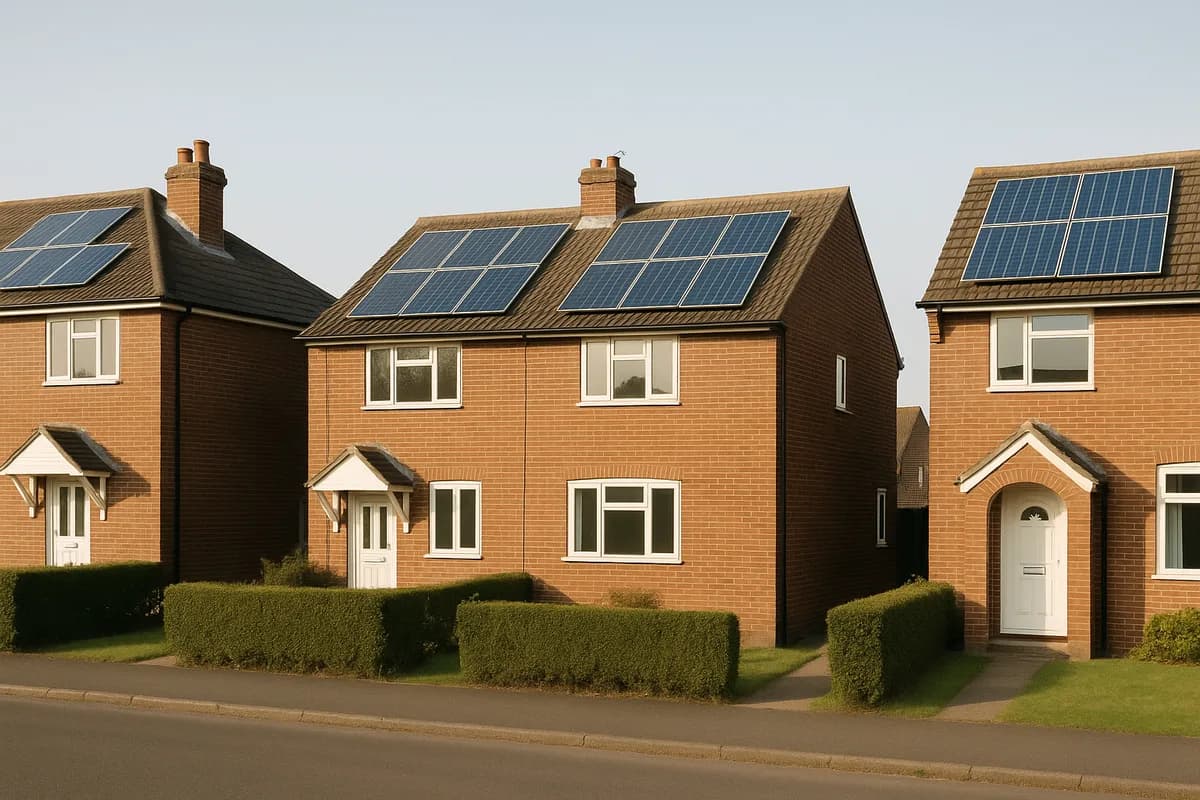
Who Benefits from the Electricity: Landlord or Tenant?
This is the most common question from landlords. The answer depends on the tenancy setup:
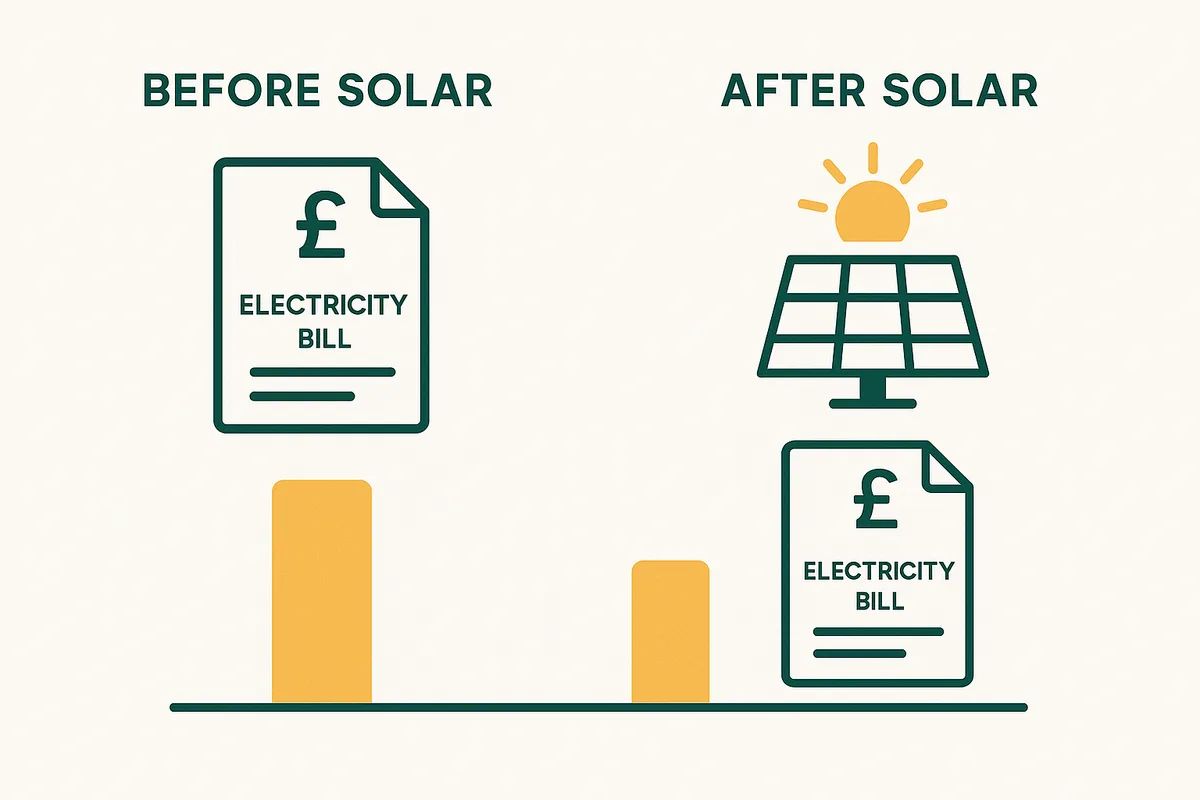
Scenario 1: Tenant pays electricity bill (most common) - Tenant benefits from reduced electricity bills - Landlord benefits from higher rent potential, better EPC, property value - Landlord cannot directly receive SEG payments unless electricity is in their name
Scenario 2: Landlord includes electricity in rent (all-inclusive rent) - Landlord benefits directly — lower electricity costs mean higher margin - Landlord receives SEG payments - This is less common but simpler for solar economics
Scenario 3: Landlord installs and registers SEG in their name - Possible but complex — the electricity supply must be in the landlord's name for SEG registration - Tenant uses the solar electricity, landlord earns the export income - May require a specific arrangement in the tenancy agreement
Practical recommendation: Accept that the tenant gets the direct bill savings. Your ROI comes through EPC compliance, easier letting, and any resale premium — not through trying to capture the SEG income.
Source: Ofgem SEG eligibility; landlord solar guidance.
Practical Considerations for Landlord Solar
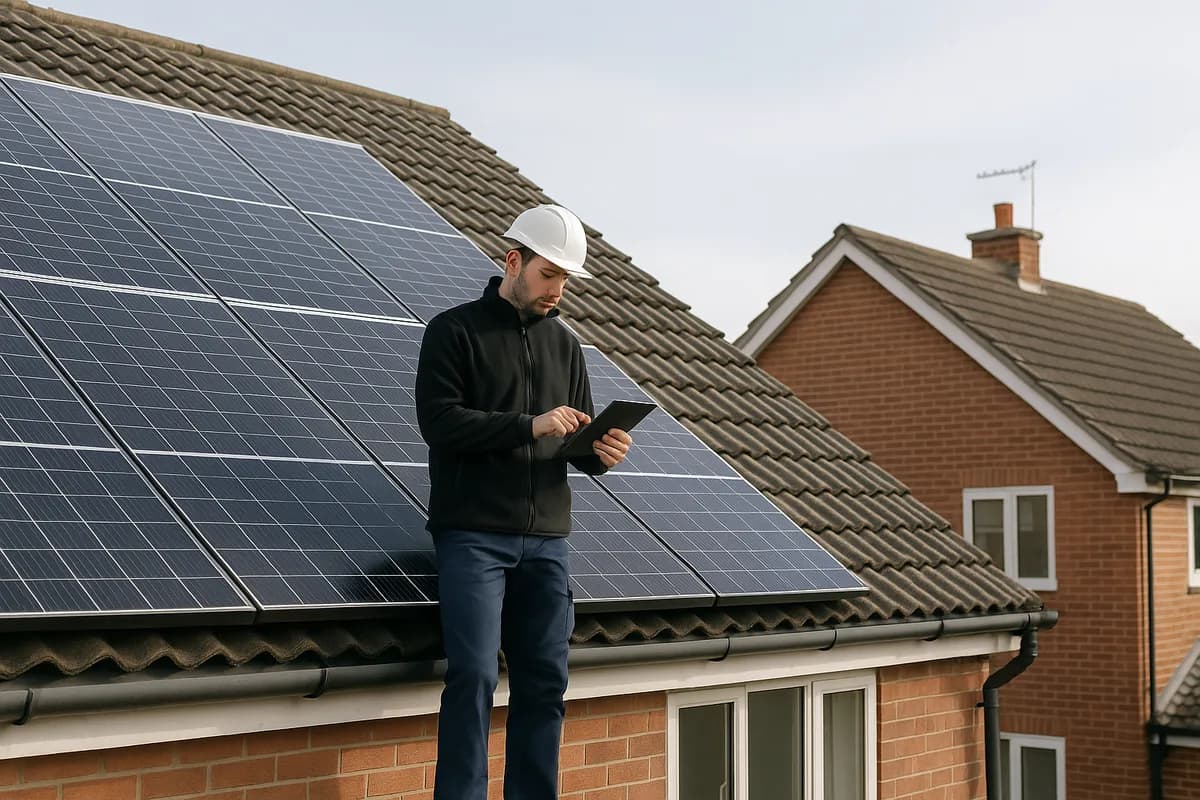
- Install between tenancies — easier access, no disruption to tenants, no scheduling conflicts
- Use MCS-certified installers - needed for EPC credit, and SEG accepts MCS or an accredited equivalent
- Keep all documentation — MCS certificate, warranties, EPC before and after. Store copies for each property.
- Inform your buy-to-let mortgage lender — owned solar does not affect mortgages, but notify them as a courtesy
- Update your landlord insurance — notify your insurer of the installation. Premium increase is minimal (£0–£50/year)
- Update the EPC — get a new EPC certificate after installation to capture the improved rating. Cost: £60–£80.
- Inform the tenant — explain how the system works, how to maximise self-consumption, and who to contact for issues
- Consider portfolio approach — if you own multiple properties, negotiate volume discounts with an installer (5–15% savings on 3+ installations)
Frequently Asked Questions
Related guides
Related: Home Heating Systems
Solar panels are most powerful when combined with an efficient heating system. Heat pumps use solar-generated electricity to heat your home at 300-400% efficiency — making them the ideal partner for solar.
Heat pumps use electricity at 300-400% efficiency, making them ideal partners for solar.
Heat pump installation typically takes 2-3 days and is best planned alongside solar.
From our sister site Home Heat Pump Guide
You might also like

Ready to see what solar could save you?
Get free, no-obligation quotes from MCS-certified installers in your area.
Get Free QuotesFree, no obligation. Takes 2 minutes.