Solar Panel Insurance: Do You Need Extra Cover?
Need someone to look at your system?
Faults, cleaning and bird proofing are all installer jobs. Get quotes from MCS-certified installers covering your area.
Get a Quote for This WorkFree, no obligation.
Do solar panels need separate insurance?
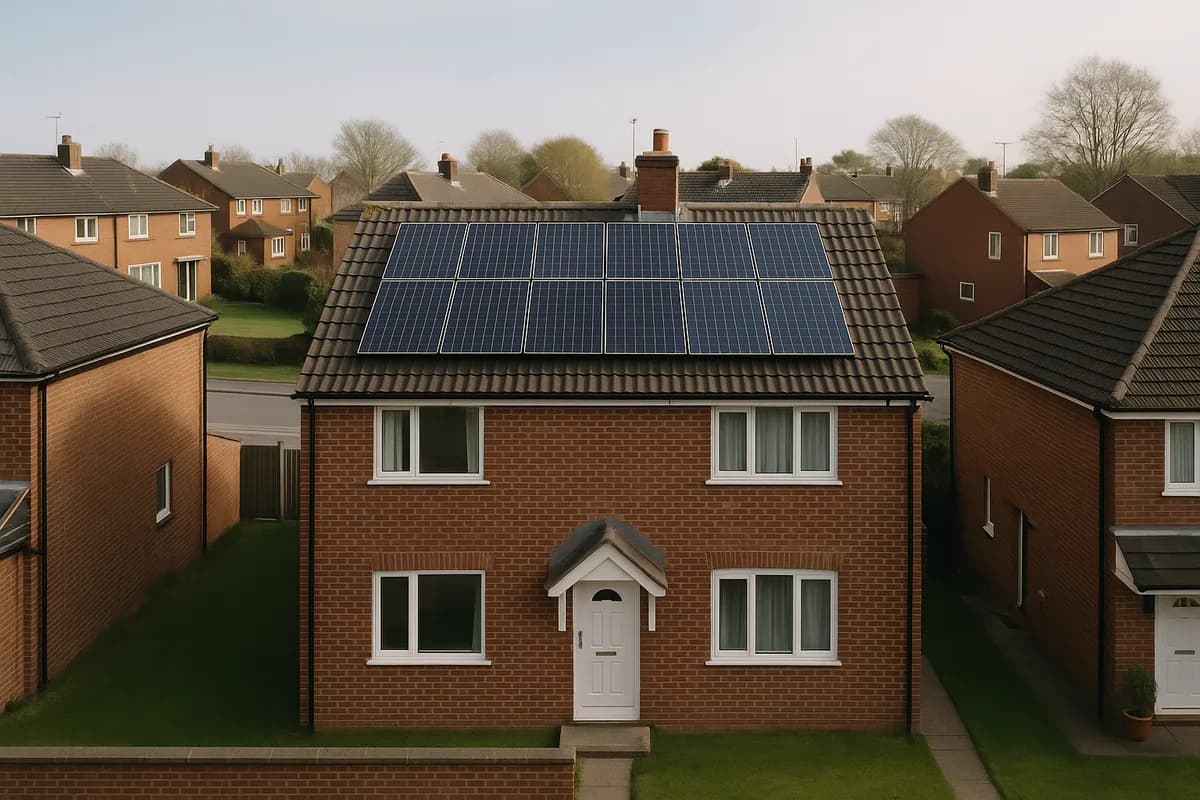
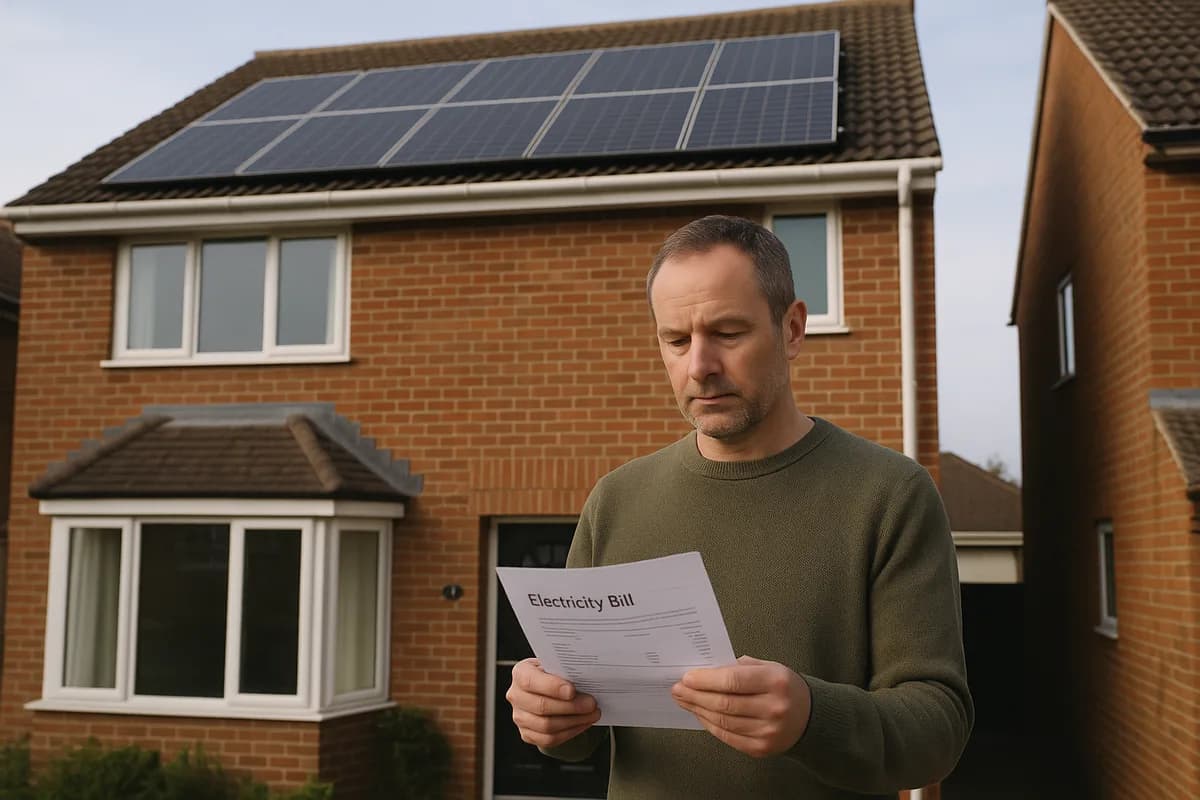
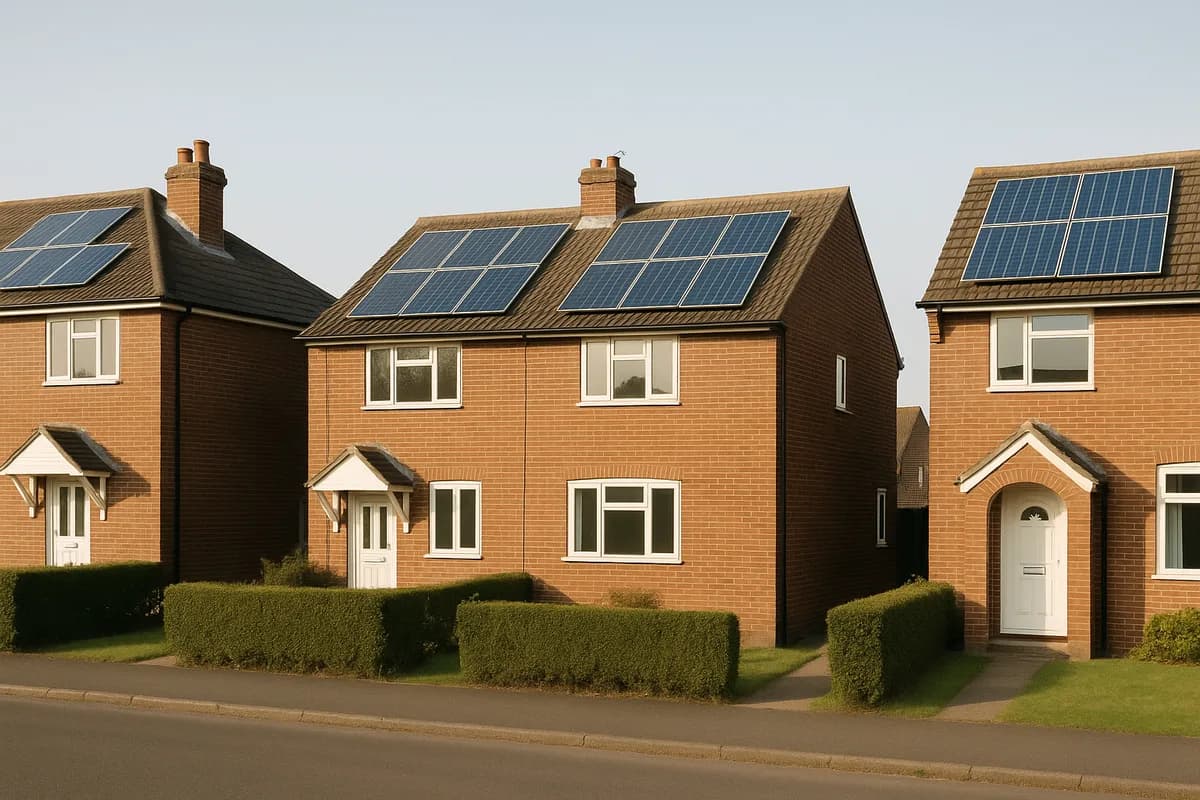
Most UK home insurance policies cover solar panels as part of the building's structure — you do not usually need separate insurance. However, you MUST notify your insurer that panels have been installed. Some insurers increase premiums slightly (£20–£50/year); a few may exclude solar. The key rule: tell your insurer before installation and keep your MCS certificate.
What Home Insurance Typically Covers
Most UK buildings insurance policies cover solar panels against:
- Storm damage — wind, hail, lightning strikes
- Fire — including electrical fire originating from the solar system
- Falling objects — tree branches, debris
- Theft — though solar panel theft is extremely rare in the UK
- Malicious damage — vandalism
- Flood damage — if panels or inverter are affected
- Subsidence — if ground movement damages the roof and panels
Solar panels are considered a permanent fixture attached to the building, so they fall under buildings insurance (not contents insurance).
Important: Your policy covers the panels as part of the building, but you MUST declare them. Undeclared modifications to the building can void your entire policy — not just the solar claim.
Source: Association of British Insurers (ABI) guidance on home modifications.
What Is NOT Usually Covered
Standard home insurance typically does NOT cover:
- Mechanical or electrical breakdown — if the inverter fails due to wear and tear, that is a warranty claim, not an insurance claim
- Gradual degradation — panels losing efficiency over time is normal and expected, not insurable
- Bird or pest damage — some policies exclude pest-related damage. Bird proofing prevents this.
- Poor installation — if damage results from substandard installation, the insurer may reject the claim and refer you to the installer's warranty
- Loss of generation income — if panels are damaged and you lose SEG income during repair, most policies do not cover lost earnings
- DIY installation damage — some policies exclude damage arising from non-professional work
How to Notify Your Insurer
When you install solar panels, contact your insurer and provide:
- The system size (e.g., 4kW / 10 panels)
- Installation cost (for rebuilding/replacement value purposes)
- MCS installation certificate (proves professional, compliant installation)
- Confirmation that the installer was MCS-certified
- Any structural assessments carried out (if applicable)
Need someone to look at your system?
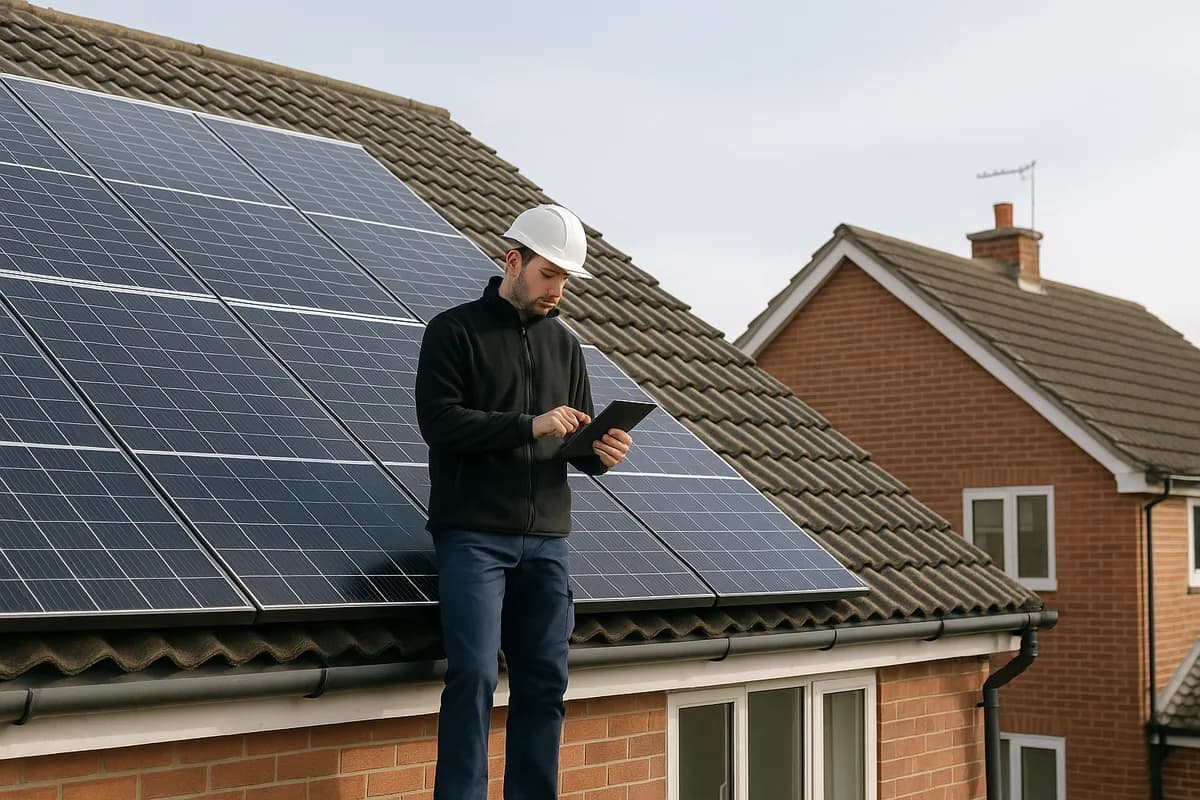
Faults, cleaning and bird proofing are all installer jobs. Get quotes from MCS-certified installers covering your area.
Get a Quote for This WorkMost insurers simply note the modification and continue the policy unchanged. Some may increase your premium by £20–£50 per year. A few may require a specialist endorsement.
If your insurer charges a significant premium increase or refuses to cover solar panels, shop around. Many UK insurers are now solar-friendly — the market has matured and solar is no longer considered unusual or high-risk.
Source: ABI; UK insurance market comparison data.
Do You Need Specialist Solar Panel Insurance?
For most UK homeowners: no. Your standard buildings insurance is sufficient, provided you have notified your insurer.
Specialist solar insurance may be worthwhile if: - Your standard insurer refuses to cover solar or charges an unreasonable premium - You have a very large or high-value system (£15,000+) - You want loss-of-income cover (protection against lost SEG income during repairs) - You want mechanical breakdown cover (protects against inverter/panel failure beyond warranty)
Specialist solar insurance providers in the UK: - GreenAge Solar Insurance - Solar Panel Insurance UK - Maron Energy Insurance
Specialist policies typically cost £30–£80 per year and cover things standard home insurance does not (breakdown, loss of income, pest damage).
For most homeowners with a standard 4kW system and normal home insurance, specialist solar insurance is an unnecessary expense.
Source: UK insurance comparison; specialist provider quotes.
What Happens If Panels Are Damaged?
If your solar panels are damaged (e.g., by a storm):
1. Document the damage — take photos and note the date/circumstances 2. Check if it is a warranty claim or insurance claim: - Product defect → manufacturer warranty claim (free) - Installation fault → installer workmanship warranty claim (free) - Storm/fire/theft → home insurance claim (excess applies) 3. Contact your installer — they can assess the damage and advise whether it is a warranty or insurance matter 4. Contact your insurer — if it is an insurance claim, file a claim with photos and your MCS certificate 5. Get repair quotes — your insurer may require 2-3 quotes from MCS-certified installers
Typical repair costs: - Single panel replacement: £200–£500 (including labour) - Inverter replacement: £800–£1,500 - Mounting system repair: £200–£600 - Full system reinstallation (after fire/major storm): £5,000–£10,000
Source: MCS installer repair pricing.
Frequently Asked Questions
Related guides
Related: Home Heating Systems
Solar panels are most powerful when combined with an efficient heating system. Heat pumps use solar-generated electricity to heat your home at 300-400% efficiency — making them the ideal partner for solar.
Heat pump installation typically takes 2-3 days and is best planned alongside solar.
From our sister site Home Heat Pump Guide
You might also like
Need someone to look at your system?
Faults, cleaning and bird proofing are all installer jobs. Get quotes from MCS-certified installers covering your area.
Get a Quote for This WorkFree, no obligation.