Do Solar Panels Need Maintenance?
Need someone to look at your system?
Faults, cleaning and bird proofing are all installer jobs. Get quotes from MCS-certified installers covering your area.
Get a Quote for This WorkFree, no obligation.
Do solar panels need regular maintenance?
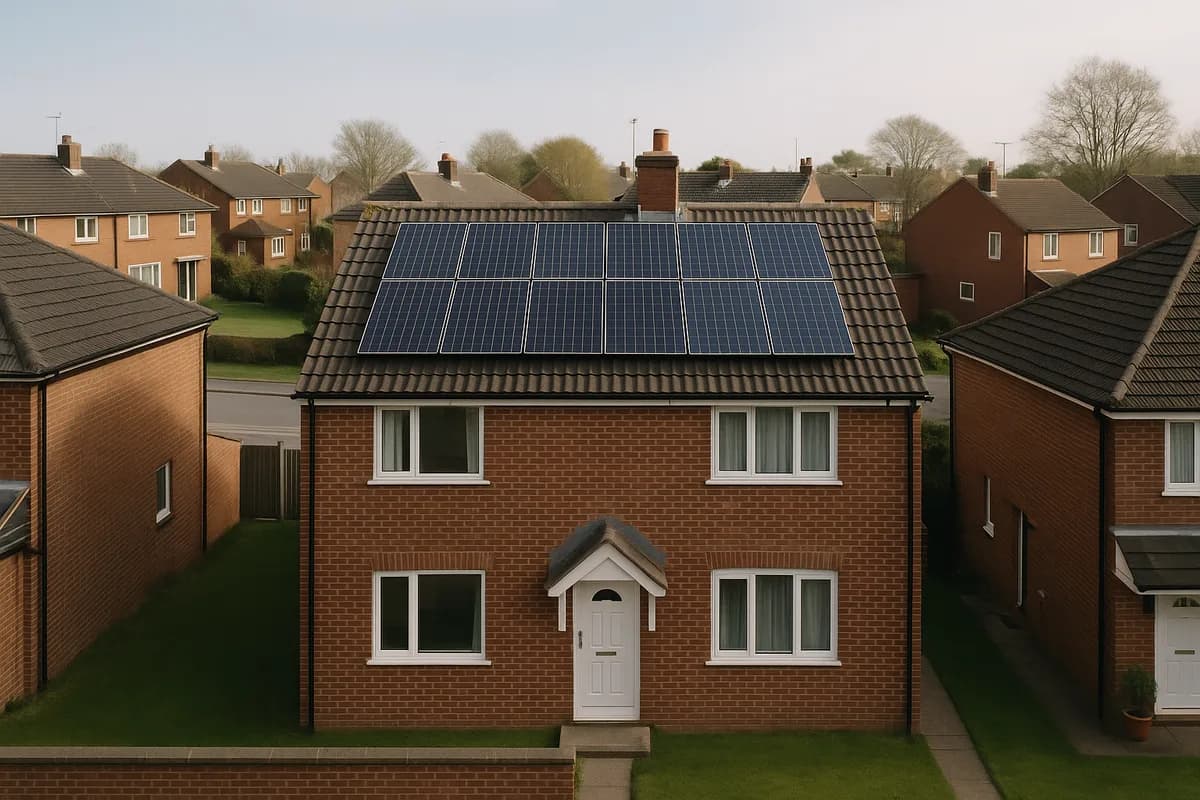
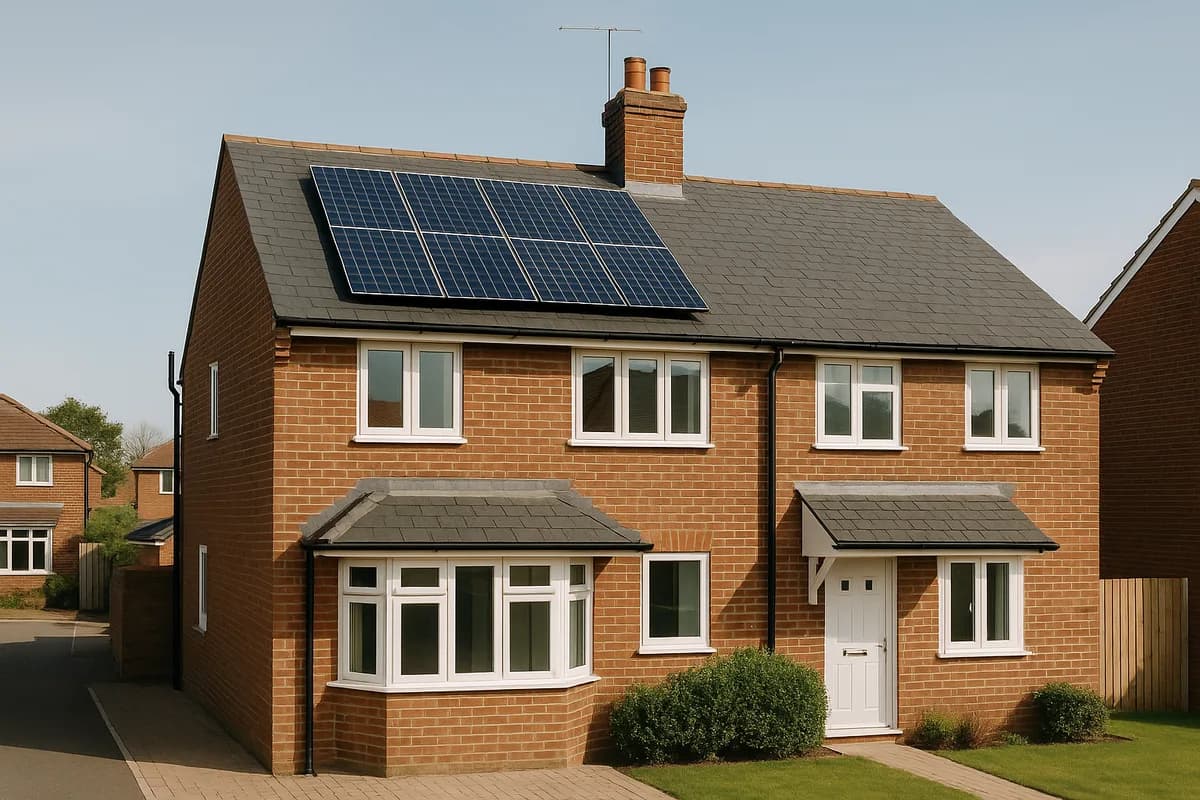
Solar panels need very little maintenance. They have no moving parts and are designed to withstand 25+ years of UK weather. The main tasks are: an annual visual check, occasional cleaning if output drops, and replacing the inverter once after 10–15 years. Total lifetime maintenance cost is typically £500–£2,000 over 25 years.
Annual Maintenance Checklist
Once a year, check the following (most can be done from the ground):
- Visual inspection — look for visible damage, cracks, discolouration, or bird droppings from ground level
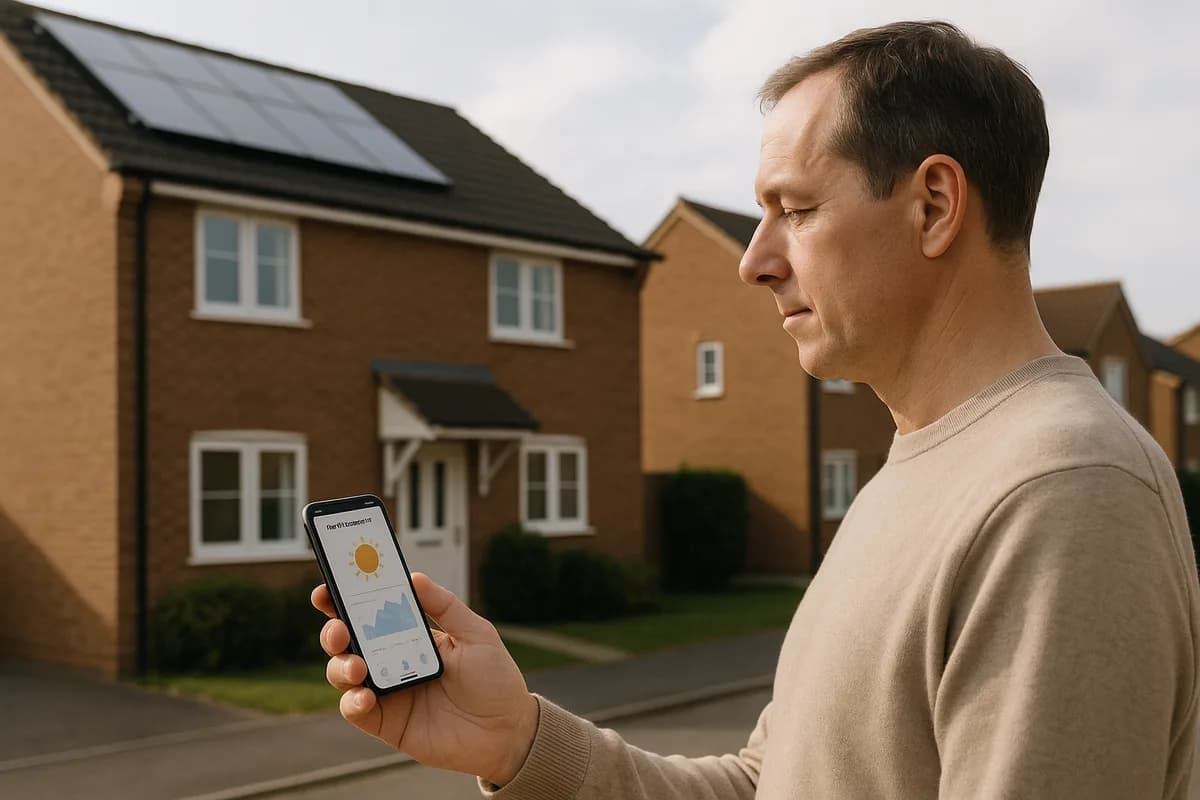
- Check monitoring app — compare current output to the same month last year. A drop of more than 10% may indicate a problem
- Check inverter display — look for error codes, warning lights, or unusual readings. Green light = normal operation
- Inspect mounting and fixings — look for any movement, rust, or loosening (binoculars help)
- Check for bird nesting — listen for activity under panels and look for nesting material at panel edges
- Clear debris — remove any leaves, branches, or moss that have accumulated around the panel edges
- Review electricity bills — confirm solar savings are consistent with previous years
Cleaning: When Is It Worth It?
UK rain does a reasonable job of keeping panels clean. Most homeowners never need professional cleaning.
Clean your panels if: - Bird droppings are visible (these create hot spots that reduce output significantly) - You live near trees that drop sap or heavy pollen - Your roof pitch is below 15 degrees (rain does not clean flat panels as effectively) - Your monitoring shows output has dropped more than expected
Professional cleaning costs: £80–£150 for a typical system. It includes deionised water wash and a visual inspection.
DIY cleaning: Use clean water and a soft brush on a long pole. Never use detergent, chemicals, or a pressure washer. Never walk on the panels. Only clean from the ground or a secured ladder if panels are safely accessible.
For most UK homes, cleaning every 2–3 years is sufficient. Homes near the coast, farmland, or heavy bird areas may benefit from annual cleaning.
Source: UK solar installer maintenance guidelines.
Inverter Replacement: The One Big Cost
Need someone to look at your system?
Faults, cleaning and bird proofing are all installer jobs. Get quotes from MCS-certified installers covering your area.
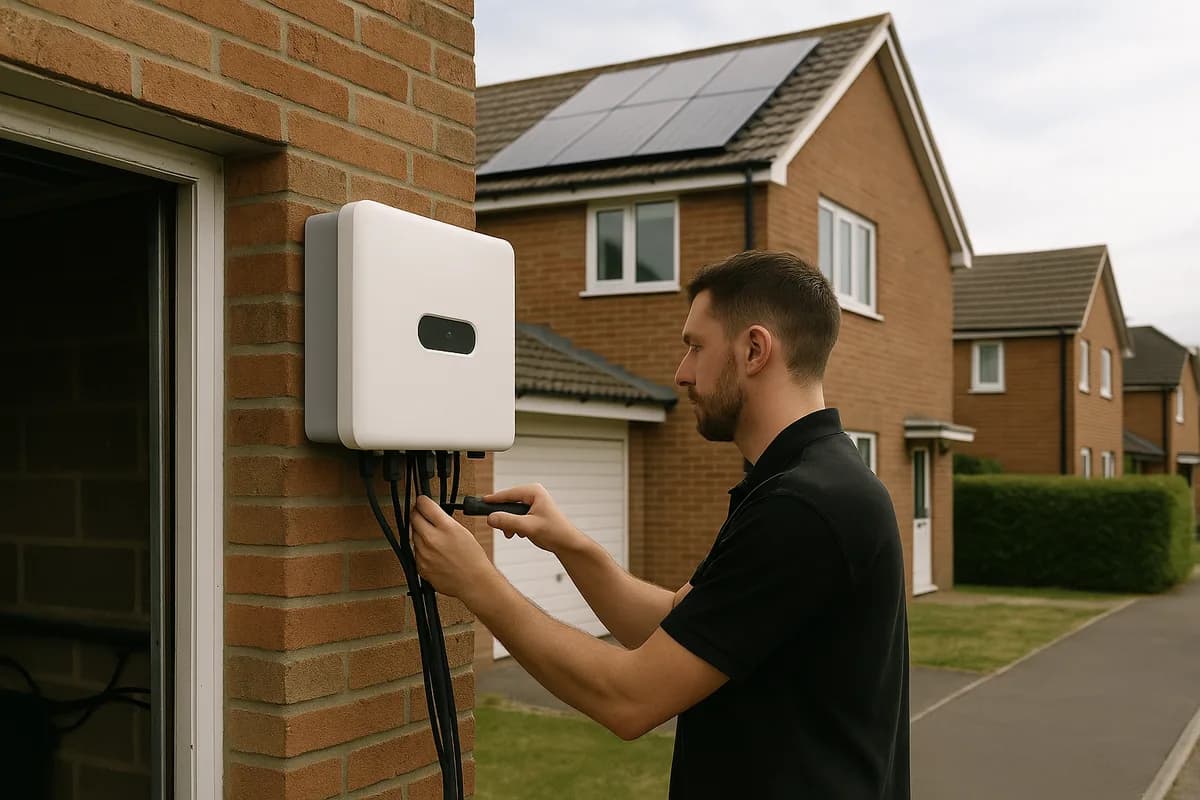
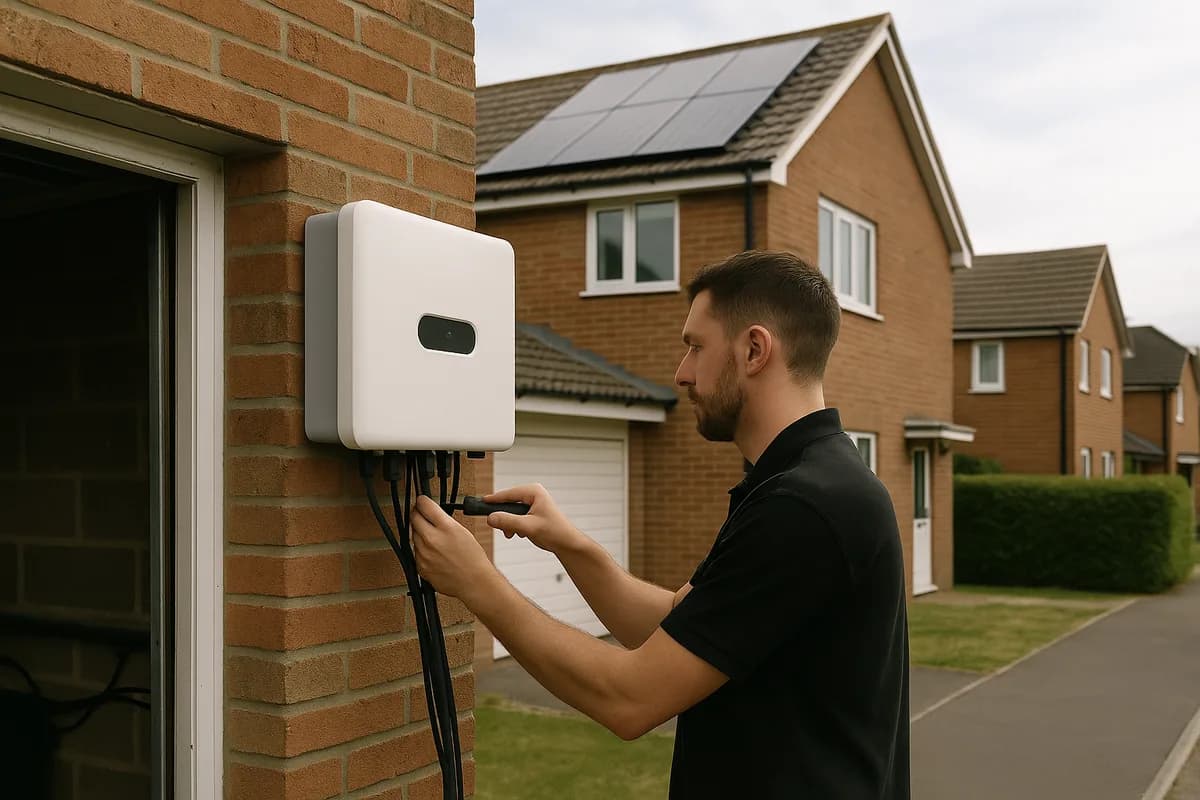
Get a Quote for This WorkThe inverter is the only component likely to need replacing during your panel's 25-year lifespan.
String inverters: Last 10–15 years. Replacement cost: £800–£1,500. Micro-inverters: Last 20–25 years. Rarely need replacing within panel lifespan. Hybrid inverters: Last 10–15 years. Replacement cost: £1,200–£2,000.
Budget for one string inverter replacement at around year 12. This is a normal, expected cost — not a failure. Some manufacturers offer extended warranties (up to 20 years) for an additional upfront fee, which may be worth considering.
When your inverter needs replacing, it is a good opportunity to upgrade to a hybrid inverter and add battery storage if you have not already.
Source: Manufacturer warranty data; MCS installer guidance.
Lifetime Maintenance Costs
Total maintenance spending over 25 years for a typical 4kW system:
- Cleaning (every 2–3 years × 8–12 cleans): £640–£1,800
- Inverter replacement (once): £800–£1,500
- Bird proofing (one-off if needed): £300–£600
- Monitoring subscription (if applicable): £0–£50/year
Total: £1,440–£3,900 over 25 years
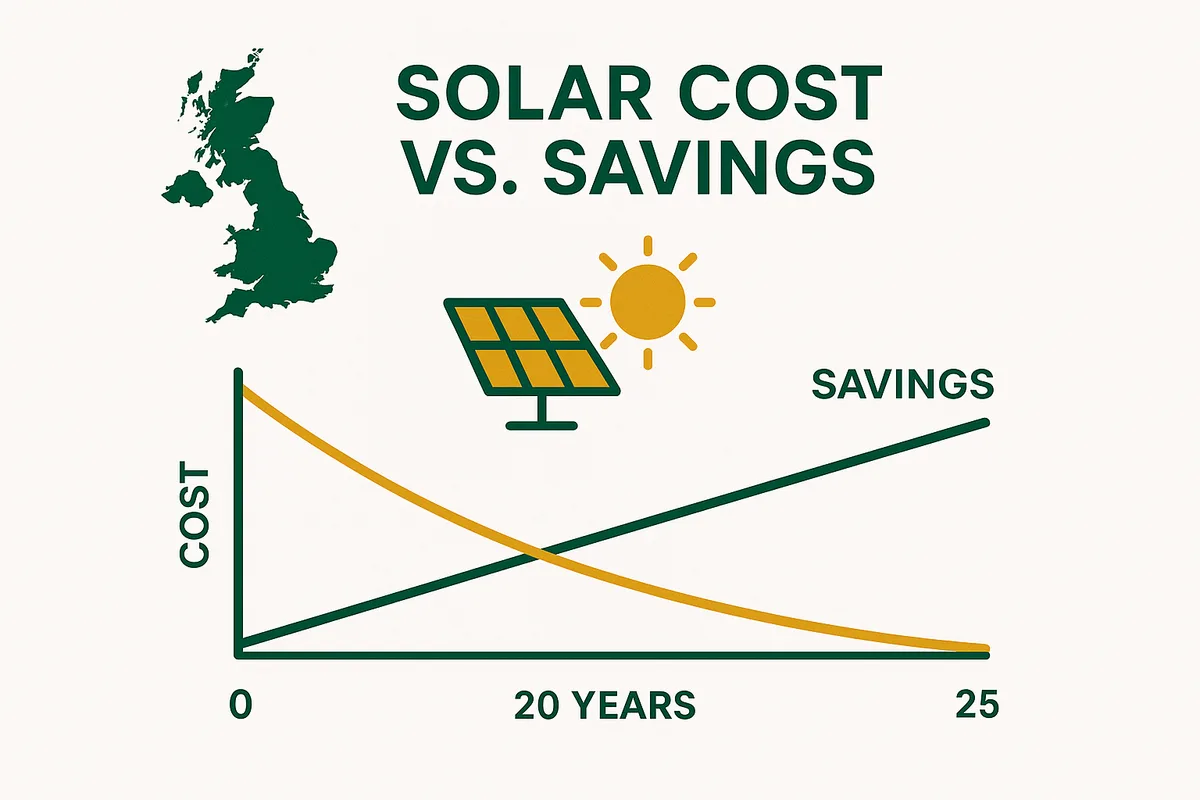
That averages £60–£160 per year. Against annual savings of £800–£1,100 per year, maintenance costs are roughly 6–15% of your savings — leaving you firmly in profit.
Many homeowners spend even less. If your panels stay clean and your inverter lasts 15 years, total maintenance could be under £1,000 over the system lifetime.
What Can Go Wrong?
Potential issues and how to handle them:
- Bird nesting under panels — install bird proofing mesh (£300–£600 one-off). Prevents wiring damage and soiling.
- Roof leak at fixing points — rare with professional installation. If it occurs, contact your installer — it should be covered under their workmanship warranty.
- Panel micro-crack — hairline cracks can develop from thermal stress. They cause minor output loss but panels continue working. Only replace if output drops significantly.
- Inverter fault — check for error codes, try a restart (off and on). If it persists, contact your installer or the inverter manufacturer. Most faults are resolved remotely.
- Wiring damage (squirrels/birds) — bird proofing prevents this. If wiring is damaged, an electrician must repair it. Do not attempt DIY electrical repairs.
- Storm damage — extremely rare. Panels are tested to withstand 140 mph winds. If damage occurs, contact your installer and home insurer.
Frequently Asked Questions
Related guides
You might also like
Need someone to look at your system?
Faults, cleaning and bird proofing are all installer jobs. Get quotes from MCS-certified installers covering your area.
Get a Quote for This WorkFree, no obligation.