Are Solar Panels Safe?
Ready to see what solar could save you?
Get free, no-obligation quotes from MCS-certified installers in your area.
Get Free QuotesFree, no obligation. Takes 2 minutes.
Are solar panels safe for your home?
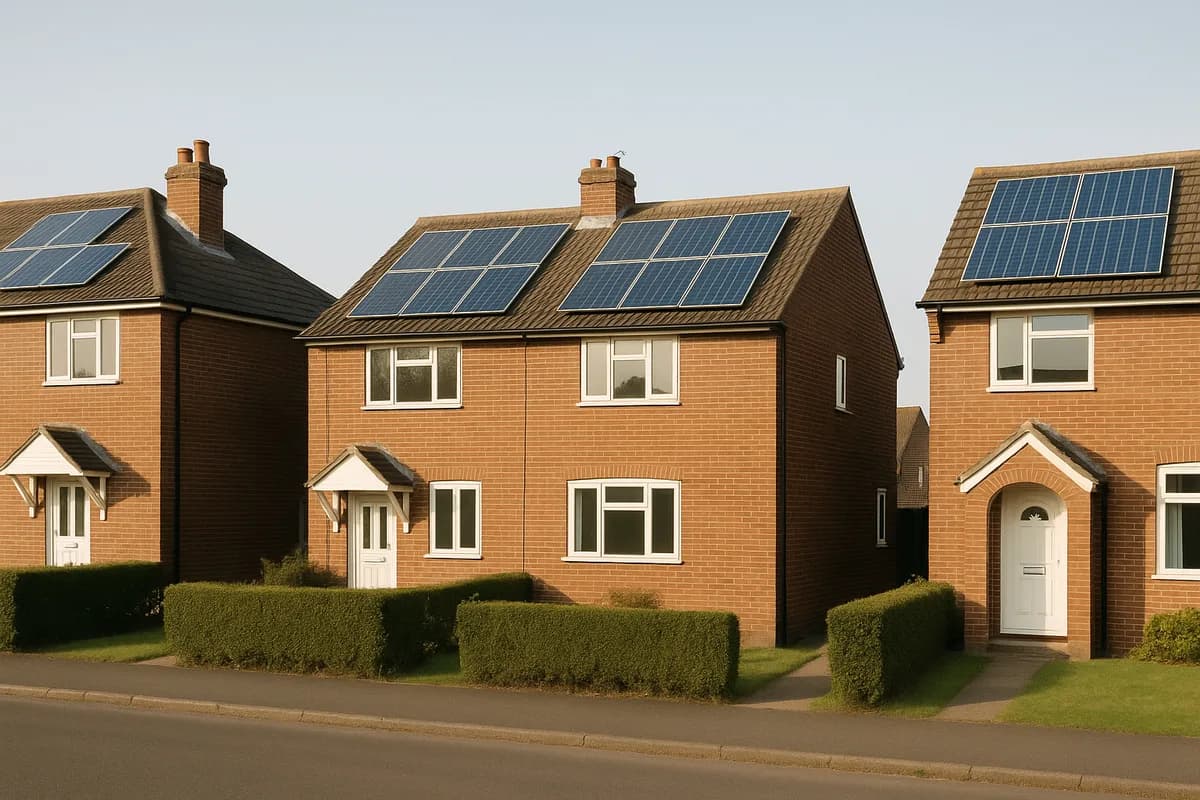
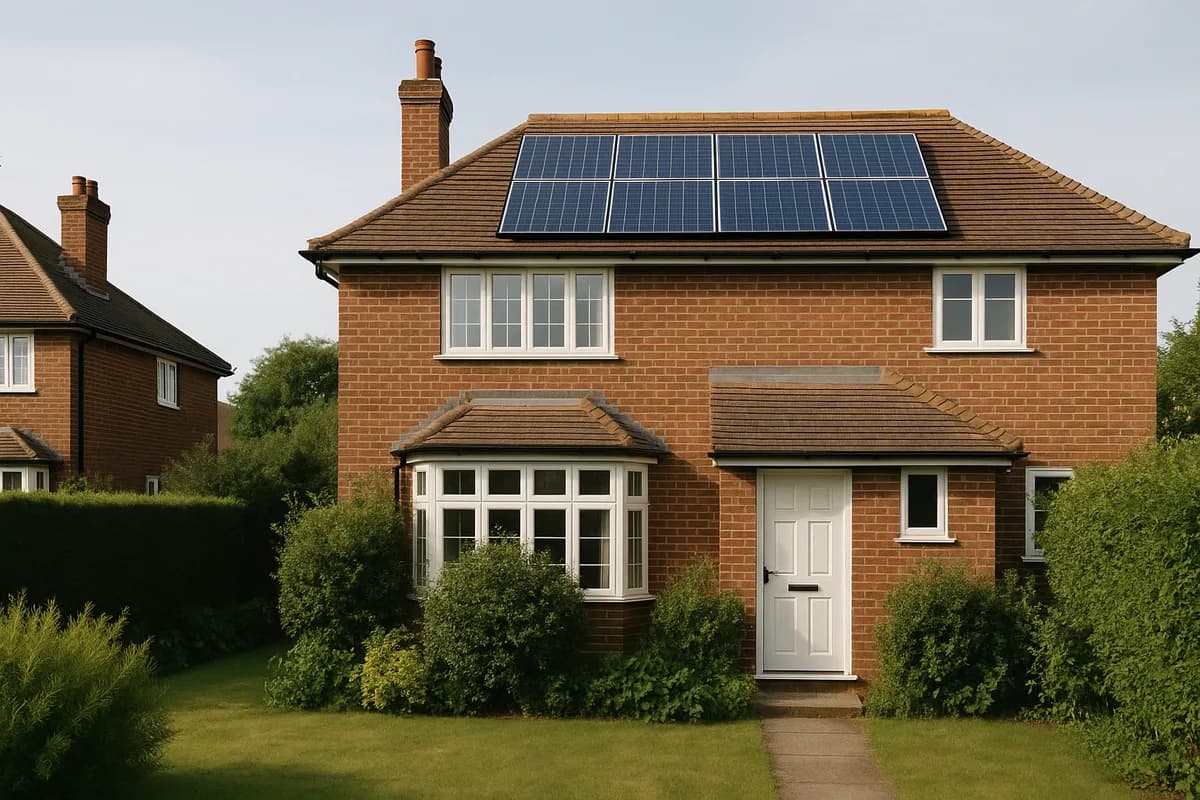
Yes, solar panels are very safe when installed by an MCS-certified professional. The fire risk is extremely low — estimated at 1 incident per 10,000 installations over 25 years. Roof damage from proper installation is virtually unheard of. Electrical safety is strictly regulated under IET Wiring Regulations and the MCS scheme. The main risks arise from unqualified DIY installation or defective equipment — both avoidable.
Fire Risk: What the Data Shows
Solar panel fire incidents receive disproportionate media coverage relative to their actual frequency. Here are the facts:
- UK fire incidents linked to solar PV: Fewer than 100 reported over the past decade, across approximately 1.3 million installations
- Incident rate: Approximately 0.01% (1 in 10,000) over the system lifetime
- For comparison: Tumble dryers cause approximately 6,000 fires per year in the UK. Solar panels cause fewer than 10 per year.
Common causes of the rare incidents: - Faulty DC connectors (not properly crimped during installation) - Water ingress into junction boxes on older panel models - Rodent damage to DC wiring (preventable with bird/pest proofing) - Substandard installation by unqualified individuals
How to minimise risk: - Use an MCS-certified installer (mandatory quality standards) - Ensure DC isolator switches are installed (required by regulations) - Consider bird proofing to prevent rodent access to wiring - Have the system visually inspected every 2–3 years
Source: BRE (Building Research Establishment) solar PV fire safety study; London Fire Brigade data.
Roof Safety: Will Panels Damage Your Roof?
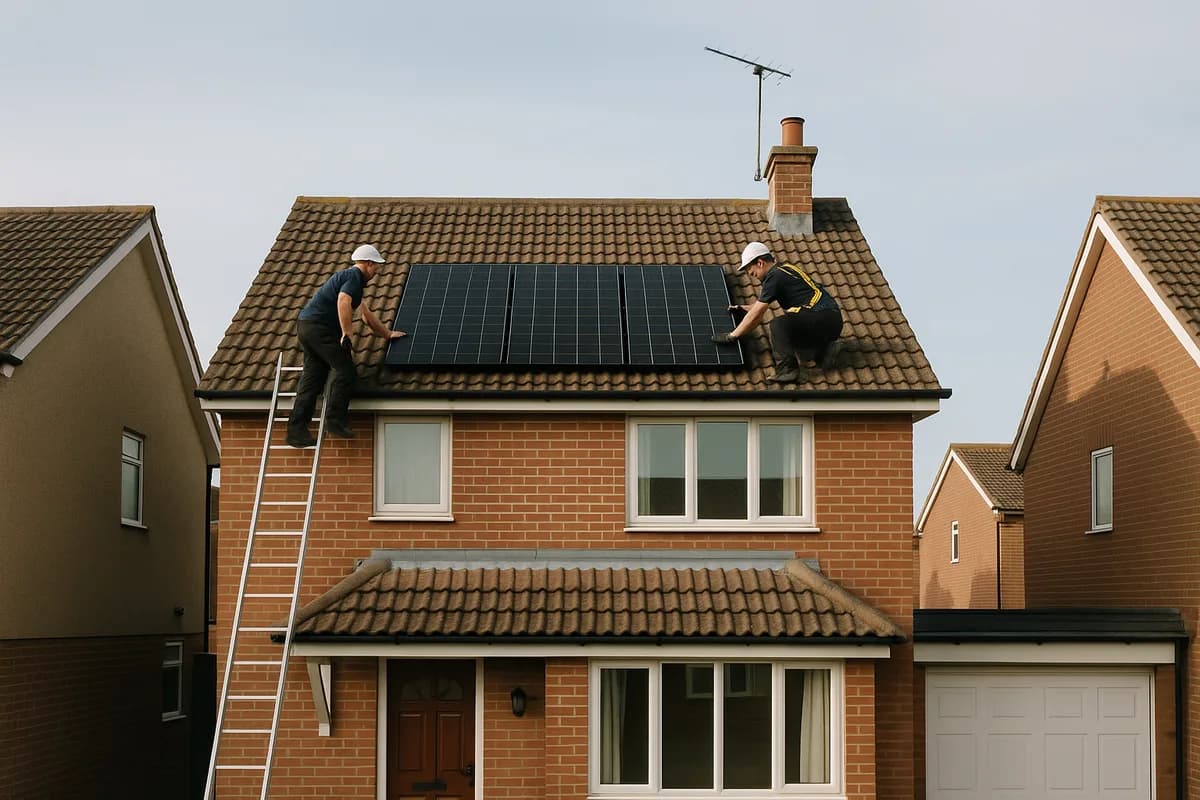
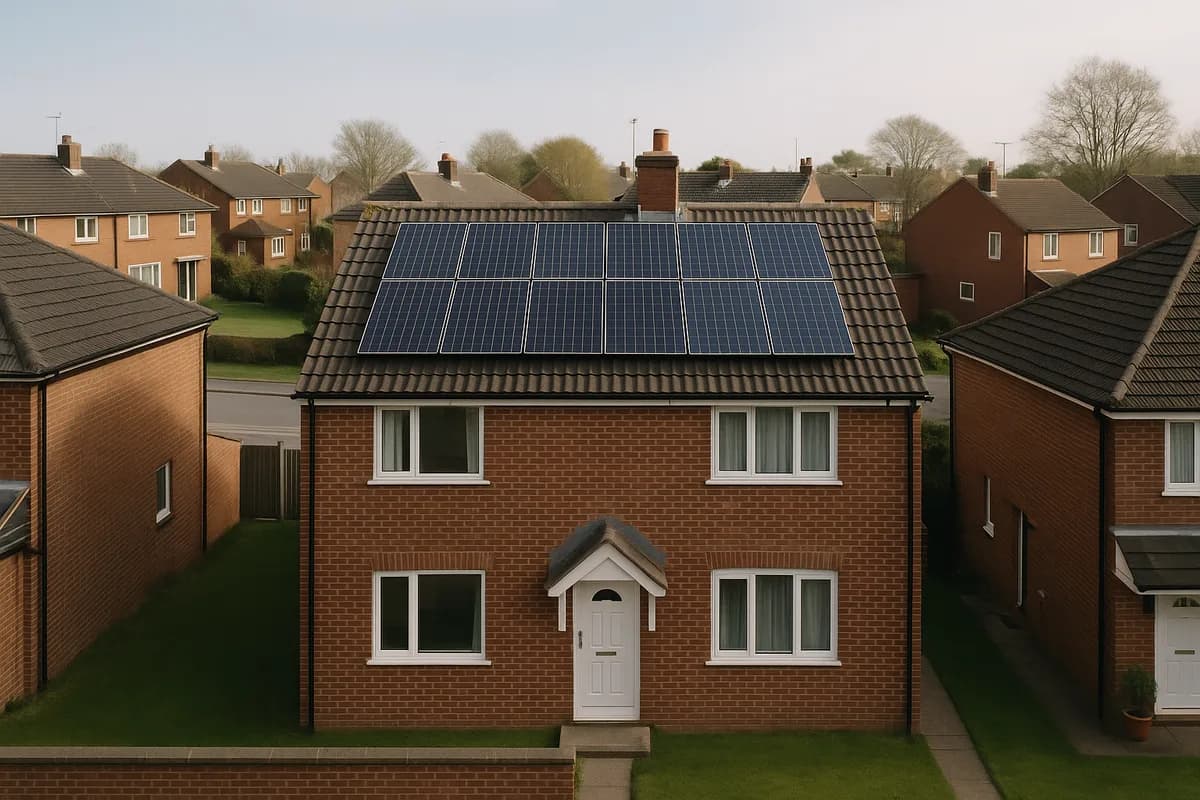
Professional installation does not damage your roof. Here is why:
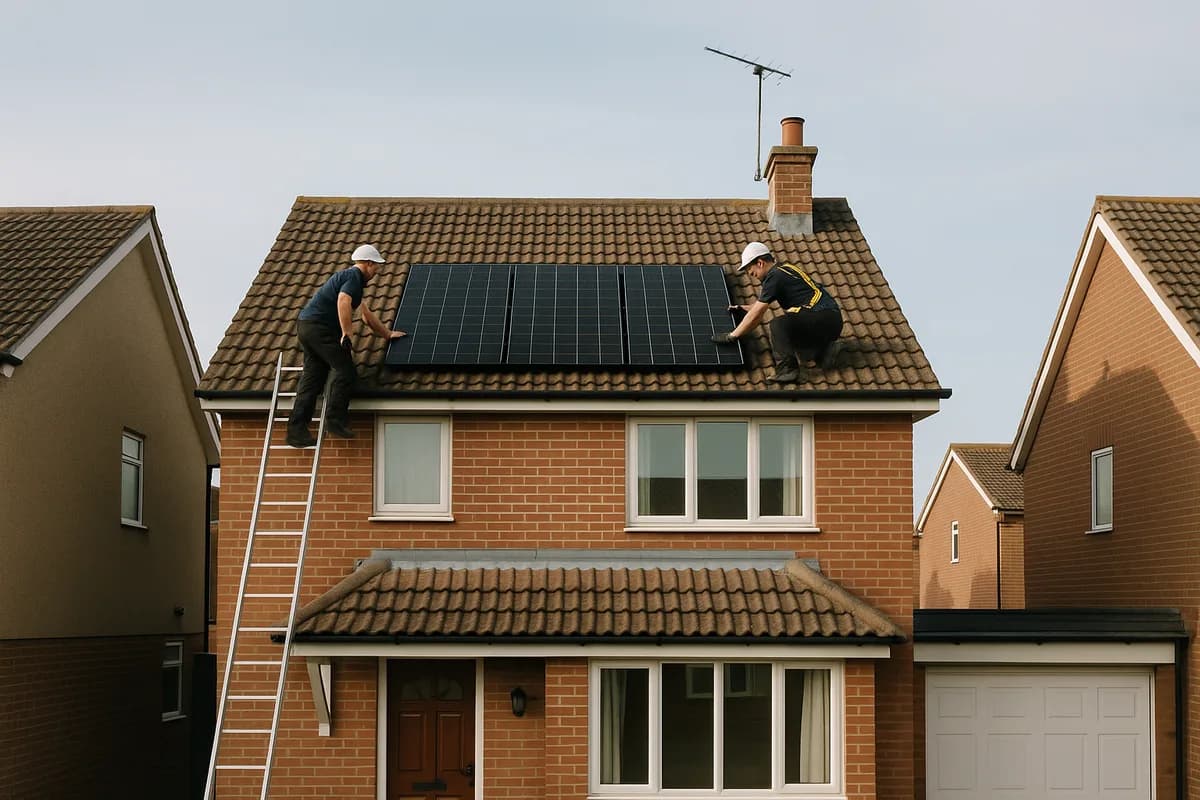
- Mounting hooks go under tiles, not through them — tiles are lifted, hooks bolted to rafters, tiles replaced
- No drilling through the roof membrane — weatherproofing is maintained
- Weight is distributed — panels add approximately 20kg per panel, spread across multiple rafter fixing points
- Wind resistance tested — mounting systems are certified to withstand 140+ mph winds
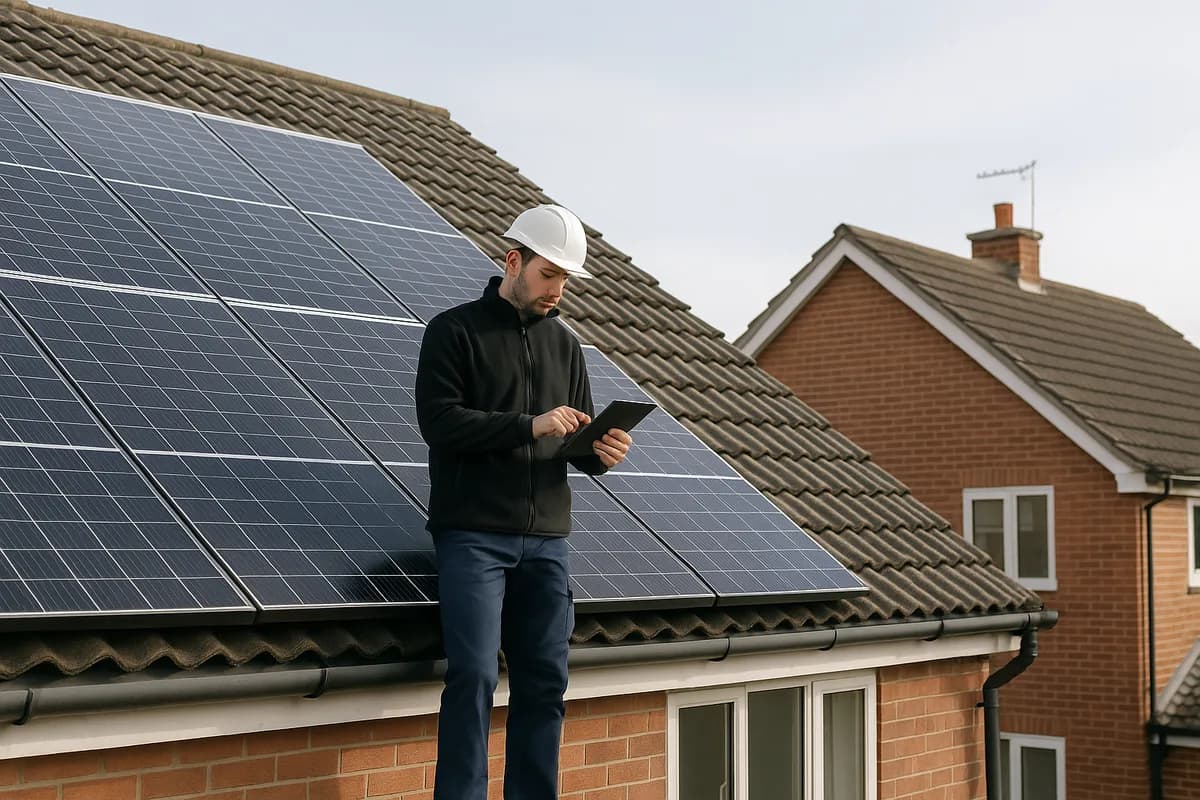
- Roof condition assessed — MCS installers check roof condition before installation and will advise if repairs are needed first
Roof leaks from solar are extremely rare with professional installation. If a leak does occur, it is covered under the installer's workmanship warranty (typically 5–10 years).
Flat roof systems use ballasted frames that sit on the roof surface with no penetration at all — zero leak risk.
Source: MCS installation standards; BS EN 1991 wind loading standards.
Electrical Safety
Ready to see what solar could save you?
Get free, no-obligation quotes from MCS-certified installers in your area.
Get Free QuotesSolar panels generate DC electricity whenever light hits them — you cannot simply 'turn them off'. This is a managed risk, not an unmanaged one:
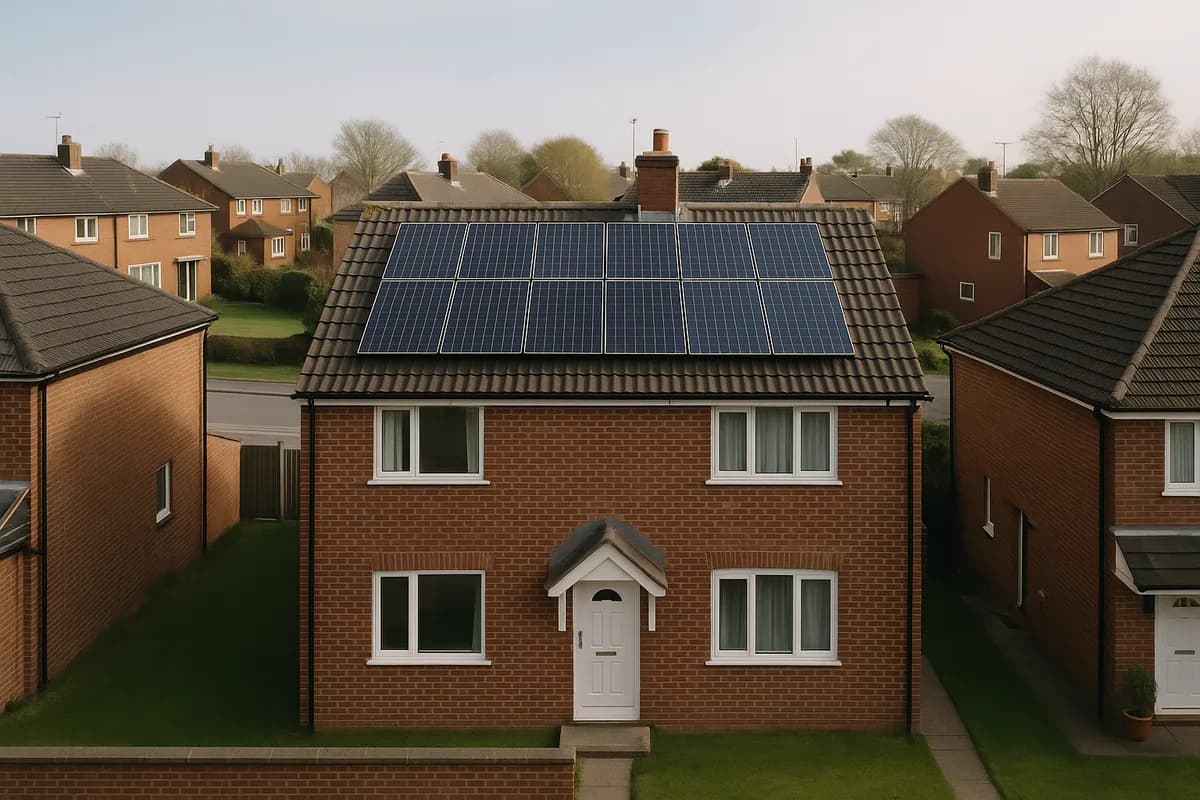
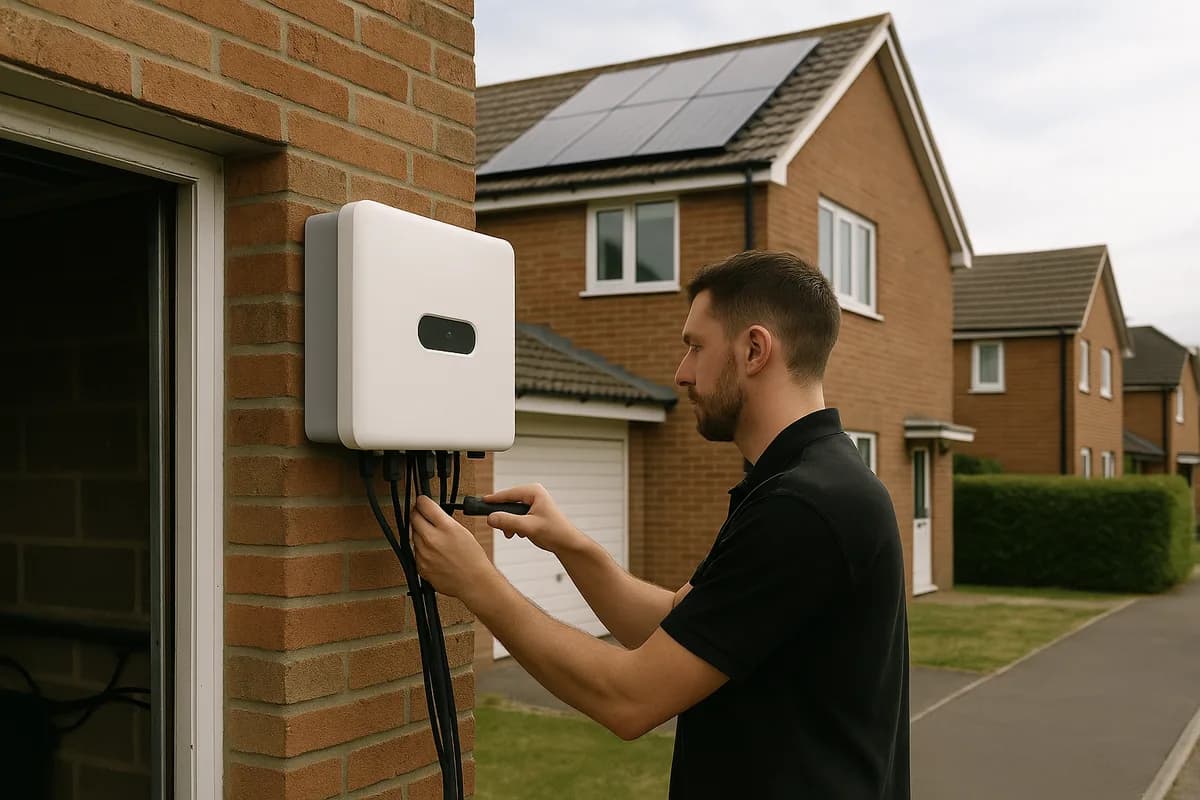
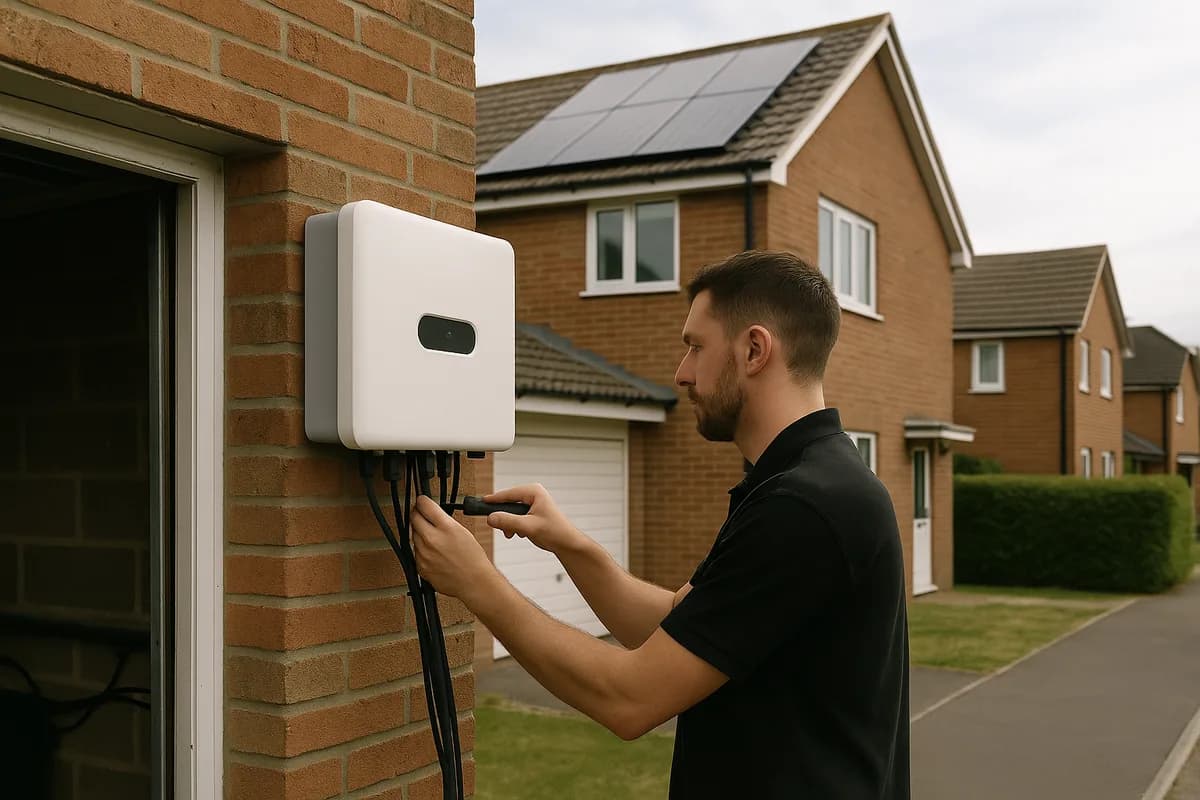
Safety measures built into every UK installation: - DC isolator switch — allows the DC circuit to be disconnected for maintenance - AC isolator switch — disconnects the system from the grid - Anti-islanding protection — the inverter automatically disconnects from the grid during a power cut, preventing your system from electrifying power lines - Earthing — the entire system is properly earthed to prevent electric shock - MC4 connectors — weatherproof, locking connectors that prevent accidental disconnection - Labelling — all DC and AC circuits are clearly labelled with safety warnings
For firefighters: Panels cannot be switched off at the panel level (they generate whenever illuminated). UK fire services are trained in solar PV safety. Panels are safe to work around — the main risk is the DC wiring between panels and inverter, which is why it must be installed in fire-resistant conduit.
Source: IET Wiring Regulations BS 7671; UK Fire Service solar PV guidance.
Health Concerns: EMF, Toxicity, and Glare
Electromagnetic fields (EMF): Solar panels and inverters produce very low levels of EMF — far below the levels from household appliances like microwaves or induction hobs. There is no credible scientific evidence that solar PV installations pose an EMF health risk.
Panel toxicity: Standard silicon solar panels contain no hazardous materials in normal use. They are inert and sealed. The very small amount of lead in solder connections (being phased out) is encapsulated and poses no exposure risk. At end of life, panels should be recycled through the WEEE scheme — not sent to landfill.
Glare: Solar panels are designed to absorb light, not reflect it. Modern anti-reflective coatings mean panels reflect less light than glass windows. Glare complaints from neighbours are exceptionally rare and usually resolved easily.
Source: Public Health England (now UKHSA) EMF guidance; IEC 61215 panel safety standards.
The Real Safety Risk: Unqualified Installation
The vast majority of solar safety incidents trace back to one cause: unqualified installation.
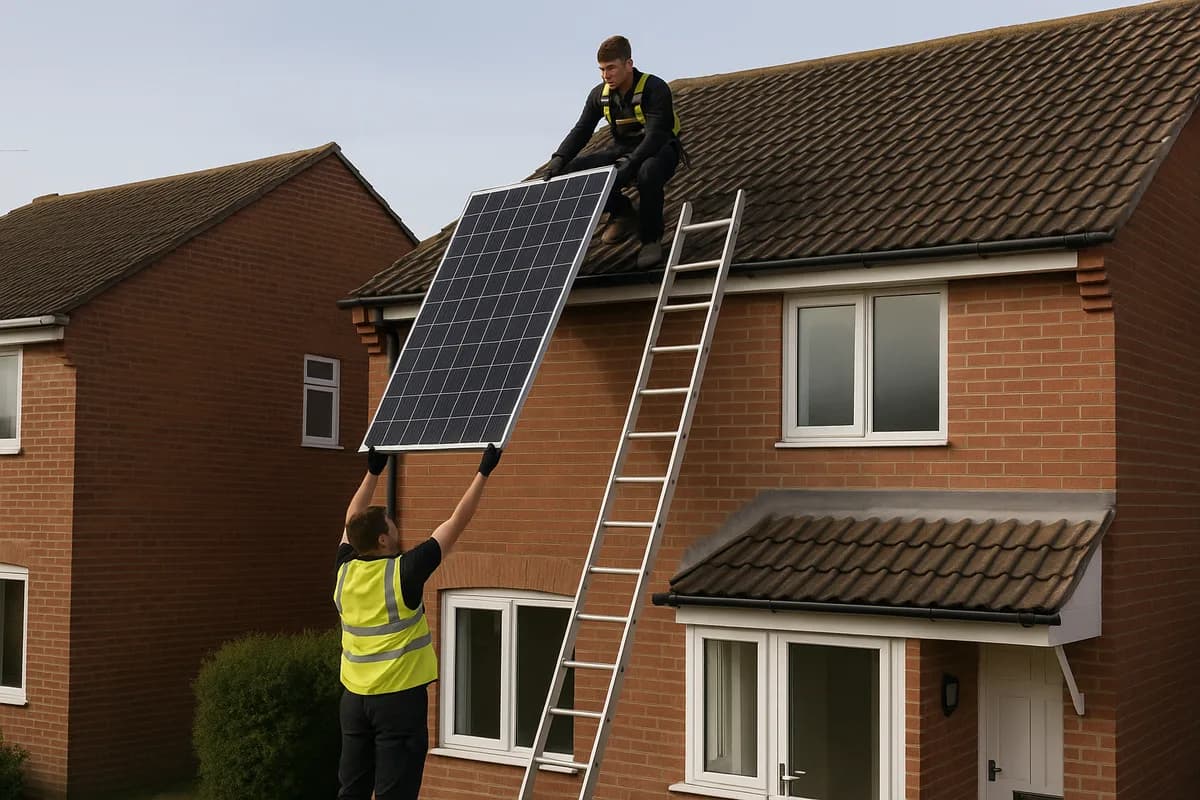
DIY or unqualified installation risks: - Incorrect wiring causing DC arc faults (fire risk) - Poor connector crimping allowing water ingress - Inadequate earthing creating shock risk - Roof penetration without proper weatherproofing - No DNO notification (regulatory non-compliance) - No anti-islanding protection (grid safety risk) - Falls from height during installation
The solution is simple: use an MCS-certified installer. MCS certification requires: - Qualified electrician status - Solar PV specific training and assessment - Regular quality audits - Insurance and warranty requirements - Compliance with all UK electrical and building regulations
MCS certification is not optional for SEG eligibility — it is also your primary safety guarantee.
Source: MCS standards; HSE working at height guidance.
Frequently Asked Questions
Related guides
Related: Home Heating Systems
Solar panels are most powerful when combined with an efficient heating system. Heat pumps use solar-generated electricity to heat your home at 300-400% efficiency — making them the ideal partner for solar.
Heat pump installation typically takes 2-3 days and is best planned alongside solar.
From our sister site Home Heat Pump Guide
You might also like
Ready to see what solar could save you?
Get free, no-obligation quotes from MCS-certified installers in your area.
Get Free QuotesFree, no obligation. Takes 2 minutes.