Solar Panel Bird Proofing: Costs & Solutions
Need someone to look at your system?
Faults, cleaning and bird proofing are all installer jobs. Get quotes from MCS-certified installers covering your area.
Get a Quote for This WorkFree, no obligation.
How much does solar panel bird proofing cost?
Solar panel bird proofing costs £300–£600 for a typical UK system and involves fitting mesh clips or galvanised wire mesh around the panel edges to prevent birds nesting underneath. It is worth it if you have pigeons or other birds nesting under your panels — they cause droppings that reduce output by 5–10%, wiring damage, and blocked drainage channels.
Why Do Birds Nest Under Solar Panels?
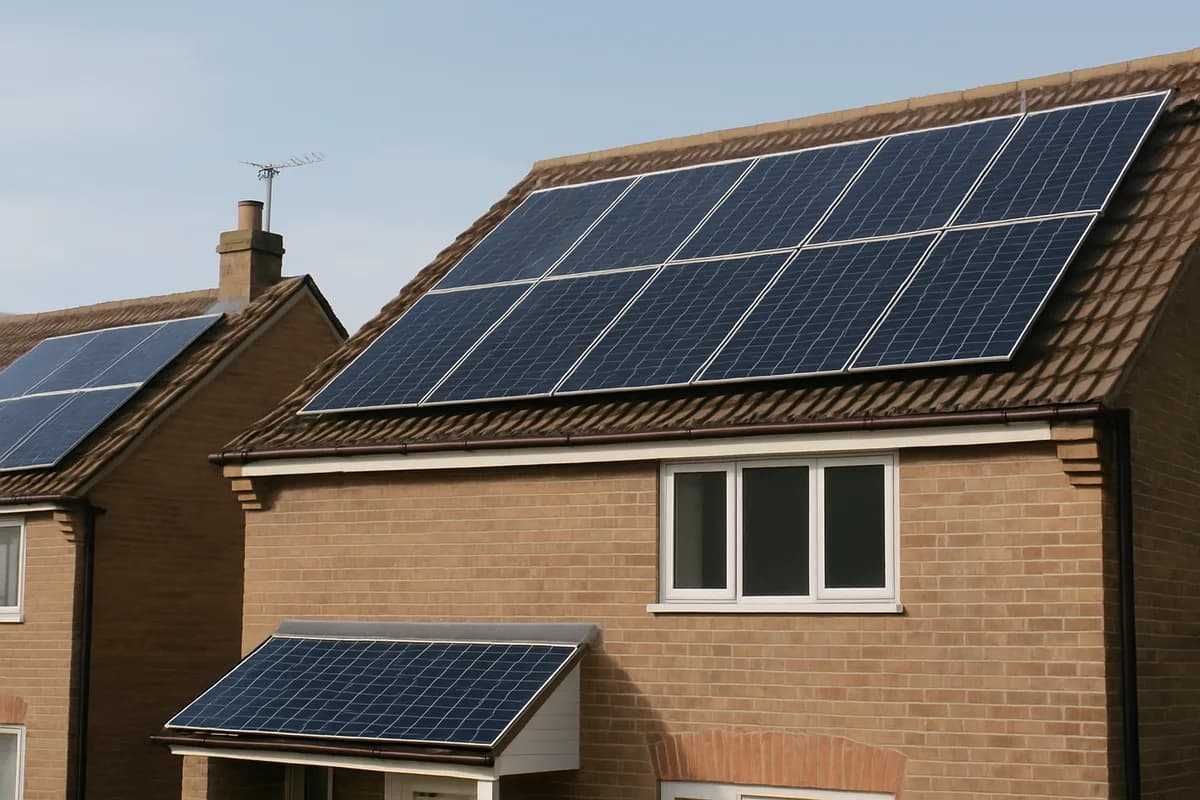
The gap between your solar panels and the roof surface creates an ideal sheltered space for birds — particularly pigeons. It is warm (panels retain heat), dry, and protected from predators and weather.
Pigeons are the worst offenders in UK urban and suburban areas. They build nests quickly, breed up to 6 times per year, and their droppings are acidic — damaging roof tiles and panel frames over time.
Problems caused by bird nesting: - Droppings on panels — concentrated bird droppings create 'hot spots' that reduce output by 5–10%. With a string inverter, one soiled panel drags down the entire string. - Wiring damage — birds peck at and nest around DC cables, potentially causing dangerous electrical faults. - Blocked gutters and drainage — nesting material washes into gutters, causing blockages and water damage. - Noise — cooing and scratching under panels, especially at dawn. - Health risks — pigeon droppings carry diseases including ornithosis and E.coli. - Warranty concerns — some panel warranties exclude damage caused by pest activity.
Source: British Pest Control Association; MCS installer maintenance guidance.
Bird Proofing Methods
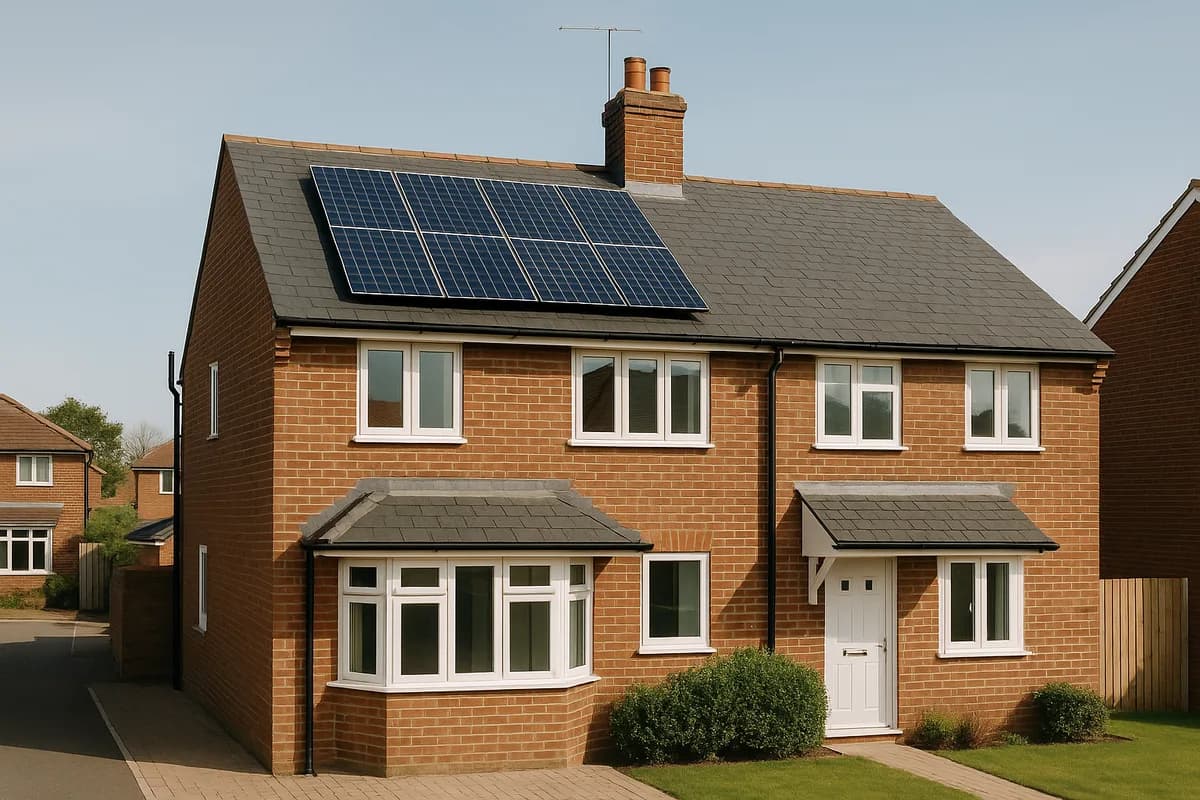
1. Mesh clip system (most common, recommended): - Galvanised steel or PVC-coated wire mesh clips to panel frame edges - Creates a barrier around the entire panel perimeter - Does not penetrate roof tiles or panels - Lasts 10+ years with no maintenance - Cost: £300–£600 for a typical system - Installation: 2–4 hours by a specialist
2. Wire mesh barrier: - Similar to clip system but uses continuous mesh - Can be more difficult to remove for panel maintenance - Cost: similar to clip system
3. Bird spikes: - Stainless steel or plastic spikes along panel edges - Less effective than mesh — birds can still access gaps between spikes - Cost: £150–£300 - Not recommended as a primary solution
4. Plastic deflectors: - Snap-on plastic strips along panel edges - Cheaper but less durable - Can become brittle in UV light after 3–5 years - Cost: £100–£200
Recommended: Galvanised mesh clip system. It is the most effective, longest-lasting, and does not affect panel performance or warranty.
Source: UK pest control industry standards.
Can You DIY Solar Panel Bird Proofing?
Need someone to look at your system?
Faults, cleaning and bird proofing are all installer jobs. Get quotes from MCS-certified installers covering your area.
Get a Quote for This WorkIt is possible but not recommended for most homeowners. The main challenges:
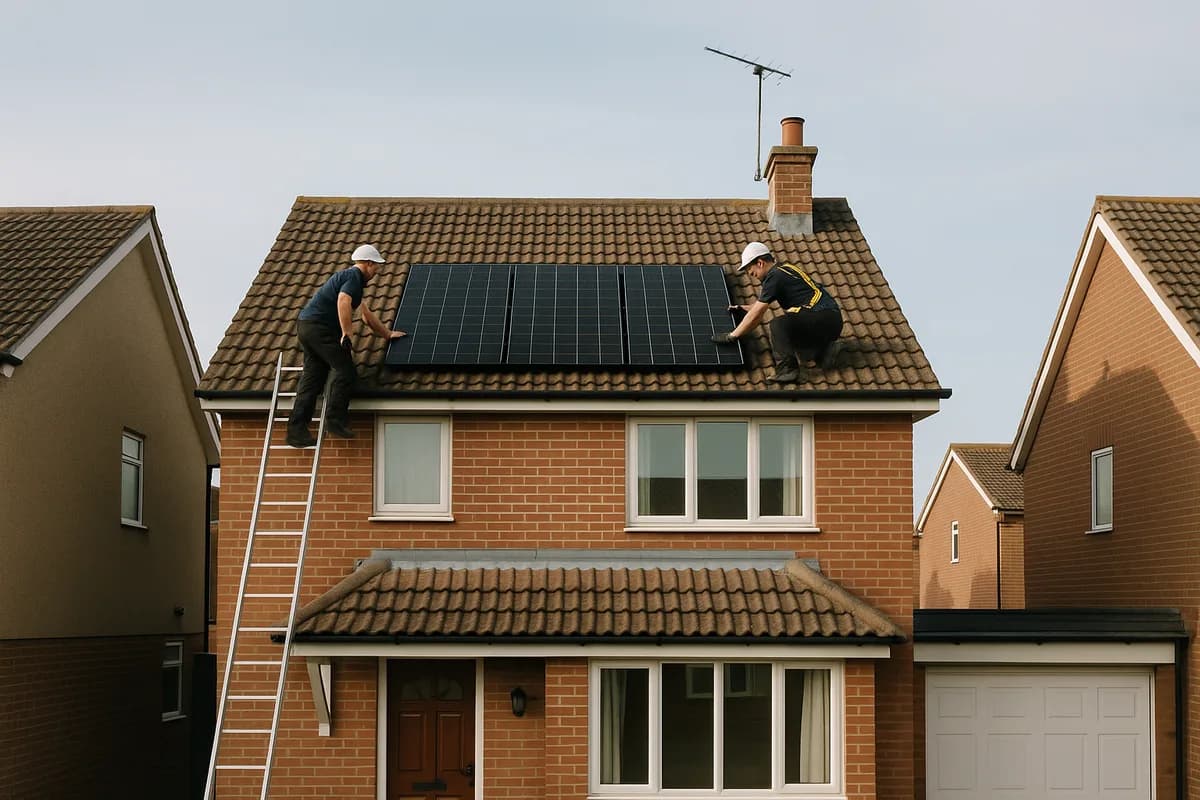
Safety: You need to work at roof height around the panel edges. This requires scaffolding or a secure ladder setup. Falls from height are a leading cause of serious injury in the UK.
Materials: DIY mesh kits are available online for £50–£150. Quality varies significantly. Cheap plastic mesh degrades in UV light within 2–3 years.
Fitting: The mesh must clip securely to the panel frames without damaging the frame finish or affecting the warranty. Incorrect fitting can create gaps that birds exploit, or put pressure on panel fixings.
Nest removal: If birds are already nesting, you must remove the nest before fitting mesh. Under the Wildlife and Countryside Act 1981, it is illegal to disturb nesting birds between March and August. You may need to wait until the nesting season ends.
Recommendation: For £300–£600, professional fitting is safer, faster, uses better materials, and is guaranteed. The cost pays for itself within 1–2 years through recovered panel output and prevented damage.
When Should You Get Bird Proofing?
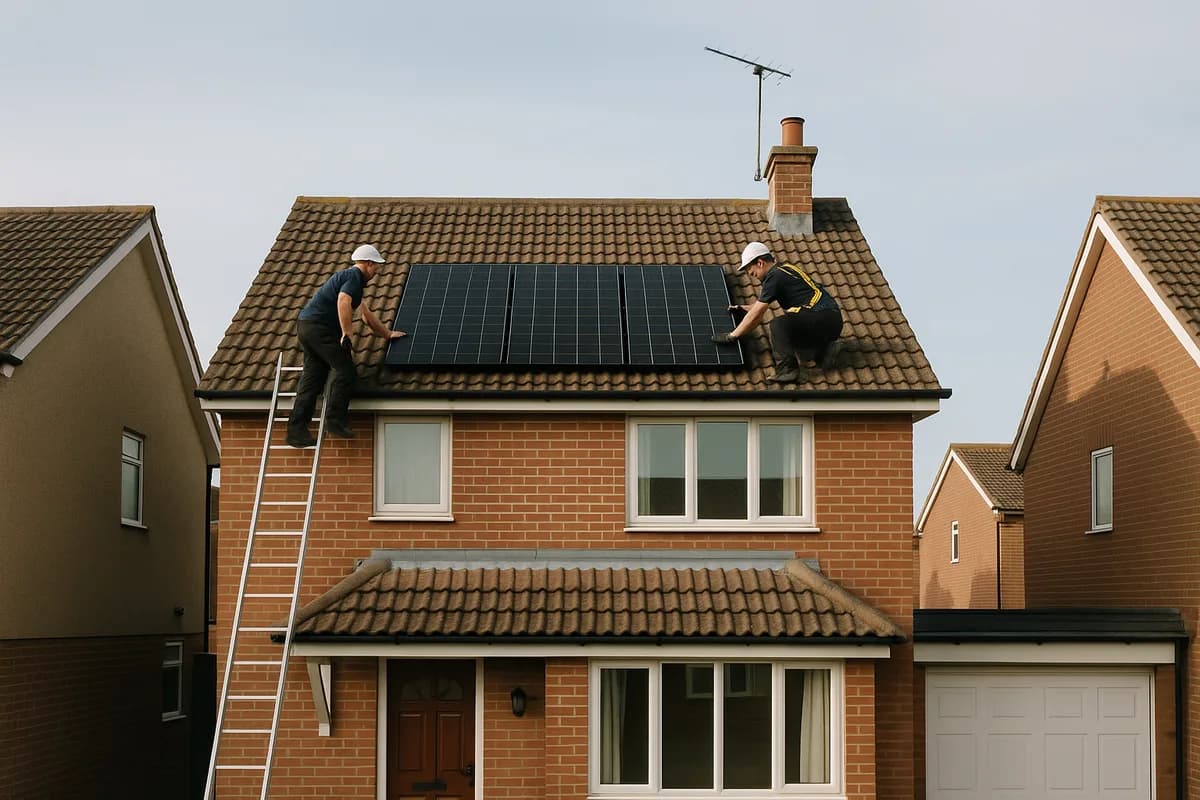
- Ideally at installation — many MCS installers offer bird proofing as an add-on during panel fitting. This is cheapest because scaffolding is already in place.
- At the first sign of bird activity — if you hear cooing, see droppings on panels, or notice nesting material at panel edges, act before the colony establishes.
- After nest removal — if birds have already nested, have the nest professionally removed (outside nesting season, March–August) and fit bird proofing immediately to prevent return.
- Before autumn — birds seek sheltered roosting spots before winter. Fitting mesh in late summer prevents autumn/winter nesting.
Is Bird Proofing Worth the Cost?
Yes, if you have an active bird problem. Here is the maths:
Without bird proofing (active pigeon problem): - Output loss from droppings: 5–10% = £45–£110/year - Potential wiring damage repair: £200–£500 (one-off) - Gutter cleaning from nesting material: £50–£100/year - Panel cleaning to remove droppings: £80–£150/year - Annual cost of bird problems: £175–£360
Bird proofing cost: £300–£600 (one-off) - Payback: 1–3 years - Lifespan: 10+ years - Net saving over 10 years: £1,450–£3,000
If you do NOT have a bird problem, bird proofing is an unnecessary expense. Not all homes attract nesting birds. If your panels have been up for 1+ years with no bird activity, you probably do not need it.
Source: UK pest control pricing; solar panel output calculations.
Frequently Asked Questions
Related guides
You might also like
Need someone to look at your system?
Faults, cleaning and bird proofing are all installer jobs. Get quotes from MCS-certified installers covering your area.
Get a Quote for This WorkFree, no obligation.