Solar Panels for New Build Homes
See what fits your property
Roof shape, pitch and available space decide what is actually installable. Get a recommendation and an installed price for your specific property.
Check My PropertyFree, no obligation. Takes about 2 minutes.
Do new build homes come with solar panels?
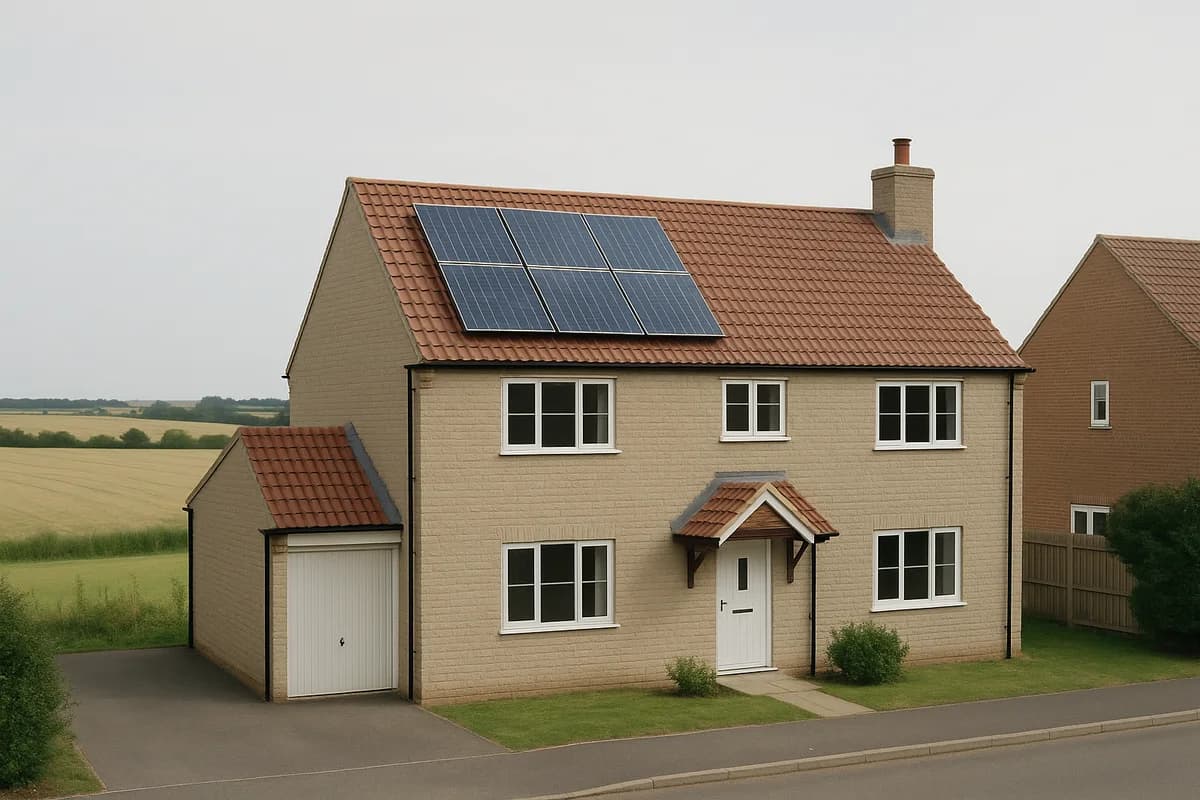
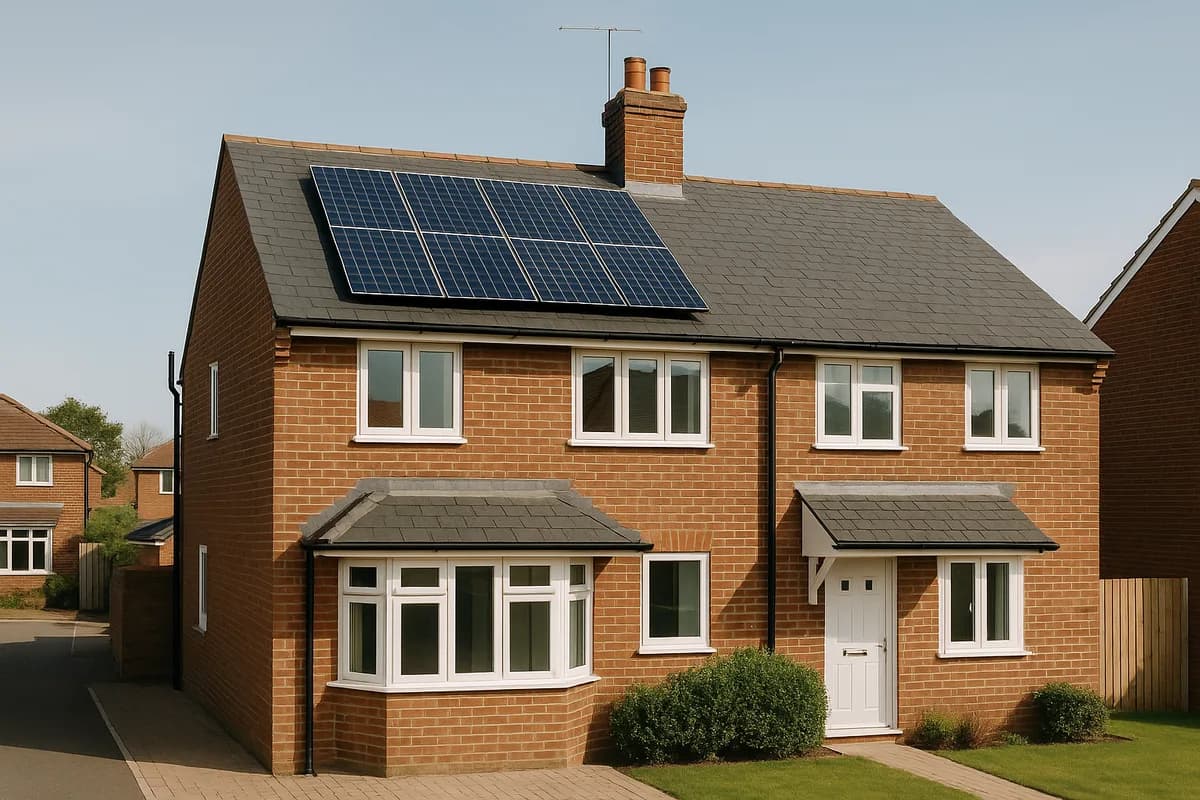
New build homes in England must meet Part L Building Regulations, which typically requires some renewable energy generation. Many developers install 1–2kW solar systems to meet the minimum requirement. This is often smaller than optimal — you may want to upgrade to 4–5kW before or shortly after moving in. Check the system specification, inverter type, and MCS certification before completing your purchase.
Building Regulations and Solar on New Builds
Since June 2022, new homes in England must produce 31% less carbon than previous standards under updated Part L Building Regulations. Solar panels are one of the most common ways developers achieve this.
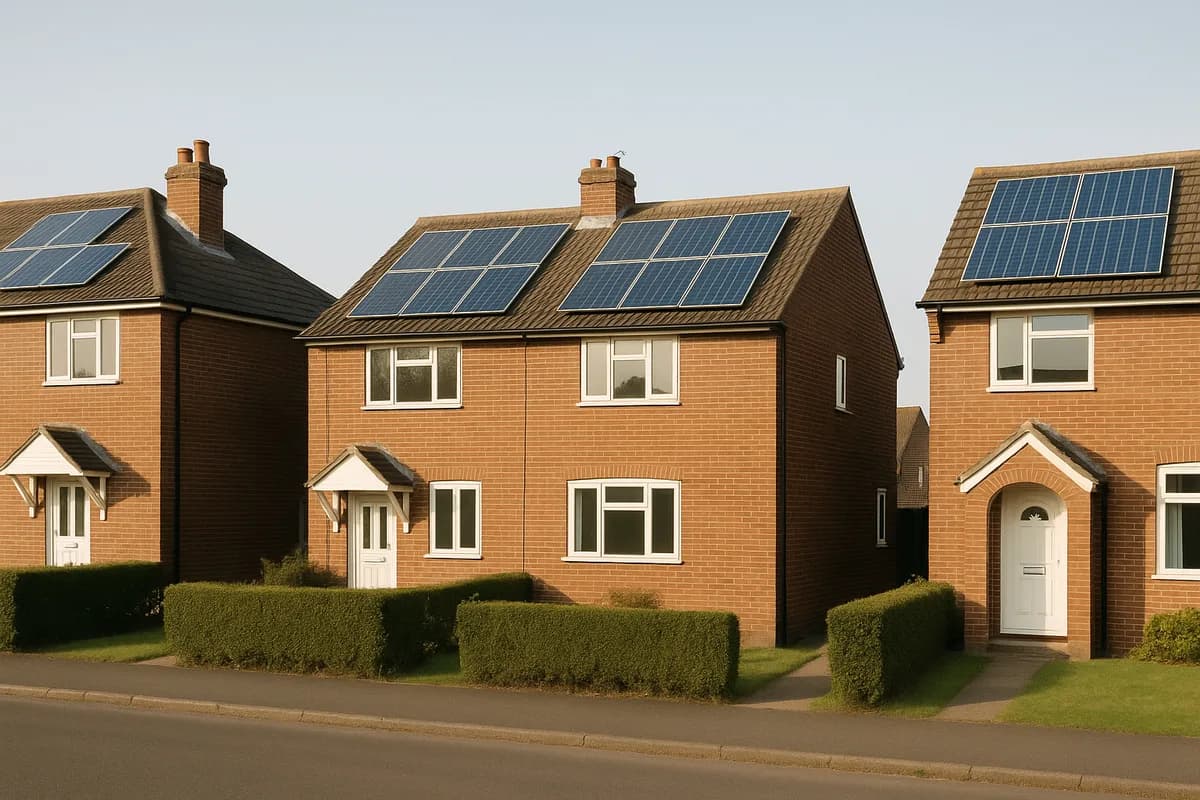
What this means in practice: - Most new builds now include some solar capacity - Typical developer installation: 1–2.5kW (3–6 panels) — often the minimum to meet regulations - This is smaller than the optimal 4–5kW system for a typical family home - The panels are integrated into the house price — you do not pay separately
Future Homes Standard (2025+): - Expected to require 75–80% carbon reduction vs current standards - Will likely mandate larger solar systems on all new homes - May require heat pumps as standard heating
Source: UK Government Part L Building Regulations 2021; Future Homes Standard consultation.
Common Issues with Developer-Installed Solar
Watch out for these problems with new build solar:
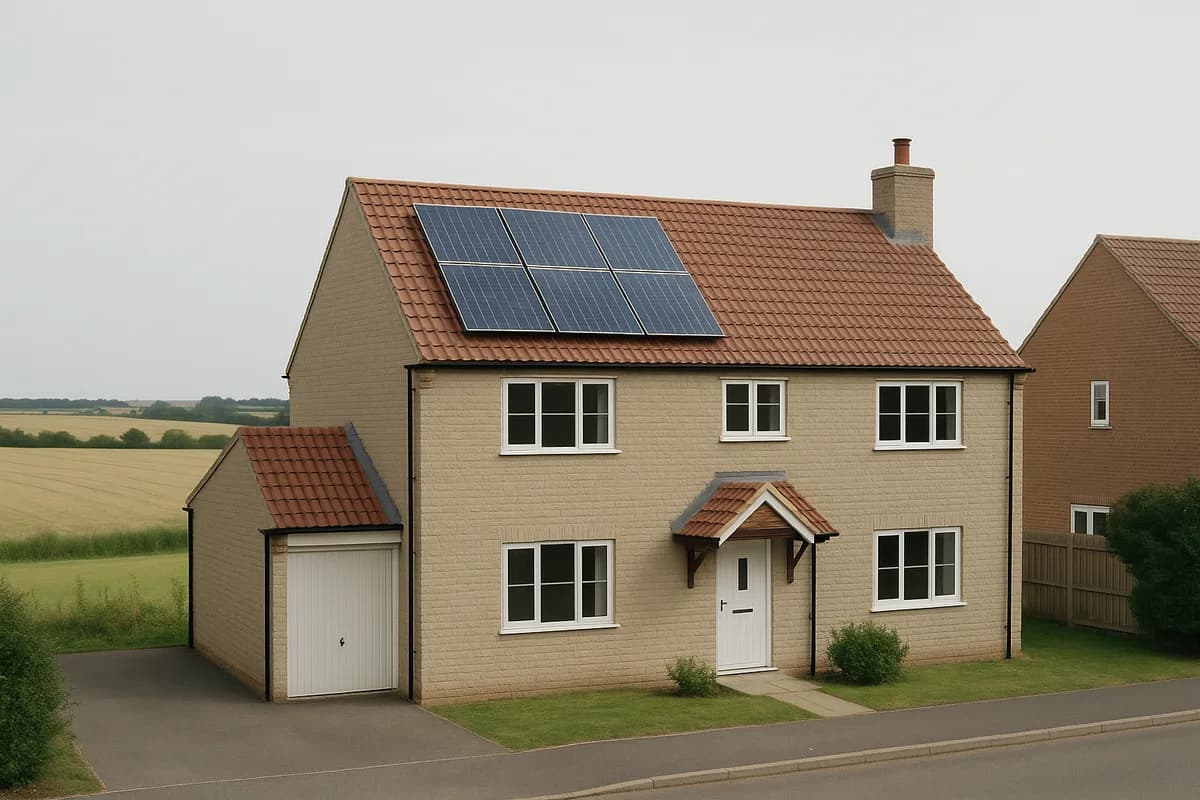
- Undersized system — developers install the minimum to meet regulations (1–2kW), not the optimum for your needs (4–5kW). A 1.5kW system saves £200–£300/year; a 4kW system saves £580–£820.
- Budget panels — developers choose the cheapest panels available, not the most efficient. Check the brand, warranty terms, and efficiency rating.
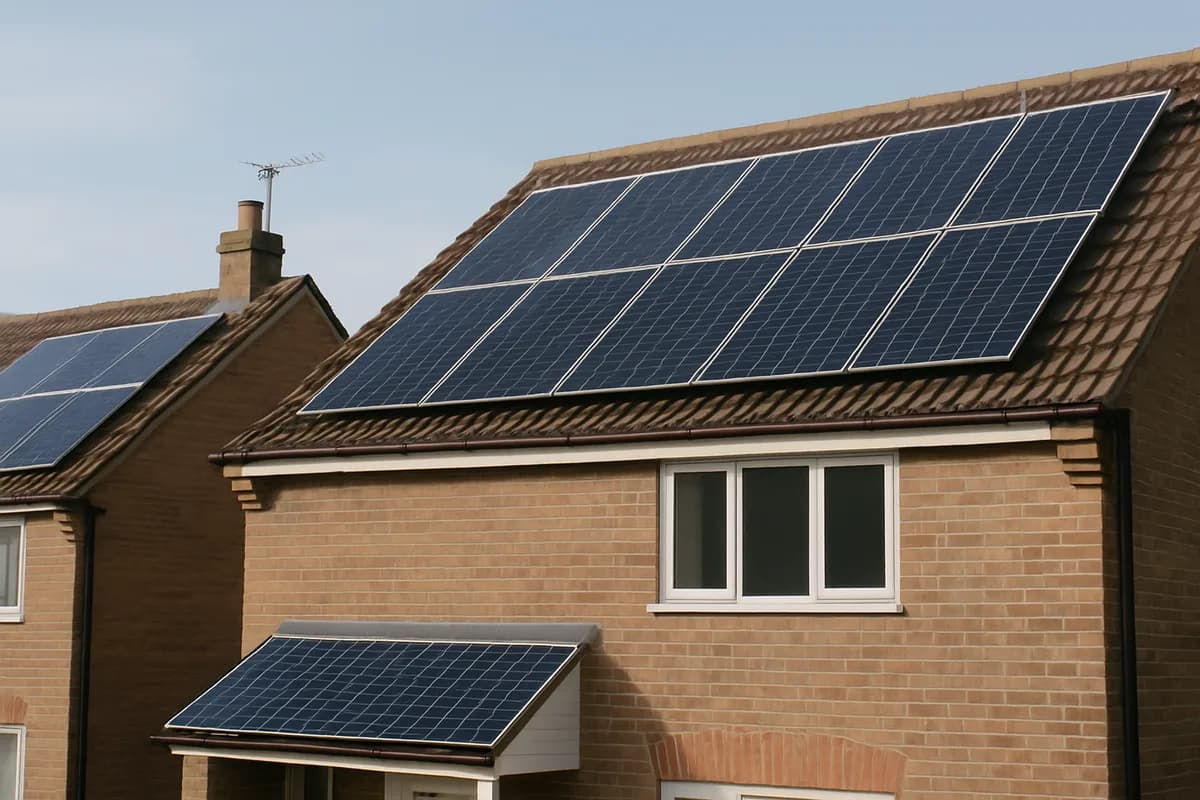
- String inverter on a partially shaded roof — new estates often have close-packed houses creating mutual shading. Micro-inverters perform better in these conditions.
- No battery-ready inverter — if the developer installs a basic string inverter, adding a battery later requires replacing the inverter (additional £1,000–£1,500). Request a hybrid inverter.
- Missing certificate - SEG eligibility needs MCS certification or an accredited equivalent. Some developers delay or fail to provide this. Insist on it before completion.
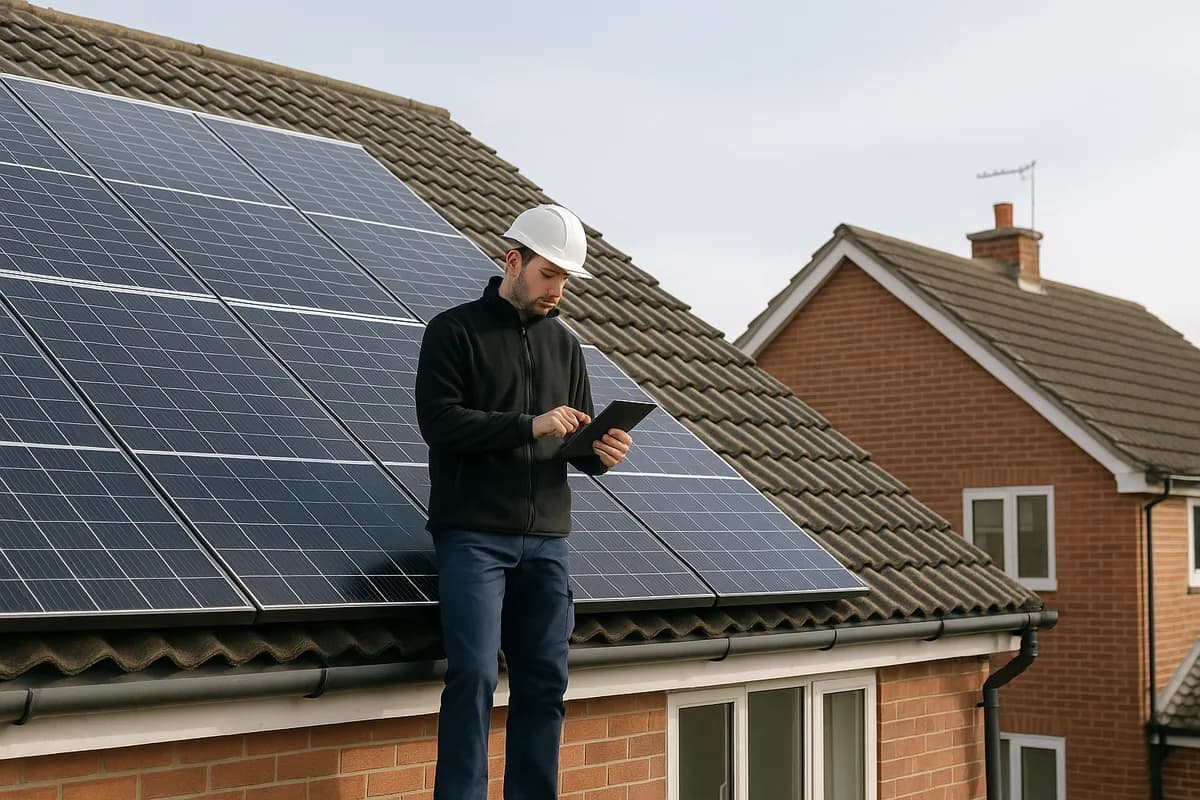
- No monitoring setup — developers often leave the inverter WiFi unconfigured. Ask the developer or installer to connect monitoring before handover.
- Panels on a non-optimal roof face — developers may install panels wherever is easiest for construction rather than where they generate most electricity.
See what fits your property
Roof shape, pitch and available space decide what is actually installable. Get a recommendation and an installed price for your specific property.
Check My PropertyWhat to Check Before Buying a New Build with Solar
- System size (kWp) — is it 1.5kW minimum compliance or 4kW+ optimal?
- Panel brand and model — are they from a reputable manufacturer with 25-year warranty?
- Panel efficiency — 20%+ is good; under 18% is budget quality
- Inverter type — string, micro, or hybrid? Hybrid is best for future battery addition
- Inverter brand — GivEnergy, SolarEdge, Enphase are good; unknown brands are risky
- MCS certification — will you receive the MCS certificate at completion?
- Roof orientation — which direction do the panels face? South is ideal, east/west is acceptable
- Warranty documentation — panel warranty, inverter warranty, installer workmanship warranty
- Monitoring — will WiFi monitoring be set up before handover?
- Can you upgrade? — can additional panels be added to the existing system later?
Upgrading New Build Solar: Adding More Panels
If your new build comes with a small system (1–2kW), you can usually add more panels:
Option 1: Expand the existing system - Add panels to the existing mounting rails and inverter - Cheapest option if the inverter can handle additional capacity - Cost: £200–£350 per additional panel (including installation) - May require DNO re-notification if the total exceeds 3.68kW
Option 2: Add a second system - Install a separate set of panels with their own inverter - More expensive but allows different inverter type (e.g., adding hybrid for battery) - Useful if the original system uses all available space on one slope - Cost: similar to a new installation minus scaffolding if still available
Best approach: Before moving in, ask the developer if they can install a larger system as an upgrade (often called a 'solar upgrade package'). This is cheaper than retrofitting later because scaffolding and electrical work are already planned.
Source: MCS system expansion guidance.
New Build vs Retrofit: Cost Comparison
Solar on a new build is generally cheaper than retrofitting an existing home:
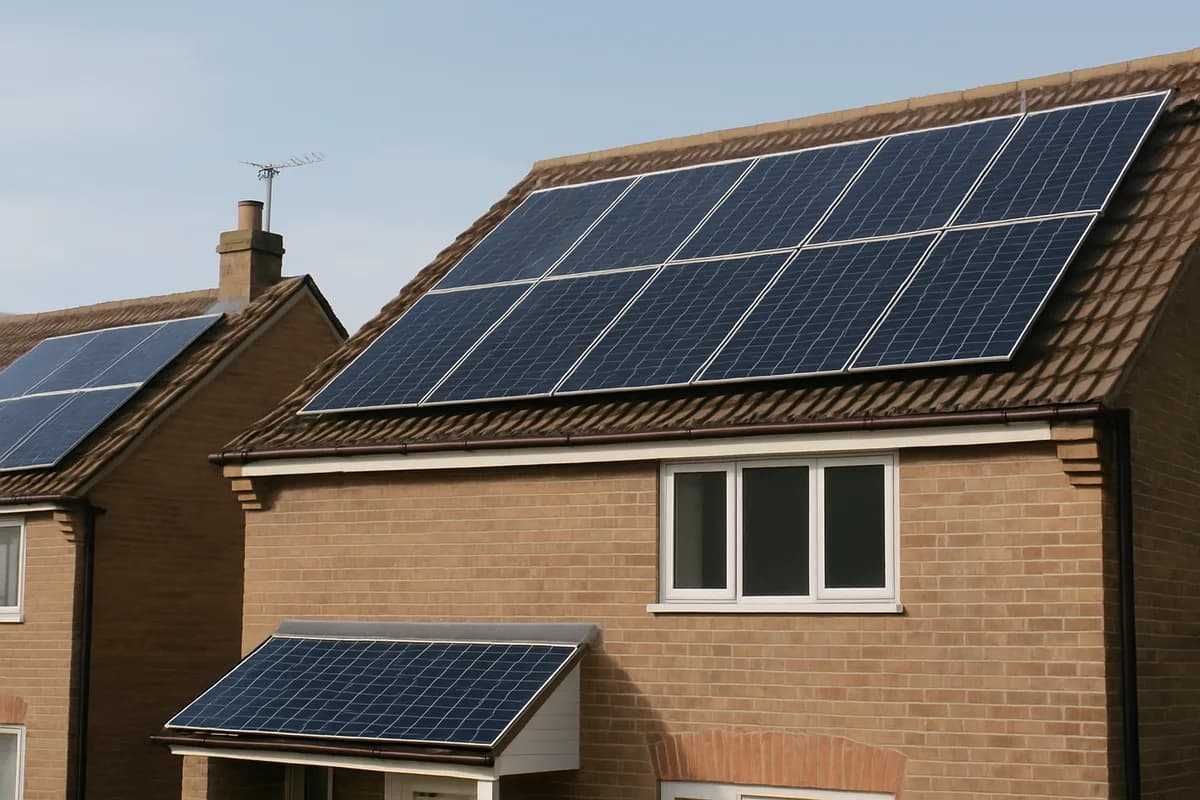
New build solar advantages: - No scaffolding cost (already in place during construction) - Roof structure designed with panels in mind - Electrical infrastructure planned from the start - In-roof panels possible at lower premium (no tile removal needed) - Often included in the mortgage (spread over 25 years at low interest)
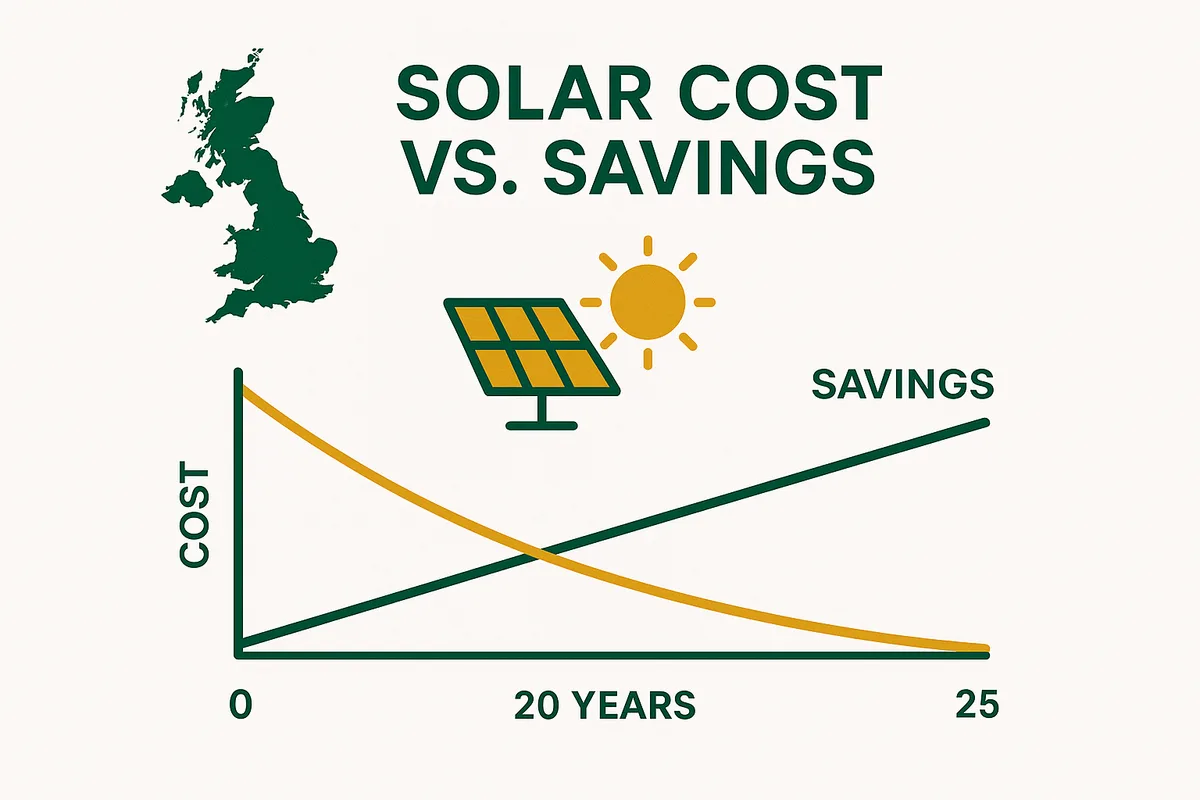
Approximate costs: - New build 4kW system (included in build): £3,000–£5,000 (absorbed into house price) - Retrofit 4kW system (existing home): £5,500–£8,000 (paid separately)
If you are buying a new build, upgrading the solar system during construction is one of the best-value improvements you can make.
Source: NHBC new build renewable energy guidance.
Frequently Asked Questions
Related guides
You might also like
See what fits your property
Roof shape, pitch and available space decide what is actually installable. Get a recommendation and an installed price for your specific property.
Check My PropertyFree, no obligation. Takes about 2 minutes.