Solar Panels on Rented Property: Your Options
Ready to see what solar could save you?
Get free, no-obligation quotes from MCS-certified installers in your area.
Get Free QuotesFree, no obligation. Takes 2 minutes.
Can tenants install solar panels on a rented property?
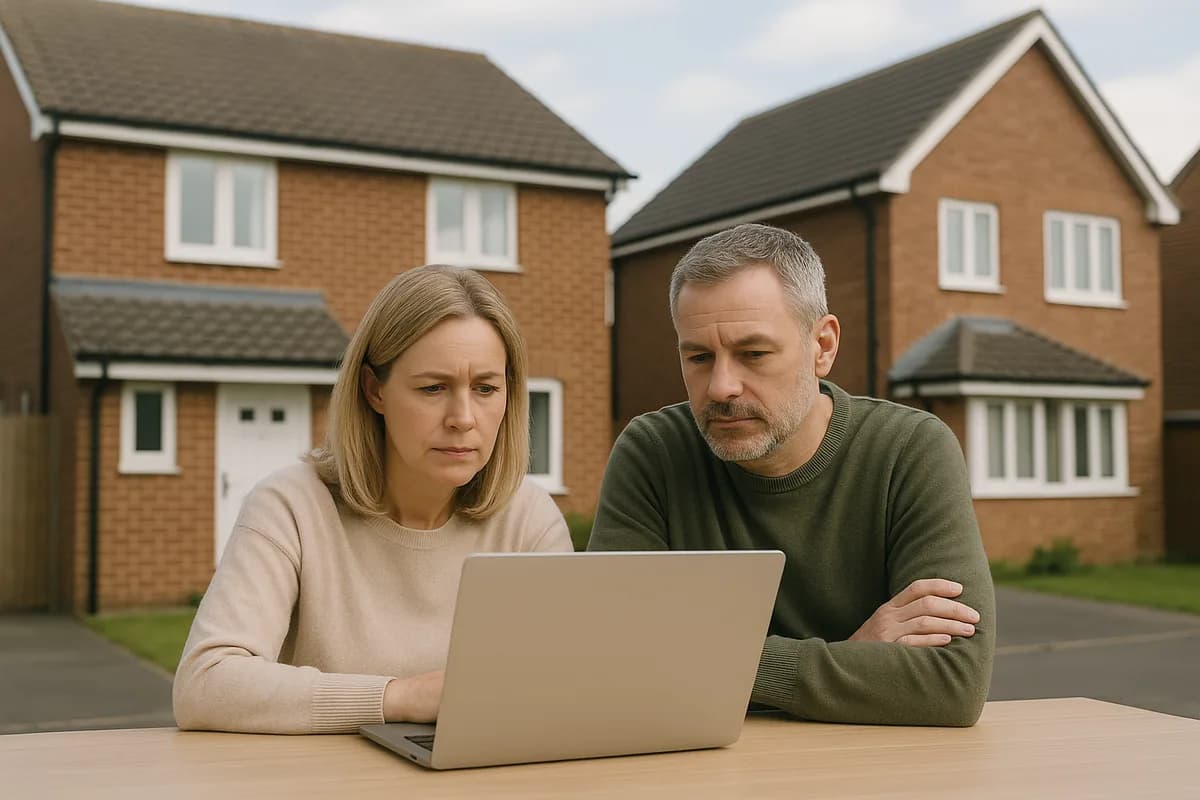
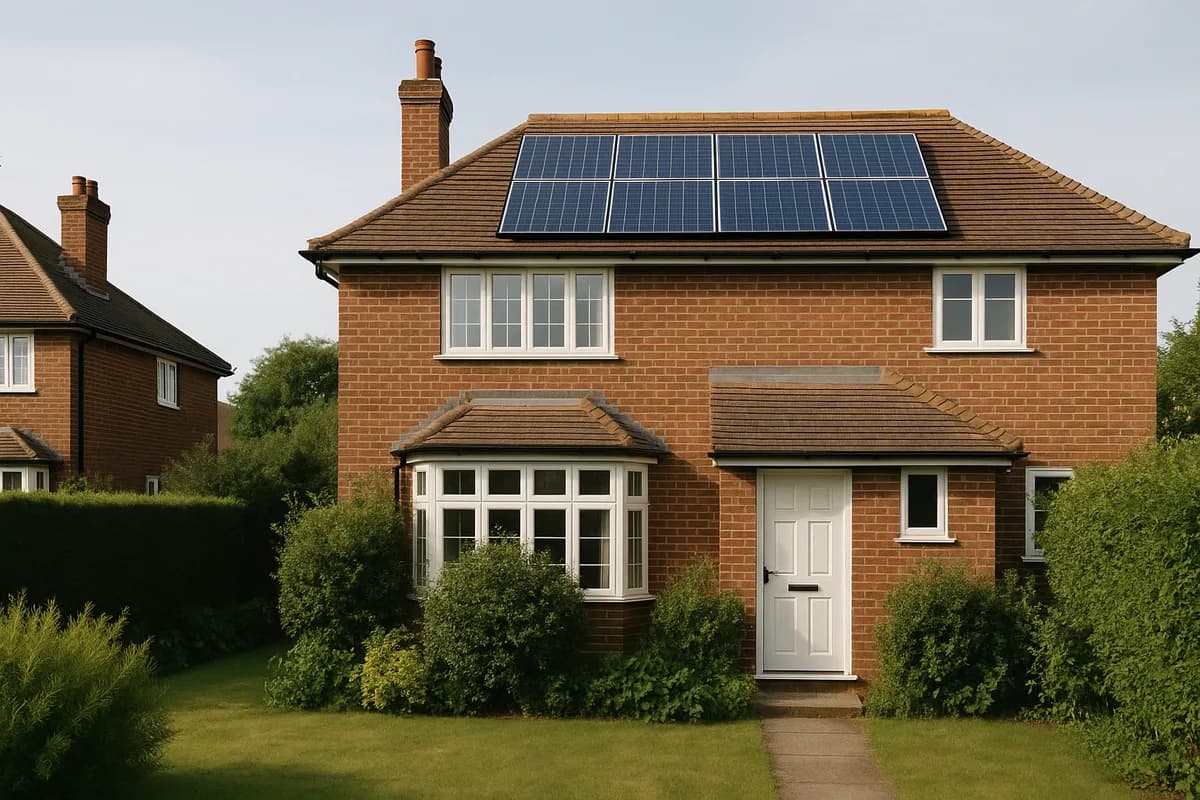
Tenants cannot install permanent solar panels without the landlord's written permission — the panels are a structural modification to the building. However, you have options: ask your landlord to install solar (it benefits them through higher EPC and property value), use portable solar panels for small-scale electricity, or look for rental properties that already have solar installed.
Option 1: Ask Your Landlord to Install Solar
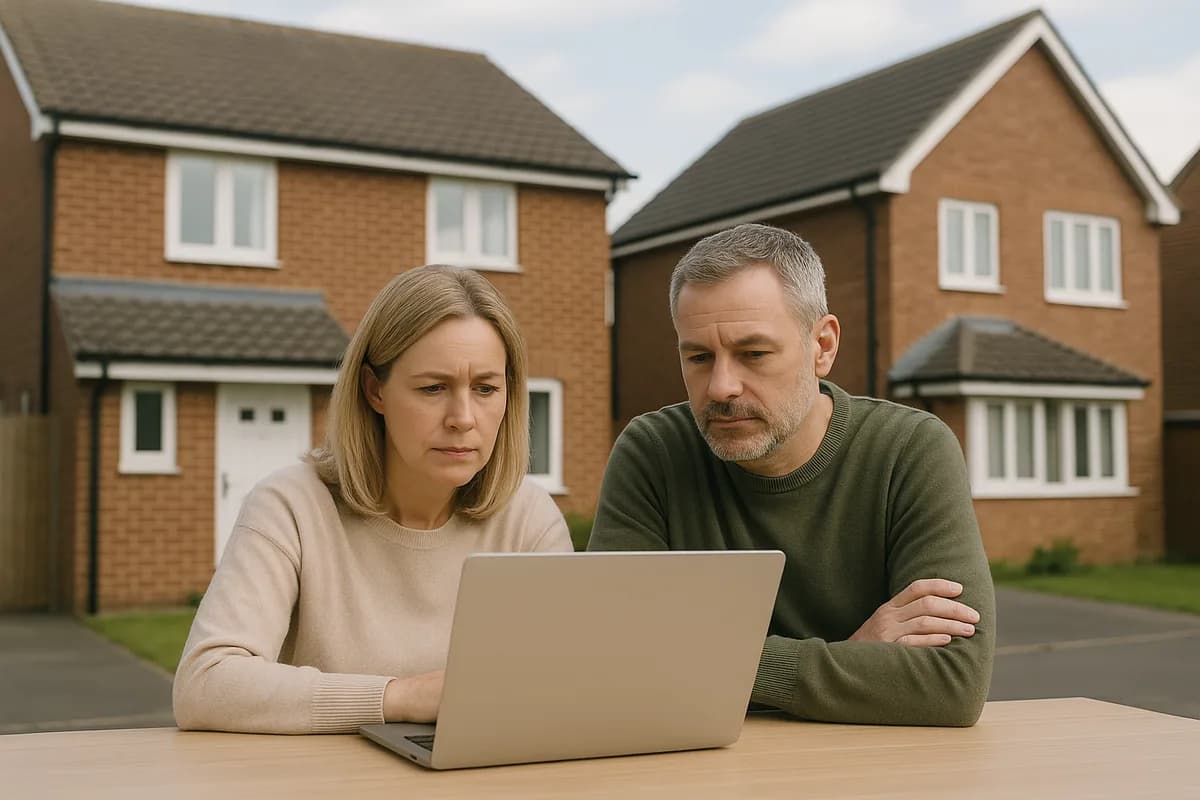
This is the best option for both parties. Present your landlord with the business case:
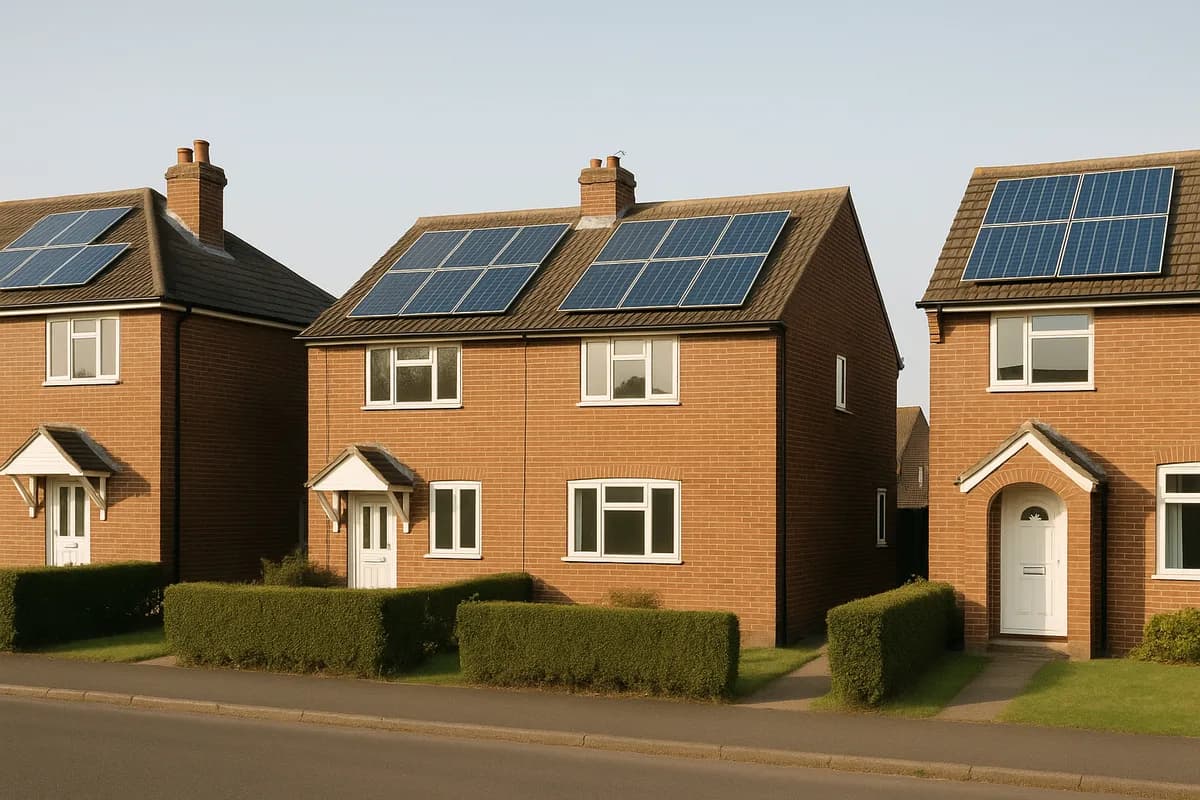
For the landlord: - Sale-price premium in UK research: 3.5–7.1% depending on method (a market average, not a guarantee) - EPC improvement: crucial for future minimum C requirement - Lower running costs make the property easier to let - 0% VAT currently applies to installation - Cost: £5,000–£8,000 for a 4kW system
For you (the tenant): - Lower electricity bills: £400–£800/year savings - Greener living without upfront cost - More comfortable home (lower energy costs in winter)
How to approach your landlord: 1. Send a clear, professional email or letter 2. Include specific cost and savings figures from our calculator 3. Mention the EPC improvement and upcoming EPC C requirement 4. Offer to get quotes on their behalf (they choose the installer) 5. Note that 0% VAT makes this a time-limited opportunity 6. Emphasise that you intend to stay longer if bills are lower (reduced void risk)
Some landlords will agree immediately. Others may need time to consider. If they refuse, respect the decision — it is their property.
Source: Landlord-tenant solar guidance; MEES regulations.
Option 2: Portable Solar Panels
Portable solar panels do not require landlord permission because they are not permanently attached to the building:
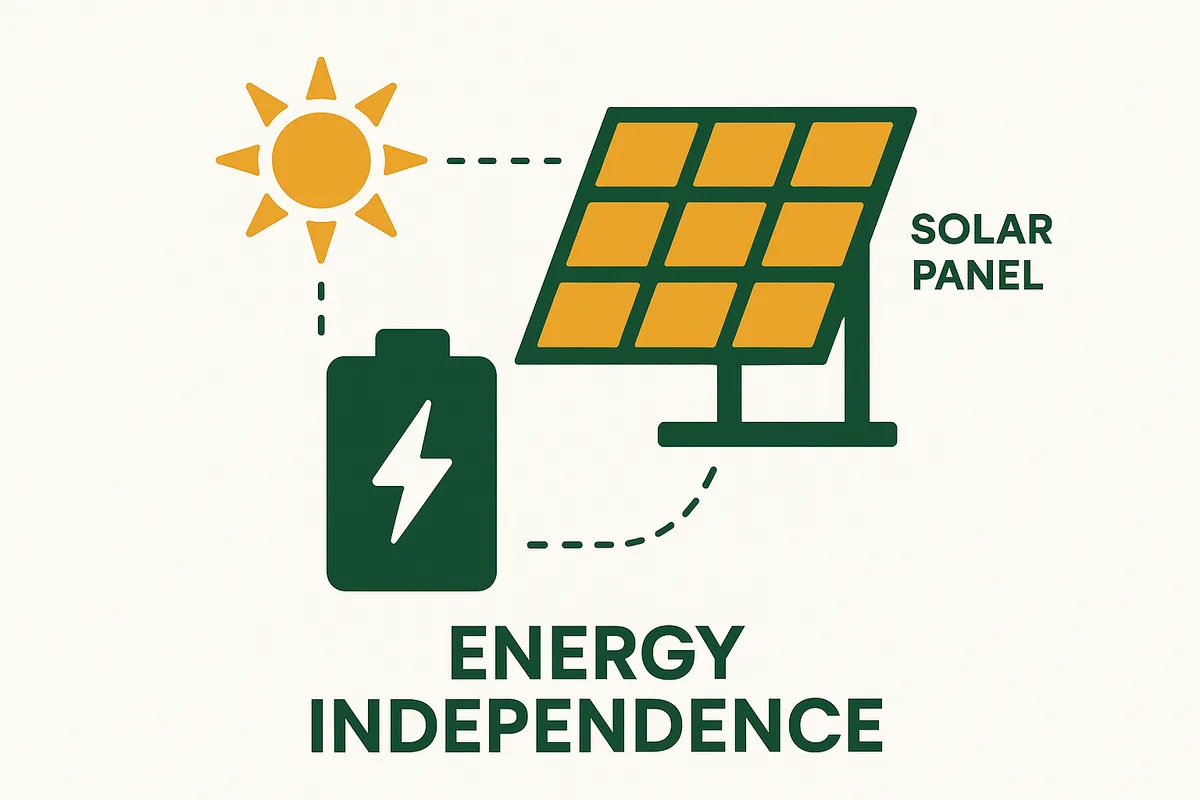
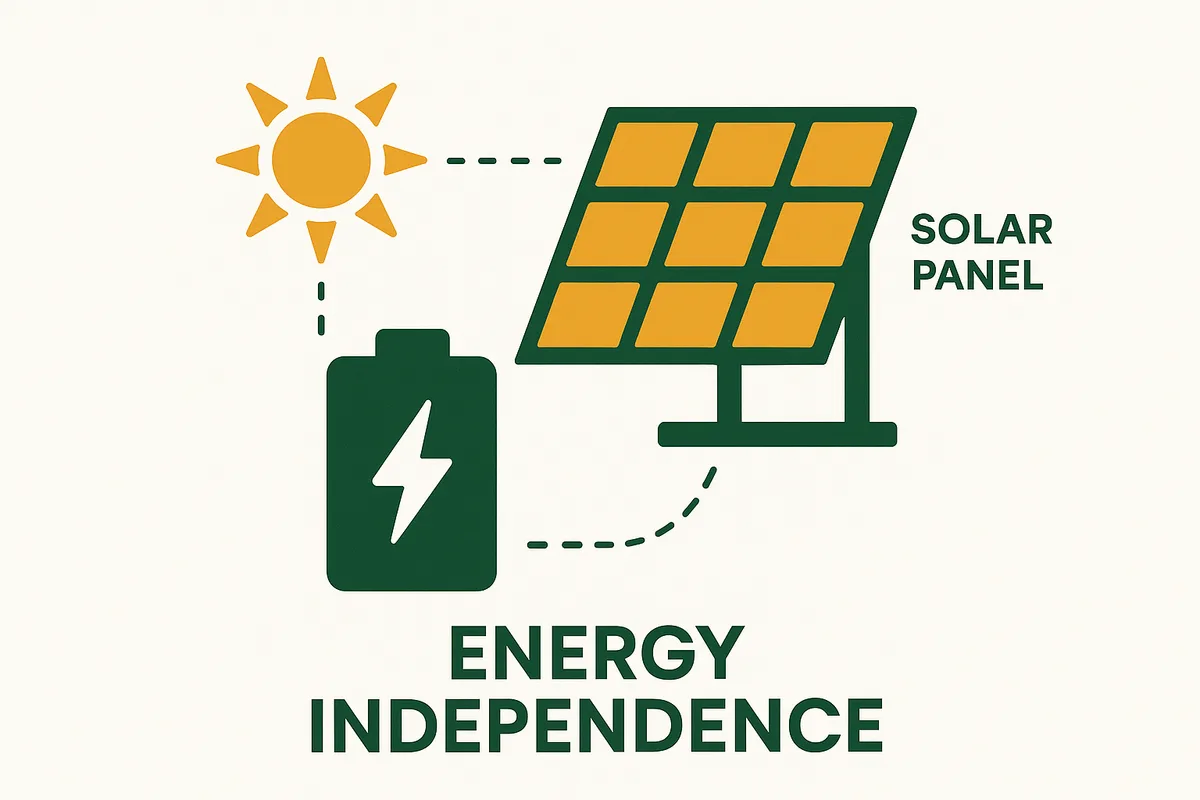
What you can do: - Place portable panels on a balcony, in a garden, or against a south-facing wall - Connect to a portable power station to charge devices and small appliances - No structural modification, no wiring into the mains, no landlord consent needed
Limitations: - Portable panels are small (100–200W vs 3,000–6,000W for roof systems) - They charge devices and small appliances, not your whole home - Cannot connect to the grid or receive SEG payments - Must not be attached to the building structure
Best for: Reducing phone/laptop charging costs, powering garden lights/tools, learning about solar before buying a home.
Not suitable for: Meaningful bill reduction, powering kitchen appliances, heating.
Source: Tenancy agreement guidance; portable solar product reviews.
Ready to see what solar could save you?
Get free, no-obligation quotes from MCS-certified installers in your area.
Get Free QuotesOption 3: Look for Rentals With Solar Already Installed
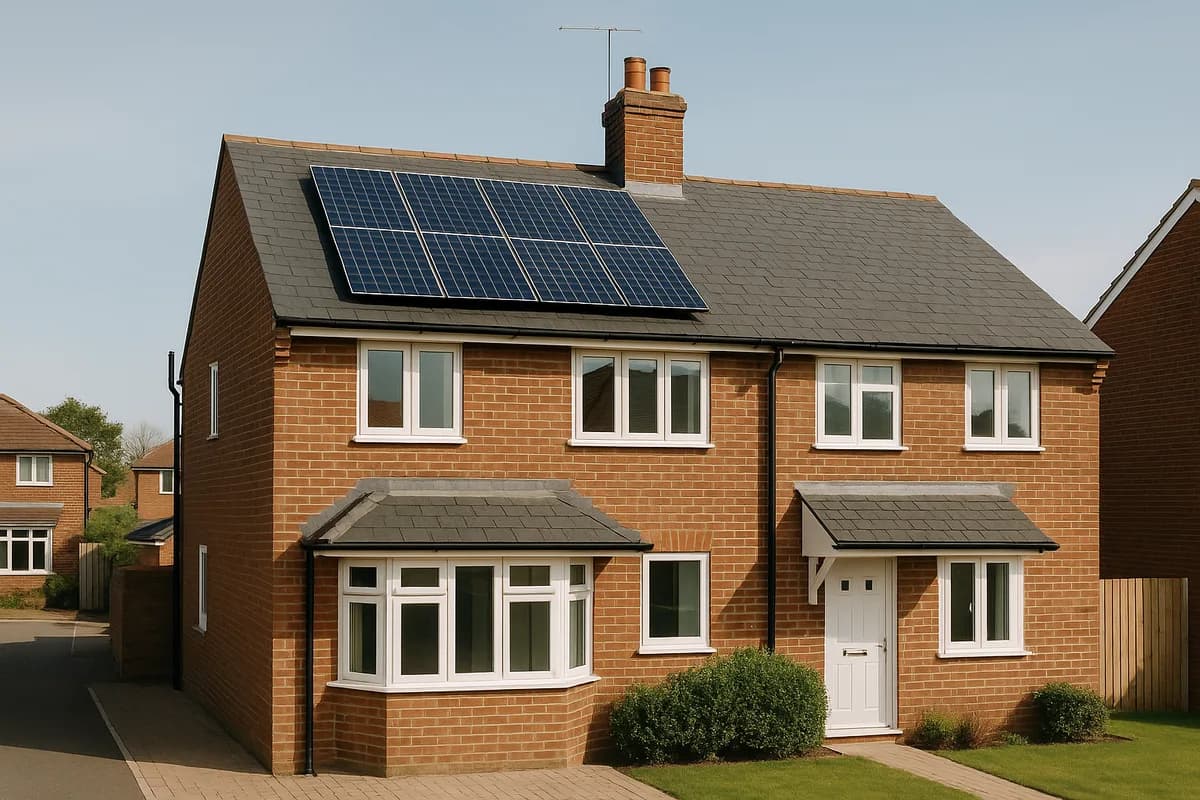
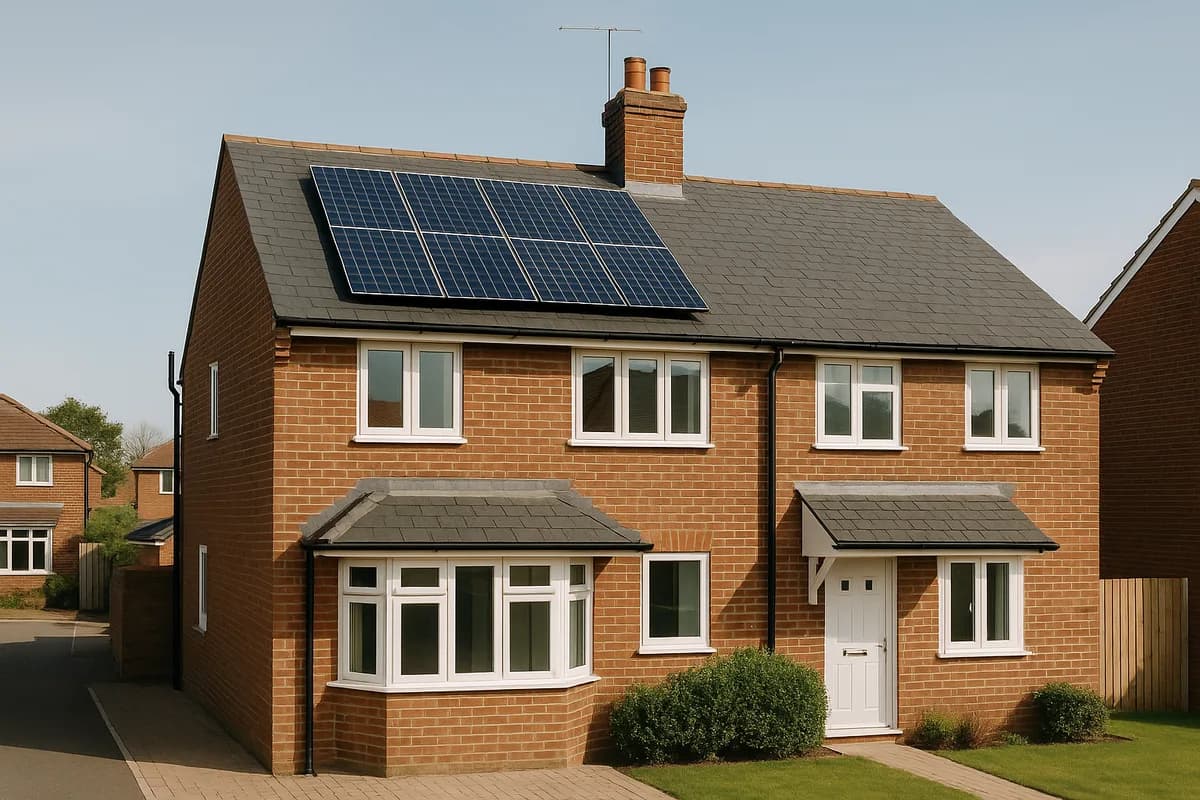
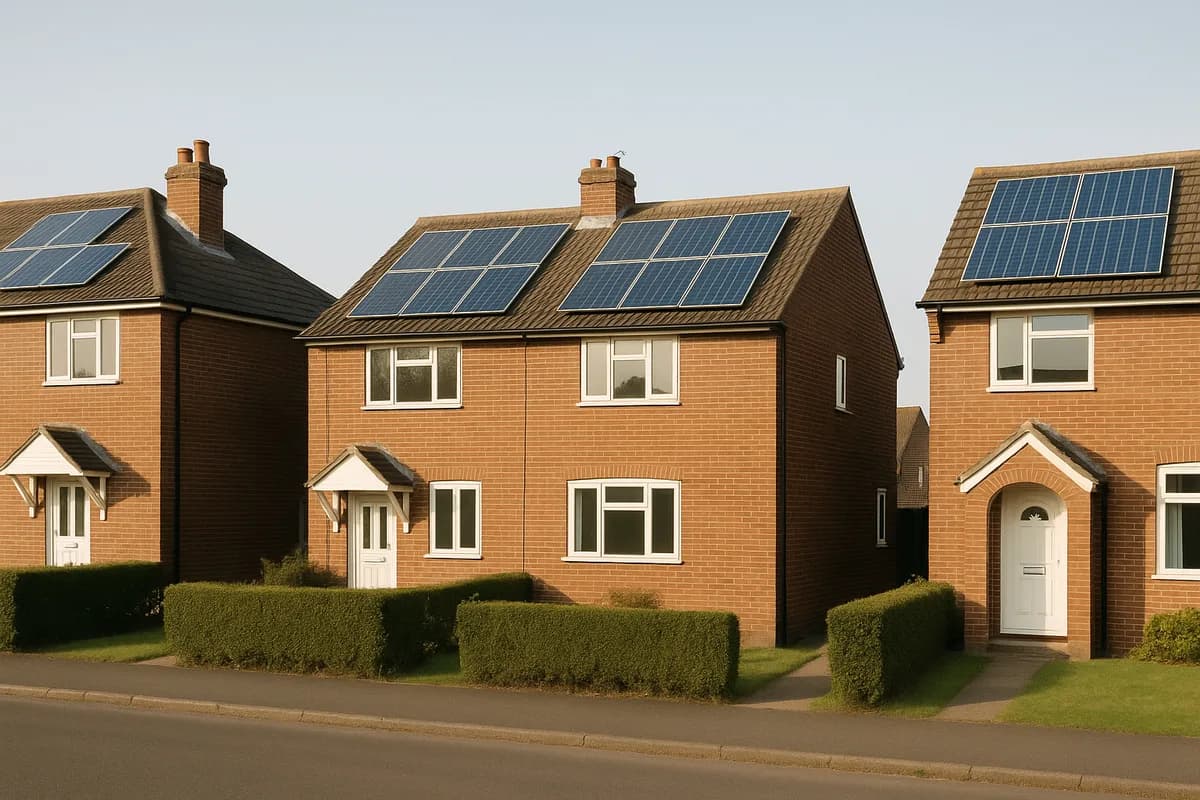
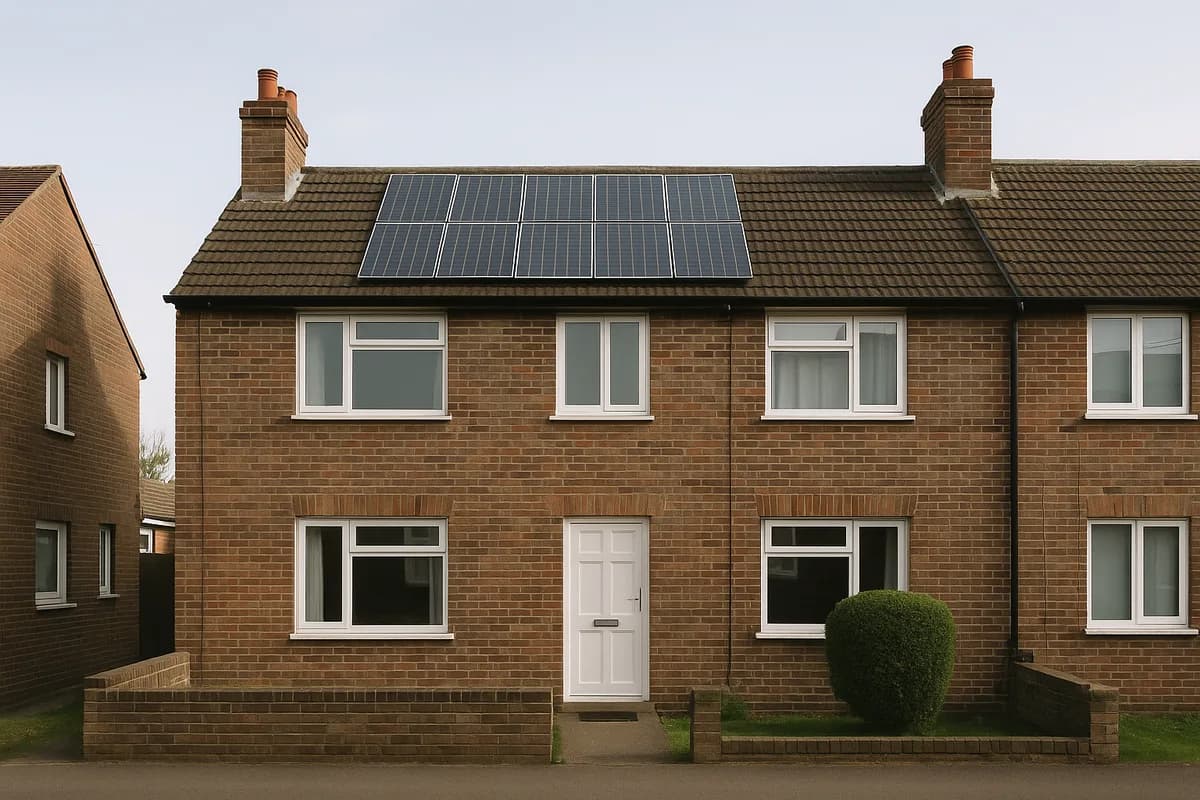
An increasing number of UK rental properties have solar panels pre-installed — particularly new builds (which must meet Part L regulations).
How to find solar-equipped rentals: - Check the EPC certificate — properties rated A or B often have solar - Ask the letting agent specifically about solar panels - Look for properties listed as 'energy efficient' or 'low running costs' - New build estates frequently include solar as standard
Benefits of renting a property with solar: - Lower electricity bills from day one - No negotiation with the landlord needed - Often indicates a well-maintained, energy-efficient property - Higher EPC rating = better insulated = more comfortable
Things to check: - Are the panels owned or leased? Leased panels may mean the landlord (not you) gets the benefit - Is the system working? Ask for recent monitoring data or output history - Can you register for SEG? Depends on who the electricity account is registered to
Source: EPC database; new build energy standards.
What You Cannot Do as a Tenant
Without explicit written landlord permission, tenants CANNOT:
- Install permanent solar panels on the roof
- Mount panels on external walls
- Wire anything into the mains electrical system
- Drill holes for cable entry
- Modify the consumer unit (fuse box)
- Install a battery system connected to the mains
- Apply for MCS certification or SEG (these require property owner involvement)
Doing any of the above without permission is likely a breach of your tenancy agreement and could result in: - Loss of deposit - Liability for removal and repair costs - Potential eviction proceedings
Always get written landlord consent before any modification. Even if the landlord verbally agrees, get it in writing.
Source: Housing Act 1988; standard AST tenancy agreement terms.
Frequently Asked Questions
Related guides
You might also like
Ready to see what solar could save you?
Get free, no-obligation quotes from MCS-certified installers in your area.
Get Free QuotesFree, no obligation. Takes 2 minutes.