Portable Solar Panels UK: Best Options
Ready to see what solar could save you?
Get free, no-obligation quotes from MCS-certified installers in your area.
Get Free QuotesFree, no obligation. Takes 2 minutes.
What are the best portable solar panels for the UK?
Portable solar panels range from 20W pocket chargers (£30–£60) to 400W folding panels (£300–£500). For camping and caravans in the UK, a 100–200W portable panel paired with a portable power station is the sweet spot — enough to charge phones, laptops, lights, and small appliances. They are not a substitute for a home solar system but are ideal for off-grid and outdoor use.
Portable Solar Panel Types and Sizes
Small panels (20–50W) — Phone and USB charging: - Cost: £30–£80 - Weight: 0.5–1.5 kg - Use: Charging phones, tablets, GPS, headtorches - Output: 1–3 devices per day in UK summer - Best for: Day hiking, festivals, emergency backup
Medium panels (100–200W) — Camping and caravans: - Cost: £100–£300 - Weight: 3–8 kg - Use: Charging power stations, running lights, fans, small fridges - Output: 400–1,000 Wh per day in UK summer - Best for: Weekend camping, caravan holidays, off-grid cabins
Large panels (200–400W) — Serious off-grid: - Cost: £200–£500 - Weight: 8–20 kg - Use: Running larger appliances, whole-van electrics, remote workshops - Output: 800–2,000 Wh per day in UK summer - Best for: Full-time van life, extended off-grid stays, market stalls
Note: UK solar output varies hugely by season. A 200W panel generates 800–1,000 Wh/day in June but only 150–300 Wh/day in December. Size your system for your worst-case scenario if reliability matters.
Source: Manufacturer specifications; UK solar irradiance data.
What Can Portable Solar Panels Power?
Practical output depends on panel size and UK weather:
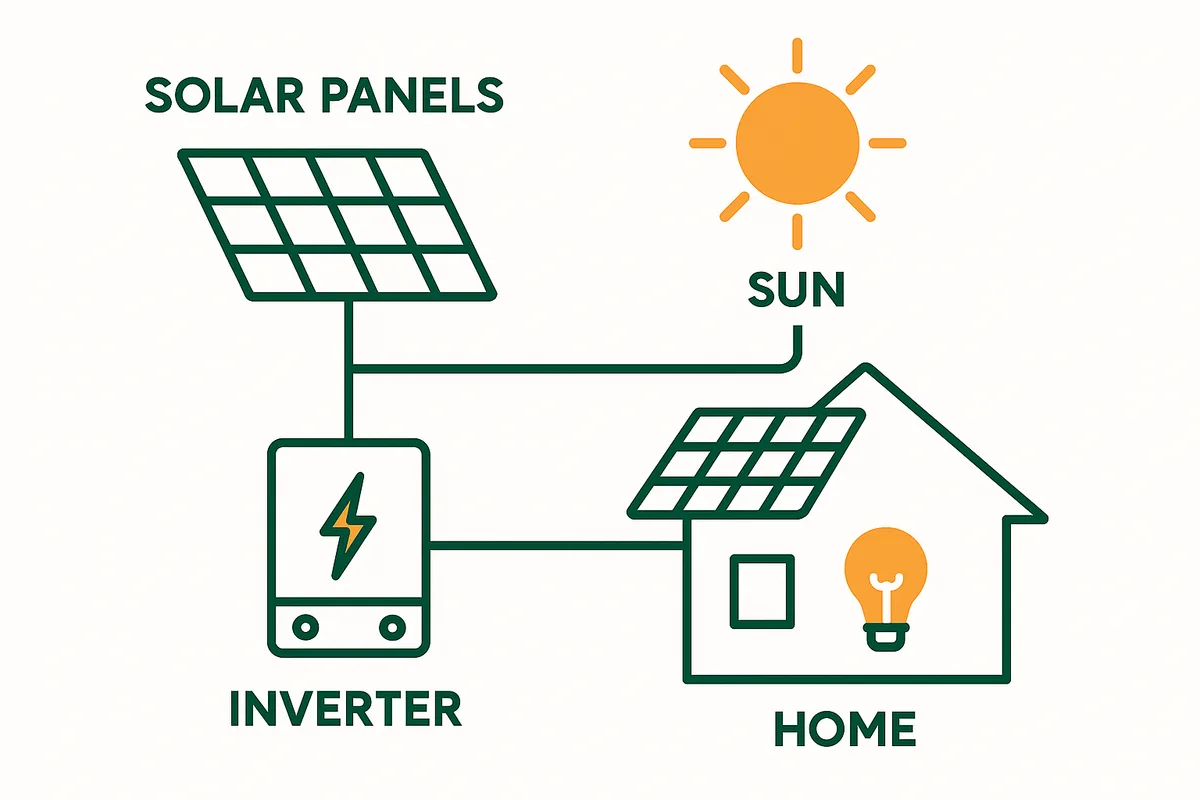
100W panel in UK summer (6 peak sun hours): - Daily output: ~500 Wh - Charges: 10 smartphones, or 2 laptops, or runs a 12V cool box for 8 hours, or powers LED camping lights for 50+ hours
200W panel in UK summer: - Daily output: ~1,000 Wh - Charges: a 1,000 Wh power station in one sunny day - Runs: a small 12V fridge continuously, plus phone/laptop charging
What portable solar CANNOT do: - Run a kettle (2,000W — far exceeds any portable panel) - Run a microwave (800–1,200W) - Run an electric heater - Power air conditioning - Charge an EV (too slow to be practical)
For high-power appliances, you need a home solar system — not a portable panel.
Source: Appliance wattage data; portable panel manufacturer testing.
Portable Solar Panels vs Home Solar: Key Differences
Ready to see what solar could save you?
Get free, no-obligation quotes from MCS-certified installers in your area.
Get Free QuotesPortable and home solar serve completely different purposes:
| Feature | Portable | Home (Roof) |
|---|---|---|
| Power | 20–400W | 3,000–6,000W |
| Daily output | 100–2,000 Wh | 10,000–16,000 Wh |
| Cost | £30–£500 | £5,000–£10,000 |
| Grid connected | No | Yes |
| SEG income | No | Yes |
| Lifespan | 5–10 years | 25–30 years |
| Installation | None (unfold and use) | Professional required |
| MCS certified | No | Yes (or an accredited equivalent) |
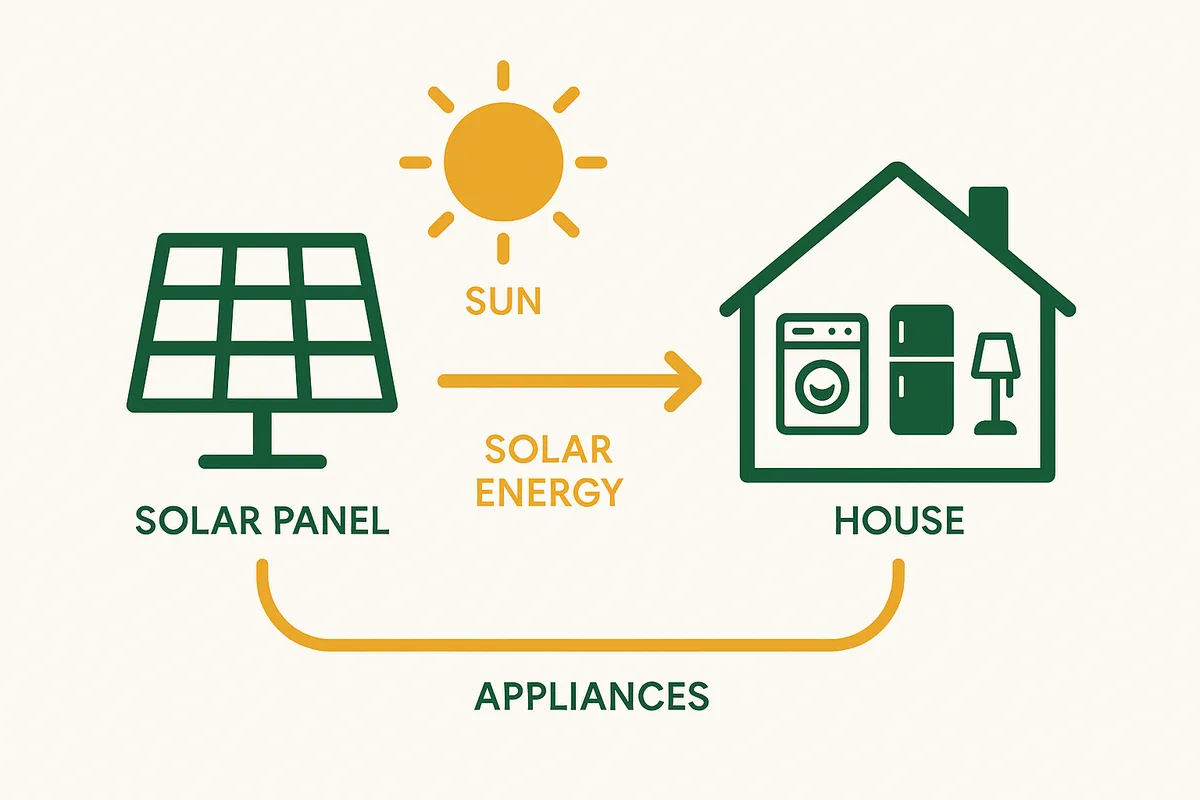
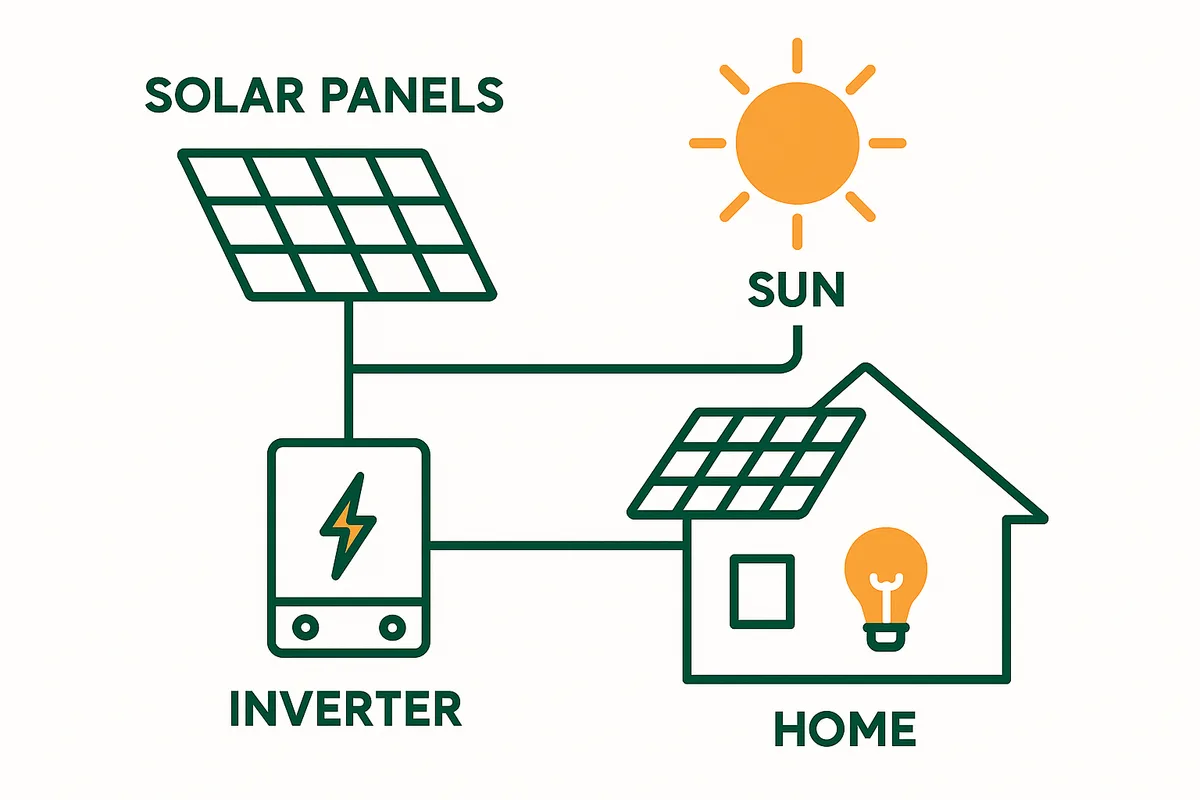
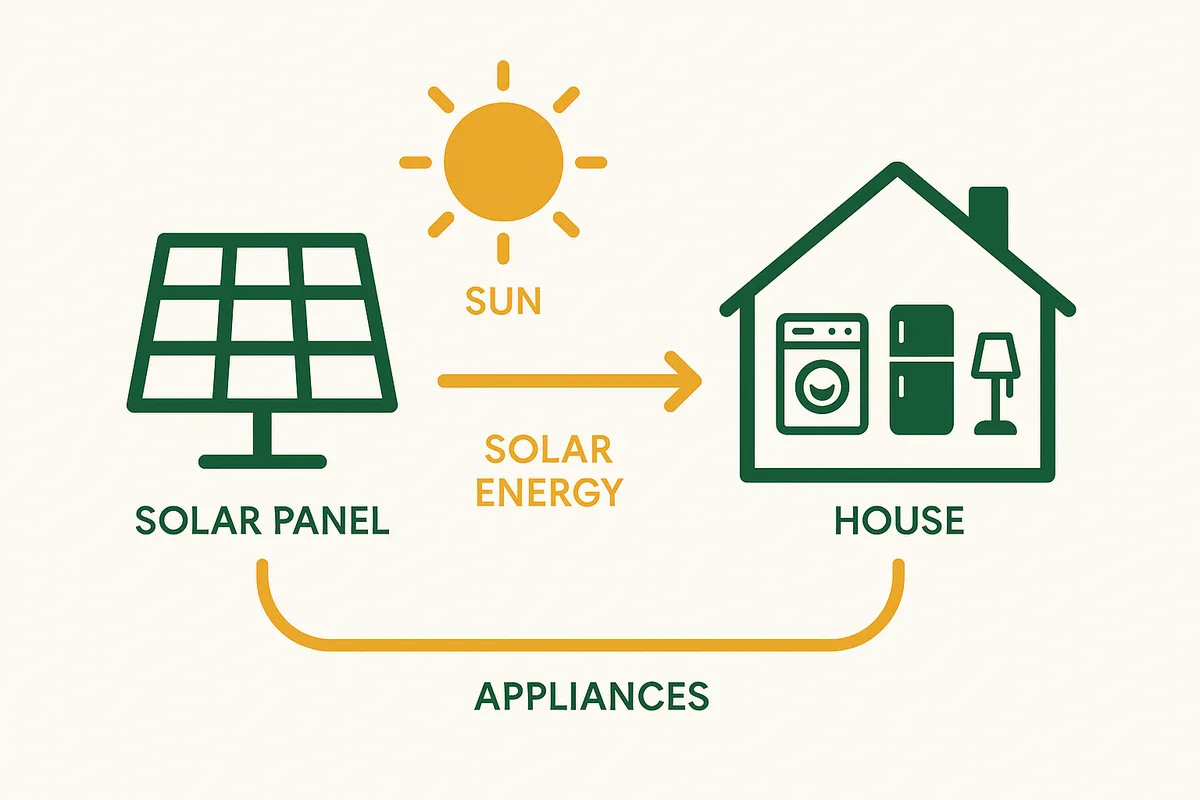
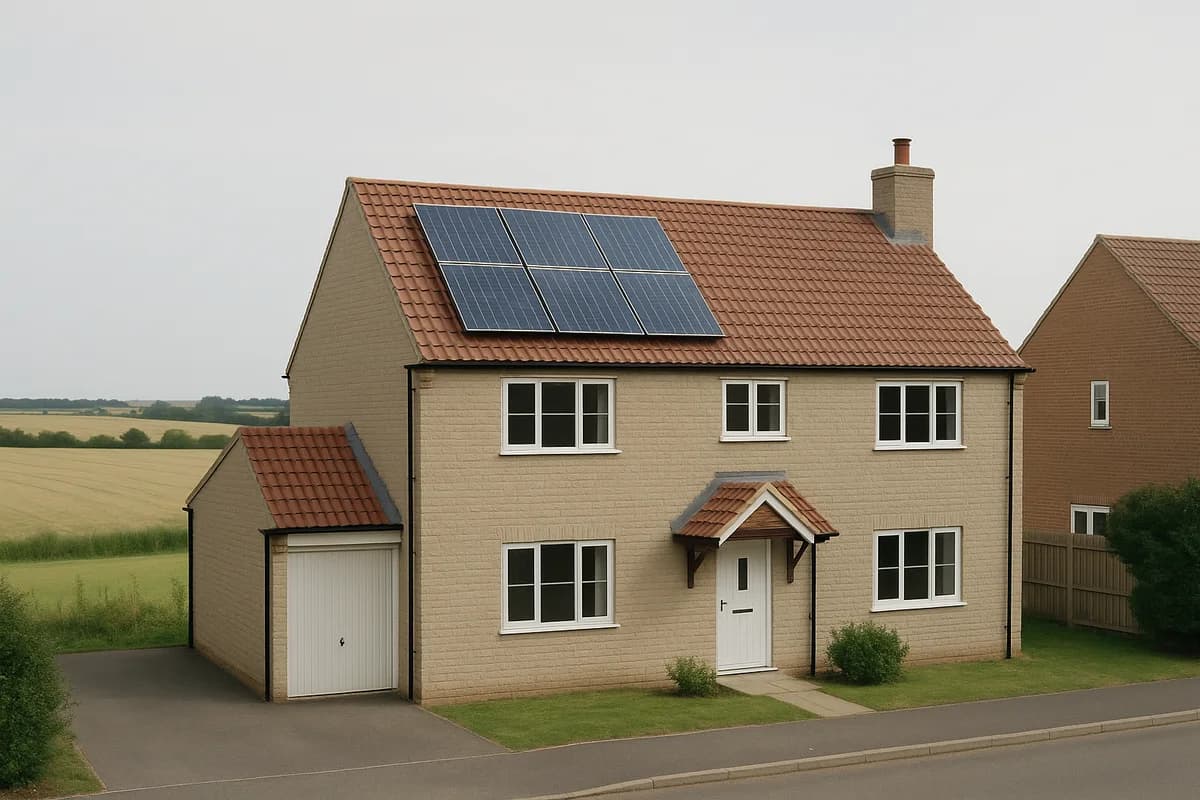
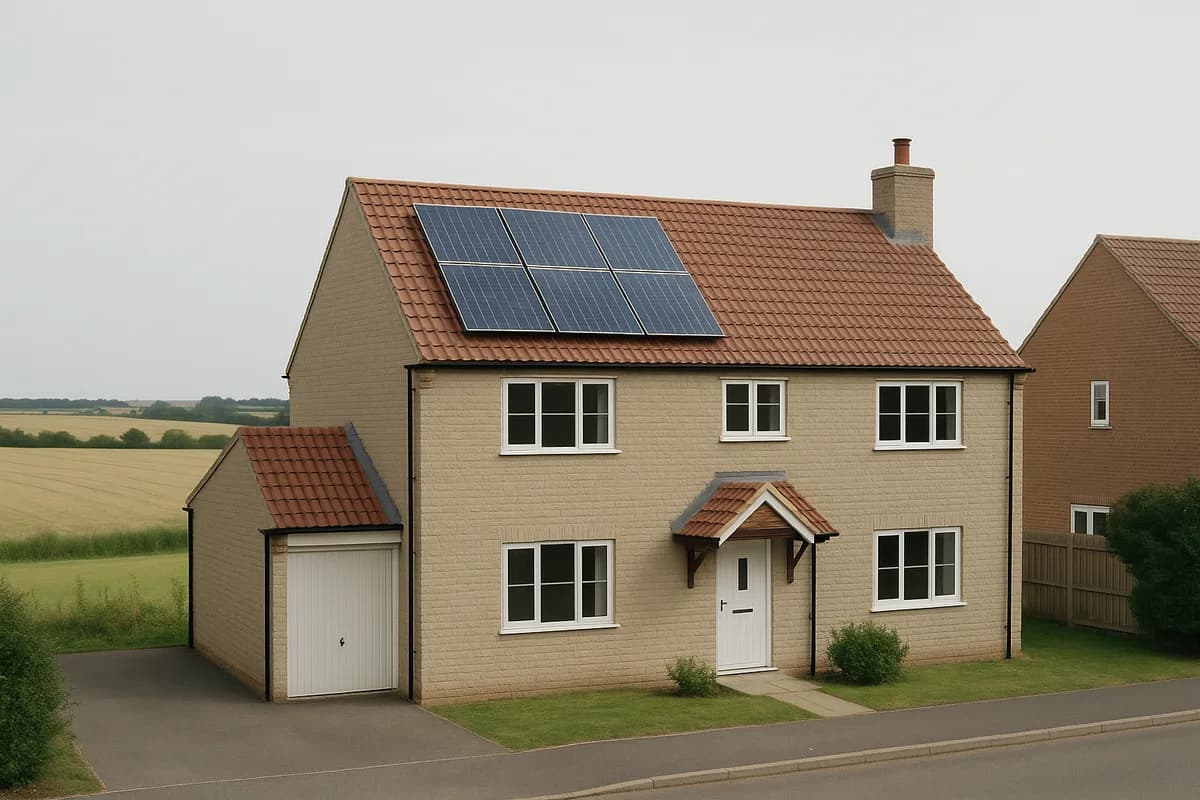
Portable panels are an accessory. Home solar is an investment. They do not compete — many solar homeowners also own portable panels for camping and outdoor use.
Source: Product comparisons; MCS scheme requirements.
What to Look for When Buying
- Wattage — match to your needs. 100W is the minimum for useful camping power.
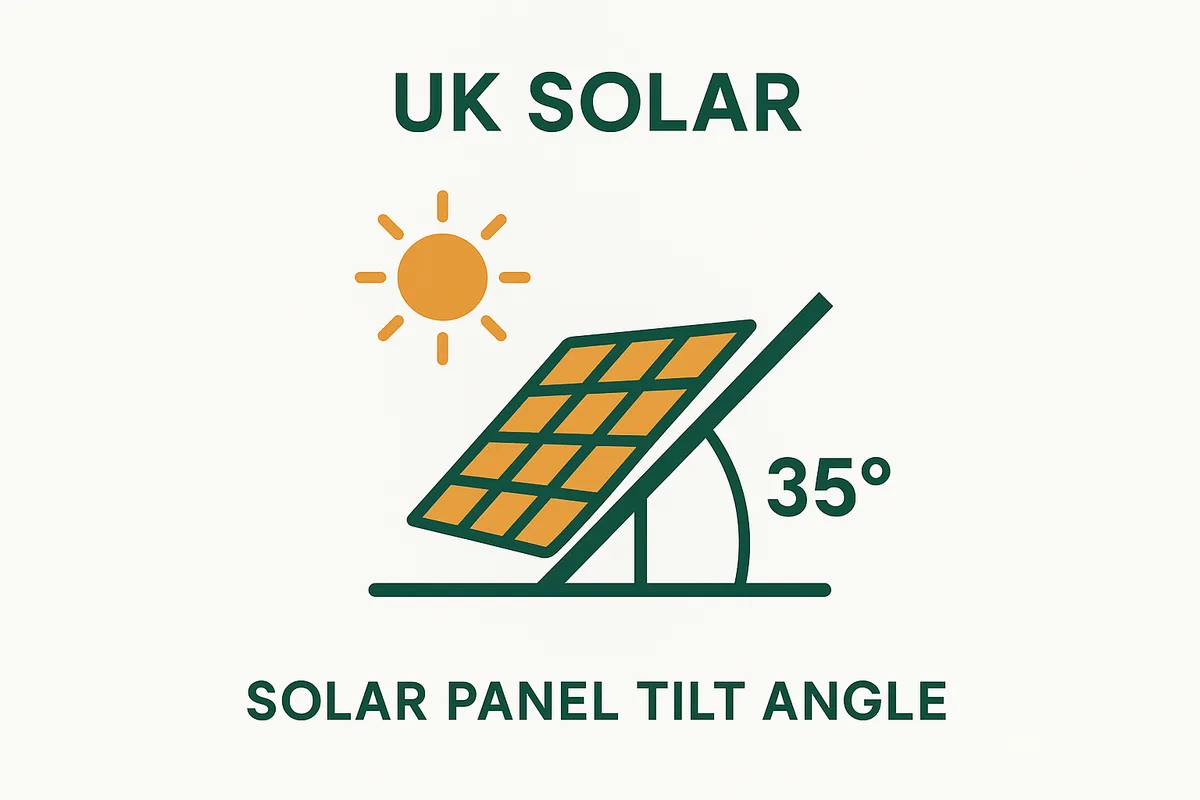
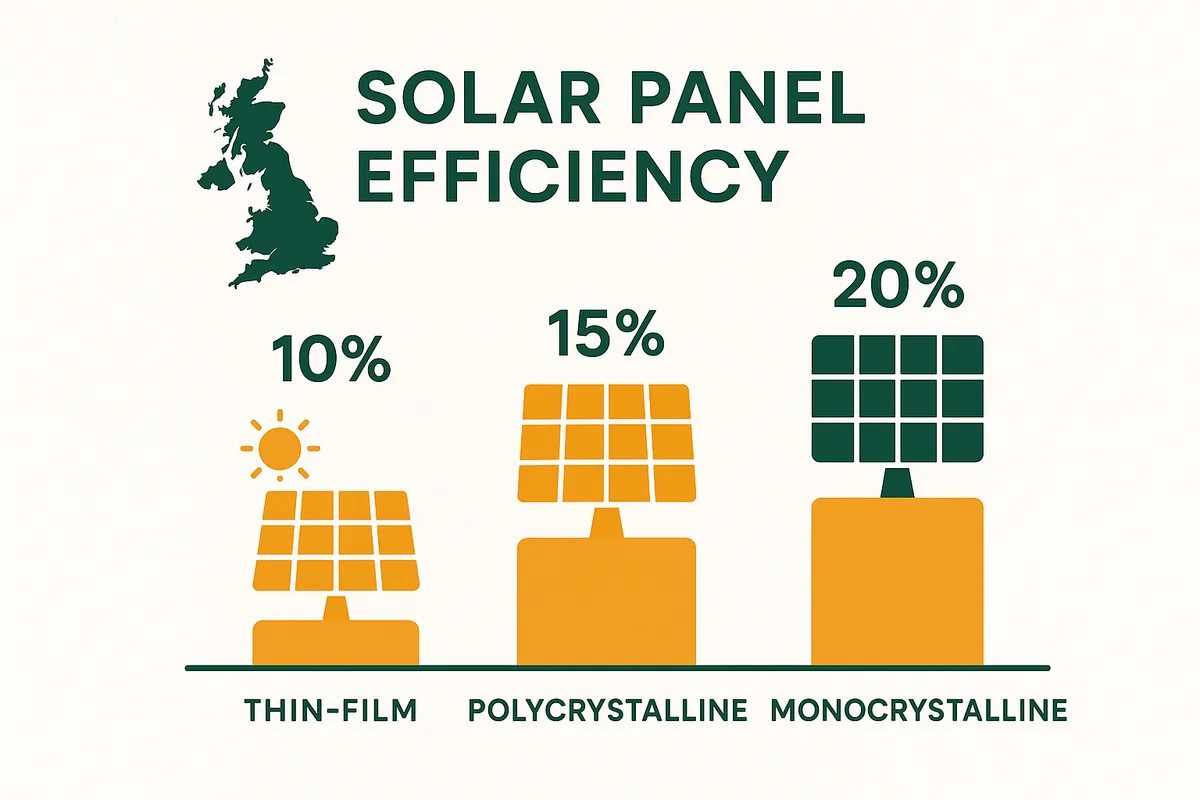
- Panel type — monocrystalline is most efficient per weight. Avoid amorphous/thin-film for portable use (low efficiency).
- Weight — if you are hiking, every gram matters. For car camping or caravans, weight is less important.
- Folding design — folding panels are easier to transport and store than rigid panels.
- Built-in charge controller — some panels include a charge controller; others require a separate one.
- Compatibility — check voltage and connector compatibility with your power station or battery.
- Water resistance — look for IP65 or higher rating for UK weather. Some budget panels are not waterproof.
- Kickstand — a built-in adjustable kickstand lets you angle the panel toward the sun for maximum output.
- Warranty — reputable brands offer 12–24 month warranties. No-name panels often have no warranty.
Power Stations: The Essential Companion
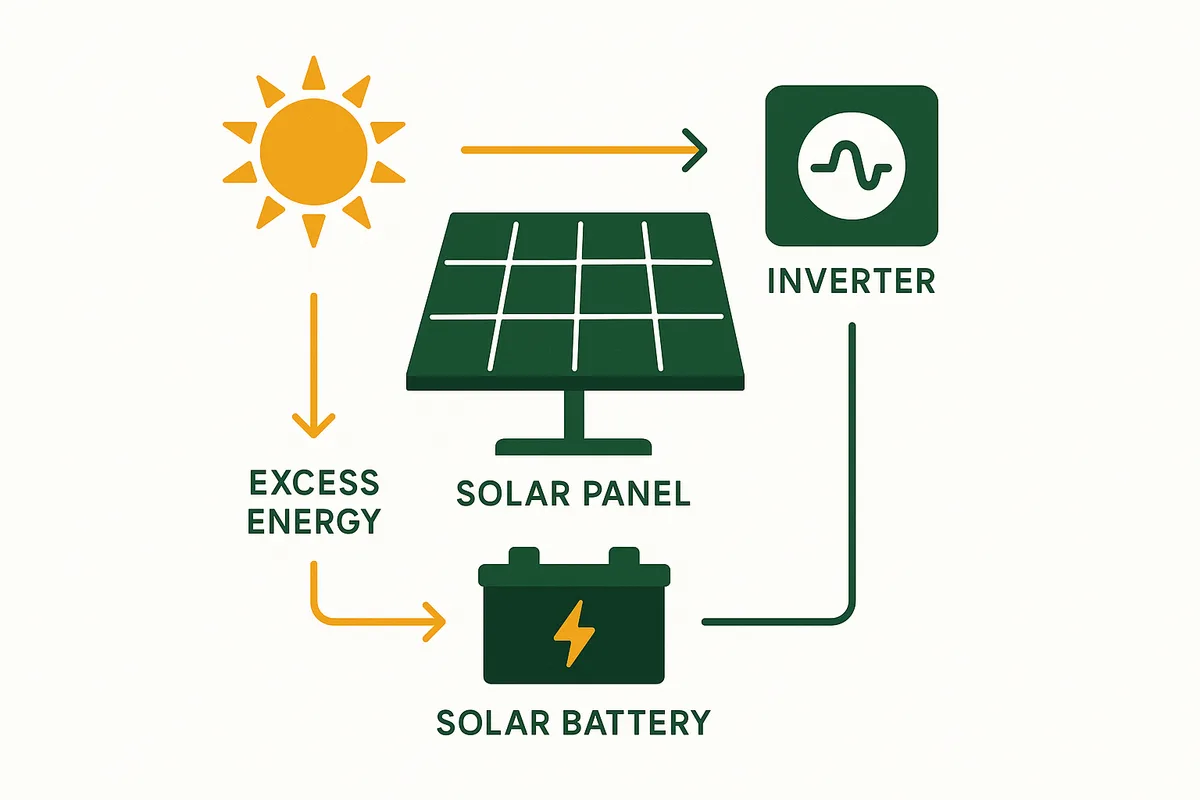
A portable solar panel generates DC electricity, but most devices need AC or regulated DC. A portable power station bridges this gap:
What a power station does: - Stores solar electricity in a lithium battery - Provides AC outlets (like a wall socket), USB ports, and 12V outputs - Regulates voltage and current for safe device charging - Provides power when the sun is not shining (evening, cloudy conditions)
Recommended power station sizes for UK camping: - 300 Wh (£200–£350): Phones, tablets, LED lights. 1–2 nights off-grid. - 500–700 Wh (£350–£600): Laptops, drone batteries, small fridge. 2–3 nights. - 1,000–1,500 Wh (£600–£1,200): Runs a cool box continuously, powers multiple devices, charges from 200W panel in one sunny day.
Top brands: EcoFlow, Jackery, Bluetti, Anker. All have UK availability and support.
Source: Manufacturer specifications; user reviews.
Frequently Asked Questions
Related guides
You might also like
Ready to see what solar could save you?
Get free, no-obligation quotes from MCS-certified installers in your area.
Get Free QuotesFree, no obligation. Takes 2 minutes.