Types of Solar Panels: Mono, Poly & Thin Film Explained
Ready to see what solar could save you?
Get free, no-obligation quotes from MCS-certified installers in your area.
Get Free QuotesFree, no obligation. Takes 2 minutes.
What are the different types of solar panels?
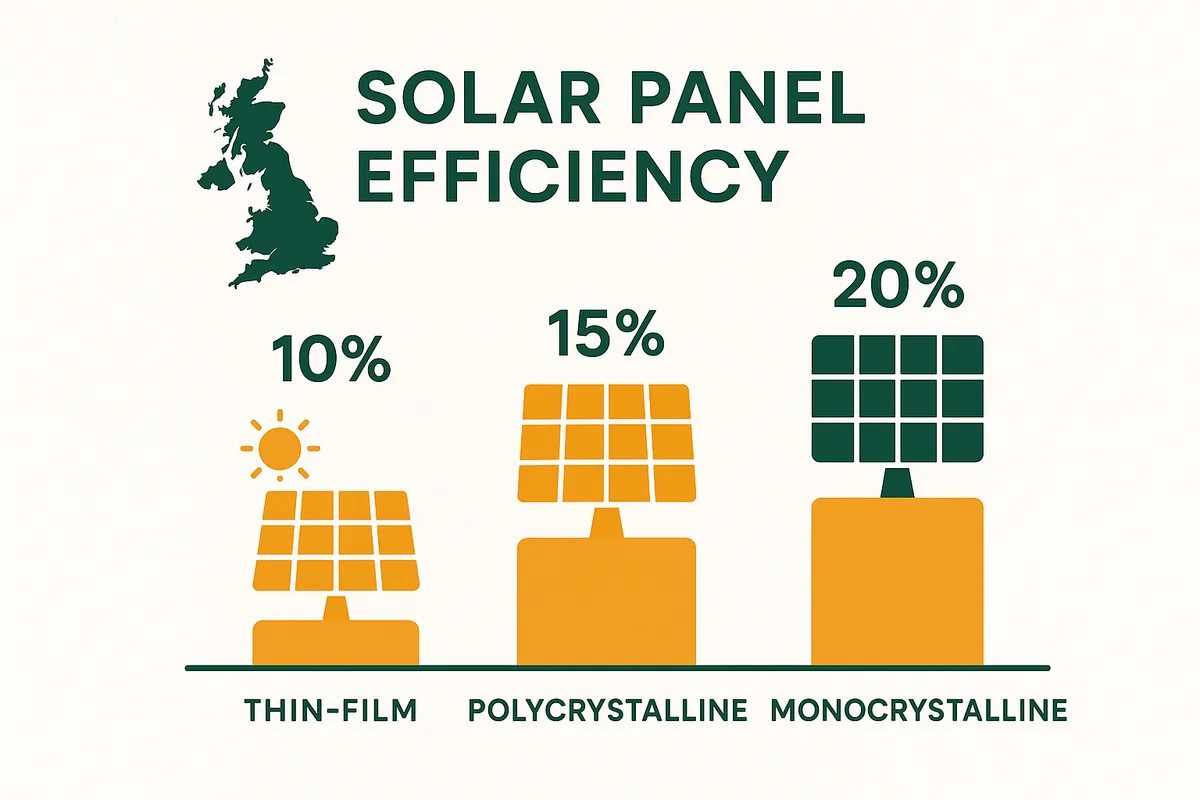
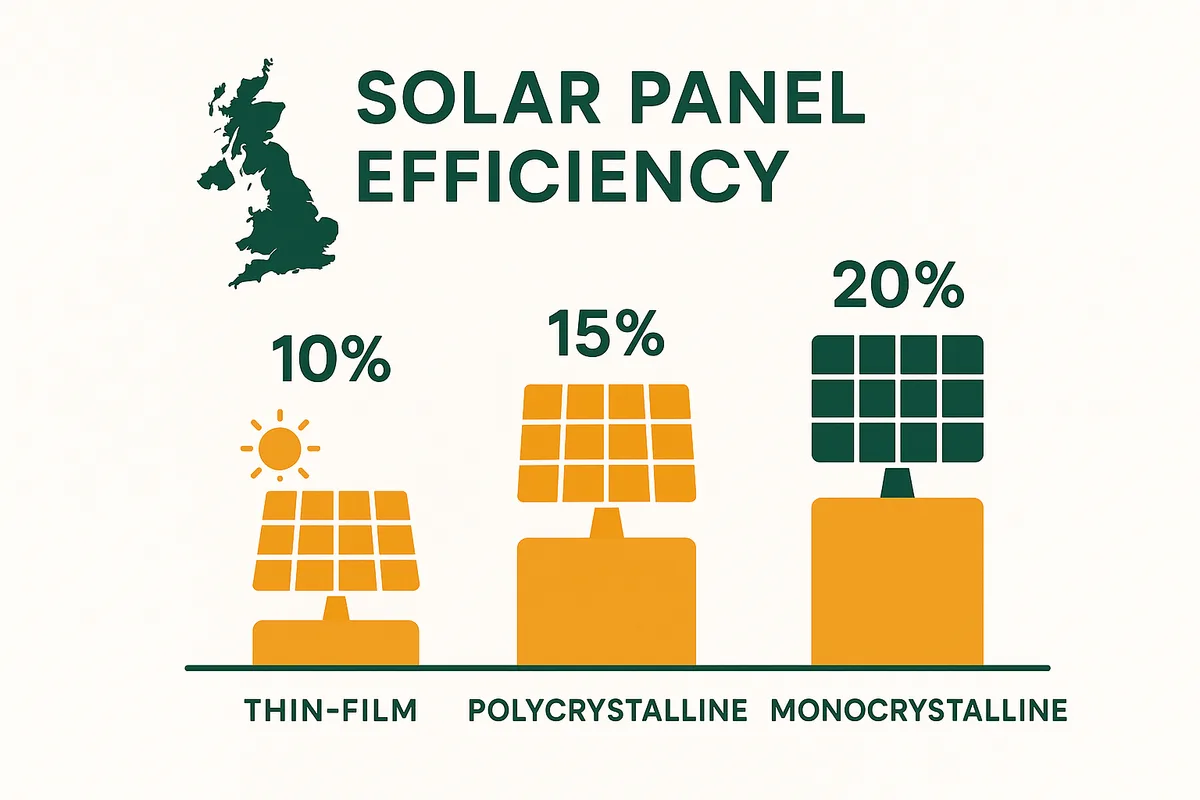
There are three types of solar panels: monocrystalline (20–22% efficiency, best for UK homes), polycrystalline (15–17% efficiency, lower cost), and thin-film (10–13% efficiency, specialist applications). For UK residential installations, monocrystalline panels are recommended — they produce more electricity per square metre, perform better in low light, and have dropped in price to near parity with polycrystalline.
Monocrystalline Solar Panels
What are monocrystalline solar panels?
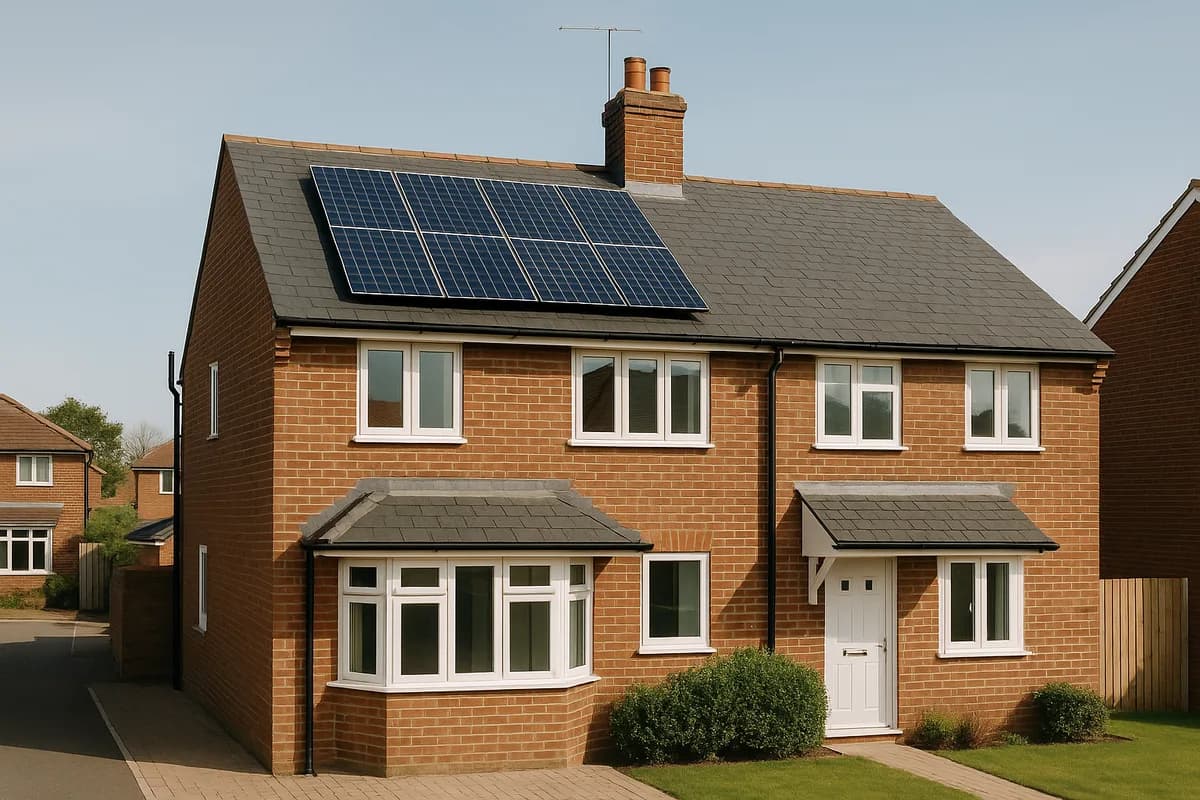
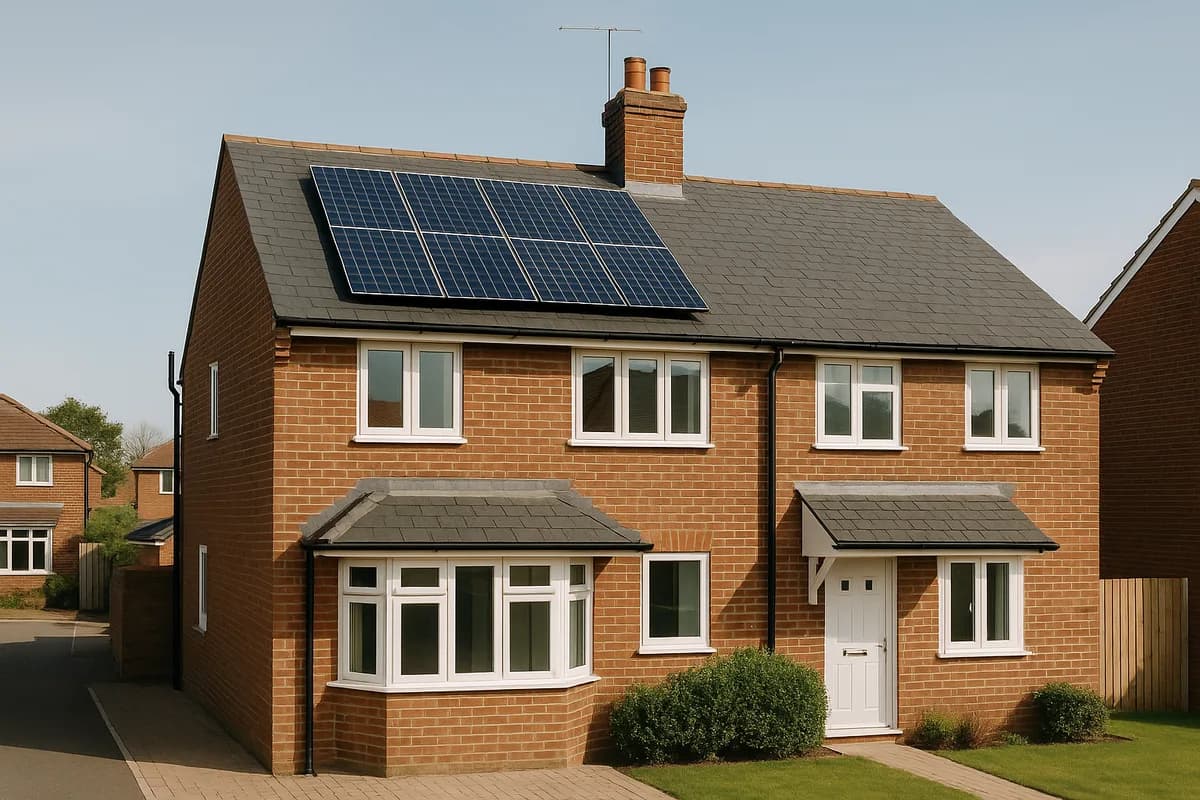
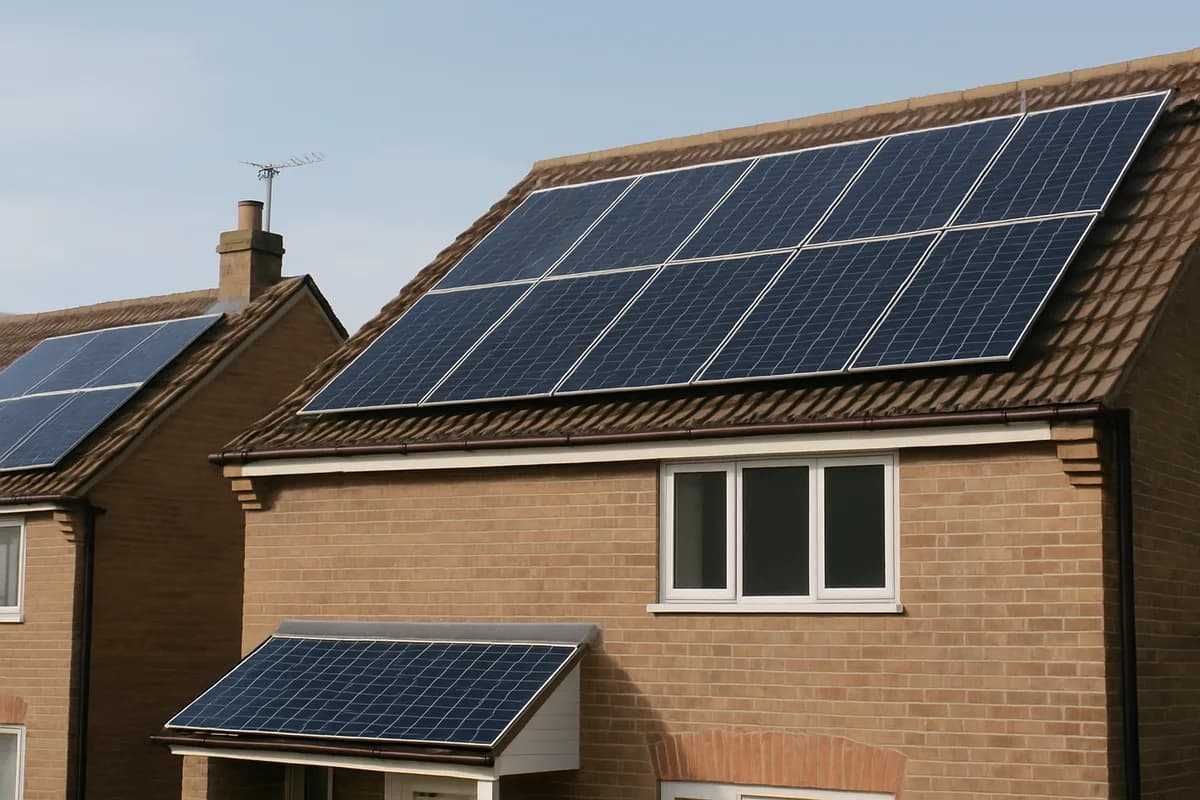
Monocrystalline panels are made from a single crystal of silicon, giving them a uniform dark appearance. They are the most efficient residential panel type at 20–22%, meaning they generate more electricity per square metre than any other type. They perform best in low-light conditions — ideal for the UK climate.
Efficiency: 20–22% (best residential option) Appearance: Uniform dark black or dark blue Lifespan: 25–30+ years Cost: £200–£350 per panel (400–450W) Best for: UK homes where roof space is limited and maximum output per panel matters
Advantages: - Highest efficiency — fewer panels needed for the same output - Best low-light performance — captures more energy on cloudy UK days - Longest lifespan and slowest degradation - Sleek, uniform appearance
Disadvantages: - Slightly more expensive per panel than polycrystalline - Production process uses more energy (though this is offset by higher lifetime output)
Top monocrystalline brands: SunPower (22.8%), REC Alpha (21.7%), LG NeON (21.4%), Longi Hi-MO (21.3%), JA Solar (21.0%)
Source: Manufacturer datasheets; IEC 61215 certified specifications.
Polycrystalline Solar Panels
What are polycrystalline solar panels?
Polycrystalline panels are made from multiple silicon crystals melted together, giving them a distinctive blue, speckled appearance. They are 15–17% efficient — lower than monocrystalline but still viable. They were historically the budget option, but the price gap has narrowed so much that most UK installers now default to monocrystalline.
Ready to see what solar could save you?
Get free, no-obligation quotes from MCS-certified installers in your area.
Get Free QuotesEfficiency: 15–17% Appearance: Blue with a visible crystal pattern Lifespan: 25+ years Cost: £150–£250 per panel (350–400W) Best for: Budget installations where roof space is not a constraint
Advantages: - Lower cost per panel - Proven, reliable technology - Slightly simpler manufacturing process
Disadvantages: - Lower efficiency — need more panels for the same output - Poorer low-light performance than monocrystalline - Less aesthetically pleasing (blue, speckled appearance) - Declining market share — many manufacturers now focus on monocrystalline
In 2026, the price difference between mono and poly is typically less than £50 per panel. Given the higher efficiency and better low-light performance of monocrystalline, polycrystalline panels are hard to recommend for new UK installations unless budget is extremely tight.
Source: Solar Energy UK market data; manufacturer pricing.
Thin-Film Solar Panels
Efficiency: 10–13% Appearance: Uniform dark surface, very slim profile Lifespan: 15–20 years (shorter than crystalline) Cost: Varies — often used in commercial/specialist applications Best for: Large commercial roofs, building-integrated PV (BIPV), curved surfaces
Thin-film panels are not commonly used in UK residential installations. They are made by depositing thin layers of photovoltaic material onto a substrate (glass, metal, or plastic). Technologies include CdTe (cadmium telluride), CIGS (copper indium gallium selenide), and amorphous silicon.
Advantages: - Lightweight and flexible - Can be integrated into building materials (roof tiles, facades) - Better performance in very hot climates (less relevant to UK) - Uniform appearance
Disadvantages: - Much lower efficiency — need roughly twice the roof area for the same output - Shorter lifespan than crystalline panels - Limited availability from UK residential installers - Not cost-effective for most UK homes
Unless you have a specific reason (curved roof, building-integrated design, or a very large commercial roof), thin-film is not recommended for UK residential use.
Source: NREL solar cell efficiency chart; IEC testing standards.
Which Type Should You Choose?
For almost every UK homeowner in 2026, the answer is monocrystalline. Here is why:
- The price gap with polycrystalline has nearly closed (less than £50/panel difference)
- Higher efficiency means fewer panels needed — critical on smaller UK roofs
- Better cloudy-day performance — important in the UK climate
- Longer effective lifespan and slower degradation
- Most UK installers now only offer monocrystalline as standard
The only exception: if you have a very large roof (e.g. agricultural building, warehouse) and budget is the primary concern, polycrystalline may still make sense due to slightly lower cost per panel.
For residential UK installations: choose monocrystalline. Do not overthink it.
Frequently Asked Questions
Related guides
Related: Home Heating Systems
Solar panels are most powerful when combined with an efficient heating system. Heat pumps use solar-generated electricity to heat your home at 300-400% efficiency — making them the ideal partner for solar.
A heat pump converts 1kWh of electricity into 3-4kWh of heat.
Heat pump installation typically takes 2-3 days and is best planned alongside solar.
From our sister site Home Heat Pump Guide
You might also like
Ready to see what solar could save you?
Get free, no-obligation quotes from MCS-certified installers in your area.
Get Free QuotesFree, no obligation. Takes 2 minutes.