Rural vs Urban Solar
Ready to see what solar could save you?
Get free, no-obligation quotes from MCS-certified installers in your area.
Get Free QuotesFree, no obligation. Takes 2 minutes.
Ready to see what solar could save you?
Get free, no-obligation quotes from MCS-certified installers in your area.
Get Free QuotesIs solar better in rural or urban areas?
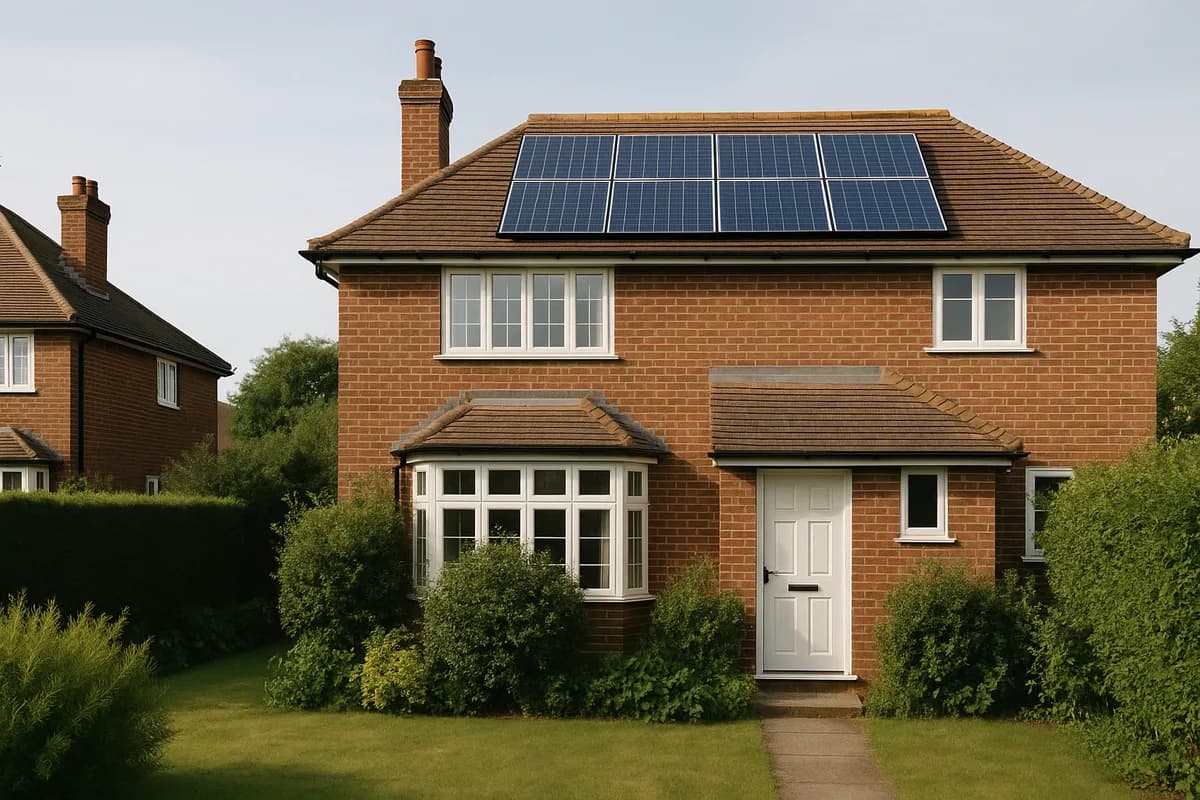
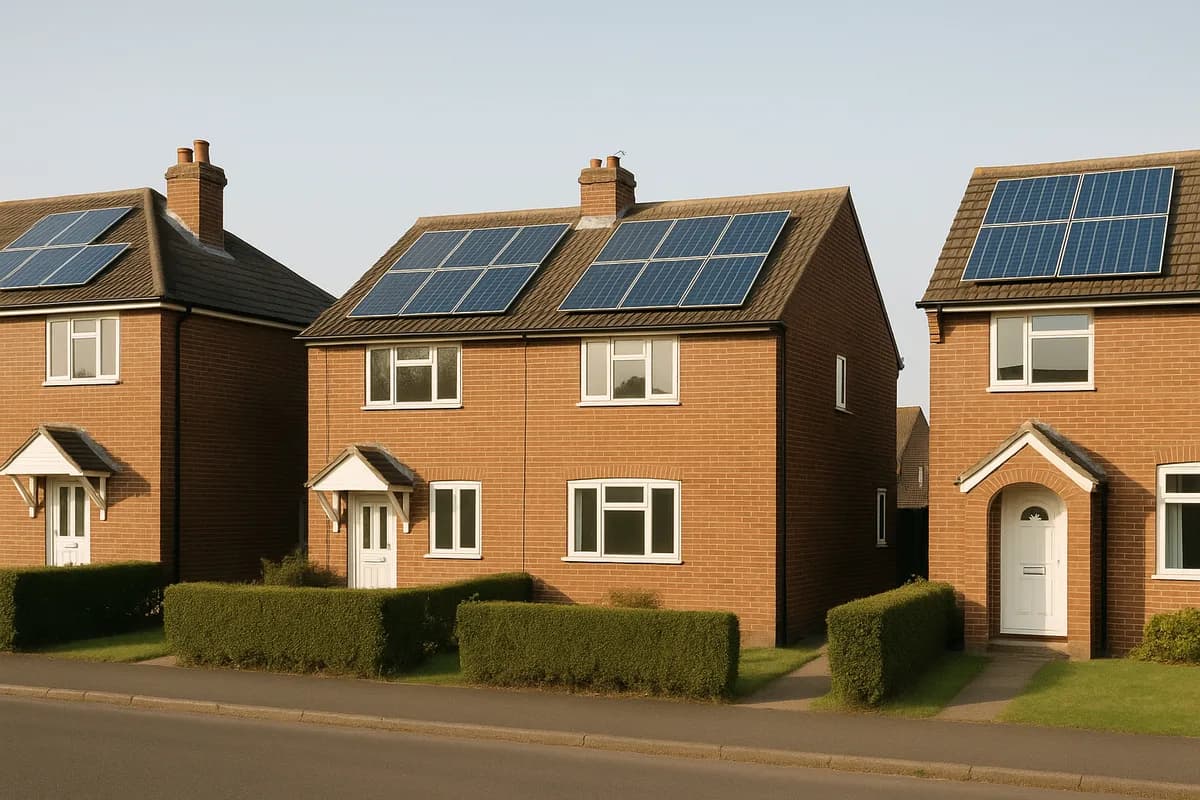
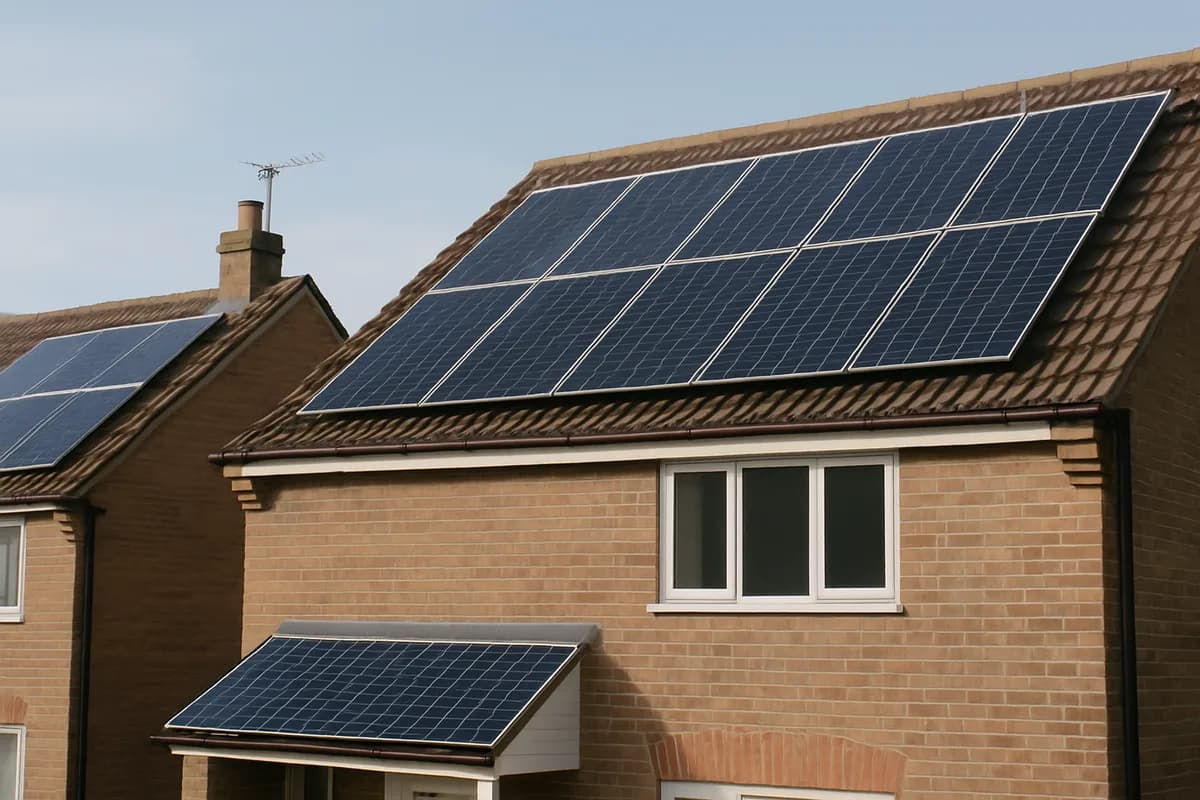
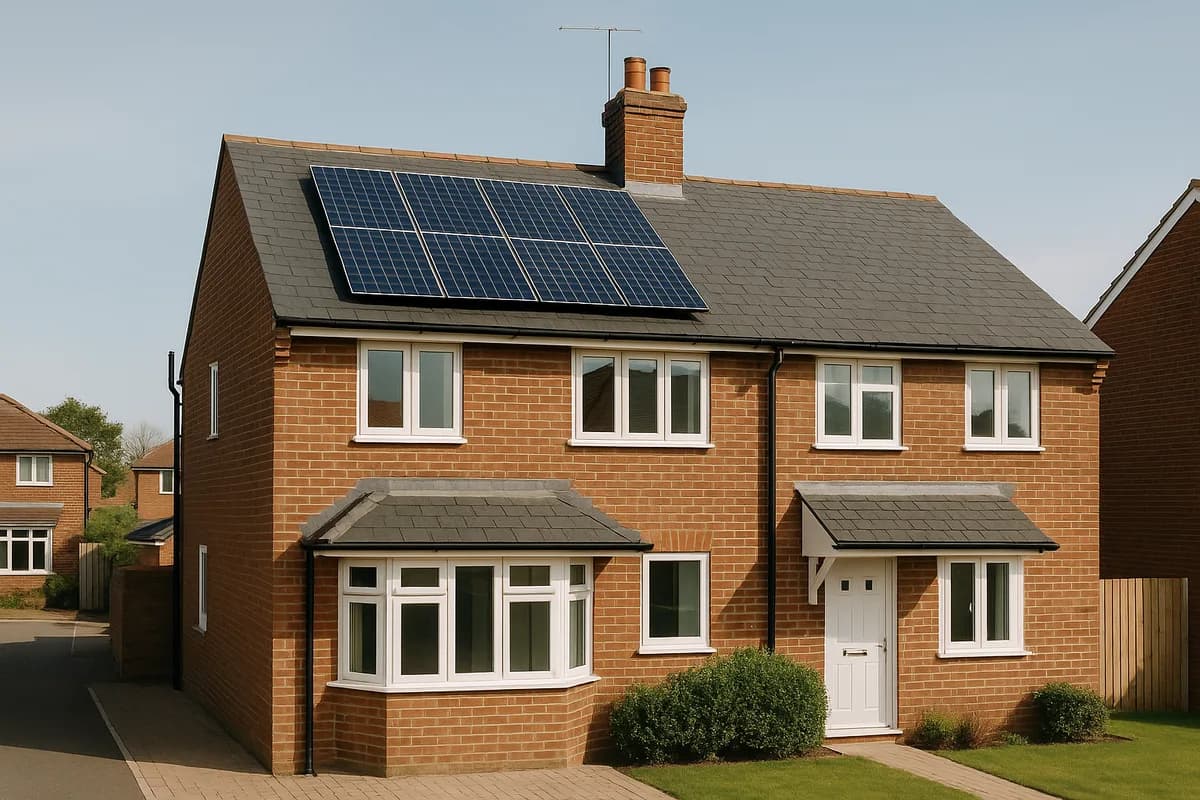
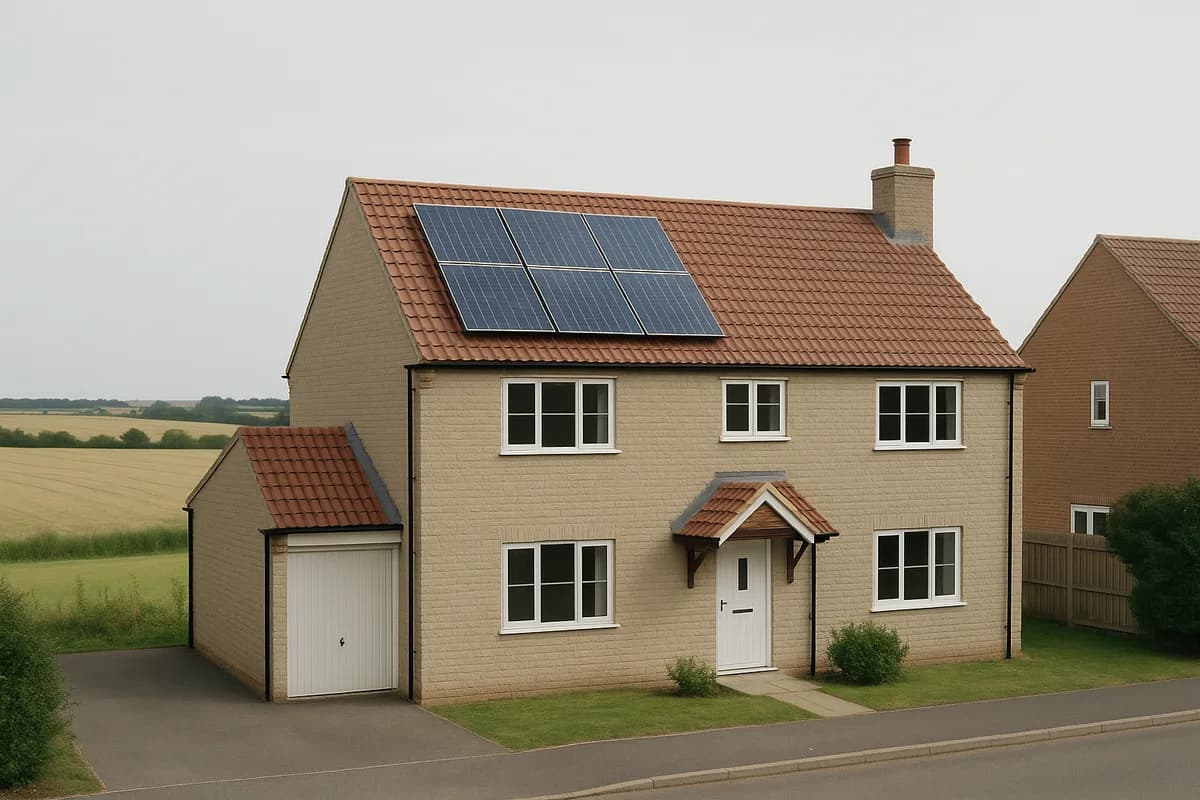
Rural vs urban solar comparison: RURAL HOMES: System size: 5-6kW (larger roofs). Shading: minimal (no adjacent buildings). Consumption: often higher (off-gas heating, farm equipment). Cost: 5-10% more (installer travel charges). Self-consumption: higher (more time at home, larger loads). ROI: 11-15% annually. URBAN HOMES: System size: 3-4kW (smaller roofs, terraced houses). Shading: common (adjacent buildings, trees). Consumption: average (2,900 kWh/yr). Cost: standard (competitive installer market). Self-consumption: lower if commuting. ROI: 8-12% annually. WINNER: Rural — larger systems, less shading, higher consumption = better returns despite slightly higher installation costs. But urban solar is still highly profitable. Sources: English Housing Survey (property types), BEIS consumption data, MCS installer data, ONS rural-urban classification.
Frequently Asked Questions
Related guides
Related: Home Heating Systems
Solar panels are most powerful when combined with an efficient heating system. Heat pumps use solar-generated electricity to heat your home at 300-400% efficiency — making them the ideal partner for solar.
Heat pump installation typically takes 2-3 days and is best planned alongside solar.
From our sister site Home Heat Pump Guide
You might also like
Ready to see what solar could save you?
Get free, no-obligation quotes from MCS-certified installers in your area.
Get Free QuotesFree, no obligation. Takes 2 minutes.