3kW Solar Panel System: Cost, Output & Savings
Find the right system size for your roof
Panel count depends on your electricity use, roof space and direction — not on a rule of thumb. Get a recommended size and what it should cost.
Size My SystemFree calculator. No contact details required to see your result.
How much does a 3kW solar system cost and produce?
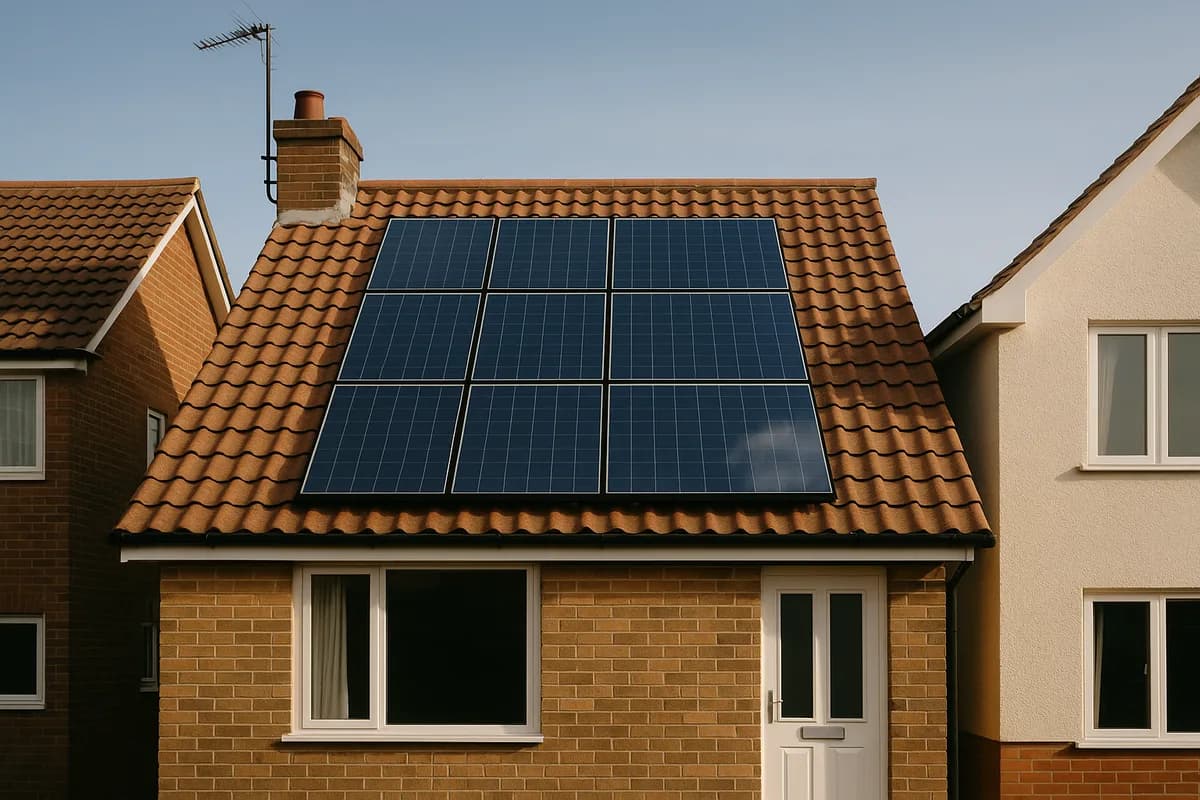
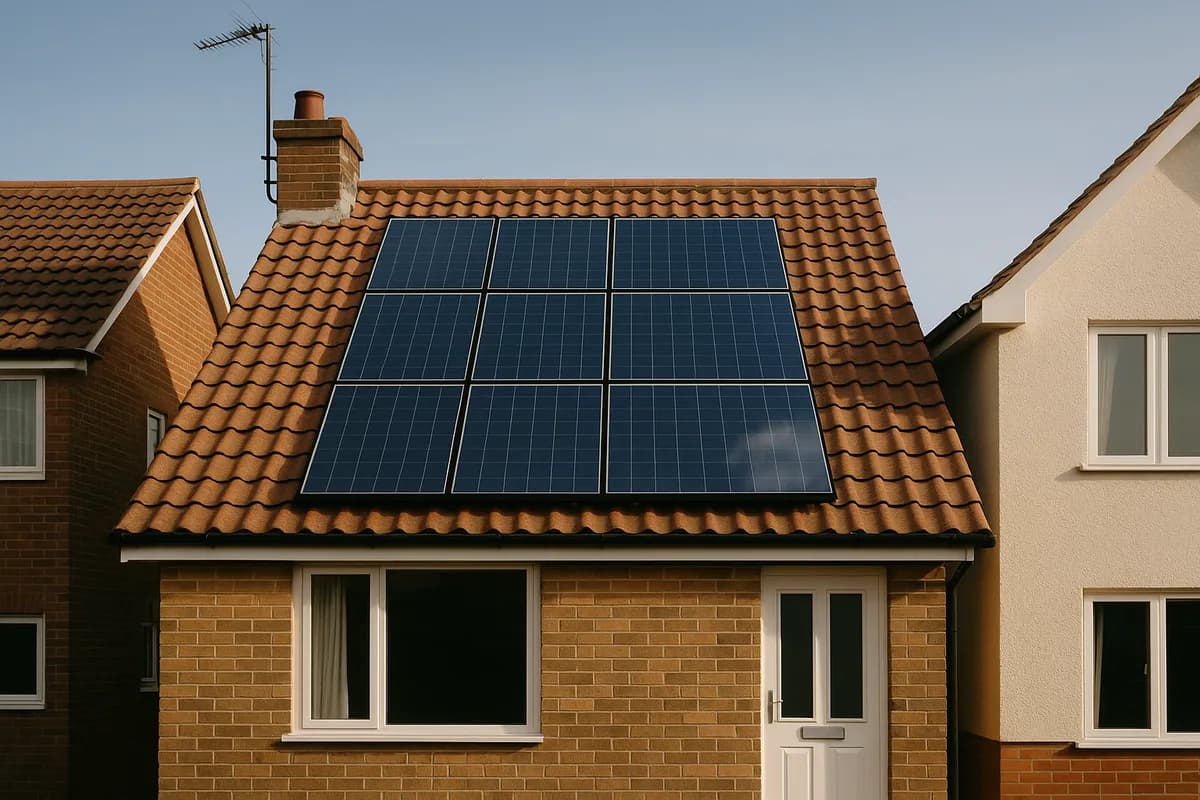
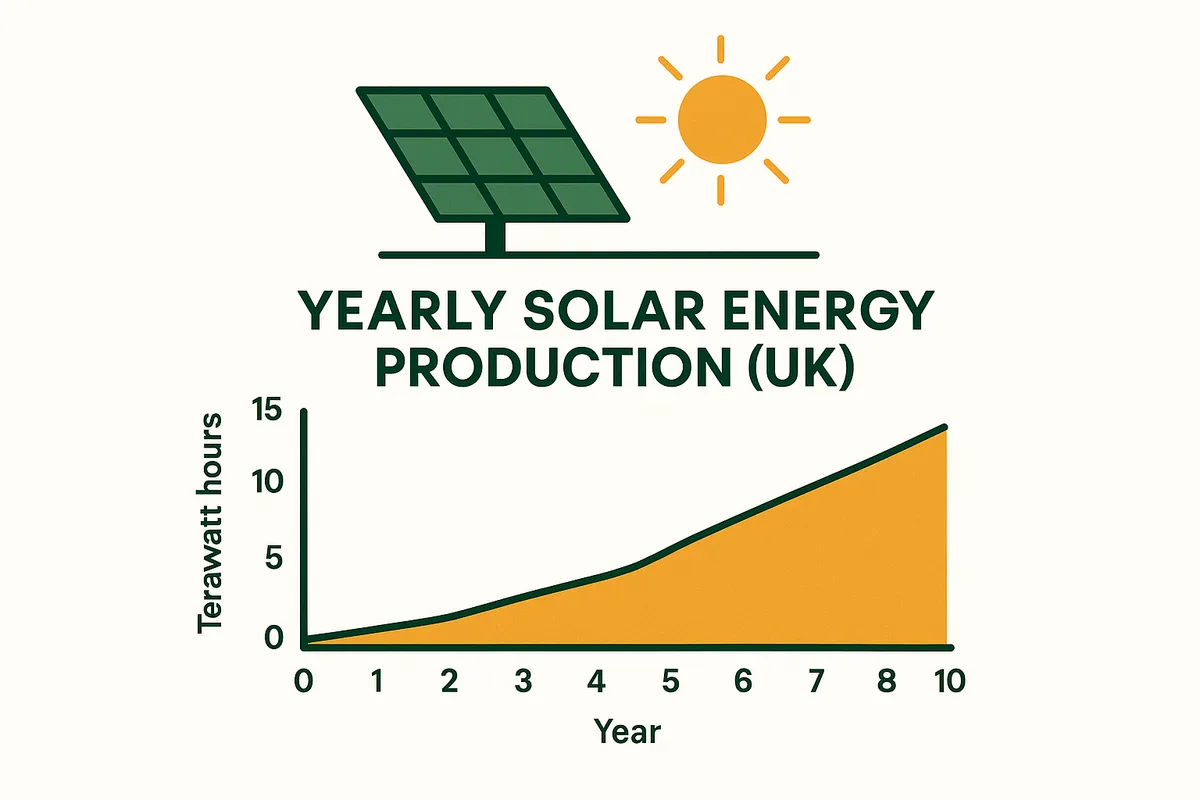
A 3kW solar panel system consists of 8 panels, costs £4,500–£6,500 installed (0% VAT), and generates 2,800–3,200 kWh per year. It covers 75–100% of a 1–2 bed home's electricity needs. Annual savings: £420–£550 without a battery. Payback: 9–13 years. The 3kW system is the smallest commonly installed residential size — it delivers genuine value on tight budgets and smaller roofs.
3kW System Specifications
System overview: - Panels: 8 × 375–400W monocrystalline - Total capacity: 3.0–3.2 kWp - Roof space needed: ~14 m² (8 panels at 1.7 m² each) - Weight on roof: ~160 kg total - Annual generation: 2,800–3,200 kWh (varies by location/orientation) - Inverter: 3kW string inverter or 8 micro-inverters
Cost breakdown: - Panels (8): £1,500–£2,800 - Inverter: £400–£800 - Mounting system: £250–£500 - Wiring and components: £150–£350 - Scaffolding: £200–£500 - Labour: £800–£1,500 - Total installed: £4,500–£6,500 (0% VAT)
Source: MCS installer pricing 2026.
Who Is a 3kW System Right For?
- 1–2 bed homes with lower electricity consumption (2,500–3,500 kWh/year)
- Terraced houses with limited roof space (14 m² minimum)
- Budget-conscious homeowners wanting the lowest entry cost
- Properties with only one suitable roof slope that fits 8 panels
- Retirement properties where consumption is moderate
- Second homes or holiday lets with lower average consumption
- Homeowners who want to start small and expand later
Financial Returns
Find the right system size for your roof
Panel count depends on your electricity use, roof space and direction — not on a rule of thumb. Get a recommended size and what it should cost.
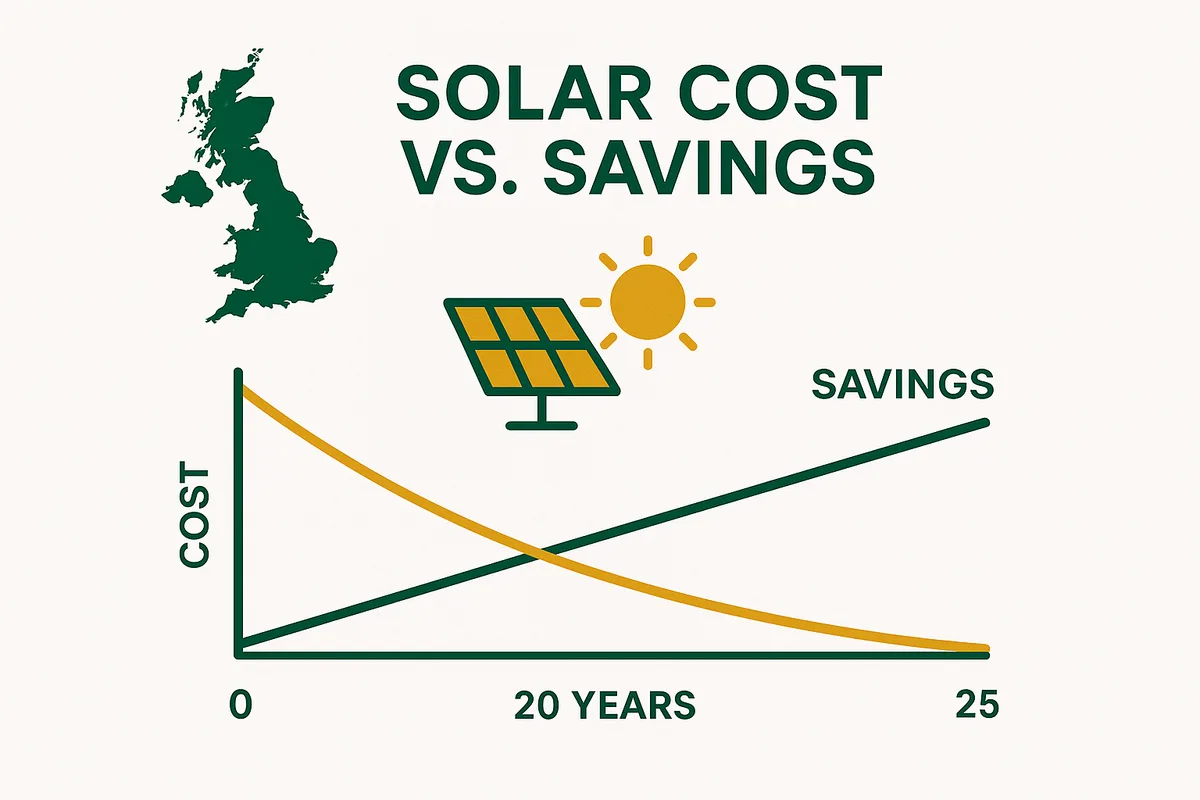
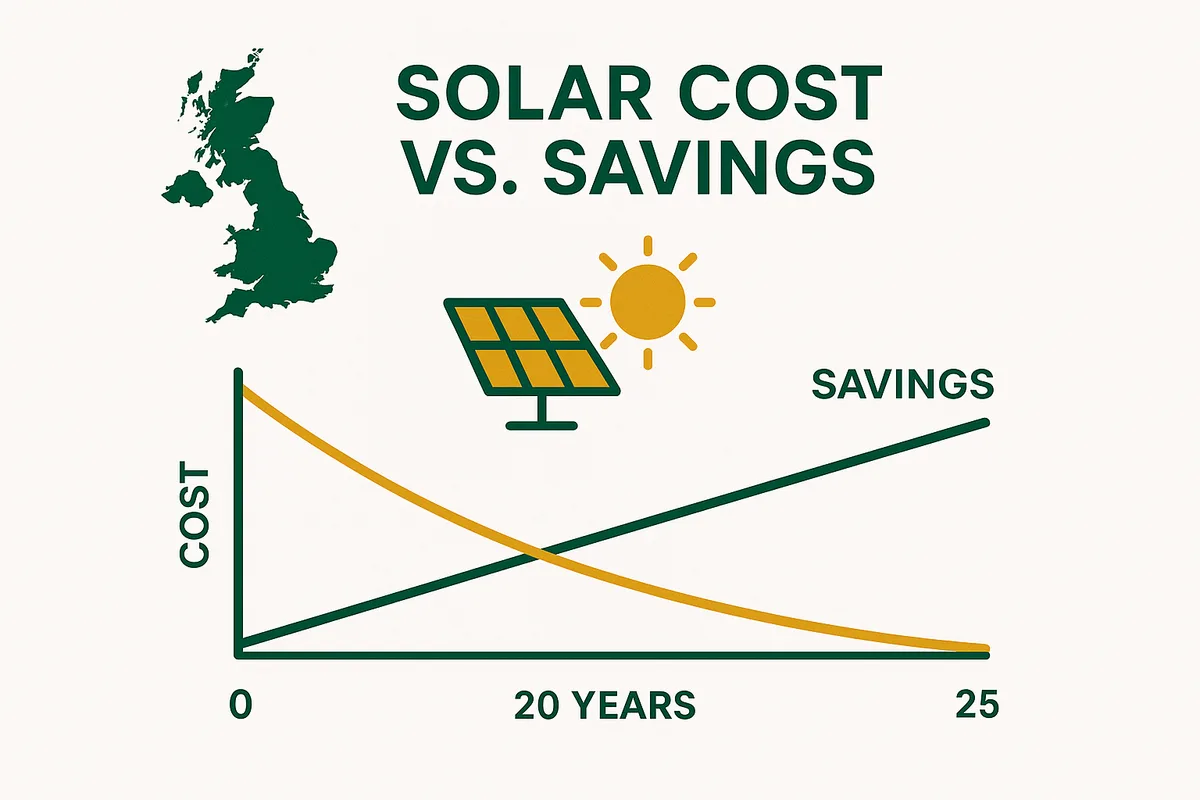
Size My System3kW without battery: - Annual generation: 3,000 kWh - Self-consumed (50%): 1,500 kWh × 26.11p = £392 - Exported (50%): 1,500 kWh × 4.5p = £68 - Total annual savings: £436 - Cost: £5,500 average - Payback: ~12.6 years - 25-year net saving: £5,400
3kW with 5kWh battery: - Self-consumed (75%): 2,250 kWh × 26.11p = £587 - Exported (25%): 750 kWh × 4.5p = £34 - Total annual savings: £585 - Cost: £5,500 + £3,000 (battery) = £8,500 - Payback: ~14.5 years - 25-year net saving: £6,125 (after battery replacement)
The 3kW system without battery delivers the best ROI percentage. Adding a battery improves absolute savings but stretches the payback.
Source: Ofgem price cap July-September 2026; PVGIS.
3kW vs 4kW: Should You Go Bigger?
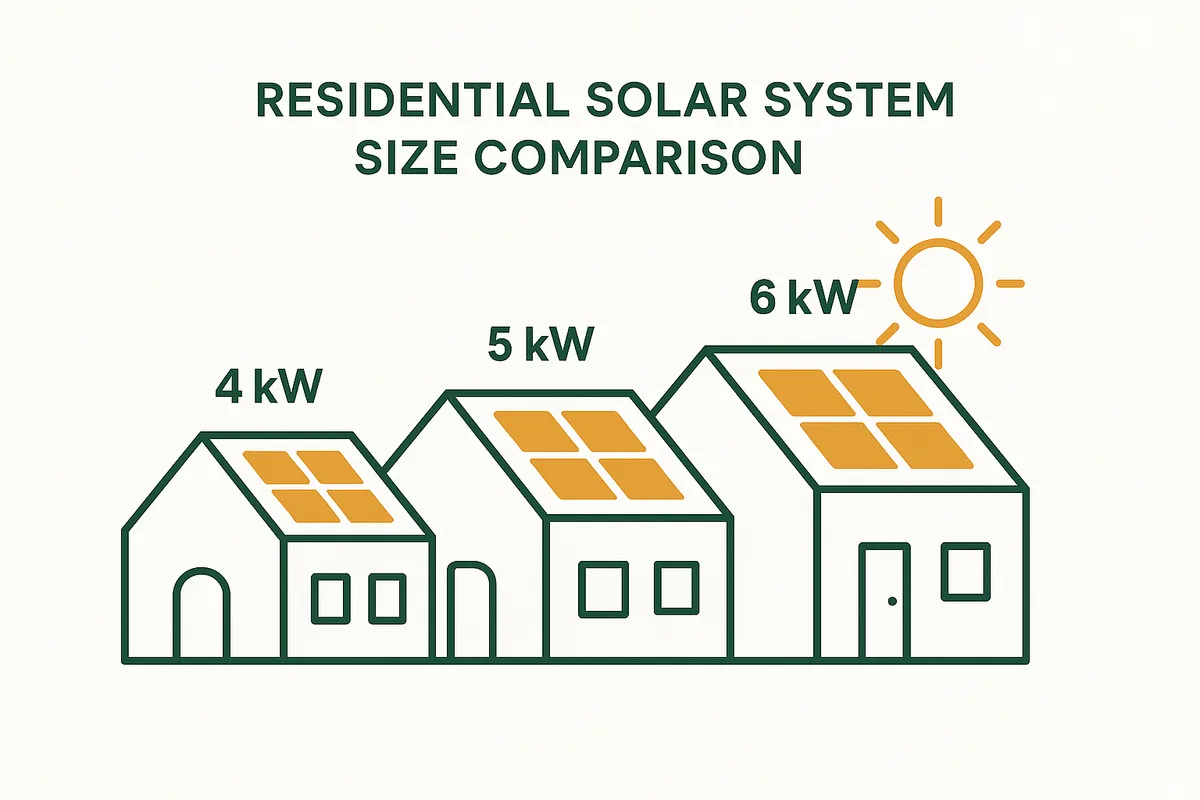
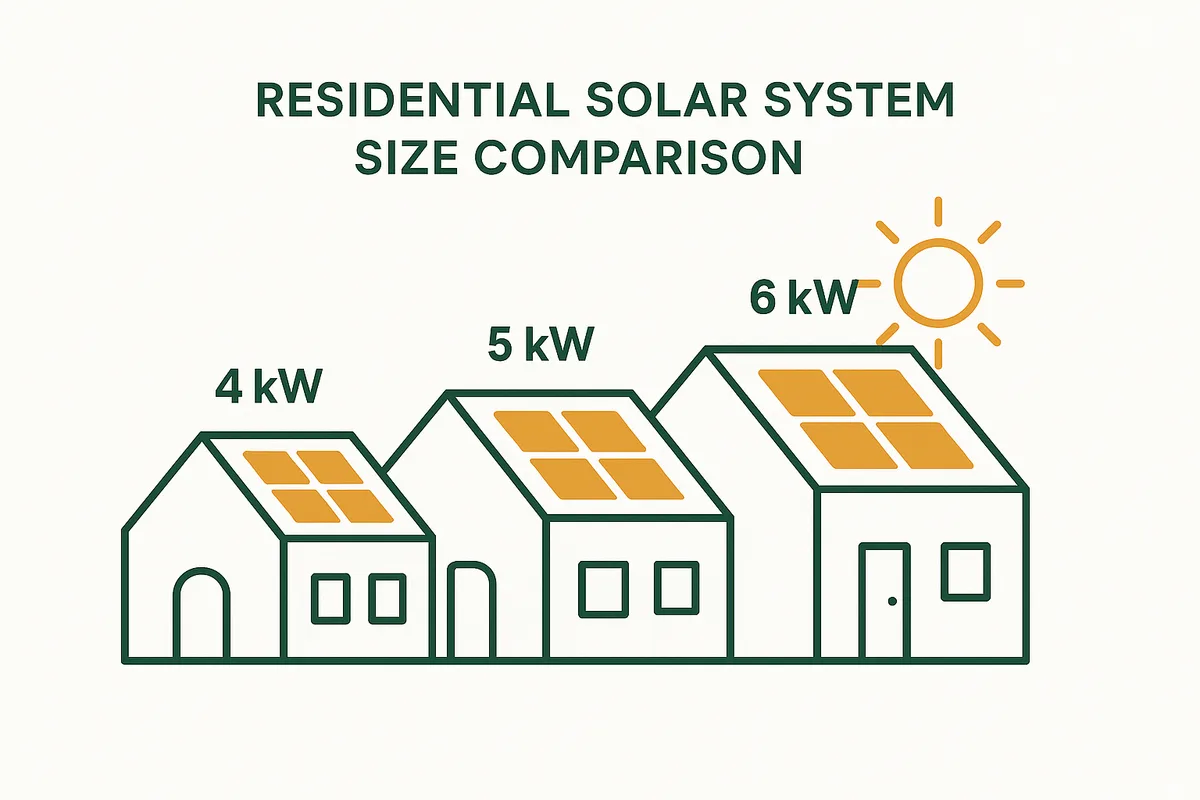
If your roof fits 10 panels instead of 8, the extra 2 panels make a 4kW system:
| Metric | 3kW (8 panels) | 4kW (10 panels) | Difference |
|---|---|---|---|
| Cost | £5,500 | £6,750 | +£1,250 |
| Annual gen | 3,000 kWh | 4,000 kWh | +1,000 kWh |
| Annual savings | £436 | £580 | +£144 |
| Payback | 12.6 years | 11.6 years | 1 year faster |
| 25yr net | £5,400 | £7,750 | +£2,350 more |
The extra £1,250 for 2 more panels returns £144/year — a payback of 8.7 years on the marginal investment. If your roof allows it, go 4kW.
Only choose 3kW if: roof space genuinely limits you to 8 panels, or budget is an absolute constraint.
Source: MCS installer pricing; PVGIS yield data.
Monthly Output Profile
A 3kW system in the Midlands generates approximately:
- January: 75 kWh
- February: 110 kWh
- March: 225 kWh
- April: 315 kWh
- May: 375 kWh
- June: 390 kWh (peak)
- July: 375 kWh
- August: 340 kWh
- September: 260 kWh
- October: 165 kWh
- November: 90 kWh
- December: 60 kWh
- Annual total: ~2,780 kWh
Summer months (April–September) contribute approximately 70% of annual generation.
Source: PVGIS monthly irradiance data.
Frequently Asked Questions
Related guides
Related: Home Heating Systems
Solar panels are most powerful when combined with an efficient heating system. Heat pumps use solar-generated electricity to heat your home at 300-400% efficiency — making them the ideal partner for solar.
Heat pumps use electricity at 300-400% efficiency, making them ideal partners for solar.
From our sister site Home Heat Pump Guide
You might also like
Find the right system size for your roof
Panel count depends on your electricity use, roof space and direction — not on a rule of thumb. Get a recommended size and what it should cost.
Size My SystemFree calculator. No contact details required to see your result.