Best SEG Tariff 2026: Compare Rates
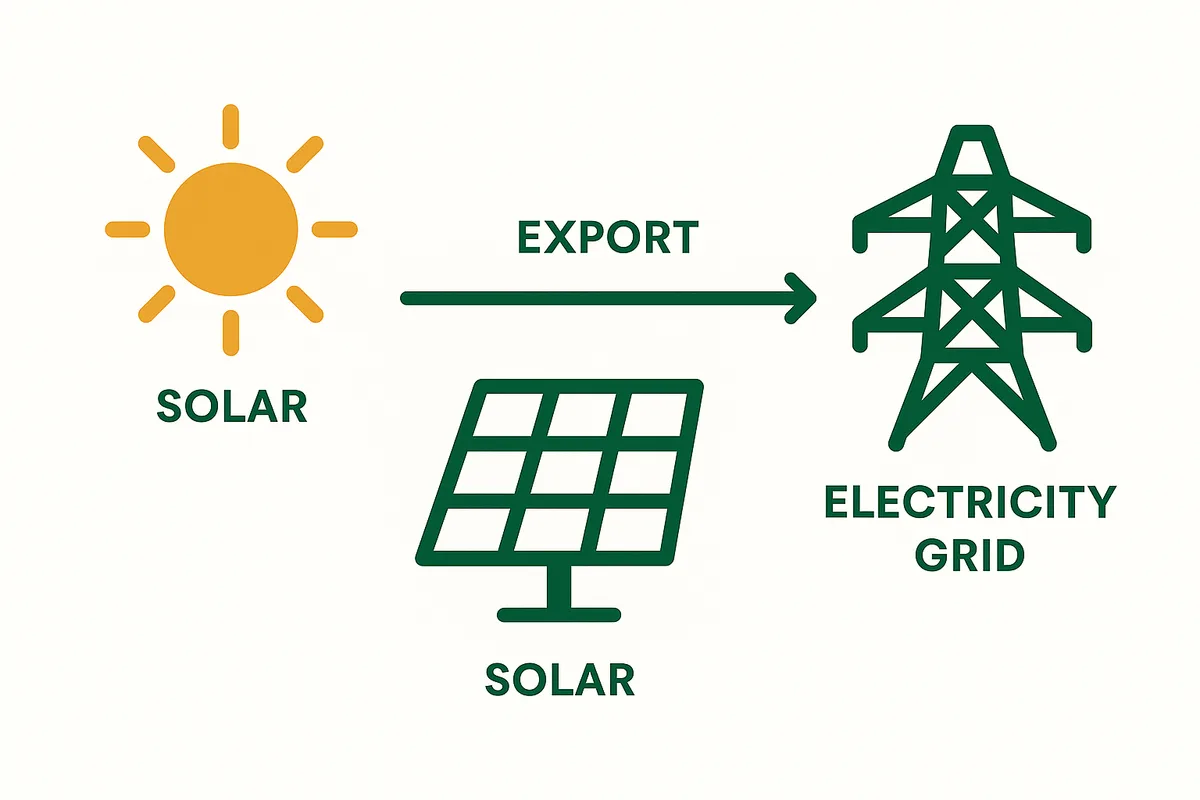
Want to know what system suits this tariff?
Export tariffs pay very differently depending on your system size and whether you have a battery. See what setup would actually earn you the most at your home.
Size a System for This TariffFree. Uses your postcode and usage — no phone number needed.
What is the best SEG tariff in the UK?
The best SEG tariff in 2026 depends on your setup. For fixed rates (no battery): British Gas (~5.6p/kWh) or E.ON Next (~5.5p/kWh) are the best. For variable rates (with battery): Octopus Flux (8–24p/kWh time-dependent) earns the most through peak-time export. On 2,000 kWh of annual exports, the difference between the worst (4.1p) and best (average 12p with Flux) tariff is £158/year — worth 10 minutes of switching.
2026 SEG Rate Comparison
Fixed SEG tariffs (stable, predictable income):
| Supplier | SEG Rate | Annual Income (2,000 kWh) |
|---|---|---|
| Octopus Energy (Fixed Export) | 4.1p/kWh | £82 |
| British Gas (Solar Export) | 5.6p/kWh | £112 |
| E.ON Next (Solar Export) | 5.5p/kWh | £110 |
| EDF (Export) | 5.0p/kWh | £100 |
| Scottish Power (Export) | 4.5p/kWh | £90 |
| OVO Energy (Export) | 4.0p/kWh | £80 |
| Shell Energy (Export) | 4.5p/kWh | £90 |
Variable SEG tariffs (higher potential, varies by time):
| Supplier | Rate Structure | Peak Rate | Avg Effective Rate |
|---|---|---|---|
| Octopus Flux (Export) | 3 periods | 24p (16:00–19:00) | ~12p average |
| Octopus Agile Outgoing | Half-hourly | Up to 30p+ (variable) | ~8p average |
Income comparison on 2,000 kWh annual export: - Worst fixed (OVO 4.0p): £80/year - Best fixed (British Gas 5.6p): £112/year - Octopus Flux (average 12p with battery): £240/year
Difference between worst and best: £160/year. Over 25 years: £4,000.
*Rates correct as of March 2026. SEG rates change — check supplier websites for current rates.*
Source: Supplier published SEG rates March 2026.
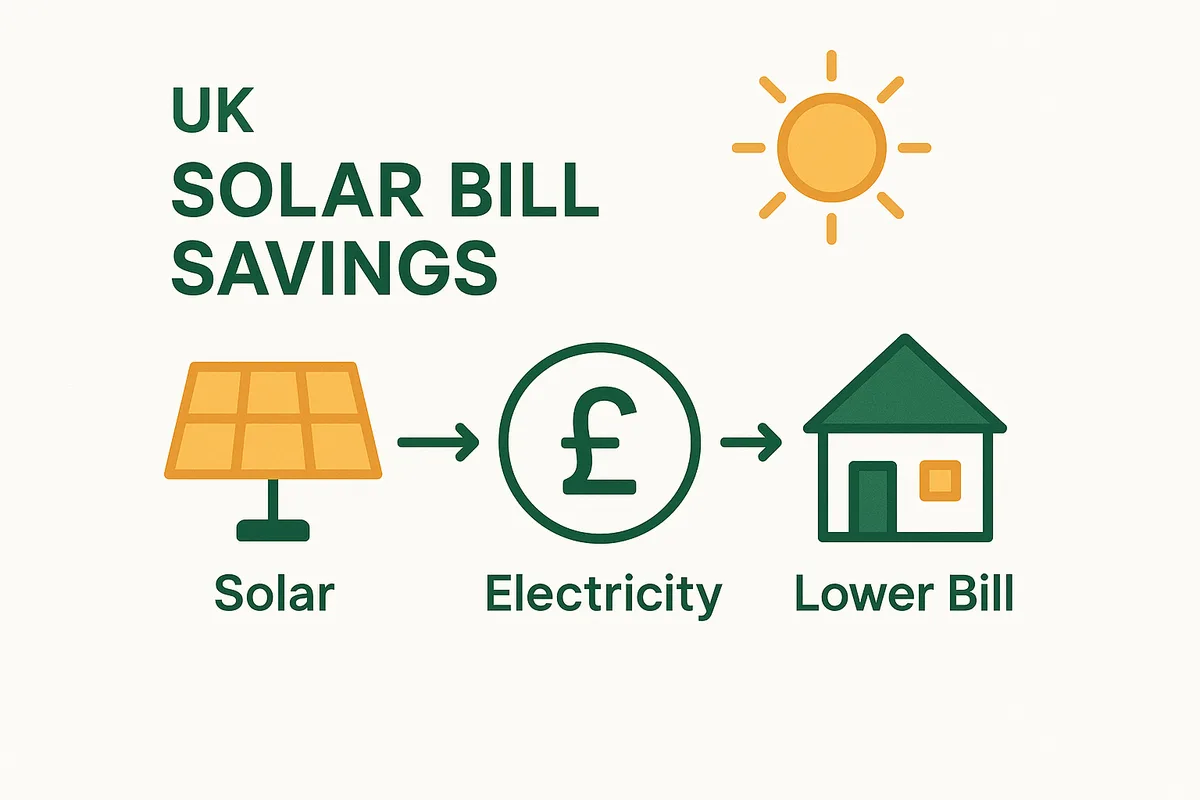
Which SEG Tariff Is Best for You?
No battery (most homeowners): - Choose the highest fixed rate — British Gas (5.6p) or E.ON (5.5p) - Your export happens throughout the day whenever solar exceeds consumption - Fixed rates give predictable income regardless of when you export - Variable rates (Flux) are less valuable because you cannot control WHEN you export
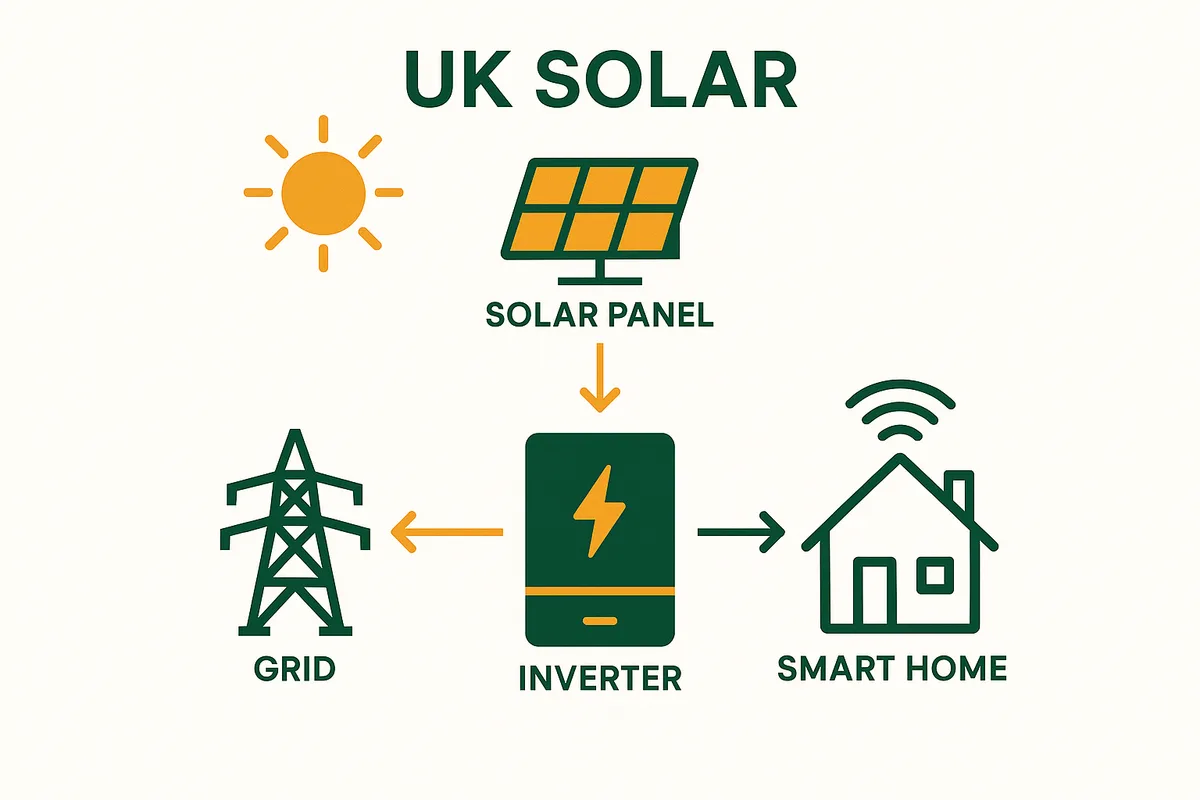
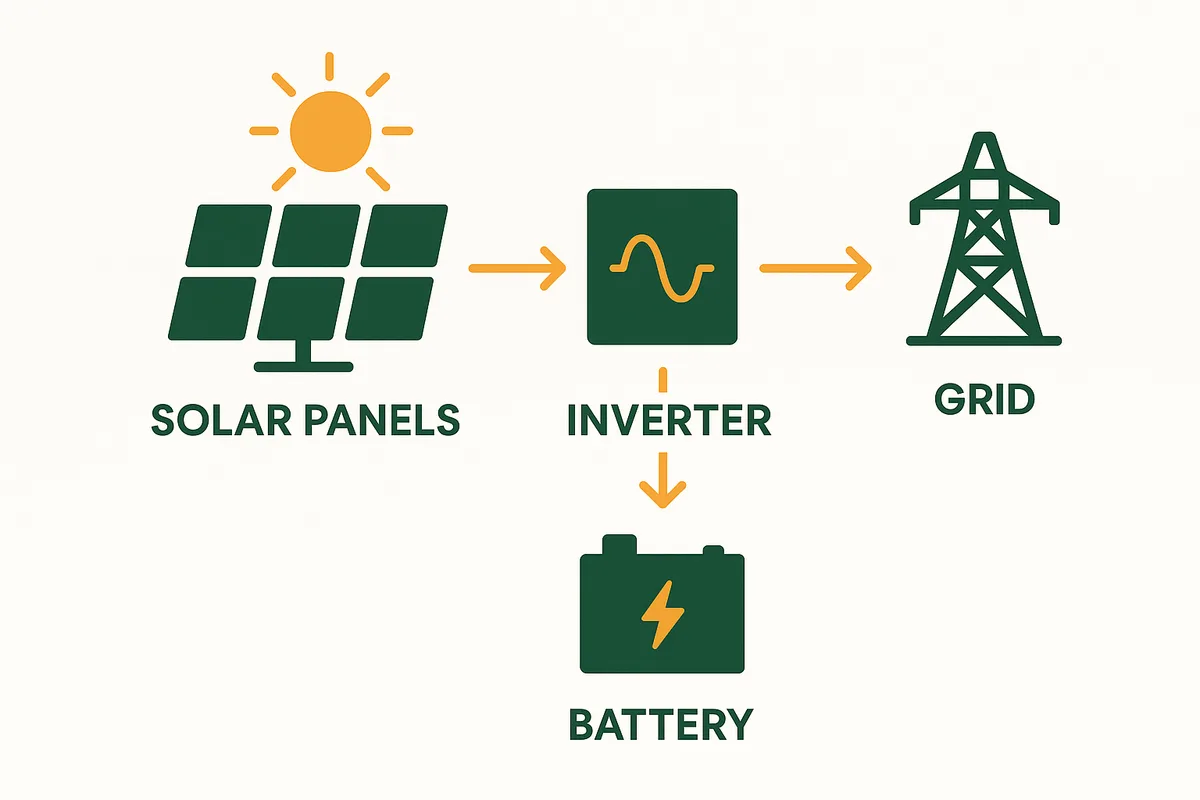
With battery: - Choose Octopus Flux — you can control when to export - Charge battery from solar during the day - Export from battery during 16:00–19:00 peak at 24p/kWh - Recharge battery from grid overnight at 10p/kWh - This earns 3–5x more than a fixed SEG rate
With battery + automated inverter (GivEnergy): - Flux is automatic — the inverter has built-in Flux mode - Set and forget — the system optimises import/export timing for you - This is the highest-earning combination available to UK solar owners
Source: SEG tariff analysis; battery + tariff optimisation modelling.
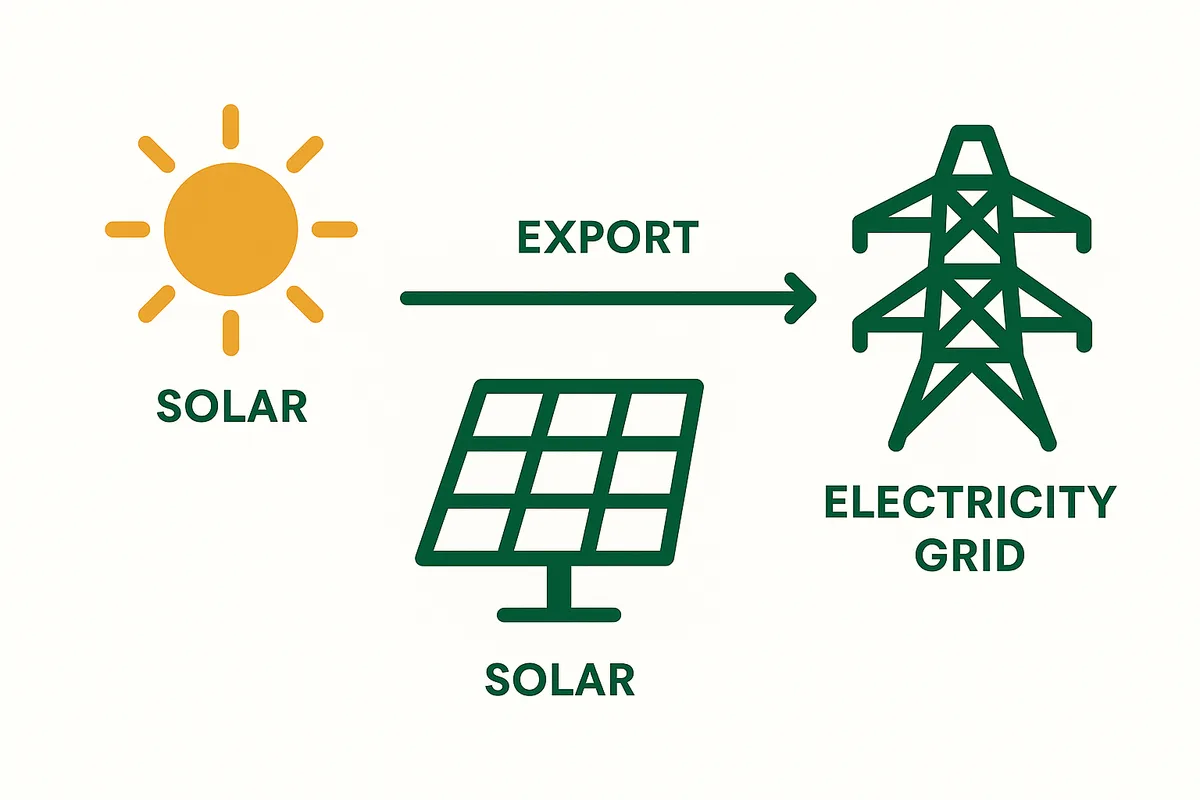
Want to know what system suits this tariff?
Export tariffs pay very differently depending on your system size and whether you have a battery. See what setup would actually earn you the most at your home.
Size a System for This TariffHow to Switch SEG Provider
Switching is free and takes about 10 minutes:
- Compare current rates — check the table above or supplier websites for the latest rates
- You do NOT need to switch your electricity supply — SEG can be with any supplier, independent of your import tariff
- Contact your new SEG supplier — register online with your MCS certificate and smart meter MPAN
- Cancel with your old SEG supplier — some switch automatically, others need a cancellation
- New payments start from the registration date — not backdated
- No exit fees — SEG contracts have no lock-in period
- Check rates every 6–12 months — suppliers change SEG rates regularly
Maximising SEG Income
- Choose the best rate — switching from 4p to 5.6p earns £32/year more on 2,000 kWh. Over 25 years: £800 for 10 minutes of work.
- Export during peak if on Flux — use battery to shift export to 16:00–19:00 peak window
- Reduce self-consumption if exporting at high rates — counterintuitive, but exporting at 24p is better than self-consuming at 26.11p only marginally. At Flux peak rates, exporting IS the best use.
- Monitor export data — your smart meter and SEG supplier show exactly how much you export. Verify payments match.
- Stack with self-consumption — SEG income is a bonus on top of self-consumption savings. Maximise self-consumption first, then earn SEG on genuine surplus.
- Consider seasonal patterns — you export more in summer (high generation, lower consumption). Switch to the best summer rate if suppliers offer seasonal deals.
SEG Requirements Reminder
To receive SEG payments you need: 1. MCS-certified solar installation (MCS certificate required) 2. Smart meter (SMETS2 recommended) recording export data 3. System size under 5MW (all residential systems qualify) 4. Registration with a participating SEG supplier
You do NOT need: - To be a customer of the SEG supplier (any licensed supplier will do) - To have a specific inverter or panel brand - To export a minimum amount - To sign a long-term contract
If you have not registered for SEG yet, you are leaving money on the table. Register today.
Source: Ofgem SEG participation requirements.

Frequently Asked Questions
Related guides
You might also like
Want to know what system suits this tariff?
Export tariffs pay very differently depending on your system size and whether you have a battery. See what setup would actually earn you the most at your home.
Size a System for This TariffFree. Uses your postcode and usage — no phone number needed.