Octopus Export Tariffs Compared
Want to know what system suits this tariff?
Export tariffs pay very differently depending on your system size and whether you have a battery. See what setup would actually earn you the most at your home.
Size a System for This TariffFree. Uses your postcode and usage — no phone number needed.
Is Octopus Flux worth it for solar owners?
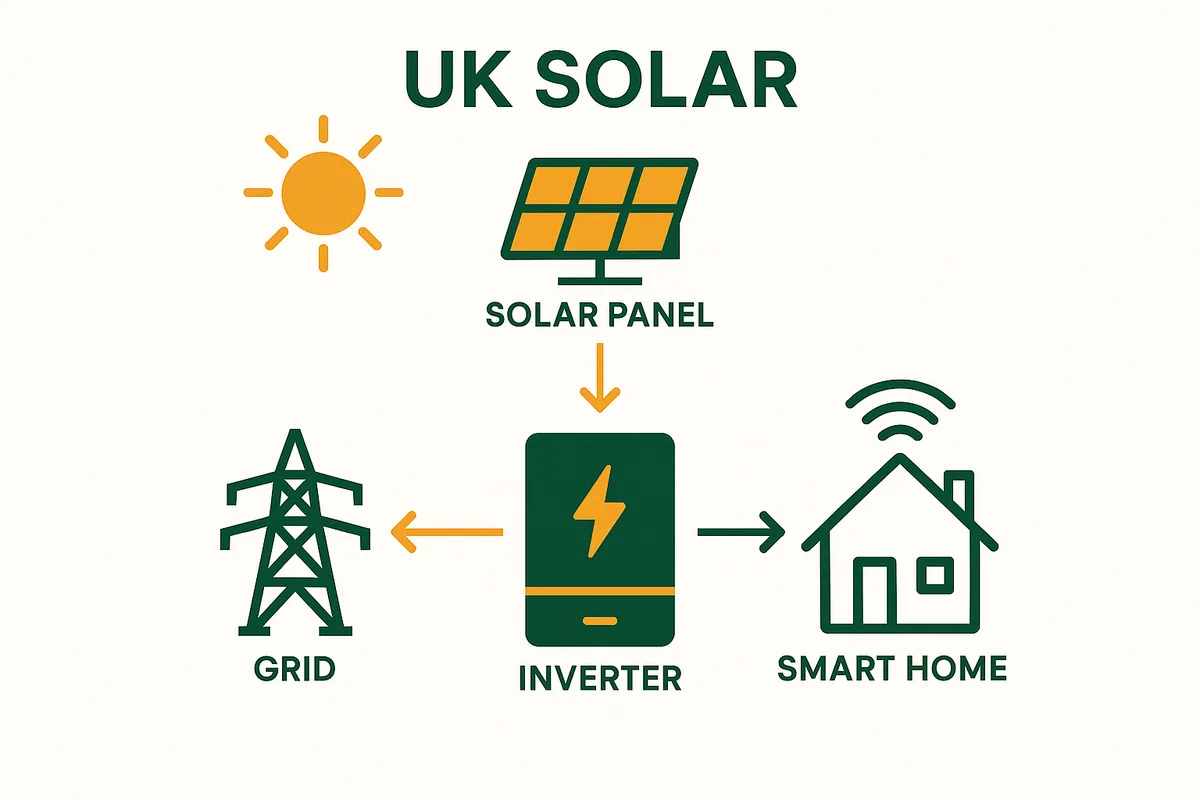
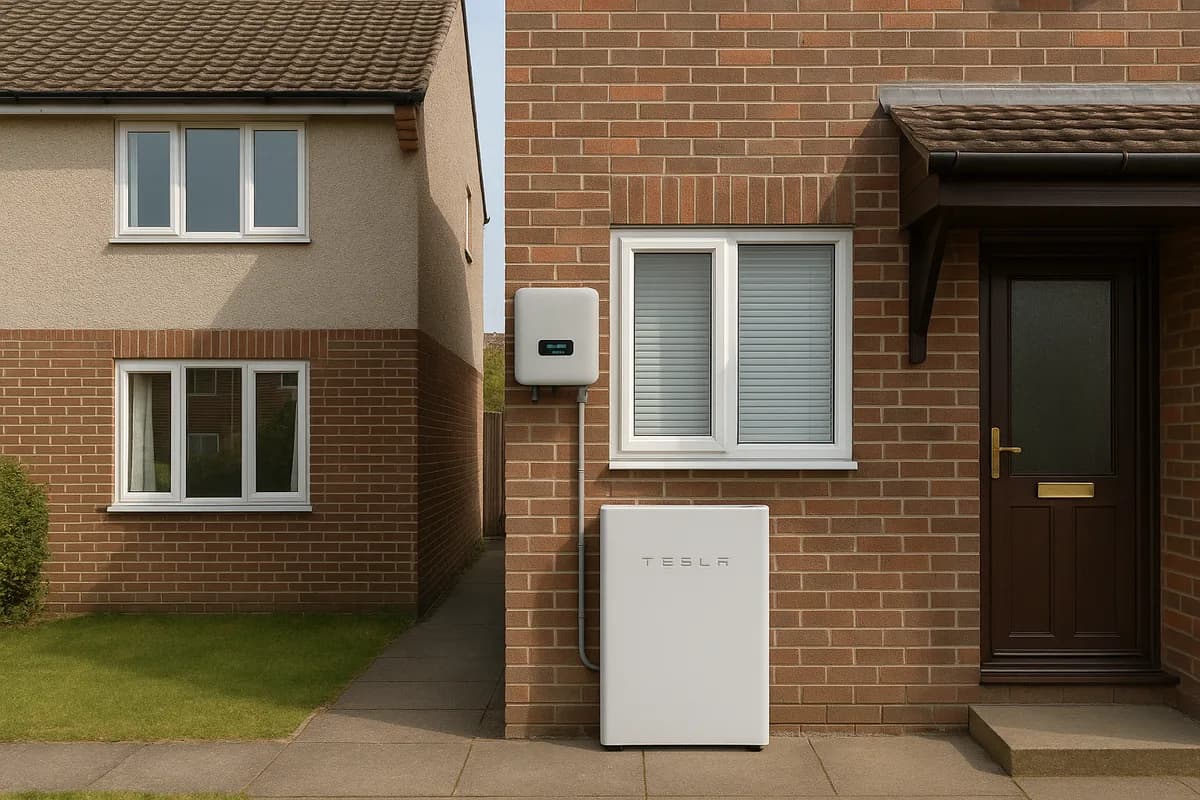
Octopus Flux is a time-of-use tariff designed for solar + battery households. It pays 8–24p/kWh for electricity exported during peak hours (16:00–19:00) — 3–5x more than standard SEG rates (4–5p/kWh). It also charges a low overnight rate (~10p/kWh) for battery charging. With a solar + battery system, Flux can earn £200–£500/year more than a standard flat tariff. Without a battery, the benefit is smaller but still positive.
How Octopus Flux Works
Flux divides each day into three rate periods:
Import rates (what you pay for grid electricity): - Off-peak (02:00–05:00): ~10p/kWh — charge your battery cheaply - Standard (05:00–16:00 & 19:00–02:00): ~26p/kWh — normal rate - Peak (16:00–19:00): ~36p/kWh — expensive, avoid importing
Export rates (what you earn for exported electricity): - Off-peak (02:00–05:00): ~5p/kWh — standard export - Standard (05:00–16:00 & 19:00–02:00): ~12p/kWh — good export rate - Peak (16:00–19:00): ~24p/kWh — premium export rate
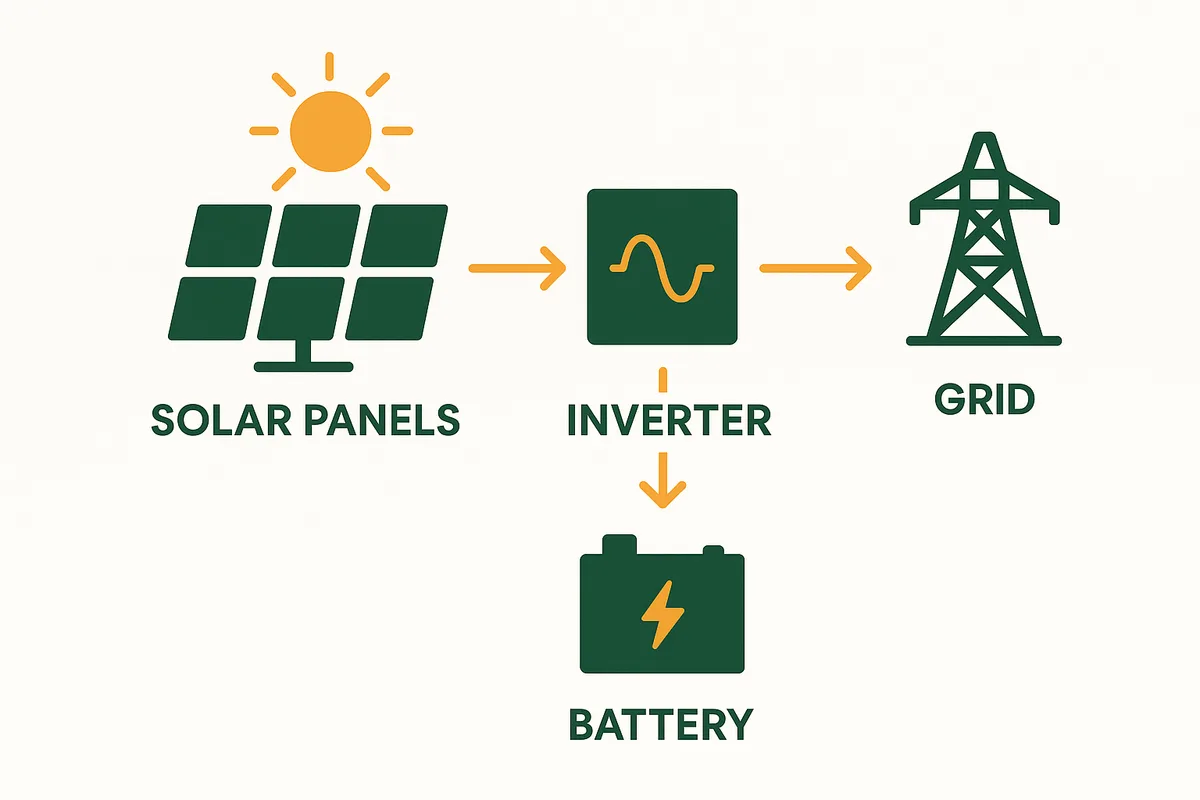
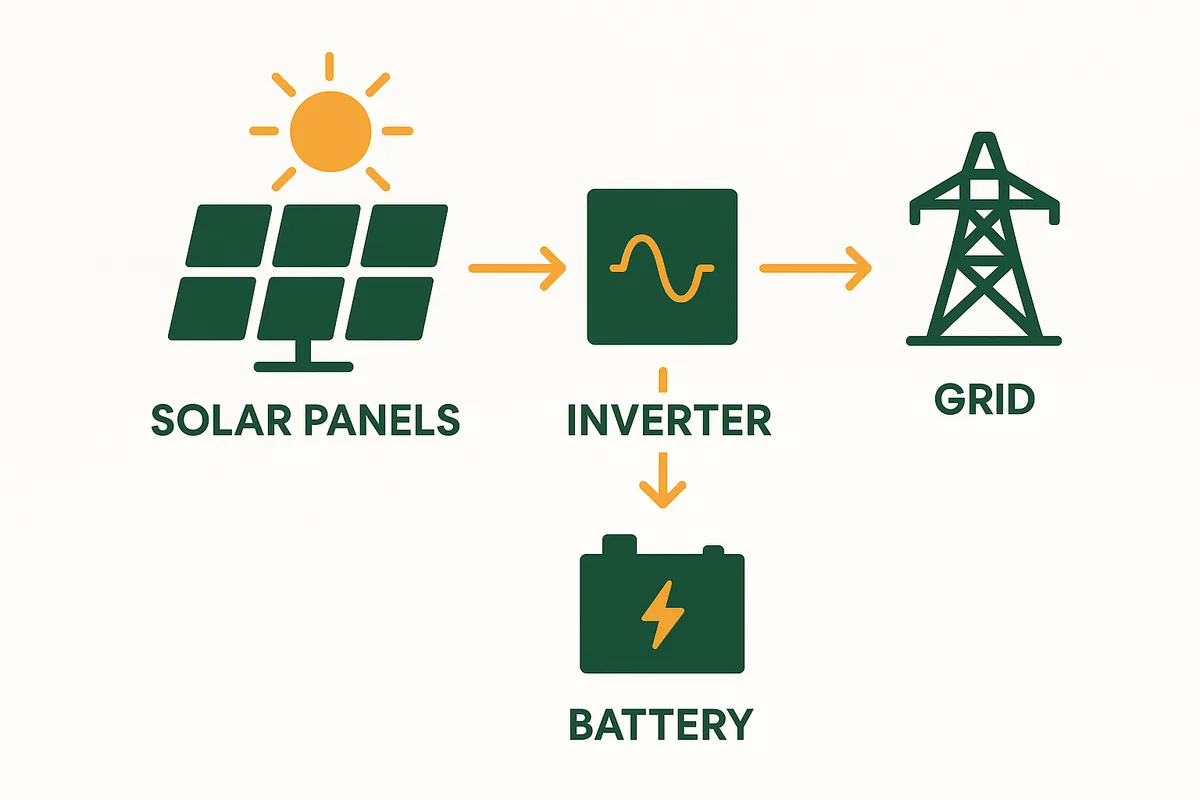
The strategy with solar + battery: 1. Morning–afternoon: Solar charges battery + powers home 2. 16:00–19:00 (peak): Battery exports to grid at 24p/kWh — earning premium income 3. 19:00–02:00: Home uses grid at standard rate 4. 02:00–05:00: Battery recharges from grid at ~10p/kWh 5. 05:00 onwards: Battery powers home until solar kicks in
The arbitrage: Buy at 10p, sell at 24p = 14p profit per kWh. On a 10kWh battery, that is £1.40/day = £511/year in pure tariff arbitrage.
Source: Octopus Energy Flux tariff rates March 2026.
How Much More Can You Earn?
Annual income comparison (4kW solar, 10kWh battery):
| Tariff | Export Income | Import Savings | Arbitrage | Total Annual Value |
|---|---|---|---|---|
| Standard flat + SEG 4.5p | £90 (SEG) | £490 (26.11p saved) | £0 | £580 |
| Octopus Flux (no battery) | £150 (mixed export) | £470 (slightly less self-consumption value) | £0 | £620 |
| Octopus Flux (with battery) | £250 (peak export) | £550 (high self-consumption) | £300 (arbitrage) | £1,100 |
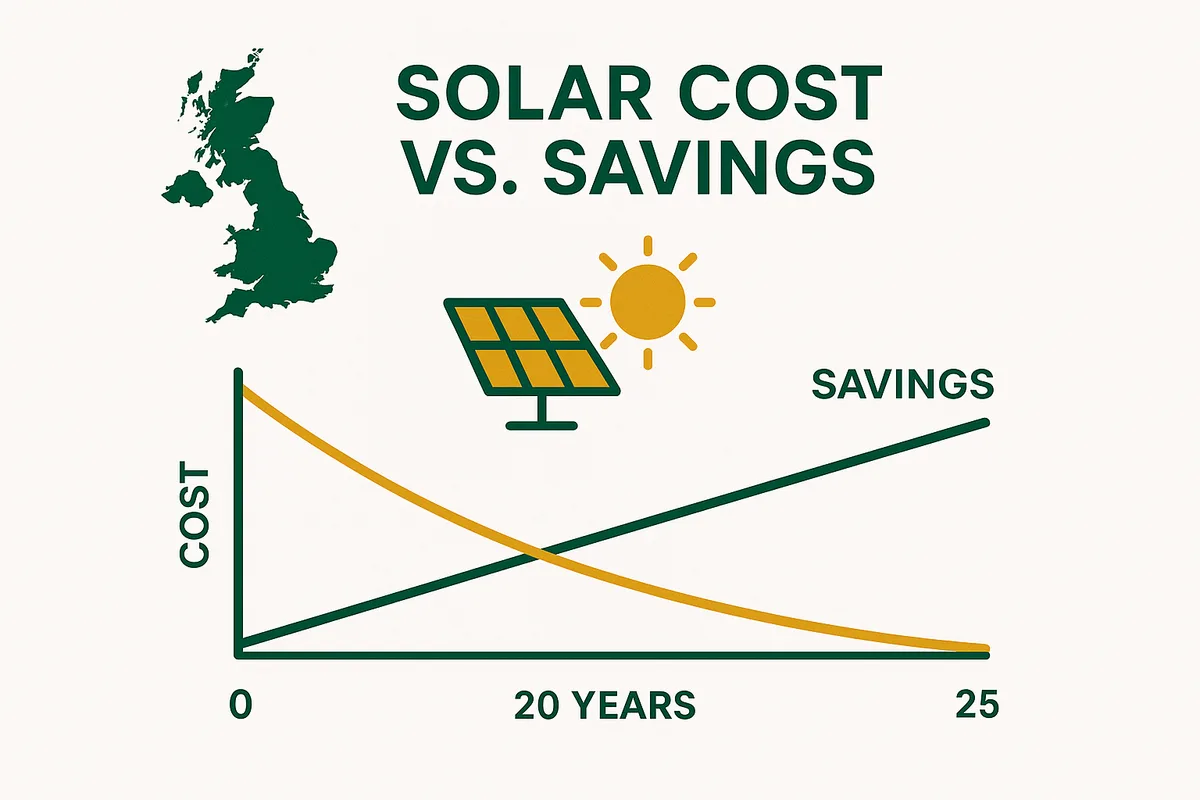
Flux with battery adds: £520/year more than standard flat tariff + SEG.
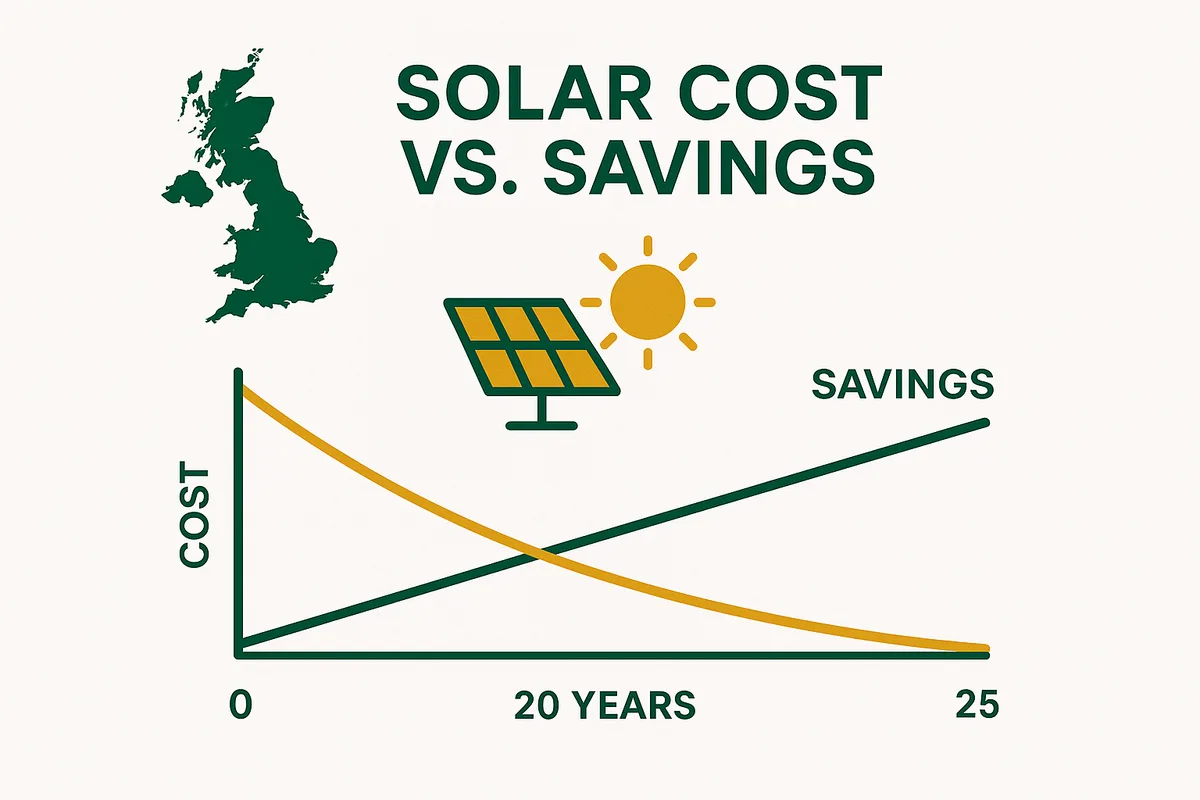
Over 25 years: £13,000 additional value (minus battery replacement costs).
Flux transforms a battery from 'nice to have' into a serious earning asset. The tariff arbitrage alone can pay for the battery within 8–10 years.
Source: Octopus Flux rate calculations; battery cycling modelling.
Who Should Use Octopus Flux?
Flux is ideal for:
- Solar + battery owners — the full benefit requires a battery to shift import/export timing
- Households that can avoid 16:00–19:00 import — peak import rates (36p) are expensive if you cannot avoid them
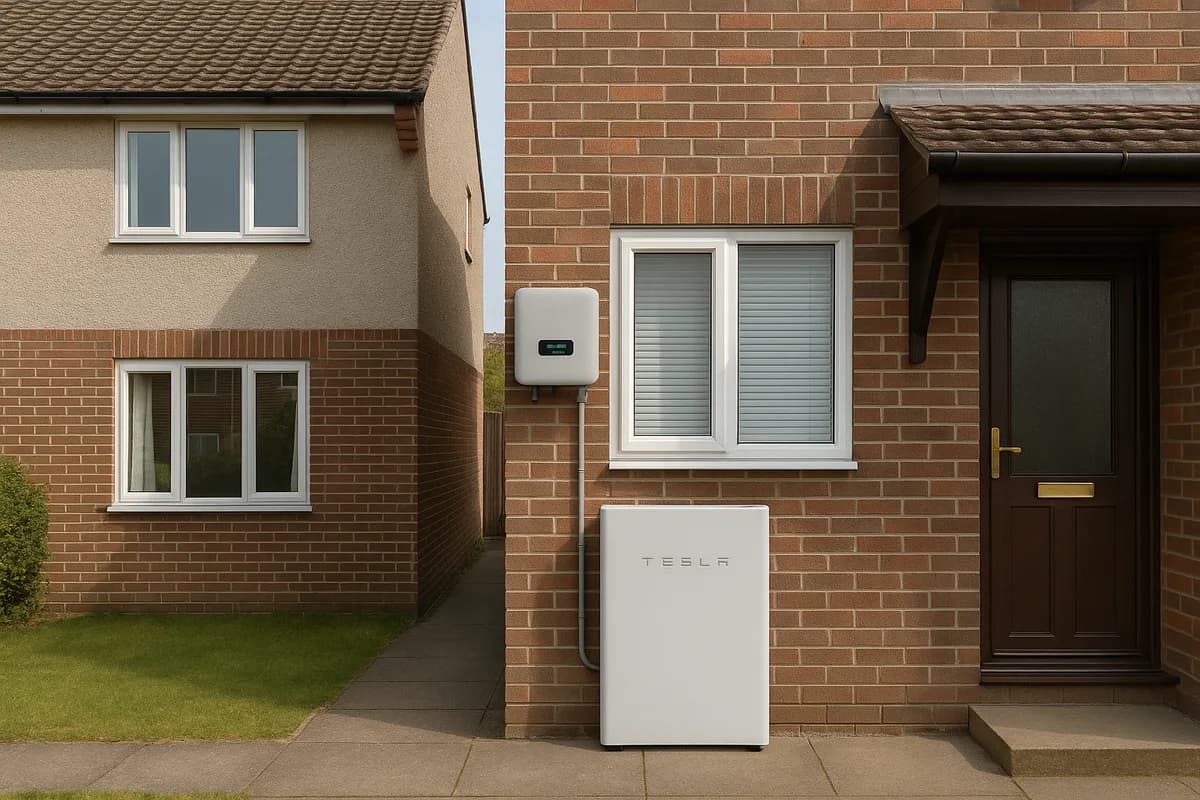
- Tech-savvy users — Flux works best when you actively monitor and optimise (or use a smart inverter like GivEnergy that automates Flux scheduling)
- GivEnergy battery owners — GivEnergy inverters have built-in Octopus Flux mode that automates the daily charge/discharge cycle
- Anyone exporting meaningful solar surplus — even without a battery, Flux's daytime export rate (~12p) beats standard SEG (~4.5p)
Who Should NOT Use Flux?
- No battery and high evening consumption — the 36p peak rate (16:00–19:00) will cost MORE than a flat tariff if you import heavily during this window
- Very small solar system (2kW) — limited surplus means limited export income
- Households that cook electrically at 5–7pm — oven + hob during peak = expensive imports at 36p/kWh
- Anyone who cannot avoid peak imports — Flux penalises peak consumption as much as it rewards peak export
Want to know what system suits this tariff?
Export tariffs pay very differently depending on your system size and whether you have a battery. See what setup would actually earn you the most at your home.
Size a System for This TariffFlux vs Octopus Go for Solar
Octopus Go: - Super cheap overnight rate: 7.5p/kWh (00:30–05:30) - Standard rate rest of the day: ~26.11p/kWh - No premium export rate — standard SEG applies - Best for: EV owners who charge overnight + solar self-consumption during the day - No peak penalty
Octopus Flux: - Cheap overnight: ~10p/kWh (02:00–05:00) - Premium peak export: ~24p/kWh (16:00–19:00) - Expensive peak import: ~36p/kWh (16:00–19:00) - Best for: Solar + battery owners who can export during peak and avoid peak imports - Higher reward, higher risk
Which is better? - If you have solar + battery but no EV: Flux (export arbitrage is the main value) - If you have solar + EV but no battery: Go (cheap overnight EV charging + solar self-consumption) - If you have solar + battery + EV: Flux slightly edges Go (peak export + EV charges from battery/solar during day)
Source: Octopus Energy tariff comparison.
Every Octopus Export Tariff Compared (verified 7 August 2026)
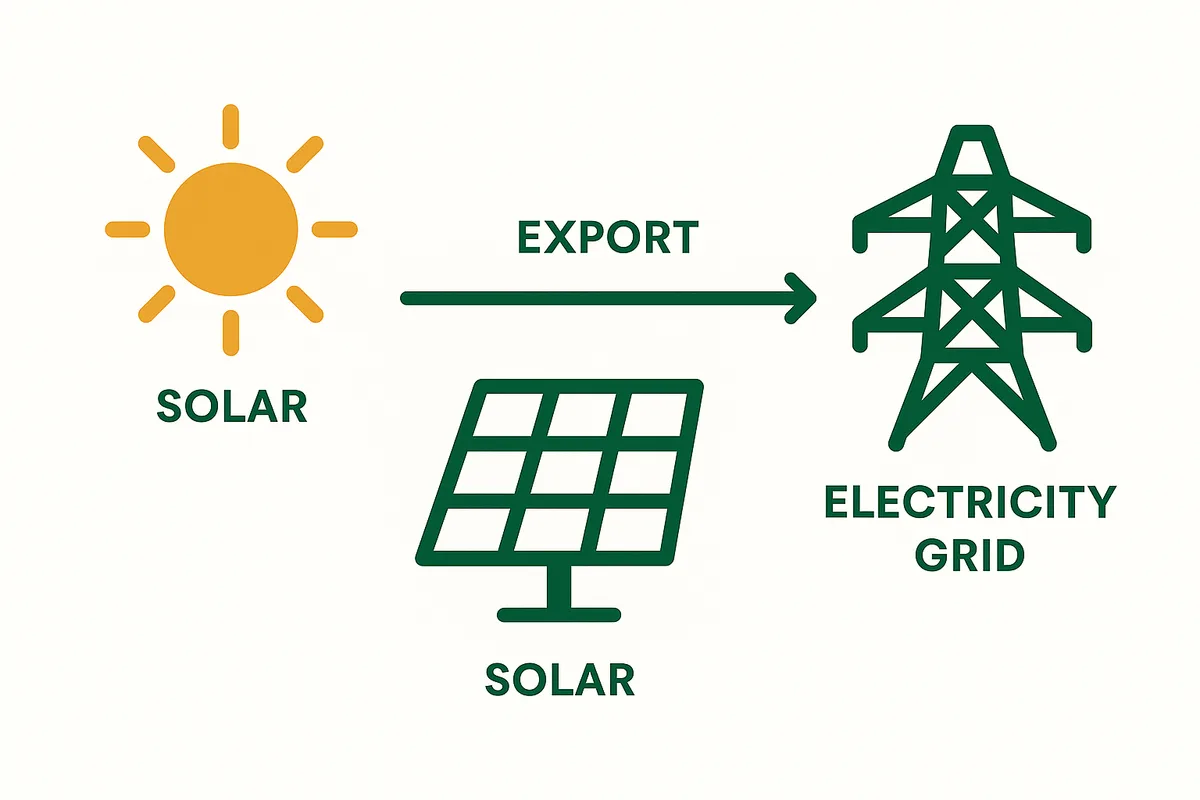
Octopus runs several different export products and they are easy to confuse, because three of them have ‘Outgoing’ in the name and two have ‘Flux’. Here is what each one actually is.
Outgoing Octopus — a flat 12p per kWh for every unit you export, whenever you export it. It is a variable tariff, so Octopus can change the rate with notice. This is the simplest option and the right default if you do not have a battery.
Prime Outgoing Octopus — 16p per kWh between 4pm and 7pm, and 9p per kWh for the rest of the day. A 12-month fixed term with no exit fees. This only beats the flat 12p rate if you can deliberately shift export into that 4–7pm window, which in practice means owning a battery.
Agile Outgoing Octopus — pays day-ahead wholesale rates that are uncapped. A 12-month fixed term with no exit fees. The upside is real when wholesale prices spike; so is the downside when they do not. Suited to people with storage who will actively manage discharge timing.
Octopus Flux — not purely an export tariff. It is a combination import and export tariff: cheap import between 02:00 and 05:00 to charge a battery, and a peak window between 16:00 and 19:00 for discharging and exporting. Rates are postcode-specific, so Octopus does not publish a single national figure — you have to check your own.
Source: octopus.energy tariff pages, checked 7 August 2026. Export rates change; verify before switching.
Which Octopus Export Tariff Is Right for You?
The honest answer depends almost entirely on one thing: do you have a battery?
No battery. Take Outgoing Octopus at a flat 12p. Your export happens when the sun is out, which is the middle of the day. You cannot move it into a 4–7pm premium window, so a time-of-use export tariff pays you the lower off-peak rate for most of your generation. Simplicity wins here, and 12p flat is a strong rate by current UK standards.
Battery, and you will actively manage it. Prime Outgoing or Flux become worth modelling. The 16p peak rate is roughly a third more than the flat rate, but you only capture it on the units you deliberately hold back and release between 4pm and 7pm. Work out how many kWh that realistically is for your battery size before switching — for a small battery it may be a few kWh a day, which is not a large annual sum.
Battery, and you enjoy optimising. Agile Outgoing has the highest ceiling and the least predictability. Uncapped day-ahead pricing means genuinely excellent days and genuinely poor ones. Choose it because you will actually engage with it, not because the headline potential looks attractive.
The mistake to avoid: picking a time-of-use export tariff because the peak number is the biggest one on the page. The peak rate only applies to units exported inside the peak window. Multiply the premium by the units you can actually shift, not by your total annual export.
Eligibility: What Octopus Requires
Common requirements across the Octopus export range:
- A smart meter capable of half-hourly readings
- An export MPAN — you can apply for one if you do not already have it
- Your MCS certificate for the solar installation
- For Flux: solar panels AND a home battery, plus being on both an Octopus import and export tariff
- Panels from any installer are accepted — you do not have to have bought through Octopus
- Recent Feed-in Tariff recipients may not be eligible — check before you apply
If you are on the legacy Feed-in Tariff, stop and check first. FiT includes a deemed export payment, and moving to a metered export tariff is not automatically better. Legacy FiT generation rates are frequently worth more than anything available today. Contact your FiT licensee in writing before changing anything.
Source: octopus.energy eligibility criteria, checked 7 August 2026.
How Octopus Export Rates Compare to the Rest of the Market
The Smart Export Guarantee obliges larger suppliers to offer *an* export tariff, but it sets no minimum rate. That is why the spread across the market is so wide, and why the supplier paying you the most for export is often not the supplier selling you the cheapest import.
Two things worth knowing before you compare:
You can split import and export between different suppliers. Your export tariff does not have to come from whoever sells you electricity — with the exception of bundled products like Flux, which require both sides with the same supplier.
A high export rate is worth less than it looks if it costs you on import. Every unit you export is a unit you did not use yourself. Self-consumption saves you the full import rate; export pays you the export rate. Since import rates are generally higher than export rates, using your own generation beats selling it. Judge any export tariff on the *combined* import-plus-export position, not the export headline alone.
We maintain a market-wide comparison separately — see our best SEG rates guide, linked below.
Frequently Asked Questions
Related guides
You might also like
Want to know what system suits this tariff?
Export tariffs pay very differently depending on your system size and whether you have a battery. See what setup would actually earn you the most at your home.
Size a System for This TariffFree. Uses your postcode and usage — no phone number needed.