Solar Battery vs Exporting: Which Makes More Money?
Want to know what system suits this tariff?
Export tariffs pay very differently depending on your system size and whether you have a battery. See what setup would actually earn you the most at your home.
Size a System for This TariffFree. Uses your postcode and usage — no phone number needed.
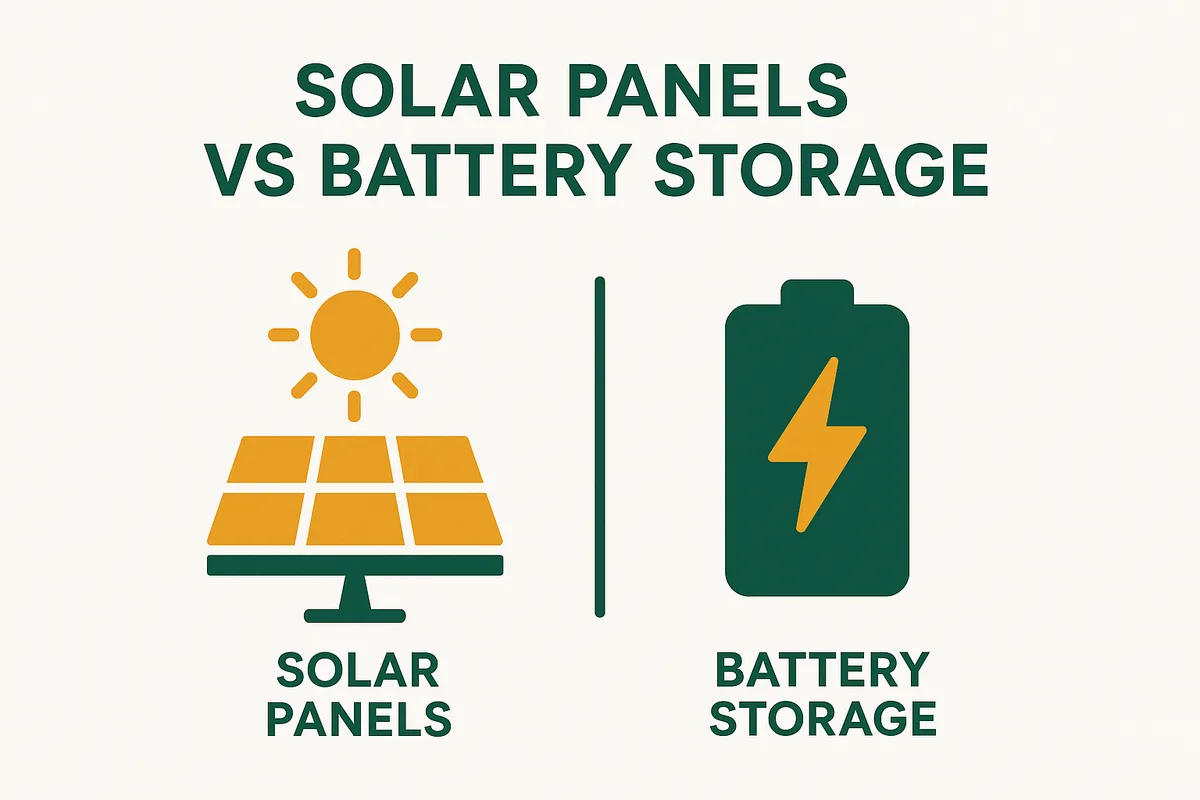
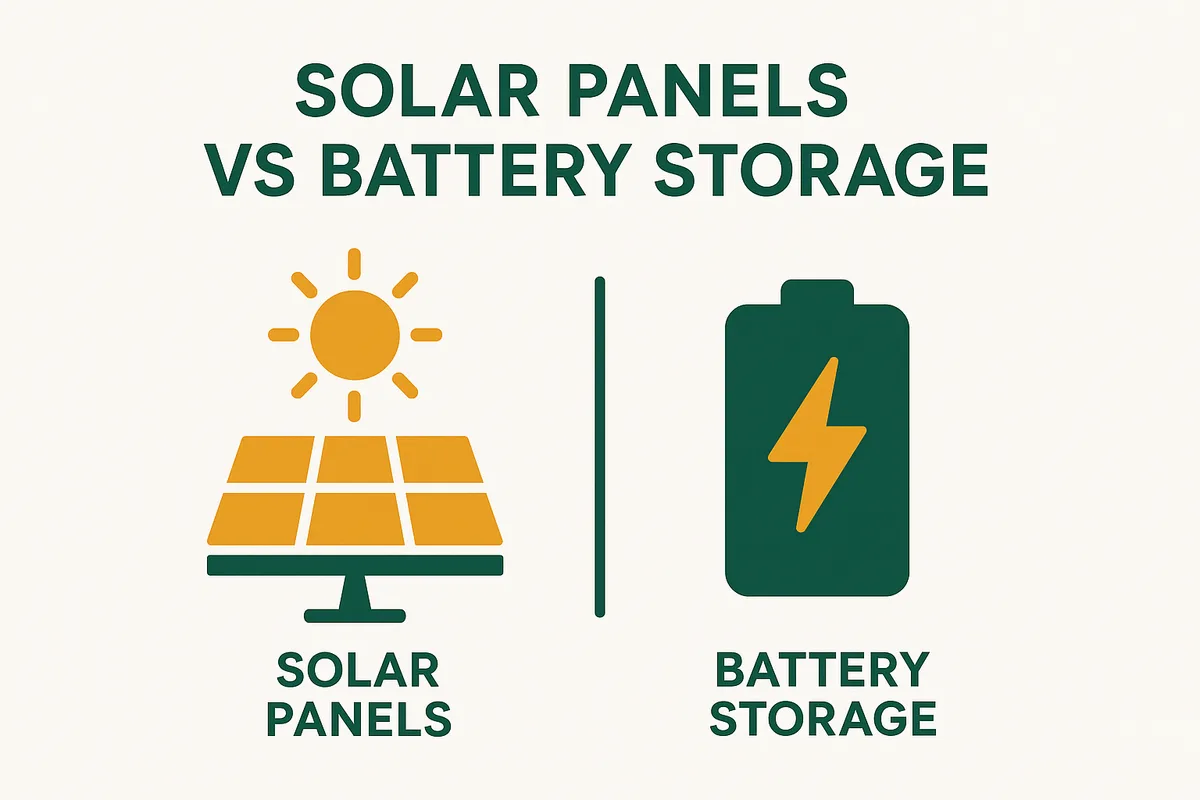
Is it better to use a solar battery or export to the grid?
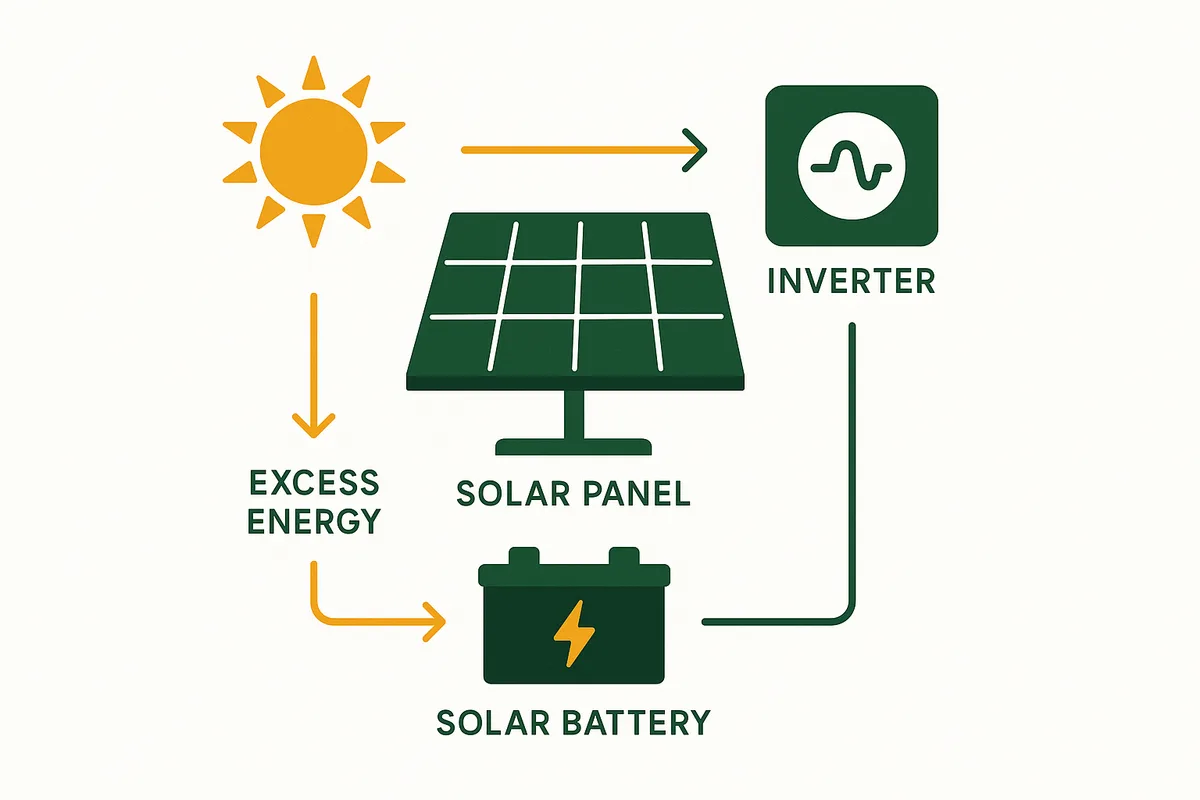
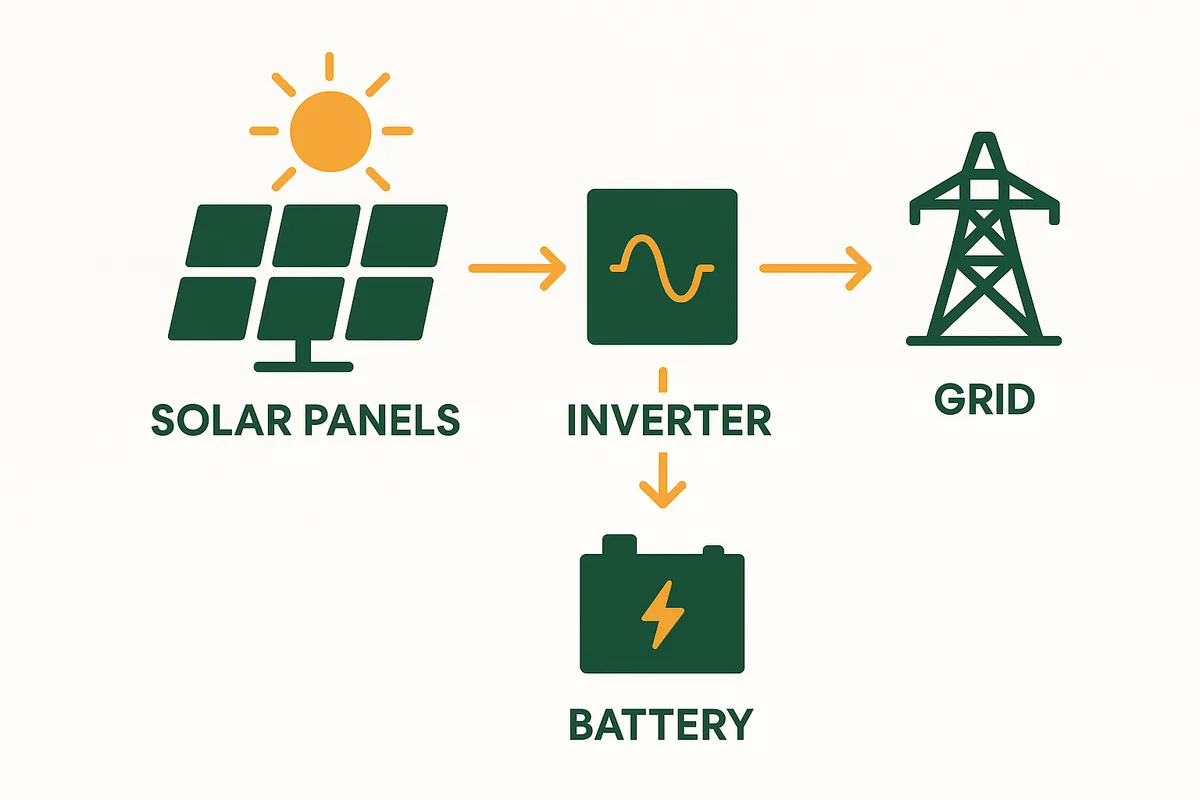
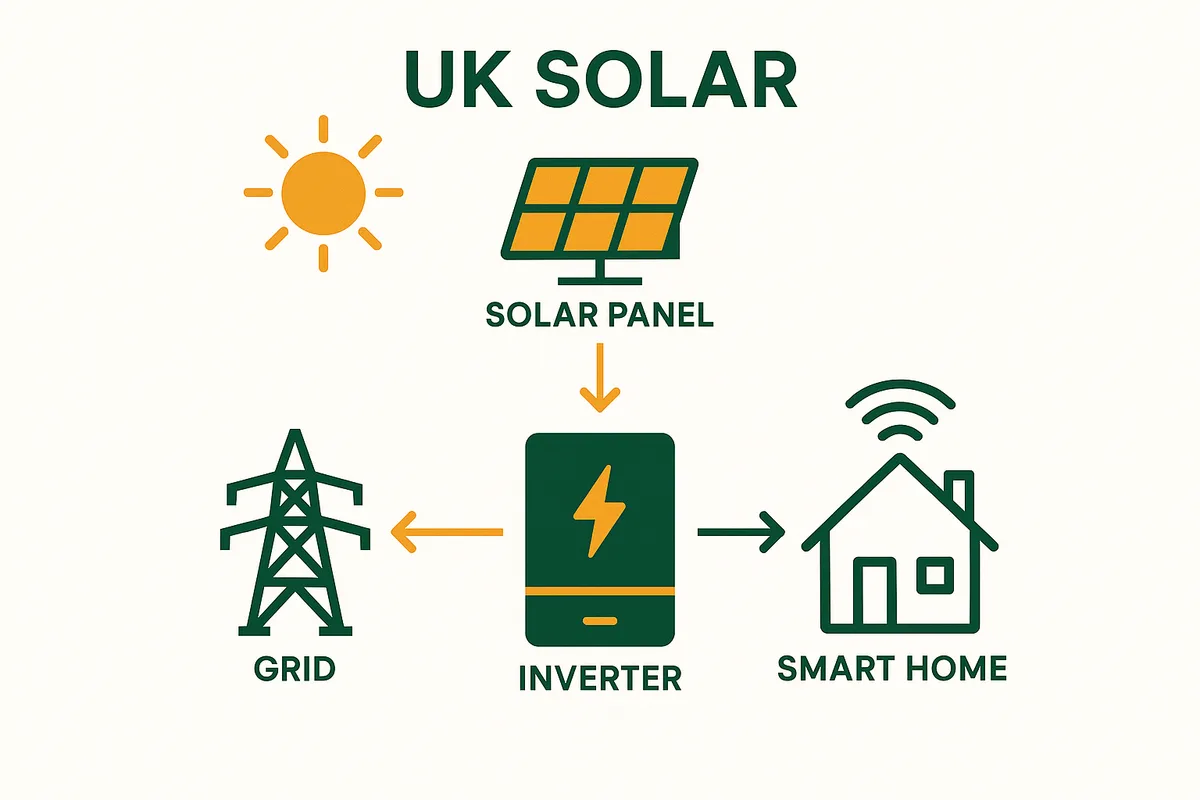
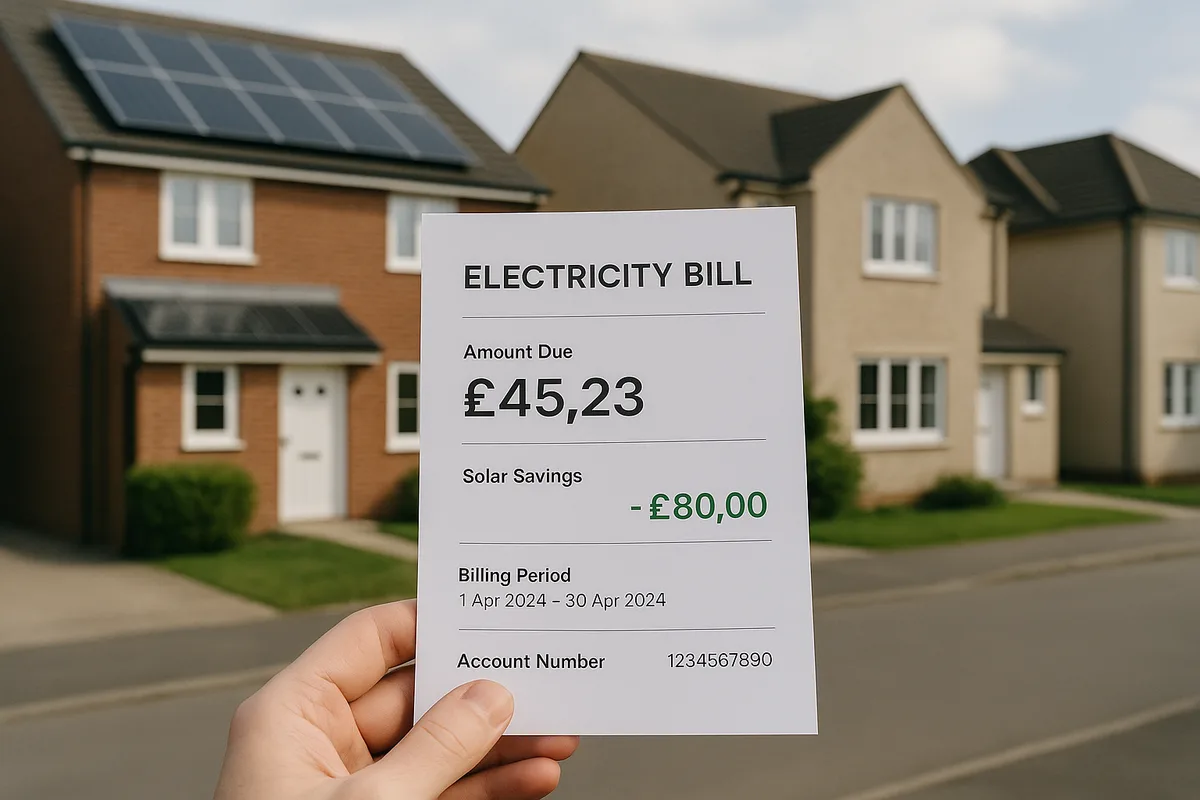
Using solar electricity yourself (self-consumption) is worth 5–6x more than exporting it. Self-consumed solar saves 26.11p/kWh (the grid rate you avoid paying). Exported solar earns only 4–15p/kWh via SEG. A battery captures surplus daytime solar for evening self-use, converting 4.5p exports into 26.11p savings. The question is whether the battery's extra savings (£200–£400/year) justify its cost (£3,000–£6,000).
The Value Gap: Self-Use vs Export
Every kWh of solar electricity has two possible destinations:
Self-consumption (use it yourself): - Value: 26.11p per kWh (you avoid buying from the grid) - This is the grid electricity rate you do NOT pay
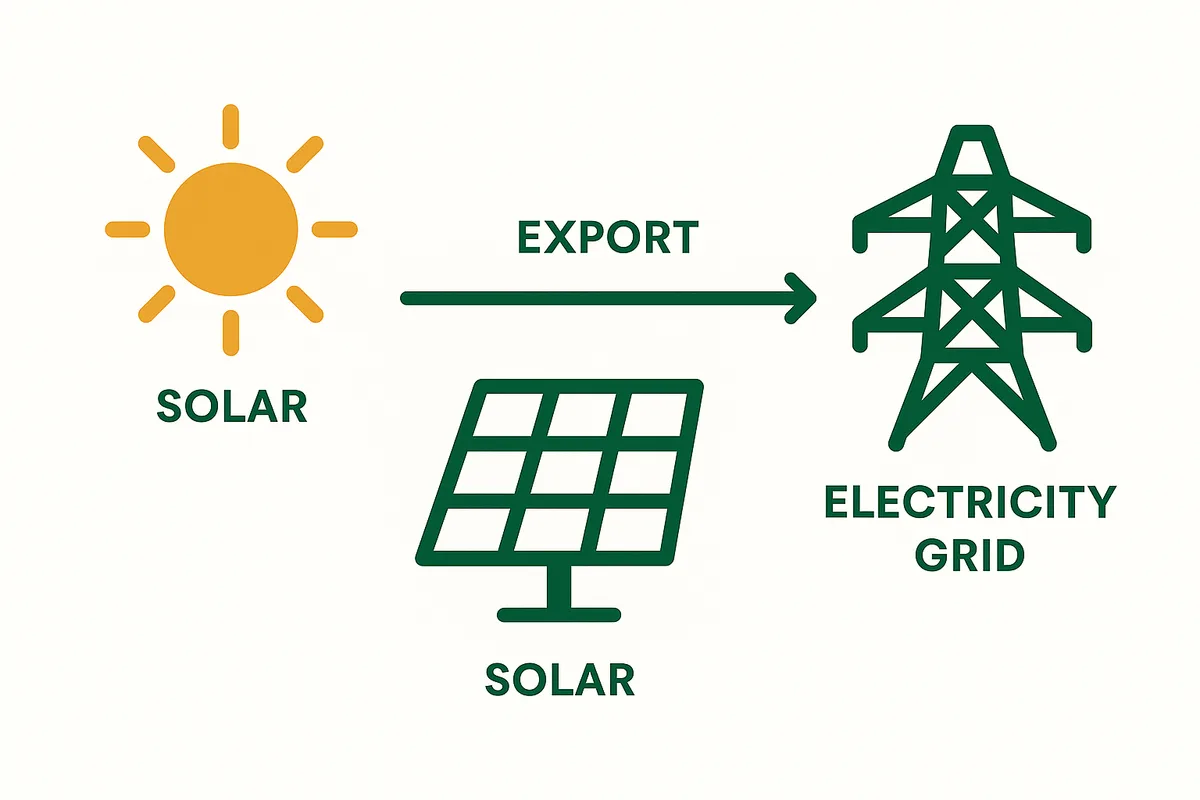
Export to grid (SEG): - Value: 4–15p per kWh (depending on your SEG tariff) - Typical fixed SEG: 4.5p/kWh - Best variable SEG (Octopus Flux peak): up to 24p/kWh for 3 hours/day
The gap: Self-use is worth 1.6–6x more than export, depending on your SEG tariff.
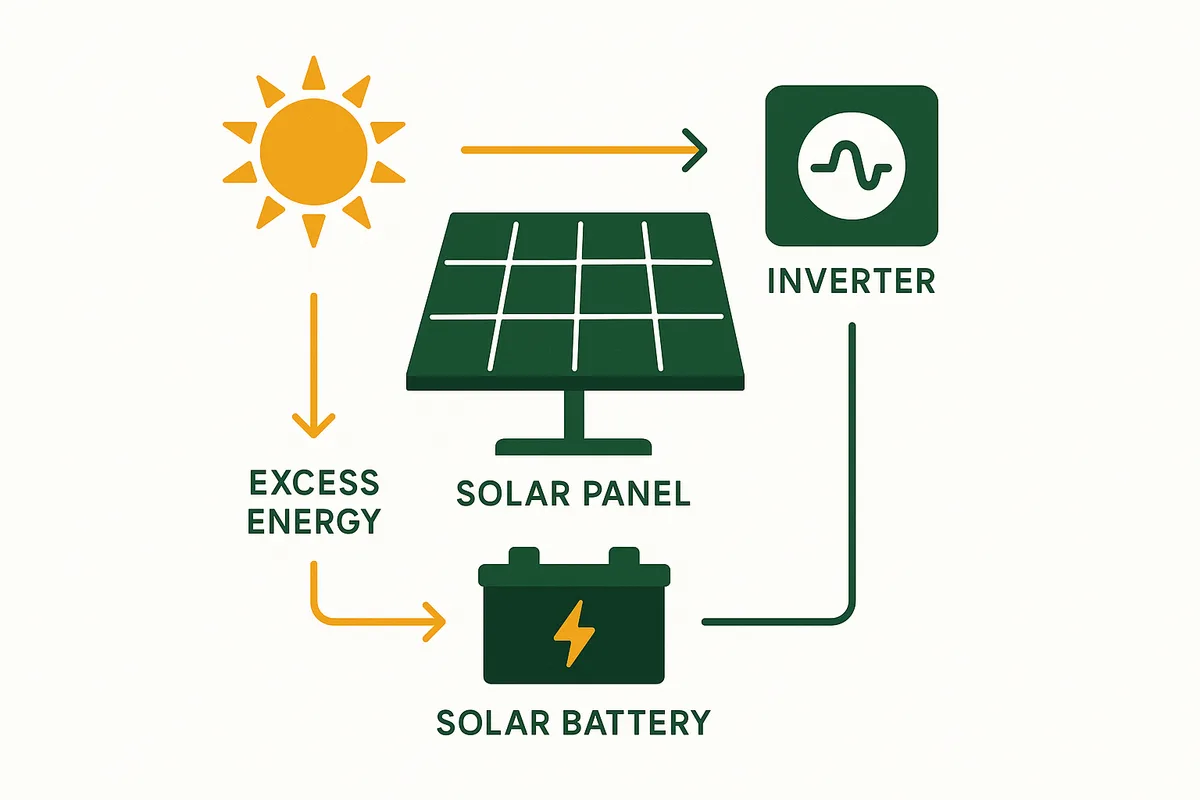
Without a battery: - You self-consume approximately 50% of solar generation - You export approximately 50% at the low SEG rate - Many valuable kWh are 'wasted' at 4.5p instead of saving you 26.11p
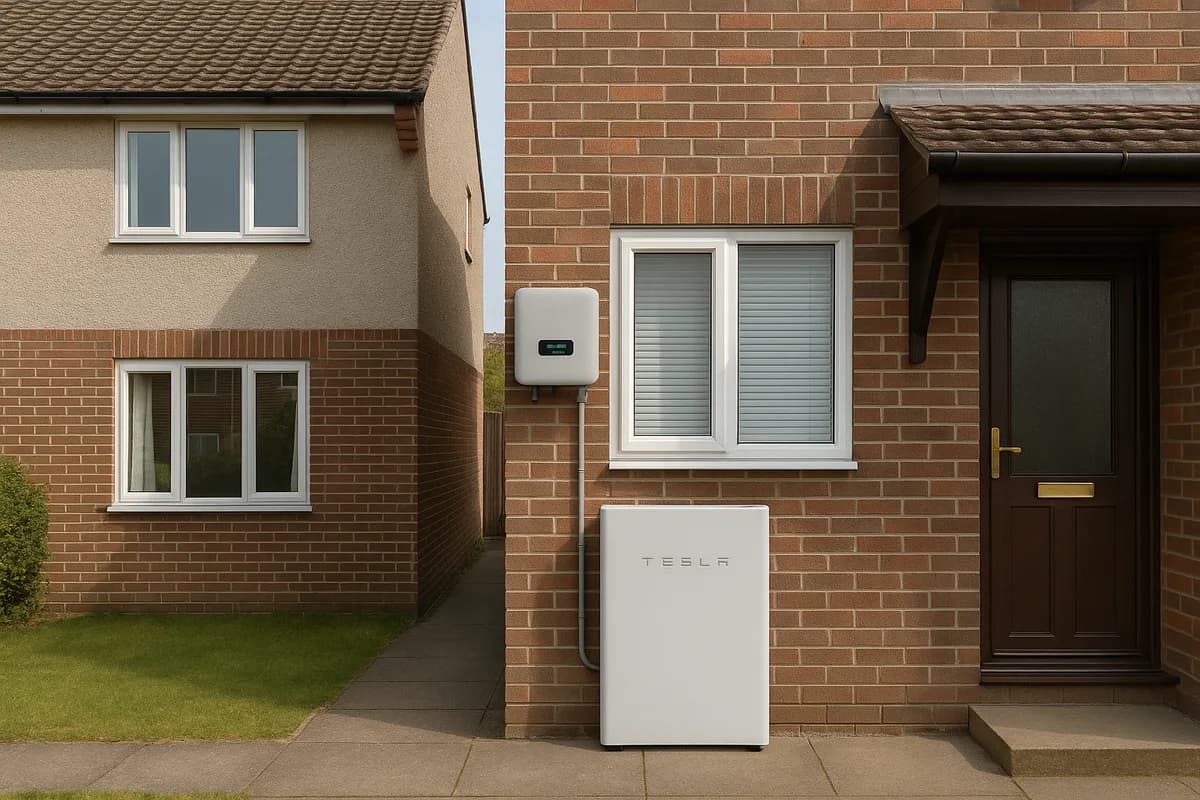
With a battery: - You self-consume approximately 80% of solar generation - You export only 20% (mainly in summer when generation exceeds even battery + home needs) - Far more kWh are captured at the high self-consumption value
Source: Ofgem price cap, July-September 2026; SEG rate data.
The Financial Case for a Battery
4kW system — Export-only strategy (no battery): - Self-consumed: 2,000 kWh × 26.11p = £522 - Exported: 2,000 kWh × 4.5p = £90 - Total value: £580/year
4kW system — Battery strategy (10kWh battery): - Self-consumed: 3,200 kWh × 26.11p = £836 - Exported: 800 kWh × 4.5p = £36 - Total value: £820/year
Battery adds: £240/year in extra value
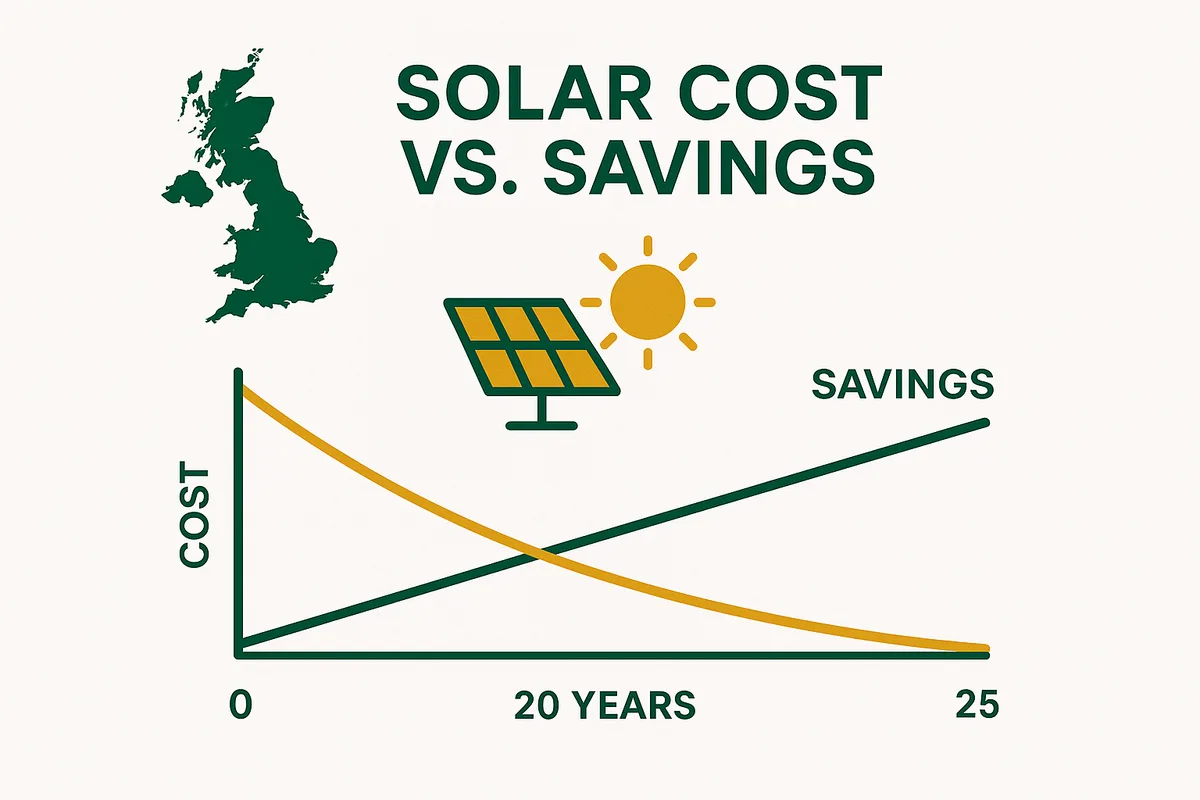
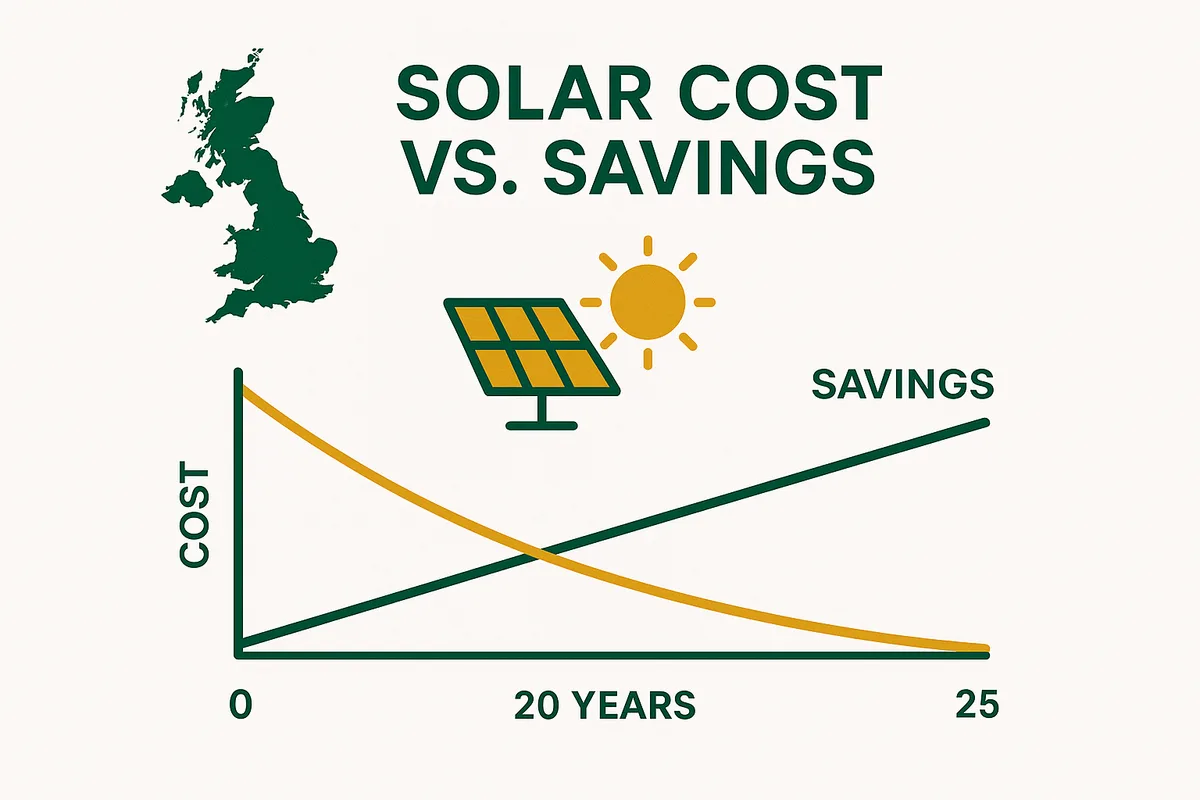
Battery cost: £4,500 Battery payback: 18.8 years standalone
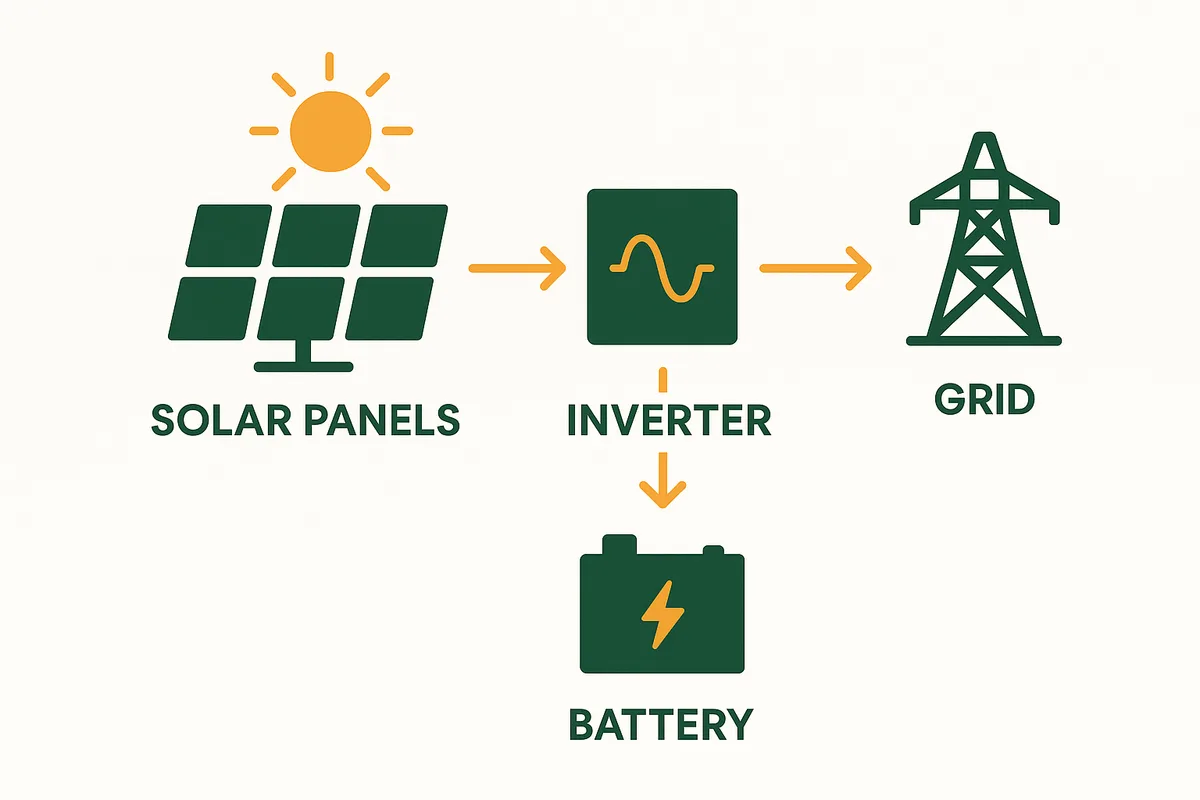
With Octopus Flux tariff optimisation: - Export stored energy during peak (16:00–19:00) at 15–24p/kWh - Recharge from grid overnight at 7.5p/kWh - Additional tariff arbitrage: +£100–£250/year - Effective battery payback: 11–15 years
Key insight: A battery's pure solar self-consumption payback is long (~19 years). But combined with smart tariff arbitrage, it drops to 11–15 years — within the battery's 15–20 year lifespan.
Source: Ofgem; Octopus Flux tariff; Energy Saving Trust.
Want to know what system suits this tariff?
Export tariffs pay very differently depending on your system size and whether you have a battery. See what setup would actually earn you the most at your home.
Size a System for This TariffWhen a Battery IS Worth It
- You are on a time-of-use tariff (Octopus Flux/Go) — tariff arbitrage dramatically improves battery ROI
- You use most electricity in the evening — a battery shifts free solar to when you need it
- Electricity prices rise — every 1p/kWh increase adds £32/year to battery savings (on a 4kW system)
- You want backup power during outages — some batteries provide emergency power supply
- You value energy independence — even if the pure financial ROI is marginal, energy autonomy has psychological value
- Battery prices fall further — if replacement costs drop 30–50% by year 13, the lifetime ROI improves significantly
- You have a large solar system (5kW+) — more surplus to capture = better battery utilisation
When Exporting Is Better (Skip the Battery)
- You are on a high fixed SEG rate (12–15p/kWh) — the value gap between export and self-use is smaller
- You are home during the day (retired, remote worker) — you already self-consume 60–70% without a battery
- Your budget is tight — the £3,000–£6,000 battery cost could go toward more panels instead
- You have a small system (2–3kW) — less surplus means less for the battery to capture
- You plan to add an EV — a smart EV charger (Zappi) diverts surplus to your car at full 26.11p value, acting as a 'battery on wheels'
The Smart Compromise: Battery + Smart Tariff
The best battery strategy combines solar self-consumption with tariff arbitrage:
Daily cycle on Octopus Flux:
06:00–15:00: Solar charges battery + powers home. Export surplus at standard rate. 16:00–19:00: Battery exports to grid at PEAK Flux rate (15–24p/kWh). You earn the highest possible export value. 19:00–02:00: Home uses grid at standard rate. 02:00–05:00: Battery charges from grid at CHEAP Flux rate (7–10p/kWh). Full recharge at minimal cost. 05:00–06:00: Battery powers home until solar kicks in.
Result: You earn 15–24p/kWh for peak exports AND pay only 7–10p/kWh for overnight charging. The 8–14p/kWh arbitrage margin per kWh, across 10kWh per day, earns £300–£500/year in pure tariff profit — on top of solar self-consumption savings.
This is the strategy that makes batteries financially compelling today.
Source: Octopus Flux published rates; battery cycling calculations.
Frequently Asked Questions
Related guides
Related: Home Heating Systems
Solar panels are most powerful when combined with an efficient heating system. Heat pumps use solar-generated electricity to heat your home at 300-400% efficiency — making them the ideal partner for solar.
Heat pumps use electricity at 300-400% efficiency, making them ideal partners for solar.
From our sister site Home Heat Pump Guide
You might also like
Want to know what system suits this tariff?
Export tariffs pay very differently depending on your system size and whether you have a battery. See what setup would actually earn you the most at your home.
Size a System for This TariffFree. Uses your postcode and usage — no phone number needed.