Solar Panels on a Flat Roof: Can You Install Them?
See what fits your property
Roof shape, pitch and available space decide what is actually installable. Get a recommendation and an installed price for your specific property.
Check My PropertyFree, no obligation. Takes about 2 minutes.
Can you put solar panels on a flat roof?
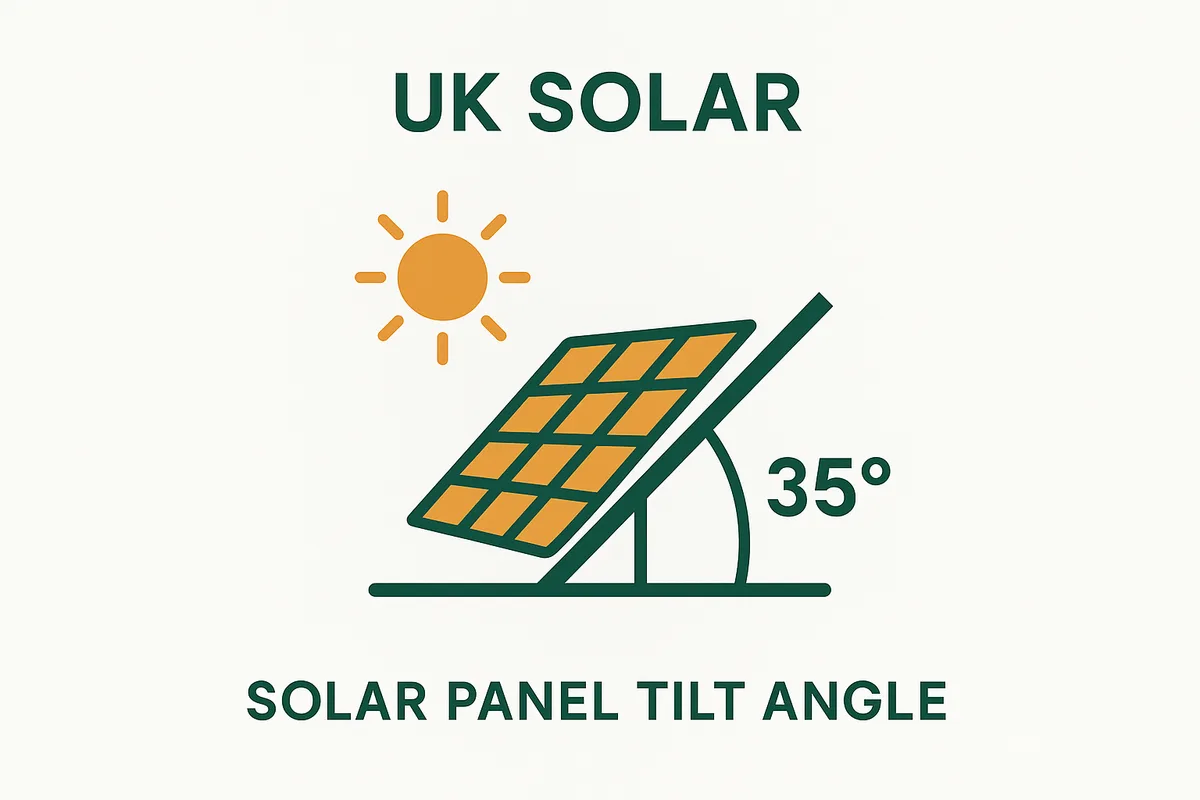
Yes, you can install solar panels on a flat roof. Panels are mounted on angled frames (typically 20–30 degrees) to capture maximum sunlight. Flat roof systems produce 85–95% of the output of a pitched south-facing roof. They can often fit more panels than pitched roofs because you can choose the optimal direction and angle.
How Flat Roof Solar Panels Work
Solar panels on flat roofs are not laid flat — that would reduce output by 10–15% and cause water pooling and dirt buildup on the panel surface. Instead, they are mounted on tilt frames that angle them at 20–30 degrees from horizontal, facing south (or south-east/south-west).
Two main mounting systems:
1. Ballasted frames — heavy weights (concrete blocks or specialised ballast trays) hold the frames in place without penetrating the roof membrane. Best for: most flat roofs, especially if the roof membrane should not be punctured.
2. Mechanically fixed frames — frames are bolted through the roof membrane into the roof structure. Requires waterproof sealing. Best for: areas with very high wind exposure or lightweight roof structures where ballast is too heavy.
Most UK flat roof installations use ballasted systems because they avoid roof penetration and the risk of leaks.
Source: MCS installation standards for flat roof mounting.
Output Comparison: Flat vs Pitched Roof
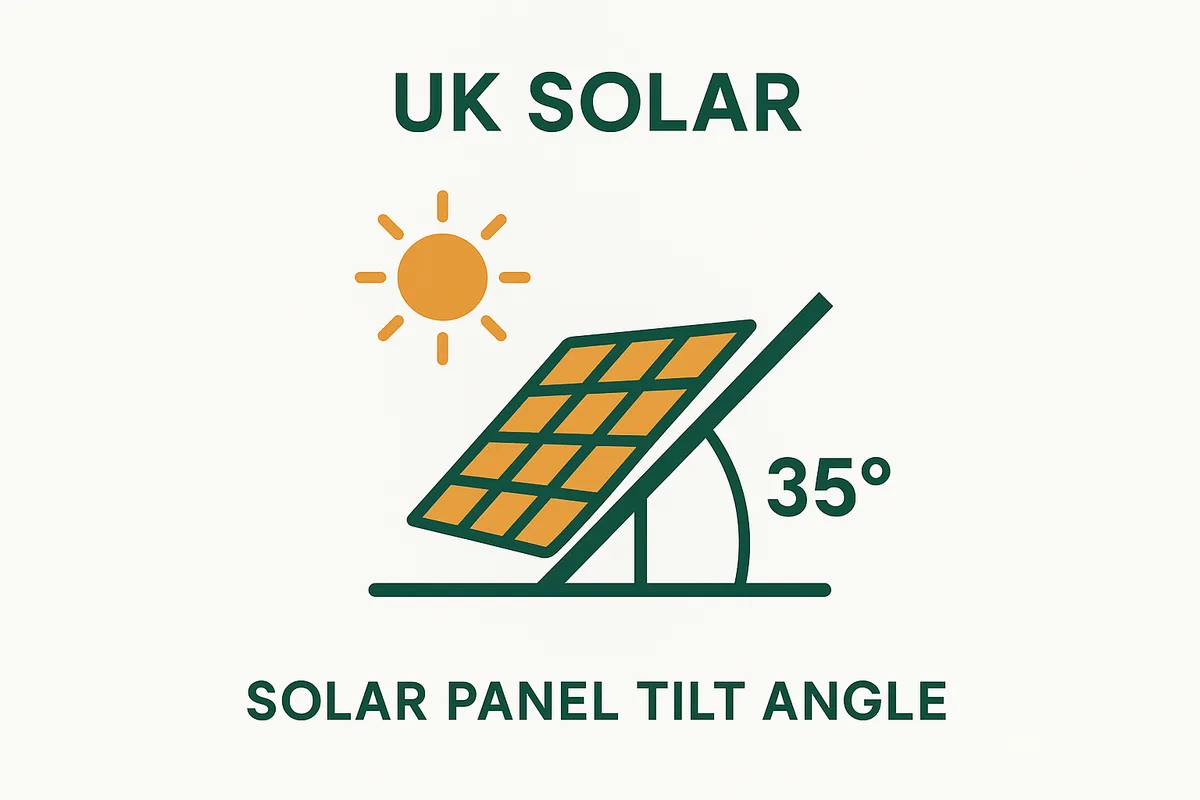
A flat roof system with correctly angled frames produces 85–95% of a south-facing pitched roof system. The slight reduction comes from:
- Self-shading — frames must be spaced apart so one row does not shade the row behind it. This uses more roof area per panel.
- Frame losses — the mounting angle may not be the perfect 35 degrees (most use 20–30 degrees for wind resistance)
- Orientation choice — you choose the direction, but spacing constraints may limit options
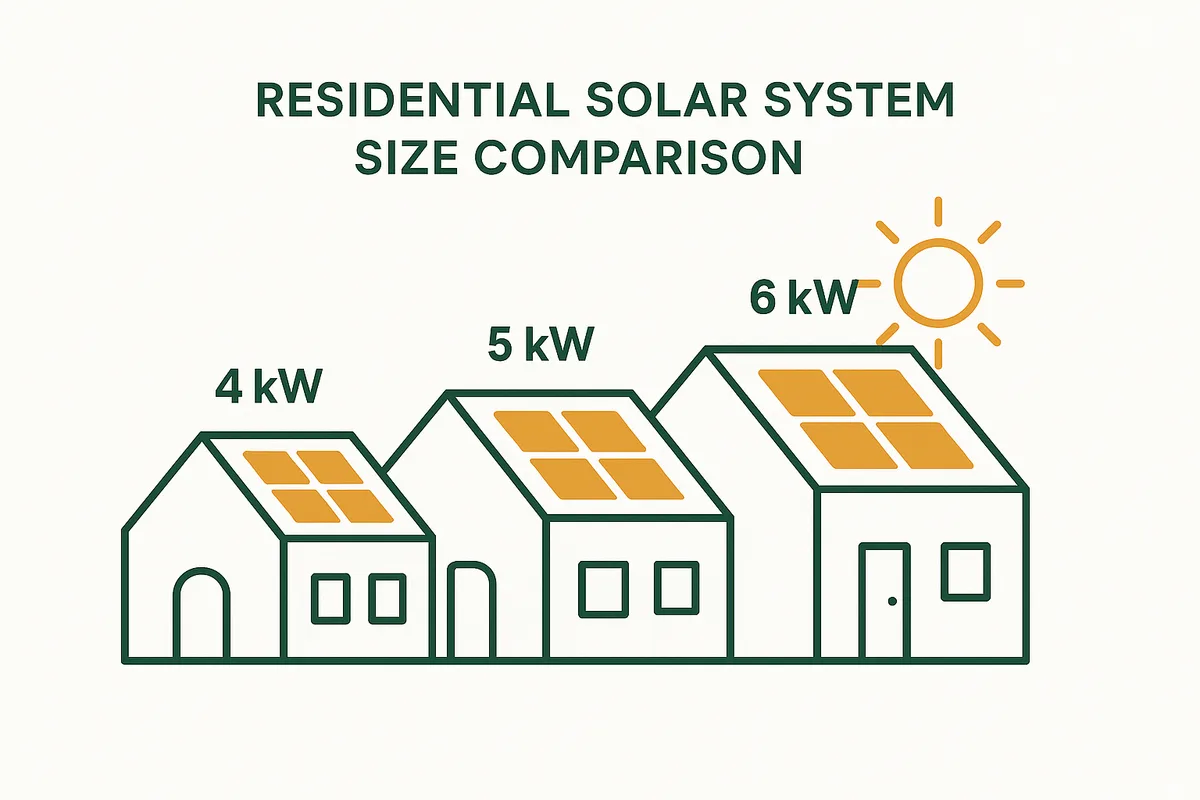
For a 4kW system (10 panels): - Pitched south-facing roof: ~4,000 kWh/year - Flat roof with 25° frames facing south: ~3,600–3,800 kWh/year - Difference: 5–10% less output
However, many flat roofs can fit more panels than pitched roofs (because you are not limited to one slope direction). A flat roof that fits 14 panels at 85% efficiency can outperform a pitched roof that only fits 10 panels at 100% efficiency.
Source: PVGIS tilt calculations for UK latitudes.
Costs: Flat Roof vs Pitched Roof Installation
See what fits your property
Roof shape, pitch and available space decide what is actually installable. Get a recommendation and an installed price for your specific property.
Check My PropertyFlat roof installations cost slightly more than pitched roof installations due to the additional mounting hardware:
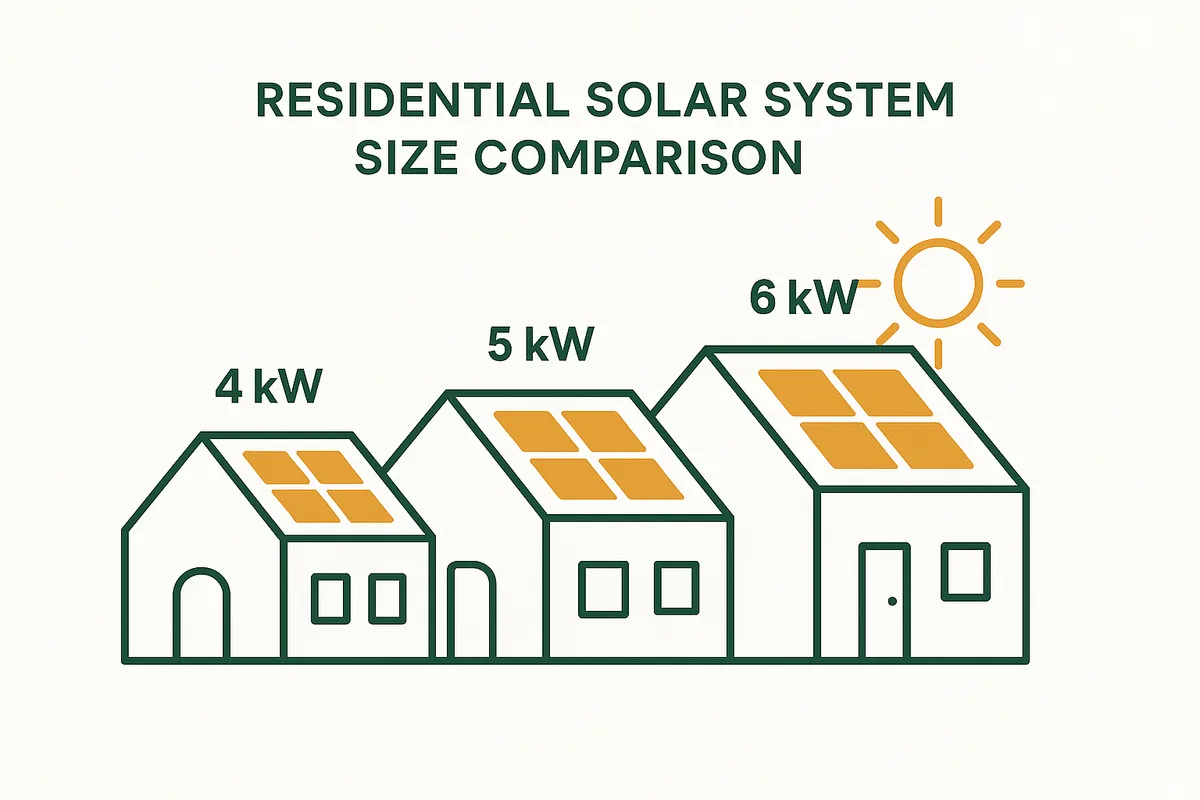
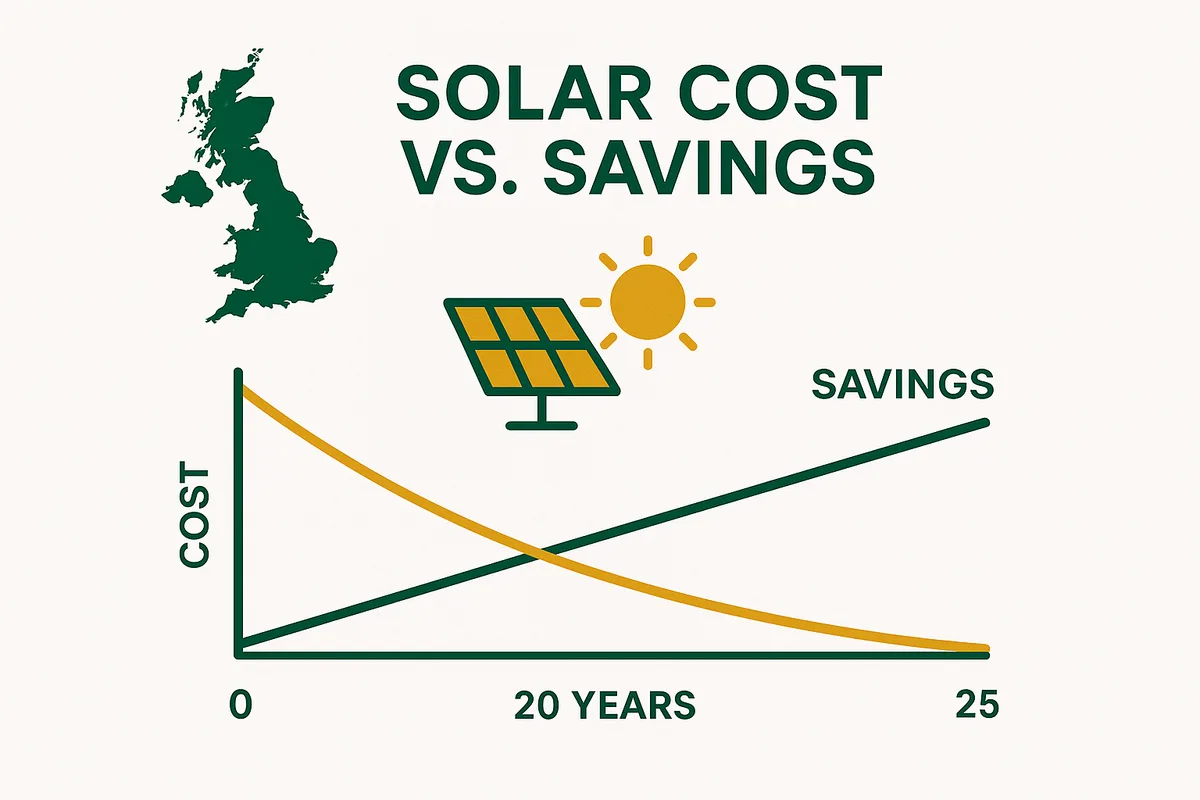
Pitched roof 4kW system: £5,000–£8,000 Flat roof 4kW system: £5,500–£9,000 (10–15% premium)
The extra cost comes from: - Tilt frames: £200–£500 additional - Ballast/fixings: £100–£300 additional - Additional labour for frame assembly: £100–£200 - Potential structural survey if roof load capacity is uncertain: £200–£400
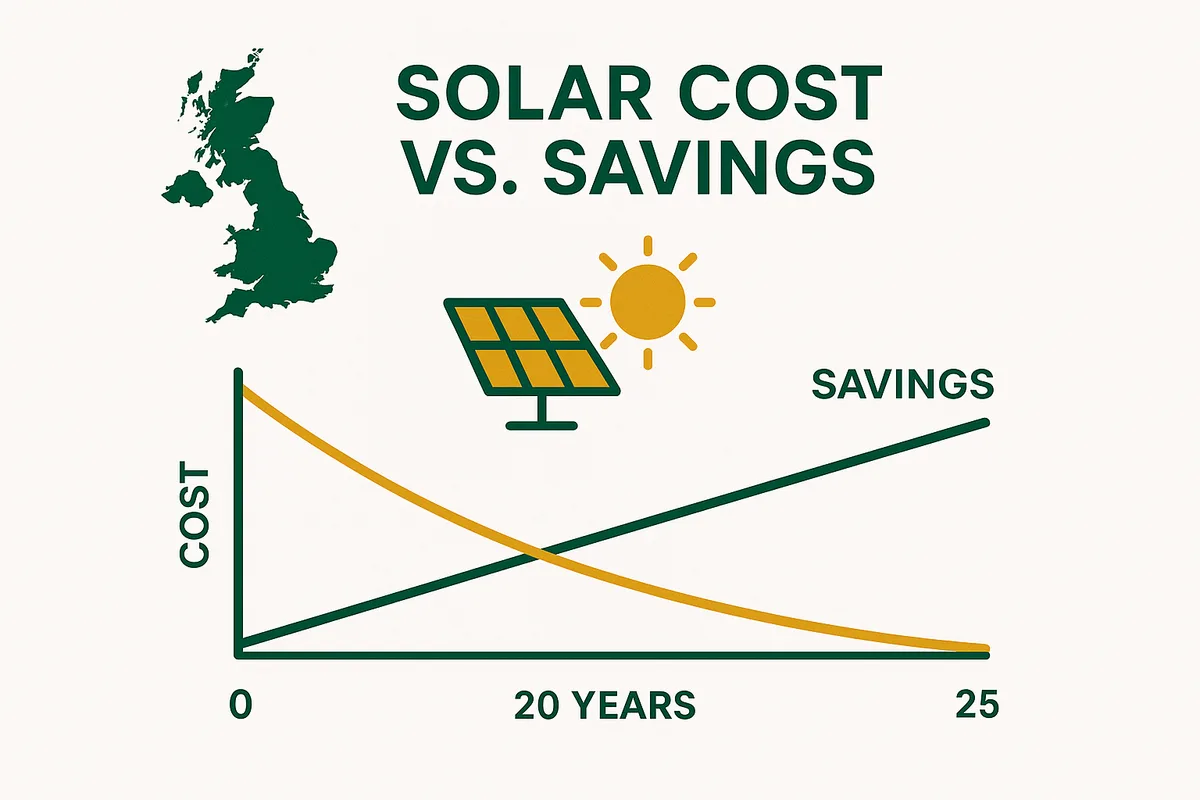
The premium is modest and the system still pays for itself within 9–13 years — close to the pitched roof payback of 8–12 years.
Source: MCS installer pricing 2026.
Planning Permission for Flat Roof Solar
Flat roof solar installations follow the same permitted development rules as pitched roofs, with one additional condition:
- Panels (including frames) must not protrude more than 1 metre above the highest part of the roof (excluding chimneys)
- The standard 200mm protrusion rule applies from the roof surface
- All other conditions are the same: not a listed building, not highway-facing in a conservation area, etc.
Most flat roof frame systems sit well within these limits. A 25-degree tilt frame with a standard panel is typically 500–700mm above the roof surface.
Source: UK Planning Portal; Town and Country Planning (General Permitted Development) Order.
Advantages and Disadvantages of Flat Roof Solar
Advantages: - Choose optimal direction and angle (not limited by roof pitch/aspect) - Can often fit more panels than a pitched roof - Easier and safer access for maintenance and cleaning - Not visible from street level (planning benefit in sensitive areas) - Ballasted systems avoid roof penetration
Disadvantages: - 5–10% less output per panel than optimal pitched installation - Spacing between rows reduces total capacity per square metre - Extra cost for frames and ballast (10–15% premium) - Wind loading — frames must resist uplift, requiring adequate ballast or fixing - Flat roof membrane must be in good condition — not ideal if roof replacement is due soon - May require structural assessment for older buildings
Frequently Asked Questions
Related guides
You might also like
See what fits your property
Roof shape, pitch and available space decide what is actually installable. Get a recommendation and an installed price for your specific property.
Check My PropertyFree, no obligation. Takes about 2 minutes.