Do Solar Panels Withstand Hail?
Ready to see what solar could save you?
Get free, no-obligation quotes from MCS-certified installers in your area.
Get Free QuotesFree, no obligation. Takes 2 minutes.
Can hail damage solar panels?
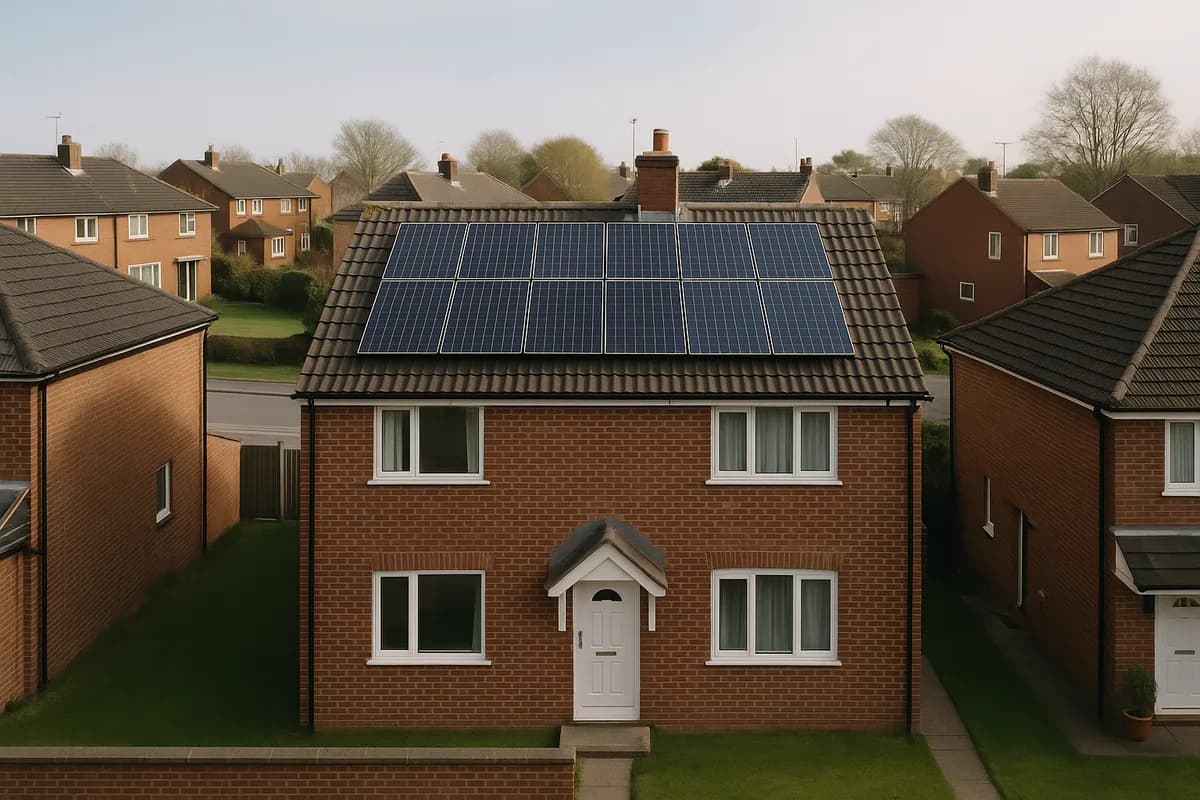
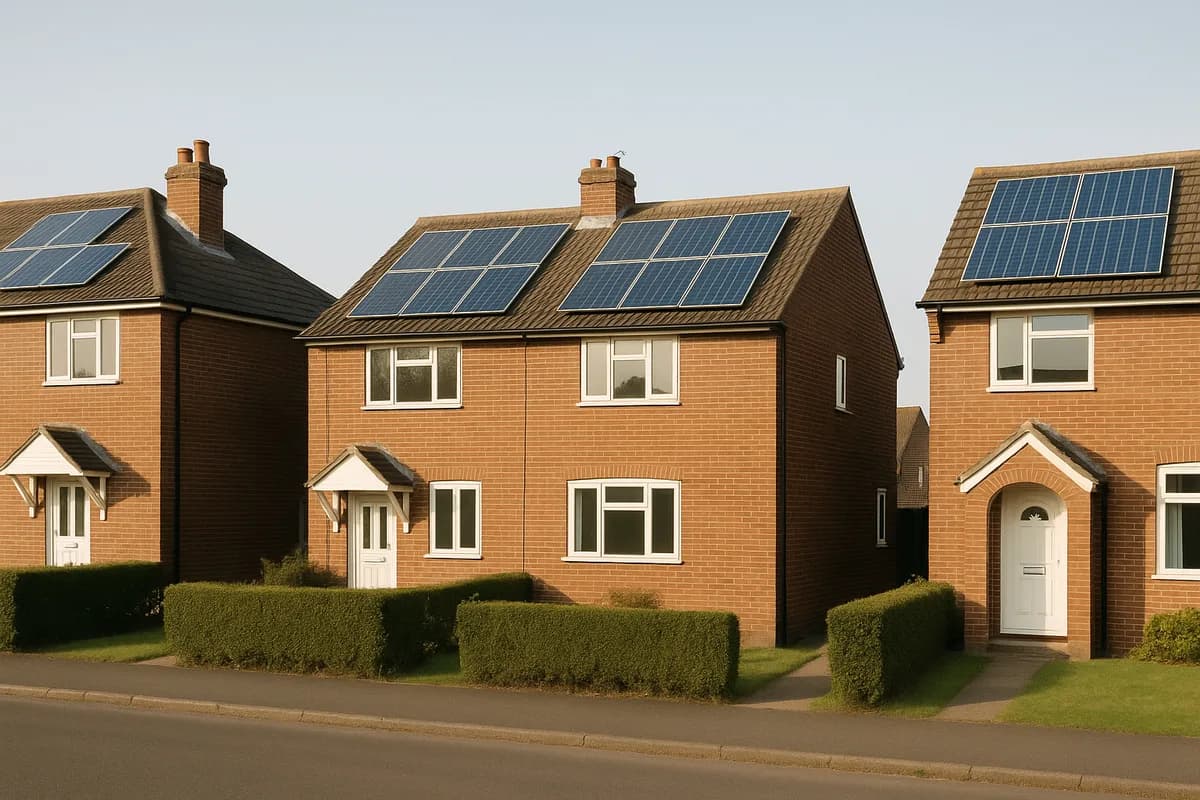
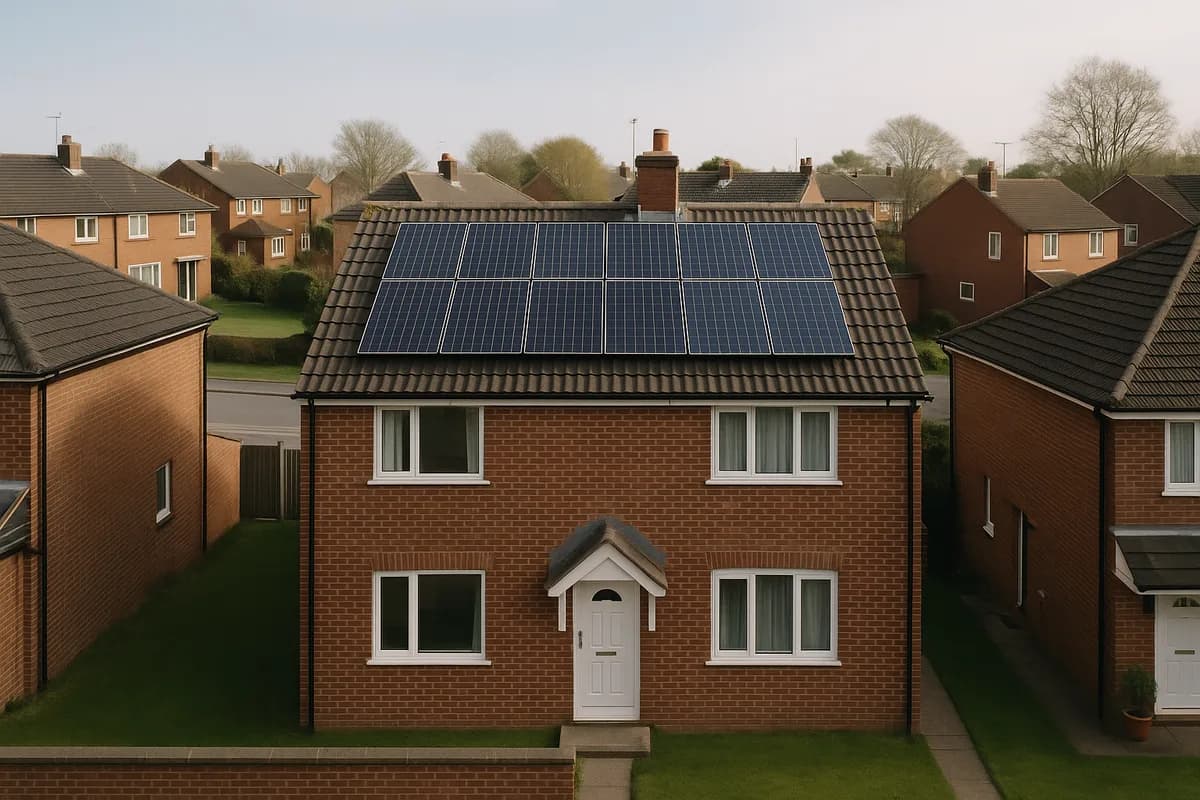
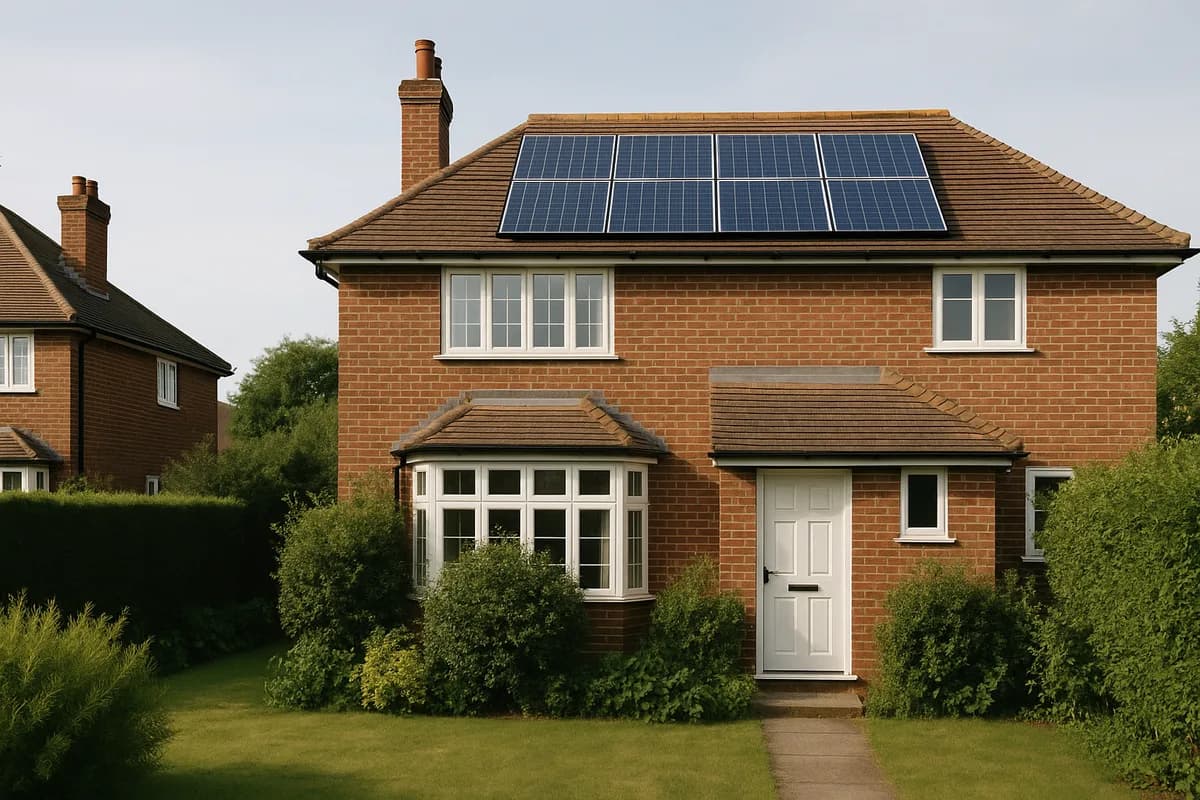
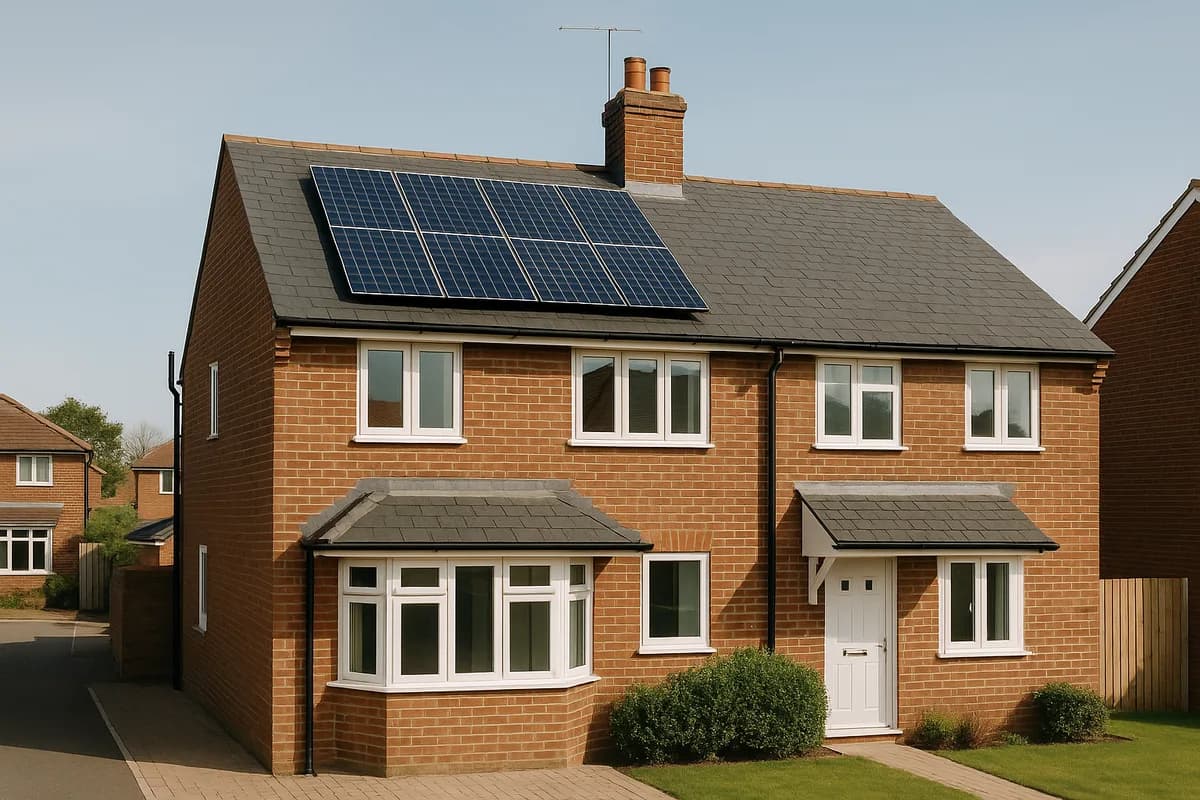
Yes, solar panels withstand hail. They are tested to IEC 61215 standards: surviving impacts from 35mm diameter ice balls at 100km/h. UK hail rarely exceeds 15–20mm diameter. The 3.2mm tempered glass front surface is designed to absorb impacts without cracking. Hail damage to solar panels in the UK is extremely rare — far less common than damage to car windscreens or greenhouse glass.
Testing Standards: What Panels Must Survive
All solar panels certified to IEC 61215 (the international standard required for MCS certification) must pass hail impact testing:
IEC 61215 Hail Test: - 11 ice balls, 35mm diameter (larger than a £2 coin) - Impact speed: 100 km/h (62 mph) - Fired at the panel's 11 most vulnerable points (cell centres, junctions, corners) - Panel must show zero power degradation and no visible damage after testing
For context: - Average UK hailstone: 5–15mm diameter - Large UK hailstone: 15–25mm diameter - Record UK hailstone: ~50mm (extremely rare — once per decade events) - Test standard: 35mm at 100 km/h — exceeds virtually all UK hail events
The glass: - Solar panel glass is 3.2mm tempered (toughened) glass - 4–5x stronger than standard glass of the same thickness - Same type of glass used in car side windows and shower doors - When broken (extremely rare), it shatters into small granules rather than sharp shards
Source: IEC 61215 testing standard; Met Office UK hail statistics.
UK Hail Risk: The Reality
Ready to see what solar could save you?
Get free, no-obligation quotes from MCS-certified installers in your area.
Get Free QuotesThe UK has a moderate hail climate — far less severe than the US Midwest, Australia, or continental Europe:
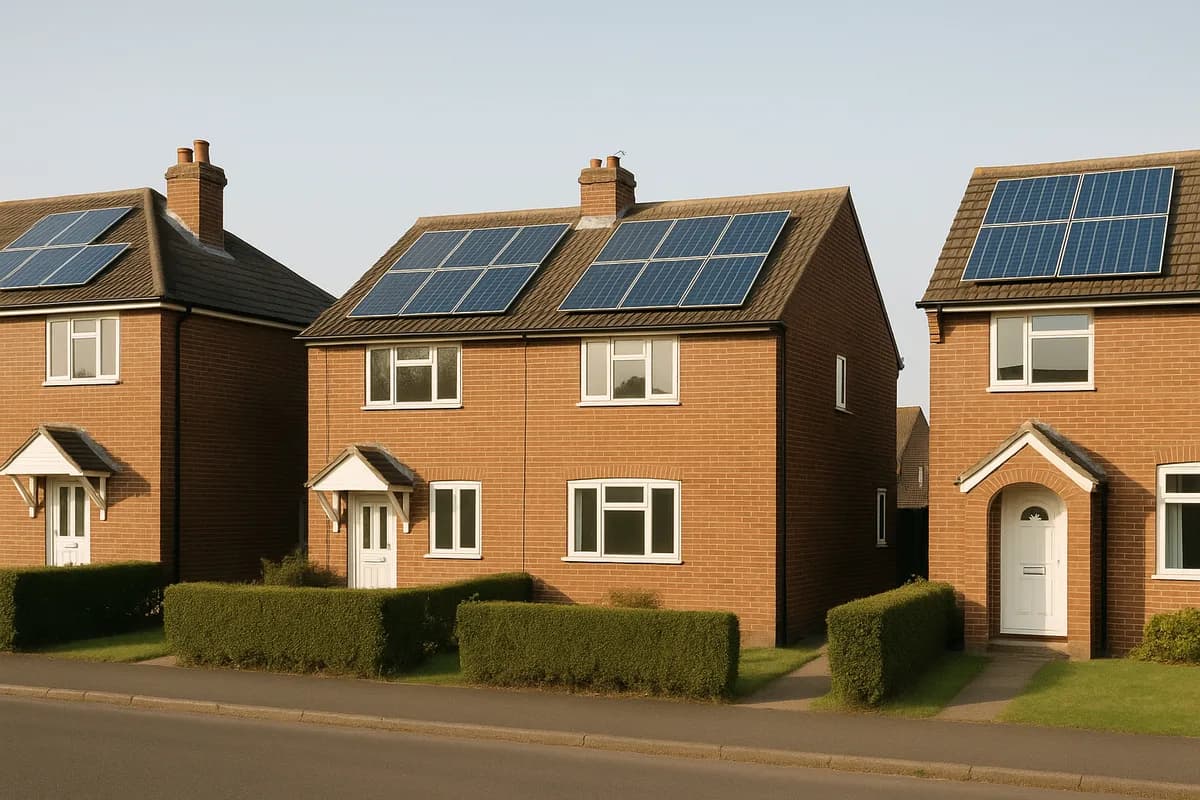
UK hail facts: - Most UK hail events produce stones under 10mm — harmless to panels - Significant hail (>20mm) occurs in fewer than 5 events per year nationally - Damaging hail (>30mm) is extremely rare — perhaps 1–2 events per decade - UK panels have survived all recorded hail events without widespread damage
In comparison: - US 'hail alley' (Texas, Colorado) regularly sees 50–75mm hail - Even in these extreme conditions, most quality panels survive - Panels in the US that do fail in hail are often from budget manufacturers that do not meet IEC 61215
UK insurance data confirms: Solar panel hail claims are virtually non-existent. Insurers do not consider hail a significant risk factor for UK solar.
Source: Met Office severe weather reports; UK insurance claims data.
What Extreme Weather CAN Affect Panels
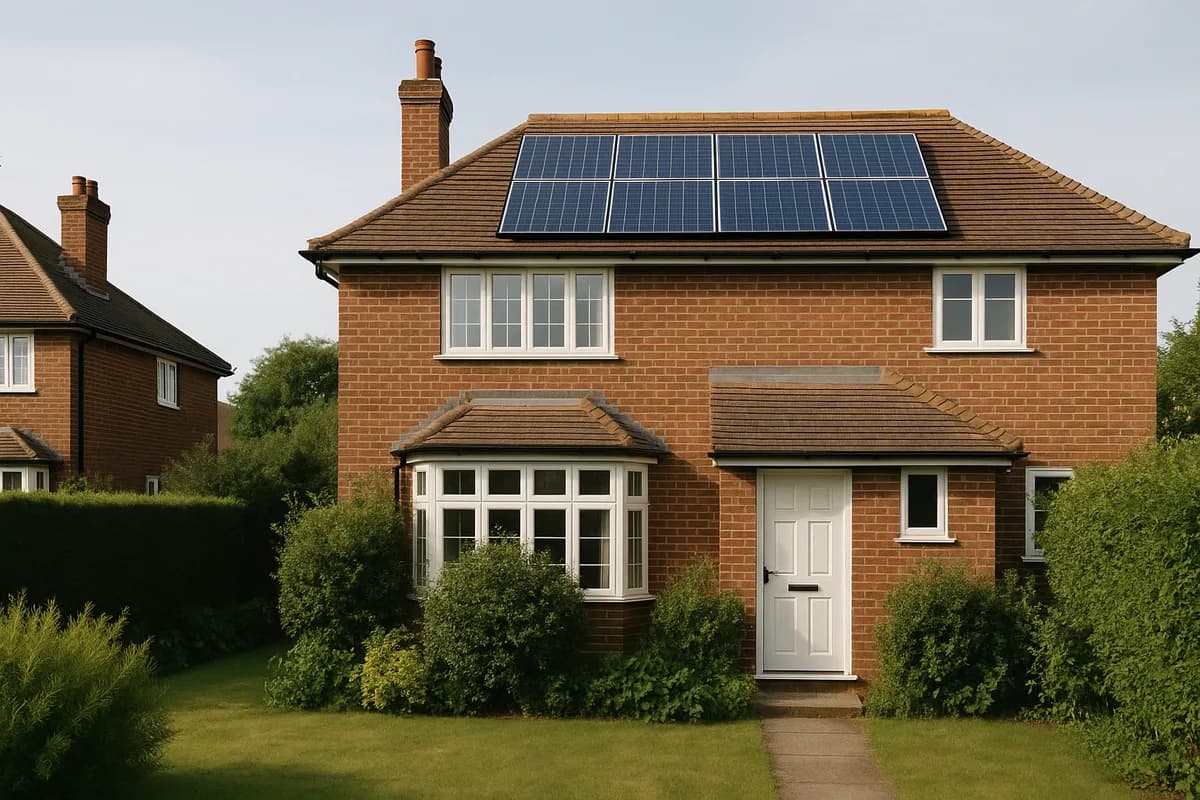
While hail is not a realistic UK risk, other weather events deserve consideration:
Strong winds: Panels are tested to withstand 140+ mph winds. UK gusts rarely exceed 100 mph. Properly mounted panels with MCS-standard fixings are extremely secure. The mounting system is designed with significant safety margins.
Heavy snow: Snow load is a consideration in the design, but UK snowfall is rarely heavy enough to stress panel mounting. Snow slides off angled panels naturally. If snow accumulates, it melts within hours thanks to the dark panel surface absorbing heat.
Lightning: Solar panels do not attract lightning any more than other roof protrusions. The system is earthed per IET Wiring Regulations, which protects against lightning-induced surges. Surge protection devices are installed as standard.
Flooding: If floodwater reaches your inverter (typically mounted at ground level), the inverter may be damaged. Panels on the roof are unaffected. If you live in a flood zone, consider mounting the inverter above expected flood levels.
Source: BS EN 1991 wind loading; MCS weather resilience standards.
Frequently Asked Questions
Related guides
You might also like
Ready to see what solar could save you?
Get free, no-obligation quotes from MCS-certified installers in your area.
Get Free QuotesFree, no obligation. Takes 2 minutes.