How Solar Feed-In Works: Exporting to the Grid
Want to know what system suits this tariff?
Export tariffs pay very differently depending on your system size and whether you have a battery. See what setup would actually earn you the most at your home.
Size a System for This TariffFree. Uses your postcode and usage — no phone number needed.
How does solar feed-in to the grid work?
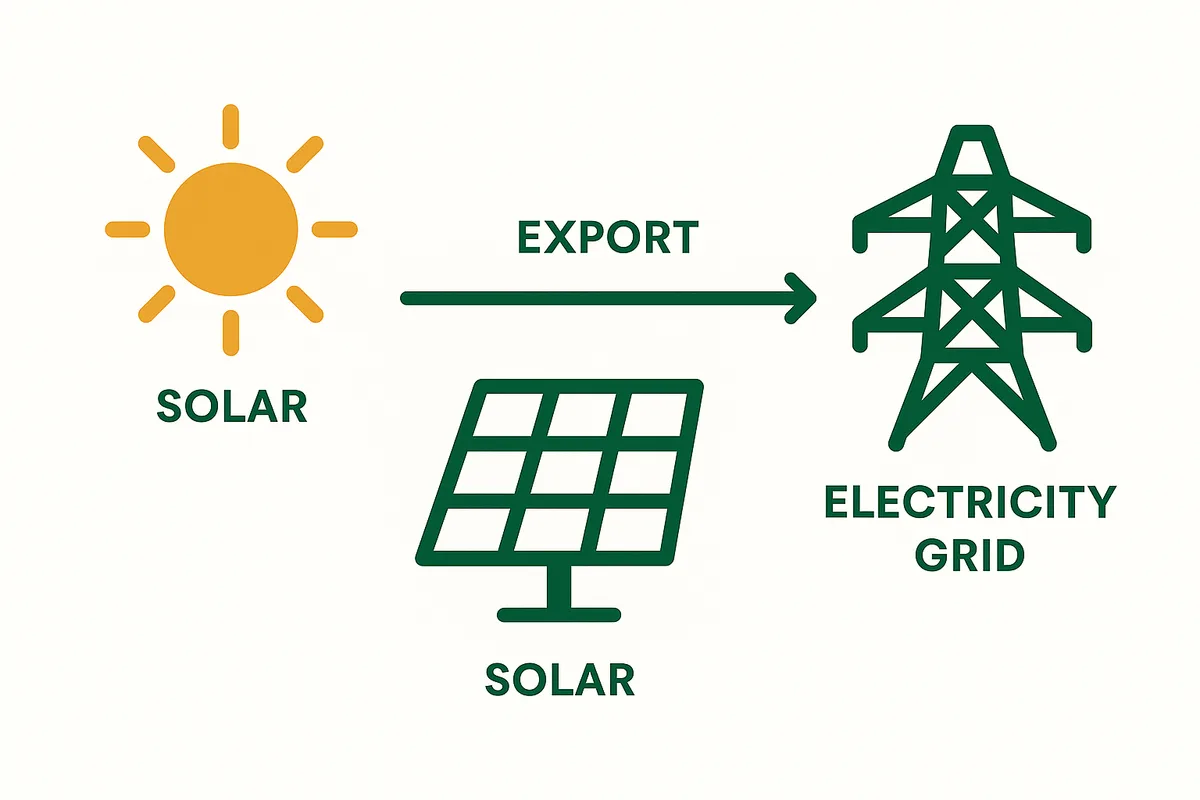
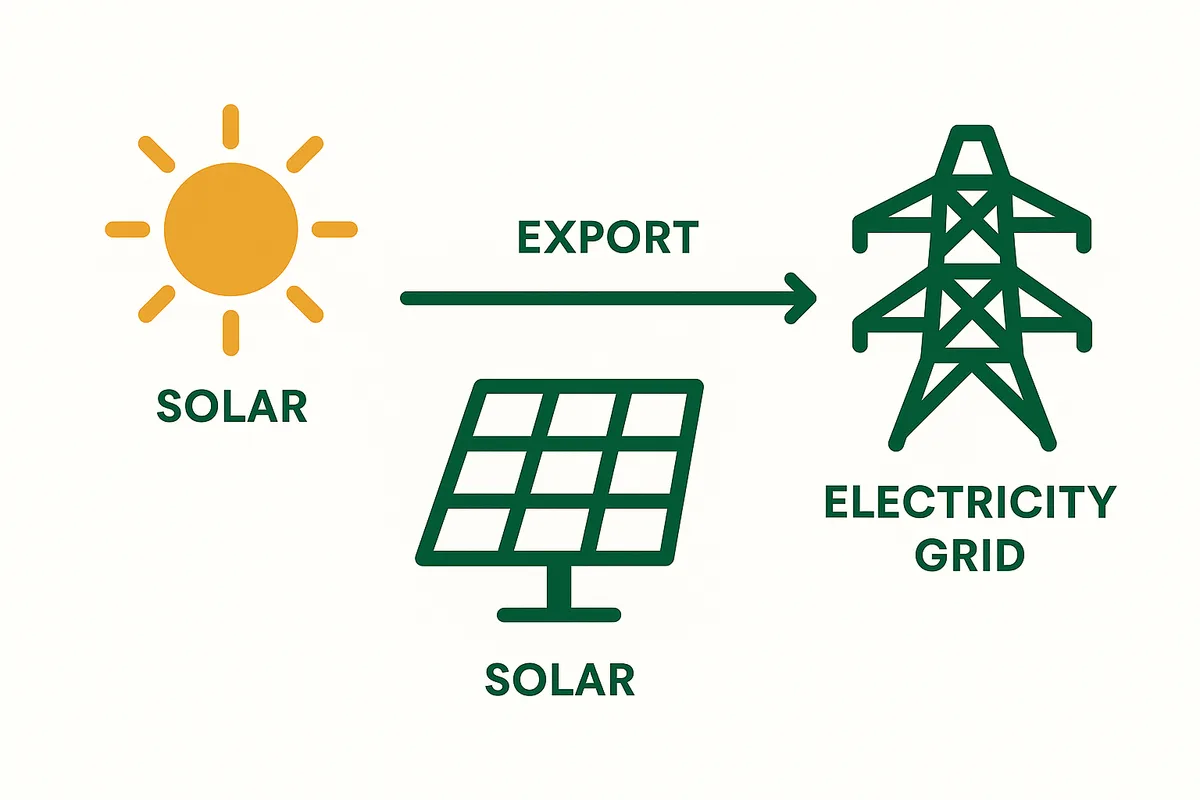
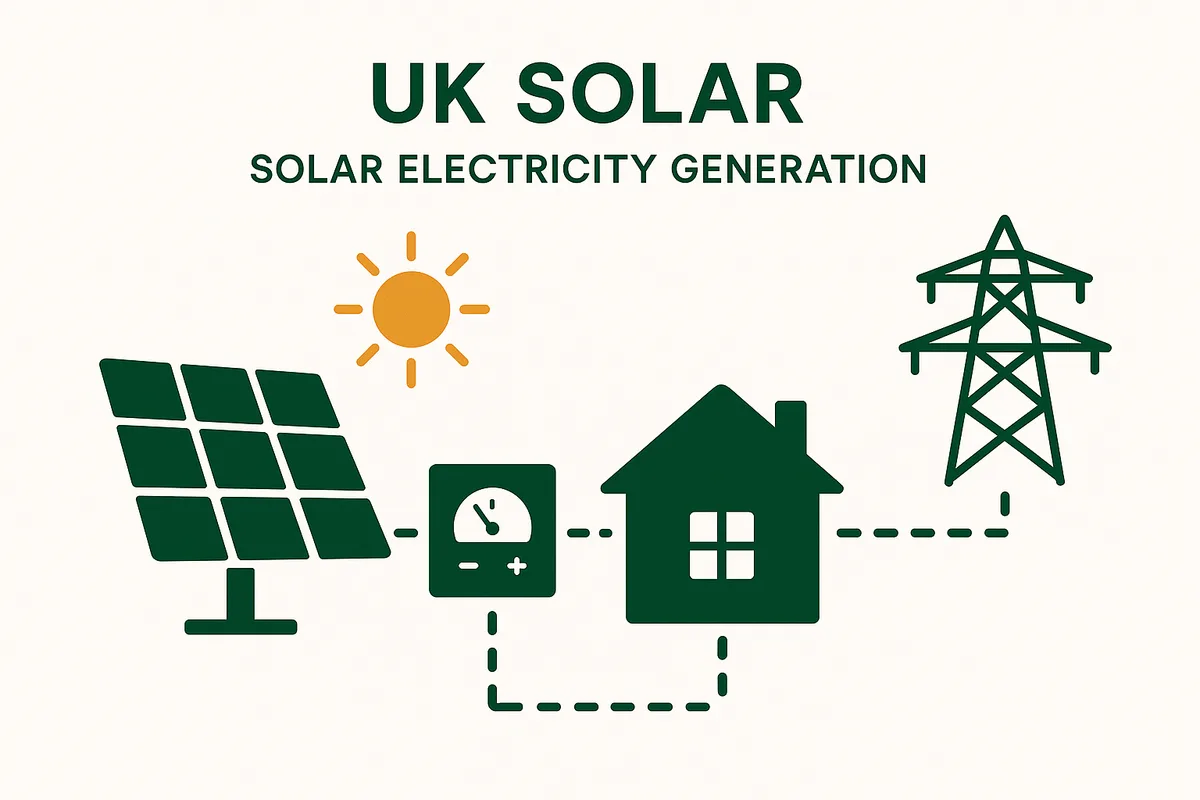
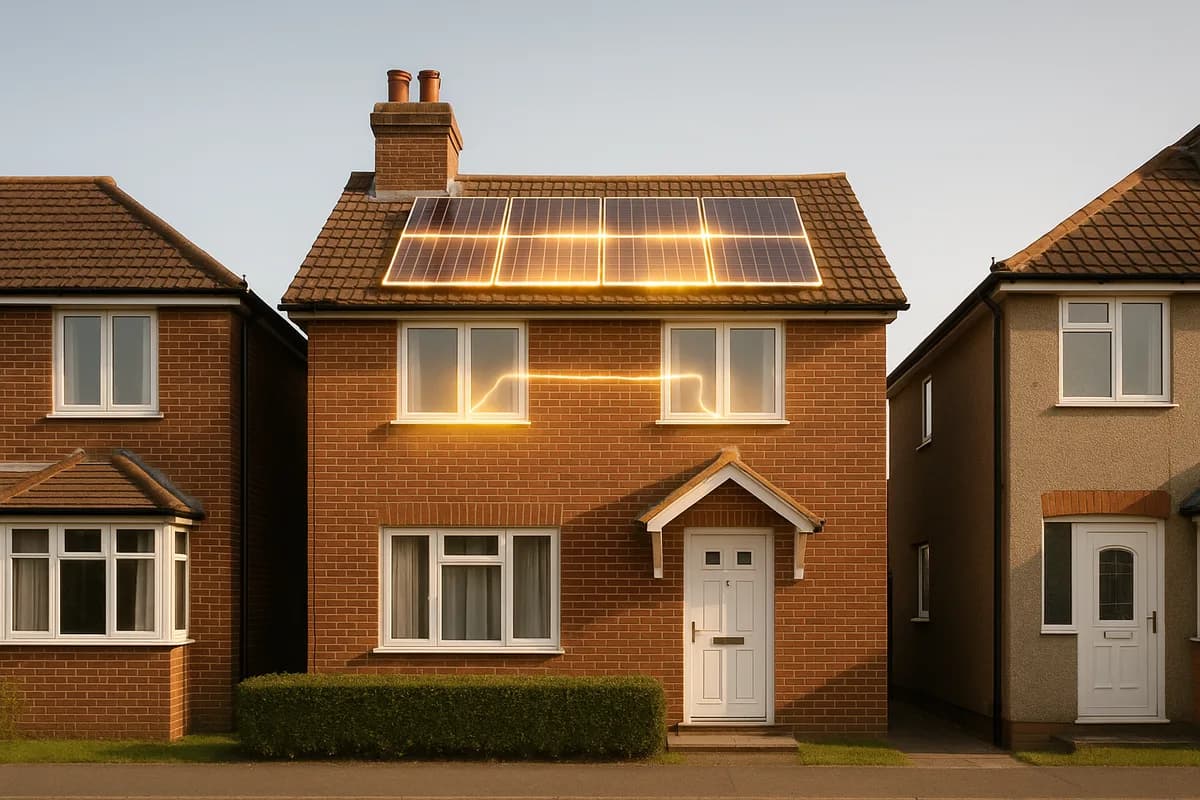
When your solar panels generate more electricity than your home is using, the surplus automatically flows out through your meter to the national grid. Your smart meter records this export. Under the Smart Export Guarantee (SEG), your energy supplier pays you for every kWh exported — currently 4–15p/kWh depending on supplier and tariff. The old Feed-in Tariff (FIT) scheme closed in 2019; the SEG is its replacement. Export happens automatically — you do not need to do anything.
The Feed-In Process: Step by Step
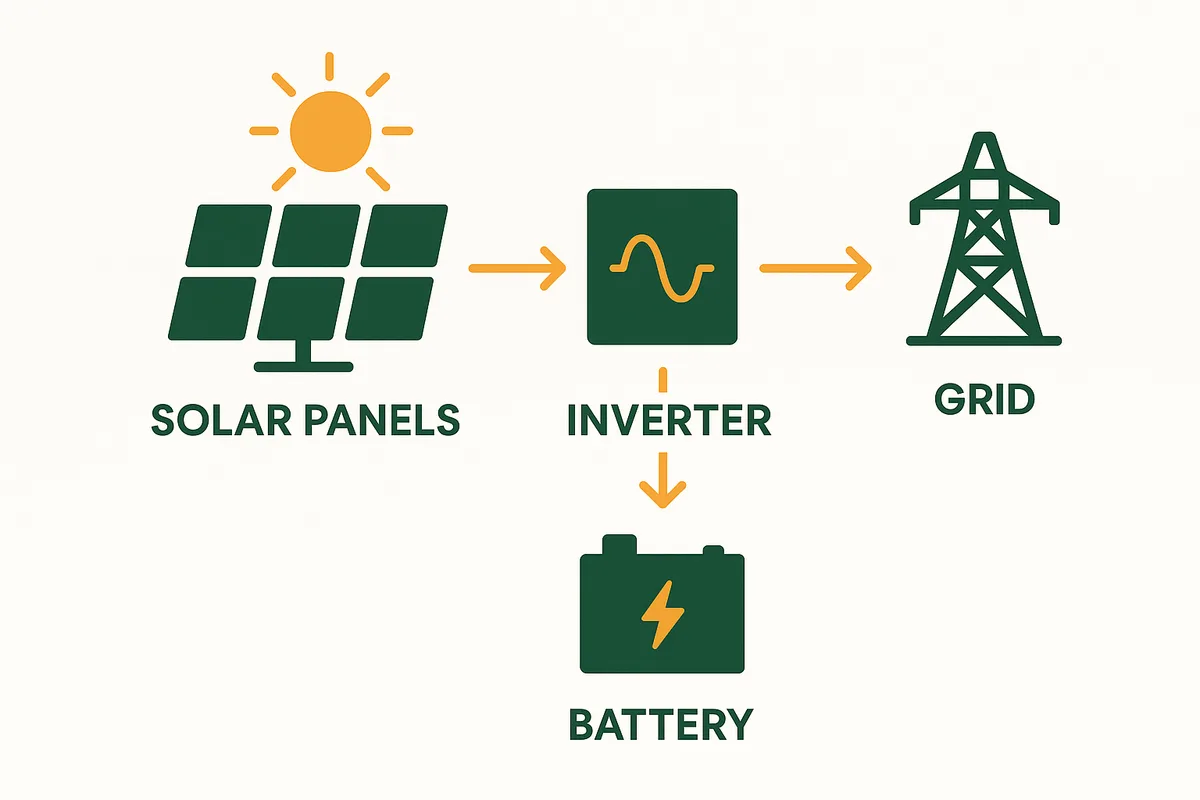
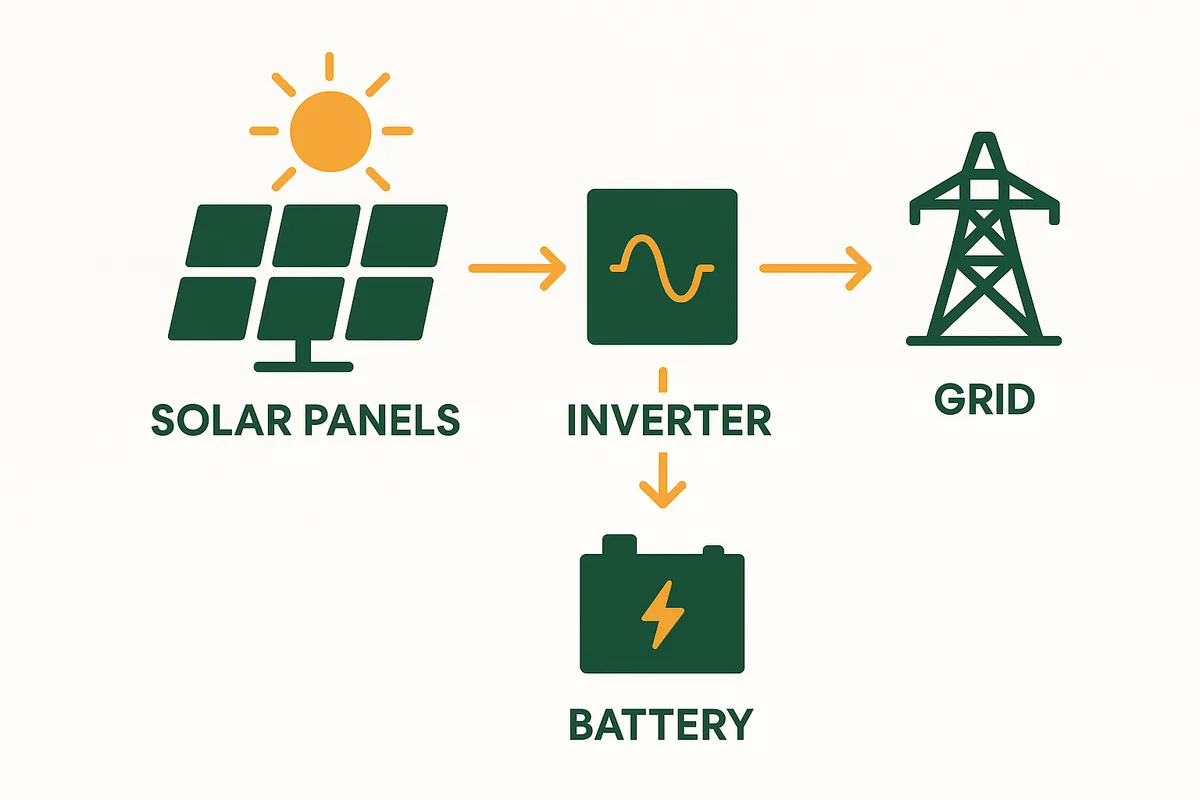
1. Panels generate electricity During daylight hours, your solar panels produce DC electricity.
2. Inverter converts to AC Your inverter converts DC to the 230V AC that your home and the grid use.
3. Home uses what it needs The converted electricity flows to your consumer unit (fuse box). Your home's appliances draw what they need — lights, fridge, devices, etc.
4. Surplus flows to the grid If generation exceeds consumption (common on sunny days when nobody is home), the surplus electricity flows OUT through your electricity meter to the local grid. This happens automatically — the grid acts like a giant sponge, absorbing whatever you do not use.
5. Smart meter records export Your smart meter records two things separately: - Import register: electricity you BUY from the grid (you pay for this) - Export register: electricity you SEND to the grid (you are PAID for this)
6. SEG supplier pays you Your Smart Export Guarantee supplier uses the export readings to calculate your payment. This arrives as a credit on your bill (if same supplier) or a separate payment (if different supplier).
The entire process is invisible and automatic. You do not press any buttons, make any decisions, or manage any flow. The physics and the meter do everything.
Source: National Grid electricity flow; Ofgem SEG mechanics.
Feed-in Tariff (FIT) vs Smart Export Guarantee (SEG)
Feed-in Tariff (FIT) — CLOSED to new applicants since March 2019: - Paid for ALL electricity generated (not just exports) - Government-set rates (up to 43p/kWh when launched in 2010) - Index-linked payments for 20 years - Guaranteed by the government - Extremely generous — some early adopters earn £1,000–£2,000/year - If you are on FIT: keep it. It is far more valuable than SEG.
Smart Export Guarantee (SEG) — current scheme: - Pays ONLY for electricity exported to the grid (not what you use at home) - Rates set by suppliers (not government) — typically 4–15p/kWh - Not index-linked — rates can change - Less generous than FIT but still provides meaningful income - Available to anyone with MCS certification + smart meter
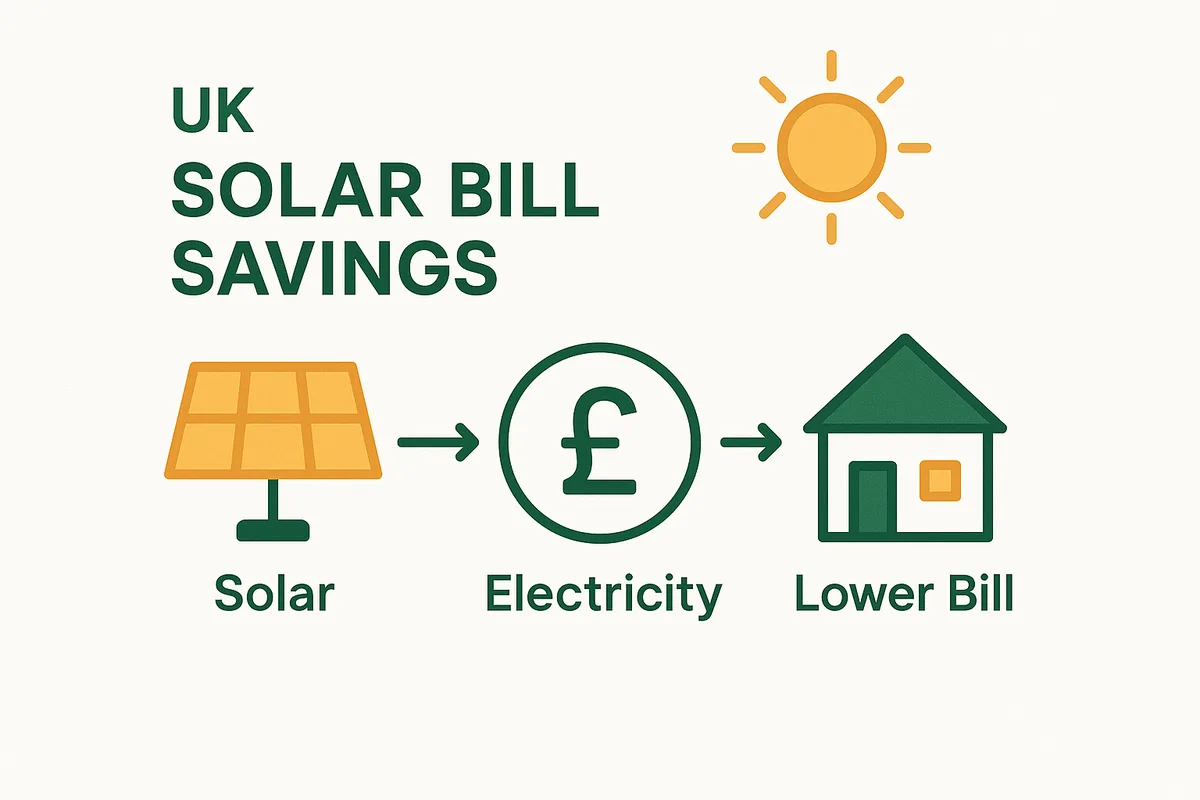
Key difference: FIT paid you for generating. SEG pays you for exporting. Under FIT, every kWh was worth money regardless of whether you used it. Under SEG, self-consumed kWh earn nothing from SEG — but they save you the grid rate (26.11p), which is actually worth MORE than most SEG rates.
Source: Ofgem FIT and SEG scheme documentation.
Want to know what system suits this tariff?
Export tariffs pay very differently depending on your system size and whether you have a battery. See what setup would actually earn you the most at your home.
Size a System for This Tariff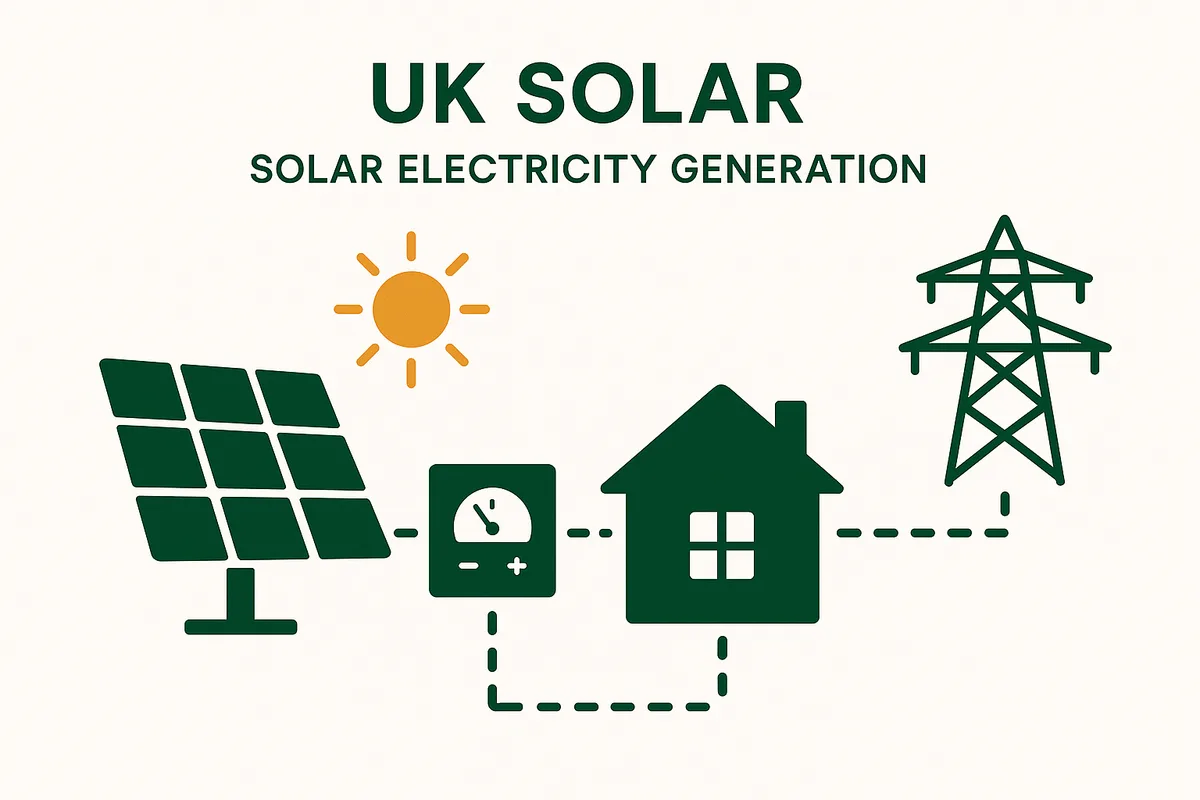
How Much Can You Earn from Exporting?
Annual export income depends on system size, self-consumption, and SEG rate:
| System | Self-Consumption | Annual Export | Income @ 4.5p | Income @ 12p (Flux) |
|---|---|---|---|---|
| 3kW | 50% (1,500 kWh) | 1,500 kWh | £68 | £180 |
| 4kW | 50% (2,000 kWh) | 2,000 kWh | £90 | £240 |
| 5kW | 50% (2,500 kWh) | 2,500 kWh | £113 | £300 |
| 6kW | 50% (3,000 kWh) | 3,000 kWh | £135 | £360 |
| 4kW + battery | 80% (3,200 kWh) | 800 kWh | £36 | £96 |
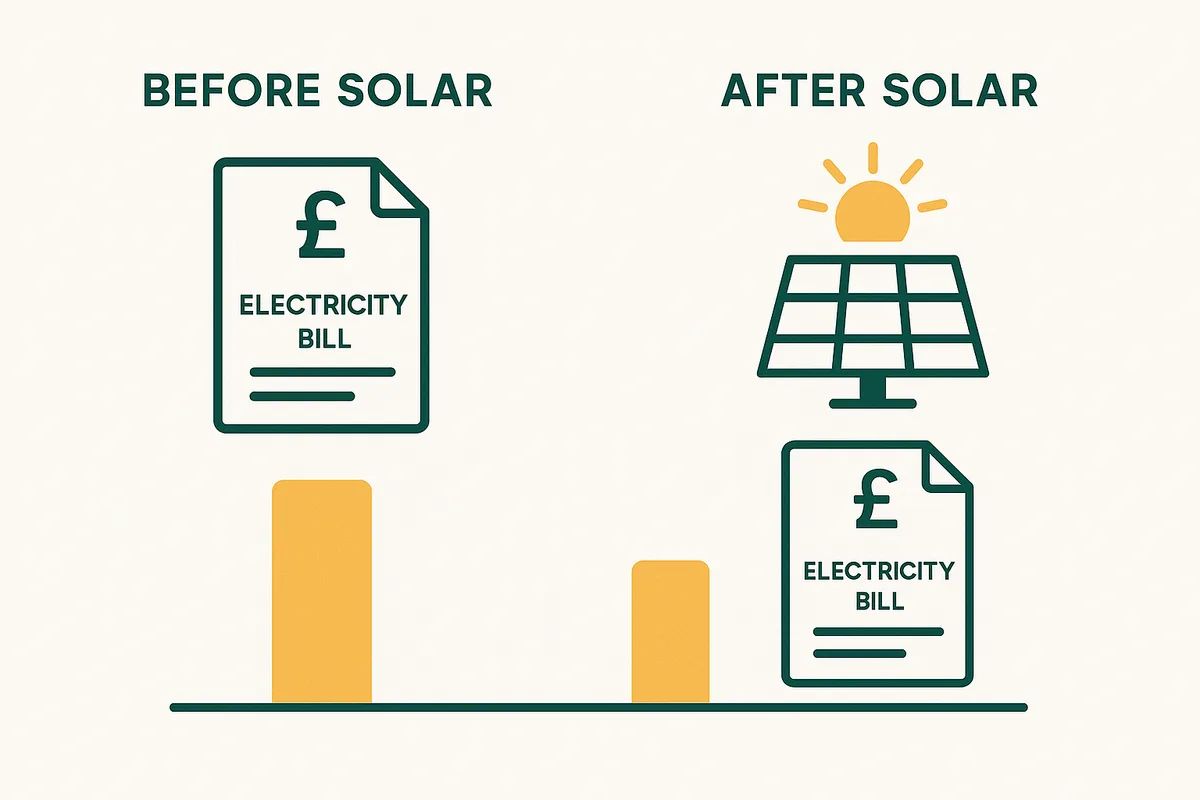
With a battery: You export less (because you store and use more yourself). But each kWh you self-consume saves 26.11p — worth far more than 4.5p SEG. A battery INCREASES total savings even though it DECREASES SEG income.
Without a battery: You export roughly 50% of generation. This is where SEG rate matters most — the difference between 4.5p and 12p on 2,000 kWh is £150/year.
Source: Ofgem; PVGIS; self-consumption modelling.
Does the Grid 'Store' Your Solar for Later?
No. The UK does not have 'net metering' (where the grid acts as a virtual battery, crediting you kWh-for-kWh for exports).
What actually happens: - You export surplus at 4–15p/kWh (SEG rate) - You import grid electricity at 26.11p/kWh when you need it - There is NO offset — you pay the full import rate for every kWh you buy back
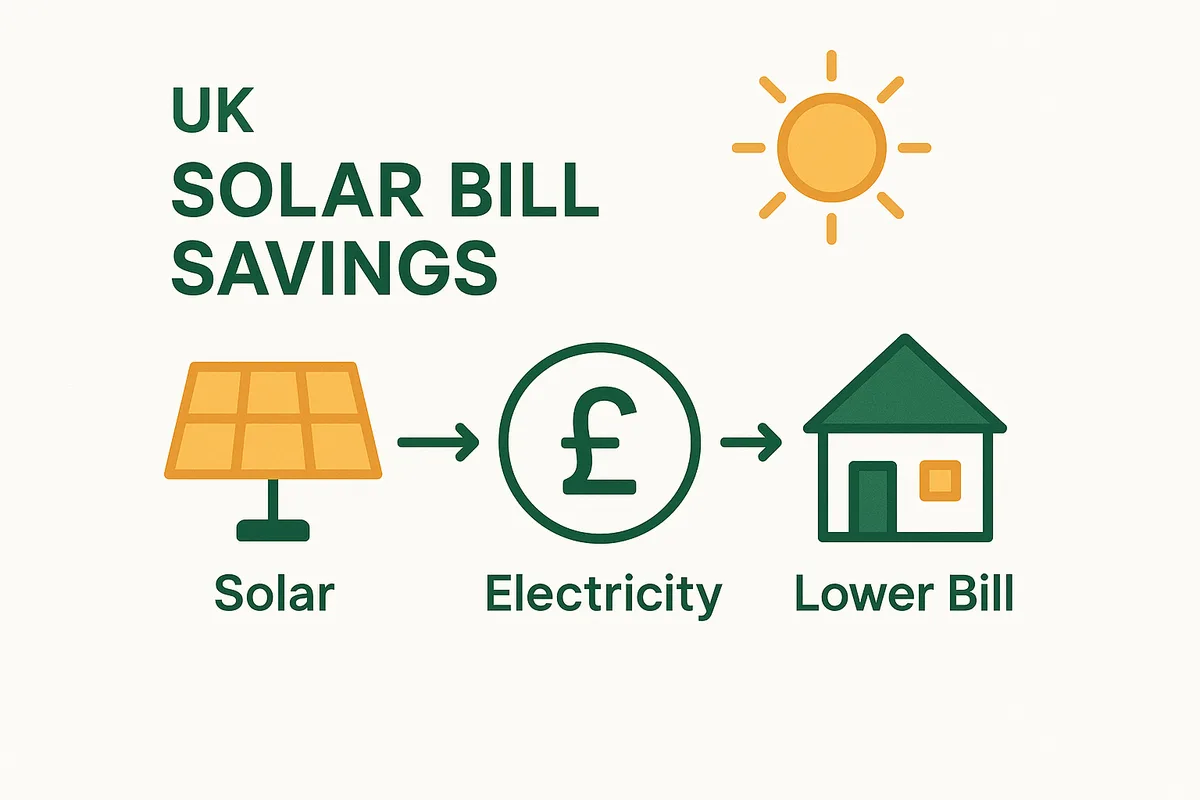
This is why self-consumption matters so much: - Export value: 4–15p per kWh - Self-consumption value: 26.11p per kWh (avoided grid import) - Difference: 10–20p per kWh
Every kWh you shift from export to self-use is worth 10–20p more. This is the fundamental argument for: running appliances during the day, adding a battery, and using a solar diverter for hot water.
Some countries DO have net metering (USA, Australia in some states). The UK does not. Our system (SEG) is less generous but still provides a meaningful income stream.
Source: Ofgem metering and billing; international net metering comparison.
Frequently Asked Questions
Related guides
You might also like
Want to know what system suits this tariff?
Export tariffs pay very differently depending on your system size and whether you have a battery. See what setup would actually earn you the most at your home.
Size a System for This TariffFree. Uses your postcode and usage — no phone number needed.