Is Solar Energy Renewable? The Full Picture
Ready to see what solar could save you?
Get free, no-obligation quotes from MCS-certified installers in your area.
Get Free QuotesFree, no obligation. Takes 2 minutes.
Is solar energy a renewable source?
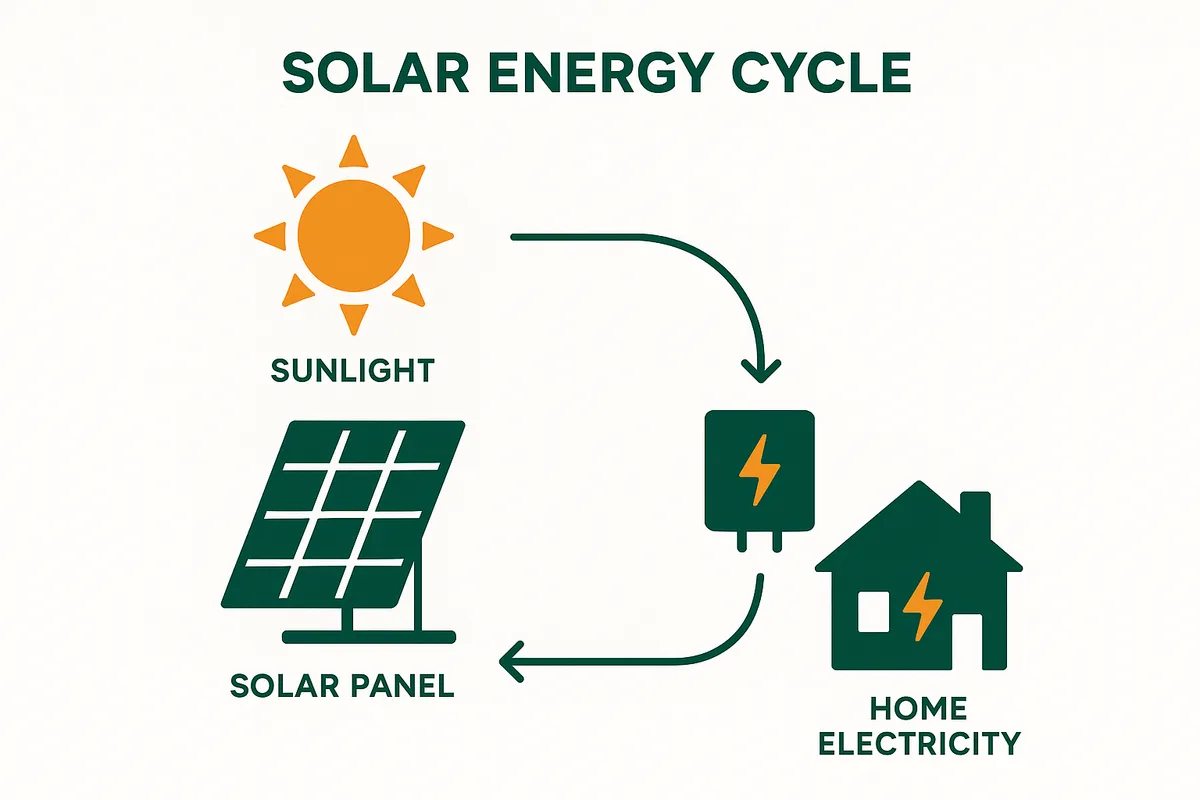
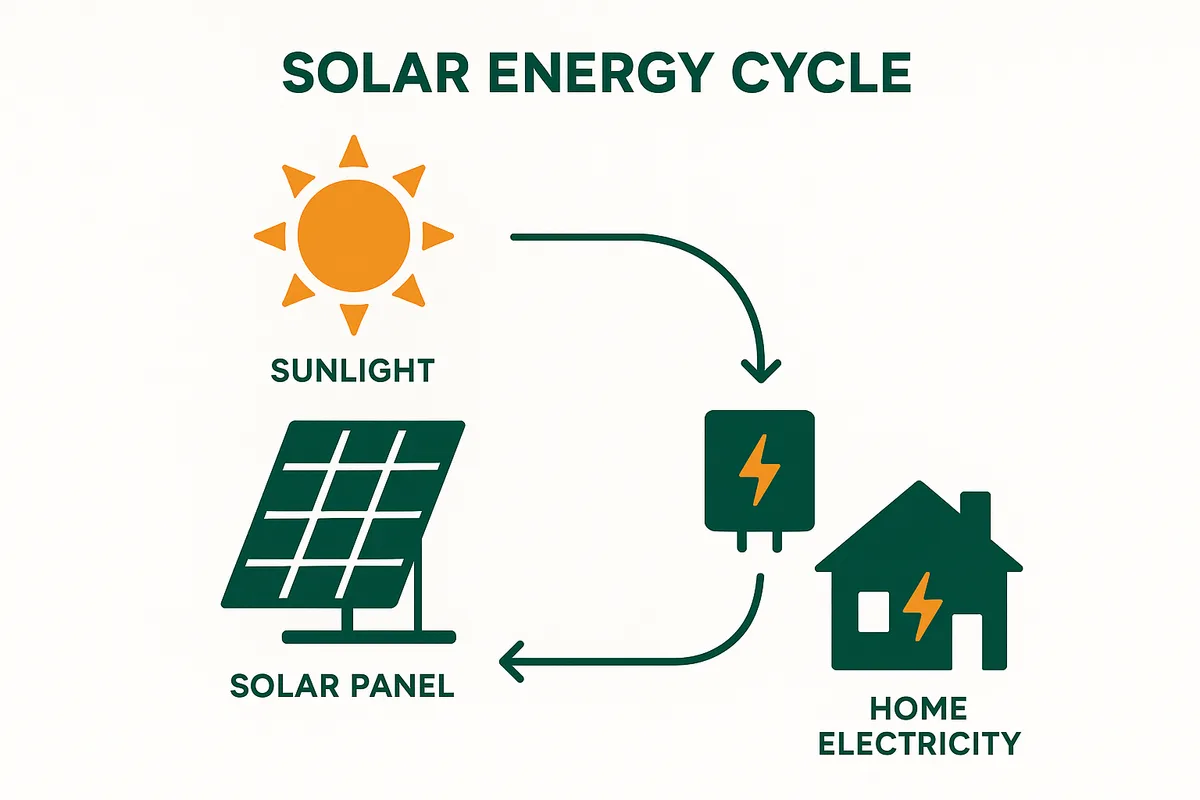
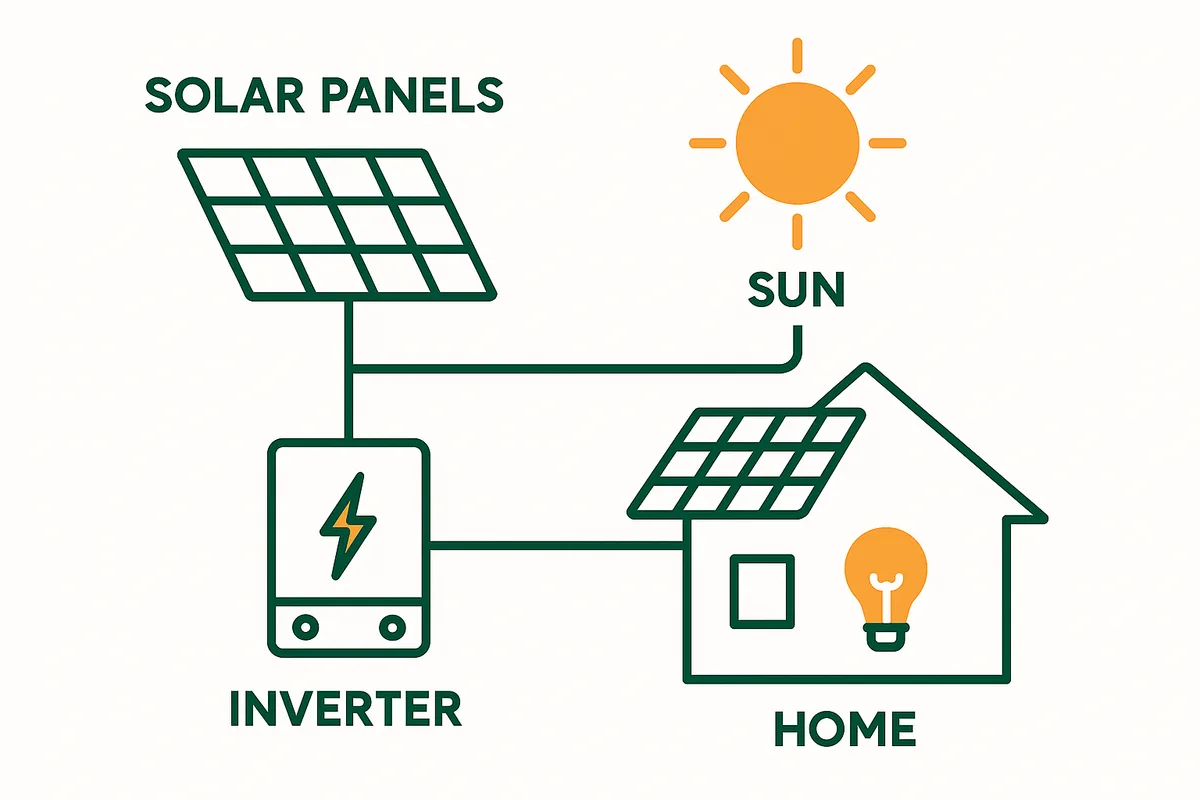
Yes, solar energy is renewable. The sun delivers approximately 173,000 terawatts of energy to Earth continuously — 10,000 times more than all human energy consumption combined. This energy is free, inexhaustible on any human timescale, and produces zero emissions when converted to electricity. Solar panels simply convert a tiny fraction of this constant energy flow into usable electricity.
Why Solar Energy Is Renewable
A renewable energy source must meet two criteria:
1. Naturally replenished on a human timescale: The sun has been shining for 4.6 billion years and will continue for approximately 5 billion more. On any meaningful human timescale, solar energy is inexhaustible. Every day, the sun delivers more energy to Earth than humanity uses in an entire year.
2. Not depleted by use: When a solar panel converts sunlight to electricity, it does not 'use up' the sunlight. The photons that hit the panel would have hit the roof anyway — the panel simply captures their energy instead of the energy becoming heat. Using solar does not reduce the amount of sunlight available — to you, your neighbours, or anyone.
For comparison with non-renewable sources: - Coal: takes millions of years to form. Once burned, it is gone. - Natural gas: same — formed over geological timescales, depleted by use. - Oil: same. - Nuclear (uranium): finite resource, though long-lasting.
Solar energy is fundamentally different: The 'fuel' (sunlight) arrives daily, costs nothing, cannot be monopolised, and will continue arriving for billions of years.
Source: NASA solar science; IEA renewable energy classification.
Solar Energy in Numbers
Global solar energy supply: - Solar energy reaching Earth: 173,000 TW (terawatts) continuously - Total human energy consumption: 18 TW - Ratio: 9,600:1 — the sun provides nearly 10,000x more than we use - Covering 0.01% of Earth's surface with solar panels would power all of humanity
UK solar resource: - UK receives 60–110 W/m² average solar irradiance (annual mean) - Even the UK's relatively modest solar resource is more than enough for widespread solar - The UK generates more solar electricity per capita than Germany did when it was the world leader
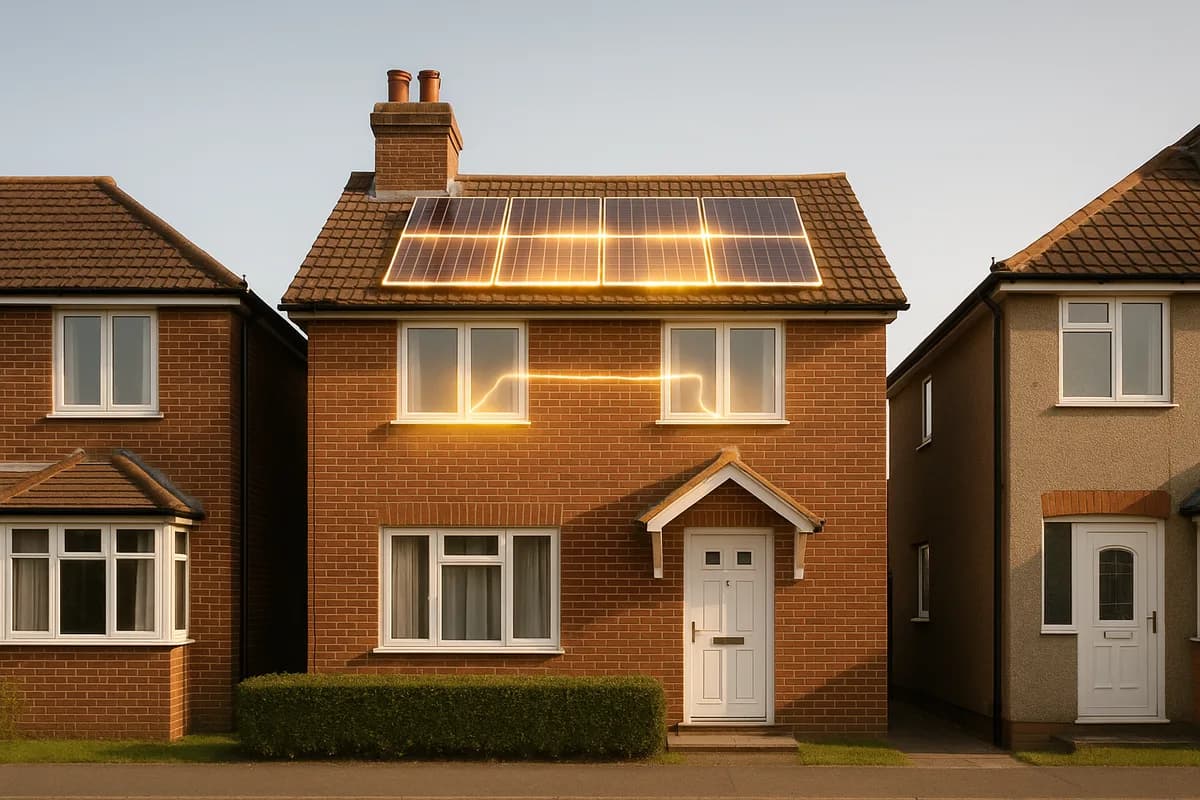
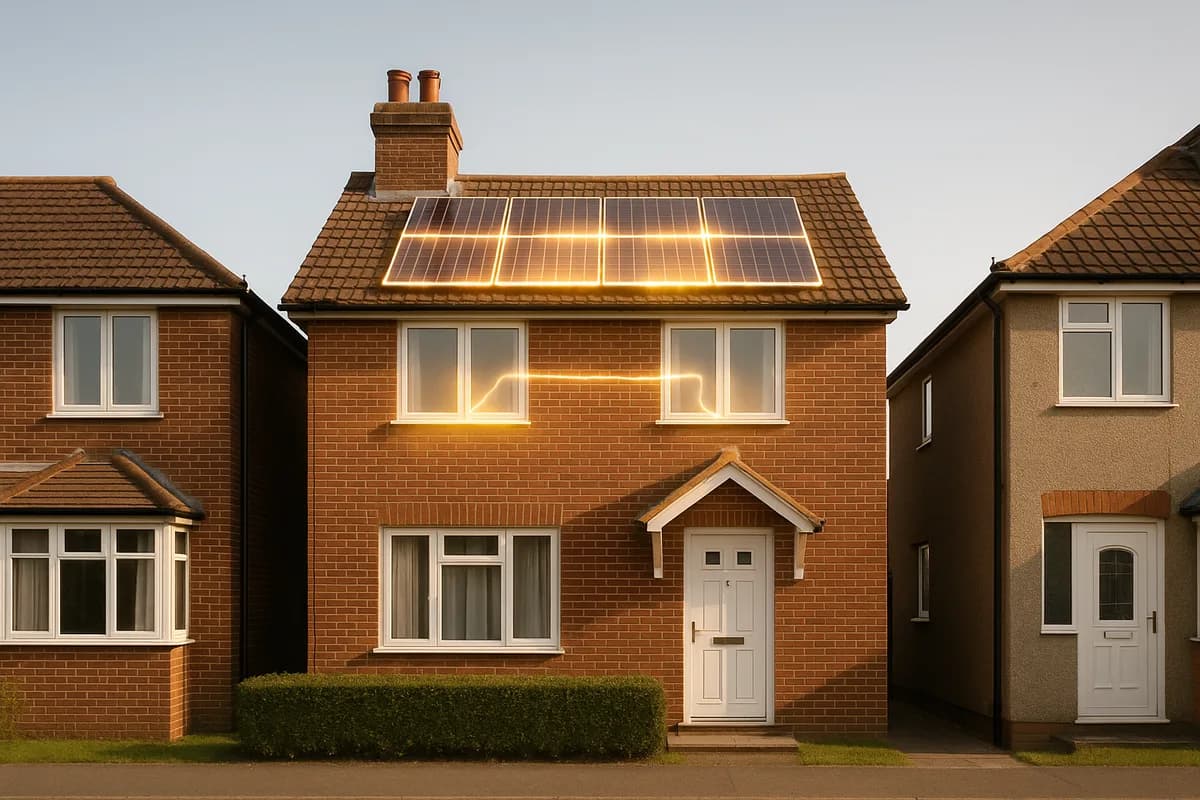
Solar panel conversion: - A 20% efficient panel converts 20% of incoming sunlight into electricity - The remaining 80% becomes heat (same as it would without the panel) - A 4kW UK system captures approximately 4,000 kWh per year — a tiny fraction of the sunlight hitting the roof
Source: NASA; IEA World Energy Outlook; PVGIS UK irradiance data.
Ready to see what solar could save you?
Get free, no-obligation quotes from MCS-certified installers in your area.
Get Free Quotes
Is Solar TRULY Clean? The Full Environmental Picture
Solar energy generation produces zero emissions — but manufacturing solar panels does have an environmental footprint:
Manufacturing carbon footprint: - Approximately 400–500 kg CO2 per panel - Repaid through clean generation in 3–6 years - Net carbon benefit over 25 years: 13–18 tonnes CO2 prevented per system
Materials: - Silicon (sand-derived): abundant, no supply concern - Aluminium (frame): abundant, fully recyclable - Glass: abundant, 95% recyclable - Copper (wiring): limited but small quantities used - Silver (contacts): limited but being reduced through technology improvements
End of life: - 95% of panel materials are recyclable - UK WEEE scheme handles end-of-life recycling - No hazardous waste from standard crystalline silicon panels
The verdict: Solar is not perfectly zero-impact (nothing is). But its lifecycle emissions are 20–50x lower than gas or coal electricity. Among all energy sources, solar is one of the cleanest.
Source: IRENA lifecycle assessment; Fraunhofer ISE environmental data.
How Solar Compares to Other Renewable Sources
UK renewable electricity sources:
| Source | % of UK Electricity (2025) | Pros | Cons |
|---|---|---|---|
| Wind (offshore) | ~27% | Massive capacity, UK strength | Intermittent, visual impact debate |
| Wind (onshore) | ~12% | Cheap, proven | Intermittent, planning resistance |
| Solar PV | ~5% | Homeowner accessible, scalable | Seasonal variation |
| Biomass | ~6% | Dispatchable (controllable) | Fuel supply chain, emissions debate |
| Hydro | ~2% | Reliable, long-lasting | Limited UK sites |
| Nuclear | ~15% | Low carbon, reliable | Expensive, waste management, slow to build |
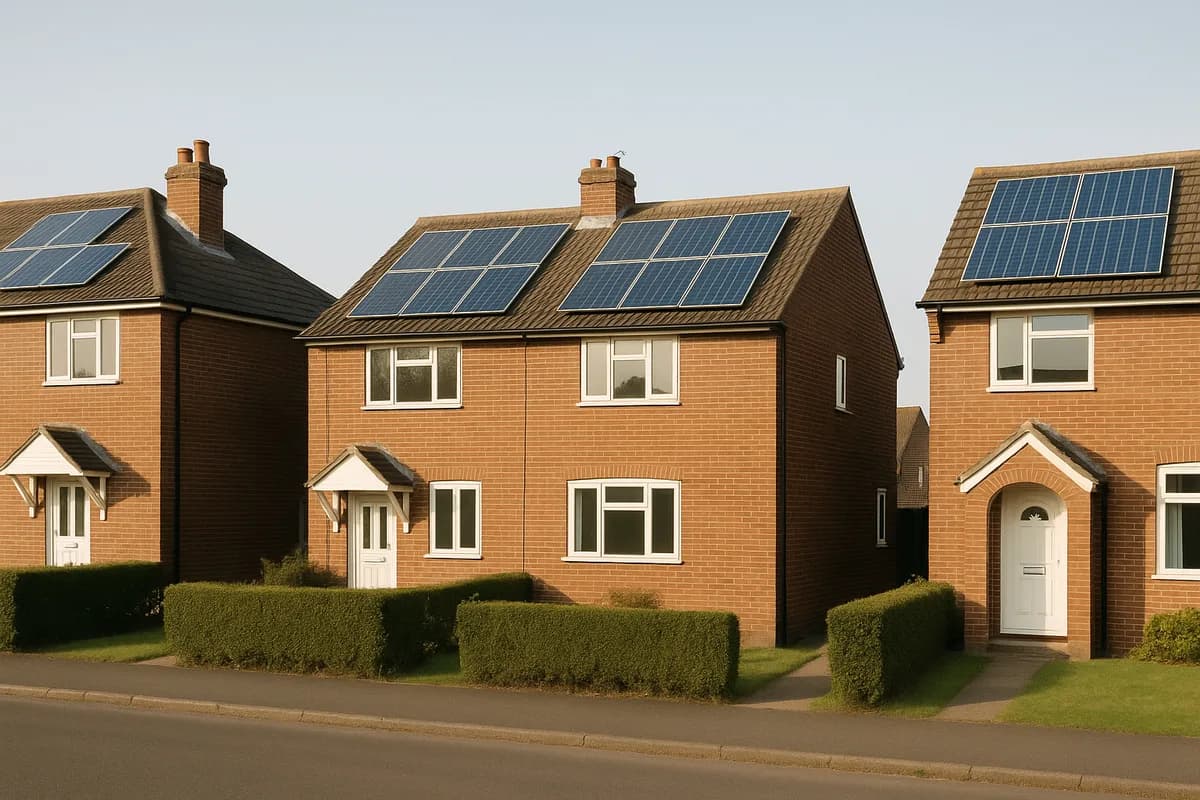
Solar's unique advantage: it is the only major renewable that individual homeowners can install, own, and directly benefit from. You cannot put a wind turbine or hydro dam in your garden — but you CAN put solar panels on your roof.
Source: National Grid ESO generation mix data; BEIS energy statistics.
Frequently Asked Questions
Related guides
You might also like
Ready to see what solar could save you?
Get free, no-obligation quotes from MCS-certified installers in your area.
Get Free QuotesFree, no obligation. Takes 2 minutes.