Second-Hand Solar Panels: Are They Worth It?
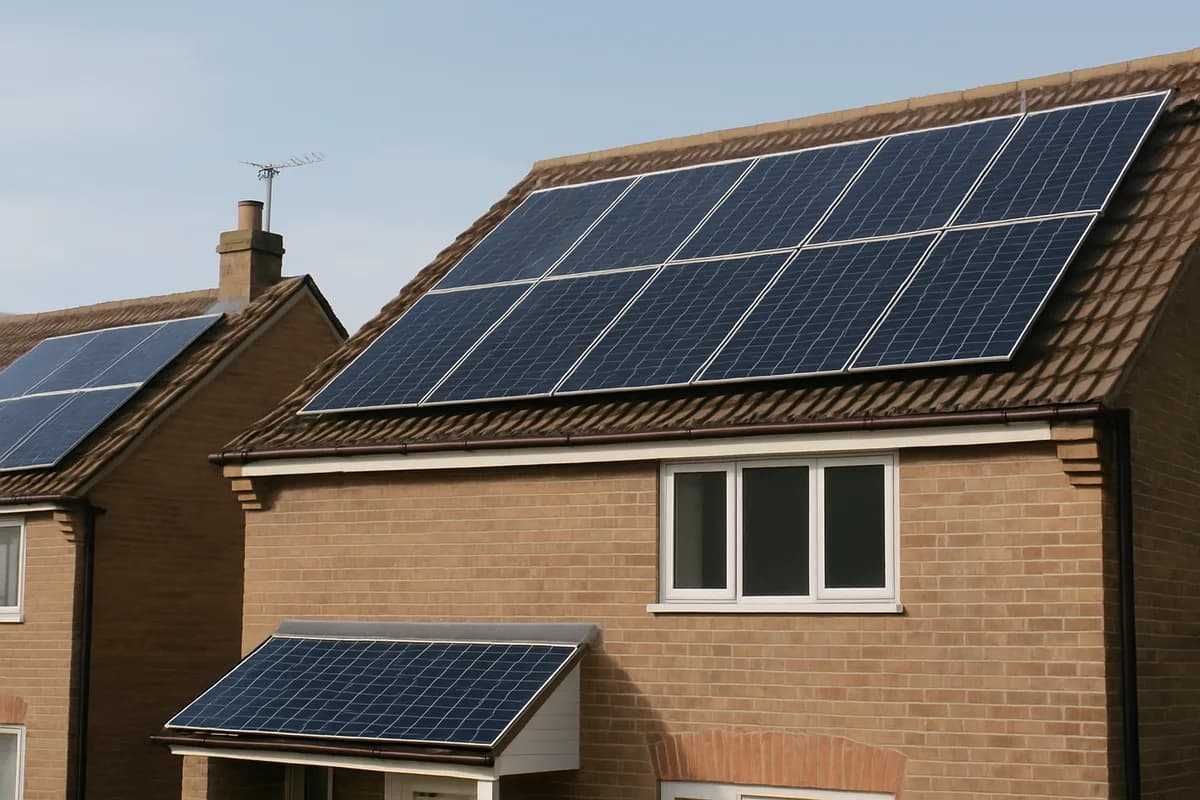
What would this actually cost at your home?
Installed prices vary widely by roof, access and region. Get an installed price for your property from MCS-certified installers.
Get an Installed PriceFree, no obligation. Takes about 2 minutes.
Should I buy second-hand solar panels?
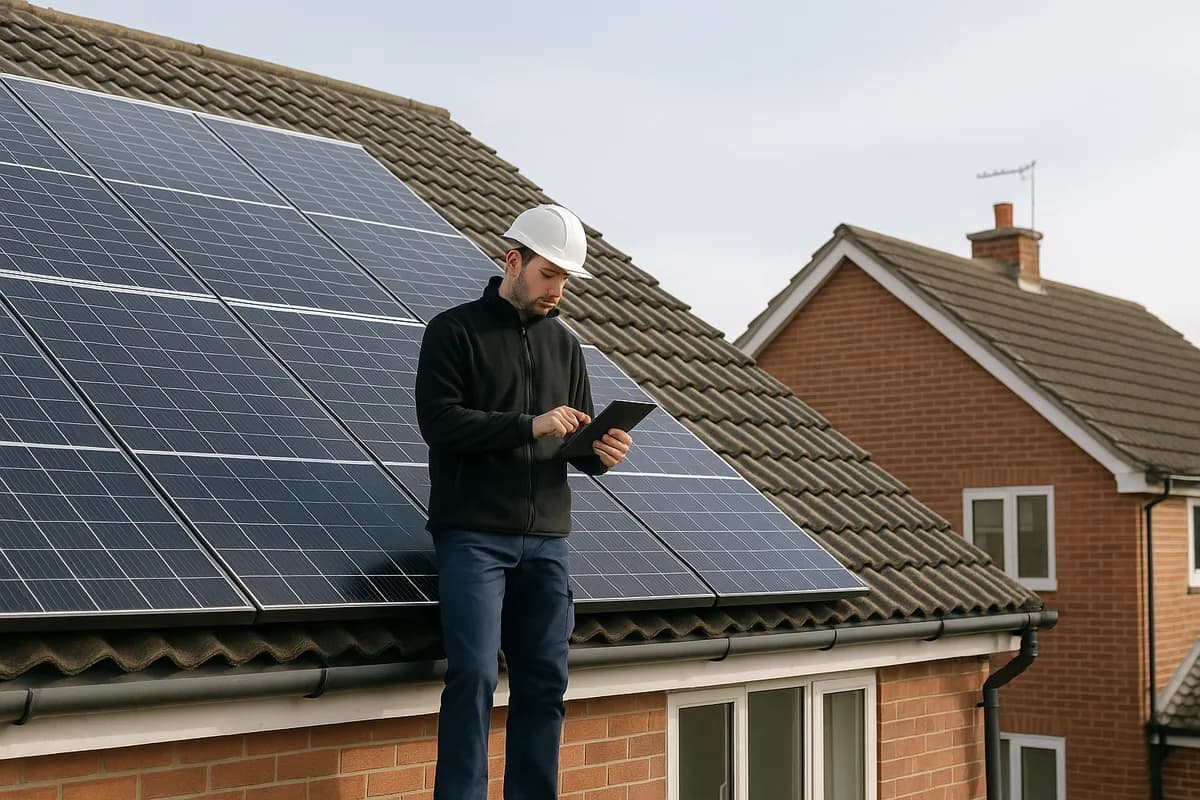
Second-hand solar panels cost 50–70% less than new (£50–£100 per panel vs £200–£350 new). However, you lose: MCS certification or an accredited equivalent, and with it the ability to claim SEG payments, manufacturer warranty (may be void on resale), and performance certainty (unknown degradation history). Second-hand panels make sense for off-grid sheds, caravans, and non-grid applications. For a main home grid-tied installation, new panels with MCS certification are almost always the better investment.
What You Save — And What You Lose
Financial comparison (10-panel 4kW system):
| New Panels | Second-Hand | |
|---|---|---|
| Panel cost | £2,000–£3,500 | £500–£1,000 |
| Total system cost | £5,500–£8,000 | £2,500–£4,500 |
| MCS certification | Yes | No |
| SEG income (25 years) | £1,500–£5,000 | £0 |
| Panel warranty | 25 years | None/limited |
| Performance certainty | Known from datasheet | Unknown degradation |
| Inverter compatibility | Guaranteed | May not match |
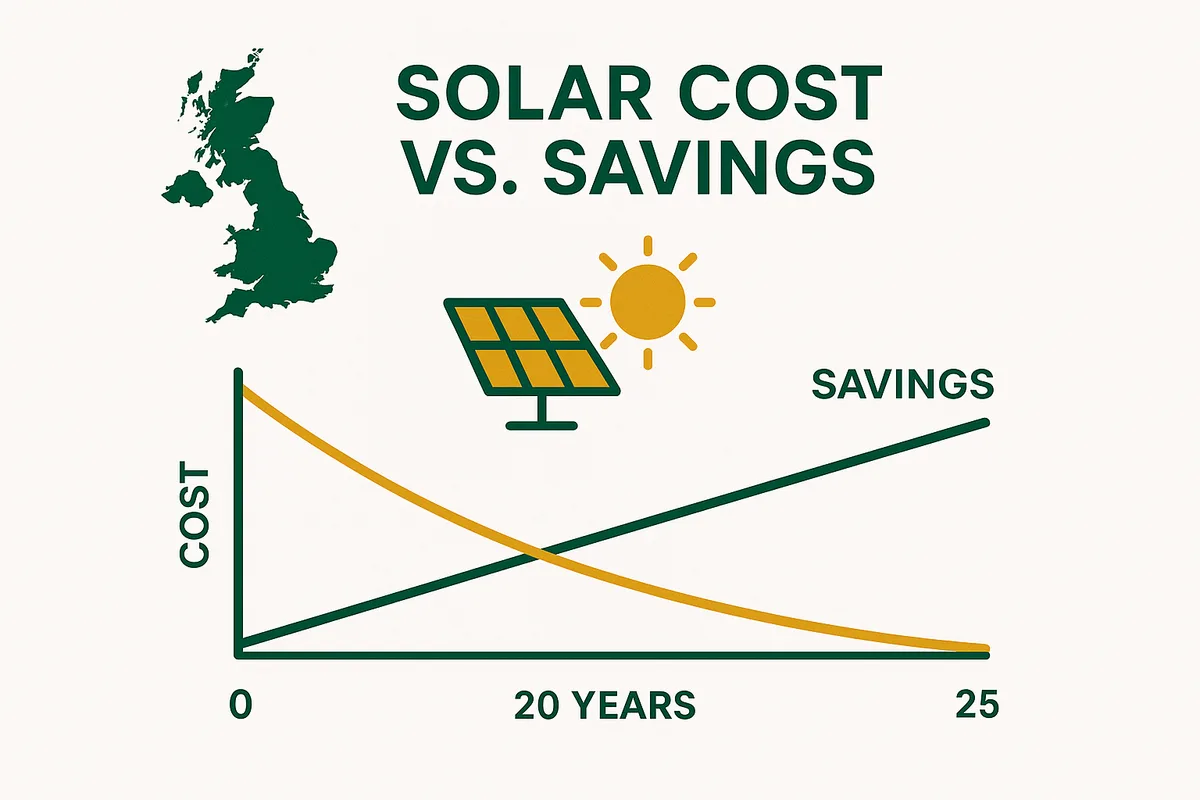
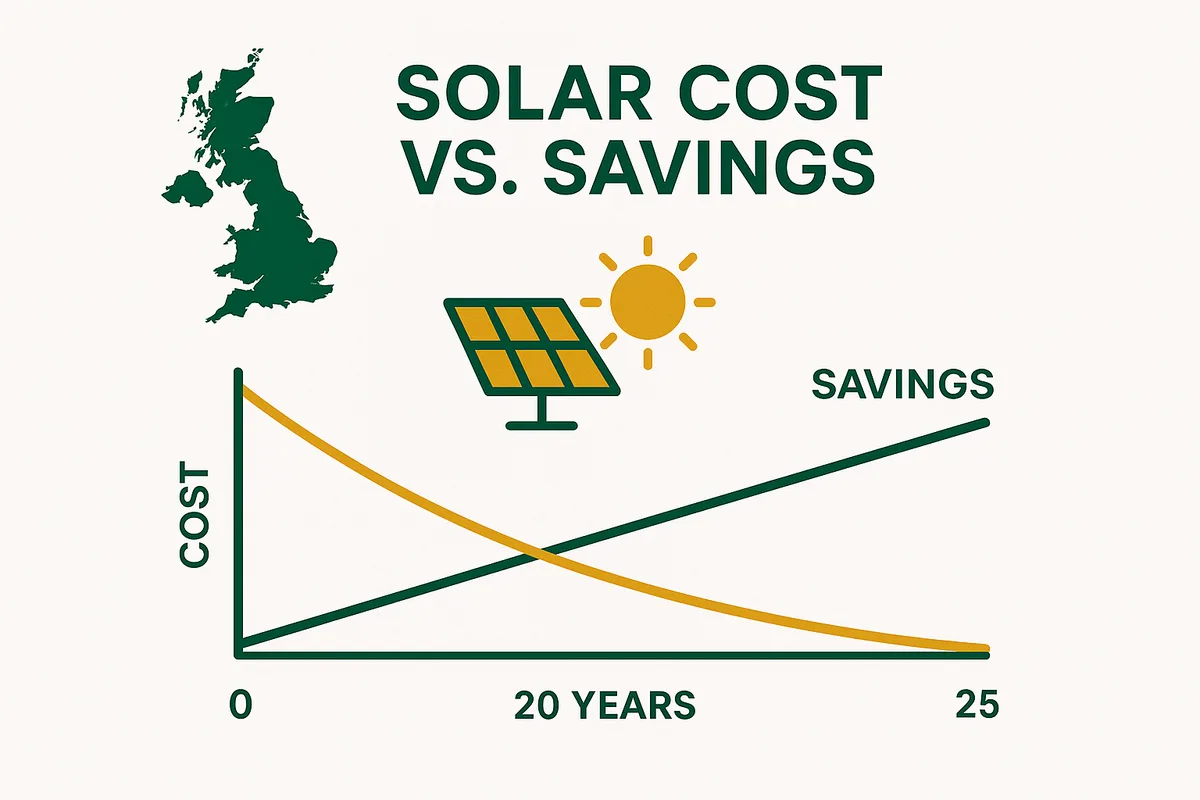
The hidden cost of second-hand: - No SEG = losing £80–£300 a year in export income, for as long as the system runs - That recurring income is what you give up, and it compounds over the life of the system - It typically wipes out most or all of the upfront saving
Net result: Second-hand panels save £1,500–£3,500 upfront but forfeit the export income entirely, because SEG needs certification through MCS or an accredited equivalent. For grid-tied installations, new panels are cheaper long-term.
Source: MCS certification requirements; SEG rate data.
When Second-Hand Panels DO Make Sense
- Off-grid shed or workshop — no grid connection = no SEG anyway. Cheap panels power lights and tools.
- Caravan or motorhome — second-hand 12V panels work fine for leisure battery charging.
- Garden lighting or water feature — low-power applications where panel quality is not critical.
- DIY experimentation — learning about solar on a budget before investing in a full system.
- Temporary installation — festival, event, or construction site power where panels may be damaged.
- Allotment or greenhouse — powering small devices, automatic watering, or greenhouse fans.
- Countries with no export tariff — where the SEG loss does not apply (not relevant to UK).
When Second-Hand Panels Do NOT Make Sense
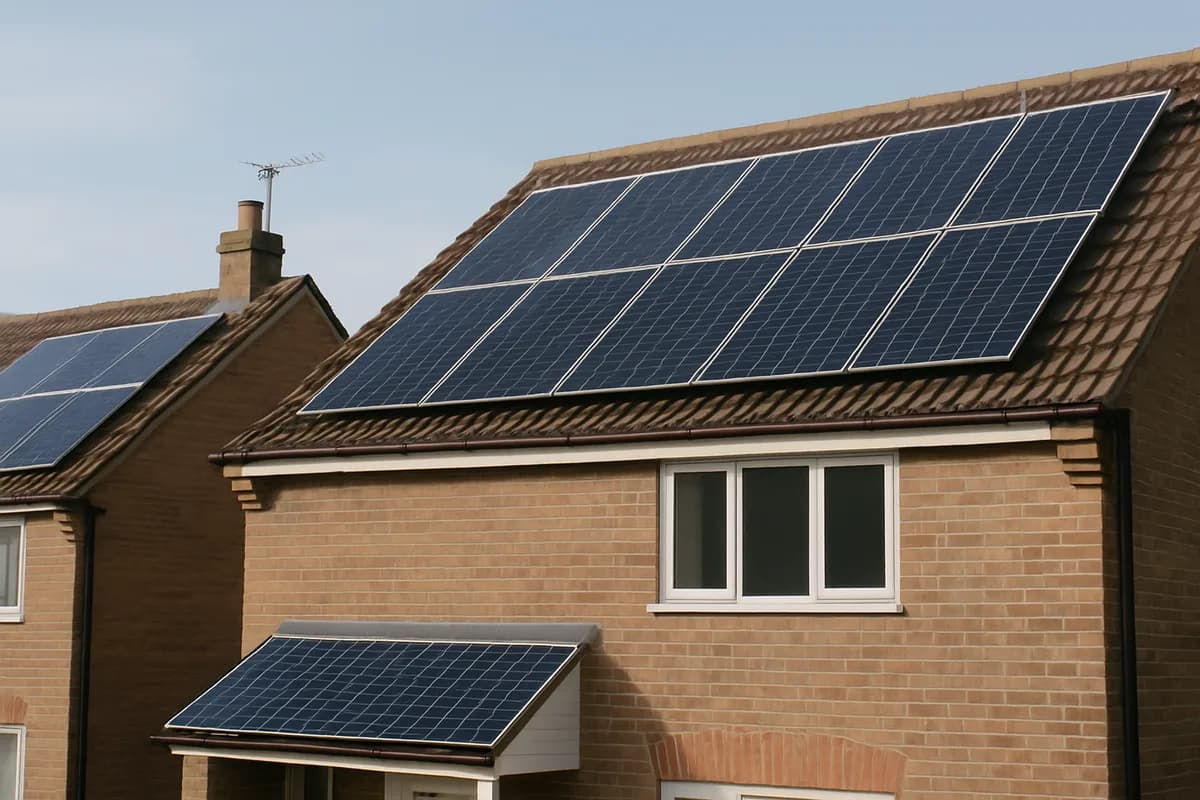
What would this actually cost at your home?
Installed prices vary widely by roof, access and region. Get an installed price for your property from MCS-certified installers.
Get an Installed Price- Main home grid-tied installation — you lose MCS certification, SEG income, and professional warranty.
- If you want to claim SEG export payments - SEG requires certification through MCS or an accredited equivalent, with new, traceable panels.
- If you want insurance coverage — some insurers may not cover DIY/second-hand panel installations.
- If you want to maximise property value — MCS certification documents add value; second-hand panels without paperwork do not.
- If you want reliable long-term performance — unknown degradation history means unpredictable output.
- If the panels are over 10 years old — output may be 10–20% below rated capacity with no warranty for further decline.
Where to Buy Second-Hand Panels
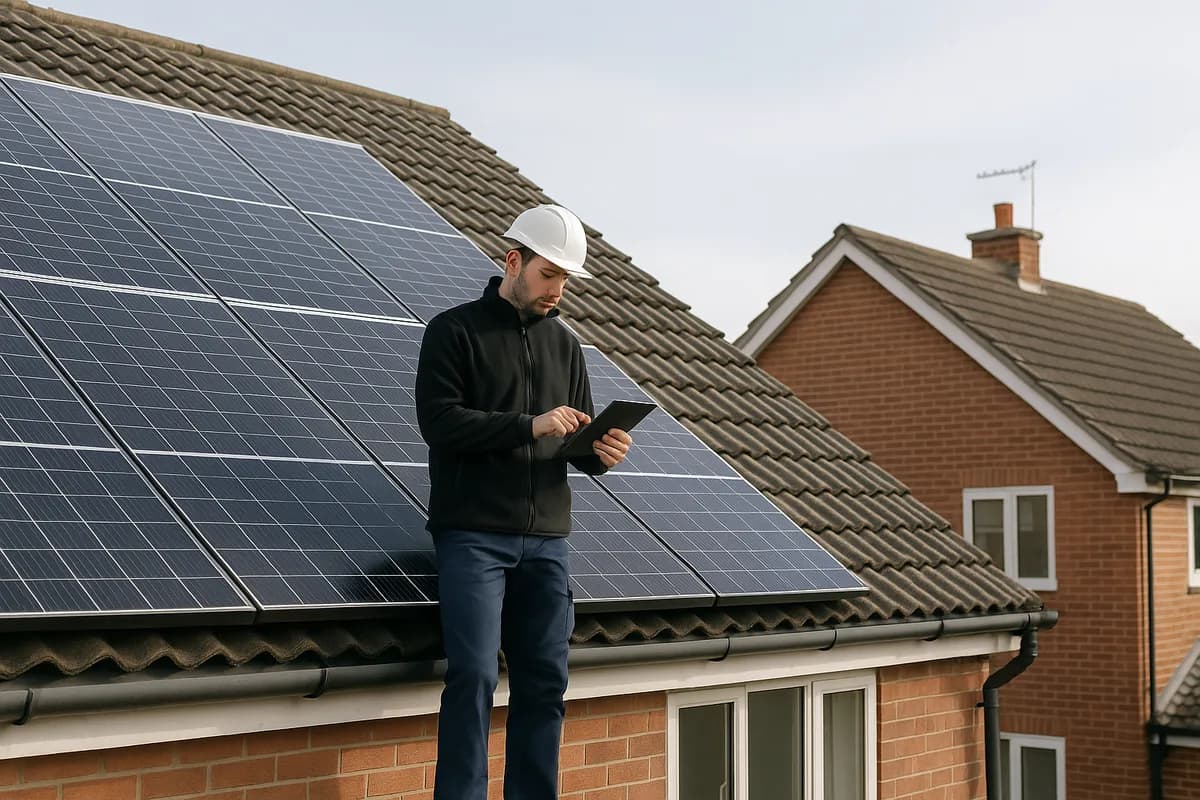
Sources: - eBay / Facebook Marketplace — most common. Prices: £30–£100 per panel. - Solar panel recycling companies — some sell tested used panels. - Commercial decommissioning — companies upgrading their systems sell old panels. - Forum communities (e.g., NavitronForum) — enthusiasts selling surplus.
What to check before buying: - Brand and model — research the original specifications - Age — older panels produce less (0.4–0.5% degradation per year) - Physical condition — check for cracks, delamination, yellowing, hot spots - Electrical testing — if possible, measure open-circuit voltage in sunlight (should be close to the datasheet rating) - Reason for removal — panels from roof replacements are usually fine; panels removed for faults may be problematic - Matching — all panels in a string should be the same make, model, and age for optimal performance
Risk: You are buying without warranty. If a panel fails in year 1, there is no recourse. Budget for 1–2 replacement panels in case of defects.
Source: Second-hand solar market data; panel testing guidance.
The Bottom Line
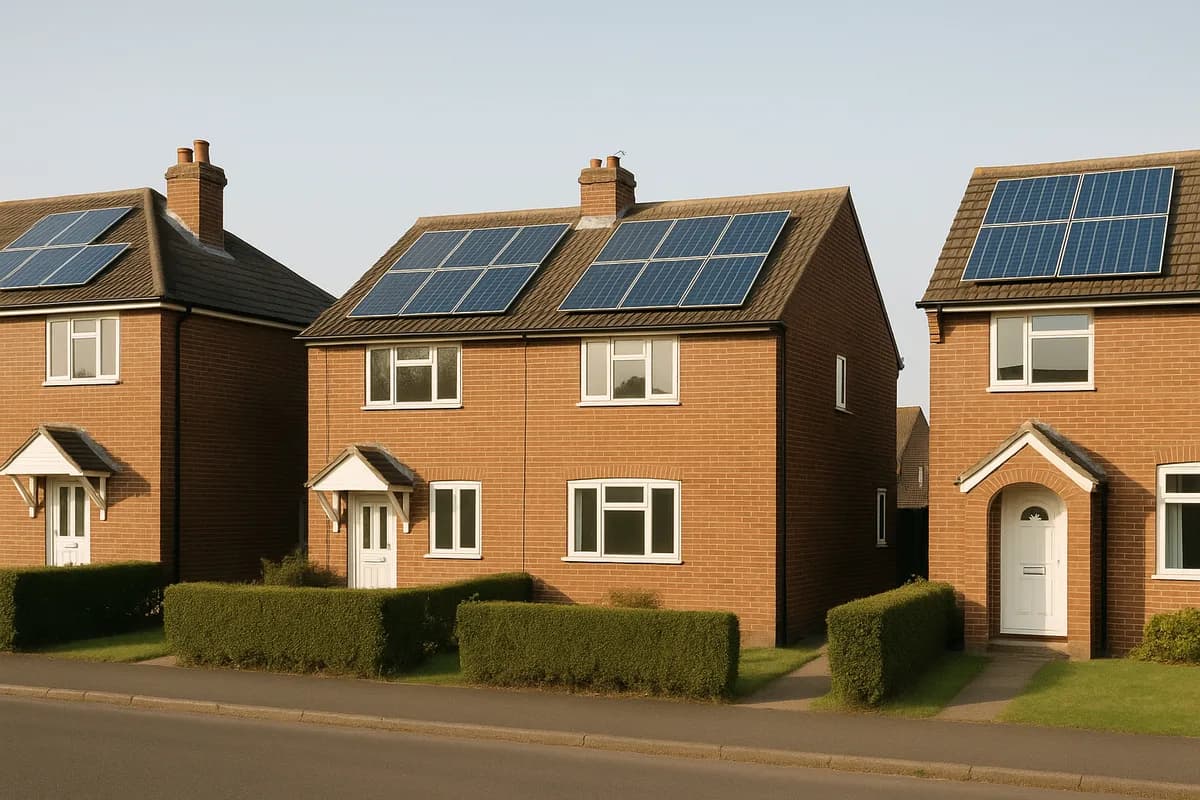
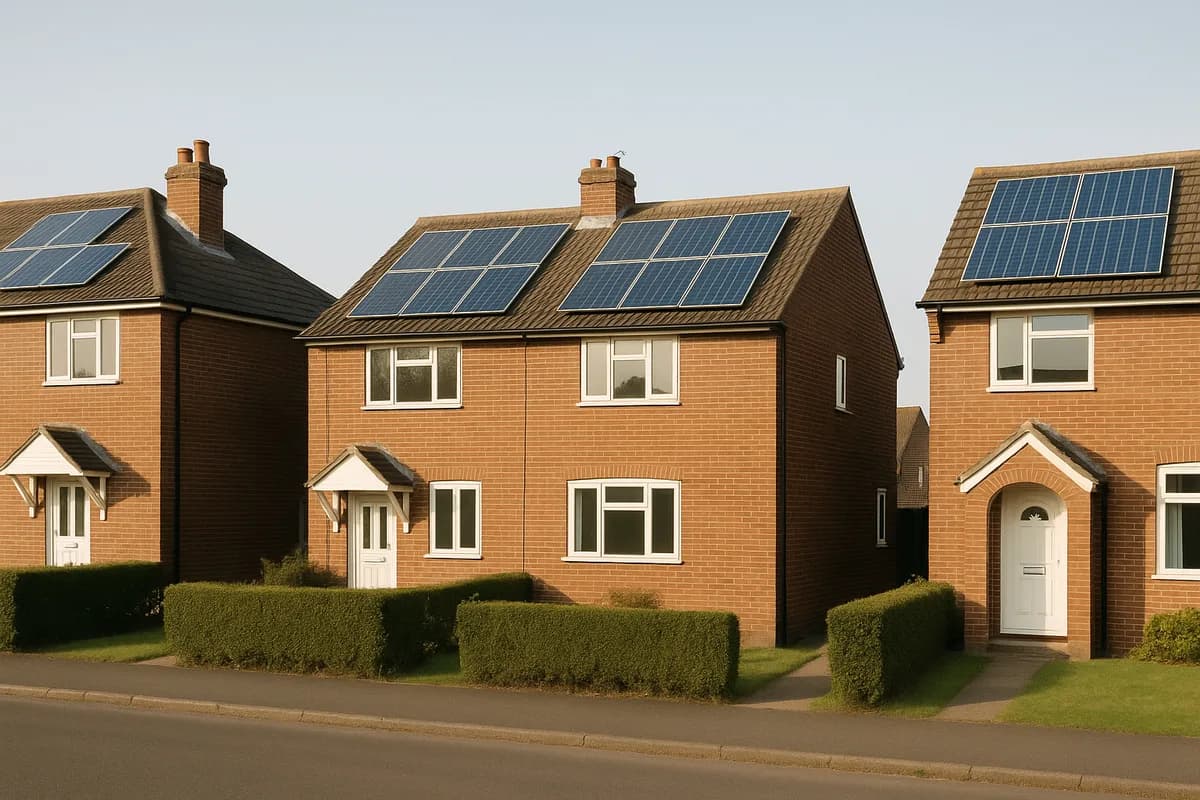
For a main home installation: Buy new. The upfront saving of second-hand (£1,500–£3,500) is offset by the loss of SEG export income, which needs certification through MCS or an accredited equivalent, and by the lack of warranty protection. New panels with MCS certification deliver better lifetime value.
For off-grid, hobby, or temporary use: Second-hand panels are excellent value. A £50–£100 panel that generates free electricity for a shed, caravan, or garden is a bargain — you are not losing SEG income because there is no grid connection.
The best budget option for a main home: Buy new budget panels (JA Solar, Trina, Longi at £200–£250 each) through an MCS-certified installer. You get full certification, full warranty, and SEG eligibility — at only 10–20% more than second-hand when you factor in lifetime value.
Frequently Asked Questions
Related guides
Related: Home Heating Systems
Solar panels are most powerful when combined with an efficient heating system. Heat pumps use solar-generated electricity to heat your home at 300-400% efficiency — making them the ideal partner for solar.
Heat pump installation typically takes 2-3 days and is best planned alongside solar.
From our sister site Home Heat Pump Guide
You might also like
What would this actually cost at your home?
Installed prices vary widely by roof, access and region. Get an installed price for your property from MCS-certified installers.
Get an Installed PriceFree, no obligation. Takes about 2 minutes.